Sony Alpha 7 V Review: Significant Upgrades in Performance, Thermals, and Key Features for Hybrid Shooters
The Sony a7 V introduces substantial upgrades over its predecessor, the a7 IV, positioning itself as a top contender in the hybrid camera market.
- Improved Build & Display: It features the Alpha 1 II's versatile screen mechanism and a doubled display resolution, enhancing usability.
- Faster Sensor Performance: The new 33MP sensor offers significantly faster read times, reducing rolling shutter (14.1ms for 4K24, 13.1ms for 4K60) and enabling full-frame oversampled 4K60.
- Enhanced Photography: Burst speed jumps to 30fps with 14-bit color even in lossless raw (though for limited duration), supported by a superior 1-second pre-capture and 16 stops of dynamic range in raw.
- New BIONZ XR2 Processor: This integrated AI chip boosts efficiency, leading to 23% better battery life and exceptional thermal performance.
- Unmatched Thermal Performance: The a7 V records 4K60 for over two hours on battery and over six hours with external USB-C power without overheating in lab conditions.
- Advanced Autofocus & Stabilization: It inherits the latest video autofocus features, including human pose estimation, and improved 7.5-stop stabilization with dynamic active modes.
- Video Quality & Quirks: Features improved color science aligning with the FX2, maintains excellent detail, but retains some persistent Sony quirks like faint zebras in certain modes and no 25/30p in H.265.
- Open Gate Discussion: While lacking Open Gate, the reviewer argues its necessity is often overrated for 9x16 reframing.
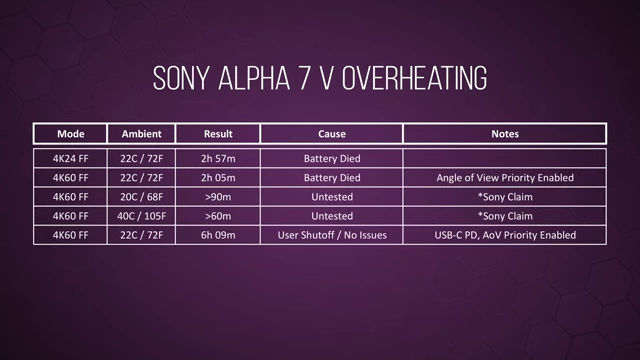
Sony a7 V overheating performance summary [ 00:16:47 ]
Intro & Disclosure [0:00]
The reviewer introduces the Sony a7 V, hinting that it might be a significant release, and discloses that Sony lent the camera but did not influence the review content.
Build & Features [1:03]
The a7 V retains a body largely identical to the a7 IV but introduces two major hardware upgrades:
- Improved Screen Mechanism: Inherits the multi-angle screen from the Alpha 1 II and a9 III, which can tilt, flip, and rotate, offering the "best screen in the business."
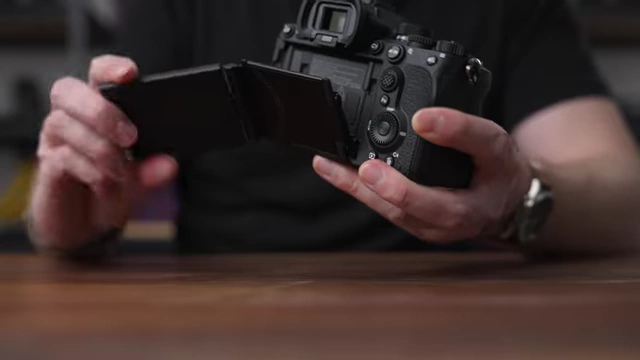
Sony a7 V's multi-angle screen mechanism [ 00:01:16 ] - Doubled Display Resolution: The resolution of the display has been significantly increased from the a7 IV, a much-needed upgrade.
- Dual USB-C Ports:
- One port operates at USB 2.0 speeds but supports power delivery.
- The other is a full 10 gigabit per second port for high-speed data transfer and power.
- This combination allows for tethering while powering the camera or using one port for power and another for Ethernet.
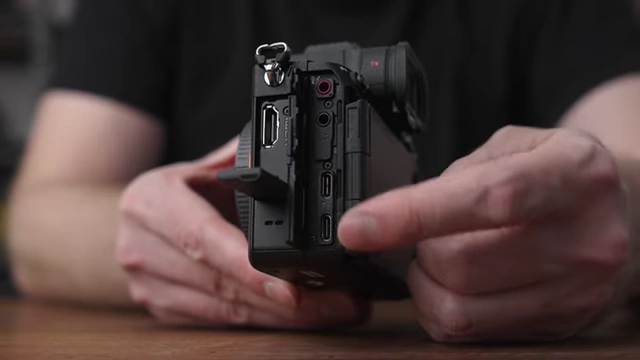
Dual USB-C ports for power and high-speed data transfer [ 00:01:34 ]
- UVC Webcam Capabilities: Upgraded to full 4K30, a feature missing from the a7 IV.
The reviewer notes that while the camera body is largely similar, it would have been ideal to get the Alpha 1 II body with its improved grip and button depth.
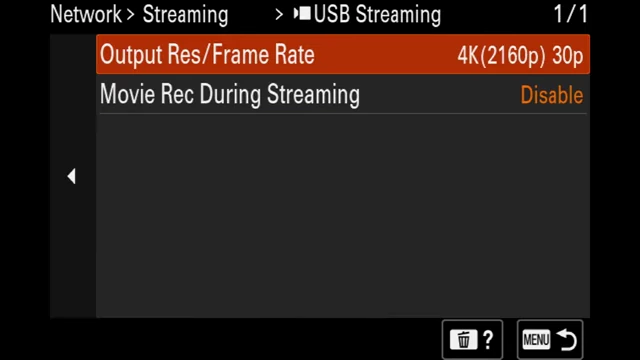
UVC Webcam 4K30 output setting [ 00:01:57 ]
Rolling Shutter [1:58]
The new sensor is significantly faster than its predecessor:
- 4K24 Oversampled from 7K: Measured at 14.1 milliseconds, nearly twice as fast as the a7 IV's 27 milliseconds in the same test.
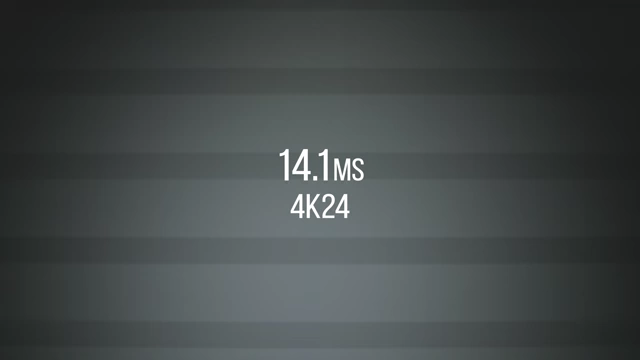
Sony a7 V 4K24 rolling shutter result (14.1ms) [ 00:02:10 ] - Impact: This speed improvement substantially reduces "jello" effects during fast camera movements.
4K60 [2:24]
The a7 V is capable of full-frame, oversampled 4K60.
- Read Time: Measured at 13.1 milliseconds.
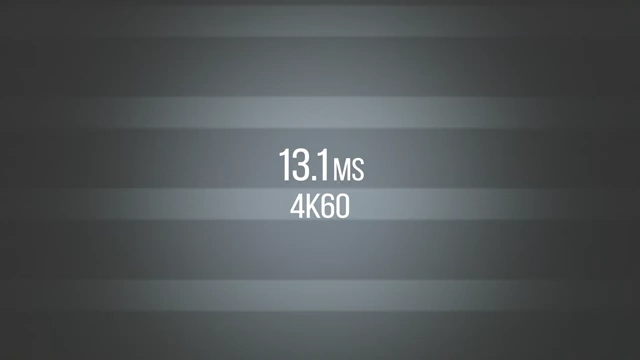
Sony a7 V 4K60 rolling shutter result (13.1ms) [ 00:02:28 ] - 4K Angle of View Priority Setting:
- Enabled: Provides a matching field of view to slower frame rates (full frame) but disables high ISO noise reduction. The reviewer prefers this as in-camera noise reduction can be too heavy-handed.
- Disabled: Crops the frame by about 16% and re-enables high ISO noise reduction.
- No other features are lost when enabling priority mode.
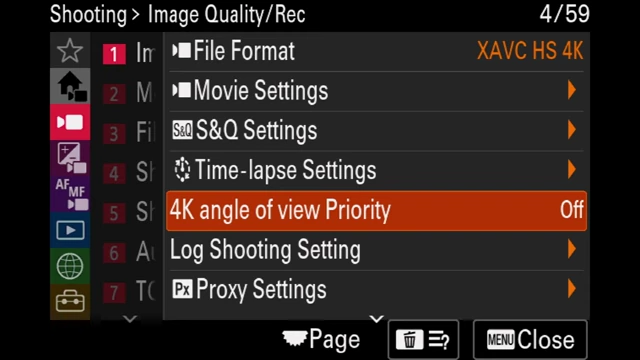
4K Angle of View Priority menu setting [ 00:02:42 ]
Photo Capabilities [3:24]
The new sensor greatly enhances action photography capabilities.
- Max Burst Speed: Jumps from 10 frames per second on the a7 IV to 30 frames per second on the a7 V.
- Features at Max Burst: Includes full subject tracking, blackout-free shooting, and no compromises in image quality.
- Autofocus System: Retains the 759-point autofocusing system and AI processing found in the Alpha 1 Mark II.
- Mechanical Shutter Control: Unlike the a1 II, the a7 V allows control over the electronic front curtain, enabling full mechanical actuation if preferred.
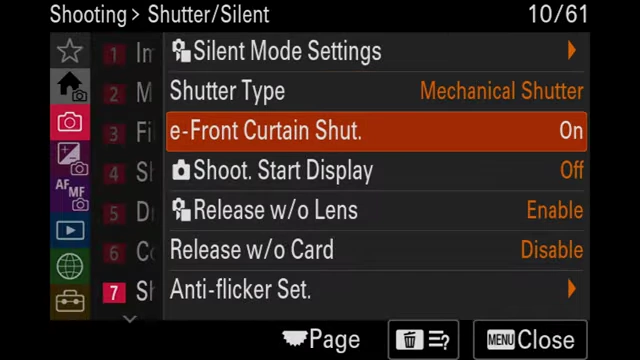
Electronic front curtain shutter control [ 00:03:48 ] - RAW Modes: Three modes available: Lossless Compressed, Compressed, and a new "Compressed HQ" (which currently seems peculiar due to file sizes and buffer performance).
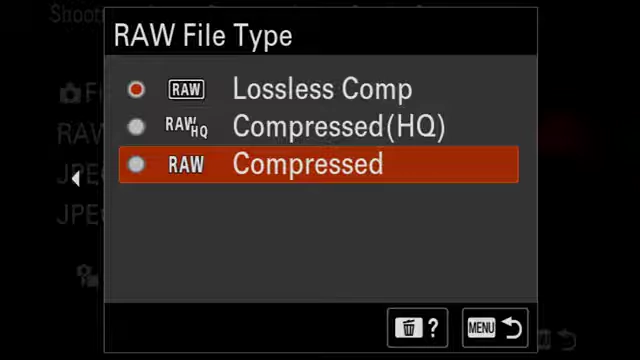
RAW File Type options including new Compressed HQ [ 00:03:57 ] - Buffer & Burst Duration (at 30fps):
- Lossless RAW: ~40 frames (1.3 seconds).
- Compressed RAW: ~100 frames (3.3 seconds).
- Buffer & Burst Duration (at 20fps):
- Lossless RAW: ~50 frames (2.5 seconds).
- Compressed RAW: ~170 frames (8.5 seconds).
- Buffer & Burst Duration (at 15fps):
- Lossless RAW: ~65 shots.
- Compressed RAW: Unlimited.
- Buffer & Burst Duration (at 10fps): Unlimited in both lossless and compressed modes, as the buffer clears as fast as the camera shoots.
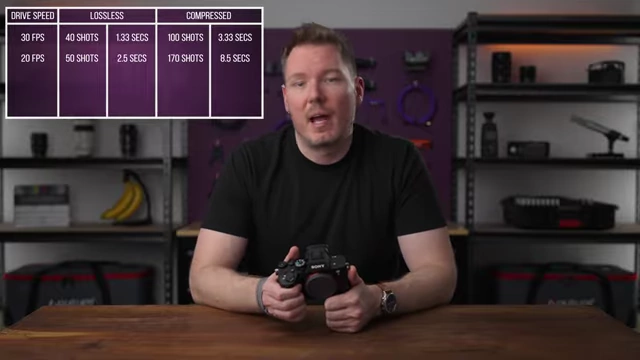
Sony a7 V burst shooting buffer performance [ 00:04:38 ] - Image Quality Retention: The a7 V maintains 30fps at 14-bits even for lossless raws, a capability not matched by the Alpha 1 II (drops to 20fps for least compressed) or Canon R6 Mark III (drops to 12-bit for 40fps).
- Pre-Capture: Superior to Canon, offering up to one full second before pressing the shutter, with fine control over interval and burst speed.
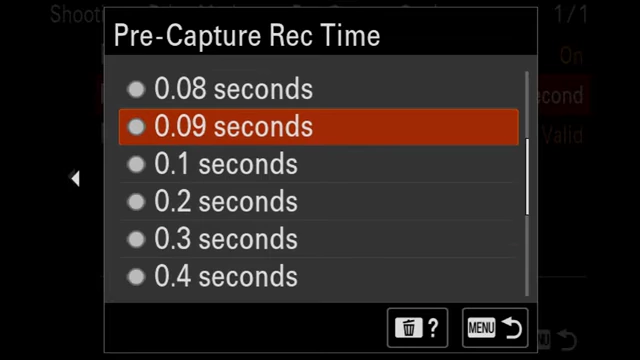
Pre-Capture Record Time options [ 00:05:40 ] - Dynamic Range (RAW): Sony claims up to 16 stops of dynamic range in RAWs, with the cleanest shadows in its category. This is awaiting validation with full software compatibility.
Card Slots [4:48]
- Configuration: Same as the a7 IV, featuring one combo slot (CFexpress Type A / SD) and one dedicated SD card slot.
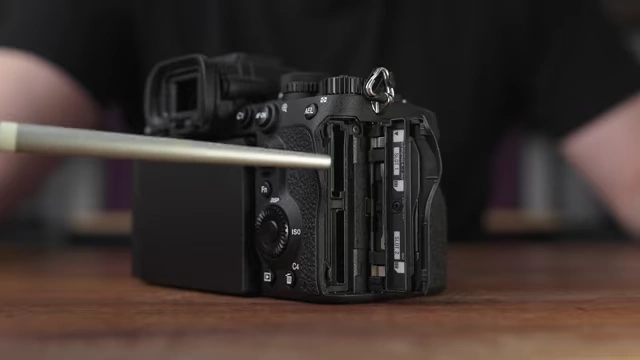
Sony a7 V dual card slots (CFexpress Type A / SD) [ 00:04:55 ] - Recording: Supports redundant and relay recording in both photo and video modes for formats compatible with both card types.
New Processor [5:57]
- BIONZ XR2 Architecture: The a7 V features the new BIONZ XR2 processor, which integrates the previous dual BIONZ XR chips and the AI processing unit into a single, more powerful, and efficient unit.
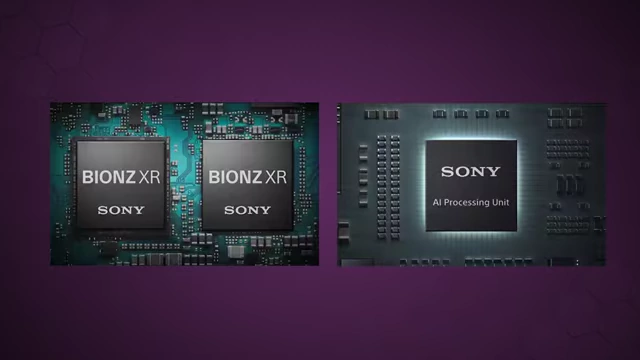
BIONZ XR2 processor integrates dual BIONZ XR chips and AI processing unit [ 00:06:10 ] - Battery Efficiency: Results in a 23% improvement in battery life compared to the a7 IV.
- Viewfinder Shot Rating: Rated for over 600 single-frame viewfinder shots, significantly higher than most competitors in the 300s range.
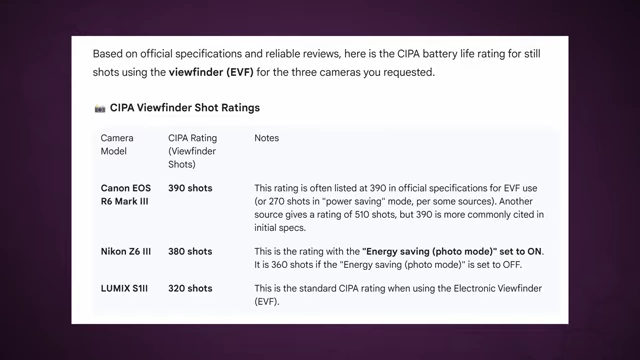
CIPA Viewfinder Shot Ratings for various cameras [ 00:06:32 ]
Dynamic Range [6:51]
Tested in S-Log3 at ISO 800 for video:
- 4K24 ISO 800: Measured 14.2 stops of total dynamic range, with a medium score of 12.5 (clean stops with SNR of 2).
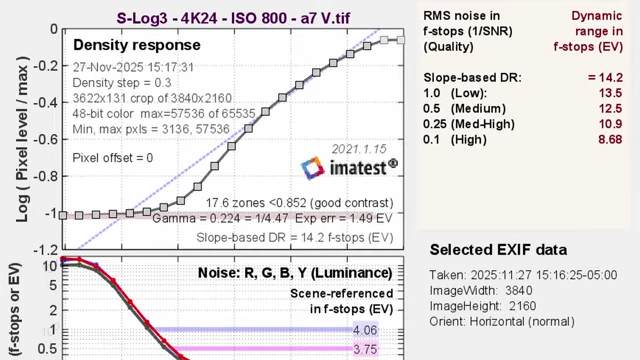
Dynamic Range test results for Sony a7 V in S-Log3 4K24 ISO 800 [ 00:07:01 ] - Comparison to a7 IV: Similar total DR, but the a7 V shows a "more natural" noise pattern, allowing more detail retention after noise reduction, akin to the FX2. The a7 IV has a more processed, suppressed noise which becomes worse in deeper shadows.
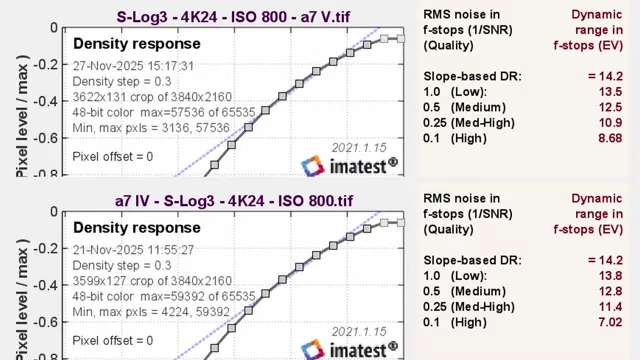
Dynamic Range comparison: Sony a7 V vs a7 IV in S-Log3 4K24 ISO 800 [ 00:07:20 ]
Low-Light Test [7:48]
- Methodology: Underexposed, dimly lit scene boosted in post to compare different ISOs.
- a7 IV vs a7 V: The a7 IV produces mushier images at higher ISOs due to aggressive noise suppression. The a7 V is noisier but retains significantly more detail and contrast, making it more workable in post-production.
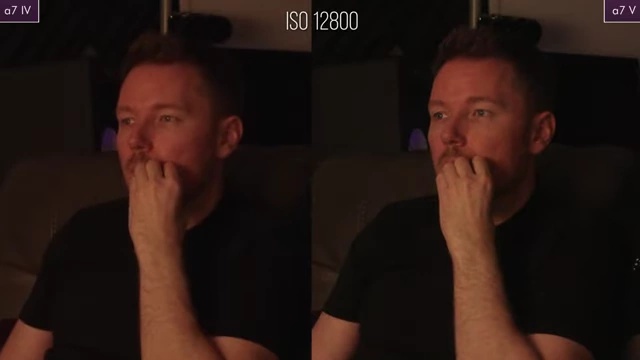
Low-light comparison: Sony a7 V vs a7 IV at ISO 12800 [ 00:08:00 ]
ISO Range [8:58]
- Second Native ISO: The a7 V's second native ISO is at 8000, where dynamic range improves by about 2/3 of a stop, and pixel noise is lowered by 25% compared to ISO 6400.
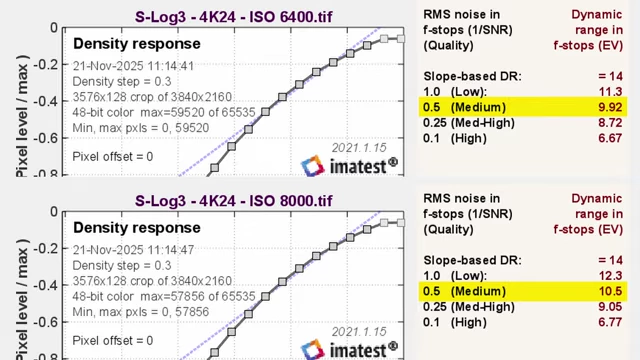
Dynamic Range at ISO 6400 vs native ISO 8000 [ 00:08:11 ] - Color Maintenance: Color is impeccably maintained across the entire ISO range, with no noticeable hue shifts even at very high ISOs like 102400.
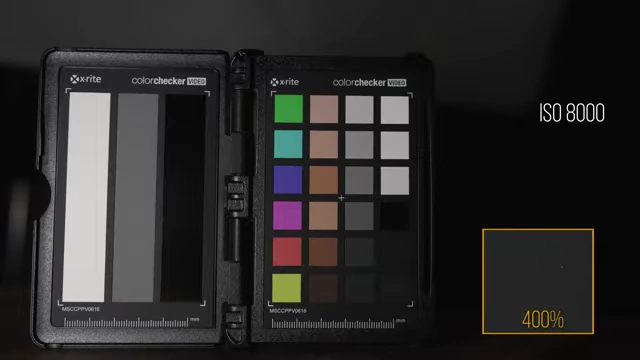
ISO 8000 performance on Sony a7 V [ 00:09:10 ] 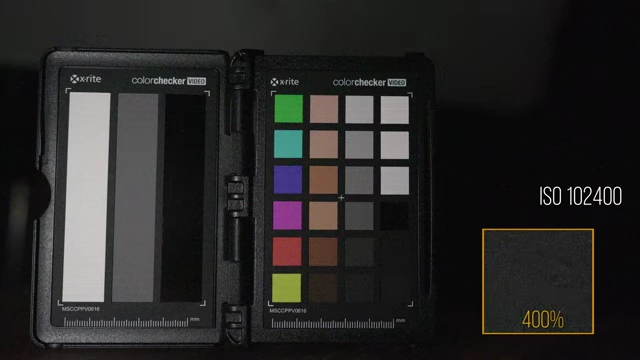
ISO 102400 performance on Sony a7 V [ 00:09:20 ] - 4K60 Priority Impact:
- At ISO 800, there's barely a difference between priority enabled (less noise reduction) and disabled (more noise reduction, 16% crop).
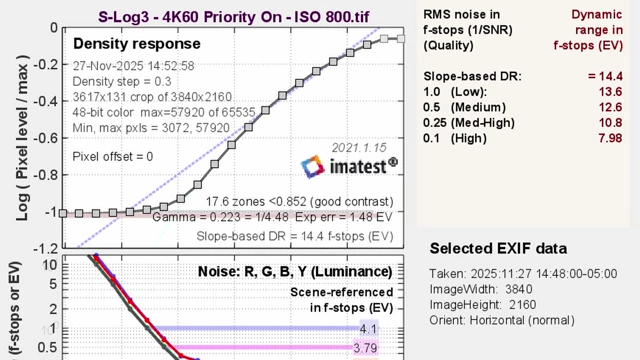
Dynamic Range in S-Log3 4K60 with 'Angle of View Priority On' [ 00:08:33 ] 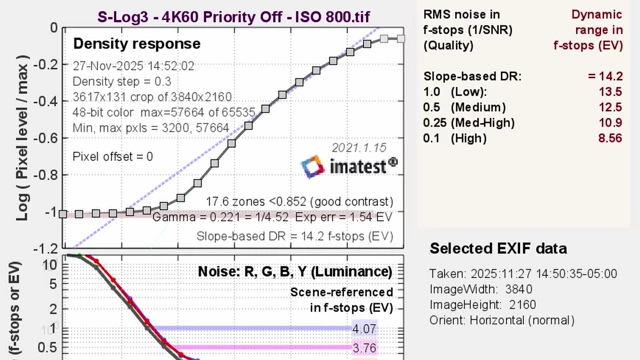
Dynamic Range in S-Log3 4K60 with 'Angle of View Priority Off' [ 00:08:45 ] - Differences become noticeable at ISO 6400 but minimize again at ISO 8000.
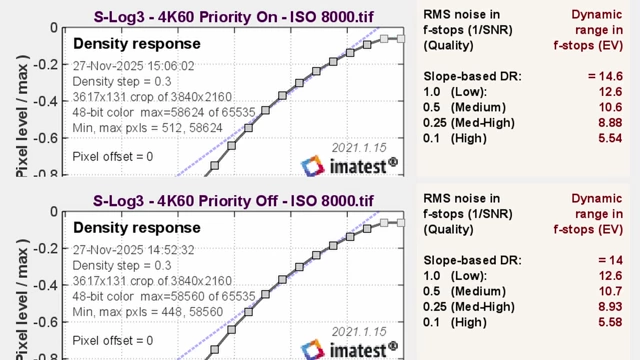
Dynamic Range in S-Log3 4K60 with Priority On vs Off at ISO 8000 [ 00:08:53 ] - At very high ISOs (e.g., 12800 and above), the cropped version with noise reduction (priority off) is visibly cleaner. The reviewer prefers the full-frame view with slightly more noise in most cases.
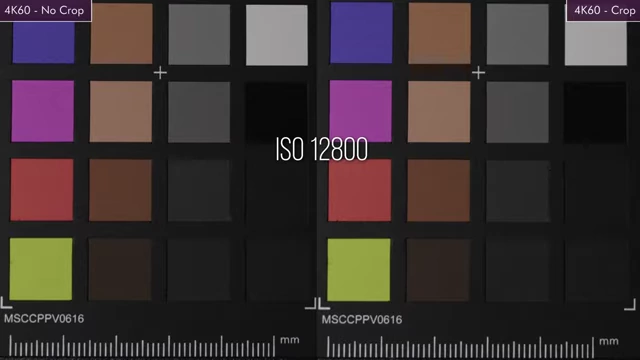
4K60 ISO 12800 with and without 16% crop and noise reduction [ 00:09:38 ]
- At ISO 800, there's barely a difference between priority enabled (less noise reduction) and disabled (more noise reduction, 16% crop).
4K120 & APS-C [9:48]
- 4K120 Availability: Only available in APS-C mode.
- APS-C in 4K24/4K60: Read speed remains 14ms, and dynamic range is nearly identical to full-frame. The camera uses the saved read time for enhanced image sampling and processing, maintaining DR even in APS-C mode.
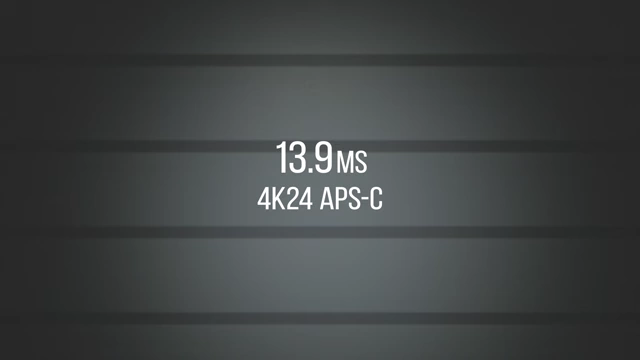
Sony a7 V 4K24 APS-C rolling shutter result (13.9ms) [ 00:09:56 ] 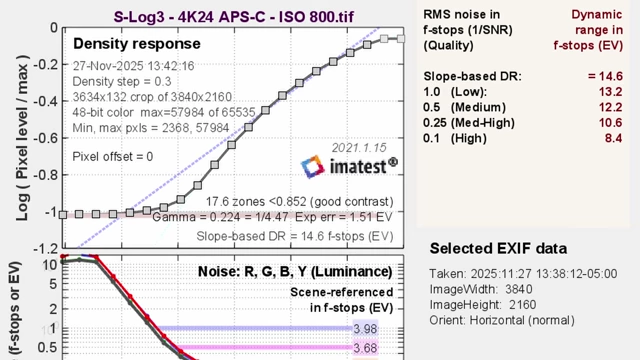
Dynamic Range test results for Sony a7 V in S-Log3 4K24 APS-C ISO 800 [ 00:10:02 ] - 4K120 in APS-C:
- Read speed drops significantly to 7 milliseconds, as all processing power is dedicated to achieving the high frame rate, and no extra sampling takes place.
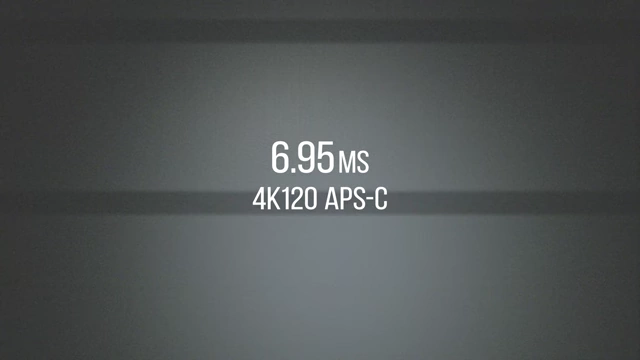
Sony a7 V 4K120 APS-C rolling shutter result (6.95ms) [ 00:10:22 ] - Dynamic range drops to typical APS-C levels, around 11.5 stops (medium score).
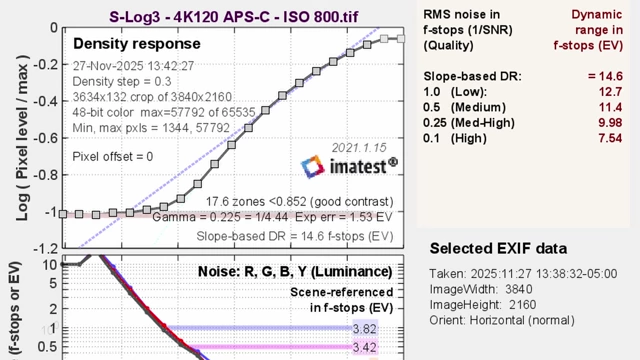
Dynamic Range test results for Sony a7 V in S-Log3 4K120 APS-C ISO 800 [ 00:10:40 ]
- Read speed drops significantly to 7 milliseconds, as all processing power is dedicated to achieving the high frame rate, and no extra sampling takes place.
- 4K120 Angle of View Priority: Similar to 4K60, enabling this maintains the APS-C field of view but disables noise reduction; disabling it applies an additional crop and enables noise reduction.
- Detail: Detail is maintained even at higher frame rates.
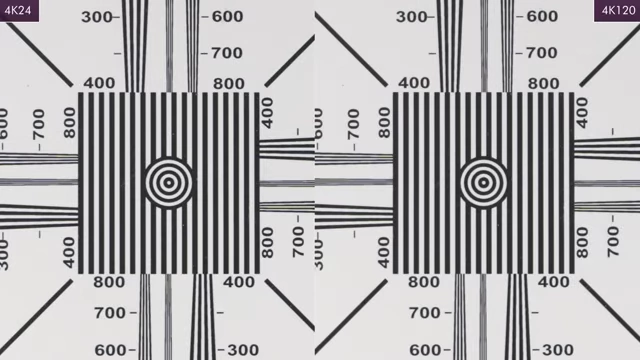
Detail comparison: 4K24 vs 4K120 APS-C on Sony a7 V [ 00:10:57 ]
Detail [10:53]
- a7 V vs a7 IV: A side-by-side comparison in full-frame 4K24 using the same lens shows the a7 V maintaining the excellent detail quality of the a7 IV. The a7 V also appears to have slightly better chromatic aberration suppression.

Detail and chromatic aberration comparison: Sony a7 IV vs a7 V [ 00:11:10 ]
Color [11:22]
- a7 V vs a7 IV: The a7 V exhibits a slight color difference, with reds being less orange and vibrant compared to the a7 IV.
- a7 V Color Science: It more closely matches the FX2, offering a more saturated overall look and shifting reds and skin tones towards magenta, which the reviewer finds to create a more even and neutral appearance.
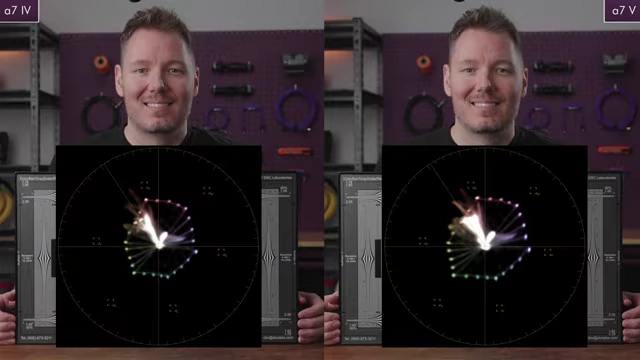
Color science comparison (Vectorscope): Sony a7 V vs a7 IV [ 00:11:40 ] - LUT Pack: The reviewer will update his Sony LUT pack to include the a7 V for color matching.
Autofocus [12:07]
- Low-Light Autofocus: In an extreme ISO 51200 test, the a7 V showed slight hunting, while the a7 IV did not. In a backlit underexposure test, the a7 IV out-performed the a7 V by 1/3 of a stop, though both passed.
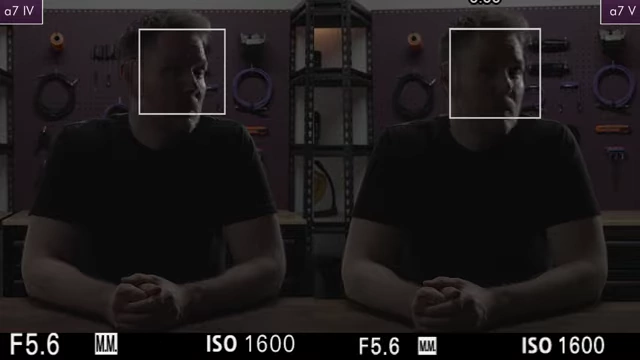
Autofocus underexposure test: Sony a7 V vs a7 IV [ 00:12:26 ] - Overexposure Autofocus: The a7 V significantly outperforms the a7 IV, maintaining tracking up to nearly 7 stops overexposed, compared to the a7 IV struggling at 4.5 stops over.
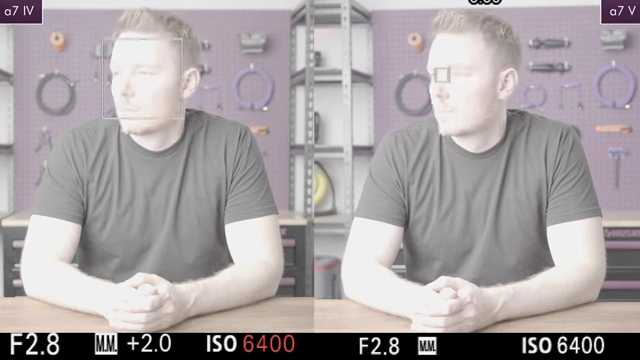
Autofocus overexposure test: Sony a7 V vs a7 IV [ 00:12:39 ] - Advanced Video AF Features: The a7 V inherits all the latest video autofocus improvements, including:
- Human pose estimation.
- Diverse subject types (animals, birds, cars, trains, airplanes).
- Auto-switching between subject types.
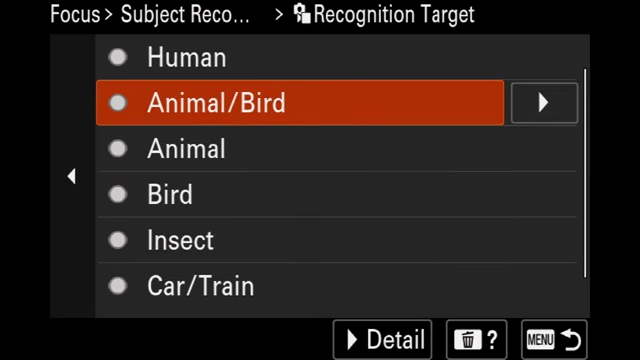
Autofocus subject recognition target options [ 00:13:03 ]
Stabilization [13:05]
- Rating: Rated at 7.5 stops.
- New Features: Includes framing stabilizer, AI auto framing, and dynamic active stabilization.
- Performance Tests:
- Standard IBIS: Felt normal for Sony (no wobbles, but still shaky for walking).
- Active IS: Applied a small crop and provided smooth results for follow shots, even with heavy foot drops.
- Dynamic Active IS: Applied an even greater crop, but was stellar, offering nearly gimbal-like smoothness and handling a light jog effectively.
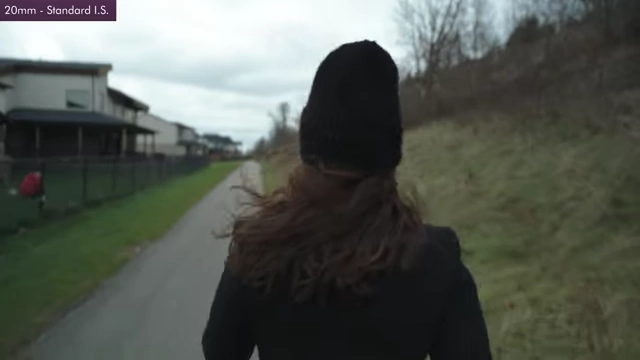
Stabilization comparison: Active IS, Standard IS, and Dynamic Active IS [ 00:13:39 ]
- Overall: Impressed with the improved stabilization, which, combined with the faster read speed, should result in much more pleasing handheld shots.
Vlog Test [13:52]
The reviewer performs a handheld vlog-style test in a studio environment. The camera is set to active stabilization, 16mm focal length (with focus breathing compensation on, causing a slight punch-in), auto exposure, and auto white balance. The audio is recorded using a RODE VideoMic NTG. The test aims to demonstrate rolling shutter and stabilization in practical use.
Overheating & Battery [15:22]
A significant improvement over the a7 IV.
- Processor Efficiency: The BIONZ XR2 processor is more heat-efficient.
- Thermal Design: The camera has a vastly improved thermal design.
- Overheating Test Results (22°C / 72°F ambient):
- 4K24 Oversampled Full Frame: Recorded for 2 hours and 57 minutes (until battery died) with no heat warnings.
- 4K60 Oversampled Full Frame (Priority On): Recorded for 2 hours and 5 minutes (until battery died) with no heat warnings. This is noted as potentially the best 4K60 result on a hybrid camera.
- 4K60 Oversampled Full Frame (with USB-C power): Recorded for over 6 hours without issues (user-initiated shutoff).
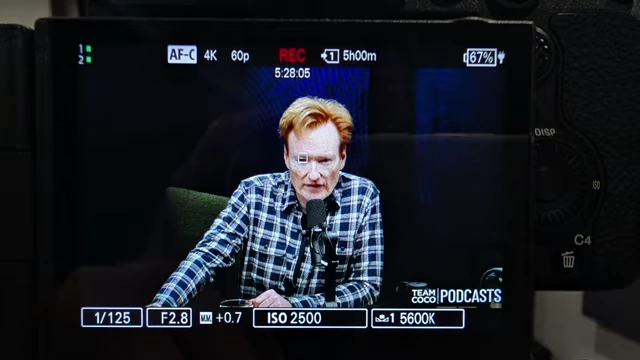
Sony a7 V recording 4K60 for over 5 hours without overheating [ 00:17:34 ] - a7 IV Comparison: In the same conditions, an a7 IV overheated in just over an hour when recording 4K60 APS-C, while the a7 V continued for hours.
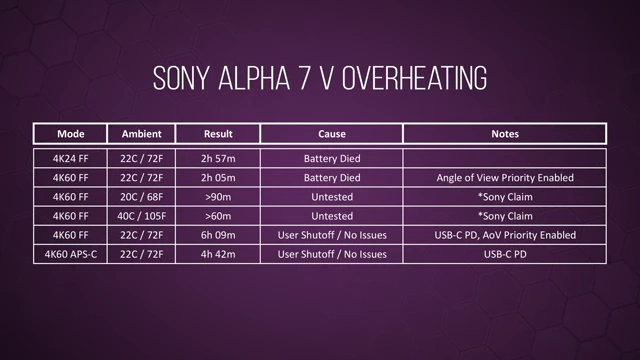
Sony a7 V overheating performance test results [ 00:18:02 ]
- Sony's Claims: Sony claims 4K60 should last at least 90 minutes at 20°C (68°F) and at least 60 minutes at 40°C (105°F), indicating increased confidence in thermal performance.
Quirks & Updates [18:14]
- Faint Zebras: A new issue where zebras are fainter than on other Sony cameras, specifically when using the exposure range option for middle gray, unlike max clipping zebras. This has been reported to Sony.
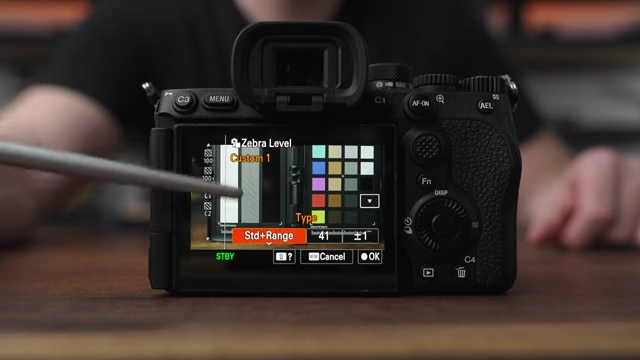
Faint zebras when using 'Exposure Range' for middle gray [ 00:18:35 ] - Log Shooting Mode: The camera includes the Log Shooting mode (added since a7 IV) but retains a quirk where 4K cannot be output over HDMI when in this mode; a custom picture profile is required.
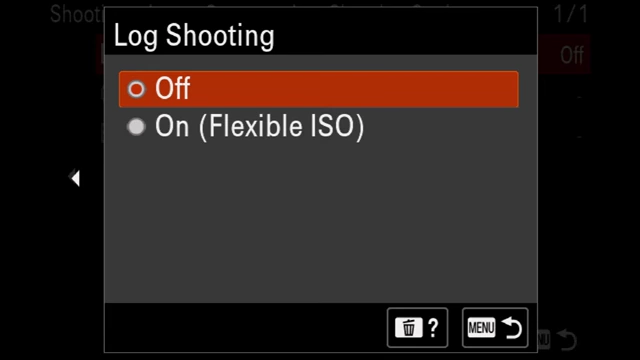
Log Shooting Setting menu on Sony a7 V [ 00:18:41 ] 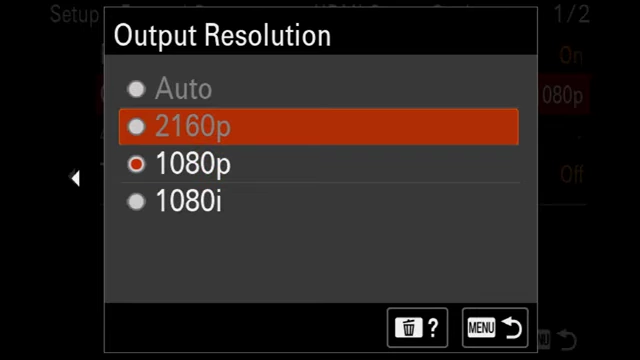
HDMI output resolution options in Log Shooting mode [ 00:18:50 ] - HDMI Output: If menus and on-screen info are sent to the HDMI feed, the camera's LCD turns off, a persistent Sony issue. Only a clean HDMI feed allows both screens to be on.
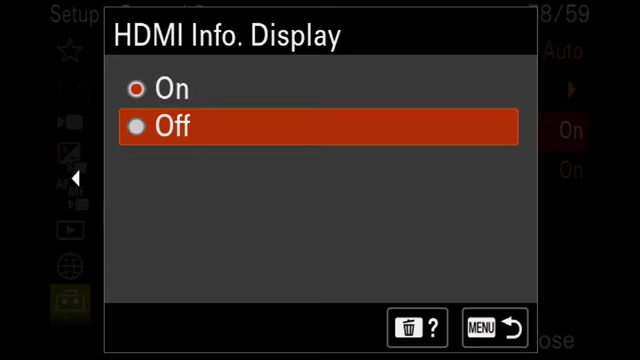
HDMI Info. Display setting that affects camera LCD [ 00:19:11 ] - H.265 Frame Rates: Still no 25p or 30p when shooting in H.265; it skips directly from 24p to 60p. H.264 must be used for 30p.
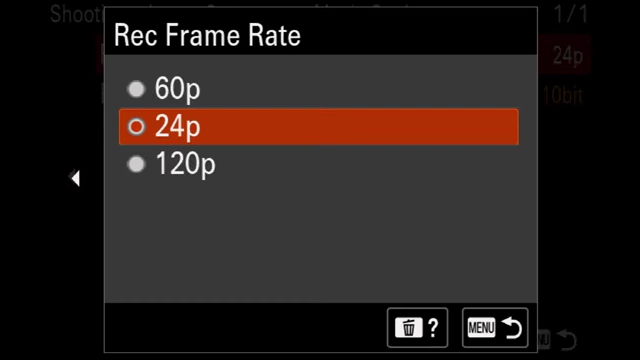
H.265 frame rate options, skipping 25p/30p [ 00:19:20 ] - New Video Interface: A more refined video interface compared to the a7 IV.
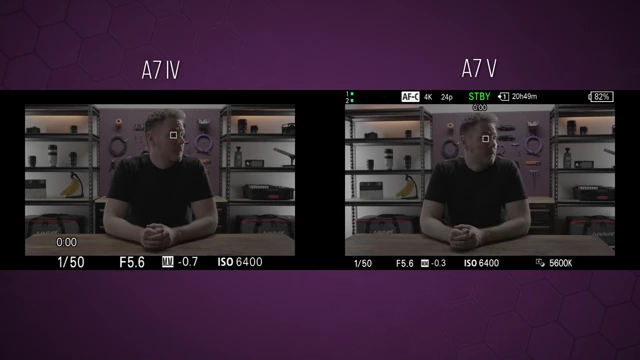
Newer video interface on Sony a7 V compared to a7 IV [ 00:19:32 ] - Importable User LUTs: Supports importing custom LUTs.
- Improved AI White Balancing: Offers better accuracy and a more customizable target box with a resizable reticle.
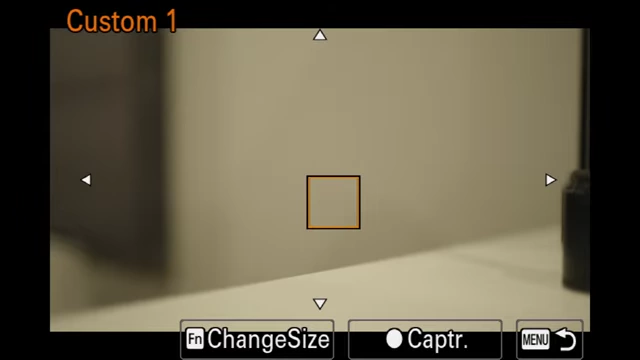
Custom white balance reticle with resizable target box [ 00:19:39 ] - Clear Image Zoom Upgrade: Using this feature no longer compromises autofocus performance or subject detection, unlike on the a7 IV.
- Still Creation in Video Mode: Allows users to add shot marks during video recording, which the camera automatically processes into JPEGs after recording.
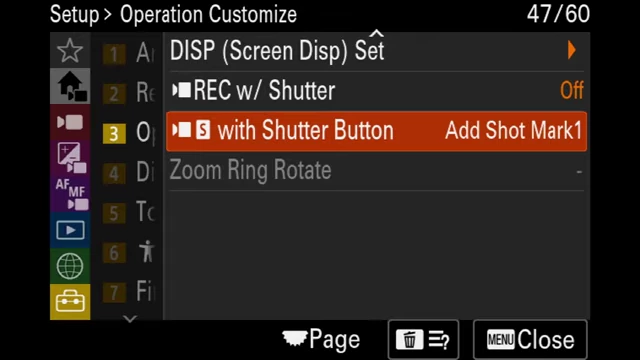
Customizing shutter button to add shot marks during video [ 00:19:58 ] 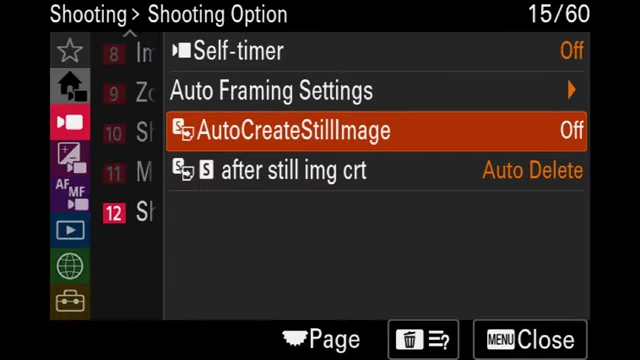
Auto Create Still Image option for generating JPEGs from video marks [ 00:19:59 ] - Vertical Mode: For 9x16 content, files are flagged as such, and the LCD interface rotates to match.
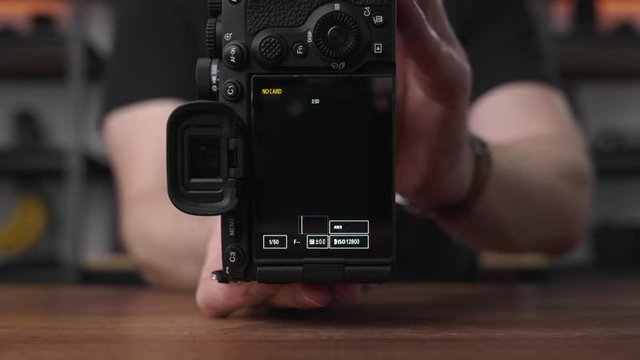
Vertical mode rotates the LCD interface for 9x16 content [ 00:20:17 ]
Open Gate [20:18]
- Absence: The a7 V does not have Open Gate recording or internal RAW video.
- Reviewer's Stance: Believes the camera is technically capable of Open Gate, and it would be better to have it, but considers it an "overrated feature."
- Common Use Cases:
- Anamorphic Ratios: Less compelling for a 3x2 sensor, which can lead to extremely wide aspect ratios. Lumix cameras are suggested for anamorphic enthusiasts due to better de-squeeze and stabilization options.
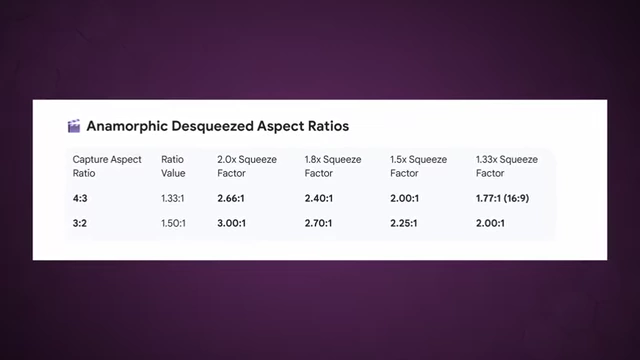
Anamorphic desqueezed aspect ratios for 3x2 and 4x3 sensors [ 00:21:16 ] - More Headroom for 9x16 Cropping: The reviewer demonstrates that the "headroom" provided by Open Gate can be achieved by simply zooming out a few millimeters or backing up the camera with a 16x9 recording.
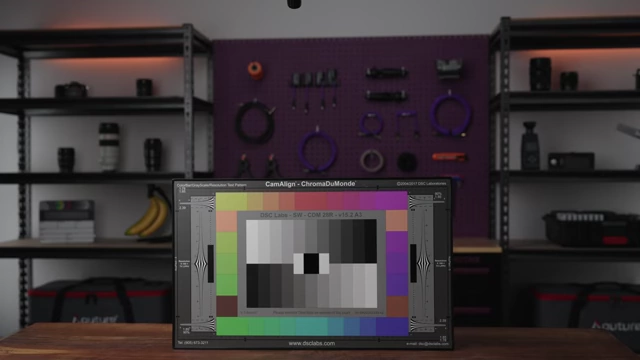
Comparison of 16x9 video and 3x2 photo illustrating 'headroom' [ 00:21:48 ]
- Anamorphic Ratios: Less compelling for a 3x2 sensor, which can lead to extremely wide aspect ratios. Lumix cameras are suggested for anamorphic enthusiasts due to better de-squeeze and stabilization options.
- Costs of Open Gate: Open Gate modes often come with reductions in read speed, bit-depth, frame rates, image quality, battery life, and thermal performance.
- Conclusion: Open Gate is not a necessary feature and should not dissuade potential buyers, as similar framing flexibility can be achieved without its compromises.
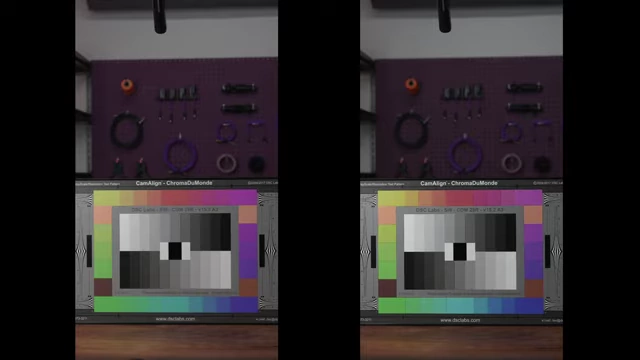
Identical 9x16 reframes from 16x9 video and 3x2 photo [ 00:22:01 ]
Final Thoughts [23:00]
- Recommendation: The reviewer, an a7 IV user, highly recommends the a7 V. It delivered on nearly all desired upgrades:
- Significantly reduced rolling shutter.
- Full-frame 4K60.
- New versatile screen.
- Improved thermal performance.
- Trickle-down of new features from other Sony cameras.
- Missed Opportunities: Wishes for fixes to persistent quirks (e.g., H.265 frame rates, HDMI output), and inclusion of shutter angle, false color, or waveforms.
- Overall Value: It's described as "90% of an Alpha 1 II but at less than half the price."
- Competitive Landscape: Believes the a7 V stands out among recent hybrid camera releases from Sony, Nikon, Canon, and Lumix due to its unmatched performance, battery life, vast lens options (81 E-Mount lenses, 60 Full-Frame, 21 APS-C, plus third-party), and improved stabilization.
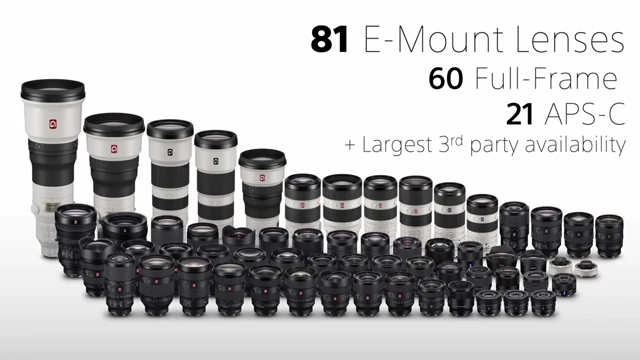
Sony E-Mount Lens Ecosystem statistics [ 00:23:59 ] - Market State: Concludes that cameras across all major brands are now exceptionally good, giving consumers solid choices regardless of their existing lens ecosystem commitments.