Blackmagic PYXIS 12K Full-Frame Cinema Camera Review: Is its 12K Resolution, Dynamic Range, and Low-Light Performance Worth It?
The Blackmagic PYXIS 12K is a full-frame cinema camera under $6,000, combining the compact body of the PYXIS 6K with the Ursa Cine 12K sensor.
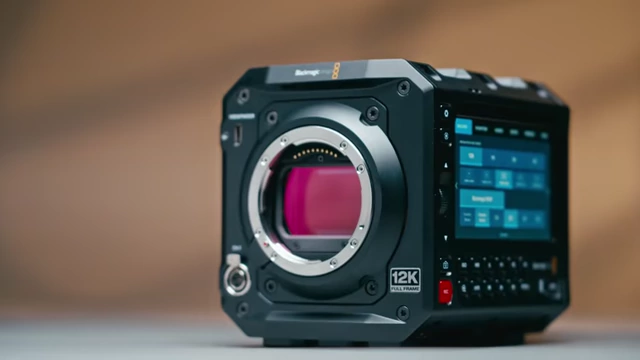
Overview and Core Specifications [0:00][0:35]
The Blackmagic PYXIS 12K is a full-frame cinema camera positioned between the PYXIS 6K and Ursa 12K in Blackmagic's lineup. It combines the compact, box-style body of the PYXIS 6K with the high-resolution sensor from the Ursa Cine 12K.
- Resolution and Sensor: [1:02]
- Features Blackmagic's unique RGBW 12K sensor technology.
- Offers a resolution of 12,288 x 8,040 pixels.
-
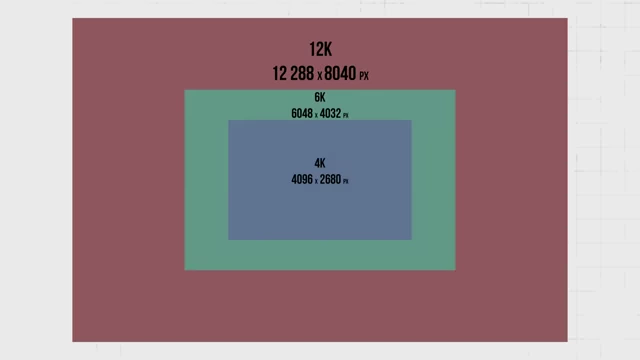
Resolution comparison graphic of 12K, 6K, and 4K [ 00:01:09 ]
- Dynamic Range: [1:15]
- Promises 16 stops of dynamic range, a major improvement over the PYXIS 6K's 13 stops.
- Body Design and Connections: [1:27]
- Similar to the PYXIS 6K, it has the same screen, control button layout, and logical arrangement of ports.
- Front Connections: USB-C, mini XLR.
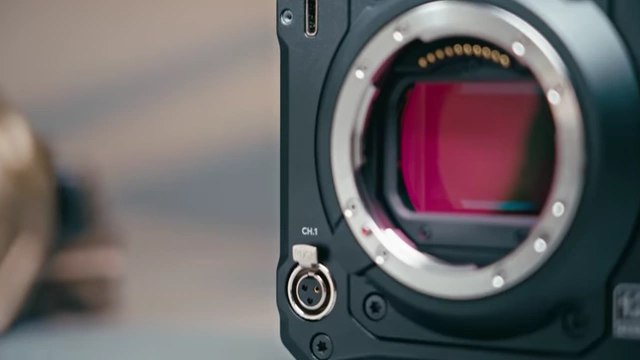
Close-up of the PYXIS 12K's front USB-C and mini XLR ports [ 00:01:37 ] - Power: BPU battery or V-mount battery.
- Back Connections: USB-C, SDI out, Time Code in, Ethernet, 2-pin Lemo.
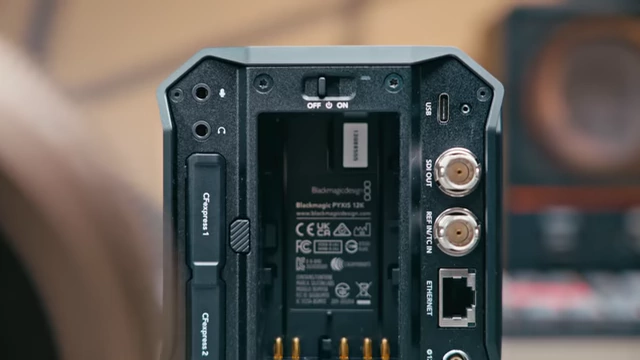
Rear view of the PYXIS 12K showing ports including USB-C, SDI out, Time Code, Ethernet, and 2-pin Lemo, along with CFexpress slots [ 00:01:46 ] - Storage: Two CFexpress Type B card slots.
- Audio: 3.5mm input and output.
- Lens Mounts: [2:13]
- Available in locking EF, L, and PL mount options. The reviewer used the L-mount with an MFA Poco PL adapter for PL lenses (DZO Arles Luster).
-
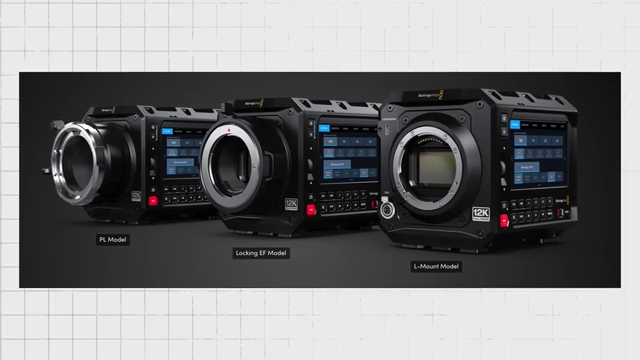
Three Blackmagic PYXIS 12K models displaying PL, Locking EF, and L-Mount options [ 00:02:18 ]
The Value of 12K Resolution [2:31]
While 12K might seem excessive given 4K is the current standard, there are several practical advantages:
- 1. Downsampling for Superior Image Quality: [2:54]
- 12K footage scaled down to 8K or 4K appears incredibly clean and detailed.
- Visual Comparison: [4:32]
- 12K footage downsampled to an 8K timeline is significantly sharper and cleaner than footage shot natively in 8K mode on an 8K timeline.
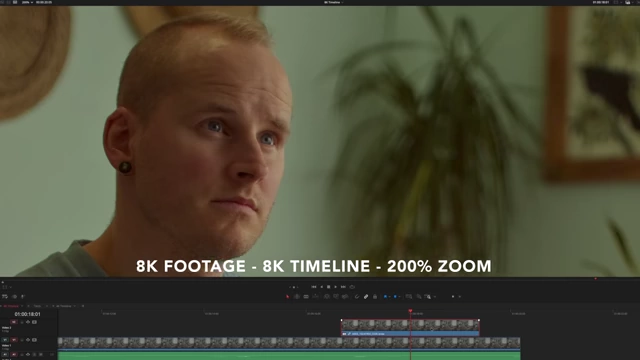
Side-by-side comparison of 8K native footage (left) and 12K footage downsampled to 8K (right) at 200% zoom [ 00:04:38 ] - The difference between 12K downsampled to 4K and native 4K footage is less dramatic but still noticeable.
- 12K footage downsampled to an 8K timeline is significantly sharper and cleaner than footage shot natively in 8K mode on an 8K timeline.
- 2. VFX and Green Screen Work: [3:00]
- The extra resolution aids in better keying and compositing.
- 3. High-Resolution Stills: [3:08]
- Allows for grabbing high-quality still images directly from video footage.
- 4. Reframing and Stabilization in Post: [3:12]
- Provides significant room to punch in (up to 300% for 4K output from 12K) without losing quality, offering a "second camera angle" without needing an actual second camera.
-
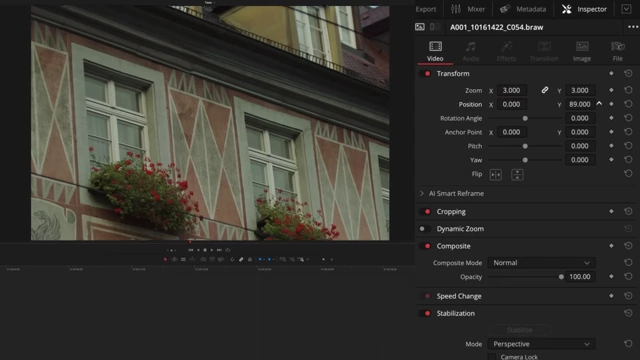
DaVinci Resolve interface demonstrating 300% digital zoom for reframing 12K footage [ 00:03:22 ]
- Flexibility in Resolution: [3:51]
- The PYXIS 12K can shoot directly in 8K or 4K while utilizing the entire sensor area (no cropping), or 9K in a Super 35 crop mode.
- Shooting in lower resolutions reduces the data rate and saves storage.
- Important Note: Best image quality (sharpness and dynamic range) is achieved by shooting in full 12K and downsampling in post.
Dynamic Range Performance [4:58]
The PYXIS 12K is rated at 16 stops of dynamic range, but its distribution varies depending on the shooting mode.
- Dynamic Range Distribution by Mode: [5:11]
- The camera changes its data readout method when switching between 12K/9K and 8K/4K modes, affecting the distribution of dynamic range between highlights and shadows.
- 12K/9K Modes (ISO 800): [5:37]
- Approximately 6.7 stops above middle gray (highlights).
- Approximately 9.3 stops below middle gray (shadows).
- Provides a balanced image with rich depth, especially in darker areas.
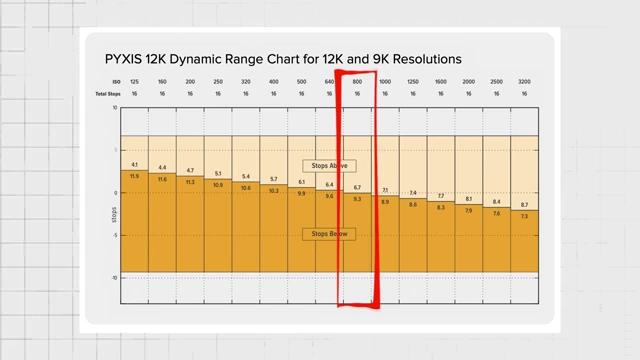
Dynamic Range Chart for PYXIS 12K in 12K and 9K resolutions, highlighting the 16 stops at ISO 800 [ 00:05:38 ]
- 8K/4K Modes (ISO 800): [5:52]
- Approximately 5.7 stops above middle gray.
- Approximately 10 stops below middle gray.
- Overall dynamic range is slightly reduced, and the camera favors shadows more at the expense of highlight retention.
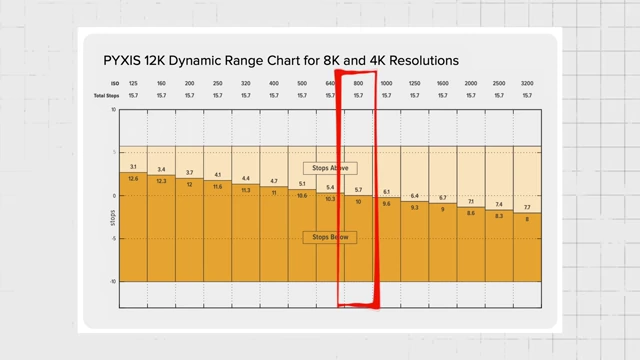
Dynamic Range Chart for PYXIS 12K in 8K and 4K resolutions, showing dynamic range distribution at ISO 800 [ 00:05:58 ] -
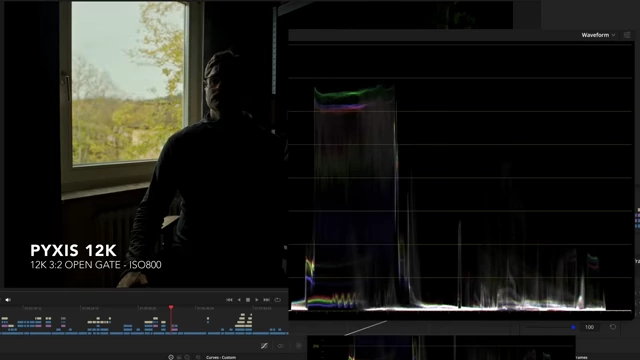
Waveform analysis showing highlight clipping in PYXIS 12K 12K 3:2 Open Gate footage at ISO 800 [ 00:06:11 ]
- Compensating in 8K/4K: [6:23]
- At ISO 600 in 8K or 4K mode, the dynamic range distribution becomes more similar to 12K ISO 800, with less highlight clipping.
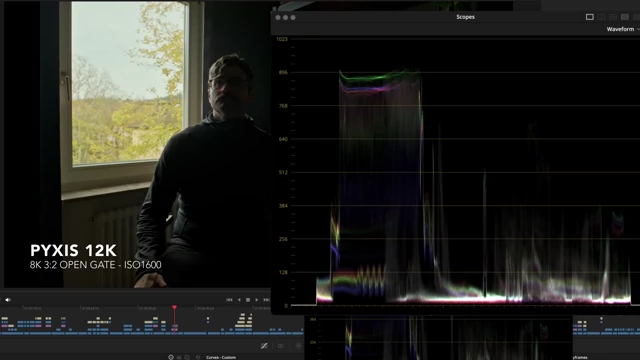
Waveform analysis showing improved highlight retention in PYXIS 12K 8K 3:2 Open Gate footage at ISO 600 [ 00:06:28 ]
- At ISO 600 in 8K or 4K mode, the dynamic range distribution becomes more similar to 12K ISO 800, with less highlight clipping.
- Overall Image Impression: [6:36]
- The 12K image is richer, smoother, and cleaner, especially when exposed correctly.
- Shooting 12K and downsampling yields the best results for both resolution and dynamic range flexibility.
- 8K or 4K modes still offer fantastic results if workflow or storage limitations prevent constant 12K shooting, albeit with slightly less post-production flexibility.
Real-World Performance: Project Examples [7:04]
The reviewer tested the PYXIS 12K on two projects: a portrait documentary and a cinematic city project.
Portrait Documentary (Shot in 8K): [7:23]
- Reasoning: Shot in 8K opengate (constant quality Q1, 25fps) to save on data rates for longer takes, especially interviews.
- Storage Impact: 1TB CFexpress card yielded about 50 minutes of record time in 8K. In comparison, 12K opengate (Q1, 25fps) would yield roughly 22 minutes.
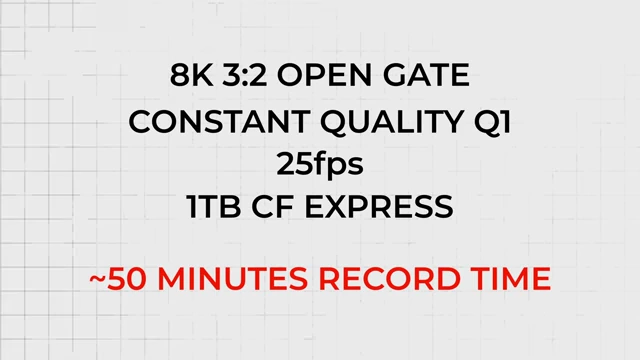
Screen graphic displaying record time estimates for 8K 3:2 Open Gate (50 minutes) on a 1TB CFexpress card [ 00:07:45 ] - Image Quality: Even in 8K mode, the image was beautiful, with excellent depth, richness, and Blackmagic's renowned color science. Skin tones and overall color rendition were stunning, especially with DZO Arles Luster lenses.
-
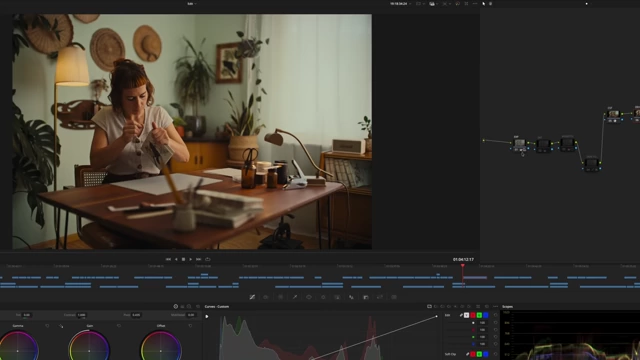
DaVinci Resolve interface showing color grading nodes applied to footage [ 00:08:55 ]
-
- Comparison to B-Cam (Sony A7IV): While the A7IV matched fine in post, the PYXIS 12K footage showed more color depth and nuance.
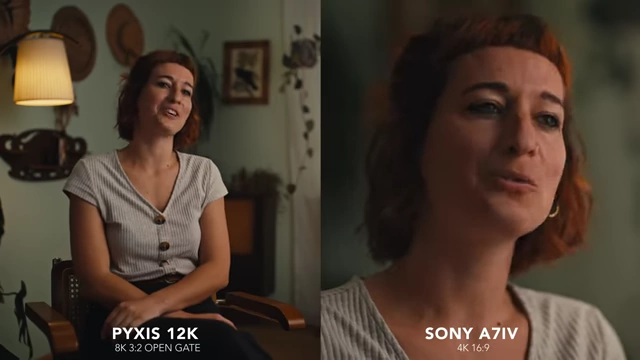
Side-by-side comparison of PYXIS 12K 8K footage (left) and Sony A7IV 4K footage (right) highlighting color depth [ 00:09:16 ] - Power Consumption: The PYXIS 12K drains V-mount batteries faster than the PYXIS 6K due to higher data processing.
- Overheating: No overheating issues observed during longer takes in normal temperature conditions.
Cinematic City Footage (Shot in 12K): [9:56]
- Reasoning: Shot entirely in 12K opengate to push the sensor's full potential for detail and color.
- Image Quality: The sharpness and depth were stunning, allowing for significant cropping without loss of resolution. The footage retained an organic, filmic look with rich textures and subtle gradients, avoiding an overly digital aesthetic.
- Color Science: Blackmagic's color science provided a beautiful filmic tonality and soft rolloff, even straight out of the camera with a preview LUT.
Low Light and ISO Performance [12:33]
The PYXIS 12K has a single gain sensor with specific ISO characteristics.
- Native ISO Range: [12:37]
- 200 to 3200.
- Native base ISO of 800.
-
Screen graphic displaying the Blackmagic PYXIS 12K's native ISO range of 200-3200 [ 00:12:40 ]
- Low Light Capabilities: [12:45]
- While not a "low-light monster" compared to some mirrorless cameras, it performed very well in dark situations.
- Visible noise in some shots was manageable and cleaned up effectively using DaVinci Resolve's noise reduction.
-
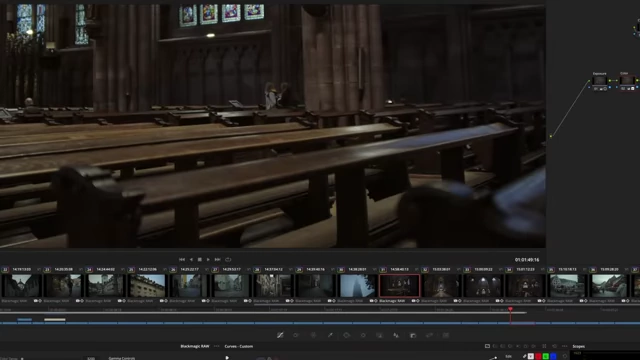
DaVinci Resolve color grading interface showing noise reduction applied to low-light footage [ 00:13:11 ] - No In-Camera Noise Reduction: The camera does not apply in-camera noise reduction, giving users more control over the final look in post-production.
Rolling Shutter and Readout Speed [13:34]
Rolling shutter is a consideration, especially at higher resolutions.
- 12K Rolling Shutter: [13:42]
- Approximately 24 milliseconds in 3x2 opengate 12K, which is noticeable with fast pans or handheld movements.
-
A fast camera pan demonstrating the rolling shutter effect in PYXIS 12K 12K 3:2 Open Gate footage [ 00:13:45 ]
- Improved Readout at Lower Resolutions: [13:54]
- Readout speeds improve significantly when dropping to 8K or 4K due to less data processing.
- 8K 3x2 Open Gate: Drops to 13.5 milliseconds, which is very solid.
- Further improvements when cropping to 16x9 or 17x9.
-
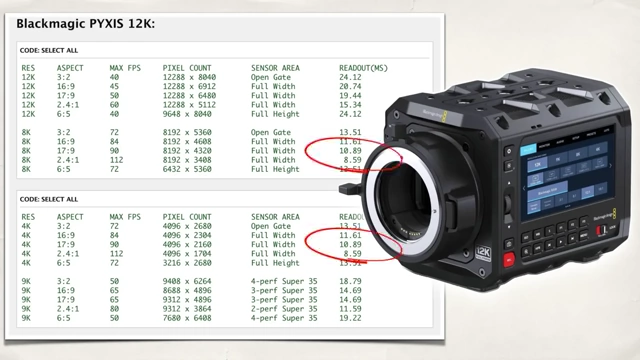
Comprehensive chart displaying Blackmagic PYXIS 12K readout speeds (rolling shutter) for various resolutions and crop modes [ 00:14:11 ]
- Recommendation: Shoot in 12K for highest image quality and accept the slower readout, or switch to 8K/4K for faster readout if rolling shutter is a concern.
Accessories and Ergonomics [14:29]
The PYXIS 12K offers flexible accessory options.
- Viewfinder and Monitor Options: [14:31]
- Compatible with Blackmagic's EVF (Electronic Viewfinder), connecting via USB-C for a traditional cinema viewfinder experience.
- The PYXIS monitor is a recommended companion, connecting via a single USB-C cable for power and video, keeping the rig clean. It provides full camera info and control.
-
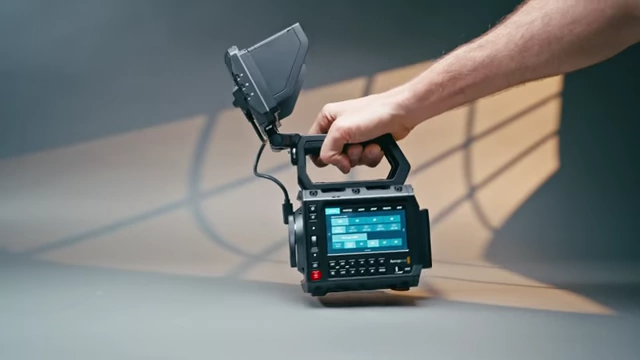
The Blackmagic PYXIS 12K rigged with an external monitor, showcasing its clean single-cable connection [ 00:14:55 ] - The built-in screen UI rotates automatically for vertical/portrait shooting, as does the external monitor.
-
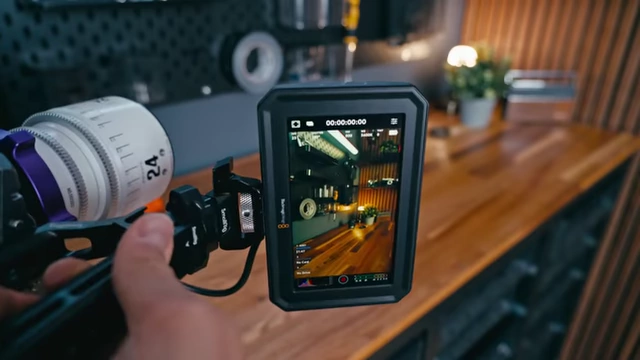
The Blackmagic PYXIS monitor displaying the UI in vertical/portrait orientation, demonstrating auto-rotation [ 00:15:17 ] - Both the EVF and external monitor can run simultaneously, with the back USB-C now supporting image transmission.
Drawbacks and Potential Improvements [15:42]
- 1. Lack of Internal ND Filters: [15:49]
- This is a notable omission, as it requires external solutions like screw-on filters, matboxes, or adapters with built-in ND slots (e.g., MFA Poco PL adapter).
-
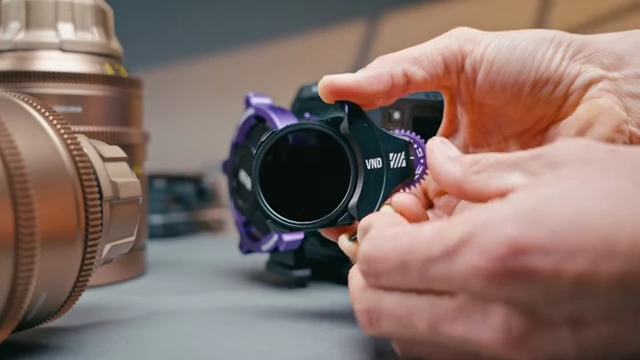
A Mofage Poco PL adapter with a variable ND filter inserted, illustrating a solution for internal NDs [ 00:16:11 ]
- 2. Frame Rate Limitations: [16:20]
- While decent, the reviewer wished for slightly higher frame rates across resolutions.
- Maximum Frame Rates:
- 12K 3:2 Open Gate: 40fps
- 12K 17:9: 50fps
- 9K Super 35 17:9: 65fps
- 8K/4K 3:2 Open Gate: 72fps
- 8K/4K 17:9: 90fps
- 8K/4K 2.4:1 Crop: 112fps
-
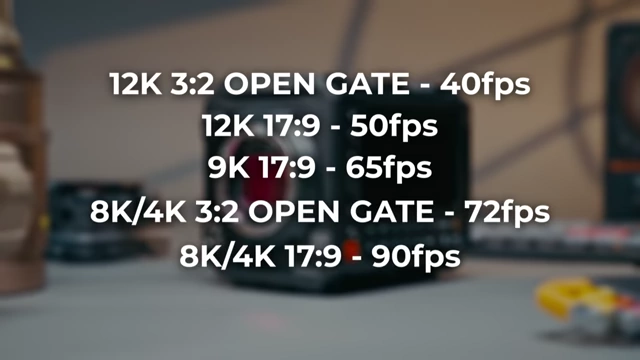
Graphic detailing the maximum frame rates for the Blackmagic PYXIS 12K across different resolutions and aspect ratios [ 00:16:43 ]
- 3. Absence of Autofocus System: [16:53]
- Blackmagic recently added autofocus to the Cinema 6K, and its inclusion in the PYXIS 12K would open the camera to a wider range of users.
-
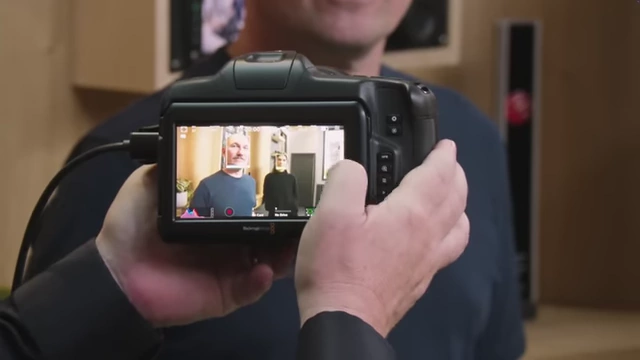
A Blackmagic Cinema 6K demonstrating its autofocus capabilities, as a feature missing from the PYXIS 12K [ 00:17:01 ]
Conclusion: Who is the PYXIS 12K For? [17:11]
The PYXIS 12K represents a significant advancement in Blackmagic's camera lineup, offering high-end image quality, impressive dynamic range, and a unique 12K RGBW sensor in a compact body for under $6,000.
- New Blackmagic Users: [17:42]
- For those not already owning a PYXIS 6K or Ursa 12K, the PYXIS 12K offers the "best of both worlds" – combining the portability of the PYXIS line with the performance of the Ursa.
- Existing PYXIS 6K Owners: [17:54]
- The upgrade is justified if there's a specific need for higher resolution, increased frame rates, or expanded dynamic range.
- Existing Ursa 12K Owners: [18:03]
- The PYXIS 12K can serve as a smaller, more portable main camera or an excellent B-cam complement.