MicroRNA: A Breakthrough for Early Multi-Cancer Detection and Localization
MicroRNAs are emerging as a pivotal tool in the early detection of cancer, offering a potential breakthrough to save millions of lives.
- The Problem: Traditional cancer detection methods (symptom-based, imaging, tumor markers, circulating tumor DNA) often catch cancer too late, resulting in low survival rates. Early detection is critical for better outcomes.
- The Discovery: MicroRNAs are tiny RNA molecules that regulate gene expression and cellular processes. Cancer cells release altered microRNAs, and these signals are amplified throughout the body via exosomes, making them a strong indicator of early-stage cancer.
- The Breakthrough Technology: Xgenera has developed a novel blood test, mIONCO-Dx, that uses a modified qPCR technique to detect these minute microRNA changes. They extended the microRNA length to make it compatible with qPCR, enabling scalable and affordable testing.
- AI for Precision: Machine learning models (Support Vector Machine and Neural Network) are then applied to the detected microRNA patterns to not only identify the presence of cancer with high accuracy but also pinpoint its exact location in the body.
- Promising Results & Impact: Initial case-control studies show over 99% sensitivity and specificity, and 96% accuracy in identifying tumor origin. This technology promises less invasive treatments, reduced healthcare burdens, and significant cost savings, with trials now moving into real-world asymptomatic populations.
The Critical Need for Early Cancer Detection [0:00:00]
MicroRNA is presented as a potentially crucial tool in the fight against cancer, capable of acting as an early alarm system due to its ability to signal cellular changes.
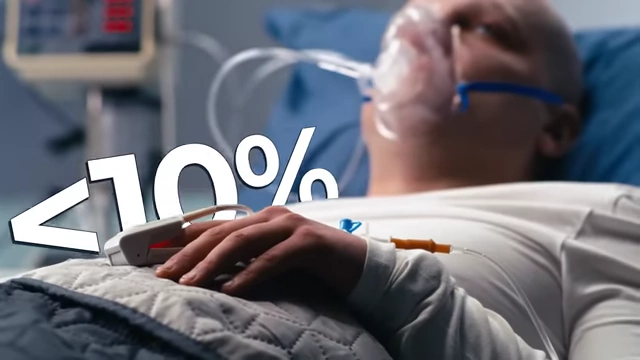
- The Importance of Timing:
- Introducing MicroRNA as a Cancer Indicator:
- MicroRNAs are small molecules (about 100 times the size of a single atom) detected in the blood.
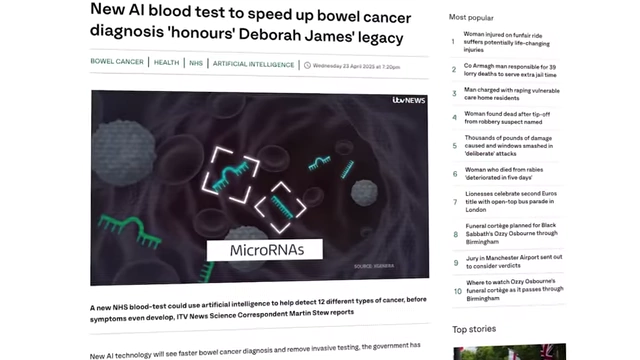
- Their altered presence can indicate cancer, attracting significant media attention (e.g., "AI blood test to speed up bowel cancer diagnosis").
News headlines highlighting microRNA as a cancer diagnostic. [ 00:00:39 ]
- The Vision: To develop a single, comprehensive test that not only identifies the presence of a problem but also its specific location in the body.
- This aspiration drives the focus on microRNA research and development.
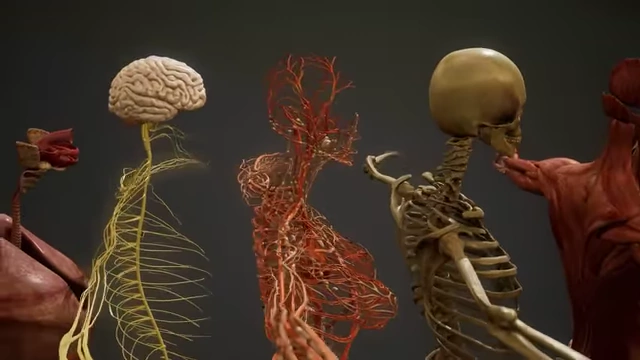
Illustration of various body systems. [ 00:01:01 ] - The video introduces Andy, a scientist working on this "impossible" goal, whom the speaker (Dr. Ben Miles) met in 2024.

Dr. Ben Miles and Dr. Andy Shapanis discussing Xgenera's technology. [ 00:01:23 ]
- This aspiration drives the focus on microRNA research and development.

Evolution of Cancer Detection Methods [0:01:56]
Cancer remains challenging to detect early, despite being one of the most studied diseases, often growing for years without symptoms.
- The Persistent Challenge of Early Detection:
- News headlines emphasize rising cancer rates, especially among younger populations, and increasing diagnoses.

News headline: "Bowel-cancer rates rising among younger people". [ 00:01:59 ] 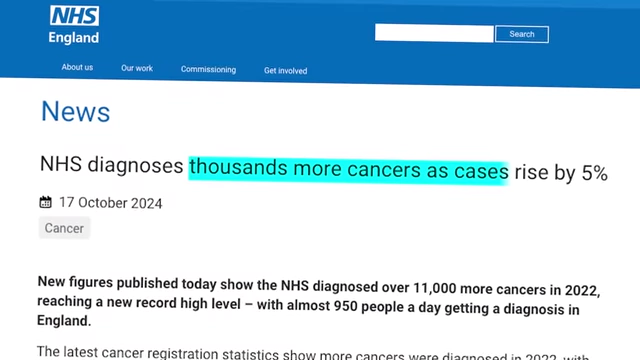
News headline: NHS diagnoses thousands more cancers as cases rise. [ 00:02:02 ] - Cancer still claims nearly 10 million lives annually, making early detection critical.
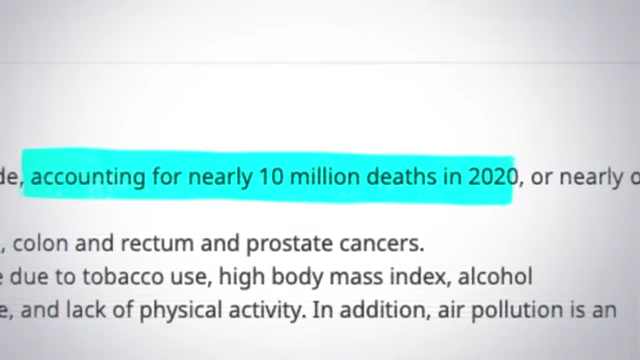
Text highlighting nearly 10 million cancer deaths in 2020. [ 00:02:15 ]
- News headlines emphasize rising cancer rates, especially among younger populations, and increasing diagnoses.
- Historical Detection Methods:
- Symptom-based diagnosis [0:02:30]:
- Imaging technologies [0:02:34]:
- X-rays (1890s), CT scans (1970s), and MRI (1980s) allowed visualization of tumors before symptoms.
- Limitation: Required prior knowledge of where to look, making widespread early screening difficult.
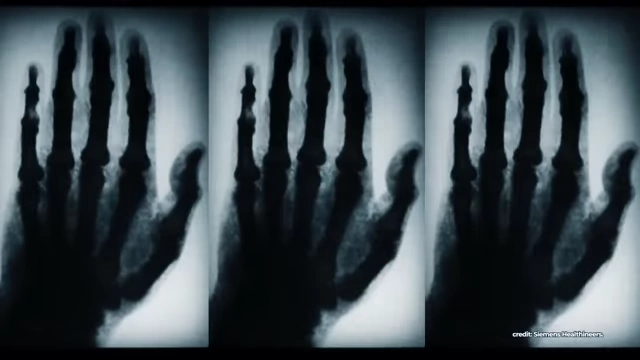
X-ray images, demonstrating early imaging technology. [ 00:02:43 ] ![An early MRI image of the abdomen [<a href="https://youtube.com/watch?v=2oA6VIWWrdI&t=1978">1978</a>].](https://storage.googleapis.com/summarizer-images/images/2oA6VIWWrdI/sc0053_t00.02.47.webp)
An early MRI image of the abdomen [<a href="https://youtube.com/watch?v=2oA6VIWWrdI&t=1978">1978</a>]. [ 00:02:47 ]
- Biopsies and Tumor Markers [0:02:51]:
- More specific tests for markers like PSA (prostate cancer) and CA125 (ovarian cancer) were developed.
- Limitation: Signals could be ambiguous and often only appeared strongly in advanced stages.
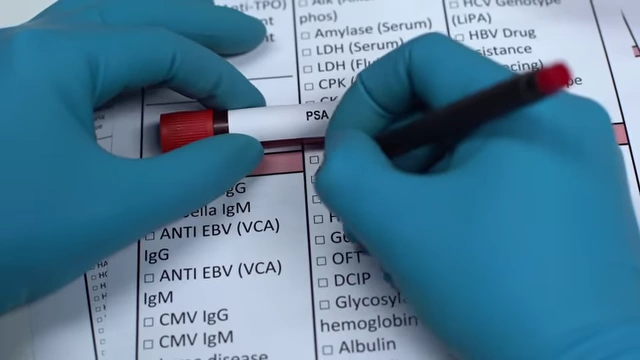
A blood test request form listing PSA, a tumor marker. [ 00:02:56 ]
- The Promise and Pitfalls of Circulating Tumor DNA (ctDNA) [0:03:07]:
- Genetic Signatures: Recent decades shifted focus to genetic signatures, leading to the discovery of ctDNA – tiny DNA fragments shed by tumors into the bloodstream.
An illustration of circulating tumor DNA (ctDNA) in the bloodstream. [ 00:03:20 ] - Advancements: ctDNA tests (e.g., Grail's Galleri Test) promised multi-cancer detection and tumor origin prediction from a single blood sample.
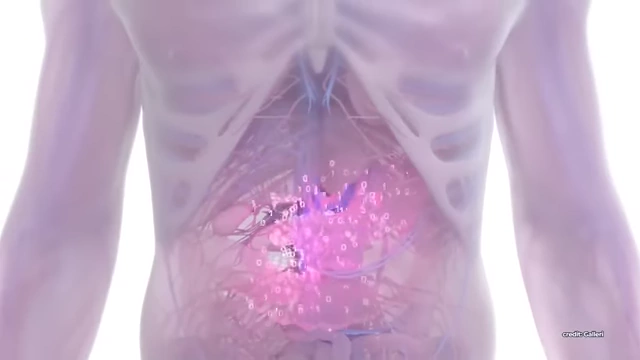
An animation depicting the detection of cancer signals within the body via the Galleri test. [ 00:03:43 ] - Challenges:
- Not all mutations in ctDNA are cancer-specific.
- Signal variability between different cancers.
- High cost and complexity limit scalability for routine population screening.
- Early detection sensitivity can be as low as 16.8% [0:04:32], meaning the signal is weakest when most critical.
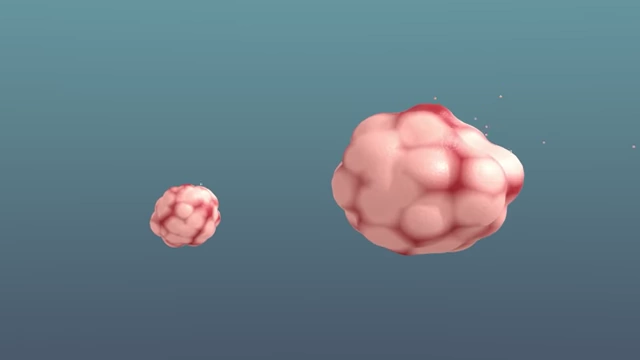
An animation showing how cancer signal strength increases with tumor size. [ 00:04:11 ] 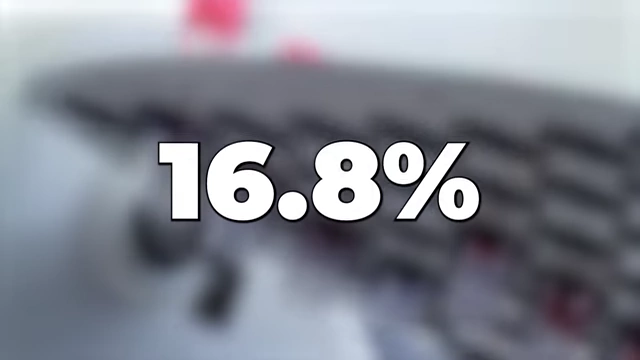
Display of "16.8%" early detection sensitivity for circulating tumor DNA. [ 00:04:34 ]
- Genetic Signatures: Recent decades shifted focus to genetic signatures, leading to the discovery of ctDNA – tiny DNA fragments shed by tumors into the bloodstream.
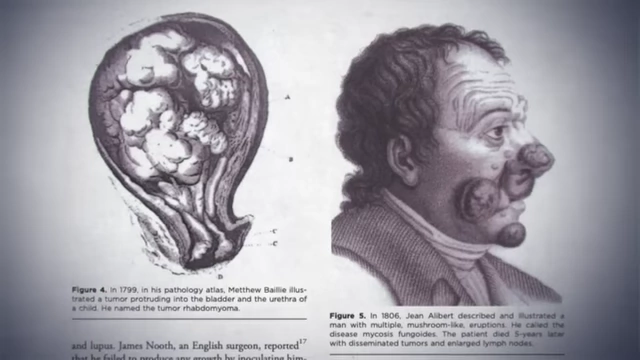

MicroRNA: A New Frontier in Early Detection [0:05:46]
The breakthrough in early detection lies in understanding and leveraging microRNAs.
- Discovery of MicroRNA [0:05:46]:
- In the 1990s, Victor Ambrose and Gary Ruvkun discovered microRNAs while studying the roundworm C. elegans.

The roundworm C. elegans, where microRNAs were first discovered. [ 00:05:50 ] - MicroRNAs are very small RNAs (about 20 bases long).
- They bind to messenger RNA (mRNA) to regulate gene expression, thus having significant downstream effects on cell function.
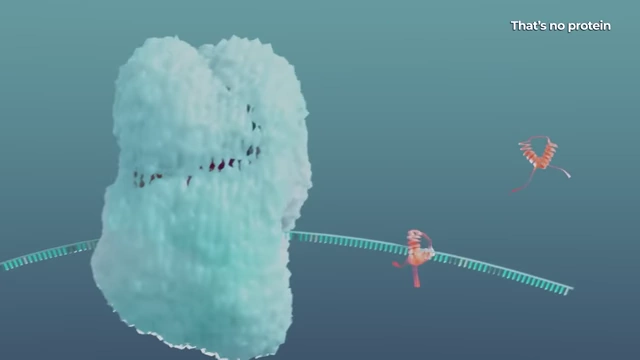
An illustration of mRNA being translated into protein, with microRNA regulating the process. [ 00:06:09 ] 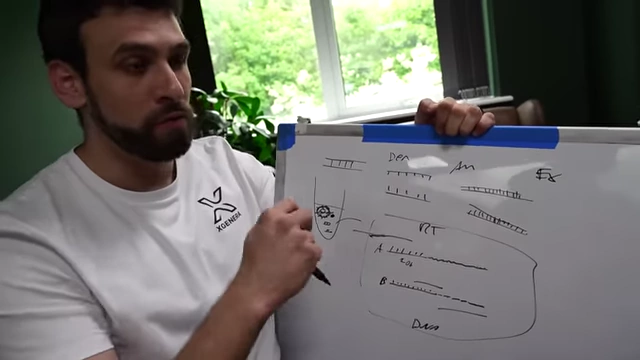
Dr. Andy Shapanis explains scientific concepts on a whiteboard. [ 00:01:26 ]
- In the 1990s, Victor Ambrose and Gary Ruvkun discovered microRNAs while studying the roundworm C. elegans.
- Role in Cell Regulation and Cancer [0:06:35]:
- MicroRNAs regulate key cellular processes like growth, division, and death.
- Cancer cells exhibit altered production of various microRNAs, reflecting a breakdown in normal cellular processes.
- A key insight: simply detecting altered microRNA levels from the tumor might be too weak a signal, similar to ctDNA.
- The Endocrine Effect and Exosomes [0:06:59]:
- Cells constantly release tiny packages called exosomes, filled with microRNAs and other biological cargo.
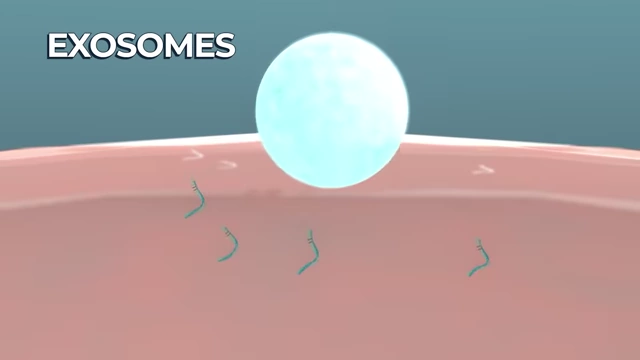
Exosomes, tiny packages containing microRNAs, being released by cells. [ 00:07:17 ] - Exosomes enable cell-to-cell communication.
- When cells turn cancerous, the mix of microRNA they release changes.
- These altered signals affect surrounding healthy cells, which, in turn, change their own microRNA outputs.
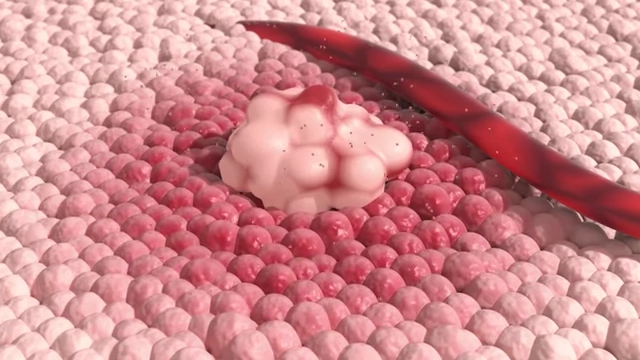
Cancer cells releasing altered microRNAs that affect surrounding healthy cells. [ 00:07:36 ] - Crucially, these microRNAs enter the bloodstream, traveling to distant tissues (liver, bone marrow, and blood cells), which also respond by altering their microRNA outputs.
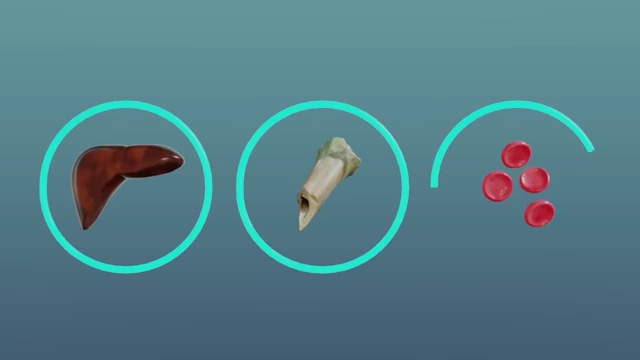
Diagram showing altered microRNA signals traveling to and affecting distant tissues like the liver, bone marrow, and blood cells. [ 00:07:52 ] - This systemic change means the entire body effectively "screams" that something is wrong, providing an amplified signal for detection, even when the primary tumor is small.
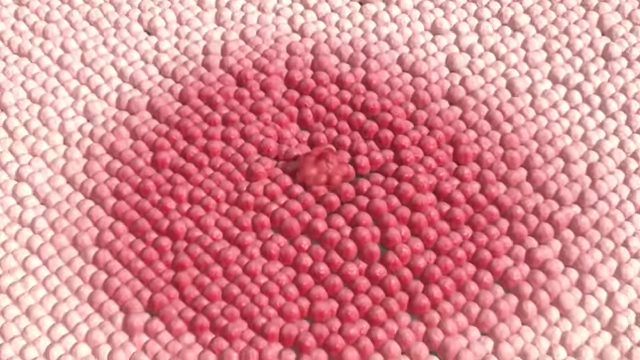
An animation showing the systemic spread of cancer signals through the body's tissues. [ 00:08:07 ] 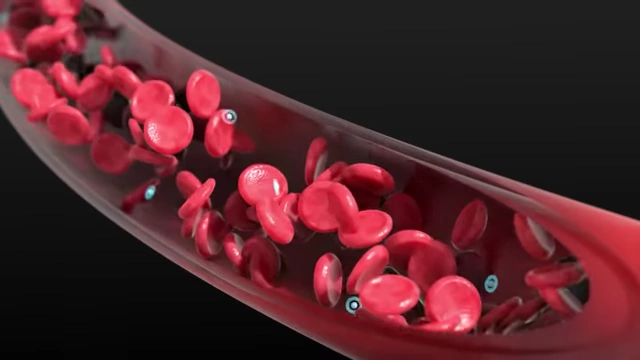
MicroRNAs, represented as small blue circles, circulating in the bloodstream alongside red blood cells. [ 00:08:19 ]
- Cells constantly release tiny packages called exosomes, filled with microRNAs and other biological cargo.
Xgenera's Breakthrough: Scalable MicroRNA Detection [0:08:24]
The challenge shifted from identifying a strong signal to making its detection scalable, affordable, and accessible.
- The Problem with Existing MicroRNA Detection [0:08:14]:
- Despite their abundance compared to ctDNA, microRNAs are present in low concentrations relative to other blood components, making them difficult to detect.
- Traditional lab detection methods are too slow, complex, and costly for widespread clinical use.
- Andy's Vision: Democratizing Early Detection [0:08:31]:
- Andy (from Xgenera) aimed to create a test that is cheap, scalable, and easily accessible for routine population screening (e.g., annual or biennial tests for individuals aged 50-79).
- Leveraging qPCR Technology [0:10:12]:
- Quantitative Polymerase Chain Reaction (qPCR): This technique, made widely available post-COVID, can amplify and quantify even minute amounts of specific DNA sequences. It is considered a diagnostic "gold standard."
Text defining "Quantitative Polymerase Chain Reaction (qPCR)". [ 00:10:19 ] 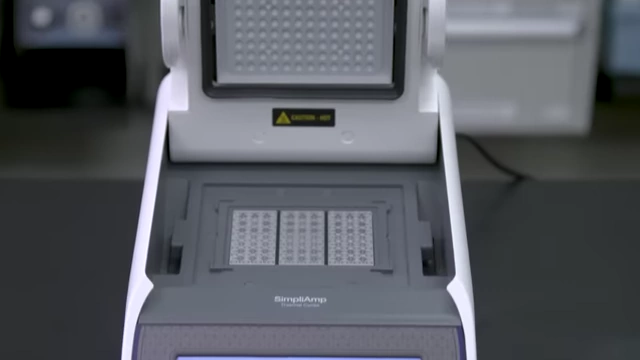
A qPCR machine with samples being loaded. [ 00:10:28 ] 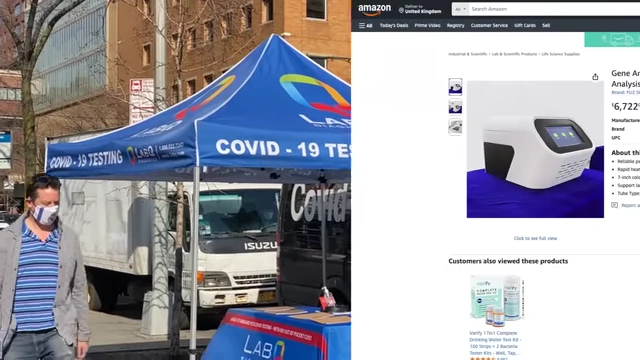
A COVID-19 testing tent and an Amazon listing for a qPCR machine, illustrating its widespread availability. [ 00:10:33 ] - The qPCR Process:
- Isolation [0:10:47]: Genetic material (RNA) is isolated from the blood sample.
- Reverse Transcription [0:10:51]: RNA is converted into a complementary DNA (cDNA) sequence using reverse transcriptase.
- Cyclical Amplification (30-40 cycles) [0:11:01]:
- Denaturation: Heating separates the DNA strands.
- Annealing: Short DNA primers (designed for the target sequence) bind to the separated strands.
- Extension: A DNA polymerase enzyme builds new DNA strands from the primers, using free nucleotides and incorporating a fluorescent tag.
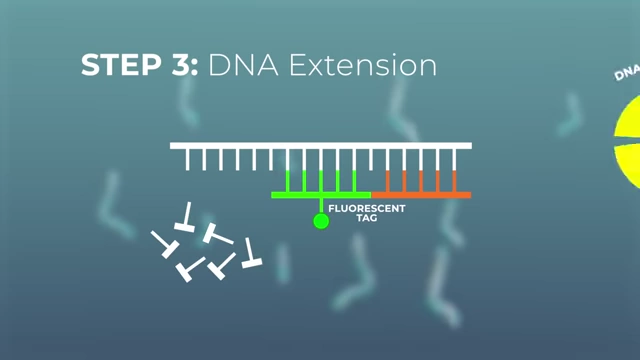
A diagram explaining Step 3: DNA Extension in qPCR, showing primers, nucleotides, and a fluorescent tag. [ 00:11:18 ]
- Detection and Quantification [0:11:28]: The fluorescent signal, increasing with each cycle, allows for counting and quantifying the amplified DNA copies, which can number in the billions.
- Quantitative Polymerase Chain Reaction (qPCR): This technique, made widely available post-COVID, can amplify and quantify even minute amounts of specific DNA sequences. It is considered a diagnostic "gold standard."
- The "Secret Sauce": Overcoming MicroRNA's Size Limitation [0:11:43]:
- The Fundamental Problem: MicroRNAs are only about 20 base pairs long, which is too short for standard qPCR, as the primers and probes themselves require similar lengths, making effective amplification historically impossible.
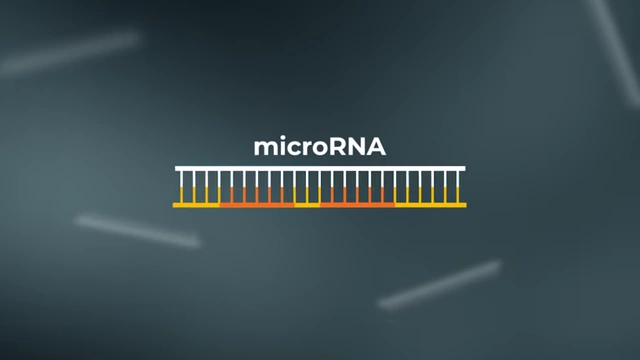
A diagram illustrating the short length of a microRNA molecule (20 base pairs). [ 00:11:53 ] - Xgenera's Innovation: Xgenera's breakthrough involves a proprietary "target-specific extension" protocol.
- This process extends the microRNA sequence.
- It introduces site-specific adaptations that enable clear distinction between target and non-target sequences, making qPCR viable for microRNAs.
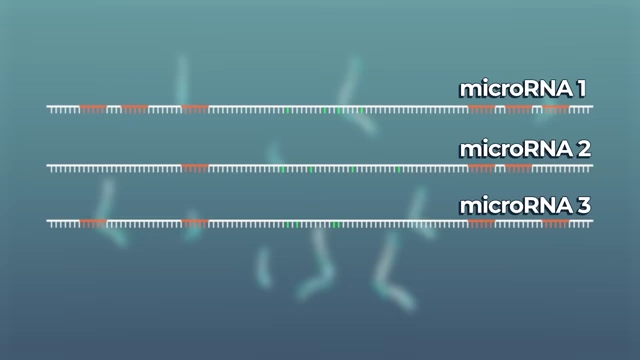
Three microRNA sequences before extension, showing their homologous nature. [ 00:12:23 ] 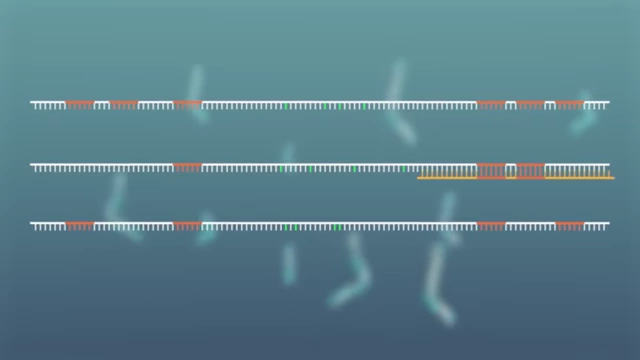
Extended microRNA sequences with site-specific adaptations for PCR detection. [ 00:12:28 ]
- The Fundamental Problem: MicroRNAs are only about 20 base pairs long, which is too short for standard qPCR, as the primers and probes themselves require similar lengths, making effective amplification historically impossible.
AI and Machine Learning for Cancer Prediction and Localization [0:12:30]
With a method to detect microRNA, the next step was to identify which microRNAs were most predictive of cancer and to pinpoint their origin.
- Data Training and Feature Selection [0:12:42]:
- Xgenera's test was trained on data from approximately 21,000 patients, covering 12 different cancer types and non-cancerous conditions.
- The data was divided into training, test, and validation cohorts.
- Feature selection algorithms identified the 50 most predictive microRNAs.
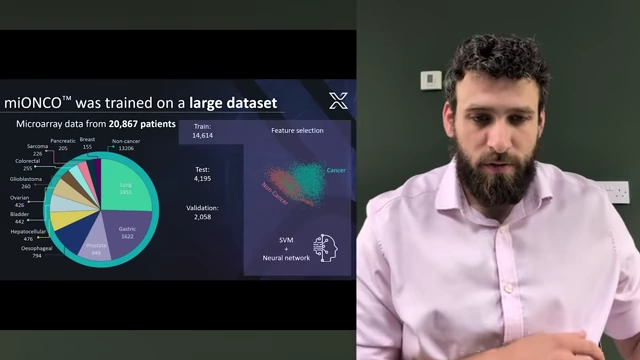
A slide showing the miONCO-Dx training dataset distribution across cancer types and a PCA plot. [ 00:12:55 ]
- Visualizing Data with Principal Component Analysis (PCA) [0:13:06]:
- PCA was used to simplify the multi-dimensional data (50 microRNA dimensions) into two dimensions for visualization.
- A scatter plot showed a clear, though not perfectly distinct, separation between cancer (red) and non-cancer (blue) samples.
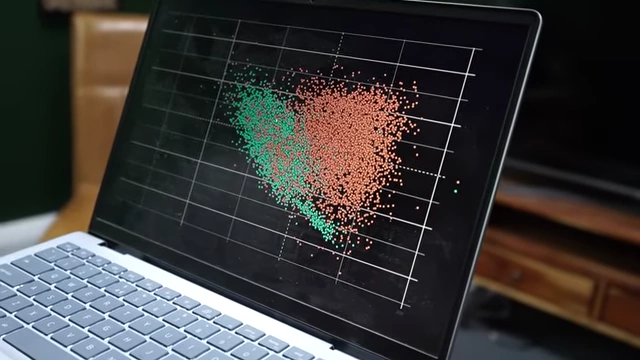
Principal Component Analysis (PCA) scatter plot showing separation of cancer (red) and non-cancer (blue) samples based on microRNA data. [ 00:01:37 ] - This visualization confirmed the potential for differentiation but also highlighted that using all 50 dimensions would improve accuracy.
- Advanced Machine Learning Models [0:14:04]:
- To maximize the predictive power of the 50 microRNA dimensions, Xgenera developed two machine learning models:
- Support Vector Machine (SVM): Designed to classify whether cancer is present (yes/no).
- Neural Network: Used to identify the specific location of the cancer in the body if it is detected.

A neural network diagram, illustrating the machine learning model used for pattern recognition. [ 00:13:53 ] 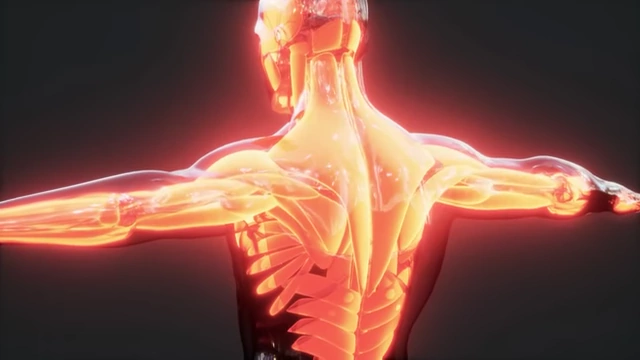
A heatmap of the human body, indicating cancer localization. [ 00:14:02 ]
- Example: A demonstration showed a neural network effectively separating healthy patients from those with lung cancer and esophageal cancer using only 8 microRNA targets, indicating strong potential for precise localization.
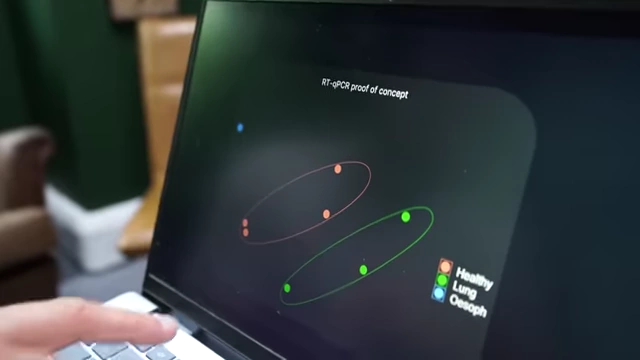
A scatter plot showing the separation of healthy, lung cancer, and esophageal cancer samples using 8 microRNA targets. [ 00:14:22 ]
- To maximize the predictive power of the 50 microRNA dimensions, Xgenera developed two machine learning models:
Promising Results and Real-World Impact [0:14:54]
The robust performance in clinical trials points to a significant shift in cancer diagnostics and treatment.
- Astounding Performance in Case-Control Studies [0:14:54]:
- The mIONCO-Dx test achieved >99% sensitivity and specificity across all stages for predicting cancer presence (yes/no) for 12 different cancers.
- It demonstrated 96% accuracy in identifying the tumor's site of origin.
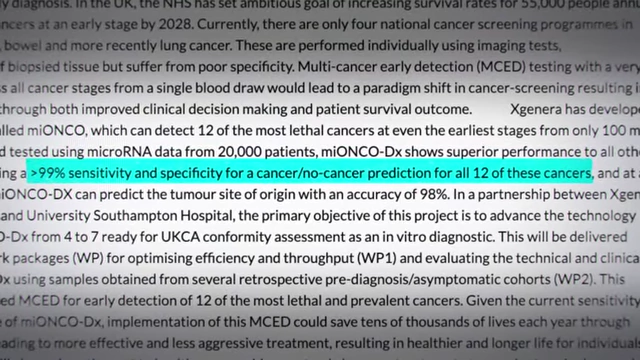
A news excerpt highlighting Xgenera's mIONCO-Dx test's >99% sensitivity/specificity and 96% tumor origin accuracy. [ 00:14:57 ] - The next critical phase is testing in asymptomatic populations with long-term follow-up.
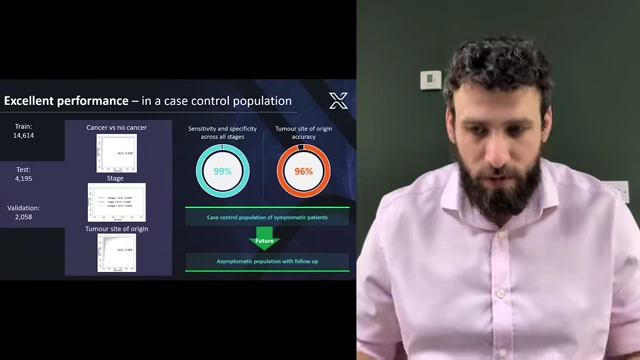
A summary slide detailing the excellent performance of miONCO-Dx in case-control studies and the next step of testing in asymptomatic populations. [ 00:15:05 ]
- Transition to Real-World Application [0:15:26]:
- The NHS is launching a new trial for Xgenera's blood test, focusing on bowel cancer and 11 other forms of the disease.
- The UK Health Secretary has committed £2.4 million in funding, underscoring confidence in the technology.
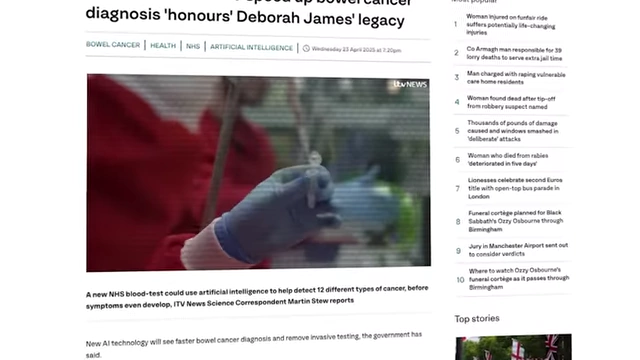
News article mentioning £2.4 million funding for the NHS trial of Xgenera's blood test. [ 00:15:39 ]
- Broader Societal and Economic Benefits [0:15:41]:
- Improved Patient Outcomes: Early detection enables less invasive and more effective treatments.
- Reduced Healthcare Burden: Less advanced disease means simpler, less resource-intensive care.
- Significant Cost Savings: Widespread adoption of this test could save an estimated $11 billion annually in the US by reducing late-stage treatments, unnecessary follow-up tests, and false positives from current screening methods.
- Commitment to Transparency and Impact [0:16:07]:
- Xgenera is dedicated to developing the test with utmost transparency, adhering to stringent regulatory standards (MHRA, FDA, EMA).
- The driving motivation for the team, including founder Andy, is the genuine positive impact the technology can have on people's lives.
Conclusion: A New Era in Cancer Diagnostics [0:16:56]
This development signifies a shift towards scientists taking discoveries from the lab directly into real-world applications.
- The video emphasizes the importance of looking beyond superficial headlines to understand the deep scientific work behind breakthroughs.
- Andy and his team at Xgenera embody this new generation of scientists who are driving their discoveries forward to create tangible impact.