The Espionage Case of Gemplus: How a French Tech Champion Was Undermined by the CIA
Summary:
- Gemplus [1:09], a French world leader in smart card manufacturing, pioneered essential technology for SIM cards [0:35], bank cards [1:53], passports, and encrypted communications [5:02].
- Founder Marc Lassus [1:22] secured a crucial contract for entry into the American market, promising global dominance in secure data, despite the US market's initial disinterest [11:15].
- Subtle signs of surveillance [18:41] emerged, suggesting industrial espionage targeting Gemplus's valuable encryption keys [5:07], considered the "holy grail" of intelligence.
- Against internal opposition, Lassus pursued a deal with the Texas Pacific Group (TPG) [13:02], a powerful American investment fund known for leveraged buyouts [13:06], to enter the elusive US market.
- The deal restructured Gemplus's ownership, giving TPG significant control [14:32] and leading to the replacement of key French executives, including Lassus himself, who was forced to resign [24:05].
- Investigations revealed that Alex Mandl [26:00], the new CEO appointed by TPG, had ties to In-Q-Tel [26:48], a venture capital firm linked to the CIA [26:50]. The CIA's headquarters [26:52] became relevant in understanding the strategic implications.
- The CIA's suspected involvement aimed to gain control over Gemplus's encryption technology, preventing a foreign entity from dominating global communication security [29:35]. This highlights broader patterns of US intelligence actions against foreign tech, as revealed by whistleblowers like Edward Snowden [30:57].
- Gemplus faced massive layoffs [21:00] and asset stripping [25:07], ultimately being acquired by Axalto and later Thales, with France losing its independent control over critical tech. The company facility eventually rebranded to Gemalto [30:17].
- The case became a stark warning about economic warfare and the vulnerability of national tech assets to foreign intelligence operations, with other French companies facing similar fates [32:46], [33:14], [33:30].
Gemplus: A French Tech Leader in Smart Cards [0:30]
- Introduction to Gemplus: A French company at the forefront of smart card technology [0:23] (
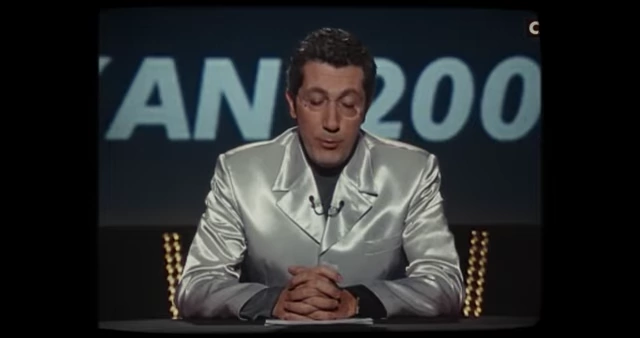
A news anchor on screen, setting a serious tone for the report.) [ 00:00:11 ] - World leader in smart card manufacturing [0:38]
- Pioneer in technology for everyday items like SIM cards [0:35] (
![A hand holding an early portable music player, illustrating the devices using smart card technology.), bank cards [<a href="https://youtube.com/watch?v=2wMxldl3Alk&t=113">1:53</a>] (K Electronic Cash" smart card, showing a clear chip.), and passports [<a href="https://youtube.com/watch?v=2wMxldl3Alk&t=127">2:07</a>] (](https://storage.googleapis.com/summarizer-images/images/2wMxldl3Alk/sc0051_t00.01.30.webp)
A hand holding an early portable music player, illustrating the devices using smart card technology.), bank cards [<a href="https://youtube.com/watch?v=2wMxldl3Alk&t=113">1:53</a>] (K Electronic Cash" smart card, showing a clear chip.), and passports [<a href="https://youtube.com/watch?v=2wMxldl3Alk&t=127">2:07</a>] ( [ 00:01:30 ] - The core of Gemplus's technology is the smart card chip, which functions as a micro-computer capable of encrypting and decrypting data, communicating under specific conditions, and self-blocking against unauthorized access [5:02] (
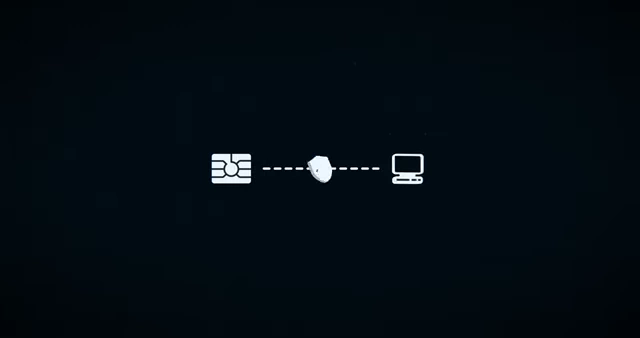
An animated diagram illustrating how a chip connects and secures communication between devices.). [ 00:04:39 ]
Marc Lassus's Vision and Global Ambition [0:47]
- Marc Lassus [1:22] (
![A Gemplus ID card for Marc Lassus, featuring his photo and the company logo.), the founder of Gemplus, secures a pivotal contract [<a href="https://youtube.com/watch?v=2wMxldl3Alk&t=85">1:25</a>] ( screen showing an older Marc Lassus speaking in an interview, with a younger depiction of him in the background.).](https://storage.googleapis.com/summarizer-images/images/2wMxldl3Alk/sc0033_t00.00.49.webp)
A Gemplus ID card for Marc Lassus, featuring his photo and the company logo.), the founder of Gemplus, secures a pivotal contract [<a href="https://youtube.com/watch?v=2wMxldl3Alk&t=85">1:25</a>] ( screen showing an older Marc Lassus speaking in an interview, with a younger depiction of him in the background.). [ 00:00:49 ] - This deal marks Gemplus's entry into the American market, promising significant growth and influence [1:38] (

An American flag waving with a city skyline in the background, symbolizing entry into the US market.). [ 00:01:17 ] - Gemplus technology is already widespread, equipping 400 million SIM cards globally, alongside bank cards [4:54] (
![A "Carte Bleue" (French bank card) with a visible chip.) and encrypted communication systems [<a href="https://youtube.com/watch?v=2wMxldl3Alk&t=339">5:39</a>] ( with lines representing encrypted communication keys.).](https://storage.googleapis.com/summarizer-images/images/2wMxldl3Alk/sc0128_t00.05.43.webp)
A "Carte Bleue" (French bank card) with a visible chip.) and encrypted communication systems [<a href="https://youtube.com/watch?v=2wMxldl3Alk&t=339">5:39</a>] ( with lines representing encrypted communication keys.). [ 00:05:43 ] - The new contract aims to give Gemplus control over global data and communication secrets.
- This deal marks Gemplus's entry into the American market, promising significant growth and influence [1:38] (
The Promise of the US Market and Emerging Espionage [1:15]
- Initial signs of trouble as subtle irregularities emerge [1:41]
- Suggests Gemplus is being watched and listened to, hinting at industrial espionage [2:57] (
looking concerned while sitting at a desk with scattered documents, implying a sense of unease or investigation.).
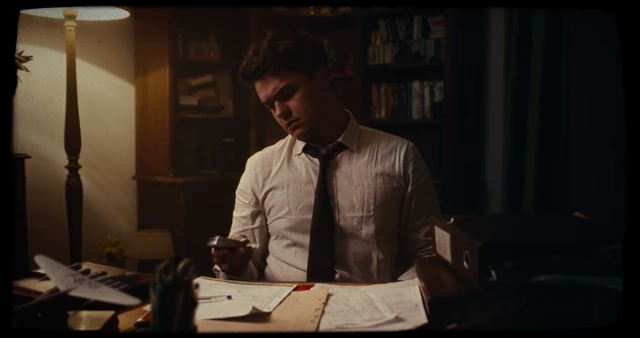
An actor representing Marc Lassus, [ 00:02:01 ] - Marc Lassus observed "disturbing signs" [18:41] (
us speaking in an interview, with subtitles mentioning "disturbing signs.") including his phone not working [22:42] (
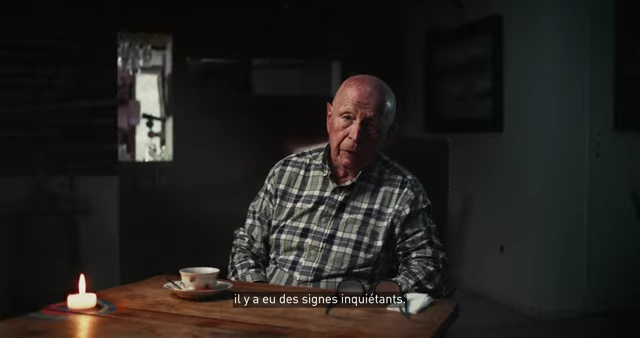
An older Marc Lass [ 00:22:57 ] mobile phone didn't work.), and his home being ransacked without anything stolen, leading him to believe he was under surveillance.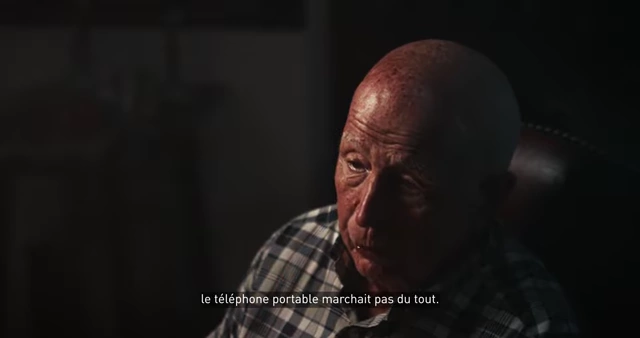
An older Marc Lassus speaking in an interview, with subtitles stating his [ 00:29:41 ] - This period sets the stage for a "wolf in the sheepfold" scenario, as stated in the video's subtitle [3:30] (

Text on screen: "GEMPLUS: AUTOPSY OF A PILLAGE" in French, indicating the dire situation.). [ 00:03:24 ]
- Suggests Gemplus is being watched and listened to, hinting at industrial espionage [2:57] (
The Importance of Smart Card Encryption Keys [4:30]
- The smart card chip is highlighted as the core of Gemplus's technology [4:27]
- These chips function as micro-computers capable of encrypting and decrypting data, communicating under specific conditions, and self-blocking against unauthorized access [4:32] (
SIM cards.).
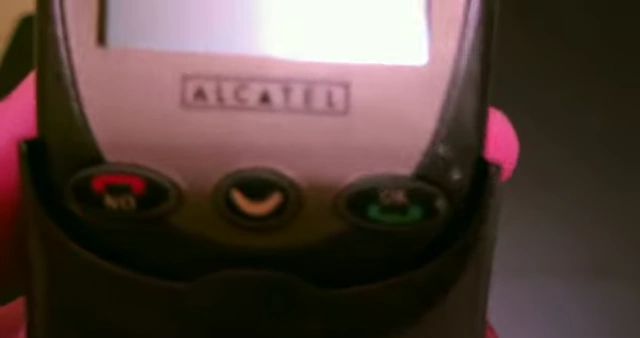
A close-up of an Alcatel mobile phone, featuring its keypad and screen, representing the devices that utilize smart card technology like [ 00:03:58 ] - The technology is critical for encrypted television, banking, government documents, and telecommunications [4:48]
- These chips function as micro-computers capable of encrypting and decrypting data, communicating under specific conditions, and self-blocking against unauthorized access [4:32] (
- Encryption keys are deemed the "holy grail" of intelligence [5:30]
- Possession of these keys allows access to all communications between a phone and its network [29:10] (
intelligence.).
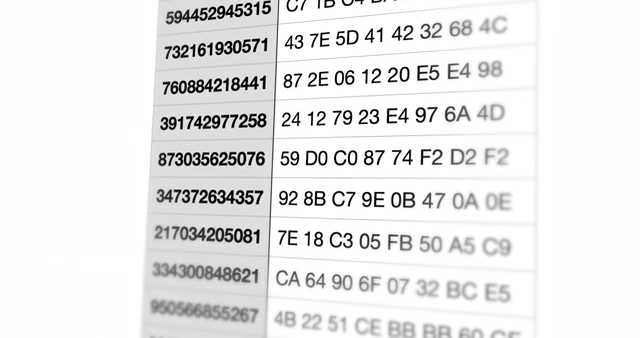
A screen displaying hexadecimal values, representing encryption keys, visually illustrating the "holy grail" of [ 00:41:06 ] - Gemplus diligently safeguards these invaluable keys within its highly secure laboratories in Marseilles [5:50]
- Possession of these keys allows access to all communications between a phone and its network [29:10] (
Gemplus's Ascent and Marc Lassus's Entrepreneurial Journey [5:00]
- Gemplus's rapid growth and market position [5:00]
- Founded in 1988, the company quickly grew to employ 6,000 people worldwide, achieving €200 million in revenue [5:03] (
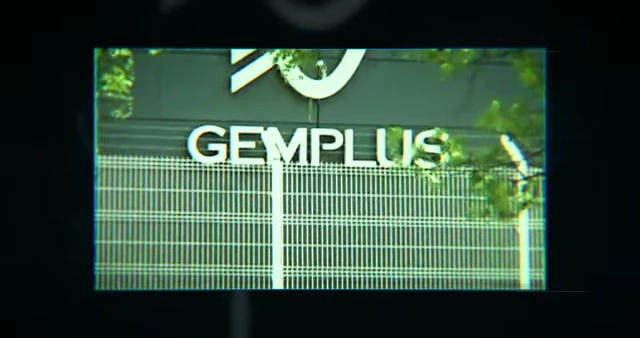
An exterior shot of a Gemplus building, with its logo prominently displayed, signifying the company's established presence.). [ 00:04:06 ] - It maintained an impressive 50% annual growth, selling 3 million smart cards monthly in Europe [5:08]
- Founded in 1988, the company quickly grew to employ 6,000 people worldwide, achieving €200 million in revenue [5:03] (
- Marc Lassus's background and early career [5:20]
- Son of a teacher [6:40] (
146: A close-up of several circuit boards, illustrating the electronic components he worked with.).
![A black and white archival photo of children in a classroom, representing Lassus's background as the son of a teacher.), Lassus gained experience in electronics at Bull Anjou [<a href="https://youtube.com/watch?v=2wMxldl3Alk&t=420">7:00</a>] (Image](https://storage.googleapis.com/summarizer-images/images/2wMxldl3Alk/sc0143_t00.07.03.webp)
A black and white archival photo of children in a classroom, representing Lassus's background as the son of a teacher.), Lassus gained experience in electronics at Bull Anjou [<a href="https://youtube.com/watch?v=2wMxldl3Alk&t=420">7:00</a>] (Image [ 00:07:03 ] - He played a key role in developing the first industrial smart card [7:14] (
card labeled "CP8" with the Bull logo, representing the first industrial smart card developed.), fueling his obsession with the technology [7:18] (
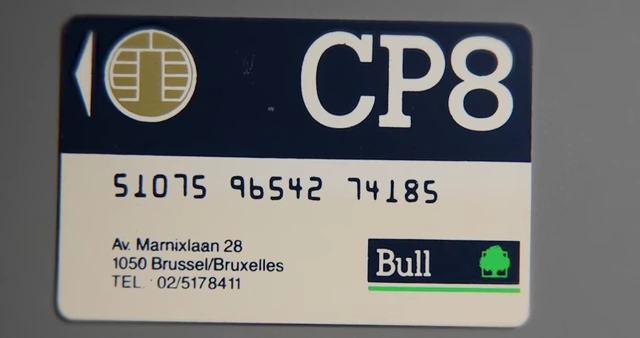
A smart [ 00:07:20 ] the chip card, in two different settings, highlighting his pioneering role.).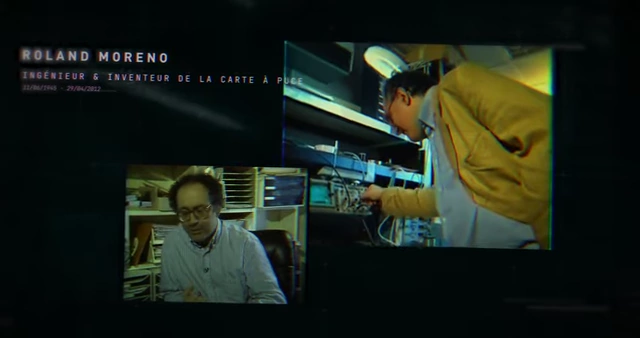
A split screen showing Roland Moreno, the inventor of [ 00:07:26 ]
- Son of a teacher [6:40] (
- Launching Gemplus and securing initial investment [8:00]
- Despite initial skepticism in 1988, Lassus, then 48, left his job to found Gemplus with former colleagues.
- Early shareholders included France Telecom (10%) [10:04] (
a 10% share of Gemplus ownership.), Roland Moreno (15%), co-founders (30%), and Lassus himself (20%) [10:16] (
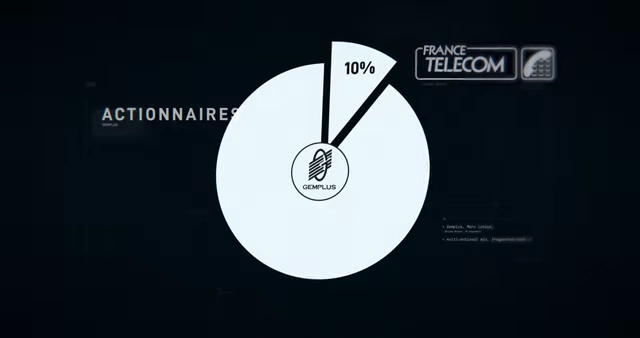
A pie chart showing "France Telecom" with [ 00:08:46 ] shareholder breakdown of Gemplus, with portraits of Marc Lassus and other co-founders next to their respective share percentages.).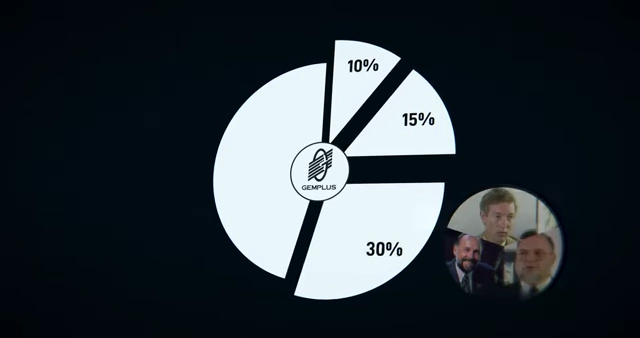
A pie chart illustrating the initial [ 00:09:03 ] - Lassus, as the largest shareholder, still lacked absolute control, needing to collaborate with other investors.
Challenges in the US Market and the Quandt Family Alliance [7:30]
- Resistance to smart card technology in the US [10:17]
- The US market, operating on different mobile network standards (non-GSM) and relying on magnetic stripe bank cards, showed no interest in smart cards.
- US companies viewed foreign technology investment as too costly and risky [11:27]
- Marc Lassus's strategy to break into the US market [10:45]
- Realizing he needed a powerful local partner, Lassus targeted Datacard, the leading American payment terminal manufacturer [12:02] (
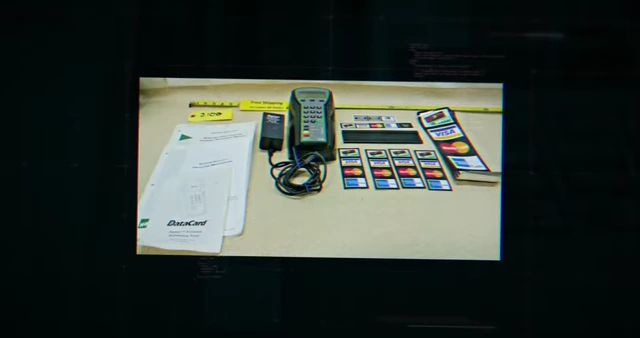
A Datacard payment terminal along with various smart cards, representing the American market target.). [ 00:11:03 ] - Following Datacard's refusal, Lassus directly approached the Quandt family [12:12] (
![Members of the Quandt family riding an escalator, symbolizing their influential position as investors.), a German industrial dynasty and major shareholder of BMW [<a href="https://youtube.com/watch?v=2wMxldl3Alk&t=748">12:28</a>] ( a text stating "la famille Quandt (BMW)" in French, explicitly linking the family to BMW.), who eventually agreed to invest in Gemplus [<a href="https://youtube.com/watch?v=2wMxldl3Alk&t=755">12:35</a>] ( French, with the headline "Cartes à puce: la famille Quandt se renforce dans Gemplus," reporting on the Quandt family's increased investment.).](https://storage.googleapis.com/summarizer-images/images/2wMxldl3Alk/sc0248_t00.11.39.webp)
Members of the Quandt family riding an escalator, symbolizing their influential position as investors.), a German industrial dynasty and major shareholder of BMW [<a href="https://youtube.com/watch?v=2wMxldl3Alk&t=748">12:28</a>] ( a text stating "la famille Quandt (BMW)" in French, explicitly linking the family to BMW.), who eventually agreed to invest in Gemplus [<a href="https://youtube.com/watch?v=2wMxldl3Alk&t=755">12:35</a>] ( French, with the headline "Cartes à puce: la famille Quandt se renforce dans Gemplus," reporting on the Quandt family's increased investment.). [ 00:11:39 ]
- Realizing he needed a powerful local partner, Lassus targeted Datacard, the leading American payment terminal manufacturer [12:02] (
- Initial success and subsequent stagnation in the US [11:40]
TPG's Leveraged Buyout Attempt and Internal Conflict [10:40]
- TPG's aggressive offer for Gemplus [12:40]
- Daniel Legal, a co-founder, informed Lassus of a third $550 million offer from Texas Pacific Group (TPG) [13:02] (
a city, likely in Texas, representing the geographical origin of TPG.), a US private equity firm specializing in leveraged buyouts [13:06] (
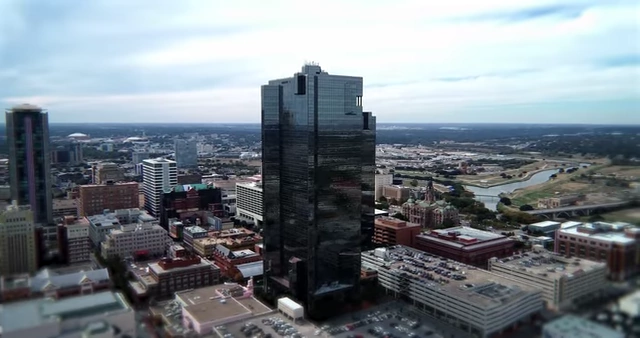
An aerial view of [ 00:13:11 ] prend une part de 51% dans Ducati" in French, showcasing TPG's strategy of acquiring significant stakes in companies.).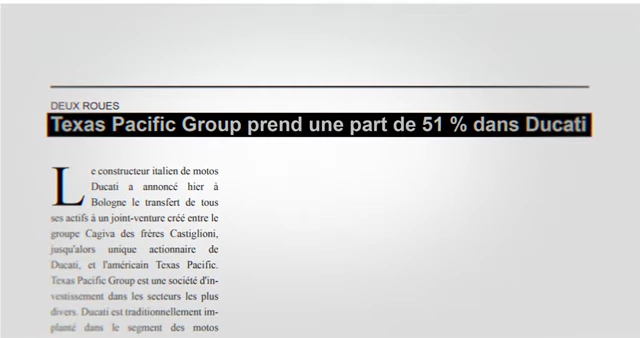
A news article with the headline "Texas Pacific Group [ 00:13:14 ] - Legal initially rejected the offer without consulting Lassus, sparking fury from the founder [12:57]
- Daniel Legal, a co-founder, informed Lassus of a third $550 million offer from Texas Pacific Group (TPG) [13:02] (
- Internal divisions over TPG's bid [13:15]
- TPG's demand for 33% ownership, granting a "blocking minority," raised alarms as it threatened French control over critical encryption technology [14:32] (
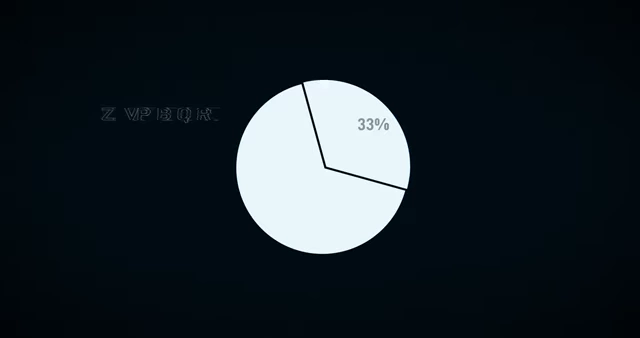
A pie chart showing a 33% slice, representing the significant ownership stake TPG aimed for, which would give them a blocking minority.). [ 00:15:04 ] - Lassus’s co-founders and early shareholders expressed concerns, noting Gemplus was thriving, not distressed, making TPG’s LBO model unsuitable.
- TPG's demand for 33% ownership, granting a "blocking minority," raised alarms as it threatened French control over critical encryption technology [14:32] (
- Lassus's direct intervention and uneasy compromise [15:30]
- Lassus flew to meet TPG's head, David Bonderman [13:51] (
for TPG to take 26% ownership, name the CEO, and hold 5 of 9 board seats [17:30] (

A black and white portrait of David Bonderman, identifying the key figure from TPG.), securing a deal [ 00:14:04 ] members at Gemplus, with TPG gaining control over key positions.).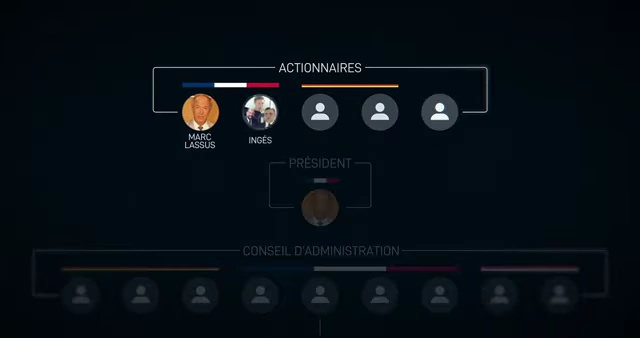
An organizational chart showing the distribution of shareholders and board [ 00:17:13 ] - This compromise, though contested internally, appeared to open the US market and assure Gemplus's future [17:50]
- Lassus flew to meet TPG's head, David Bonderman [13:51] (
David Bonderman and the Wild Cat Ranch Meeting [14:10]
- David Bonderman, the enigmatic billionaire [13:45]
- Bonderman, a Texan billionaire known for audacious deals, owned a vast ranch in Colorado [13:14] (
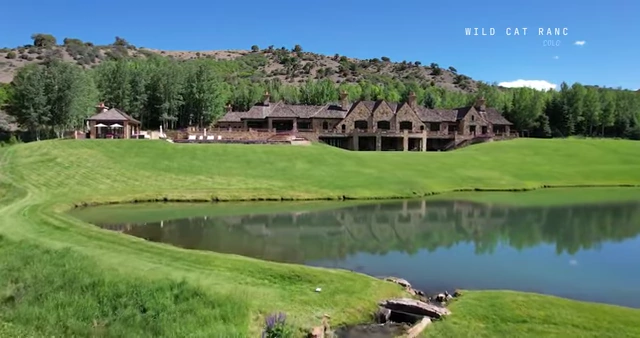
An aerial shot of "Wild Cat Ranch" in Colorado, a luxurious estate belonging to David Bonderman, where crucial meetings took place.). [ 00:13:56 ] - He charmed Lassus, promising access to the US market through his powerful connections, including Hillary Clinton, then Minister of Health, for large government contracts [14:10]
- Bonderman, a Texan billionaire known for audacious deals, owned a vast ranch in Colorado [13:14] (
- Lassus's conviction and subsequent disillusionment [15:00]
Antonio Perez's Controversial Decisions and Gemplus's Decline [19:30]
- Alex Mandl's appointment and corporate restructuring [21:30]
- Alex Mandl [26:00] (
businessman, who would become the new CEO.), an Austrian-American businessman, was appointed as the new CEO, reportedly handpicked by TPG.
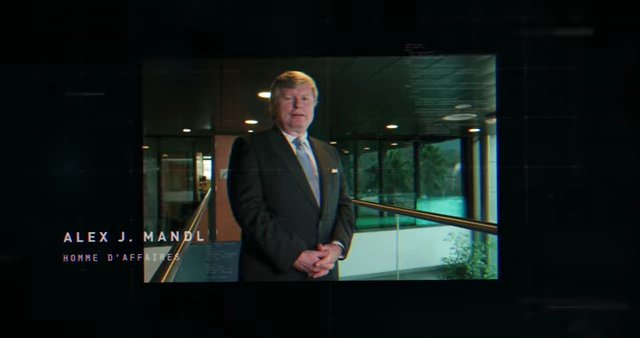
A labeled image of Alex J. Mandl, identified as a [ 00:36:30 ] - Under Mandl, Gemplus's leadership was systematically replaced, and the company initiated a series of controversial decisions.
- Alex Mandl [26:00] (
- Questionable management and market downturn [19:50]
- Antonio Perez [17:15] (
of Antonio Perez speaking, identifying him as the General Director.), who Lassus wanted to replace, issued several negative press releases, slashing growth forecasts [17:21] (
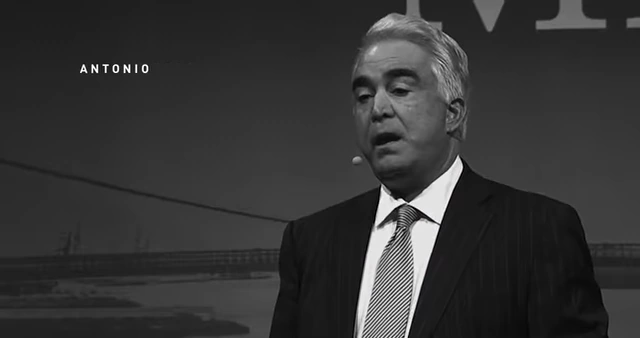
A black and white image [ 00:19:49 ] and a restructuring plan, highlighting his role in the company's downturn.), which caused Gemplus's stock to plummet [21:00] (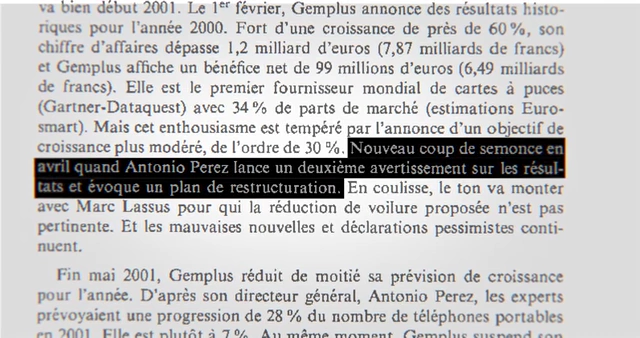
A French news article mentioning Antonio Perez's warnings [ 00:19:52 ] 15% staff reduction", illustrating the immediate consequence of the company's financial woes.).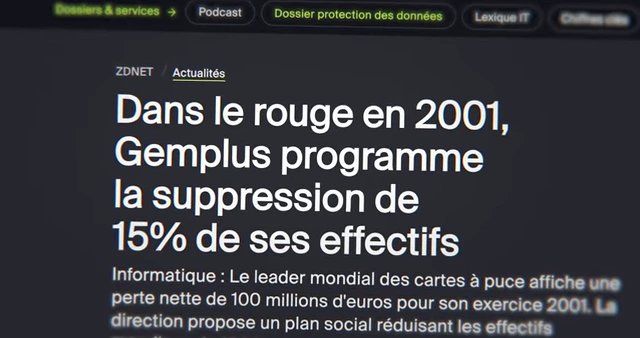
A French news article with the headline "Gemplus programs [ 00:25:49 ] - The company faced widespread layoffs [24:42], despite its past success, sparking outrage among employees and unions [21:08] (
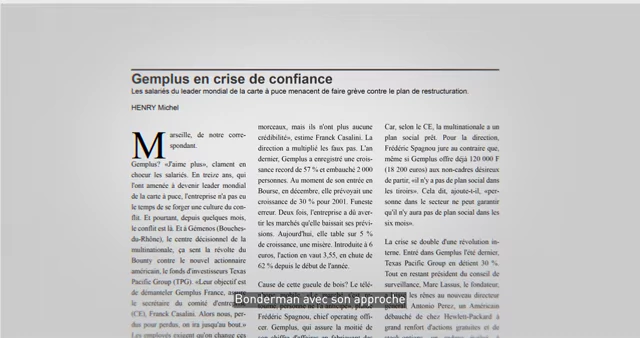
A French news article with the headline "Gemplus in crisis of confidence," detailing employee dissatisfaction and the role of David Bonderman in the situation.). [ 00:25:55 ]
- Antonio Perez [17:15] (
- Lassus's mounting frustration and personal attacks [21:07]
- Lassus's attempts to challenge Perez's decisions were met with resistance; he was called naive and blinded by his former colleagues [16:40]
- He experienced personal attacks, including multiple burglaries at his home, with nothing stolen but his property ransacked, leading him to believe he was under surveillance [27:50]
The Unveiling of Alex Mandl's CIA Connection [23:30]
- The journalist's investigation into Alex Mandl [23:30]
- A journalist researching Gemplus's crisis discovered a crucial detail about Alex Mandl through a simple Google search [26:34] (
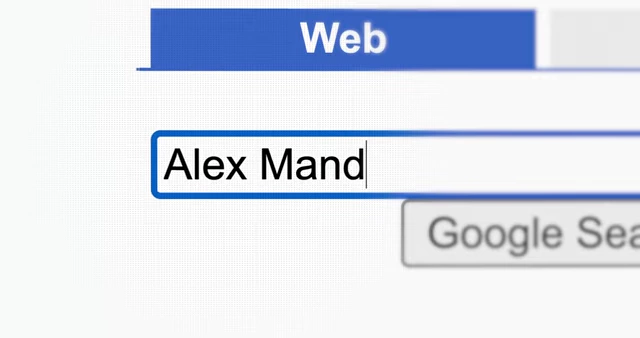
A screen capture of a Google search bar with "Alex Mandl" typed in, representing the journalist's investigation.). [ 00:38:03 ] - Mandl had served on the board of In-Q-Tel [26:48] (
firm established by the CIA [26:50] (
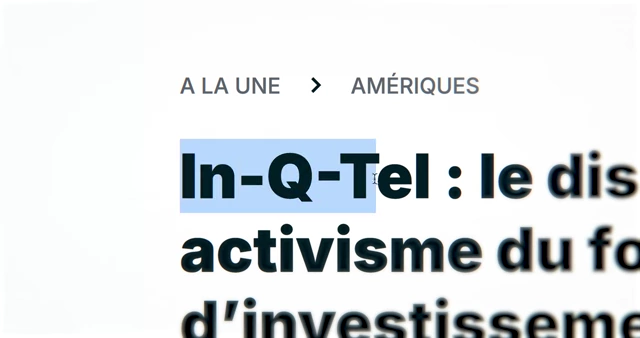
A news headline reading "In-Q-Tel: activism of the CIA fund" in French, explicitly linking In-Q-Tel to the CIA.), a venture capital [ 00:38:27 ] ![A close-up of the letters "CIA," making the connection explicit.) to invest in emerging technologies relevant to US intelligence [<a href="https://youtube.com/watch?v=2wMxldl3Alk&t=1612">26:52</a>] (](https://storage.googleapis.com/summarizer-images/images/2wMxldl3Alk/sc0472_t00.38.28.webp)
A close-up of the letters "CIA," making the connection explicit.) to invest in emerging technologies relevant to US intelligence [<a href="https://youtube.com/watch?v=2wMxldl3Alk&t=1612">26:52</a>] ( [ 00:38:28 ] 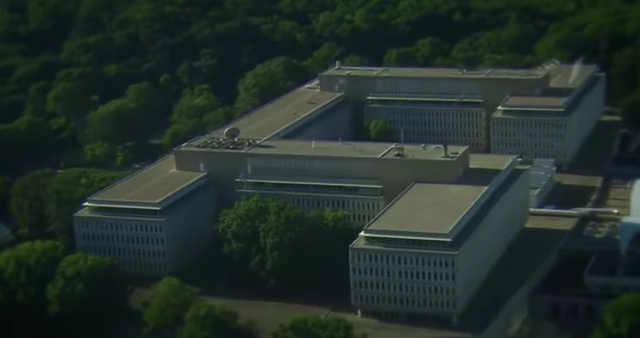
An aerial view of the Central Intelligence Agency (CIA) Headquarters building, providing a visual representation of the intelligence agency.). [ 00:38:31 ]
- A journalist researching Gemplus's crisis discovered a crucial detail about Alex Mandl through a simple Google search [26:34] (
- The CIA's strategic interest in Gemplus [24:30]
- It became clear that the CIA viewed cryptography as a matter of national security and could not tolerate a foreign entity controlling global communication access [27:14] (
Mandl chez In-Q-Tel" (Mandl at In-Q-Tel), confirming his association with the CIA-linked firm.).
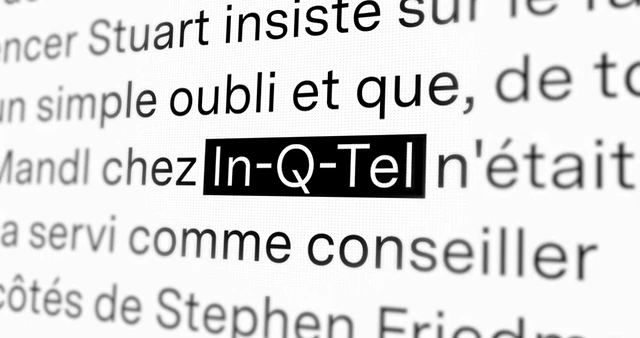
A close-up of text highlighting " [ 00:38:47 ] - The US sought to prevent France from having independent control over such a strategic sector, making Gemplus a target [27:26] (

The logo for "BUSINESS EXECUTIVES FOR NATIONAL SECURITY," a group with which David Bonderman was associated, further illustrating the nexus of business and national security interests.). [ 00:39:11 ] - A diagram visualizes the connections between David Bonderman, TPG, In-Q-Tel, and other entities, highlighting the network of influence [27:42] (
between David Bonderman, TPG, In-Q-Tel, and related organizations, visually depicting the web of influence.).
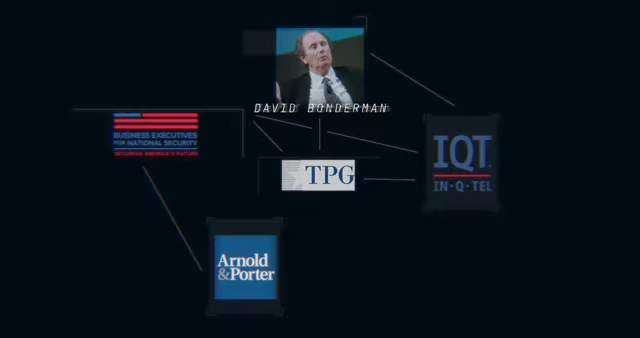
An organizational chart illustrating the connections [ 00:39:40 ] - This echoes revelations from Edward Snowden [30:57] (
Snowden, identified as a computer technician and whistleblower, linking his revelations to the broader context of surveillance.) about NSA tracking cellphone locations worldwide [31:10] (
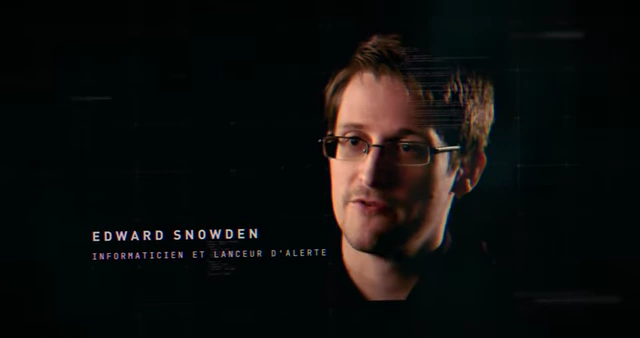
A labeled image of Edward [ 00:44:18 ] , Snowden documents show," emphasizing the scale of global surveillance.) and CIA using Swiss companies to spy on over 100 countries [31:43] (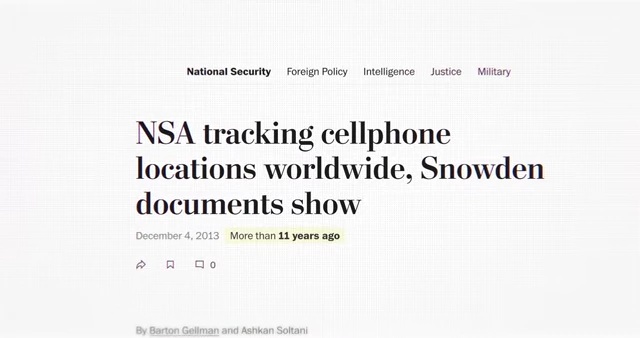
A news headline reading "NSA tracking cellphone locations worldwide [ 00:44:29 ] company to spy on over 100 countries," providing a historical precedent for covert intelligence operations.).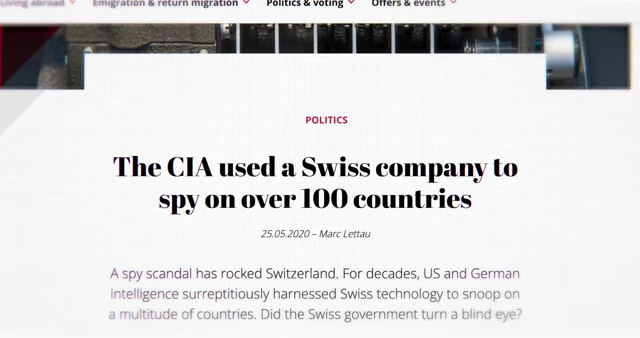
A news headline stating "The CIA used a Swiss [ 00:45:41 ]
- It became clear that the CIA viewed cryptography as a matter of national security and could not tolerate a foreign entity controlling global communication access [27:14] (
Forced Resignations and the CIA's Takeover Strategy [32:30]
- Lassus and Perez are forced out [32:30]
- Lassus was abruptly summoned to a meeting at David Bonderman's ranch, where he and Antonio Perez were ultimately forced to resign from their positions [23:46] (
document titled "PROJECT DE PROTOCOLE DE RÉVOCATION" (Project of Revocation Protocol) in French, serving as direct evidence of the forced resignations.).
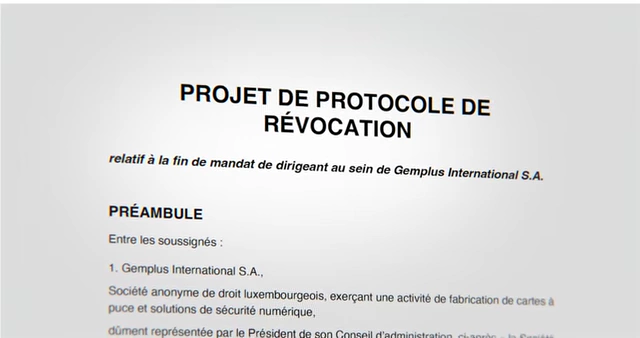
A [ 00:32:28 ] - Documents explicitly state the termination of Antonio Perez's mandate [23:51] (
![A document detailing the termination of Antonio Perez's mandate, providing concrete evidence of his removal.) and Marc Lassus's mandate [<a href="https://youtube.com/watch?v=2wMxldl3Alk&t=1442">24:02</a>] ( document detailing the termination of Marc Lassus's mandate, confirming his forced departure.).](https://storage.googleapis.com/summarizer-images/images/2wMxldl3Alk/sc0427_t00.32.42.webp)
A document detailing the termination of Antonio Perez's mandate, providing concrete evidence of his removal.) and Marc Lassus's mandate [<a href="https://youtube.com/watch?v=2wMxldl3Alk&t=1442">24:02</a>] ( document detailing the termination of Marc Lassus's mandate, confirming his forced departure.). [ 00:32:42 ] - News articles reported on the forced resignations, citing a "management crisis" [24:05] (
with the headline "Marc Lassus and Antonio Perez forced to resign," underscoring the severity of the management crisis.) and a "mass resignation" [24:12] (
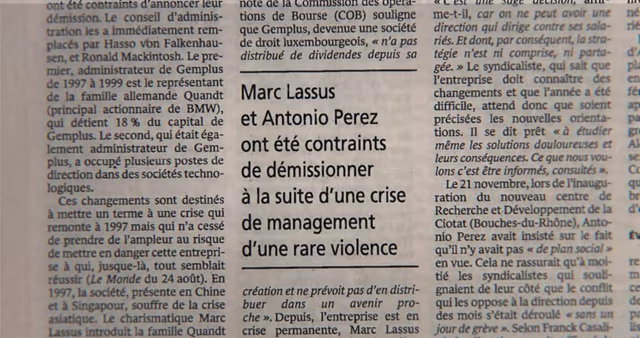
A French news article [ 00:32:46 ] with the headline "Gemplus: mass resignation of president and director," confirming the widespread nature of the leadership change.).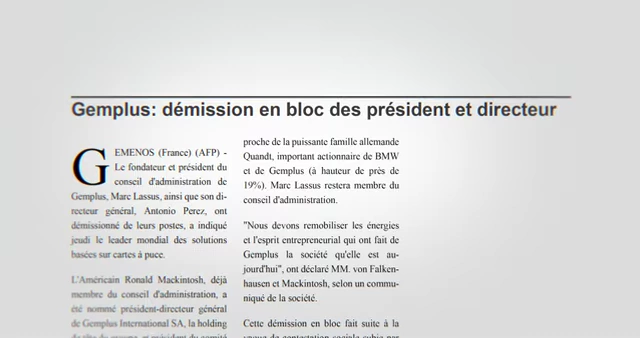
A French news article [ 00:32:55 ]
- Lassus was abruptly summoned to a meeting at David Bonderman's ranch, where he and Antonio Perez were ultimately forced to resign from their positions [23:46] (
- TPG's complete control and the "autopsy of a plunder" [32:57]
The Aftermath: A Lesson in Economic Espionage [26:00]
- Gemplus's financial ruin and Lassus's personal losses [42:43]
- The once thriving company saw its shares plummet, rendering Lassus's personal investments worthless [30:00] (
Marc Lassus speaking in an interview, with subtitles stating his shares became "worth nothing," emphasizing his personal financial loss.).
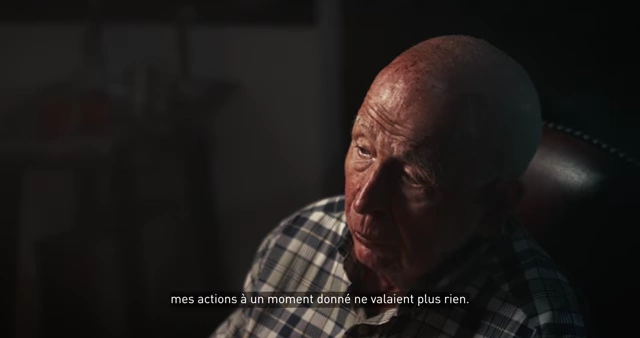
An older [ 00:42:30 ] - Lassus himself was deemed insolvent and lost his remaining assets, highlighting the devastating personal cost of the corporate maneuvering [42:50]
- The once thriving company saw its shares plummet, rendering Lassus's personal investments worthless [30:00] (
- The lasting impact on French tech and national sovereignty [43:35]
- Gemplus was eventually acquired by Axalto in 2006, then Thales in 2019, becoming Gemalto [30:17] (
been siphoned off by the US.
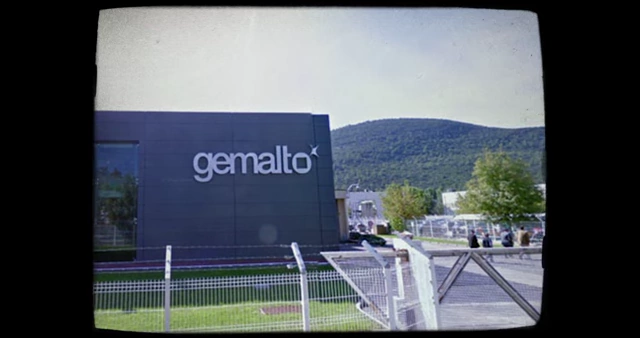
An exterior shot of a building with the "gemalto" logo, showing the company's new identity after the mergers.), but the core technologies had already [ 00:43:30 ] - The affair became a symbol of European industrial naivete and vulnerability in economic warfare, with many other French tech companies subsequently falling under foreign control:
- The transfer of patents to foreign subsidiaries [25:07] (
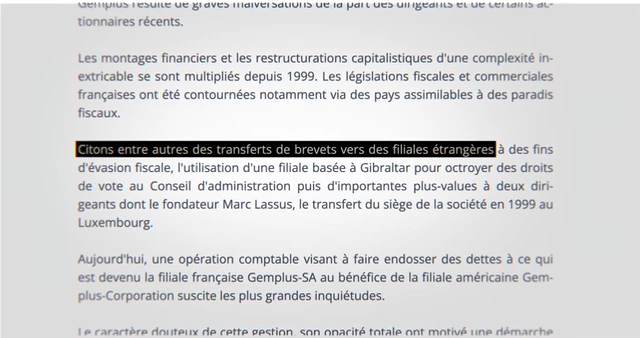
A French news article mentioning "transfert de brevets vers des filiales étrangères" (transfer of patents to foreign subsidiaries), indicating asset stripping.). [ 00:34:13 ] - Framatome selling a significant stake in Thermodyn to a General Electric subsidiary [32:46] (
asset being sold off.).
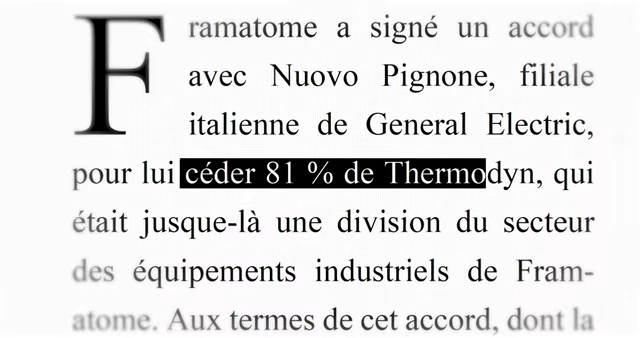
A French news article highlighting "Framatome sells 81% of Thermodyn," an example of a French industrial [ 00:46:51 ] - An American fund taking control of Latécoère [33:14] (
écoère" (An American fund takes control of Latécoère), demonstrating another instance of foreign acquisition of French companies.).
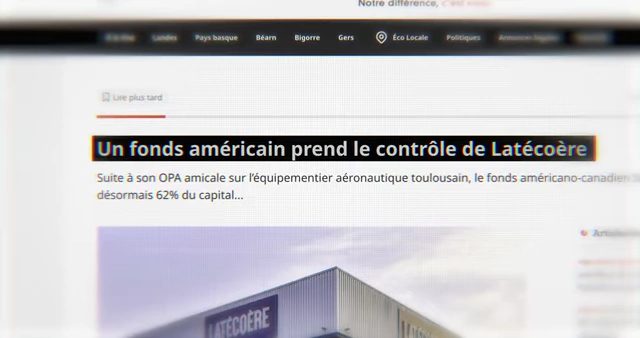
A French news article with the headline "Un fonds américain prend le contrôle de Lat [ 00:46:58 ] - Safran selling its Morpho subsidiary [33:30] (
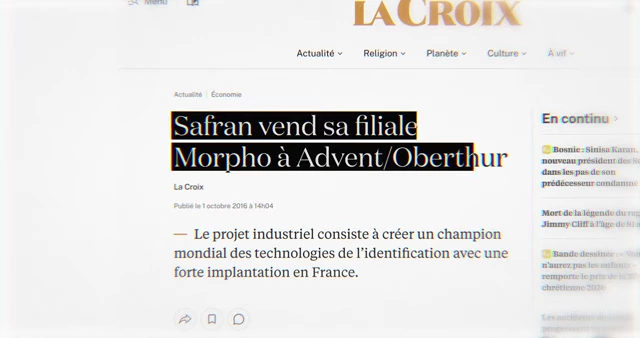
A French news article announcing "Safran sells its Morpho subsidiary to Advent/Oberthur," another example of a French company's tech assets being acquired by foreign entities.). [ 00:47:03 ]
- The transfer of patents to foreign subsidiaries [25:07] (
- The video concludes by urging vigilance, questioning France's continued independence in critical sectors like energy, defense, and now, artificial intelligence [47:15].
- Gemplus was eventually acquired by Axalto in 2006, then Thales in 2019, becoming Gemalto [30:17] (