This Kyoto travel guide recommends visiting in autumn for beautiful foliage, but suggests booking accommodations months in advance due to it being the busiest season. A 3-5 day stay is ideal to explore key attractions. For transportation, an IC card is recommended for trains and buses, or a Kansai Thru Pass if visiting nearby cities like Osaka or Nara. Key areas to explore include:
A map of Kyoto highlighting major tourist areas and iconic attractions
[
00:02:50
]
Gion: Kyoto's old entertainment district, known for historic streets like Ninnenzaka, Sannenzaka, and Hanami-koji, where you might spot geisha (remember the photography ban).
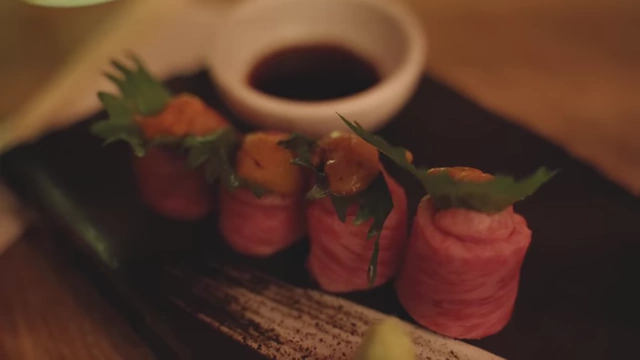
Nishiki Market and Pontocho: Excellent areas for food, offering diverse options from fresh seafood at Kimura Fresh Fish to traditional Japanese sweets at Kagizen Yoshifuza, and various restaurants like Yakiniku Hiro and Ramen Sen No Kaze.
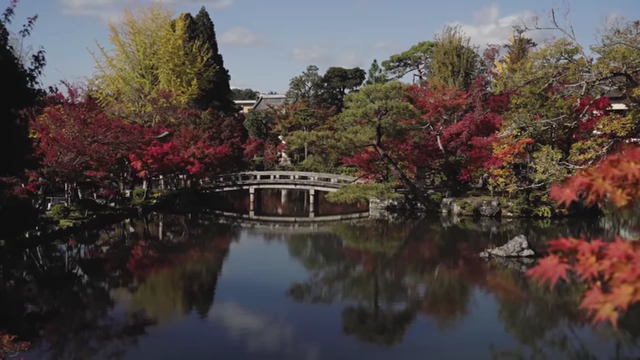
Temples and Shrines: Highlights include Nanzenji Temple (aqueduct, rock garden), Eikando Temple (autumn foliage), Yasaka Shrine (Gion Matsuri festival), Kiyomizudera Temple (wooden stage, city views), Kinkaku-ji (Golden Pavilion), and the Fushimi Inari Shrine (thousands of torii gates).
Arashiyama: Features the bamboo forest, Tenryu-ji Temple (Zen garden), Senkoji Temple (hike, scenic view, shiba inu), Iwatayama Monkey Park (feed snow monkeys), and the Sagano Romantic Train ride along the Hozugawa River.
The presenter considers Kyoto his favorite Japanese city, offering a unique blend of modern cityscapes and cultural/historic value, making it a quintessential Japanese city to visit.
Overview: Kyoto's old entertainment district, famous for historic streets and buildings.
Ninnenzaka and Sannenzaka: [04:09] Streets filled with shops, tea houses, and traditional wooden buildings.
Hanami-koji: [04:33] Known for maintaining the original appearance of its tea houses and buildings.
A geisha or maiko walking elegantly down a historic street in Gion
[
00:04:00
]
Geisha Spotting: A famous spot to see geisha and maiko.
Photography Ban: The city has imposed a photography ban in Hanami-koji and other Gion areas due to tourist issues; visitors are encouraged to follow local rules.
A sign in Gion indicating a photography ban in private areas to preserve local culture and respect residents
[
00:04:52
]
Yasaka Pagoda View: [05:03] Don't miss the famous view, often crowded with photographers.
The iconic Yasaka Pagoda towering above traditional wooden buildings in Gion
[
00:05:09
]
Description: One of Japan's most popular buildings, attracting thousands of visitors annually.
The iconic Kinkaku-ji, or Golden Pavilion, resplendent against a natural backdrop and reflecting in its pond
[
00:13:46
]
Architecture: The upper floor is covered in gold leaves, while the lower floor is built of natural wood.
History: Originally a shogun's retirement home, later converted into a Zen Buddhist temple.
Kurama to Kibune Hike: [14:03] A recommended 30-minute train ride from central Kyoto, offering a lovely hike through shrines and temples amidst splendid nature.
A charming red bridge spanning a stream on the Kurama to Kibune hiking trail
[
00:14:06
]
Significance: Arguably the most visited place in Kyoto, the most important shrine dedicated to Inari, the Shinto god of rice.
Foxes: Believed to be Inari's messengers, multiple fox statues are spread across the shrine grounds.
A stone fox statue, a messenger of Inari, adorned with a red bib at Fushimi Inari Shrine
[
00:14:50
]
Torii Gates: [14:54] Famous for thousands of red torii gates that form a network of trails leading up to Mount Inari.
Thousands of vermillion torii gates forming a continuous tunnel at Fushimi Inari Shrine
[
00:14:55
]
Crowd Management: Crowds can be large, but they thin out further up the trail. Alternatively, visit during morning or evening hours for a quieter experience.
Fushimi Inari Market: [15:55] A small food market next to the shrine where visitors can try street food and local snacks.
The lively Fushimi Inari Market with various street food stalls near the shrine entrance
[
00:15:58
]