The Vine and the Branches: A Bible Lesson on Connection, Fruitfulness, and Pruning from John 15:1-8 for Children
Église protestante unie de l'Étoile à Paris
Summary:
This Bible lesson for children aged 9-12 explains the parable of "The Vine and the Branches" from John 15:1-8.
- Jesus is the "true vine," God is the "vine grower," and believers are the "branches."
- "Bearing fruit" means giving good things to others, encompassing love, joy, peace, patience, kindness, goodness, faithfulness, gentleness, and self-control. These are often small, daily acts.
- For branches to bear fruit, they must remain connected to the vine (Jesus), who provides spiritual nourishment.
- "Pruning" is interpreted not as divine punishment for individuals, but as God removing unproductive aspects within each person to enhance their capacity for spiritual fruitfulness.
- By abiding in Jesus and letting His words guide them, believers can ask for and receive these spiritual qualities to share with the world, creating a continuous cycle of receiving and giving love.
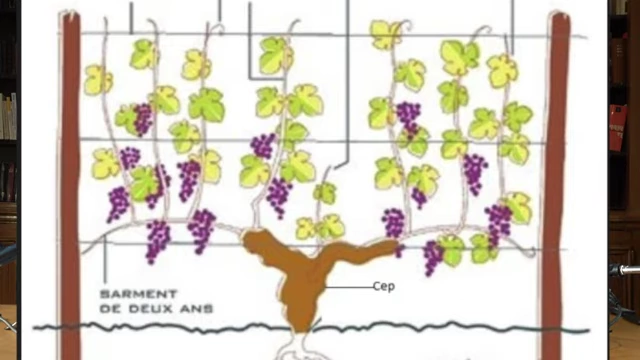
A diagram illustrating the components of a grapevine, including the trunk (cep) and fruit-bearing branches (sarments). [ 00:00:45 ]
The Parable of the Vine and the Branches (John 15:1-8) [0:00]
- Introduction to the Parable [0:09]
- The lesson for children aged 9-12 focuses on the parable of "The Vine and the Branches" found in John 15:1-8. [0:09]
- The purpose of this parable is to illustrate the relationship between people and Jesus, or God. [0:54]
- A "vine" refers to a grapevine, and "branches" (or "sarments" in French) are the shoots attached to it that eventually produce grapes. [0:24]
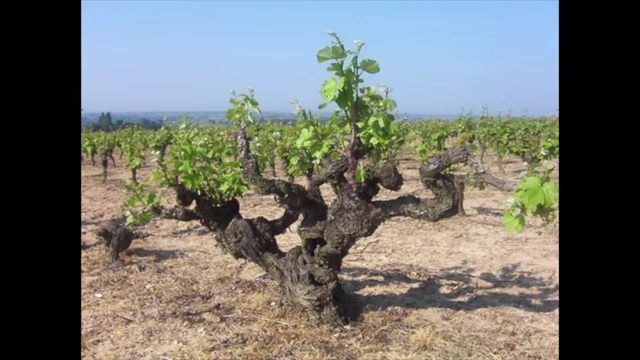
A gnarled grapevine (cep) in a vineyard. [ 00:00:27 ] - The video emphasizes that this is a "very famous text." [0:22]
- Roles in the Parable [1:13]
- Jesus identifies Himself, stating, "I am the true vine, and my Father is the vine grower." [1:13]
- Believers are identified as the "branches," connected directly to Jesus. [1:42]
- The primary role of these branches (us) is to bear fruit. [2:17]
- A crucial point is that a branch cannot bear fruit if it is not connected to its source, the trunk. [5:06]
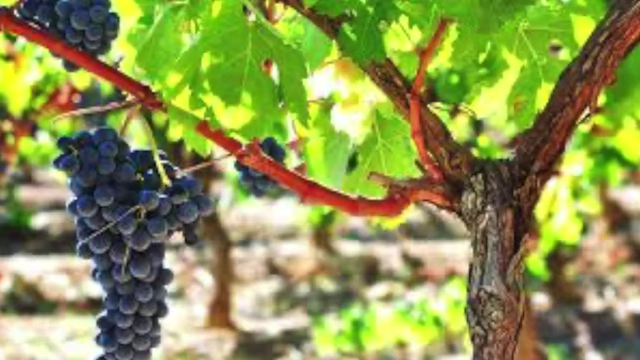
A close-up of dark grapes hanging from a vine branch, illustrating the "branches" and "fruit." [ 00:00:35 ] - Conversely, the vine (Jesus) also relies on the branches (us) to manifest fruit in the world, as He is not physically present to do so Himself. [6:36]
Understanding "Bearing Fruit" [2:22]
- The Meaning of Fruit [2:22]
- To "bear fruit" in this context signifies giving good things and positive contributions to others. [2:29]
- The fruit itself is intended for others' benefit, not for the vine. It provides life and pleasure. [2:41]
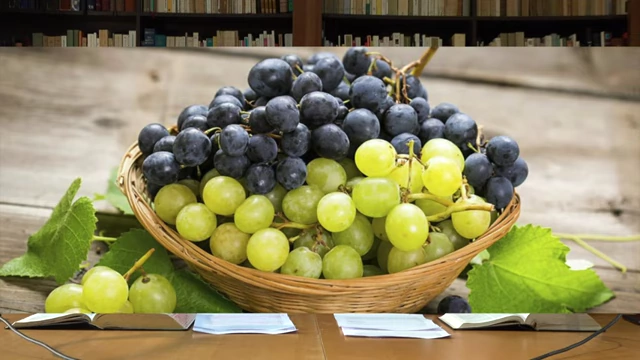
A basket overflowing with green and purple grapes, symbolizing abundant fruit and positive qualities. [ 00:02:55 ] - This fruit does not need to be a grand gesture; it can be as simple as a smile, a small act of attention, or a word of thanks. [3:24]

A child showing affection to an elderly woman, symbolizing small acts of love and kindness as spiritual fruit. [ 00:03:27 ] - The comparison is made to a bunch of grapes, which comprises many small grapes, suggesting that life's fruit is made up of numerous small, good actions. [3:43]
- The Fruits of the Spirit (Galatians 5:22) [3:53]
- The video references Paul's Epistle to the Galatians (chapter 5, verse 22) which lists specific "fruits of the Spirit" that God expects believers to manifest. [4:01]
- These spiritual fruits include: [4:23]
- Love
- Joy
- Peace
- Patience
- Kindness
- Goodness
- Faithfulness
- Gentleness
- Self-control
- Believers are invited to offer all these qualities to others. [4:47]
The Importance of Connection and Pruning [5:03]
- Staying Connected to the Source [5:03]
- Just as a cut flower will wither if separated from its roots, a branch cannot continuously bear fruit unless it remains attached to the trunk, which nourishes it with sap. [5:10]
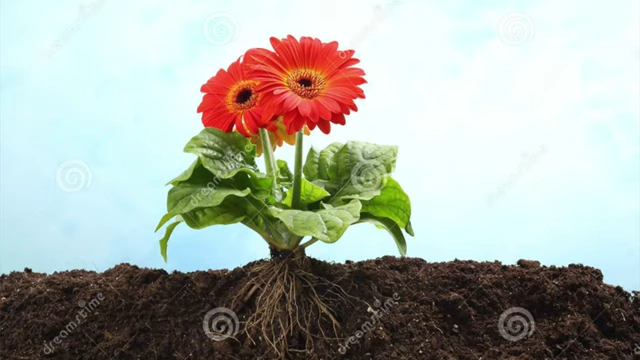
A healthy red flower with its roots firmly planted in the soil, symbolizing connection to a life-giving source. [ 00:05:29 ] 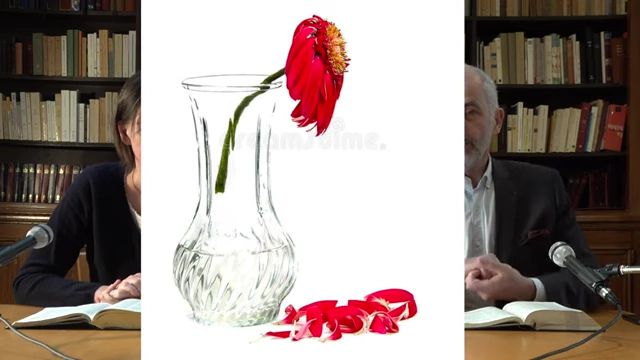
A withered red flower in a vase with fallen petals, illustrating the result of separation from its source. [ 00:05:28 ] - Similarly, we, as spiritual branches, cannot produce fruit unless we are continuously connected to Jesus, our source of love, joy, strength, and tenderness. [5:47]
- This connection allows us to receive from Him on one side and then transmit those blessings to others on the other side. [5:55]
- Just as a cut flower will wither if separated from its roots, a branch cannot continuously bear fruit unless it remains attached to the trunk, which nourishes it with sap. [5:10]
- The Process of Pruning [7:26]
- The scripture states, "Every branch that is in me and does not bear fruit, he cuts off." [7:26]
- The video clarifies that this should not be interpreted as God literally casting non-fruitful individuals into hell as punishment. [7:31]
- Instead, the more nuanced interpretation suggests that within each person, there are many "branches"—some representing productive aspects and others representing useless or detrimental ones. [7:40]
- God, acting as the vine grower, "prunes" or cuts away these unproductive or harmful "branches" (aspects) in our lives. [8:27]
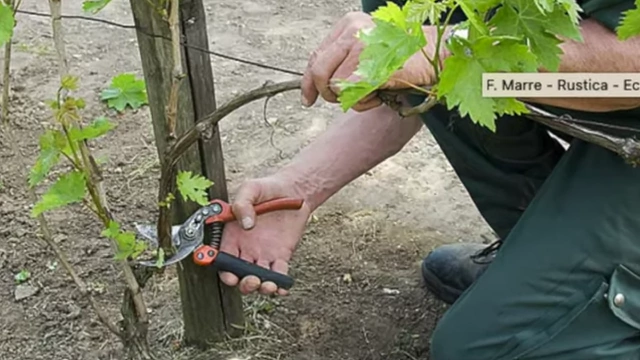
A person pruning a grapevine with shears, trimming unproductive branches to encourage better growth and fruit production. [ 00:08:29 ] - This pruning is not punitive but is done to enable the remaining, good parts to flourish and bear even more fruit. [8:27]
- The "word of God" (the Bible) serves as a guide, helping us discern what is valuable and what needs to be removed from our lives for spiritual growth. [9:02]
Asking and Receiving in Christ [9:06]
- Abiding in Jesus [9:06]
- The parable emphasizes the necessity of "abiding" in Jesus, meaning remaining in close fellowship with Him. The text reads: "Abide in me as I do, or you as I do, just as the branch cannot bear fruit by itself unless it abides in the vine, so neither can you unless you abide in me." (John 15:4-5) [9:06]
- If believers remain in Jesus and His words dwell within them, they are promised that they can ask for anything they desire, and it will be granted. [9:37]
- Understanding "Ask Anything" [9:51]
- This promise is not a magical invitation to ask for literal superpowers or material wealth. [10:00]

A children's book titled "The Book of Super Powers," illustrating that "asking for anything" does not mean magical abilities. [ 00:09:52 ] 
A pile of Euro banknotes, used to clarify that "asking for anything" does not mean material wealth. [ 00:10:57 ] - Jesus's nature is inherently love, goodness, and tenderness. Therefore, when truly connected to Him, a believer's desires will naturally align with His divine character. [10:05]
- Thus, asking for "anything" means asking for more love, joy, strength, and other spiritual fruits, which Jesus, as the ultimate source, will unfailingly provide. [10:46]
- The purpose of receiving these qualities is to then pass them on to others, forming a continuous, beautiful cycle of receiving from Jesus and giving to fellow human beings, which is the system Jesus calls us to live. [11:27]
- This promise is not a magical invitation to ask for literal superpowers or material wealth. [10:00]