This video offers crucial advice for protecting beehives from common pests like mice, skunks, and raccoons, especially during colder months. It covers:
Skunk Deterrents: Using carpet nail strips, raising hive entrances, and chicken wire to prevent skunks from irritating and eating bees.
Raccoon Deterrents: Securing feeders and hive tops with heavy objects to prevent raccoons from stealing food or opening hives.
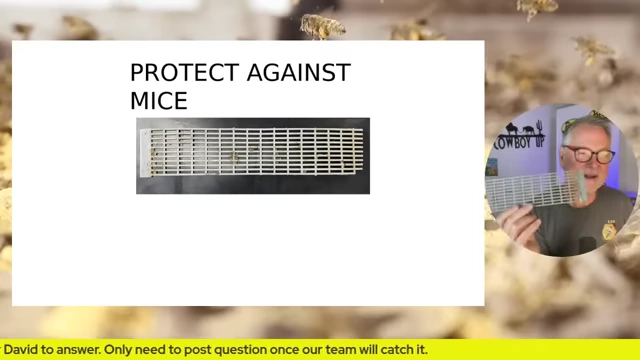
Mouse Guards: Emphasizing the severe threat of mice overwintering in hives, which can destroy colonies.
Mouse Guard Solutions: Demonstrating various mouse guards, including a multi-functional Bee Smart Robber Screen, DIY plastic queen excluder guards, adjustable metal guards, and adjustable entrance discs.
Pre-Winter Inspection: Stressing the importance of thoroughly inspecting the bottom board for mice before installing guards to avoid trapping pests inside.
Beekeeping Terminology: Defining key terms like "Positive Phototaxis" (bees attracted to light), "Diutinus Bees" (long-lived bees), and "Haplodiploidy" (honeybee sex determination system) to enhance beekeeper knowledge.
Pests that can harm beehives, including a mouse, opossum, raccoon, and skunk
[
00:00:00
]
Pests that can harm beehives, including a mouse, opossum, raccoon, and skunk
[
00:00:00
]
The video emphasizes the need to protect beehives from smaller pests like mice, skunks, and raccoons, especially as weather changes in fall and winter. These critters can cause significant damage, leading to loss of colonies.
Methods to deter skunks from beehives, including carpet nail strips, raising the hive entrance, and chicken wire in the entrance.
[
00:01:00
]
Skunks are attracted to beehives and will scratch the hive's front to provoke bees, eating them as they emerge. This irritation can make bees defensive and potentially lead to absconding or aggression.
Carpet Nail Strips: Place these spiky strips in front of the hive entrance to deter skunks from approaching.
Elevate Hive Entrance: Raising the hive entrance 18-24 inches makes it difficult for skunks to reach and scratch.
Chicken Wire: Install chicken wire in the hive entrance. Its larger openings allow bees to pass through but prevent skunks from inserting their paws.
Mice are a significant threat, especially during winter when bees are less active. They can kill an entire colony by eating comb and bees, and their urine can make frames unusable for bees.
Impact of Mice: Mice can overwinter inside hives, establish nests, and destroy the colony. Frames contaminated with mouse urine and odor are often rejected by bees.
A circular disc with multiple settings, including small holes for ventilation, a large opening for normal bee traffic, and a smaller slit to prevent queen egress while allowing workers, effectively blocking mice.
Requires blocking off the remaining large entrance of a traditional Langstroth hive.
Strong Queen: A healthy, prolific queen is vital for a robust colony going into winter.
Ample Resources: Ensure the hive has sufficient honey and bee bread stores for the long winter months.
Mite Control: Varroa mites must be under control throughout the year to prevent weakened colonies.
High Population of Diutinus Bees: These long-lived "winter bees" are crucial for the colony's survival through the cold season.
Feeding: Providing fondant or candy boards is essential, especially if natural resources are scarce. Liquid feeding can also be beneficial in warmer winter spells.
Hive Insulation (Wrapping): Wrapping hives with insulation, such as bat insulation (paper-backed fiberglass) or insulated feeder boards, helps maintain warmth and prevent condensation, improving winter survival.
Insulate the top of the hive to prevent condensation from dripping on the cluster.
Consider closing off the main entrance and using a smaller upper entrance for bee activity and occasional cleansing flights.
Beekeeping Terminology Explained
Positive Phototaxis [22:21]: Bees are attracted to light. This explains why bees might be found dead near porch lights after expending energy trying to reach the light source.
Diutinus Bees [24:09]: Long-lived bees, often referred to as winter bees, capable of surviving for several months to sustain the colony through the cold season.
Haplodiploidy [24:31]: The honeybee sex-determination system where unfertilized eggs develop into males (haploid, 16 chromosomes), and fertilized eggs develop into females (diploid, 32 chromosomes).
Detritus [25:08]: Debris and waste found on the bottom board of a hive, including wax flakes, bee parts, dead mites, or beetles.
Precocious Bees [25:33]: Young bees that are forced to perform tasks (like foraging) typically done by older bees due to hive emergencies, such as a sudden loss of foragers.
Corbicula [26:12]: The "pollen basket" on the rear legs of honeybees, a concave area with hairs where they store and transport pollen.
Age Polyethism [26:48]: The division of labor among honeybees based on their age, where bees perform different tasks at various stages of their life cycle (e.g., nurse bees at 6-12 days old, wax makers at 12-17 days).