Japan's Deepening Hikikomori Crisis: Causes, Challenges, and the Need for Comprehensive Societal Change
Summary:
- Hikikomori, or severe social isolation for over six months, affects 1.25 to 2 million Japanese across all age groups, with little progress in addressing it.
- The "8050 problem" highlights elderly parents caring for middle-aged hikikomori, often resulting from economic instability during Japan's "employment ice age."
- Female hikikomori are frequently overlooked and experience isolation due to intense bullying and societal pressure to conform, as shared by a former hikikomori.
- Youth hikikomori face significant academic and social pressures, leading to increased suicide rates and a fear of expressing true feelings.
- Current government support is criticized for being short-term, employment-focused, and often re-traumatizing, with limited eligibility for older individuals.
- Japan's work-oriented and conformity-driven culture discourages individuals from seeking help or reintegrating without strict adherence to societal norms, necessitating broader societal change.

A lone figure sits in a dimly lit room, symbolizing the social isolation of hikikomori. [ 00:00:00 ]
Contexts [0:00]
Defining Hikikomori [0:00]
- Hikikomori is a widely recognized Japanese term referring to total withdrawal from society and seeking social isolation or confinement.
- It specifically describes individuals who refuse to leave their homes, do not work or go to school, and isolate themselves in a single room for over six months.
- Current estimates indicate between 1.25 to 2 million Japanese citizens are living in this condition.
- Despite being a recognized issue, there hasn't been significant progress in addressing it, with many claiming Japan is not treating it with the urgency it requires.
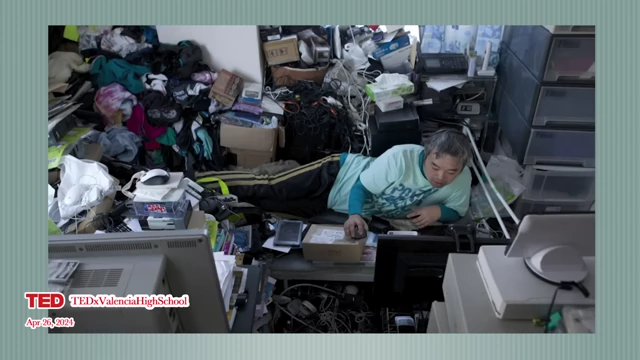
A man lies surrounded by clutter in his room, depicting the self-neglect often associated with hikikomori. [ 00:00:12 ]
The Aging Hikikomori Population and the "8050 Problem" [0:24]
- A significant proportion of hikikomori are now in their 30s, 40s, and even 50s, and their numbers are rapidly growing.
- This trend has led to the "8050 problem," where parents in their 80s are taking care of their hikikomori sons or daughters who are in their 50s.
- Many middle-aged hikikomori experienced the "employment ice age" when Japan's economic growth came to an end.
- They struggled to find stable jobs, which is often perceived as a failure in Japanese society.
- This societal perception leads to deep shame, making individuals too ashamed to seek help.
- Experts claim many hikikomori want to rejoin society but lack adequate support, and the longer they are isolated, the harder it becomes to return.
- Government support programs are often limited to those aged 35 or under, leaving older hikikomori without resources.
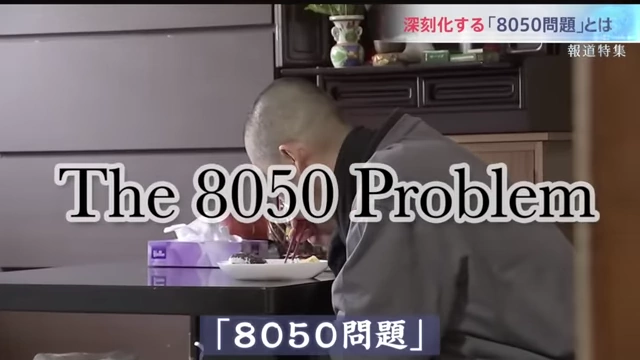
Text on screen reads "The 8050 Problem" over an image of a person eating alone, highlighting the growing demographic issue. [ 00:00:35 ] 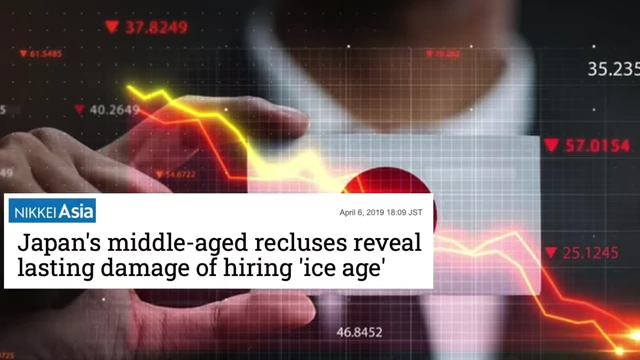
A newspaper headline reads "Japan's middle-aged recluses reveal lasting damage of hiring 'ice age'" overlaid on a chart showing a decline, illustrating the economic roots of hikikomori in older generations. [ 00:00:43 ] 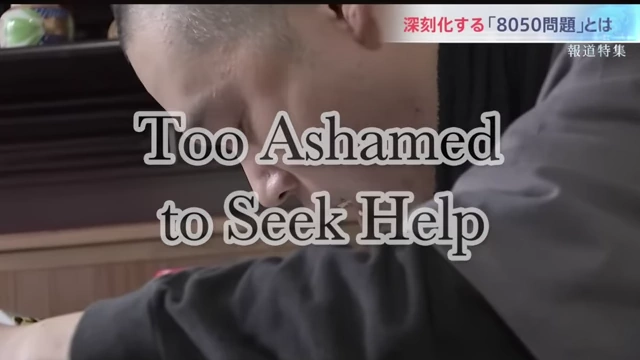
Text on screen reads "Too Ashamed to Seek Help" over a person looking down, representing the internal barrier to seeking assistance. [ 00:00:55 ] 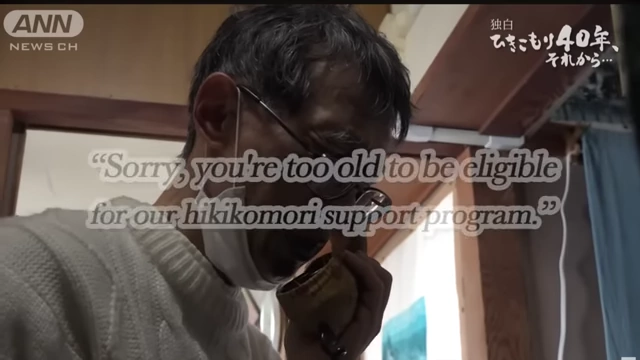
Text on screen reads, "Sorry, you're too old to be eligible for our hikikomori support program," over an image of an older man looking distraught, highlighting the age limitations of current support. [ 00:01:00 ] 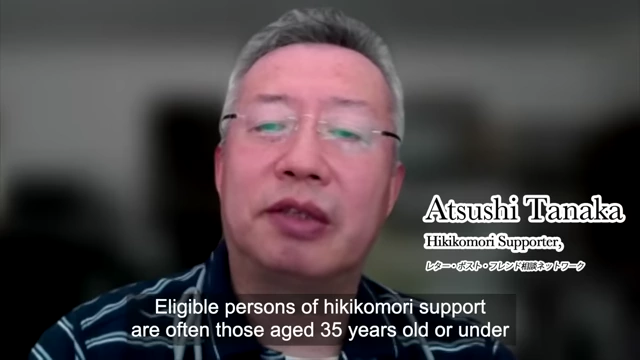
Atsushi Tanaka, a Hikikomori Supporter, states that eligible persons for hikikomori support are often those aged 35 years old or under. [ 00:01:10 ] 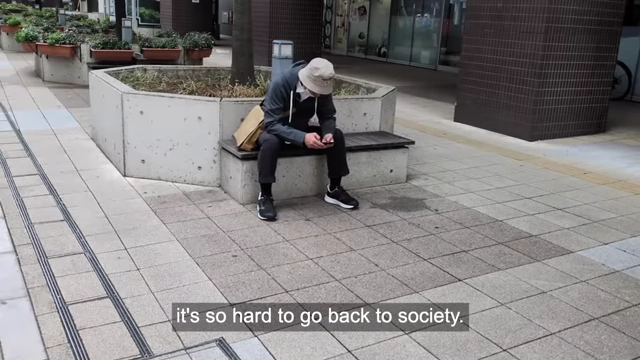
A man sitting alone on a bench with text "Once you went off the rails, it's so hard to go back to society", illustrating the difficulty of reintegrating into society after prolonged isolation. [ 00:01:23 ]
Japan's Worsening Loneliness and Isolation [1:24]
- Loneliness and isolation are worsening, affecting all age groups from the young to the old.
- There's an increasing number of elderly people isolating themselves and dying alone, a phenomenon known as "lonely deaths."
- Japan has even appointed a "minister of loneliness" to address this growing crisis.
- Tsuyoshi Sugitani, who set up a senior group to prevent isolation, notes that many elderly refuse to go out or talk to others, even for nearby gatherings.
- He observes a difficulty in trusting people and a loss of motivation to engage in social activities.
- Others living alone relate to the fear of lonely deaths, seeing it as almost inevitable.
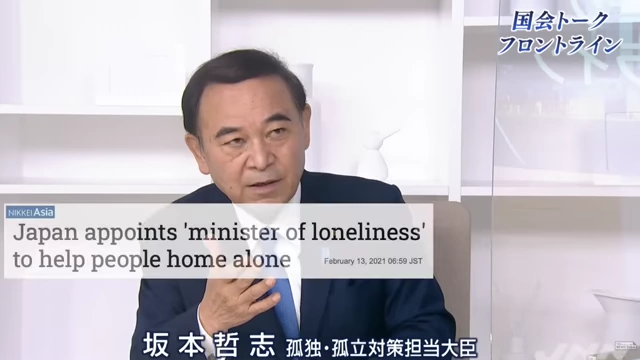
A newspaper headline reads "Japan appoints 'minister of loneliness' to help people home alone," highlighting the government's recognition of the widespread issue. [ 00:01:25 ] 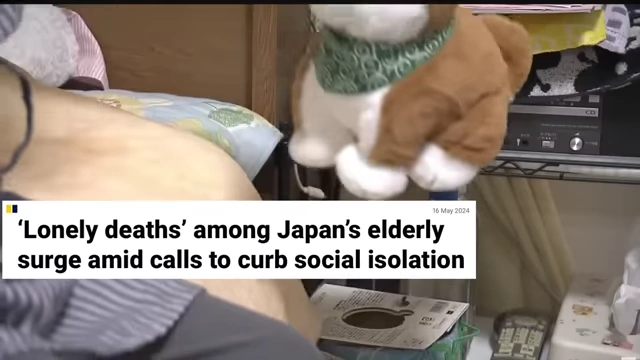
A newspaper headline reads "'Lonely deaths' among Japan's elderly surge amid calls to curb social isolation," emphasizing the severe consequences of isolation. [ 00:01:35 ] 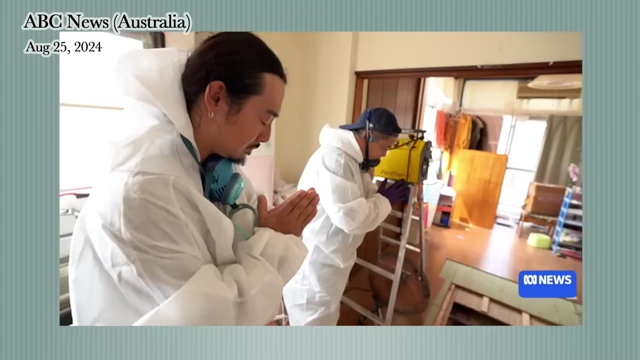
Images show cleanup crews working in a home, representing the aftermath of a lonely death in Japan. [ 00:01:47 ] 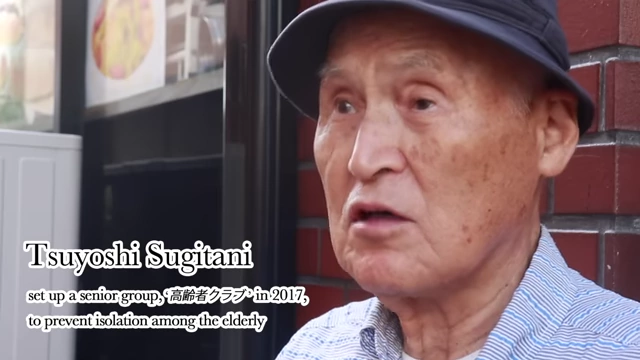
Tsuyoshi Sugitani, an elderly Japanese man, states that he set up a senior group to prevent isolation among the elderly, but many are reluctant to join. [ 00:01:53 ]
The Overlooked: Female and Youth Hikikomori [3:26]
Female Hikikomori [3:26]
- Social isolation is also a significant issue among women, though they are often overlooked.
- Female hikikomori may be mistaken for housekeepers or housewives, allowing their deep isolation to go unnoticed.
- Madoka Saito, a former hikikomori and current supporter, shared her personal experience.
- She was severely bullied in high school by someone she considered her best friend.
- This trauma led to an intense fear of her classmates and eventually, a general fear of interacting with people, causing her to withdraw.
- At school, she felt constant "pressure to conform," where being different would lead to being "hammered down."
- She describes her school experience as "really a hellish place."
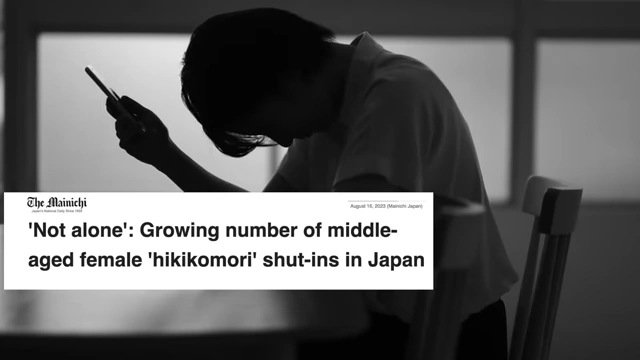
A newspaper headline reads "'Not alone': Growing number of middle-aged female 'hikikomori' shut-ins in Japan," highlighting the underreported issue of female social isolation. [ 00:03:34 ] 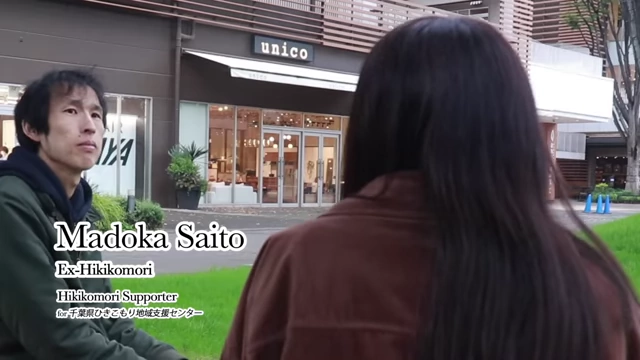
Madoka Saito, a former Hikikomori, shares her experience being bullied in high school, which led to her social withdrawal. [ 00:03:44 ] 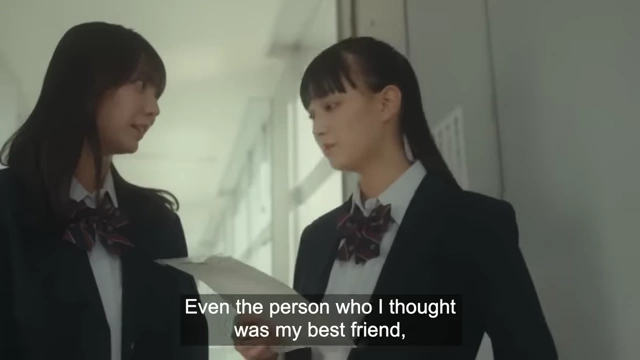
Two schoolgirls in uniform talk in a hallway, representing the social environment where bullying can occur. [ 00:03:55 ] 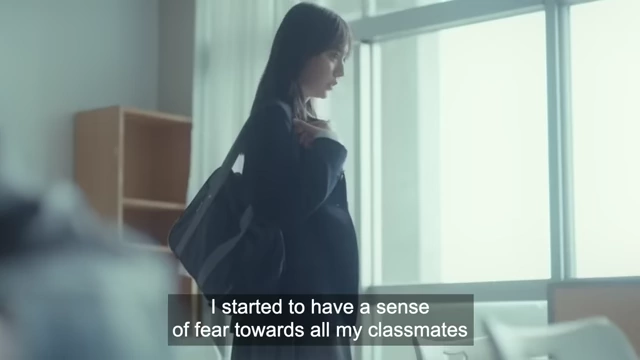
A young woman sits alone in a classroom, fearful of her classmates. [ 00:04:03 ] 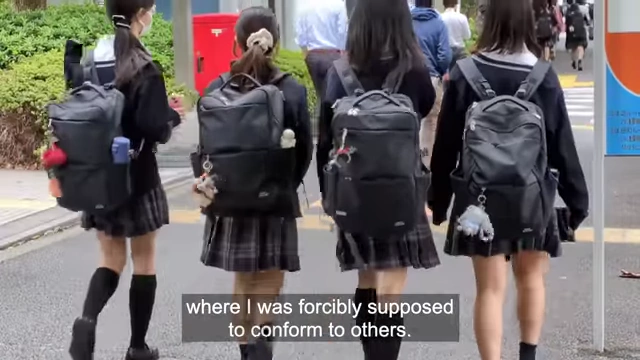
Japanese schoolgirls, representing the environment where bullying and pressure to conform can lead to hikikomori. [ 00:04:20 ] 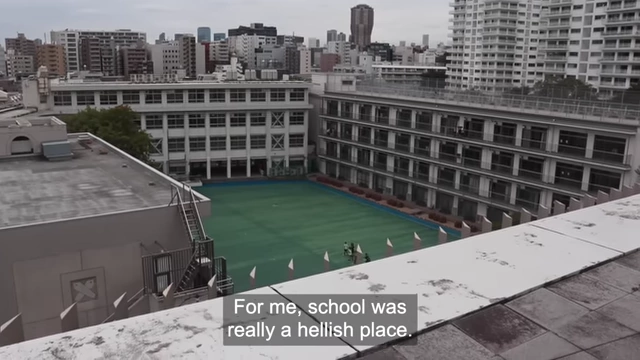
An aerial view of a Japanese school campus with text 'For me, school was really a hellish place', emphasizing the intense pressure experienced by students. [ 00:04:28 ]
Youth Hikikomori and Rising Suicide Rates [4:29]
- Social isolation is increasingly prevalent among the youth, and this coincides with a rise in suicide numbers.
- Many young people personally experience and suffer from the conditions that lead to hikikomori.
- One interviewee described a pervasive thought that "if I won't go to a good high school, I'll be a failure," revealing intense academic pressure.
- The concept of docho-atsuryoku (pressure to conform) is a major factor.
- There is a strong societal expectation to "fit in" and be like everyone else.
- For mixed-race individuals or those perceived as different, this pressure is intensified, leading to bullying.
- Speaking up or expressing different opinions can result in social exclusion or being pushed away, creating a non-inclusive environment.
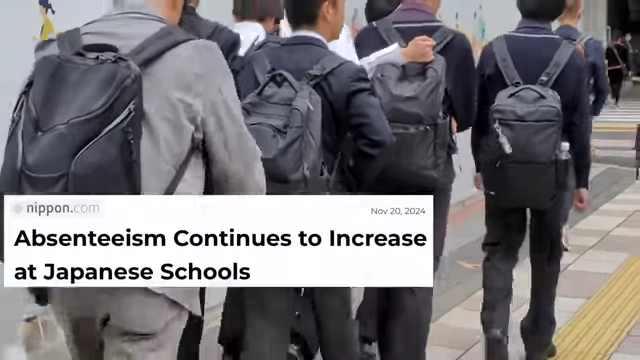
A newspaper headline reads "Absenteeism Continues to Increase at Japanese Schools," highlighting a growing problem among Japanese youth. [ 00:04:32 ] 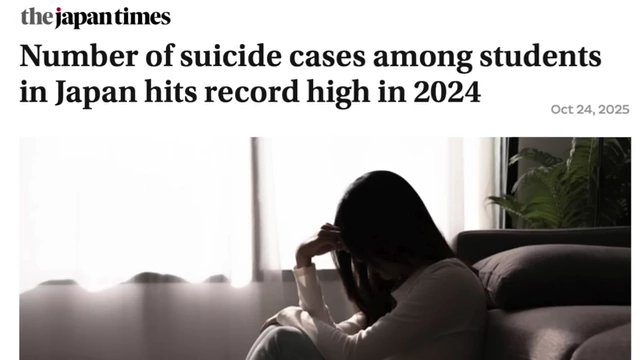
A newspaper headline reads "Number of suicide cases among students in Japan hits record high in 2024," emphasizing the severe mental health crisis among young people. [ 00:04:36 ] 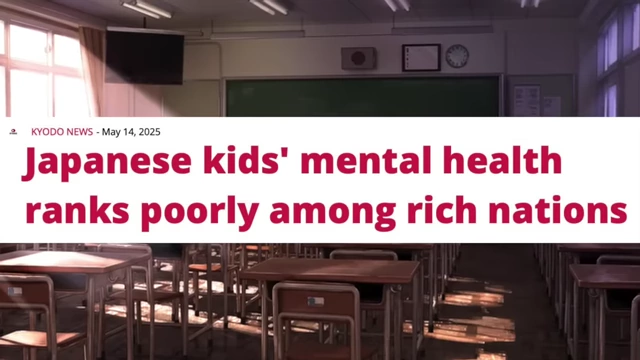
A newspaper headline reads "Japanese kids' mental health ranks poorly among rich nations," indicating a systemic issue affecting young people. [ 00:04:39 ] 
Words "Academic Pressure," "Bullying," and "Conformity" appear on screen over a person sitting alone, summarizing key challenges for youth. [ 00:04:44 ] 
A young woman with dark hair and glasses speaks, representing the voice of those affected by societal pressures. [ 00:04:52 ] 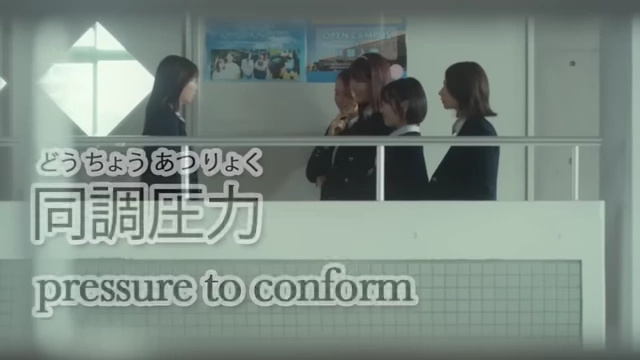
Japanese schoolgirls are depicted in a classroom, with text on screen stating "pressure to conform," illustrating a significant societal pressure. [ 00:05:00 ]
Societal Factors Perpetuating Isolation [6:38]
The Stigma of Mental Health and Seeking Help [6:38]
- Japanese culture makes it difficult to share true feelings due to an emphasis on social norms and politeness.
- Talking about mental issues or difficulties is challenging, even with close friends or family, due to fear of gossip or being seen as a burden.
- Parents may dismiss declarations of feeling "low" or "depressed" as being "crazy."
- The support system for mental health, such as school counselors, is not widely recognized or consistently high quality.
- Therapy is not very common, and many Japanese people are hesitant to seek mental health help.
- The fear of expressing a different opinion stems from the possibility of being excluded or slowly pushed away from social situations.
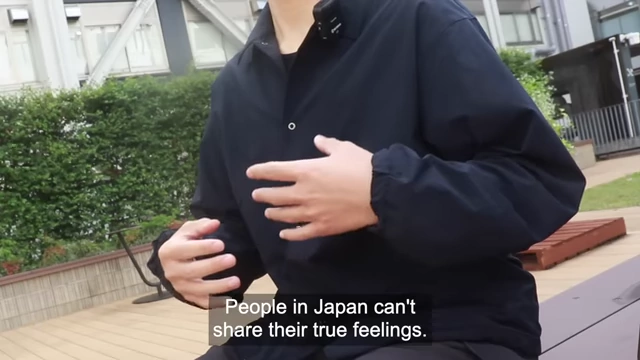
An interviewee explains that Japanese people often can't share their true feelings, perhaps due to societal expectations. [ 00:06:39 ] 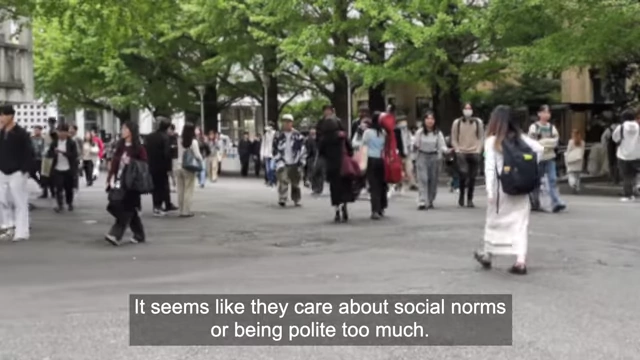
An interviewee explains that Japanese people care too much about social norms and politeness, leading them to suppress their true feelings. [ 00:06:44 ] 
A young woman states that people don't talk about mental health issues and tend not to care about them, making it harder to speak up. [ 00:06:08 ]
Japan's Work-Oriented Society [9:29]
- Japanese society is heavily work-oriented and doesn't allow for much flexibility or freedom in how people work.
- There's a consistent expectation to work more than necessary, with political figures sometimes reinforcing the idea to "work like a workhorse."
- The value of an individual in society is often tied directly to their employment and ability to contribute economically.
- This intense focus leads to a negative image of hikikomori, making it difficult for them to seek help or for society to offer support without judgment.
- Workplace harassment and the cultural expectation of lifetime employment within one company contribute to difficulties for those who want to leave their jobs.
- There is a perceived lack of internal support or a "safety net" within companies for employees facing difficulties.
- The prevailing belief is that the company is the primary safety net, which fails those who cannot conform or maintain stable employment.
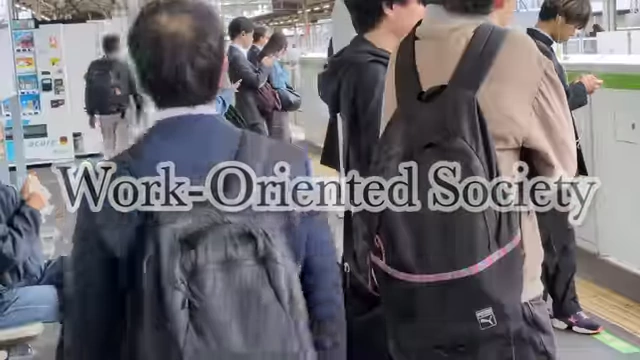
A collage of images on screen illustrates Japan as a "Work-Oriented Society," showing commuters and people working. [ 00:09:34 ] 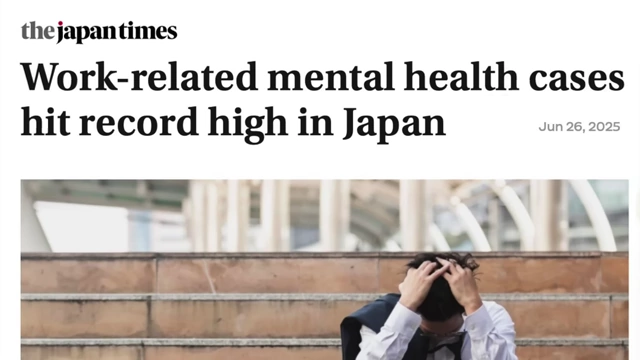
A newspaper headline reads "Work-related mental health cases hit record high in Japan," indicating the negative impact of the work-oriented culture. [ 00:09:39 ] 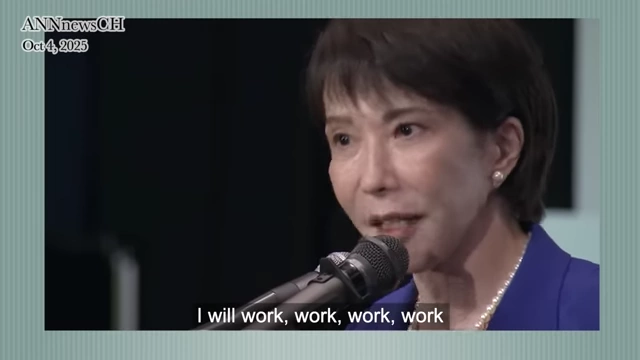
A news report shows a female politician stating, "I will work, work, work, work," symbolizing the intense work ethic promoted in Japan. [ 00:09:54 ] 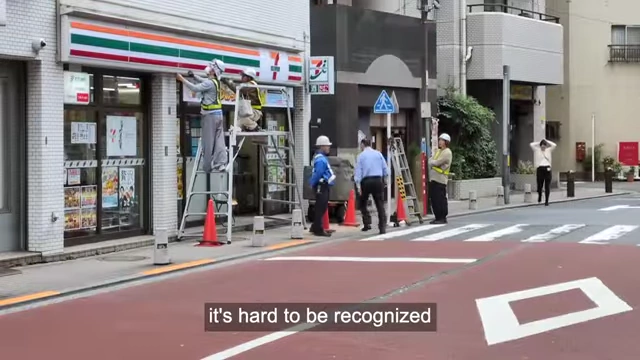
Workers outside a 7-Eleven with text "it's hard to be recognized as a person in Japan", emphasizing the societal pressure to work for validation. [ 00:10:11 ] 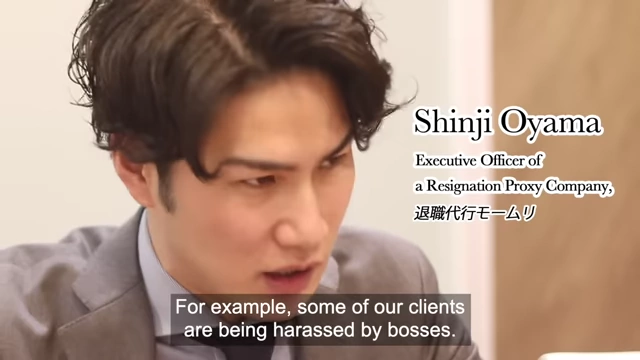
Shinji Oyama, Executive Officer of a Resignation Proxy Company, speaks about workplace harassment in Japan. [ 00:10:25 ] 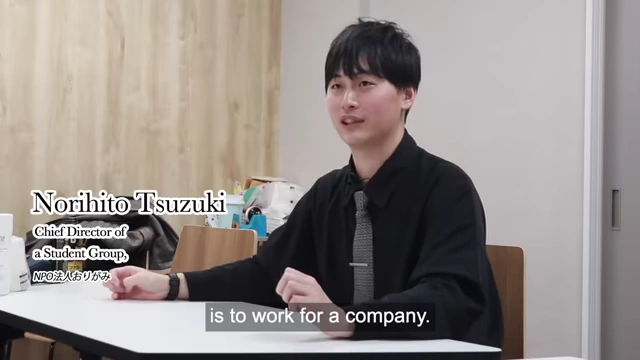
Norihito Tsuzuki, Chief Director of a Student Group, discusses how companies are viewed as the primary safety net in Japan. [ 00:11:02 ] 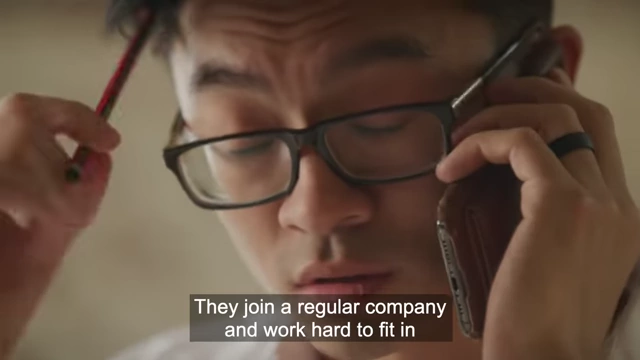
A man working hard at his desk with text overlay: "They join a regular company and work hard to fit in", highlighting the pressure to conform in the workplace. [ 00:11:21 ]
Inadequate Support Systems and the Path Forward [8:08]
Limitations of Current Support [8:08]
- Government support for hikikomori often focuses on getting individuals a job, which is seen as a short-term and rushed approach.
- Hikikomori individuals are constantly pressured with questions like "Why can't you start to work yet?"
- This immediate pressure can be traumatizing after years of suffering, making it harder for them to seek help again.
- Experts advocate for a slower, more gradual process of reconnecting with society before pushing for employment.
- The limited eligibility for support programs (often for those under 35) means many older hikikomori are left without assistance.
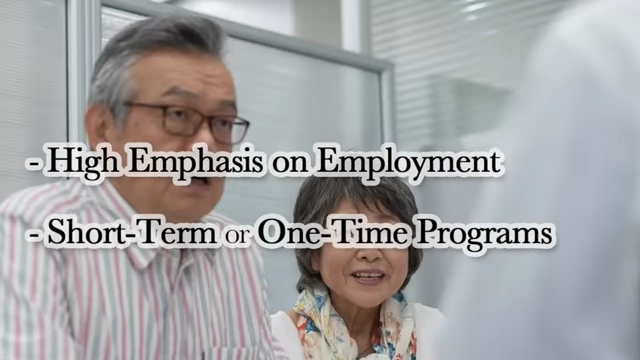
Text on screen highlights "High Emphasis on Employment" and "Short-Term or One-Time Programs," indicating a narrow focus of existing support. [ 00:08:39 ] 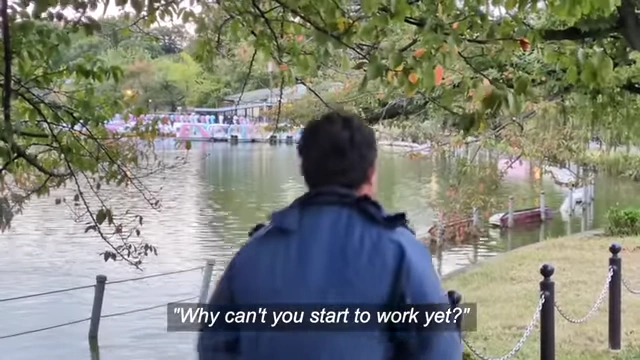
A person in conversation asks, "Why can't you start to work yet?", illustrating the pressure hikikomori face. [ 00:08:49 ] 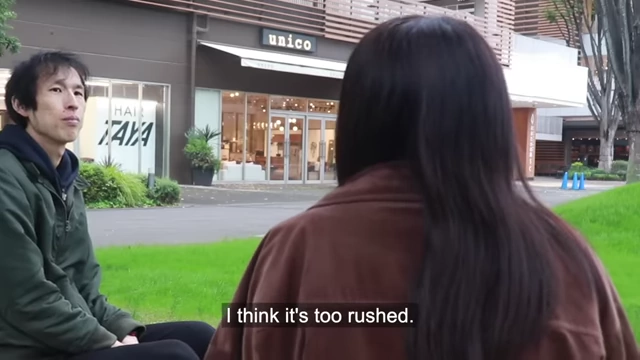
An interviewee suggests that it is too rushed to expect hikikomori to go directly from isolation to finding a job. [ 00:09:04 ] 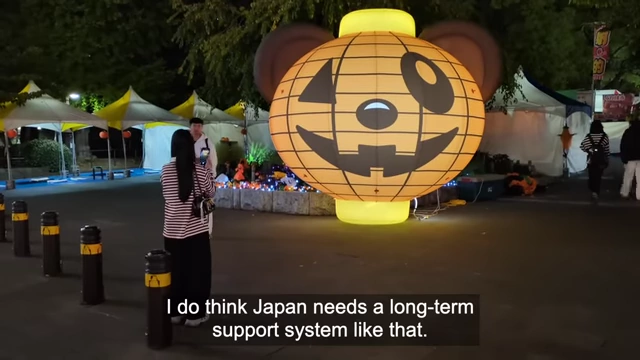
A person with a Halloween-themed lantern, with text reading "I do think Japan needs a long-term support system like that.", suggesting a need for more sustainable solutions. [ 00:09:12 ]
Call for Systemic Change [11:51]
- There is a strong belief that Japanese society needs fundamental changes to address the hikikomori situation.
- While Japan's conformity and work-oriented society offer some benefits, they also contribute significantly to the suffering of many.
- The call for change is not just for the sake of foreigners but for the well-being of Japanese people themselves.
- The desire is for a society that allows for more flexible lifestyles and recognizes value beyond just employment.
- This includes fostering an environment where individuals can slowly and gradually reconnect with society, rather than being forced into immediate work.
- There's a need to shift away from a culture where human value is solely tied to work and to improve support for mental health issues.
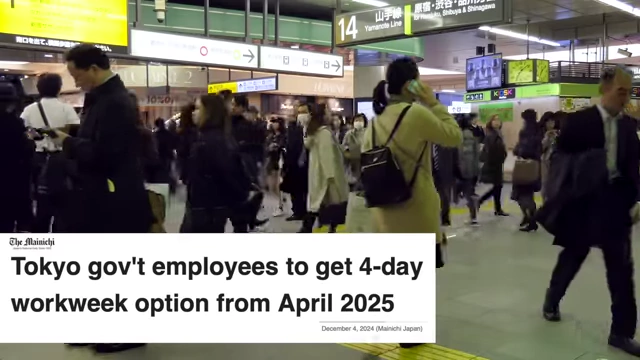
A newspaper headline reads "Tokyo gov't employees to get 4-day workweek option from April 2025", indicating a potential shift towards more flexible work arrangements. [ 00:11:47 ] 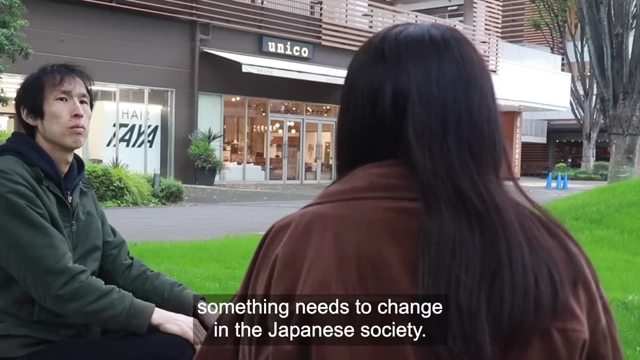
An interviewee states that something needs to change in Japanese society to better support individuals. [ 00:11:54 ] 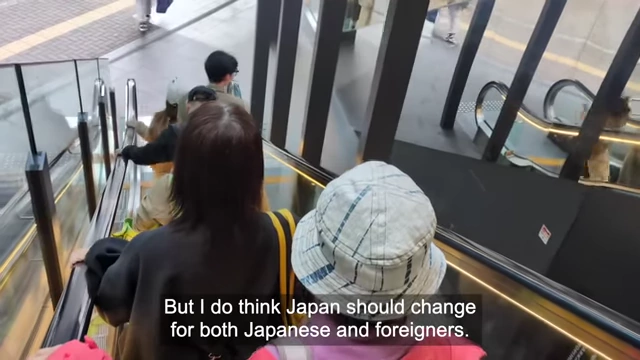
An interviewee explains that while Japan's conformity and work-oriented society have benefits, they also cause suffering, advocating for change for both Japanese and foreigners. [ 00:12:14 ]