My 5-Year Financial Journey and Strategies to Quit My 9-5 in Japan (2019-2023)
Summary:
This video details the creator's financial journey and strategies over five years (2019-2023) that enabled her to quit her 9-5 job in Japan. Key takeaways include:
- 2019: Started working full-time in Tokyo at 24 years old, earning $27,000 and saving $3,000. Focused on career advancement due to low starting pay, adhering to the principle of "Be so good they can't ignore you."

Creator at 24 years old, graduating [ 00:00:46 ] - 2020: Earned $50,858, saving $9,000, falling short of her ¥10M goal but still prioritizing skill improvement and promotions to "build career capital."
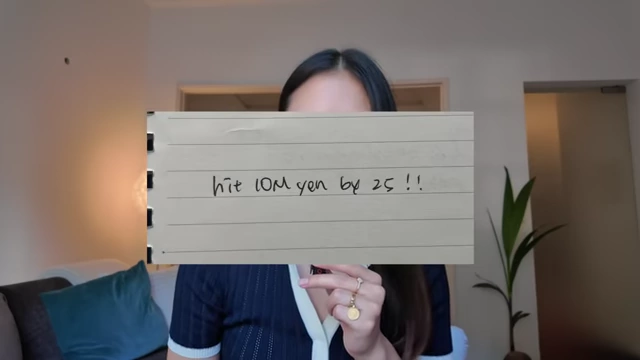
Goal to hit 10M yen yearly salary by 25 [ 00:02:29 ] - 2021: Income skyrocketed to $135,000, and savings reached $70,000. Implemented saving tips like avoiding lifestyle inflation, keeping fixed costs low (e.g., moving to a cheaper apartment), and prioritizing expenses that brought joy (e.g., creating a priority list for spending).

Money visual for saving tips [ 00:00:30 ] - 2022: Experienced burnout, leading to decreased income ($70,000) and stagnant savings ($70,000), further impacted by high taxes and yen depreciation. Moved out of Tokyo to cut rent by 50%.
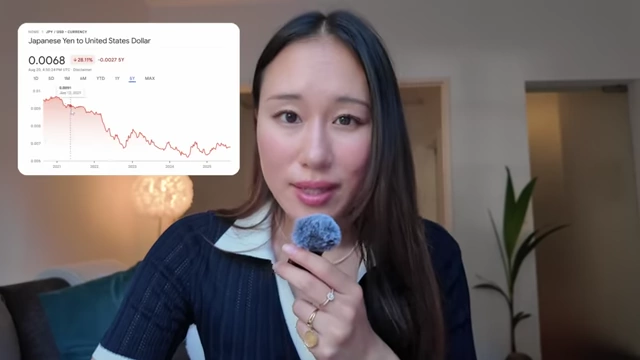
Japanese Yen to USD exchange rate graph [ 00:10:24 ] - 2023: Worked for six months, earning $51,000, and ultimately quit with $83,000 in savings.
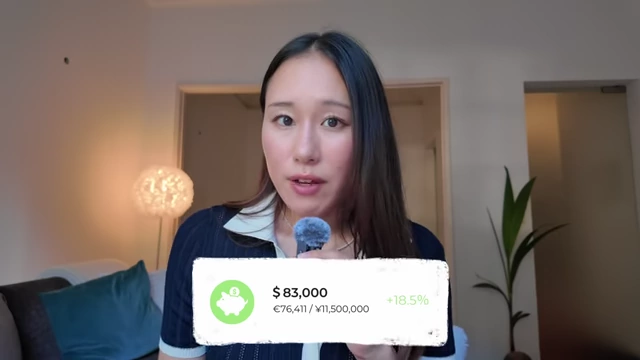
Final savings before quitting [ 00:10:04 ] - Preparation for Quitting: Involved calculating future tax liabilities, determining 2-3 years of living expenses, reducing fixed costs, and conducting a "test run" by building her YouTube channel.

Visual of the "magic number" saving goal [ 00:11:57 ]
Introduction: The Journey to Quitting 9-5 [00:00:04]
The creator shares her journey of how she managed to quit her 9-to-5 job after two years, addressing the common question of how she sustains herself financially. She promises to reveal her yearly income, savings, saving tips, and the preparations made to achieve her goal.
2019: First Year in Tokyo [00:00:40]
- Starting Out: At 24 years old, the creator moved back to Japan after graduating from university in California and began her first full-time job in Tokyo in April.
Creator at 24 years old, graduating [ 00:00:46 ] - Income: Her first-year income was approximately $27,000 (around ¥2.9M, based on ¥108 per USD).
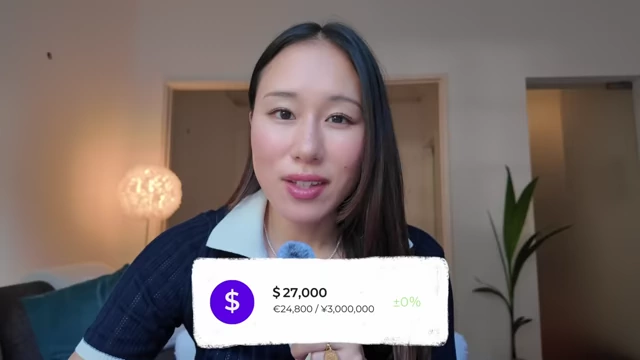
Yearly income for 2019 [ 00:01:05 ] - Living Expenses: A significant portion of her salary went to rent for a small studio apartment, costing around $1,000 per month.

Creator's small studio apartment in Tokyo [ 00:01:09 ] 
Monthly rent in 2019 [ 00:01:13 ] - Savings: Despite the low starting salary, she managed to save around $3,000 by the end of the year.
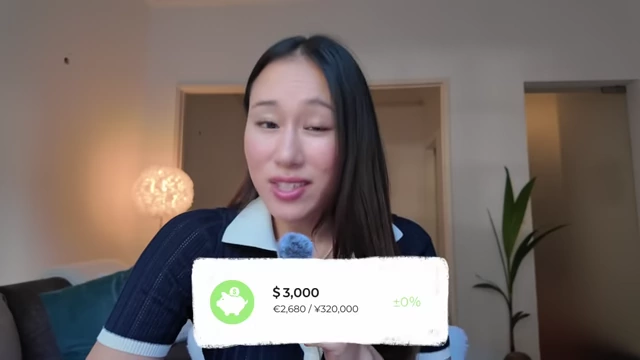
Savings for 2019 [ 00:01:19 ] - Strategy: Her focus was primarily on getting promoted quickly to increase her income, rather than aggressive saving, as she believed excelling at one's main job is the fastest way to earn more.


2020: Second Year & Chasing a Dream [00:02:14]
- Age and Goal: At 25, in her second year with the company, she aimed to achieve a yearly salary of ¥10 million (approximately $90,000 USD at the time).
Goal to hit 10M yen yearly salary by 25 [ 00:02:29 ] - Work Ethic: She worked intensely, often from 9 AM to 10 PM or later daily, striving to meet her ambitious income target.
- Income: Her dream did not materialize; she earned $50,858 in 2020.

Yearly income for 2020 [ 00:02:55 ] - Savings: By the end of the year, her savings increased to approximately $9,000.

Savings for 2020 [ 00:03:00 ] - Focus: She continued to prioritize skill improvement and career advancement, not yet focusing heavily on maximizing savings.
2021: Income Growth & Saving Strategies [00:05:34]
- Breakthrough Year: At 26, in her third year, her income dramatically increased.
- Income: She earned around $135,000, significantly surpassing her ¥10 million dream salary.
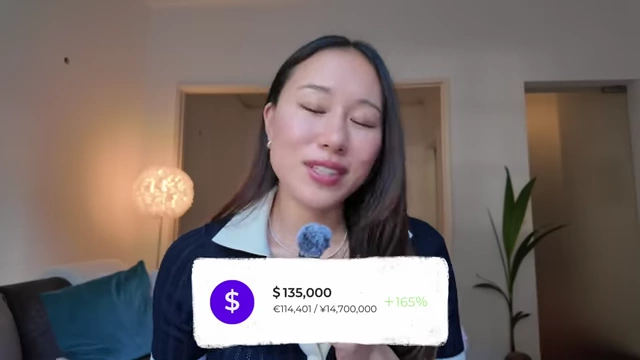
Yearly income for 2021 [ 00:06:00 ] - Her base salary was around $44,000, with the rest derived from individual performance bonuses.
- Most of her base salary was offset by taxes and insurance.
- Savings: Her savings account grew substantially to $70,000 USD by the year's end.
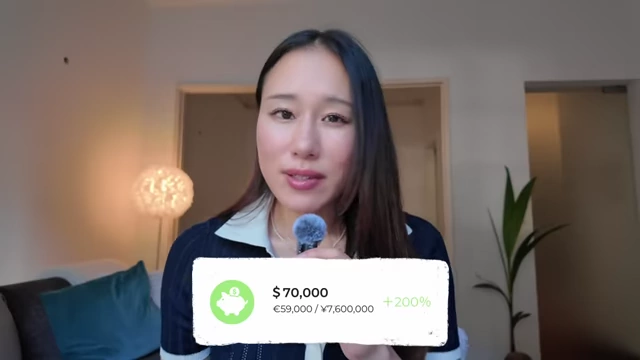
Savings for 2021 [ 00:06:20 ] - Saving Tips: This year, she actively focused on saving more money by implementing specific strategies.
Money visual representing saving tips [ 00:00:30 ] - 1. Avoid Lifestyle Inflation: She consciously avoided upgrading her lifestyle as her income increased, keeping fixed costs low.
- 2. Keep Fixed Costs Low: She moved to an apartment with lower rent to save more.
- 3. Create a Priority List: She distinguished between expenses that brought joy (high priority) and those she cared less about (low priority) to identify areas for saving.
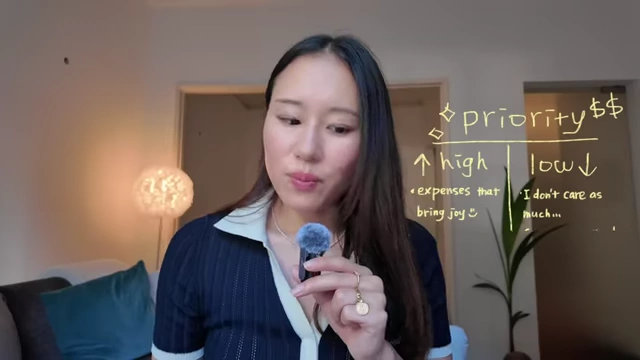
Priority list for expenses, categorizing high and low priority [ 00:06:59 ] - For example, she bought coffee from convenience stores instead of Starbucks to save 50%.
- She shopped in the discounted corner of supermarkets, making cooking a new, fun experience while saving money.
- Spending on Experiences: She prioritized spending on experiences like weekend trips, which brought her joy.
2022: Burnout, Financial Challenges, and Lifestyle Changes [00:07:49]
- Age and Work Year: At 27, her fourth year at the company.
- Income: Her income decreased to approximately $70,000 USD, significantly lower than the previous year.
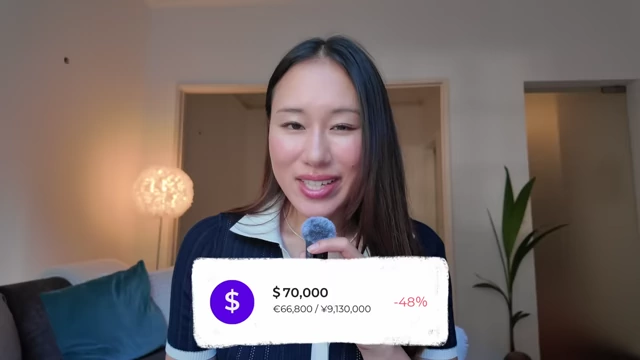
Yearly income for 2022 [ 00:08:04 ] - Savings: Her savings account remained stagnant at $70,000 USD.
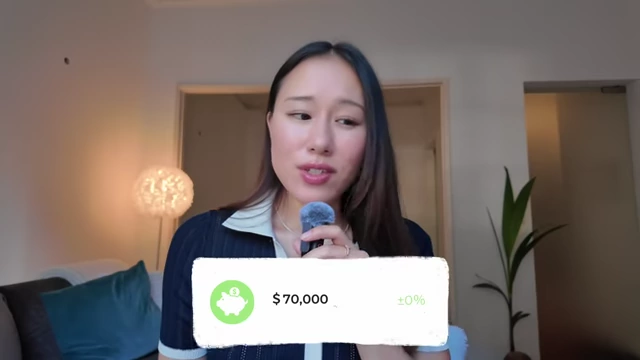
Savings for 2022 [ 00:08:14 ] - Reasons for Stagnation:
- Burnout: She experienced a major burnout, leading her to spend more money on de-stressing activities like weekend trips, massages, and therapy.
- Tax Obligations: She had to pay taxes based on her high income from 2021, even though her 2022 income was lower.
- Yen Depreciation: The Japanese Yen began to significantly depreciate against the US dollar and Euro, impacting the USD value of her earnings and savings.
Graph showing Japanese Yen to US Dollar exchange rate decline [ 00:10:24 ] 
Graphs showing Japanese Yen to USD and Euro exchange rate declines [ 00:10:37 ]
- Major Change: She decided to move out of Tokyo to a coastal town about an hour's drive away, cutting her rent by approximately 50% to lower her fixed costs.
2023: The Decision to Quit [00:09:26]
- Age and Work Year: At 28, she was in her fifth year with the company.
- Income: She worked for only six months in 2023, earning around $51,000 during that period.
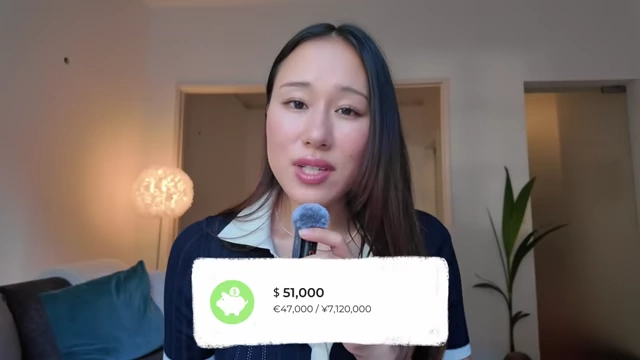
Income for the first 6 months of 2023 [ 00:09:44 ] - Decision to Quit: She chose to leave her 9-to-5 job to prioritize health and happiness.
- Final Savings: By the time she left, her savings account held approximately $83,000 USD (around ¥11.5 million).
Final savings before quitting [ 00:10:04 ] - Currency Impact Reflection: She noted the severe depreciation of the Yen, with $1 USD being around ¥108 in 2019 and ¥139 by 2023, which influenced her reported USD figures.
Preparing to Quit a 9-5 Job: A Step-by-Step Guide [00:10:40]
To prepare for quitting her 9-to-5, she outlined a four-step financial plan and an additional test run:
- 1. Calculate Tax Needs: She first calculated the tax she needed to pay for the current year and estimated for the next 2-3 years, considering Japan's high tax rates (up to 55.9% for income tax and 30.62% for corporate tax).
- 2. Determine Living Expenses for 2-3 Years: She calculated how much money she would need to live for two to three years as a safety net, opting for a longer period due to her "pessimistic" Japanese nature.
- 3. Identify Cost Reduction Opportunities: She reviewed her expenses to see what costs could be lowered or eliminated, such as moving out of Tokyo to reduce rent.
- 4. Calculate Your "Magic Number" (Saving Goal): Based on the above calculations, she determined her target savings amount that would allow her to confidently quit her job.
Handwritten "magic number" on a ripped piece of paper [ 00:11:57 ] - 5. Conduct a "Test Run" for New Endeavors: Beyond financial preparation, she also tested her desired alternative career path by working on her YouTube channel during weekends and free time to ensure it was a sustainable and enjoyable venture before committing fully.

Creator filming content, demonstrating her "test run" [ 00:12:13 ]