Understanding Egg Freezing: Process, Costs, Success Rates, and Why It's Becoming More Popular
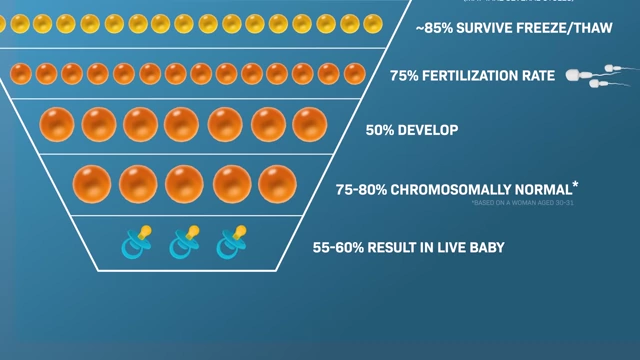
This video explains the intricacies of egg freezing, highlighting why it's gaining popularity as people choose to have children later in life. It delves into the science of egg quantity and quality, explaining how age affects fertility by impacting chromosomal normalcy. The speaker shares her personal, often challenging, experience with the hormone injections and retrieval surgery, comparing the process to IVF. The video also covers the high costs and uncertain success rates, using a detailed funnel chart to illustrate the journey from retrieved eggs to viable embryos, and explores the future potential of cryopreservation for reproductive autonomy.
What is Egg Freezing? [0:00]
Egg freezing allows individuals to remove, freeze, and later unfreeze their eggs for future use, essentially functioning as a form of "cryosleep" for tiny cells. This technology provides unprecedented control over reproduction, though the process is challenging.

Why is Egg Freezing So Popular? [1:30]
The average age for first-time mothers in the US has shifted from 20-29 to 25-34, with the most common age now being 30. This change is attributed to more women pursuing education and careers, leading to delayed childbirth.
- As women age, it becomes harder to conceive due to changes in egg quantity and quality.
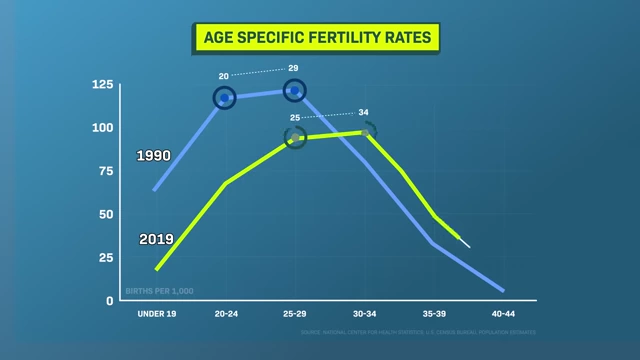
Age-specific fertility rates chart comparing 1990 and 2019 data, showing a shift in peak fertility to older ages [ 00:01:50 ] 
Graph illustrating the increasing percentage of women obtaining a Bachelor's Degree or more education over time, from 1970 to 2021 [ 00:01:55 ] 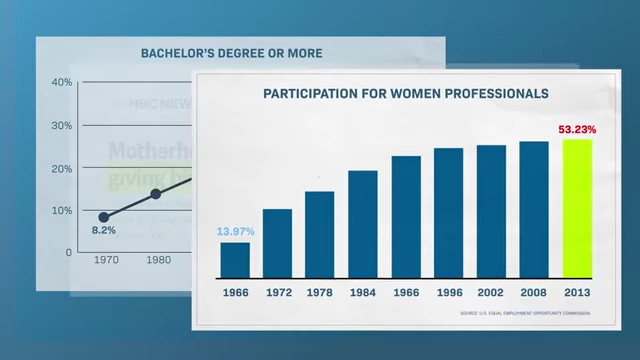
Bar chart showing the increasing participation rate of women professionals in the workforce from 1966 to 2013 [ 00:01:56 ]
Understanding Egg Quantity and Quality [2:55]
- Egg Quantity:
- Women are born with approximately 1 million eggs.
- Around 10,000 eggs die monthly during childhood, leaving about 300,000 at puberty.
- Each month, one egg is released, while another thousand die, leading to a significant decline over time.
- Even at menopause, women typically have about 1,000 eggs remaining, indicating that quantity is not the sole determinant of fertility.
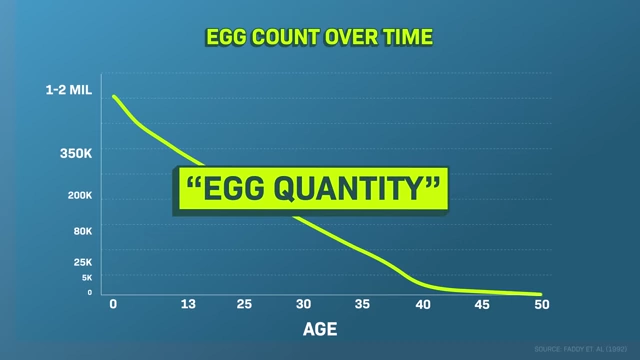
Graph showing egg count decreasing over a woman's lifetime, labeled "Egg Quantity" [ 00:03:19 ]
- Egg Quality:
- Refers to whether an egg possesses the correct 23 chromosomes.
- Eggs lacking 23 chromosomes rarely lead to a viable embryo; most do not implant or grow.
- The likelihood of an egg having chromosomal abnormalities increases with age.
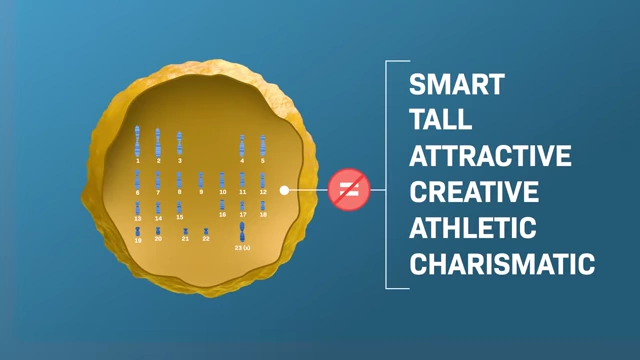
Diagram illustrating that "egg quality" refers to the correct number of 23 chromosomes, not other traits like intelligence or attractiveness [ 00:03:38 ] 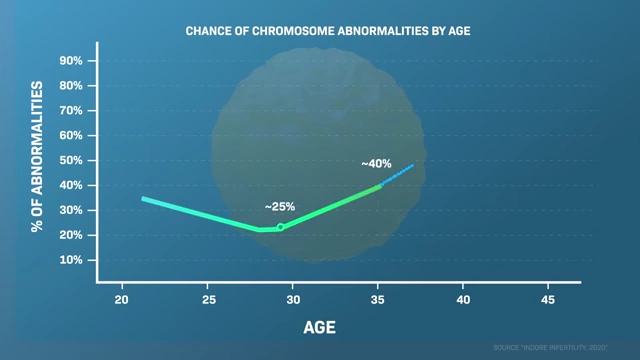
Graph showing the increasing chance of chromosome abnormalities in eggs with increasing age, particularly after age 30 [ 00:03:59 ]
Why Does Egg Quality Decline with Age? [4:30]
Dr. Samantha Pfeifer, a reproductive endocrinologist and surgeon, explains that eggs do not change inside the ovaries over time. Instead, the challenge lies in the egg's ability to properly divide its DNA when preparing for fertilization.
- A younger egg is more likely to successfully divide its 46 chromosomes into two equal 23-chromosome halves.
- An older egg may not perform this division as effectively, making it harder to get and stay pregnant.
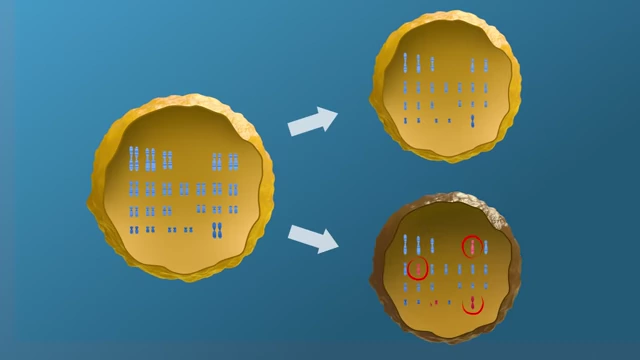
Diagram showing the correct division of 46 chromosomes into 23 in a healthy egg, versus incorrect division in an older or abnormal egg [ 00:05:05 ] - Impact of Age: At age 32, approximately 80% of eggs are chromosomally normal; by age 42, this drops to around 20%. This significant difference contributes to increased miscarriage rates and decreased monthly pregnancy odds with age.
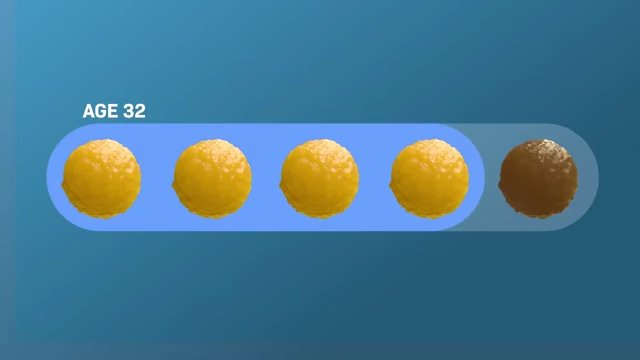
Bar representing a woman's eggs at age 32, showing a high proportion of chromosomally normal (yellow) eggs compared to abnormal (brown) eggs [ 00:05:48 ] 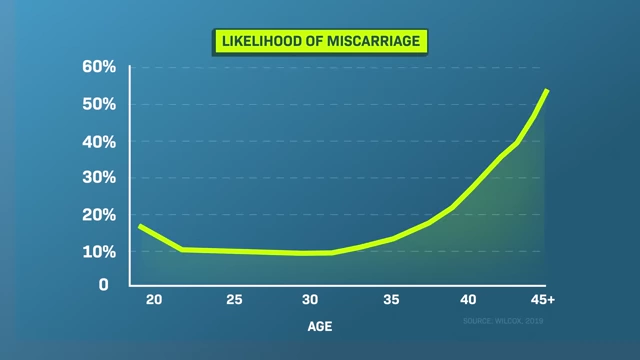
Graph illustrating the increasing likelihood of miscarriage with age [ 00:05:36 ]
The Emotional and Practical Realities of Fertility [5:59]
The speaker discusses the societal discomfort and conflicting information surrounding female fertility.
- Frustrations:
- Being taught solely about preventing pregnancy, then abruptly shifting to urgency about getting pregnant.
- Misinformation about fertility "falling off a cliff" versus denying the reality of age-related decline.
- Personal Decision:
- Acknowledges that many people successfully conceive later in life, but also many struggle.
- The decision to freeze eggs is a personal choice driven by a desire for more options and peace of mind.
- Lack of Information: There is currently no simple medical test to accurately predict individual egg quantity or quality.
- Options for the Future:
- Trying to conceive now.
- Waiting and risking natural odds.
- Utilizing technology like egg freezing to potentially improve future chances.
Why Egg Freezing Works (and Why Cryosleep for Humans Doesn't Yet) [7:45]
The key to freezing cells without damage is vitrification, a process that solidifies liquids without forming sharp ice crystals.
- Challenges for Humans: Human bodies are primarily water, which forms damaging ice crystals when frozen. Replacing water with a special antifreeze and cooling the entire body quickly and evenly is currently impossible due to our unfavorable surface area to volume ratio.
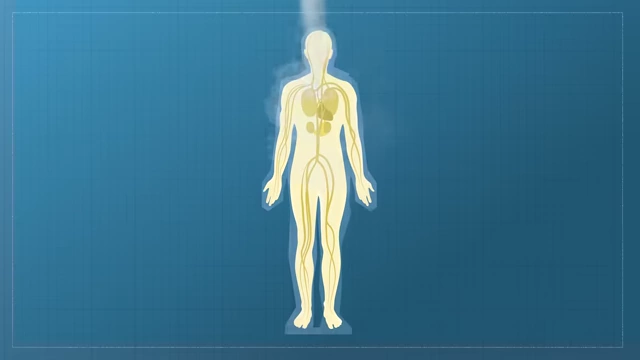
Diagram showing a human body being cryogenically frozen, illustrating the challenge of rapid, even cooling and the replacement of water with antifreeze [ 00:08:29 ] - Success for Eggs and Embryos: Eggs and embryos have a very high surface area to volume ratio, allowing medical experts to vitrify them quickly and effectively, preventing ice crystal formation and preserving them.
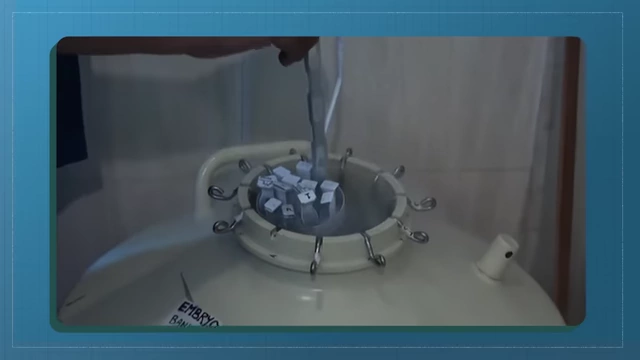
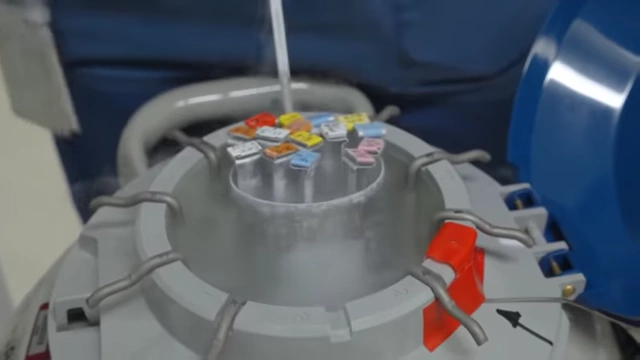
A collection of small frozen vials, labeled "EMBRYO BANK," stored in a large cryopreservation tank [ 00:08:52 ] - Future Potential: Research is ongoing to vitrify whole organs, which could revolutionize organ transplants. The long-term goal of vitrifying entire people remains a distant but intriguing possibility.
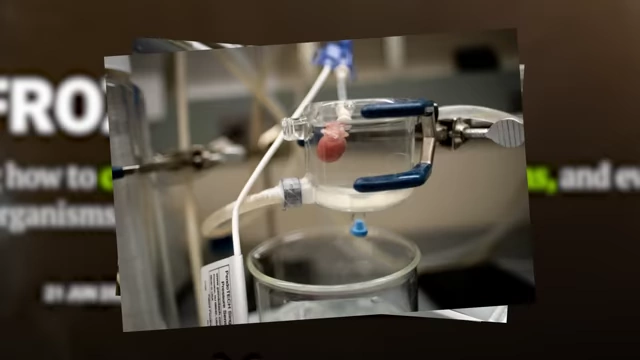
A human heart being prepared for vitrification in a laboratory setting, showing intricate tubing and equipment [ 00:09:06 ]
How Does Egg Freezing Work? (The Process) [9:28]
The egg freezing process is similar to In Vitro Fertilization (IVF) up to the egg retrieval stage.
- Hormone Stimulation (8-14 days):
- Patients self-inject hormones daily (typically 2 injections per day) to stimulate the ovaries to produce multiple eggs instead of just one.
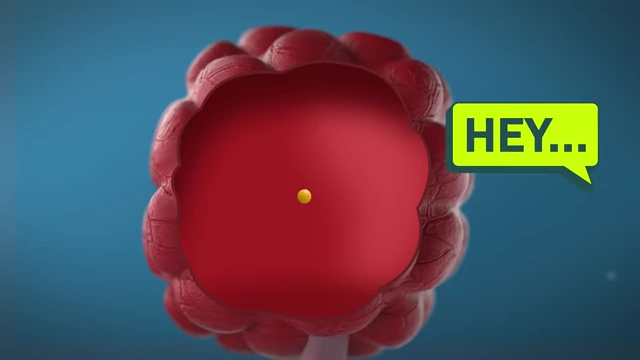
Animated diagram of an ovary with a speech bubble saying "HEY...", indicating the start of hormone stimulation [ 00:09:29 ] - One type of medication tells the ovaries to prepare many eggs.
- Another type prevents these eggs from being prematurely released.
- Regular visits to the doctor's office are required for blood tests and ultrasounds to monitor hormone levels and egg development, adjusting medication doses as needed to prevent complications like Ovarian Hyperstimulation Syndrome (OHSS).
- The speaker describes the initial difficulty and fear of self-injection, which became more routine over time.
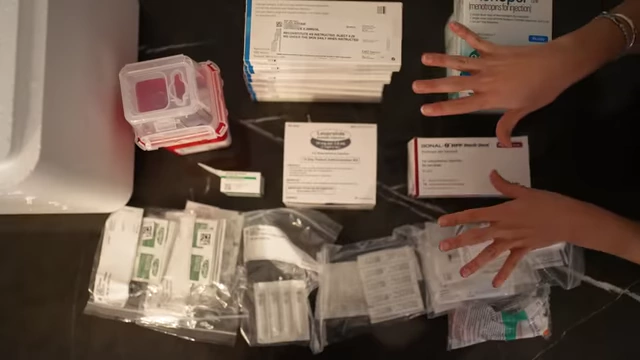
Various medications, syringes, and a sharps container laid out on a table, illustrating the supplies needed for hormone injections [ 00:11:36 ] 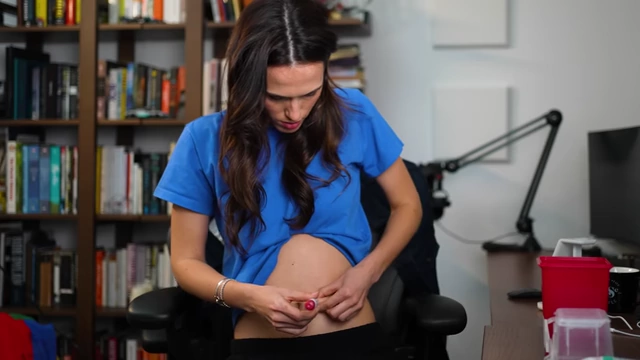
A person demonstrating self-injection of hormones into their abdomen [ 00:12:26 ] 
Text "IVF" displayed over a laboratory image showing a scientist working with a petri dish, illustrating the shared initial process with egg freezing [ 00:11:45 ]
- Patients self-inject hormones daily (typically 2 injections per day) to stimulate the ovaries to produce multiple eggs instead of just one.
- Trigger Shot: A precisely timed "trigger shot" is administered exactly 35 hours before the retrieval surgery to mature the eggs for collection.
Egg Freezing Side Effects [13:45]
Common side effects from the hormone medications include:
- Bloating
- Breast tenderness
- Headaches
- Mood swings
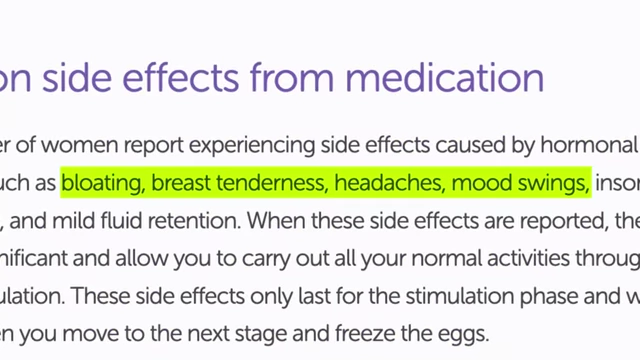
Text listing common side effects from medication: bloating, breast tenderness, headaches, and mood swings [ 00:14:50 ] - Ovarian Hyperstimulation Syndrome (OHSS): A more serious condition where ovaries over-respond, leading to fluid buildup, which can be dangerous. This is monitored through frequent doctor visits.
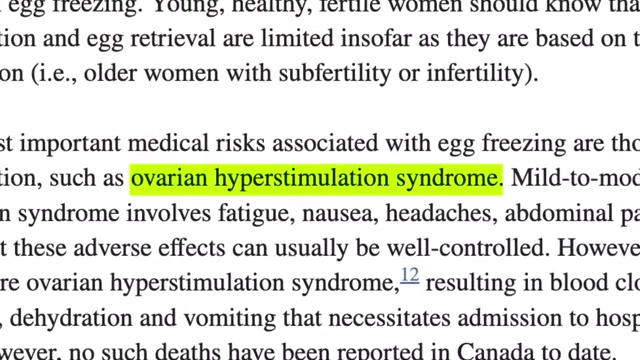
Highlighted text from a medical document mentioning "ovarian hyperstimulation syndrome" as a significant medical risk associated with egg freezing [ 00:14:55 ] 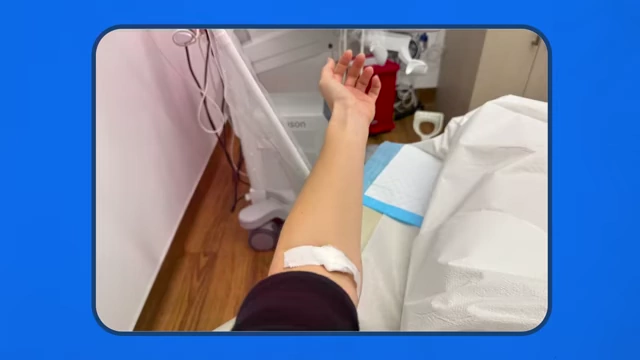
A person's arm with a bandage after a blood draw, indicating the frequent monitoring required during the process [ 00:15:03 ]
Egg Freezing Cost [15:13]
The cost of egg freezing varies widely, depending on personal medical history, location, and insurance coverage. It can range from being fully covered to tens of thousands of dollars.
Egg Freezing Success Rates [15:40]
The success of egg freezing is not guaranteed and involves a "funnel" of decreasing numbers:
- 1. Eggs Retrieved: Average is 10 eggs per cycle, but 20 eggs are often desired, which may require multiple cycles.
- 2. Freeze/Thaw Survival: 85-90% of retrieved eggs survive the freezing and thawing process. (e.g., from 20 eggs, ~17 survive)
- 3. Fertilization Rate: Around 75% of thawed eggs successfully fertilize with sperm. (e.g., from 17 eggs, ~14 embryos)
- 4. Embryo Development: Approximately 50% of fertilized eggs (embryos) develop to a viable stage. (e.g., from 14 embryos, ~7 viable embryos)
- 5. Chromosomal Normality: For a 30-31 year old, 75-80% of these embryos are expected to be chromosomally normal. (e.g., from 7 viable embryos, ~5 normal embryos)
- 6. Live Birth: Each chromosomally normal embryo has a 55-60% chance of resulting in a live birth.
- This complex process requires significant effort for an uncertain outcome, often viewed as a "hedge" or "insurance policy" rather than a guarantee.
Infographic showing the funnel of egg freezing success rates, from eggs retrieved down to live birth probability, with percentages for each stage [ 00:16:14 ]
Why Egg Freezing is "Huge If True" [16:49]
The speaker imagines a future (5, 10, 20 years from now) where egg and embryo freezing technology is:
- Cheaper
- Simpler
- More reliable
This would allow more people to have children on their own timeline, regardless of medical conditions, partner availability, or career paths, giving individuals greater control over their reproductive lives.
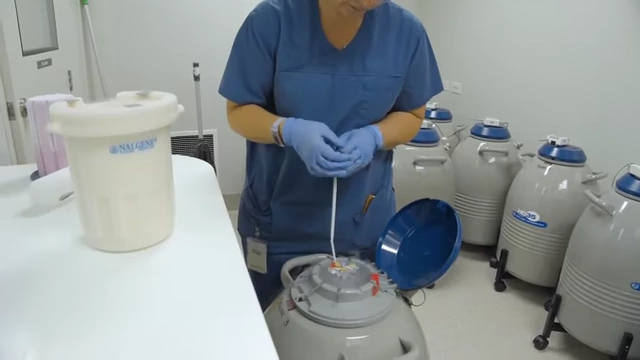
Technicians working in a lab with cryopreservation tanks used for storing eggs and embryos [ 00:17:13 ]
Getting Surgery [18:30]
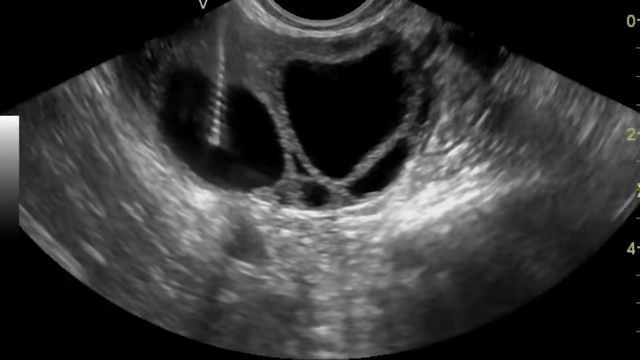
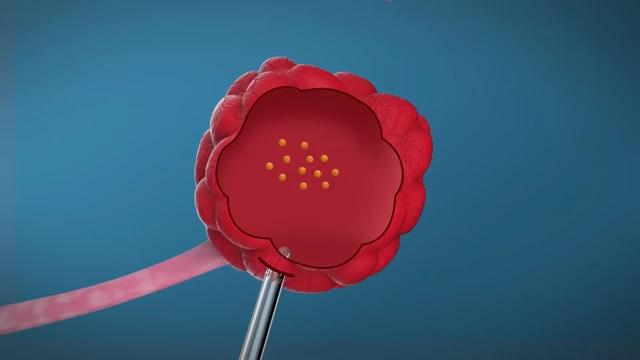
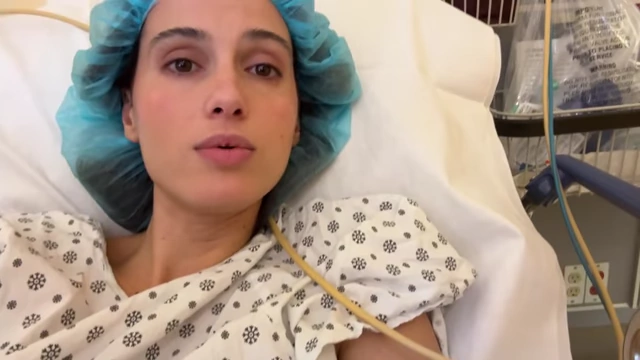
The egg retrieval surgery is a 15-minute procedure performed under anesthesia. The doctor uses a needle to suction the mature eggs from the ovaries.
Feeling Grateful [19:30]
After the procedure, the speaker experienced a few rough days as her body adjusted from the hormones but felt fine afterward. The retrieved eggs are stored in highly secure tanks. The speaker expresses gratitude to her body, doctors, and the researchers who are continually improving fertility technology. She emphasizes that while the current technology is still in its early stages, difficult, expensive, and not guaranteed, it offers valuable options and peace of mind, making it "huge if true" for future generations.