Charlamagne Tha God's Transformative Journey: Overcoming Adversity, Mental Health, and Building a Media Empire
Charlamagne Tha God shares his life journey, from a troubled youth in South Carolina to becoming a media titan, emphasizing growth, self-awareness, and service.

- He reflects on early arrests and his father's warning of ending up "jail, dead, or broke," which motivated him to pursue a positive path.
- Embracing "PEACE" (Positive Energy Activates Constant Elevation), he worked multiple odd jobs and internships to enter radio, eventually co-hosting "The Breakfast Club," known for segments like "Donkey of the Day."
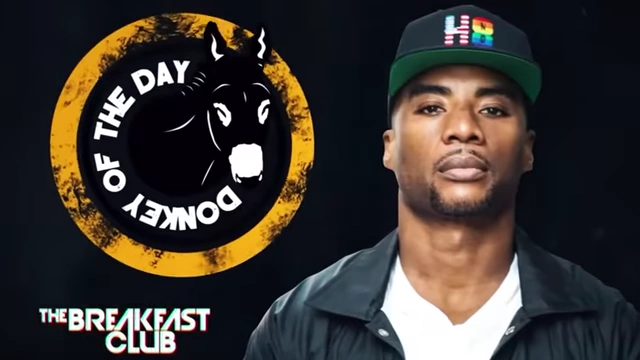
Donkey of the Day logo from The Breakfast Club [ 00:00:35 ] - Despite being fired four times, he learned from these experiences, seeing them as opportunities for growth and a driver for seeking ownership.
- His personal evolution includes starting therapy in 2016 for anxiety and depression, and an Ayahuasca journey in 2022, which led to a profound realization: "Stop lying to yourself and stop sharing those lies with others."
- He advocates for building ventures that benefit the community, not just oneself, exemplified by The Black Effect Podcast Network and his book imprint.
- Charlamagne stresses the importance of a positive mindset, daily gratitude, and a morning routine centered on prayer and affirmations.
- As a father of four daughters, he teaches them that it's okay to make mistakes and prioritizes a healthy family dynamic, emphasizing that "if you do right by your wife, your life will skyrocket."
- He values peace over controversy, leads by example, and constantly unlearns and evolves his perspectives.
- His advice for career starters includes keeping God first, staying humble, working hard, and avoiding comparison.
Introduction [00:00:00]
What do you wish you knew at 18? [00:01:37]
Charlamagne shares profound advice he wishes he had known at 18:
- Everything will be alright: He believes all experiences, whether perceived as good or bad, are part of life's process and contribute to personal evolution.
- Things happen for you, not to you: This mindset helps him deal with challenges, realizing that difficulties often arise from personal choices or uncontrollable circumstances, both offering lessons.
Arrested in high school [00:05:44]
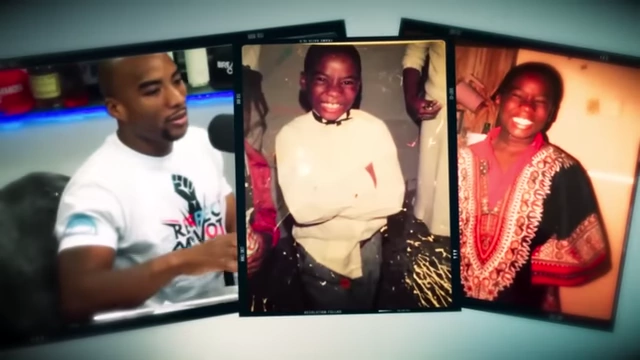
- Father's prophecy: His father often warned him, "If you don't change your lifestyle, you're going to end up in jail, dead, or broke sitting under the tree."
- Early run-ins with the law:
- His first jail stint was for 45 days after being involved in a shooting incident with a friend while still in high school.
- A second arrest in a drug bust with 16 friends served as a significant wake-up call, causing a "visceral reaction" of throwing up in the holding tank.
- Fear of being "broke at 30": Inspired by a Biggie Smalls lyric, this fear became a powerful motivator to change his life.
- Embracing PEACE: He adopted the acronym "PEACE" (Positive Energy Activates Constant Elevation) and intentionally started doing the opposite of his peers, such as attending night school and working odd jobs instead of "running the streets."
Natural born hustler [00:09:05]
Charlamagne attributes his "hustler" mentality to his family and shares his approach to work:
- Family influence: His father engaged in various businesses (fish market, construction, selling alcohol), and his oldest sister worked multiple jobs.
- Time management obsession: He meticulously tracks his hours (all 168 in a week) to ensure productivity, similar to how he uses phone screen time data to identify wasted time.
- Multitasking to chase dreams: He worked three jobs simultaneously (telemarketing, clothing store, radio intern) to support himself while pursuing his passion for radio.
- His philosophy: "Deal with your reality while you chase your dreams."
- Entry into radio:
- Initially wanted to be a rapper, inspired by successful Black figures in entertainment and athletics.
- Met a radio personality in a recording studio and simply asked how he got into radio.
- Secured an unpaid internship in 1998, recognizing opportunity even without a paycheck.
- Started in promotions, learning the ropes by setting up microphones and tables for events.
Getting fired isn't the end of the world [00:18:22]
Charlamagne candidly discusses his experience with being fired multiple times:
- Four firings in radio: He states he was fired four times, explaining that in radio, this is often part of the business, not necessarily a personal failure.
- Reasons included new program directors wanting their own teams, station format changes, and economic recession (e.g., during his time with Wendy Williams in 2008, when 25 people were laid off).
- Learning from adversity:
- Initially, he took the firings personally, especially the first one, not realizing the broader possibilities of working in radio elsewhere.
- A pivotal moment was seeing a New Jersey license plate while driving in South Carolina, which he interpreted as a sign to aim for New York, the number one radio market.
- These experiences fueled his self-belief and understanding of the "power of intention and the law of attraction," leading him to envision The Breakfast Club as a nationally syndicated show.
Donkey of the Day logo from The Breakfast Club [ 00:00:35 ]
Growing and struggling with mental health [00:24:39]
Charlamagne details his journey into therapy and self-healing:
- Purposeful pivot in persona: He consciously shifted away from a controversial "outrageous" persona to embrace growth, recognizing the "ceiling" that existed for many in hip-hop media who failed to evolve.
- Starting therapy in 2016:
- He sought therapy because he disliked the version of himself he was becoming, caught up in a "hip-hop star lifestyle" and not being the best husband.
- He realized he was mirroring his father's infidelity, which he had long despised.
- Despite achieving professional success and financial stability, he still struggled with anxiety and depression, prompting him to seek professional help.
- Healing beyond language:
- Therapy provides the "language" to understand problems, but true healing requires "the work" (meditation, plant-based medicine, grounding, confronting traumas).
- He emphasizes that life is fundamentally about "healing your inner child."
- Breakthrough with his father:
- A significant breakthrough in therapy was realizing his father disciplined him for behaviors he never taught him.
- His father later revealed he had attempted suicide 30+ years prior and was on multiple medications for mental health, a secret Charlamagne never knew. This revelation allowed Charlamagne to offer his father grace and underscored the importance of transparency in families.
Ayahuasca journey and negativity [00:31:03]
Charlamagne describes his transformative experience with plant medicine and his approach to negativity:
- Ayahuasca experience (Feb 2022): He participated in a formal Ayahuasca ceremony with his wife.
- First night's message: "Everything is fine because everything is fine." It reassured his anxiety.
- Second night's message: After intense crying and purging, he received the message: "Stop lying to yourself and stop sharing those lies with others." This inspired his book "Get Honest or Die Lying."
- Third night's message: "Everything's okay because everything's okay."
- He feels "changed" by Ayahuasca, believing it "peeled back layers and took off masks."
- Dealing with negativity:
- He advises blocking out noise, understanding that people will always have opinions.
- Cites his father's advice: "You're never as good as they say you are and you're never as bad as they say you are."
- Refers to "the rule of 10" from a mentor: three people will like you, three won't, and four won't care.
- He acknowledges that many listeners tune in to disagree, but "the algorithm don't know the difference," still counting as engagement for advertisers.
Service to the community [00:41:11]
Charlamagne articulates his commitment to service and ownership:
- "If what you build only benefits you, it's not enough": This is a core belief guiding his work.
- Inspired by selfless leaders: He looks up to figures like Clarence Avant, Jay-Z, Arsenio Hall, and PD Green, who used their platforms to lift entire communities.
- Creating opportunities through ownership:
- Instead of just signing talent deals, he creates platforms like The Black Effect Podcast Network and a book imprint to publish and elevate other voices.
- He's venturing into film production, aiming to shoot projects in his home state of South Carolina to create jobs and opportunities for local talent and businesses.
- He believes "black brings green," highlighting the cultural and economic value of Black creativity.
- Daily mantra and purpose: He starts every show with, "I'm blessed, black, and highly favored and happy to be here another day," which reinforces his purpose to serve others and make their day better.
- Service at all levels: He believes service isn't just for philanthropists; it can be as simple as sharing a sandwich with someone in need. His upbringing instilled this value, observing his parents and grandmother who constantly served their community.
Brilliant Idiots [00:46:08]
Charlamagne discusses his popular podcast with Andrew Schulz:
- Organic partnership: The podcast, "Brilliant Idiots," has run for 11-12 years, stemming from a natural energy connection between him and Andrew Schulz, whom he met on the set of MTV2's "Guy Code."
- Evolution of content: The show initially covered life topics and gradually incorporated politics around 2015-2016, gaining a larger audience interested in their diverse perspectives.
- Importance of owning his voice: He was initially skeptical about starting a podcast, but his manager convinced him of the importance of owning a platform, especially after his numerous firings in radio, ensuring he always had a voice.
Kamala Harris [00:50:14]
Charlamagne shares his interactions with political figures:
- Multiple interviews: He has interviewed Kamala Harris five times since 2017, considering her a friend.
- Campaign trail advice: He advised her to appear on platforms like "The Joe Rogan Experience" and Fox News to reach a broader audience, believing that reach was crucial for electoral success, particularly given his skepticism about President Biden's re-election prospects.
Positive mindset [00:53:08]
Charlamagne delves into his philosophy on mindset and daily practices:
- Power of manifestation: He grasped the concept that "if your mind can conceive it, you can achieve it" and that "your thoughts become things" from a young age.
- Action is key: While believing in manifestation, he emphasizes that it must be paired with hard work and action (e.g., playing the lottery ticket, going to the gym).
- Gratitude and routine:
- He practices daily gratitude for simply being alive.
- His morning routine involves:
- Praying immediately upon waking, giving thanks and seeking divine protection for himself and his family.
- Reading daily affirmations from books like Ryan Holiday's "The Daily Stoic" and Robert Greene's "The Daily Law."
- Engaging in five minutes of meditation.
- Kissing his wife and blowing kisses to his daughters' rooms.
- Listening to R&B music or a podcast to set the right "zone" and intention for the day, which is always to serve.
Parenting [00:58:39]
Charlamagne discusses his approach to raising his four daughters:
- Acknowledging parental fallibility: He teaches his daughters that it's okay to make mistakes, acknowledging that both he and their mother are human and don't always get things right.
- Importance of apologies: He makes a point to apologize to his children when he is wrong, explaining his feelings, which helps foster a safe space and brings "life back into them."
- Fostering sisterhood: He emphasizes to his daughters that their bond and sisterhood are paramount, citing Emma's strong relationship with her own sisters as an example.
- Modeling a healthy relationship: He and his wife, who have been together for 27 years, strive to show their daughters a loving, healthy (though not perfect) dynamic, openly displaying affection.
- "Do right by your wife": He firmly believes that a man's success is tied to how he treats his wife, reiterating his father's regret about not doing right by his mother.
- Creating new experiences: He aims to provide his daughters with opportunities he didn't have, such as extensive travel, to broaden their horizons and create lasting memories.
Modeling masculinity [01:07:17]
Charlamagne shares his perspective on masculinity and leadership:
- Beyond "toxic masculinity": He expresses that he doesn't fully understand the term "toxic masculinity," preferring to focus on the "divine feminine and sacred masculine" qualities present in all humans. He believes in adopting the best attributes from both genders to become a "sacred being" and a good human.
- Leadership by example: He sees himself as a leader who leads by example, sharing what works for him rather than dictating to others, recognizing that everyone's path is unique.
- Continuous evolution: Therapy has helped him "unlearn a lot of stuff" and embrace an "open canvas" view of life, where opinions and worldviews constantly change with age and new information. He acknowledges his own evolution in thinking from 26 to 36 to 46.
- Excitement for building: His passion lies in building and creating, especially in storytelling through podcasts, audio-scripted content, books, and films. He aims to generate opportunities in places like his home state of South Carolina, supporting local communities and preserving history through art.
Advice for starting a career journey [01:12:13]
Charlamagne offers practical and philosophical advice for career development:
- Core principles:
- "Keep God first."
- "Stay humble."
- "Keep working."
- "Comparison is the thief of joy" – he warns against comparing one's journey to others' highlight reels on social media, stressing the importance of running one's own race.
- Success is subjective: He emphasizes that success is not solely about money but about happiness and personal fulfillment. He recalls being happiest when he was "broke" and "on the come up."
- Value peace over controversy: He no longer actively seeks controversy, viewing it as something that might happen but is not something to chase. Instead, he values "real peace" and peace of mind, recognizing that constant busyness can be a trauma response.
- Setting boundaries: He learned the importance of setting boundaries to protect his energy and peace, even in difficult situations, stressing that "your energy is everything."
- Honesty in relationships: He advocates for complete honesty in relationships, especially after being caught in lies, to foster true growth.
Rapid fire questions [01:15:31]
- First thing upon waking/Last thing before bed: Pray.
- Current business aspiration: Massive success that benefits many more people than himself.
- Current personal aspiration: Constant healing journey, which allows him to show up better for his family, friends, and community.
- Book that changed his life: "The Autobiography of Malcolm X," which led him to other foundational texts and opened his mind to new teachings.
- Valued then, not now: Controversy.
- Valued now, not then: Peace, emphasizing the importance of a clear mind and avoiding chaos.