Simon Squibb's A-Z Guide to Business Success: From Idea to Exit (30 Years of Knowledge)
This video provides an extensive guide to building a successful business, drawing on 30 years of entrepreneurial experience.
- Starting a Business with No Money: Begin with passion, find partners for complementary skills, focus on execution, experiment with revenue models, and establish a strong purpose beyond profit.
- Winning in Business: Practice delayed gratification, foster a client-centric culture, and learn to "hack" luck through persistence, clear destination, and risk-taking.
- Embracing Failure: View losses as learning opportunities, detach from material possessions, curb short-term ego, and embrace being underestimated to encourage resilience and growth.
- Mind Mapping for Business Planning: Replace rigid business plans with dynamic mind maps, starting with your hobbies, brainstorming business ideas, and mapping out aspects like team, branding, and potential revenue streams.
- Finding Purpose: Discover your personal and business purpose by identifying problems you care about, matching your life to solving those problems, and collaborating with others.
- Finding a Co-founder: Seek a co-founder with complementary skills and a shared moral code, detailing their desired attributes to attract the right partner, and be willing to share equity for accountability and success.
- Effective Selling: Focus on selling the "sizzle" (benefits) rather than the "steak" (features), understand your customer's needs, build genuine relationships, and employ a long-term, persistent approach.
- Marketing Strategies: Identify your target customer, create unique "staircase" elements to stand out, and build systems for consistent multi-channel marketing, aligning strategies with personal interests.
- Public Relations (PR): Target specific media, make journalists' jobs easy by providing complete stories and visuals, build direct relationships, and maintain a consistent, positive personal brand.
- Securing Investors and Sponsors: Explore various funding sources from friends and family to VCs, consider employees as investors, offer value beyond money, and explore crowdfunding options before traditional investment.
- Building a Brand: Define personal and company brand values, leverage "reference" or "leadership" models for brand representation, and learn to say "no" to misaligned partnerships to protect brand integrity.
- Hiring, Growing, and Building a Team: Hire based on shared purpose and values, offer equity to foster loyalty, and transition from a generalist to a specialist mindset, disrupting the business to ensure long-term growth.
- How to Fire Someone: Implement the "seven and eight rule" to address underperforming employees, be honest, and, if necessary, help them transition to roles where they can thrive, maintaining team morale.
- Going Global: Research market opportunities, consider franchising to expand without direct management, and embrace a global mindset to mitigate risk and enable scalability, simplifying management.
- Getting a Mentor: Seek specific advice and accountability rather than just a "mentor" title, consider advisory board roles, leverage referrals, and offer value upfront to potential mentors.
- Understanding Equity: Grasp that equity ownership doesn't always equate to control, be cautious with early equity dilution, consider 50/50 splits with co-founders, and understand different share classes.
- Selling Your Business: Build a business you love without the explicit goal of selling it, explore partnerships with potential buyers, consider agents, mergers, or management buyouts as exit strategies.

Speaker Simon Squibb explaining how to win in business [ 00:11:30 ]
Introduction [0:00]

How To Start A Business With No Money [2:57]
1. Starting with Passion and Purpose [3:02]
The traditional advice of starting a business with an original idea or filling a market gap is challenged. Instead, a business should begin with a feeling or instinct to make a change, coupled with a passion for what you do.
- Follow Your Passions: Identify what you love doing and what you don't. Excel in your passions and outsource what you dislike. The school system's emphasis on improving weaknesses is a "lie"; focus on strengths.

The speaker writing "what you like doing" on a whiteboard. [ 00:03:51 ] - Combining Forces for Ideas: Original ideas are not necessary. Partner with someone whose skills complement yours. For example, if you love marketing, find someone who excels in graphic design.

An illustration showing an editor working on a computer while the speaker is seen on the screen, representing combining marketing passion with editing skills. [ 00:05:59 ] - Execution is Key: The first step after having an idea is execution. Start with something simple like a podcast, blog, or social media presence. Don't overcomplicate initial steps.
An infographic illustrating "World's first Help 2 Earn platform" with a microphone, symbolizing the speaker's method of "Record Conversations" for his business. [ 00:07:57 ] - Experimenting with Revenue Models: Don't limit yourself to a single revenue model from the start. Experiment with different ways to monetize your passion. For example, a photographer might sell licenses or prints instead of just charging by the hour.
- Purpose Beyond Profit: A strong purpose that aims to make a difference in the world is crucial. This motivates employees and customers and reduces the need for constant management, as people are driven by a shared mission.

A whiteboard listing the foundational steps of starting a business: "what you like doing," "idea," "step 1 execution - pod," "step 2 rev," and "step 3 purpose." [ 00:11:16 ]
2. Real-World Example: Airbnb's Start [10:34]
Airbnb initially sold cereal boxes at conventions to connect with customers and generate initial capital, demonstrating how to start without traditional funding.
How To Win [11:25]
1. Delayed Gratification [11:53]
Delaying immediate monetary gains is crucial for long-term success. Build relationships and deliver value first.
- Initial Free Work: Offer initial services for free to build strong relationships with early customers, fostering loyalty and word-of-mouth referrals.

The speaker writing "delayed gratification" on a whiteboard. [ 00:11:54 ] - Building Value Before Monetization: Many successful companies, like Facebook and Instagram, focused on building massive user bases and providing value for years before heavily monetizing their platforms.
2. Strong Moral Code and Culture [13:01]
A client-centric culture is more important than strategy. Focus on bringing value to customers, not just extracting money.
- Customer-Centricity: Prioritize customer satisfaction and loyalty by consistently providing value and showing genuine care.

The speaker adding "culture" to a list on the whiteboard. [ 00:13:10 ] - Employee Morale: Foster a positive internal culture where employees feel valued and motivated, as they are key ambassadors for your brand.
3. Hacking Luck [13:53]
Luck isn't random; it can be influenced through specific actions.
- Persistence: Outlast competitors by staying dedicated to your vision, especially when you love what you do.

The speaker adding "luck" to his list of winning strategies on the whiteboard. [ 00:13:58 ] - Clear Destination: Define what success means to you—whether a small or large company—and work towards that specific goal.
- Risk-Taking: Embrace risk and fear. Success comes from taking calculated risks, not just hard work.
How To Lose [17:34]
1. Embracing Failure [17:50]
Learning to lose is essential for growth.
- Detachment from Possessions: Don't let material things define you or control your actions. Be willing to lose them.

The speaker writing "do let things own you" on a whiteboard, which he corrects to "don't let things own you". [ 00:18:27 ] - Let Go of Short-Term Ego: Don't chase external validation or appearances of success. Embrace being underestimated by competitors and customers.

The speaker writing "let short-term ego go" on a whiteboard. [ 00:18:51 ] - Learn from Mistakes: Failure provides valuable lessons that contribute to future success.
2. The "D Student" Mindset [19:30]
Unlike the academic world, where "A"s are prized, in business, a "D student" mindset (willingness to fail, take risks, and learn) is often more conducive to entrepreneurial success.
- Take Your Time: Take time to understand and make decisions instead of rushing.

The speaker writing "take your time" on a whiteboard. [ 00:20:08 ]
How To Do A Mind Map (Business Plan) [20:44]
1. Mind Maps vs. Business Plans [20:48]
Traditional business plans are often too rigid and can stifle growth. Mind maps offer a more fluid and adaptive approach.
- Flexible Planning: A mind map allows you to visualize potential directions for your business, adapting as circumstances change.

The speaker drawing a circle for "Hobby" at the center of a whiteboard, illustrating the starting point of a mind map. [ 00:21:41 ] - Starting with Your Hobby: Begin your mind map with your central passion or hobby, linking it to your business idea.

The speaker drawing nested circles labeled "Hobby" and "Business," demonstrating the initial structure of a mind map. [ 00:22:09 ] - Expanding the Map: Branch out into different aspects of your business, such as networking, branding, product development (e.g., an app or web platform), and team structure.

A mind map showing "Free Humanity" at the core, branching out to "Podcast," which leads to "Network" and "Brands" (GoDaddy, Tide, Adobe). [ 00:23:30 ] - Strategic Connections: Use the mind map to connect different elements (e.g., how podcast interviews can build a network and inform app content), and identify future opportunities (e.g., merchandise, sweet brands).

A mind map detailing "Free Humanity" with branches for "Podcast" leading to "Network," and an "App" for "Free Help" which is connected back to the "Network." [ 00:24:01 ] 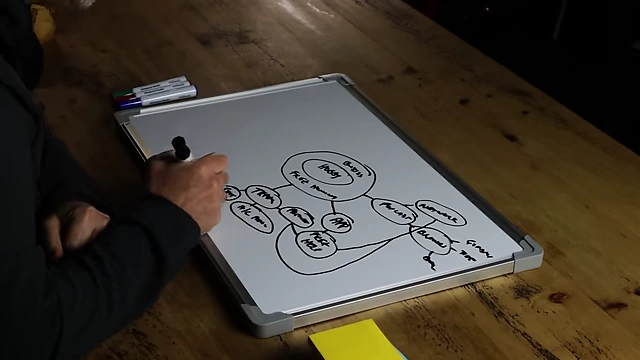
A mind map showing the "Team" branch connected to the central "Business" circle, with sub-branches for "Editor," "Accountant," and "Partners." [ 00:26:03 ] 
A mind map illustrating future business expansions like "Merchandising," with ideas such as "T-shirts and caps" and "Sweets and products" branching off. [ 00:26:29 ]
2. Building a Mind Map Example [22:08]
Using his "Free Humanity" business as an example, Simon illustrates how a podcast can lead to a network, which in turn informs an app development, and how potential collaborations and team members can be mapped out. He notes how seemingly distant ideas (like a sweet brand) can be planned years in advance.
How To Find Purpose [28:15]
1. Rethinking "Purpose" [28:21]
Purpose is deeply personal and often deliberately excluded from traditional education to maintain a workforce.
- Thinking About It: Actively contemplate your purpose. Don't be deterred by others' skepticism.

The speaker writing "Think about it" on a whiteboard as the first step to finding purpose. [ 00:28:51 ] - Solving Problems: Instead of asking "what will you do when you grow up?", ask "what problem do you want to solve?" Start by identifying small or large problems that bother you.

The speaker writing "what problem matters to you?" on a whiteboard. [ 00:30:11 ] - Matching Life to Purpose: Your dream is often only a small percentage different from your current life. Bridge this gap with knowledge and calculated risks.

The speaker listing "matching" as a step to find purpose, referring to aligning one's life with their purpose. [ 00:31:13 ] - Collaboration: You don't have to achieve your purpose alone. Team up with others who share similar goals (e.g., addressing climate change). Remember: 1 + 1 = 11 (the power of collaboration).

The speaker writing "1 + 1 = 11" on a whiteboard to symbolize the power of collaboration. [ 00:34:08 ]
How To Find A Co-founder [34:34]
1. Value of a Co-founder [34:56]
A co-founder provides accountability and a complementary skill set, making the entrepreneurial journey more manageable and potentially more successful.
- Accountability: A co-founder acts as a "gym buddy" for your business, ensuring consistent effort.
- Sharing Equity: Don't fear sharing 50% equity. 50% of a successful, enjoyable business is better than 100% of a failure.
2. Finding the Right Co-founder [35:50]
- Identify Strengths and Weaknesses: List what you love and hate doing. Seek a co-founder with opposite skills.

The speaker writing "hate | love = perfect co-founder" on a whiteboard. [ 00:36:11 ] - Shared Moral Code: Crucially, ensure your co-founder shares your core values and moral code. Conduct open-ended conversations to gauge their integrity and long-term vision.
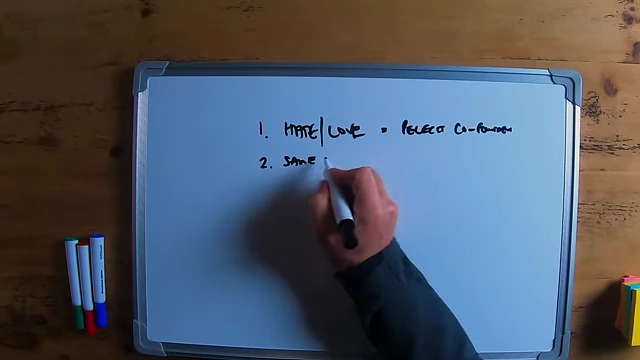
The speaker writing "same moral code" as a key criterion for a co-founder. [ 00:36:23 ] - Detailed Profile: Create a detailed profile of your ideal co-founder, including personal traits and background, to help manifest them.
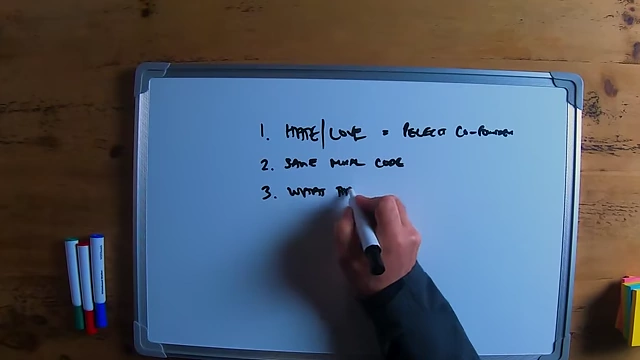
The speaker writing "what this person looks like" on a whiteboard. [ 00:37:11 ] - "Post It Now": Actively tell everyone you're looking for this person – on LinkedIn, social media, and in everyday conversations.
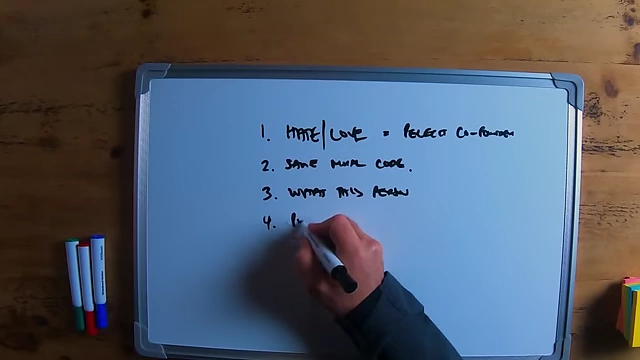
The speaker writing "post it now" on a whiteboard, encouraging active search for a co-founder. [ 00:39:42 ]
How To Sell [40:27]
1. Sell the Sizzle, Not the Steak [40:57]
Focus on the benefits and transformation your product or service offers, not just its features.
- Apple Example: Steve Jobs sold the iPhone by appealing to "game changers" and "creative types," not by listing technical specifications.

The speaker writing "sell the sizzle not the steak!" on a whiteboard as a sales principle. [ 00:42:57 ] - Empower Your Team: Equip everyone in your company, including non-sales staff, to sell the "sizzle" by sharing the positive outcomes and impact of your work.
2. The 3-Step Sales Process [42:57]
- Do They Need You?: Conduct thorough research to understand your customer's needs and determine if your offering is truly valuable to them. Avoid wasting time on unqualified leads.
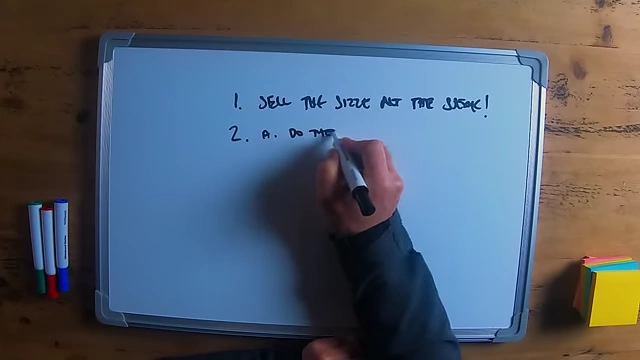
The speaker writing "do they need you?" on a whiteboard as the first step in selling. [ 00:44:02 ] - Do You Like Them?: Build genuine rapport and ensure mutual respect. Avoid working with clients you don't genuinely like, as it can lead to long-term frustration.

The speaker writing "do you like them?" on a whiteboard as the second step in selling. [ 00:44:10 ] - The Deal: If the first two steps are successful, the deal will naturally follow. Clients who like and need you will work collaboratively to reach an agreement, often offering more than initially asked.
3. Long-Term Persistence [45:55]
- Harvard Study vs. Top 1%: While average salespeople give up after a few contacts, top 1% salespeople (like Simon) persist for years, building relationships over time with consistent, non-salesy communication.
- Build Systems for Contact: Maintain regular contact with potential clients through various channels (e.g., email lists, personalized messages, relevant industry insights).
- Authenticity and Personality: Bring your true self to sales interactions. Focus on solving real problems and recommending what's best for the customer, even if it means no immediate commission.
How To Market Your Business [48:55]
1. Understanding Your Customer and Niche [50:45]
Marketing starts with deeply understanding who your customer is and targeting a specific niche.
- Facebook's Early Strategy: Facebook started by targeting university students, creating features (like relationship status) that resonated with that specific audience, leading to organic growth and word-of-mouth marketing.

The speaker writing "who your customer is" on a whiteboard, emphasizing the first step in marketing. [ 00:50:49 ]
2. The "Staircase" Philosophy [51:56]
Create unique, attention-grabbing elements that act as a "staircase" for people to discover your brand.
- Newsjacking Example: Simon bought a staircase that was news, then integrated it into his business's mission (helping people step-by-step), generating millions in free PR.

The speaker writing "staircase philosophy" on a whiteboard. [ 00:52:03 ] - Flash Mobs and Uniqueness: Engage in memorable, creative marketing stunts that generate buzz and help you stand out.
- Evolving Your "Staircase": Continuously build upon your unique marketing efforts (e.g., adding a doorbell to the staircase for dream pitches, securing sponsorships).
3. Building Marketing Systems [56:19]
Marketing is complex and requires well-structured systems across various channels.
- Do One Thing Well: Instead of trying to do everything poorly, focus on mastering one marketing channel (e.g., email marketing, social media) before expanding.

The speaker writing "systems" on a whiteboard as the third point for marketing. [ 00:56:24 ] - Tailored Content: Create core content and then adapt it for each platform's nuances (e.g., editing a video for TikTok, LinkedIn, YouTube).
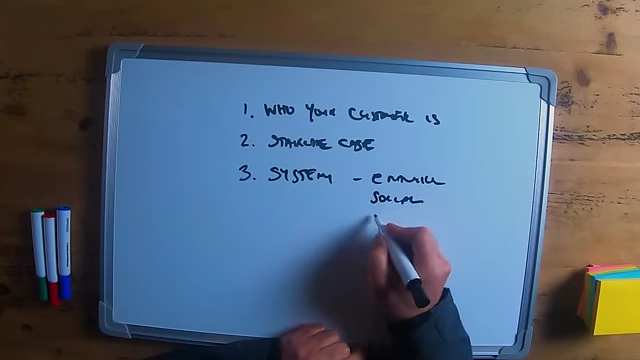
The speaker detailing marketing "systems" by listing "email," "social media," "PR," "branding," and "events." [ 00:56:33 ] - Align with Personal Interests: Your marketing strategy should align with what you and your team enjoy doing (e.g., writing for email marketing if you dislike video).
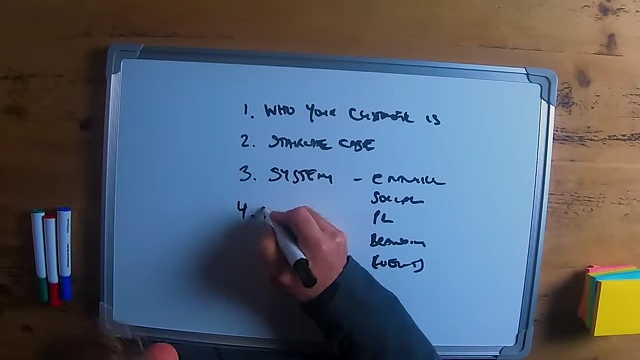
The speaker writing "fun" as a key aspect of marketing. [ 00:58:51 ] - Marketing is Fun: Embrace marketing as an enjoyable, creative process.
- Starbucks Example: Early Starbucks marketing focused on prime locations (experience over billboards) and treating staff as "partners," fostering excellent customer service that became organic marketing.
- Brand Alignment: Ensure your marketing aligns with your core brand values (e.g., Nike with athletes, Apple with creativity).
How To PR Your Business [1:01:08]
1. Targeted PR for Tangible Results [1:01:30]
Focus on PR that yields measurable business value, not just ego-boosting mentions.
- Purposeful Coverage: Seek media coverage that directly connects to your mission and helps you reach your target audience.

The speaker writing "targeted" on a whiteboard for PR strategy. [ 01:02:37 ] - Local vs. Mainstream: For local businesses, local press is often more effective than national coverage.
2. Making Journalists' Lives Easy [1:03:39]
Journalists are busy; provide them with ready-to-publish content.
- Pre-written Press Releases: Write press releases as compelling stories with catchy headlines that benefit the reader, not just your business.

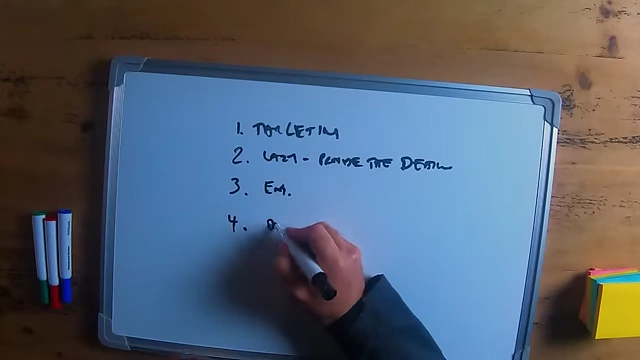
The speaker writing "lazy - provide them detail" on a whiteboard, explaining how to approach journalists for PR. [ 01:03:52 ] - High-Resolution Assets: Provide high-quality photos and all necessary information, making it effortless for journalists to publish.
- Research the Journalist: Understand their writing style and interests, tailoring your pitch to their specific focus.
3. Building Relationships and Maintaining Brand [1:05:00]
- Direct Engagement: Engage directly with journalists on platforms like Twitter by following, commenting, and replying to their posts.
- Personal Brand is PR: Your personal conduct and online presence are crucial. Avoid inappropriate content, as it can damage your brand and deter media coverage.
The speaker writing "discipline" as a vital aspect of PR, emphasizing maintaining a professional personal brand. [ 01:07:15 ] - Discipline: Be disciplined in your online presence and ensure it aligns with your professional image.
How To Get An Investor [1:07:28]
1. Necessity of an Investor [1:07:39]
Carefully consider if you truly need an investor, as it can mean acquiring a "new boss" and potentially complicate your business.
- Alternative Funding: Explore alternatives like crowdfunding or self-funding through early sales.
2. Investor Profiles and Strategies [1:08:43]
- Family & Friends: Often the easiest source due to existing trust, but be transparent about the risks. Recommendations from friends can also open doors.

The speaker listing "family & friends" as the first potential source for investors. [ 01:09:51 ] - Team as Investors: Encourage key team members to invest, offering equity. This aligns their interests with the company's success and reduces external financial pressure.

The speaker writing "team" as a second category of potential investors. [ 01:12:28 ] - Angel Investors: Approach angels by asking for advice first, not money. Showcase your business's value and create FOMO (Fear Of Missing Out) to attract their investment. Be clear about equity dilution plans.

The speaker listing "angel investor / FOMO" as a third type of investor, emphasizing the fear of missing out strategy. [ 01:16:12 ] - Venture Capitalists (VCs): VCs typically invest in proven businesses needing capital for scale. Research if they are actively deploying funds and analyze their previous investments. Seek introductions from founders in their portfolio.
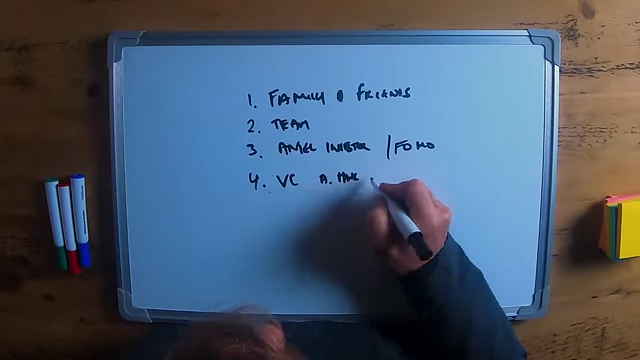
The speaker listing "VC" with sub-points for identifying if they "have money" and "see who" they've invested in previously. [ 01:16:41 ] - Clients/Brand Partners: Your existing clients or brand partners might invest in your expansion, especially if it benefits their operations or market reach. Be cautious of potential conflicts of interest.

The speaker listing "brands/clients" as a potential source of funding for a business. [ 01:21:19 ] - Crowdfunding: A powerful alternative to traditional investors, offering various models: product pre-sales (Indiegogo), equity crowdfunding, loans, or simple donations (GoFundMe).

The speaker adding "crowdfunding" as a final method for raising money. [ 01:23:14 ]
How To Get Sponsors [1:23:23]
1. Value Return and Emotional Connection [1:23:54]
Sponsorship deals are driven by measurable value return and/or emotional connection.
- ROI (Return on Investment): Brands want to see clear, trackable value for their sponsorship (e.g., views, sales).

The speaker writing "value return" as the first reason brands engage in sponsorship. [ 01:23:58 ] - Emotional Sale: Leverage personal connections or shared values (e.g., a CEO sponsoring a local football club they grew up with). The ideal is a combination of both.
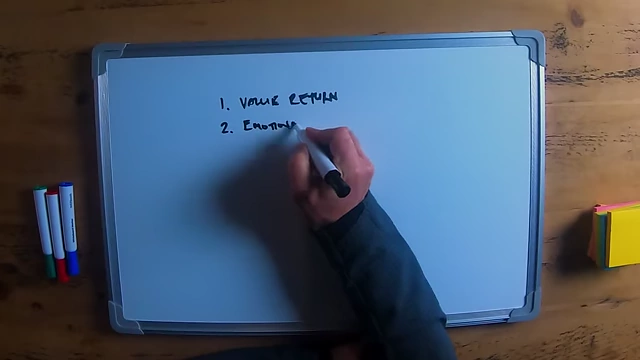
The speaker listing "emotional sale" as a key factor in securing sponsorships. [ 01:24:33 ]
2. Understanding the Brand's Values [1:25:19]
Misunderstanding a brand's identity can jeopardize a deal.
- Brand Alignment: Ensure your offering aligns with the sponsor's brand philosophy and how they traditionally advertise (e.g., high-end jewelry brands won't sponsor beer coasters).

The speaker writing "understand the brand" as a crucial step for securing sponsorships. [ 01:25:20 ] - Internal Champions: Research the people within target brands. If they align with your mission, they can become internal advocates for your sponsorship.
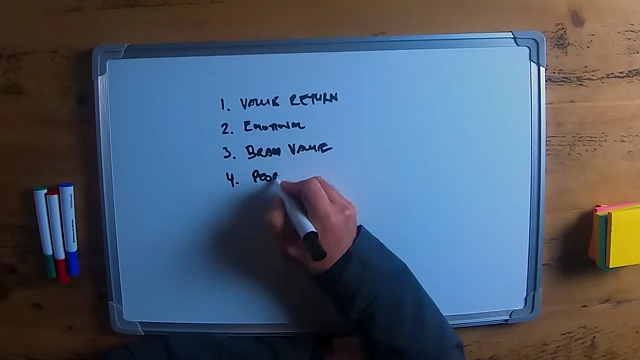
The speaker listing "people" as an important factor in sponsorship deals, referring to internal advocates within target companies. [ 01:27:53 ]
3. Working with Intermediaries [1:29:13]
- Media Buying Companies: These agencies purchase ad space for brands. Pitching to them can be more efficient than direct contact with the brand.
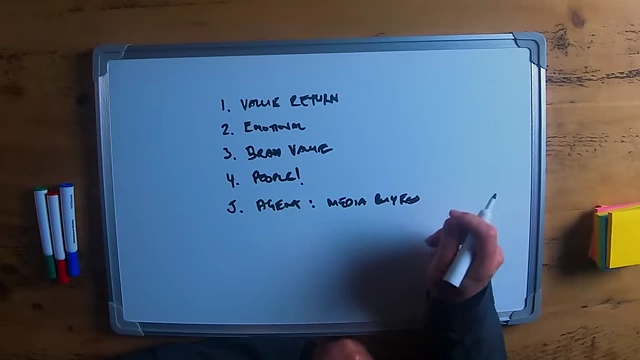
The speaker listing "agent: media buyers" as a key intermediary for securing sponsorships. [ 01:29:44 ] - Creative Agencies: Brands often work with agencies for campaign ideas. Your product or idea might fit into their existing campaign strategies.
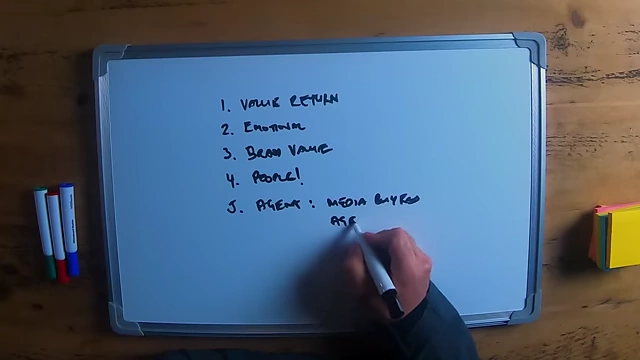
The speaker adding "agencies" as another type of intermediary to work with for sponsorships. [ 01:30:23 ] - Organic Alignment: Naturally integrate a brand's products or services into your work if you genuinely use and believe in them. This organic endorsement can lead to sponsorship inquiries.
How To Build A Brand [1:32:45]
1. Personal Brand First [1:33:32]
Start by defining your personal brand, as it forms the foundation for your company's brand.
- Identify Your Values: Write down your core values, non-negotiables, and what truly matters to you. This defines who you are and how you want to be perceived.

The speaker writing "values (care | Y/N)" as the first step in defining one's personal brand. [ 01:33:50 ] - Embrace Personal Branding: Your personal brand exists whether you actively manage it or not. Embrace it and define it clearly.
- Scalability Concerns: While personal brands are impactful, they can be difficult to scale beyond individual efforts.
2. Company Brand Persona [1:36:03]
Translate your personal values into a distinct company brand persona.
- Example: Help Bank: Simon's personal values of honesty and authenticity are reflected in his "Help Bank" brand, which also projects a serious and trustworthy image for funding dreams.
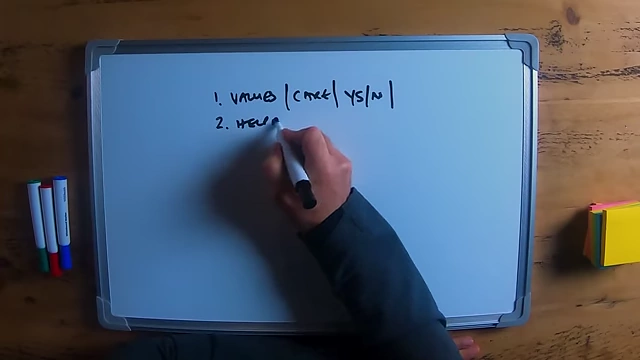
The speaker writing "Help Bank" as an example of translating personal values into a company brand. [ 01:36:11 ] - Visuals and Messaging: Design your brand's visual identity and messaging to convey its core values effectively.
3. Scaling Your Brand: Reference vs. Leadership Models [1:37:22]
- Reference Model: Leverage external figures or celebrities who embody your brand's values (e.g., Canon with Peter McKinnon, Nike with top athletes).
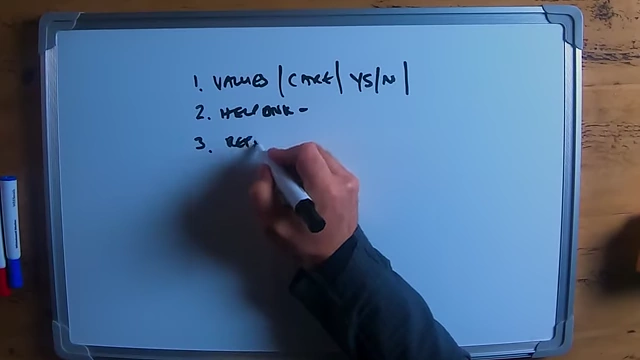
The speaker writing "reference" as a model for scaling a brand, where external figures embody brand values. [ 01:37:34 ] - Pros: Quick scalability, leveraging existing audiences.
- Cons: Risk of negative association if the individual misbehaves.
- Leadership Model: The founder or a key leader embodies the brand's values and leads the brand's efforts (e.g., Steve Jobs for Apple).
- Pros: Direct control over brand message.
- Cons: Brand vulnerability if the leader leaves or faces issues. Requires a strong succession plan.
4. The Power of "No" [1:41:40]
Protect your brand by carefully choosing partnerships and clients.
- Maintain Integrity: Say "no" to opportunities that don't align with your brand's values, even if they offer short-term gains.
- Reputation is Key: A strong reputation is built over time but can be destroyed quickly. Guard it fiercely.
How To Hire, Grow And Build [1:42:46]
1. Hiring with Purpose [1:43:03]
- Purpose-Driven Hiring: Hire individuals who genuinely believe in your business's purpose. This eliminates the need for micromanagement, as people will be self-motivated.

The speaker writing "purpose" as the first key point for hiring. [ 01:43:10 ] - Due Diligence: Check social media, references, and professional history to ensure alignment with company values.
- Offer Equity: Give employees a stake in the company's success (physical equity, not just share options). This fosters loyalty, reduces turnover, and aligns their goals with yours.

The speaker writing "give equity" as a key strategy in hiring. [ 01:44:52 ]
2. Growing Your Business Through Culture [1:47:18]
- Value-Driven Culture: Establish clear values that resonate with your team. Simon learned this lesson after initially focusing only on profit, leading to high turnover.

The speaker listing "values" as important for growing a business. [ 01:47:26 ] - Customer and Employee Care: Prioritize both customer and employee well-being. A supportive environment leads to a more dedicated and effective team.
- Defined Destination: Have a clear vision for where you want the business to go. This guides hiring, growth, and overall strategy.

The speaker listing "destination" as a crucial element for business growth. [ 01:48:49 ]
3. Building with Risk and Systems [1:50:00]
- Embrace Risk and MVPs: Continuously innovate by building Minimum Viable Products (MVPs) and testing new ideas. Avoid stagnation.

The speaker writing "take risks" and "MVPs" as elements for building a business. [ 01:49:55 ] - Disrupt Yourself: Be willing to disrupt your own business model to stay relevant, even if it means moving away from a successful core product.
- Specialization over Generalism: As your business grows, transition from a generalist approach (where everyone does everything) to a specialist approach, allowing individuals to excel in specific areas.
- Founder Redundancy: Be open to replacing yourself as CEO when the company scales, finding someone better suited for large-scale management.
How To Fire Someone [1:52:31]
1. The Seven and Eight Rule [1:53:27]
This rule helps identify and manage underperforming employees (the "sevens and eights") who are "almost good enough."
- Identify Nines and Tens: These are your top performers who are engaged and enjoy their work. Retain them with equity and appreciation.
- Identify Ones and Twos: These are clearly underperforming and usually self-select out or are easily fired.
- The "Seven and Eight" Challenge: These employees are often competent but may be in the wrong role or lack full motivation. They are the hardest to fire.

The speaker listing "seven and eight rule" as a concept for managing employees. [ 01:56:55 ] - Impact on Morale: Keeping seven and eights can demotivate top performers, leading them to leave or become complacent.
2. Executing a Firing [1:55:14]
- Support and Understanding: Approach the conversation with empathy, asking "how can I help you perform?" first.
- Proper Structure: Clearly define success metrics for each role.
- Honesty: Be transparent with seven and eights about their performance and the need for a change.
- Overcome Fear of Replacement: Don't let fear of not finding a replacement prevent you from firing. It's better to find a "nine or ten."

The speaker writing "no fear" to overcome hesitation when firing someone. [ 01:57:00 ] - Help Them Move On: Offer support in finding a new job. This can foster goodwill and maintain positive relationships.
- Personal Accountability: As a leader, it's your responsibility to make tough decisions for the health of the company.
How To Go Global [1:58:27]
1. Mitigating Risk [1:58:37]
Expanding globally reduces business risk by diversifying your market presence.
- Diversification: If one market faces challenges, other markets can compensate, providing stability.
2. Global Expansion Strategies [1:59:14]
- Market Research: Identify opportunities for your product or service in new international markets.

The speaker writing "research" as the first step for going global. [ 01:59:24 ] - Leverage Investors/Partners: Use the potential for global expansion to attract investors or secure sponsorships from brands looking to expand their reach.
- Franchising/Licensing: Allow others to operate your brand in new markets under a license, generating revenue without direct operational involvement. This is the closest to "passive income."
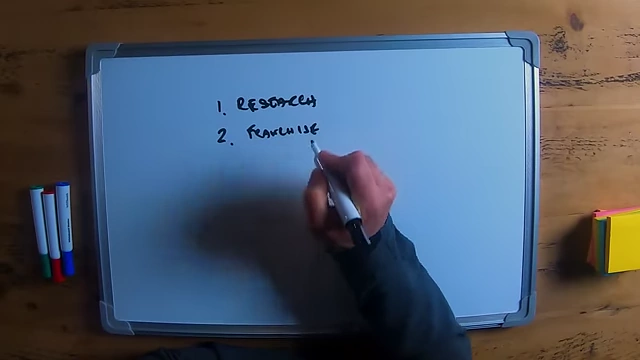
The speaker writing "franchise" as a strategy for global expansion. [ 02:00:36 ] - Think Big: Embrace the idea of building a large, global business. Counterintuitively, big companies can be easier to manage than small ones because they can afford specialized management and systems.
How To Get A Mentor [2:02:02]
1. Beyond the "Mentor" Label [2:02:20]
What people often seek isn't a traditional "mentor" but rather specific guidance and accountability.
- Seek Coaches/Co-founders: If you need accountability or partnership, consider a co-founder or a professional coach.
- Ask Specific Questions: Instead of asking "will you be my mentor?", ask targeted questions to specific individuals.
2. Strategic Mentorship Acquisition [2:03:23]
- Research Their Passions: Understand what truly matters to the person you want as a mentor. Don't ask them for help on something they dislike.

The speaker writing "research what matters to that person" as the first step to finding a mentor. [ 02:03:43 ] - Define the Relationship: Clearly state what mentorship means to you (e.g., "10 minutes once a week to answer specific questions").

The speaker writing "define what you mean?" when approaching someone for mentorship. [ 02:04:41 ] - Advisory Board: Frame the mentorship as joining an "Advisory Board" to leverage their expertise in a more formal, respected capacity. Offering equity can incentivize participation.
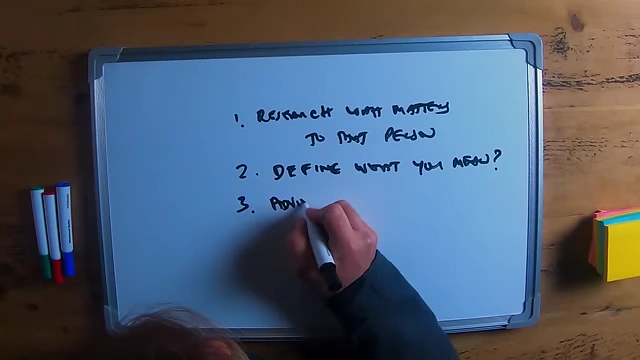
The speaker suggesting "advisor" as an alternative term to "mentor" for a more formal and structured relationship. [ 02:05:32 ] - Referrals: Seek introductions from mutual connections. A personal referral significantly increases the likelihood of a positive response.
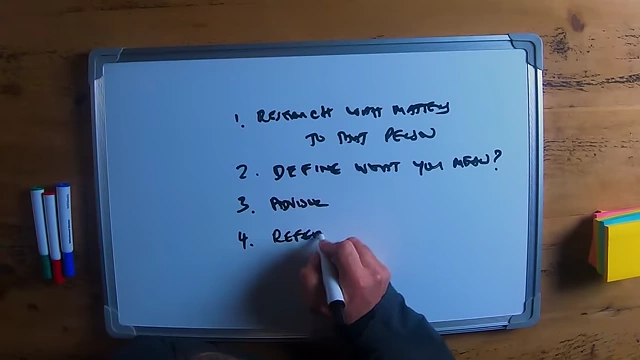
The speaker listing "referrals" as an effective way to secure a mentor. [ 02:06:56 ] - Offer Value First: Provide value to potential mentors without expecting anything in return. This "give without take" philosophy often leads to reciprocal support.
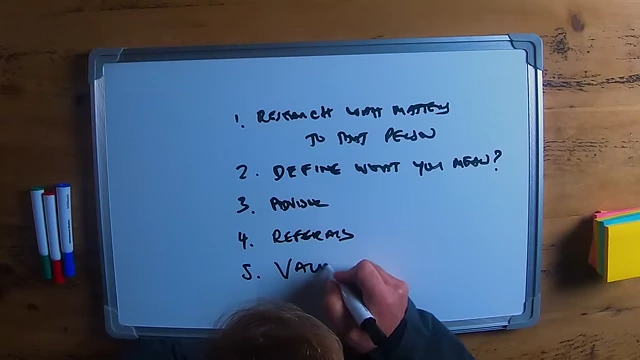
The speaker listing "value" as an important offering to potential mentors. [ 02:07:58 ]
How Equity Works [2:08:37]
1. Control vs. Ownership [2:09:06]
- Shareholder Agreement: Control of a company is primarily determined by the shareholder agreement or operational agreement, not solely by the percentage of equity held.
quot; on a whiteboard to explain that equity ownership doesn't always equal control." loading="lazy">

How to obtain video link
Your summary will appear here after you click "Submit" aboveHow to obtain video link on mobile
- Go to YouTube
- Long press the video. A menu will appear
- Click "Copy link" or ("Share" then "Copy link")
- Come back to this page and click "Submit"
How to obtain video link on desktop
- Go to YouTube
- Right click the video and click "Copy Link Address"
- Come back to this page and click "Submit"
The speaker writing "control ≠ quot; on a whiteboard to explain that equity ownership doesn't always equal control. [ 02:10:00 ]How to obtain video link
Your summary will appear here after you click "Submit" aboveHow to obtain video link on mobile
- Go to YouTube
- Long press the video. A menu will appear
- Click "Copy link" or ("Share" then "Copy link")
- Come back to this page and click "Submit"
How to obtain video link on desktop
- Go to YouTube
- Right click the video and click "Copy Link Address"
- Come back to this page and click "Submit"

2. Strategic Equity Planning [2:10:06]
- Long-Term Vision: Understand your business's ultimate destination (e.g., IPO, acquisition) to reverse-engineer your equity structure from day one.
- Avoid Early Dilution: Don't sell too much equity in the early stages, as you may need it for later funding rounds.
- Bootstrap if Possible: A bootstrapped business (no external investment) offers 100% control and ownership, which is often healthier.
3. Cap Table and Brand Alignment [2:14:06]
- Careful Shareholder Selection: Ensure your cap table (list of shareholders) aligns with your brand values and future goals. The "wrong" shareholder can damage your reputation and deter future investors.

The speaker writing "% brand" on a whiteboard, connecting equity with brand alignment. [ 02:14:46 ] - Equity for Staff: Give employees actual physical equity (not just share options) to align their success with the company's and foster loyalty. Understand the legal differences between share options and direct equity.
- Classes of Shares: Research and understand different classes of shares (e.g., Class A, Class B) and their implications for control and voting rights.
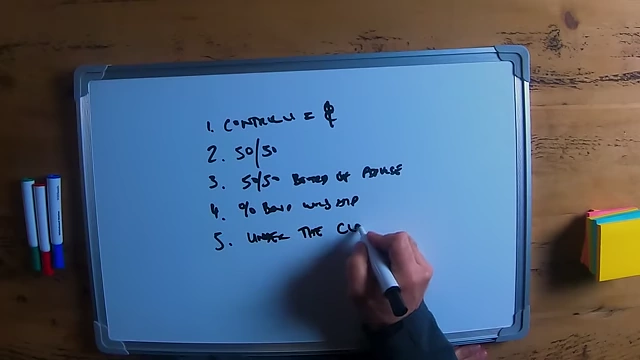
The speaker advising to "understand the classes" of shares. [ 02:17:11 ]
4. Safe Notes [2:18:35]
- Simplified Early Funding: Simple Agreement for Future Equity (SAFE) notes allow early-stage investment without needing to determine a precise company valuation immediately. Investors receive a discount on future equity.
How To Sell Your Business [2:19:53]
1. Build a Business You Love (and Don't Want to Sell) [2:20:12]
- Negotiating Power: The strongest negotiating position is to genuinely not want to sell your business. This often leads to better offers, as seen with Mark Zuckerberg and Facebook.
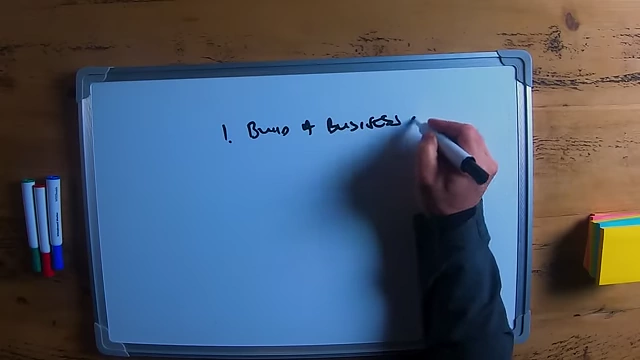
The speaker writing "Build a business you love" as the first step for selling a business successfully. [ 02:20:40 ] - Authentic Value: Investors and buyers are more attracted to businesses built out of passion and purpose, not just for a quick exit.
2. Exit Strategies [2:21:54]
- Partnership with Potential Buyer: Collaborate on projects with a company that might acquire you. This allows them to see your value firsthand, potentially leading to an acquisition offer.

The speaker listing "partnership" as a strategy for selling a business. [ 02:22:02 ] - Business Selling Agents: Use agents to facilitate the sale, but vet them thoroughly and understand their terms.
- Mergers: Consider merging with a competitor. While often easier, it might not yield the highest value compared to selling to a non-competitor.
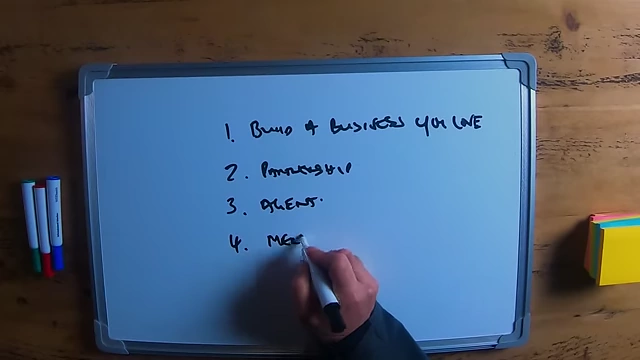
The speaker listing "merger" as a business exit strategy. [ 02:22:59 ] - Management Buyout (MBO): Allow your leadership team to buy the business. This provides a clear exit while rewarding the people who helped build the company.
3. Key Considerations for Selling [2:25:11]
- Don't Pitch to Sell: When seeking investment or talking about your business, never state that your ultimate goal is to sell it. Focus on growth, purpose, and long-term vision.
- Avoid Being Stuck: Building a business solely for sale can lead to being stuck with something you don't truly love if the exit doesn't materialize.