Tyler, The Creator Shares Creative Advice on Overcoming Fear, Criticism, and Resource Limitations with NYC Creatives
In this "Ask It Anyway" session, Tyler, The Creator engages with NYC creatives, offering candid advice on navigating the artistic journey.
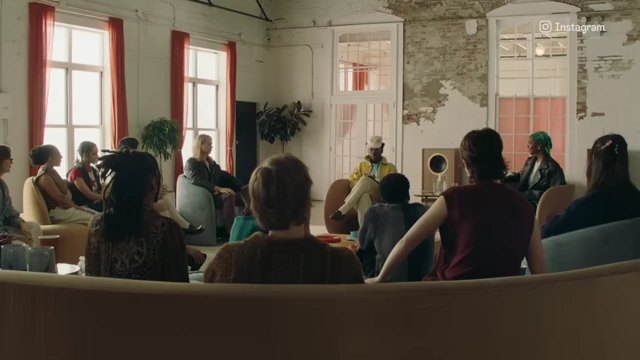
- Tyler asserts a strong sense of self-love and confidence in his work, not cringing at past projects as they represent his growth.
- He discusses using negative feedback, like the reception to his "Cherry Bomb" album, as a catalyst to deeply study and improve his craft, emphasizing the importance of learning from criticism.
- He encourages creatives to embrace their multi-hyphenate identities, not fearing audience shifts when exploring new mediums.
- Tyler advises prioritizing personal satisfaction over external validation, drawing a parallel to athletes who exude "swag and confidence" despite stats.
- He urges artists to overcome resource limitations by creating "10% versions" of their ideas and consistently showcasing their process to contextualize their work.
- Tyler advocates for being a "student" of one's craft and maintaining honesty with collaborators, fostering understanding and resilience in the face of financial stakes.
- He concludes by emphasizing the need for artists to "go crazy," "be delusional," and fearlessly "be the trailblazer" in their unique paths.
Introduction: Fears as a Creative [00:00:12]
The session begins with moderator Recho Omondi introducing Tyler, The Creator and setting the stage for a discussion on fears, creative blockages, and reaching new artistic heights. The initial conversation, before Tyler's arrival, revolved around the common anxieties faced by creatives and the possibility of transcending these fears if not constrained by "x, y, z things."
Tyler's Perspective on Confidence and Criticism [00:00:26]
Tyler addresses questions about his perceived confidence and whether he experiences fear or jitters.
Embracing Past Work and Self-Love [00:00:44]
- Tyler states he rarely feels nervous or cringes at his past creative work, even his "teenage rough drafts."
- He explains that his early career launched when he was 18, fueled by casual creative expression with friends.
- Looking back, he recognizes those pieces as genuine reflections of himself at that time, akin to admiring early drawings, and still holds love for them, understanding their original meaning.
- He identifies as a "fan of myself" and "full of myself in a positive way," which prevents him from judging his work harshly.
- This self-admiration fuels his desire to improve and be a "true student of the game" in any medium.
- His enjoyment for his craft prevents him from viewing it negatively, as it brings him immense joy.
Overcoming Self-Consciousness and Public Perception [00:02:49]
- Tyler admits to experiencing self-consciousness, but through different "filters."
- He recalls a recent tour show with "dead" energy from the audience, making him feel "dumb as f***" in his elaborate stage costume.
- Instead of retreating, he leaned into the uncomfortableness, becoming "weirder" and doing "more s*** to just make it look worse," transforming a negative experience into a positive one.
- He cherishes such moments as they foster growth and self-acceptance.
Fame, Creative Contradiction, and Growth [00:04:25]
- Tyler recounts a period where his fame seemingly contradicted his creative intentions.
- His 2015 album, "Cherry Bomb," was widely "hated" upon release.
- His primary goal with the album was to prove his versatility as a producer across genres, leading to song structure and lyrics taking a backseat.
- Despite initial public derision, he stood by his work, acknowledging the criticism without letting it crush him.
- This experience forced him to "re-teach myself how to write songs," studying music fundamentals and records he thought he knew intimately.
- He views this negative reception as "one of the greatest things that could" have happened, pushing him to deepen his skill and craft.
- This led to a broader perspective, applying to life situations where one might get caught up in trivial frustrations, only to realize their insignificance in the larger picture.
Q&A with NYC Creatives [00:09:54]
1. Maintaining Creative Stamina (Izzy - Dancer/Movement Artist) [00:10:11]
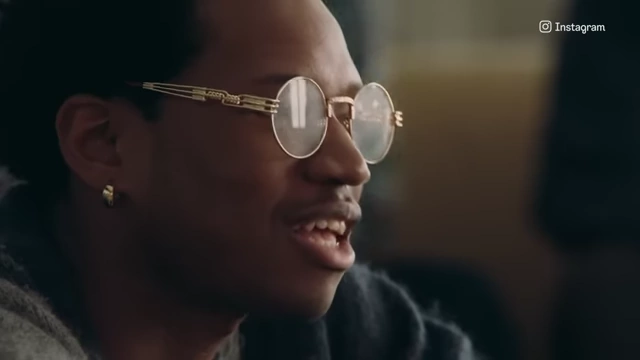
- Question: How to maintain creative stamina and energy for long-term projects like a Vegas residency, delivering high-quality performances nightly without just "going through it?"
- Tyler's Advice:
- Physical Activity: Stay physically active outside of work (e.g., cycling, walking, playing tag). It helps maintain overall energy.
- Inner Child & Curiosity: Nurture your inner child and curiosity; these elements keep you "lit" both physically and creatively.
2. Navigating Art Interpretation & Self-Marketing (Kayra - Hair Artist/Comic Book Writer) [00:12:41]

- Question: How to prevent misinterpretation of art (e.g., unique hair art being seen as "juvenile" by a casting director) and convey the true depth and professionalism of one's work to clients at a higher level?
- Tyler's Advice:
- Pivot & Adaptability: Embrace pivoting and new game plans when faced with unexpected situations. Random opportunities can lead to desired doors, even if not the envisioned path.
- Communicate Your Full Range: Explicitly inform people about all your skills and contributions.
- He cited putting "all songs written, produced, and arranged by me" on his album covers starting from 2017 to shift public perception from just a rapper to a diverse producer.
- This conscious effort slowly changed how critics and fans discussed his work, giving his compliments "a different weight."
- Show the Process: Utilize social media to showcase the "time, energy, love" that goes into your finished work. This provides context and distinguishes your craft from just a final product.
3. Introducing New Creative Ventures (Cato - Maker/Painter/Musician/Filmmaker) [00:18:20]
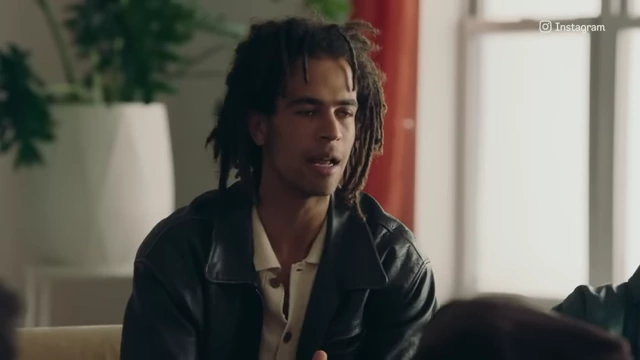
- Question: How to introduce new creative projects (e.g., a group music project) using an existing platform for a different art form (e.g., painting) without risking alienating the established audience, especially when not the main artist in the new venture?
- Tyler's Advice:
- Embrace Multi-Hyphenate Identity: You are a complex individual with multiple facets; don't let one part of your identity restrict another.
- He compares it to "me brushing my teeth and me walking" – two different parts from the same body.
- Don't Fear Audience Disapproval: Don't let the fear of what people who like one aspect of your work might think prevent you from pursuing other passions.
- Diverse Audience Appeal: People appreciate different things. Some might love your clothes but not your music, and vice versa. It's okay if not every audience member connects with every creative output.
- Embrace Multi-Hyphenate Identity: You are a complex individual with multiple facets; don't let one part of your identity restrict another.
4. Overcoming Validation Seeking and Building Confidence (Trinity - Skateboarder) [00:20:53]

- Question: How to stop seeking validation from others, overcome fears (like injury in skateboarding for a trick), and build confidence, particularly when starting out, especially when aiming for "instant gratification?"
- Tyler's Advice:
- Prioritize Self-Satisfaction: Always put yourself first and create things primarily for your own enjoyment. Ask, "When you go home... do you like it?"
- Swag and Confidence: Drawing a parallel to basketball, Tyler notes that "swag and confidence" can make someone legendary, even if their stats aren't the highest. Your love for your craft should "bleed out" and attract people naturally.
- Internal Motivation: The "instant gratification" should come from your own excitement and satisfaction with your work, which will eventually draw others to it.
5. Overcoming Resource Limitations for Big Visions (Isa - Musician/Producer/Singer) [00:23:29]
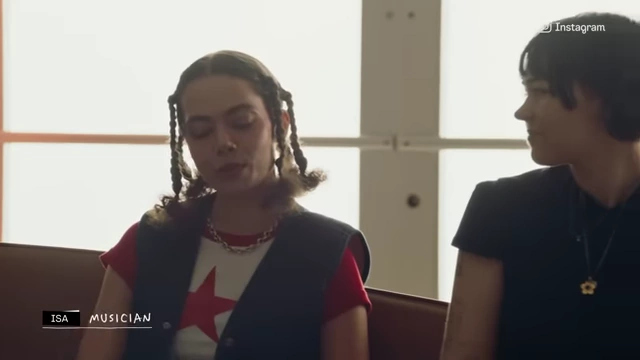
- Question: How to push past limitations (lack of means/resources) when a creative vision is bigger than current capabilities, especially when creating experimental work that might be perceived as "corny" or vulnerable?
- Tyler's Advice:
- Own Your Art & Language: Avoid using self-deprecating terms like "corny" for your work. "Campy" is a better term for unabashedly vulnerable art. "Stand on your stuff."
- Start with 10% Version: Don't let a lack of "super crazy resources" halt an idea. Create a "10% version" to get the idea out (e.g., mock-up magazine covers, simple skits).
- He describes his youth creating magazine mock-ups, filming skits on "terrible cameras," and making iron-on t-shirts despite having no money or connections.
- Build a Resume: Consistently putting out even small versions of your ideas builds an "incredible resume" and hones your craft over time. When resources do become available, you'll be well-prepared.
- You Never Know Who's Looking: Someone is always watching and appreciating your distinct work, even from unexpected places.
6. Managing Creative Control in Collaborative Work (Naomi - Actor/Writer/Filmmaker) [00:28:32]

- Question: How to manage the lack of control over the final product in collaborative fields like acting (e.g., a director choosing a take you dislike) and maintain creative freedom despite financial stakeholders and potential audience reactions?
- Tyler's Advice:
- "Create Like a Child, Edit Like a Scientist":
- Create like a child: Freely put out all ideas without judgment ("not trying to be good or great or bad").
- Edit like a scientist: Over time, refine the work with awareness of how humans react to elements like sound, vernacular, and the "zeitgeist" (current trends). This isn't to emulate but to understand the "hive mind."
- Honesty with Stakeholders: Be honest from the "get-go" with corporations and businesses about intentions and potential outcomes. This creates an understanding that allows for "sympathy" if things don't meet expectations, preventing finger-pointing.
- Give Yourself Grace: Acknowledge when it's your "first time" doing something and allow yourself room to "mess up" and learn from the experience.
- "Create Like a Child, Edit Like a Scientist":
7. Film Production and Creative Control (Emily J - Film Director) [00:31:59]
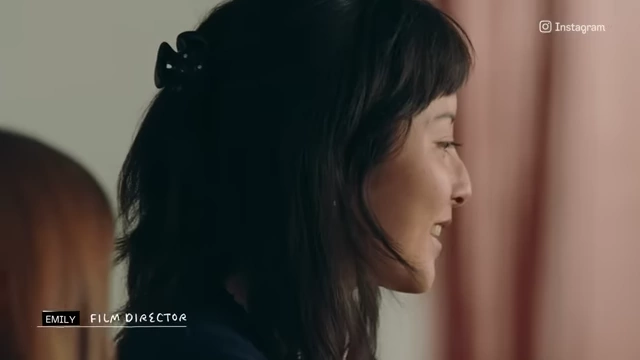
- Emily J, a film director, adds to the discussion, noting that if a performance is perceived as "bad," the responsibility lies with her as the director, not the actor. She emphasizes her role in casting, directing, and editing.
- She acknowledges the financial stakes in film, which can lead to pressure to compromise creative freedom. Tyler's previous advice on honesty and awareness with stakeholders becomes even more relevant here.
8. Advancing from Supporting to Leading Role (Joelle - Creative) [00:35:30]
- Question: How does one build the team, network, or public perception to switch from a supporting artist role (e.g., assistant artist, opener) to a main feature or leader in projects?
- Tyler's Advice:
- Continuously Showcase Your Value: Just like he put "all songs written, produced, and arranged by me" on his album covers, continuously find ways to communicate your contributions and skills to the public.
- Embrace Every Opportunity: Don't view "opening" for someone as a demotion; see it as a chance for a new audience to see you early in your career. Tyler recounts opening for Eminem years after headlining his own tours, viewing it as an opportunity to be seen.
- Strategic Marketing & Persona: Understand that marketing and image are crucial. Sometimes, looking "cool" or hitting the right timing with a song can elevate an artist's perception, even if the work isn't "trash." Cultivate a public persona that highlights your unique leadership qualities.
9. Being a Trailblazer and Embracing Uniqueness (Reese - VHS Cinematographer) [00:39:16]

- Question: As the first in her family to pursue a creative career and specializing in a niche like VHS cinematography, how to overcome the fear of the unknown and establish her unique vision as it deserves?
- Tyler's Advice:
- Don't Lose the Spark: Cherish the inner feeling that tells you what you need to do.
- Be the Trailblazer: Embrace the role of being the first, the one to "go west for the gold," even if it means "walking your a**" a long way.
- Be Okay with Looking Crazy: You "have to be okay with looking like a psychopath" when expressing your vision. Stand "ten toes down" on every version of your art, even if others don't immediately understand. He recalls his controversial early music videos.
- Inspire from Within: Your unique path can pave the way for others who follow in your footsteps.
- You Never Know Who's Looking: Tyler gives an example of buying furniture from Gustaf (a designer in the room) after seeing his work randomly online, emphasizing that distinctive work always finds an audience.
10. Evolving Style and Retaining Audience (Dimithry - Artist) [00:44:06]
- Question: How to consistently evolve artistic style (e.g., changing characters, sound) across projects while maintaining a core fanbase and positive reception, especially after receiving initial negative feedback for a departure in style (like "Cherry Bomb")?
- Tyler's Advice:
- Be a True Student: Consistently study your craft and related fields (music, color, etc.). This continuous learning fuels evolution.
- Authenticity and Honesty: Ensure your "switch-ups" are genuinely reflective of "where I'm at in my life," not a trick to deceive the audience. Authenticity is key.
- Accept Fan Turnover: Understand that some fans will "fall off" as your style evolves, but "new folks come in" who resonate with your current direction. This influx of new listeners is a "beautiful thing."
- Stunted Growth: Not evolving and staying true to yourself can lead to "stunted growth." Create what you "really want to paint" rather than conforming for external validation.
- Package Intelligently: If you are a true student, you will learn "how to package it to where it might be a bit more digestible" for new audiences, even if your art is avant-garde.
11. Overcoming Physical Limitations in Movement Art (Izzy - Dancer/Movement Artist) [00:50:35]
- Question: Izzy reveals his fear stems from having sickle cell anemia, a blood disorder that causes pain and affects physical movement, which is central to his art form. He asks how to navigate phases where he can't perform or create due to physical limitations, knowing his career has a "time frame."
- Tyler's Advice:
- Pivot to New Roles: Drawing parallels to athletes who become coaches after their playing careers, Tyler suggests finding other ways to express creativity and passion.
- Re-evaluate Sustainability: Tyler shares his own realization that his current high-energy touring style isn't sustainable long-term and he's actively figuring out what "live" performance will mean for him in the future.
- Embrace the Word "Pivot": This recurring theme is key to adapting to physical changes and evolving one's craft in new mediums or roles.
Conclusion: Final Encouragement [00:55:09]
Tyler's final encouragement to the group is simple yet powerful: "Go crazy. Be delusional. Go 1,010% and just do it. Look crazy. Look like a psychopath."