How to Develop a Recognizable Social Media Signature Style and Content Series
This video details how to create a unique and recognizable social media presence through a "red thread" and a "signature toolkit."
- The Red Thread: This concept links your personal brand to your content, comprising both physical (fonts, colors, editing style) and emotional elements (your unique energy and personality). It emphasizes consistency and authenticity in your online persona.
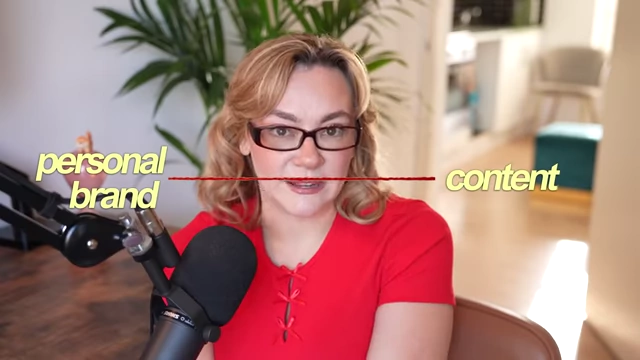
The "red thread" visually connects your personal brand to your content. [ 00:01:40 ] - Signature Toolkit: This involves defining your "thing" (your niche or what you dominate), your visual signatures (consistent colors, fonts, camera angles, lighting, editing style), and your verbal signatures (hooks, phrases, catchphrases).
The speaker introduces "your thing" as a core element of your signature toolkit. [ 00:15:46 ] - Signature Series: This is a recurring, bingeable content format that reinforces your brand. It should be unique, sustainable, branded with a catchy name, and anchored by a ritual.
- Content Pillars: For content to succeed in 2025 and beyond, it must either educate, inspire, intrigue, or entertain the audience, moving beyond generic lifestyle content.
- Actionable Steps: The video encourages creators to plan their personal brand toolkit and signature series, then execute by posting the first episode within seven days.
The Red Thread: Tying Personal Brand to Content [01:32]
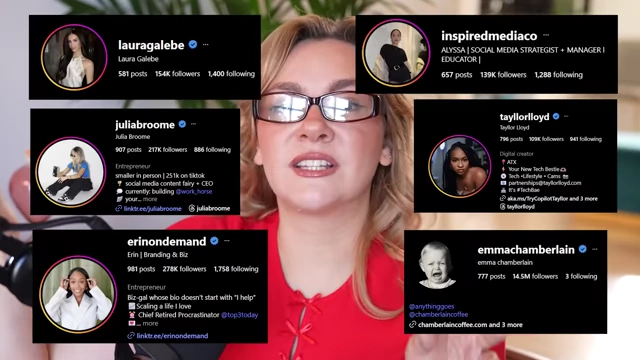
The "red thread" is the unifying element that weaves through all your content, making it intentional and recognizable. It helps audiences associate content directly with you, even before seeing your name. This concept can be observed in successful creators like Taylor Lloyd, known for her consistent green color palette and "life lately" posts, and Julia Broom, who maintains a distinct color story and font style. Some creators, like Erin on Demand, utilize a "signature series" to create a bingeable format that builds an invested audience.
- Two Types of Red Threads [04:09]
- Physical Red Thread [04:17]
- These are repetitive visual elements in your content:
- Fonts
- Editing style
- Attire and overall aesthetic
- Color palette (e.g., the speaker uses butter yellow in all her stories and text to create a recognizable thread, leading to association with a yellow emoji).

An example of Taylor Lloyd's content showcasing her consistent visual brand. [ 00:02:30 ]
- For guidance on defining these elements, refer to the first episode of the personal branding course, which covers mood boards, fonts, visuals, and emojis.

A mood board showing the speaker's brand colors: butter yellow, chocolate browns, and burgundies. [ 00:05:24 ] - Emotional Red Thread [05:58]
- This refers to the energy or feeling your audience consistently experiences from your content.
- Examples:
- Emma Chamberlain: Chaotic, relatable, unfiltered, cool.
- Beyoncé: Powerful, unrelenting, unapologetic, otherworldly.

Beyoncé's Instagram profile used as an example of a powerful emotional brand. [ 00:06:20 ] - The speaker: Relatable, down-to-earth, cozy, comforting (initially battled this, but embracing it led to magnetism).
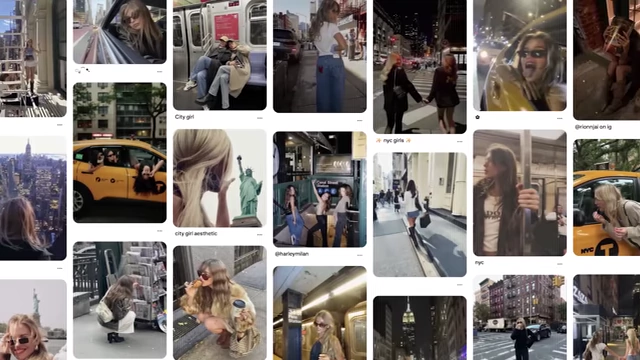
A Pinterest board showcasing the "New York cool girl" aesthetic the speaker initially tried to emulate. [ 00:06:41 ] - How to Discover Your Emotional Red Thread [07:29]
- Be Your Authentic Self: Embrace your natural personality, even the "unconventional" parts, as authenticity creates magnetism (e.g., Megan Thee Stallion's love for anime, Billie Eilish's anti-conventional beauty aesthetic).
- Leverage Audience Feedback: - For businesses: Analyze Google reviews for recurring descriptive words. - For content creators: Check comments for terms people use to describe you (e.g., funny, real, relatable).
- Engage Directly with Your Audience: - Use Instagram story question boxes, but frame your request as seeking help ("I'm stuck, what words do you associate with me?"). People love to help, not to do your work.
- Starting from Scratch: - Identify 1-2 words describing how you want people to feel when consuming your content. - Match these words to a celebrity or online personality who embodies that energy (e.g., Beyoncé for power, Sabrina Carpenter for cheeky confidence, Molly Mae for soft luxury, Taylor Swift for storytelling). - Study their approach to communication, marketing, and fan interaction to draw inspiration without copying.
- These are repetitive visual elements in your content:
- The Importance of Niching [13:19] - It's crucial to niche down specific aspects of your brand to achieve recognizability and dominate an industry. - Celebrities like Taylor Swift or Beyoncé don't need to niche because they are already established. However, for aspiring creators, niching is business 101. - Even large companies like Apple, despite their size, focus on specific product categories (phones, computers, headphones) rather than selling "everything." - Consistency in your "red thread" through repetition makes you recognizable and helps dominate your niche.
A Signature Toolkit [15:19]
A signature toolkit clarifies your brand elements for consistent content creation.
1. Know Your "Thing" [15:42] - This is what you're known for, what you dominate, and what people associate with your name.
- It should be specific and not "overdone" (e.g., "soft glam" for makeup artists is too generic). Instead of "bridal makeup artist," specify "editorial bridal makeup artist." - Examples: Taylor Lloyd's "tech baddie" persona, Mario's "Kim K contour," Nikki Makeup's iconic lash style. - Finding Your "Thing":
The speaker introduces "your thing" as a core element of your signature toolkit. [ 00:15:46 ] - Audit Your Past Work: Screenshot or save content you enjoyed creating or that performed well. Look for recurring themes or common threads.
- Embrace Life Experiences: Sometimes, your "thing" emerges through lived experiences and time, rather than strategic exercises. Don't force it if it's not immediately apparent.
2. Know Your Visual Signatures [19:00] - These are the consistent visual elements that thread through your content:
- Color palette
- Fonts (avoid inconsistent fonts across posts)
- Camera angles
- Lighting
- Editing style
- Document these in a brand kit, mood board, or notes for quick reference, as "what we name, we claim."
3. Know Your Verbal Signatures [19:54] - These are consistent audible elements in your content:
- Hooks
- Talking style
- Video intros
- Phrases or catchphrases
- Aim for a consistent verbal element without becoming robotic.
4. Know Your Emotional Signature [20:29] - This is the consistent energy or feeling your audience gets from your brand (e.g., confidence, calm, chaos).
When these four elements (your "thing," visual, verbal, and emotional signatures) are aligned, people will recognize your content before seeing your name.
Your Signature Series [22:41]
A signature series is a recurring, unique, and bingeable content format that makes your brand iconic.
- 1. Be Known for It [24:56] - The series should align with your larger goals and your "thing" that you want to be known for. If it becomes highly successful, you should be happy to be associated with it (e.g., being "the plant girl" if a plant series takes off).
- 2. Pick a Sustainable Format [25:29] - Choose a format that is easy to produce consistently, not just for a couple of episodes. Sustainability over complexity is key.
- 3. Brand It with a Unique Name [26:11] - Give your series a catchy, juicy, and unique name that hasn't been overdone (e.g., "Glow-up Diaries" is too common). - Examples: "Hot Rich CEO Summer," "The Errors Tour, Kayleigh's Version." - Julia Broom is recommended as a resource for unique signature series ideas.
- 4. Anchor It with a Ritual [27:22] - Incorporate a consistent starting ritual or visual cue for each episode, like Emma Chamberlain's coffee or a specific hook, to signal to the audience that "their show is on."
- 5. Plan and Execute [27:54]
- Plan the First Five Episodes: Ensure you have enough solid ideas to sustain the series.
- Content Pillars for Success: For content to thrive in 2025 and beyond, it must meet one of these four criteria, given the current state of "overconsumption":
- Educate: Provide valuable information or teach a skill.
- Inspire: Evoke emotion and motivate action (e.g., follow a journey, aspire to a lifestyle).
- Intrigue: Spark curiosity and make people want more.
- Entertain: Be enjoyable and make people want more entertainment. - Note: Generic lifestyle content often struggles because it fails to consistently hit these markers.
- 6. Execute with Hype [30:00] - Once planned, film and release the series. - Build excitement and promote it as if it's a major production, as the energy you invest will reflect in its reception.
Outro [30:45]
The video concludes by reiterating the importance of moving from planning to action, encouraging viewers to define their brand kit and signature series, and to post their first episode within seven days.