The Oubliette: A Historical Examination of the Cruel Prison and the Enduring Mystery of the Man in the Iron Mask
The Oubliette was a medieval and early modern punishment designed for utter disappearance, derived from the French word "oublier," meaning "to forget." Unlike public corporal or capital punishments, the Oubliette was a deep, narrow, dark, and often wet underground shaft with only a trap door at the top. Prisoners, sometimes forced to stand for years, faced extreme sensory deprivation including total darkness, silence, and cold, leading to severe psychological distress, hallucinations, and loss of identity before succumbing to starvation, exposure, or madness. Records of Oubliette use are scarce due to its purpose of complete erasure, making the case of the "Man in the Iron Mask," imprisoned in such conditions for 34 years in the Bastille, one of the few confirmed instances that highlights the terrifying effectiveness of this cruel punishment.

The Oubliette and the Man in the Iron Mask: An Introduction [00:00:00]
On December 19, 1702, a man, later known as the Man in the Iron Mask, was imprisoned in an oubliette within the Bastille prison in Paris.

- The Oubliette is a pitch-black underground dungeon designed for victims to be forgotten. [00:00:26]
- The "Man in the Iron Mask" remains an enigma, with guards forbidden to communicate with him or even know his identity. [00:00:56]
- Guards would only provide minimal sustenance like fetid water and moldy bread. [00:01:01]
- His face was never seen, and those who saw it were sworn to secrecy. [00:01:15]

A historical illustration showing the "Man in the Iron Mask" in his cell, wearing a mask, with a guard in the doorway. [ 00:01:30 ] - The name "Man in the Iron Mask" comes from rumors about the mask he was forced to wear. [00:01:29]
- The term "Oubliette" originates from the French word "oublier," meaning "to forget," reflecting the punishment's purpose of total erasure. [00:01:40]
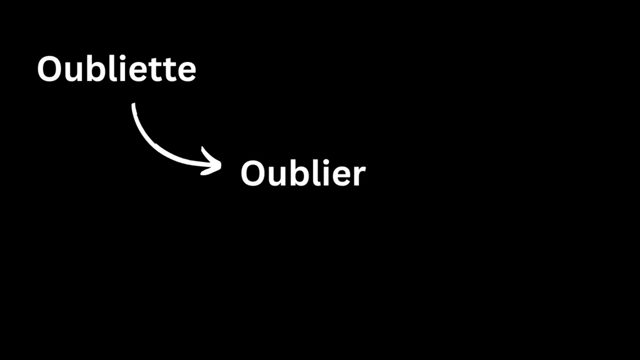
A simple diagram illustrating the etymology of "Oubliette" from the French word "Oublier" (to forget). [ 00:01:46 ] - This punishment was so effective that historical records of its use are extremely rare. [00:02:01]
The Historical Context of Punishment in Medieval and Early Modern Europe [00:02:33]
During the medieval and early modern periods, imprisonment was not a primary form of punishment.
- Punishments were typically swift and public, emphasizing corporal punishments (like flogging) or capital punishments (like hanging). [00:02:36]
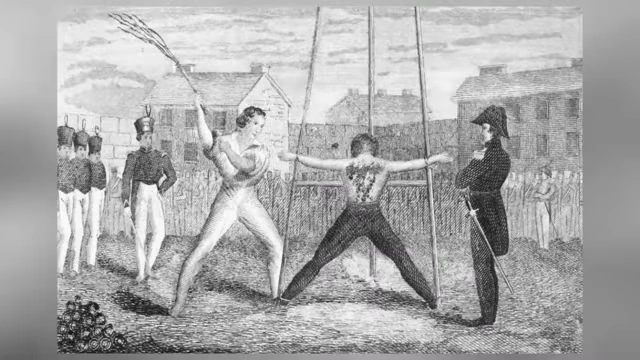
An old illustration depicting a man being publicly flogged as a form of corporal punishment. [ 00:02:43 ] 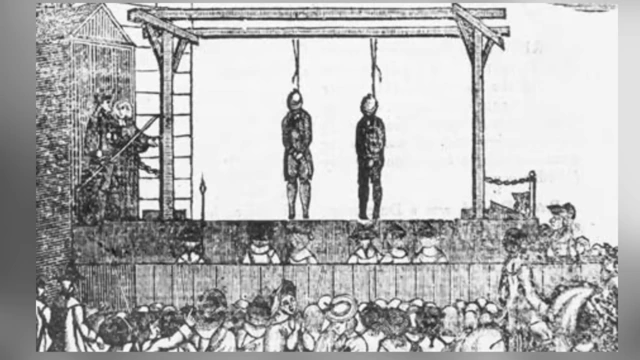
A historical illustration showing two figures being publicly hanged as a form of capital punishment. [ 00:02:46 ] - Reasons for public punishments:
- Economic: Keeping prisoners fed and housed was expensive, and they couldn't contribute labor. [00:02:48]
- Religious: Serious crimes were believed to morally pollute the community, and public punishment was seen as a way to cleanse this corruption and restore harmony. [00:02:58]

A historical illustration depicting a public execution or torture scene, emphasizing the public nature of medieval punishments. [ 00:03:15 ]
- Prisons were primarily used for:
- Holding hostages from wealthy families or rival political factions for negotiations and settlements. [00:03:22]

A medieval illustration showing two figures imprisoned in a castle window, possibly as hostages awaiting negotiation. [ 00:03:30 ] - These captives were usually kept in standard castle dungeons until their release. [00:03:36]
- Holding hostages from wealthy families or rival political factions for negotiations and settlements. [00:03:22]
The Horrific Nature of the Oubliette Punishment [00:03:47]
The oubliette was a unique and particularly cruel type of dungeon designed for long-term, secret imprisonment, often leading to death.
- Physical Design:
- A narrow, vertical shaft, sometimes too tight to sit or stand comfortably. [00:04:04]
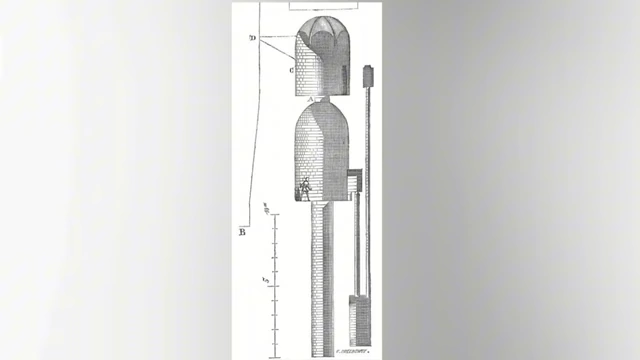
A technical drawing or diagram illustrating the cross-section of a narrow, vertical prison shaft, typical of an oubliette. [ 00:04:06 ] - Had a single trapdoor at the top for lowering victims. [00:04:09]
- No windows, no light, no comforts. [00:04:12]
- Often, the oubliette was so tight that the victim was forced to stand for the entirety of their time. [00:04:31]
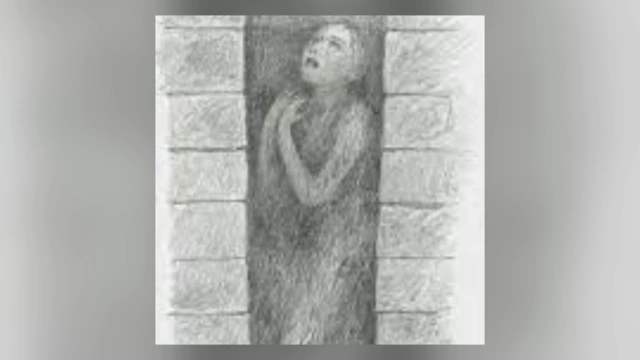
An illustration of a person trapped in a narrow stone shaft, looking upwards, highlighting the extreme confinement. [ 00:04:35 ]
- A narrow, vertical shaft, sometimes too tight to sit or stand comfortably. [00:04:04]
- Environmental Conditions:
- Absolute Darkness: Not just natural darkness, but an unyielding, suffocating blackness where eyes never adjusted, blurring days and nights. [00:05:03]
- Extreme Cold and Dampness: Dug deep into stone, constantly wet and bitterly cold, leading to perpetually wet clothes, skin blistering, and aching joints. [00:05:22]
- Filth: Located at the bottom of castle structures, waste from latrines and groundwater would accumulate, leaving victims submerged in foul water and decaying remains of previous prisoners. [00:04:47]

A diagram showing a cross-section of a castle tower with an oubliette at its base, illustrating how waste from upper levels would accumulate in the dungeon. [ 00:04:49 ] - Rats: Rodents were a constant presence, gnawing at the victims, especially when they were weak or asleep. [00:06:53]
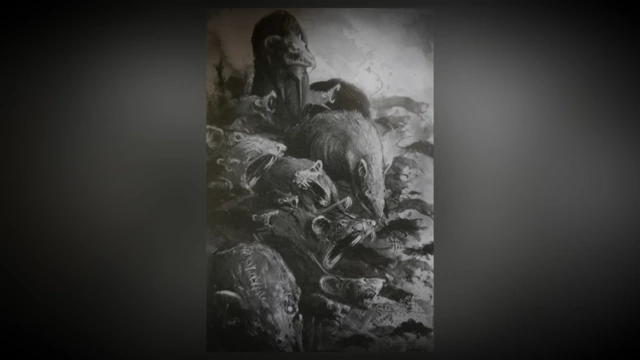
A dark, monochrome illustration depicting numerous rats swarming around a prone or weak figure. [ 00:06:59 ]
- Sensory Deprivation and Psychological Effects:
- Silence: Broken only by distant echoes, rat scurrying, or the occasional sound of the trapdoor, leading to profound solitude. [00:05:40]
- Loss of Time and Self: The absence of light and human contact made it impossible to track time, leading to a loss of speech, memory, and sense of identity. [00:05:56]
- Hallucinations and Psychotic Breaks: Modern psychology studies on solitary confinement confirm that complete isolation rapidly causes anxiety, paranoia, insomnia, hallucinations, and psychotic breaks. [00:07:45]
- The Oubliette, lacking even basic amenities of modern solitary cells, would cause the brain to fracture and create its own stimulation. [00:08:19]

An abstract, eerie image depicting a distorted, screaming face in darkness, representing the intense mental anguish caused by sensory deprivation. [ 00:05:44 ] - Prisoners might speak to walls, sing for hours, or become completely unresponsive. [00:07:27]

An abstract, dark illustration showing a figure surrounded by hands and shadows, symbolizing overwhelming psychological distress and a fracturing mind. [ 00:08:27 ]
- The Oubliette, lacking even basic amenities of modern solitary cells, would cause the brain to fracture and create its own stimulation. [00:08:19]
- Methods of Death: While starvation and exposure were common, the psychological torment was often the most brutal. [00:06:21]
- Food and water were sometimes given sparingly to prolong suffering rather than to sustain life. [00:06:26]
- Hypothermia was a slow killer, especially in winter. [00:06:43]
- Infections from the unsanitary conditions would fester. [00:06:46]
- The ultimate goal was to "unmake" the person completely, erasing their identity and history. [00:08:56]
The Rarity of Records and the Case of the Man in the Iron Mask [00:09:03]
The Oubliette was designed to make people vanish completely, which explains the scarcity of historical records.
- Recording such disappearances would defeat the purpose of erasure. [00:09:10]
- Despite scarce official records, the concept of such hidden dungeons appears in whispers and rumors across Europe. [00:09:35]
- Castles in the Loire Valley have narrow stone shafts matching the oubliette design. [00:09:40]
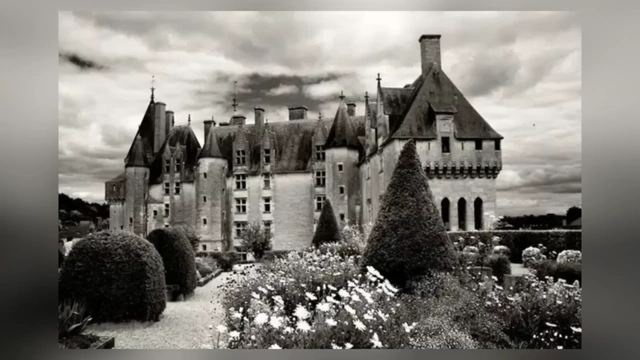
A black and white photograph of a historic French castle in the Loire Valley, where such hidden shafts are found. [ 00:09:44 ] - Scottish and German "bottle dungeons" were similar deep pits used for political enemies. [00:09:50]
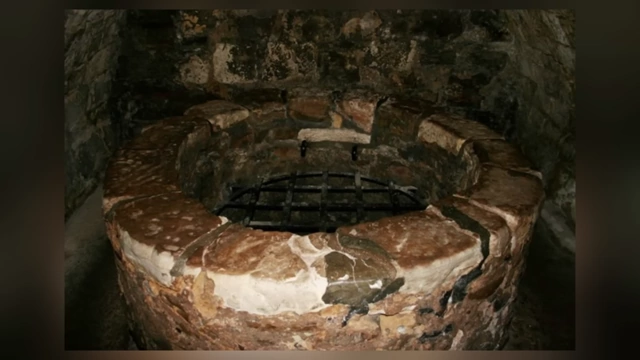
A stone "bottle dungeon," a deep, circular pit with a barred opening, similar to an oubliette, used for imprisonment. [ 00:09:57 ]
- Castles in the Loire Valley have narrow stone shafts matching the oubliette design. [00:09:40]
- The Man in the Iron Mask: This famous case serves as one of the few confirmed instances that supports the existence and terror of the oubliette. [00:10:02]
- Arrested in 1669 under a false name, he was held for 34 years in France's most secure prisons, including the Bastille. [00:10:10]
- Strict orders were given to prevent anyone from speaking to him, seeing him, or discovering his identity. [00:10:26]
- He was forced to wear a mask (either velvet or iron, according to various accounts). [00:10:33]

A detailed historical illustration of the "Man in the Iron Mask" wearing a distinctive full-face mask, sitting in a cell. [ 00:11:20 ] - He died in 1703 and was buried under a false name, his true identity remaining unknown despite centuries of theories. [00:10:40]
- The mystery highlights the oubliette's true function: not just a prison, but an act of complete erasure from history and memory. [00:11:03]