Dr. Anna Lembke's Master Class: Rewiring Your Brain for Dopamine Balance and Overcoming Compulsive Behaviors
Summary:
This MasterClass with Dr. Anna Lembke, a Stanford addiction psychiatrist, helps viewers understand and reset their brain's reward system to address compulsive behaviors and dopamine overload.
- Dr. Lembke shares her personal struggle with romance novel addiction to illustrate how seemingly harmless activities can become problematic.
- She explains that dopamine is a key neurotransmitter for motivation, not just pleasure, and that continuous overstimulation leads to a "dopamine deficit state" making the brain seek more intense rewards just to feel normal.
- The class delves into the "pleasure-pain balance" and how modern life's constant access to "frictionless pleasures" re-wires our brains, increasing vulnerability to addiction.
- Dr. Lembke outlines five characteristics of addictive substances/behaviors: easy access, quantity, potency, novelty, and uncertainty.
- She introduces a 30-day "dopamine fast" as a science-backed strategy to reset reward pathways, warning that individuals will feel worse before feeling better due to withdrawal symptoms.
- The class also covers "self-binding" strategies (space, time, meaning, people) and applies them to common addictions like digital media, sex/pornography, food, work, and cannabis, providing actionable steps for each.
- Finally, Dr. Lembke emphasizes that recovery isn't a straight line and encourages finding alternative, effortful activities to re-earn natural dopamine.
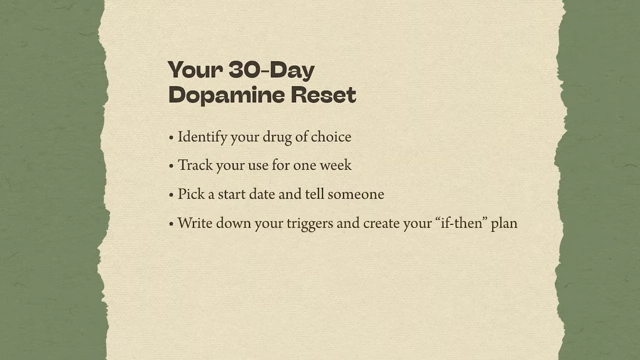
Dr. Anna Lembke's 30-Day Dopamine Reset plan [ 00:43:09 ]
Introduction to Dopamine and Addiction [0:34]

- Dr. Anna Lembke, a Stanford addiction psychiatrist, introduces her MasterClass by sharing her personal experience with addiction to romance novels. [0:34]
- She describes how reading the "Twilight" series led her to compulsively consume more and more vampire romance novels, progressing to more graphic content after acquiring a Kindle. [0:41]

Twilight book series cover [ 00:00:49 ] 
Shelf of various "Romentasy" novels [ 00:01:14 ] 
Hand scrolling through a book on a Kindle e-reader [ 00:01:29 ] - This addiction resulted in sleep deprivation, decreased joy in other activities, irritability, anxiety, and depression. [4:08]
- She highlights her realization of the link between her compulsive reading and declining mental health, culminating in a moment of self-reflection while reading "Fifty Shades of Gray." [4:31]

Cover of Fifty Shades of Grey displayed on an e-reader [ 00:04:52 ]
- She describes how reading the "Twilight" series led her to compulsively consume more and more vampire romance novels, progressing to more graphic content after acquiring a Kindle. [0:41]
- Dopamine is explained as a key molecule for pleasure, reward, and motivation. [2:22]
Conceptual image of the human brain with highlighted areas representing neural activity [ 00:02:20 ] - Dopamine itself is not addictive; it acts as a signal for motivation to pursue rewards. [2:51]
- An experiment with rats lacking dopamine receptors illustrates that while they can experience pleasure from food, they lack the motivation to seek it if it's not immediately accessible. [3:11]

A rat in a lab setting with food in a petri dish [ 00:03:21 ]
- The class aims to teach about dopamine's function, how modern life fosters addiction, and strategies for achieving balance, including a 30-day dopamine reset based on science-backed strategies, not "TikTok hacks." [5:58]
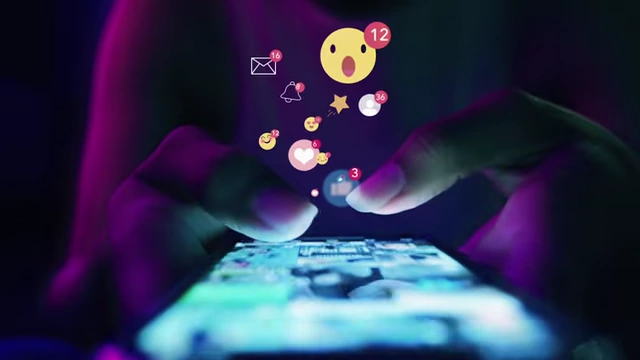
Smartphone displaying social media notifications [ 00:05:49 ]
The Pleasure-Pain Balance and Neuroadaptation [7:14]

- The "pleasure-pain balance" is a metaphor for how the brain processes pleasure and pain. [7:17]
- This process is called neuroadaptation. [8:04]
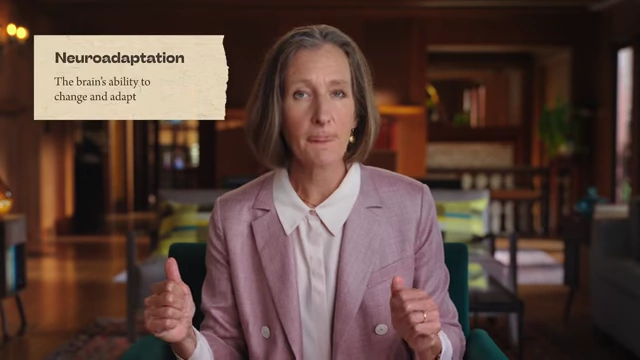
On-screen text defining "Neuroadaptation" as the brain's ability to change and adapt [ 00:08:08 ] - Neuroadaptation leads to a dopamine deficit state, manifesting as a "hangover," "comedown," or craving, where more of the addictive substance/behavior is needed to feel normal. [8:08]
- Modern life, with its constant, frictionless access to pleasures, overstimulates our reward pathways, causing a chronic dopamine deficit and contributing to rising rates of anxiety, depression, and despair. [11:37]
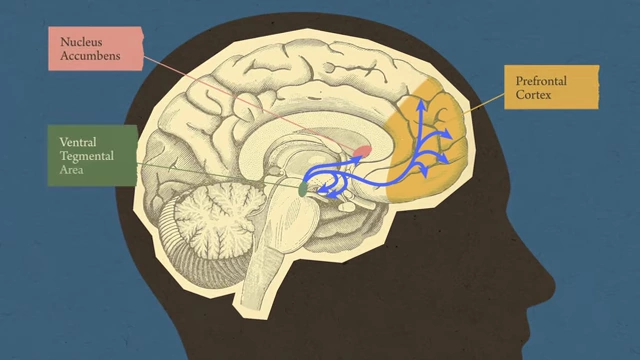
Diagram illustrating the brain's reward pathway, highlighting the prefrontal cortex, nucleus accumbens, and ventral tegmental area [ 00:10:12 ] 
A supermarket aisle with rows of packaged snacks, displaying "OVERABUNDANCE ITSELF" text [ 00:22:00 ]
Five Characteristics of Addictive Substances and Behaviors [12:26]
- Easy Access [12:31]: The easier something is to access, the more likely it is to become addictive (e.g., Kindle for romance novels). [12:44]
- Quantity [12:57]: Higher frequency and larger quantities of use increase the likelihood of entering a dopamine deficit state. [13:00]
Text on screen: "2. QUANTITY" [ 00:12:58 ] - Potency [13:18]: Drugs/behaviors that release more dopamine faster are more potent and thus more addictive. [13:27]
Text on screen: "3. POTENCY" [ 00:13:20 ] - Novelty [14:21]: New stimuli are highly sensitive to the brain and can overcome tolerance. [14:25]
Text on screen: "4. NOVELTY" [ 00:14:23 ] - Uncertainty [15:33]: Less predictable rewards are more reinforcing. [15:36]
Text on screen: "5. UNCERTAINTY" [ 00:15:36 ] - Studies on pathological gamblers show increased dopamine firing for both wins and losses, as the uncertainty and "loss chasing" keep them hooked. [15:43]

People excitedly celebrating a win at a slot machine [ 00:15:46 ] 
A man looking distressed while playing a slot machine, illustrating a loss [ 00:15:52 ] 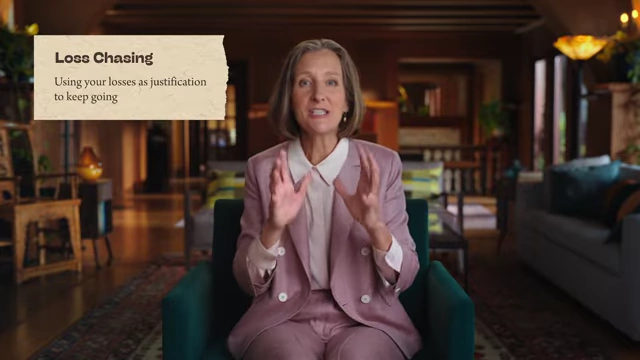
On-screen text defining "Loss Chasing" as using losses as justification to keep going [ 00:16:16 ] - Cues associated with rewards (e.g., smartphone notifications) can trigger dopamine release, but if the reward isn't delivered, it leads to a dopamine deficit state, increasing craving. [16:41]

A man looking stressed while scrolling on his phone, with chat bubble overlays [ 00:17:42 ]
- Studies on pathological gamblers show increased dopamine firing for both wins and losses, as the uncertainty and "loss chasing" keep them hooked. [15:43]


Identifying Compulsive Overconsumption [17:58]

- Our brains naturally minimize harms and maximize benefits, making it hard to recognize compulsive overconsumption. [18:02]
- Five Soft Signs of a Problem:
- Comments from others [18:28]: Friends or loved ones noticing and commenting on your behavior (e.g., "You're on your phone a lot"). [18:31]
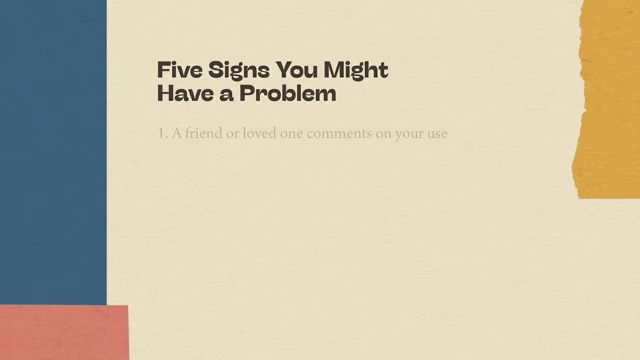
On-screen text describing the first sign of a problem: "A friend or loved one comments on your use" [ 00:18:31 ] - The "lying habit" [18:48]: Minimizing or lying about your consumption to yourself and others, which can generalize to other areas of life. [18:52]
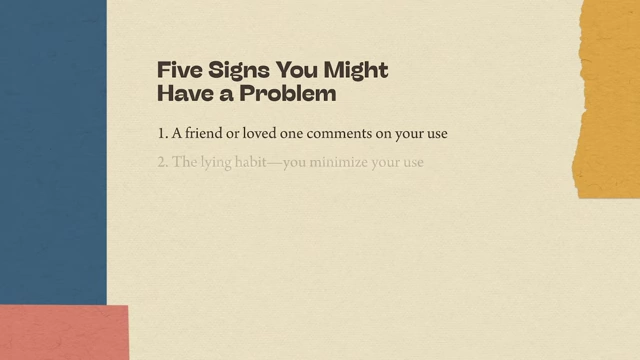
On-screen text describing the second sign of a problem: "The lying habit—you minimize your use" [ 00:18:49 ] - Mental health decline [19:22]: Unexplained anxiety, depression, inattention, irritability, or insomnia, which can be linked to the "drug of choice" despite feeling good in the moment. [19:24]
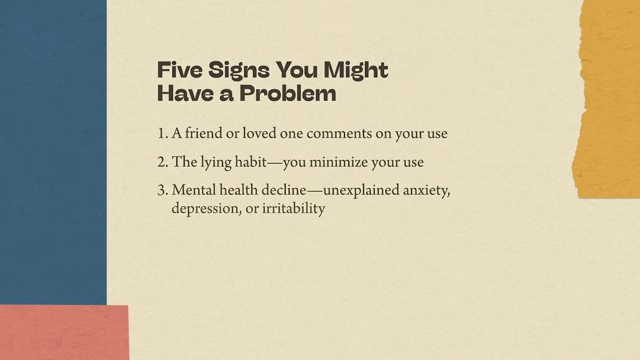
On-screen text describing the third sign of a problem: "Mental health decline—unexplained anxiety, depression, or irritability" [ 00:19:26 ] - Opportunity costs [20:11]: Not engaging in valued activities due to time spent on the compulsive behavior (e.g., excessive digital media consumption). [20:17]

On-screen text describing the fourth sign of a problem: "Opportunity costs—you’re not doing things you value" [ 00:20:15 ] - Terror or freefall at stopping [20:56]: Feeling intense dread or fear when needing to stop or give up the behavior. [21:01]
- Comments from others [18:28]: Friends or loved ones noticing and commenting on your behavior (e.g., "You're on your phone a lot"). [18:31]
The Plenty Paradox and Hormetic Stressors [21:36]
- The "Plenty Paradox" describes how wealthier nations, despite increased material comforts, experience rising rates of anxiety, depression, and despair. [21:36]
- Overabundance itself is a modern stressor, overwhelming our ancient brains with constant dopamine hits, leading to chronic dopamine deficit where even potent rewards lose their appeal. [22:02]
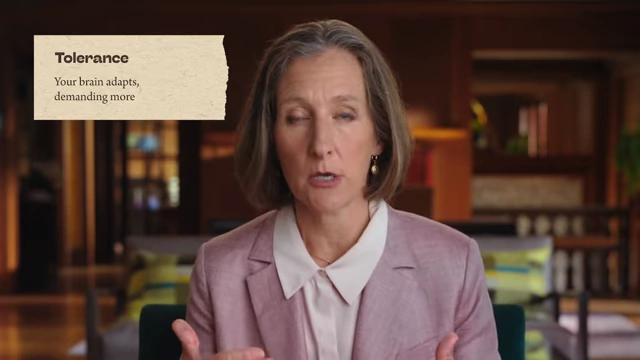
- To counteract this, we need to intentionally seek out "hormetic stressors" – mild to moderate toxic, noxious, or painful stimuli. [22:52]
- Hormesis, a Greek term meaning "to set in motion," explains how such exposure makes organisms more resilient. [23:02]
- When the body senses injury (e.g., from exercise), it upregulates natural feel-good hormones and neurotransmitters like dopamine. [23:28]
- This "earned" dopamine is more immune to addiction because it doesn't lead to a dopamine deficit state, thus reducing craving and compulsive overuse. [24:33]
- Examples of hormetic stressors include:
- Cold exposure (ice baths, cold showers). [25:59]

A showerhead with water spraying down [ 00:26:20 ] - Exercise. [24:00]

A woman looking exhausted but fulfilled after a run outdoors [ 00:24:29 ] - Meditation and prayer (effortful practices done consistently). [25:12]

A man meditating peacefully in a natural setting [ 00:25:29 ] 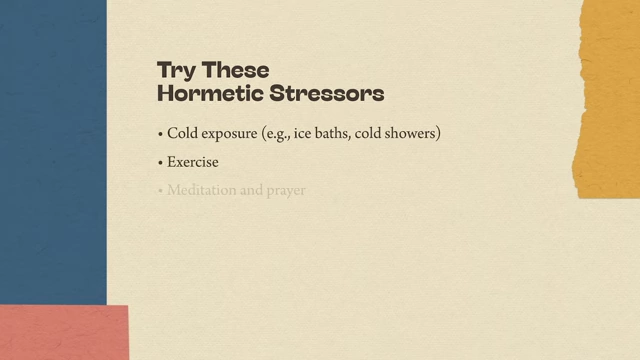
List of hormetic stressors: Cold exposure, Exercise, Meditation and prayer [ 00:26:32 ]
- Cold exposure (ice baths, cold showers). [25:59]
The 30-Day Dopamine Fast [29:31]

- The 30-day dopamine fast (abstinence trial) involves abstaining from the "drug of choice" for a sufficient period to restore homeostasis in the pleasure-pain balance. [29:49]

A set of golden scales in perfect balance [ 00:30:15 ] - Expectations during the fast:
- You will feel worse before you feel better, particularly during the first 10-14 days. [31:24]
- Universal withdrawal symptoms include anxiety, irritability, insomnia, depression, and craving. [32:15]
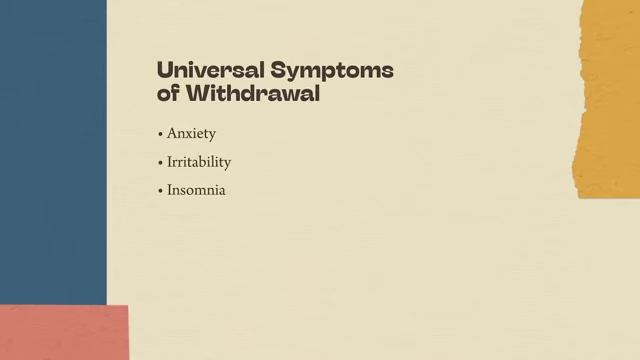
On-screen text listing "Universal Symptoms of Withdrawal": Anxiety, Irritability, Insomnia [ 00:32:22 ] - Dr. Lembke shares her own experience of intense discomfort in the first week of abstinence from romance novels, gradually improving by weeks three and four. [32:26]
- Preparing for Success (Your 30-Day Dopamine Reset Plan) [33:11]:
- Choose a start date and tell someone for support and accountability. [33:13]
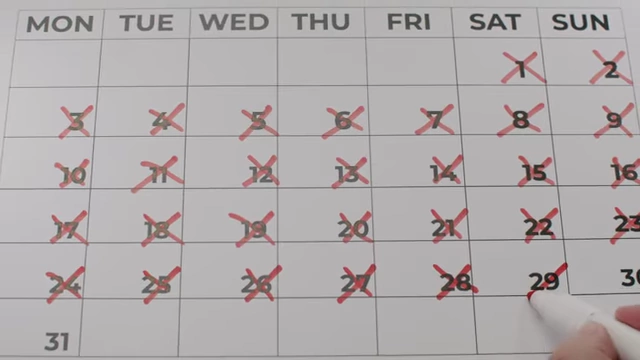
A calendar with days crossed out in red [ 00:06:14 ] - Write down your triggers (people, places, things that incite craving) and create an "if-then" plan for coping (e.g., "If I feel a craving for X, then I can do Y"). [33:48]

A person playing a mobile racing game on a smartphone [ 00:34:15 ] 
A person watching a video game stream on YouTube [ 00:34:21 ] 
A person scrolling through music playlists on a smartphone [ 00:34:39 ] 
On-screen text: "IF-THEN" phrasing [ 00:34:44 ] - Choose self-binding strategies. [36:19]

Title card: "Self-Binding Strategies" [ 00:36:15 ] - Space: Create physical distance from your drug of choice (e.g., deleting apps, removing trigger foods). [37:04]
- Time: Set specific days/hours for use, or abstain for a set period (like the 30-day fast), or use it as a reward after achieving a goal. [37:34]
- Meaning: Reflect on how your use aligns with your values; consider whether you'd be comfortable sharing your consumption habits with others. [38:17]

On-screen text: "3. MEANING" [ 00:38:21 ] - People: Surround yourself with individuals whose consumption habits align with your goals, or seek out mutual support groups. [39:06]

On-screen text: "4. PEOPLE" [ 00:39:07 ] 
A group of people sitting in a circle during a support group meeting [ 00:39:29 ]
- Choose a start date and tell someone for support and accountability. [33:13]
Breaking Free from Specific Addictions [44:19]
- Digital Media Addiction [44:19]:
- Patient case study: A young man addicted to TikTok, spending 8-9 hours daily, leading to anxiety, rumination, dropping out of school, and severe sleep deprivation. [44:26]

A person scrolling through a TikTok feed on a smartphone [ 00:44:45 ] 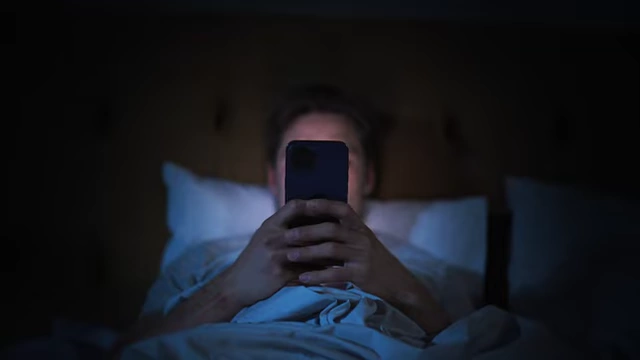
A person using a smartphone in bed at night [ 00:45:18 ] - Self-binding strategies: Delete apps, use a smaller phone, switch to grayscale mode, set time limits, and schedule alternative activities during usual usage times. [45:21]
List of Digital Media Self-Binding Strategies [ 00:47:05 ]
- Patient case study: A young man addicted to TikTok, spending 8-9 hours daily, leading to anxiety, rumination, dropping out of school, and severe sleep deprivation. [44:26]
- Sex Addiction [47:29]:
Title card: "Sex Addiction" [ 00:47:26 ] - Manifests in various ways, from online pornography to the pursuit of romantic attachment. [47:32]
- Tolerance is common, leading to a need for more graphic or deviant content. [48:16]
- Self-binding strategies: Remove physical barriers (flip phones, blockers, deleting dating apps), 30 days of complete abstinence from pornography and orgasm (solo or partnered), plan travel to avoid triggers (e.g., remove hotel TVs), and create device-free zones. [50:13]

List of Sex Addiction Self-Binding Strategies [ 00:50:34 ]
- Food Addiction [51:04]:

Title card: "Food Addiction" [ 00:51:01 ] - Focuses on ultra-processed foods, which are "drugified" by unhealthy fats, sugar, salt, and flavorants. [51:25]

A tray of various donuts with colorful sprinkles and glazes [ 00:51:11 ] - Mindful eating alone may not be sufficient for severe food addiction. [52:37]
- Self-binding strategies: Remove ultra-processed foods from the home, identify high-risk times for cravings and plan alternatives, and find non-food rewards. [53:27]
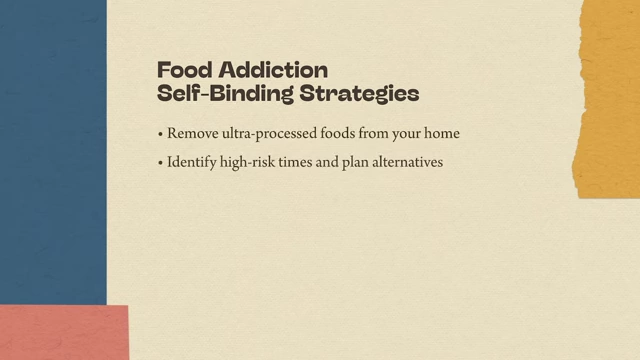
List of Food Addiction Self-Binding Strategies [ 00:53:35 ]
- Focuses on ultra-processed foods, which are "drugified" by unhealthy fats, sugar, salt, and flavorants. [51:25]
- Workaholism [53:49]:

Title card: "Workaholism" [ 00:53:47 ] - A culturally celebrated addiction, where overworking is seen as heroism. [53:51]
- Leads to burnout, reliance on stimulants, and then sedatives (work hard, play hard cycle). [54:36]

A messy desk filled with food, drinks, and a laptop, suggesting overworking [ 00:54:40 ] - Self-binding strategies: Set time boundaries (e.g., no emails after 6 PM), remove work apps, turn off notifications, and schedule alternative activities with accountability. [55:57]

List of Workaholism Self-Binding Strategies [ 00:56:13 ]
- Cannabis Addiction [56:34]:
Title card: "Cannabis Addiction" [ 00:56:32 ] - Often misconstrued as non-addictive or medicinal for mental health. [56:49]
- While cannabis may provide short-term relief, it worsens anxiety, depression, and other mental health symptoms in the long run through neuroadaptation. [57:56]
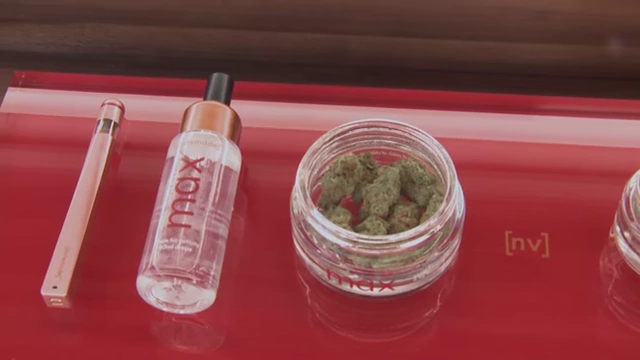
Various cannabis products displayed in a store, including jars of flower and vape pens [ 00:57:43 ] - Withdrawal is typically not life-threatening, making it suitable for a dopamine fast. [58:10]
- Self-binding strategies: Remove access to cannabis and paraphernalia, write down alternative coping strategies for stress and sleep. [58:48]
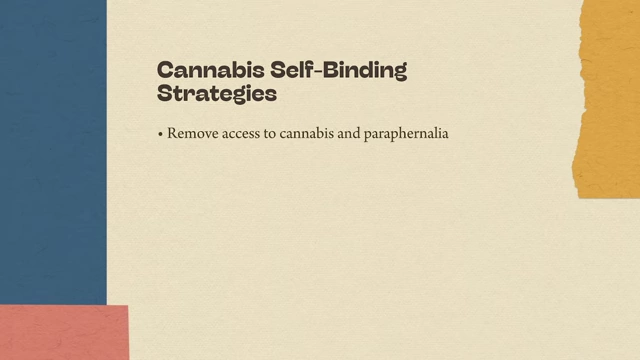
List of Cannabis Self-Binding Strategies [ 00:58:58 ]
Conclusion: The Path to Rediscovering Joy [59:22]

- Being bored can foster creativity and deeper self-reflection. [59:44]
- Dr. Lembke shares that her year-long abstinence from romance novels made her more present and improved her mood, allowing her to reinvest in her family and work, and discover new creative pursuits. [40:33]
- Recovery is not a straight line, and not everyone will feel better after 30 days. [41:51]
- The 30-day fast is recommended for commonplace, milder forms of compulsive overconsumption, but severe addictions require professional medical help. [42:29]
- The ultimate goal is to break free from the "vortex of craving" and rediscover joy in more modest, natural rewards. [42:47]
- The key steps for the 30-day dopamine reset are: identify your drug of choice, track your use, choose a start date and tell someone, write down triggers and create an "if-then" plan, and choose self-binding strategies. [42:54]
List of steps for "Your 30-Day Dopamine Reset" [ 00:43:09 ]