How Connor Burd Built the $20K/Month Payout App Using AI in 14 Days
Connor Burd, a 23-year-old, shares his "vibe coding" framework for building successful mobile apps rapidly using AI. His latest app, Payout, a class action lawsuit discovery tool, achieved $20,000 in monthly revenue within 14 days and won a hackathon. Connor outlines a four-step process:
- 1. Inspiration: Analyze successful apps for design and user experience.
- 2. Onboarding: Focus on crafting an engaging, emotional, personalized onboarding experience with clear benefits and a "scientific" feel, as most users only see this section.
- 3. Data Structures: Define precise data structures (e.g., JSON) to guide AI coding effectively.
- 4. Build: Use AI tools like Claude to generate the app's core functionality quickly from design screenshots, prioritizing rapid deployment over perfection.
He validates ideas by modifying existing ones or checking social media for problems. For marketing, he leverages influencer campaigns and targeted paid ads, balancing entertainment with conversion. His advice is to build simple apps solving core human desires with strong onboarding.
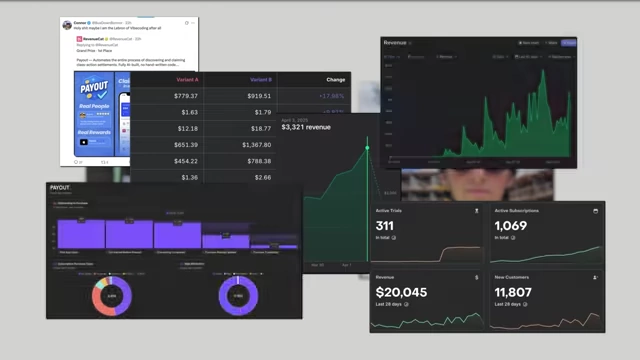
App revenue and subscription growth metrics [ 00:00:07 ]
Who is Connor [0:54]
Connor Burd is a 23-year-old who has successfully developed several mobile applications.
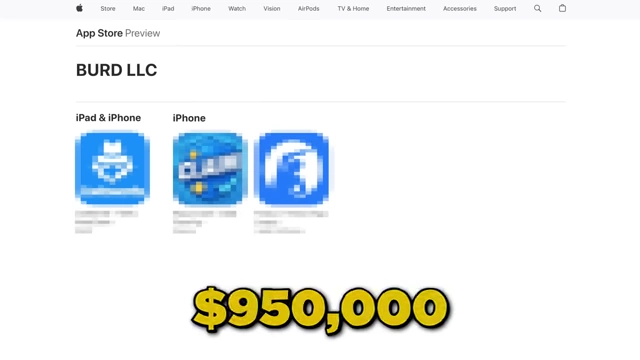
- His apps collectively generate over $1 million in sales annually [0:02].
- He began his entrepreneurial journey about three years ago, learning primarily from YouTube videos and Stack Overflow, without a formal computer science background [1:06].
Numbers Behind His Apps [1:12]
Connor's latest project, the Payout app, achieved significant growth quickly.
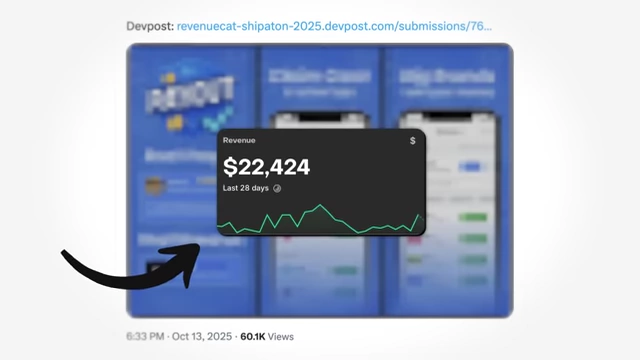
- The Payout app was launched in early August and scaled to $20,000 per month in revenue [1:21].
- It garnered over 12,000 downloads and 1,300 new subscriptions [1:26].
- The app won first place in the Revenue Cat Shipaton competition (a hackathon with over 55,000 entrants), securing a $65,000 prize for demonstrating the most growth over a two-month period [1:31].
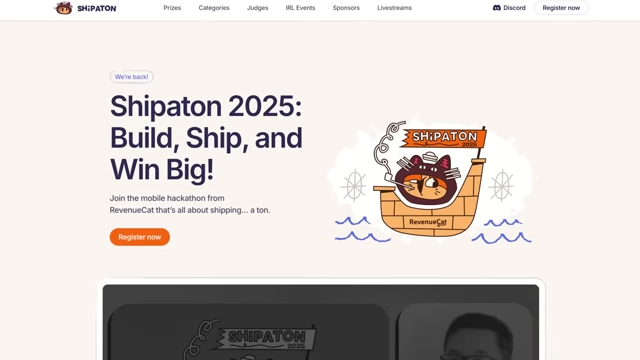
RevenueCat Shipaton 2025, a mobile hackathon [ 00:01:33 ]
Connor's Background and Learning [1:49]
Connor started with no prior coding experience and evolved his approach to app development.
- His first app, "Hotspot Events," a social app, took 6 to 8 months to build and ultimately failed [2:25].
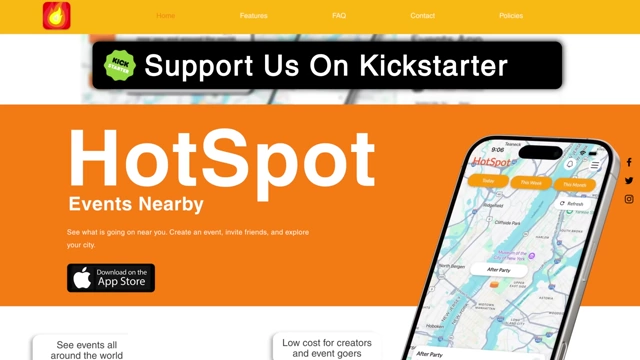
Hotspot Events, Connor's first social app that took 6-8 months to build [ 00:02:27 ] - This experience taught him that social apps are challenging to scale for solo developers [2:32].
- He then shifted his focus to utility and tool-based apps, which he found easier to scale [2:36].
- His journey highlights the importance of iterating and learning from failures.
The Vibe Coding Process [2:46]
Connor's "vibe coding" process is a systematic approach to rapidly build and launch profitable mobile apps.
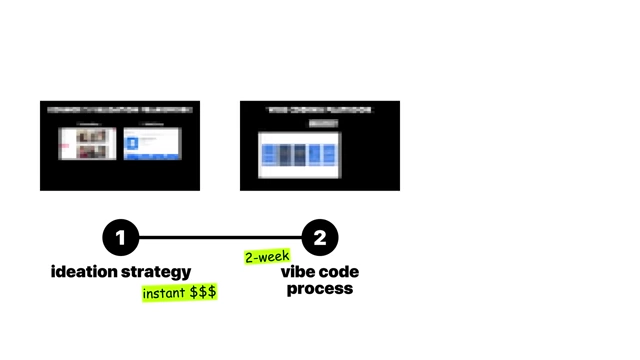
- 1. Inspiration [3:16]
- 2. Onboarding Design [3:27]
- Screenshot every page and onboarding flow from the selected apps [3:27].
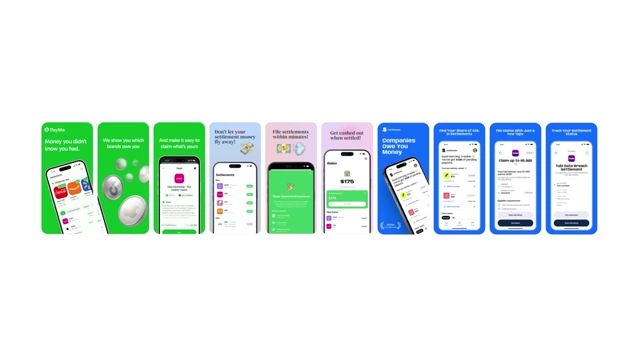
Various app onboarding flows used for design inspiration [ 00:03:30 ] - Arrange these screenshots in a Figma file to visualize all elements (onboardings, questions, graphs) [3:31].
- Select preferred elements and redesign them to fit the app's unique theme and aesthetic [3:37].
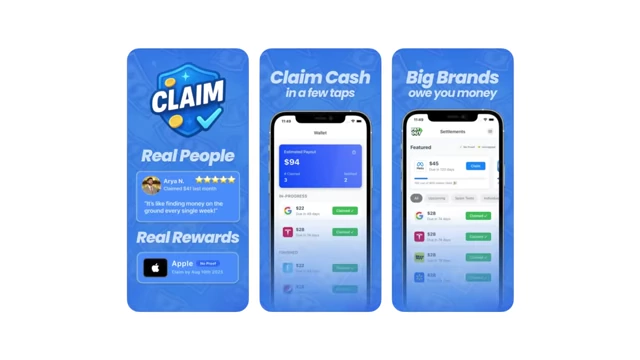
Redesigned onboarding screens for the Payout app [ 00:03:43 ] - Emphasize an extensive onboarding because 90% of users in paywalled apps might only see this section [3:46].
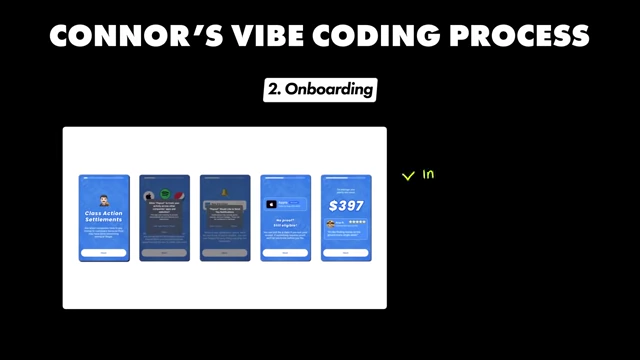
Onboarding screens during Connor's Vibe Coding Process [ 00:04:03 ] - Key elements for an effective onboarding:
- Invoke emotion: Make users feel strongly about the app [4:04].
- Demonstrate benefits: Clearly show how the app improves users' lives [4:15].
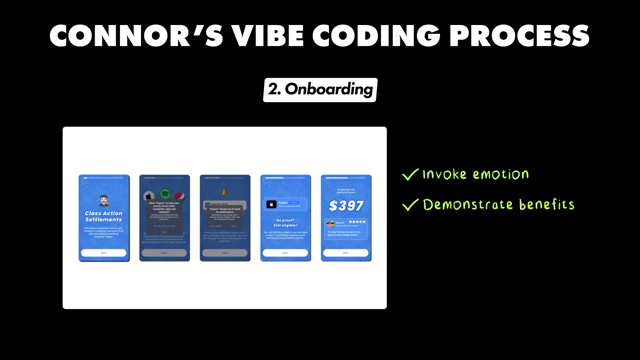
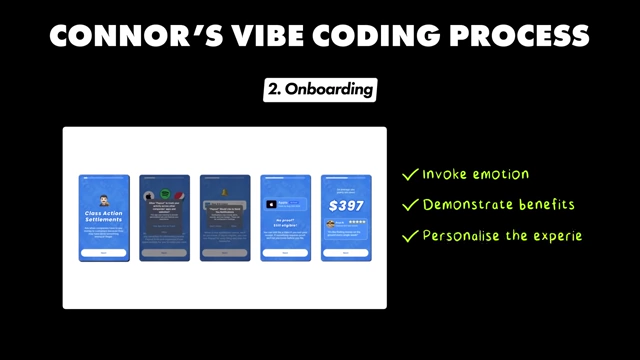
Onboarding design principles: invoking emotion and demonstrating benefits [ 00:04:17 ] - Personalize the experience: Make the app feel tailored to the individual [4:24].
Onboarding design principles: personalizing the experience [ 00:04:25 ] - Include scientific evidence: Use charts or graphs to make the app appear legitimate and proven [4:36].
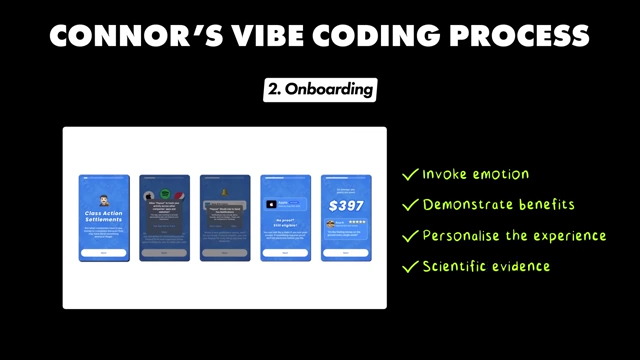
Onboarding design principles: including scientific evidence with charts/graphs [ 00:04:38 ]
- Screenshot every page and onboarding flow from the selected apps [3:27].
- 3. Data Structures [4:51]
- Design clear data structures, such as JSON, to precisely define data format and attributes [4:56].
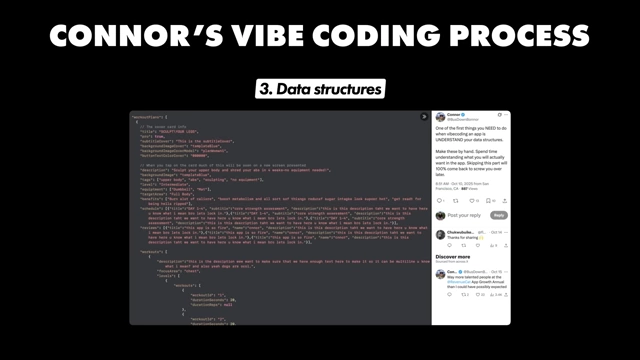
Example JSON data structure for AI coding in the Vibe Coding Process [ 00:04:53 ] - Create a detailed text document explaining the data structure to feed to AI tools, preventing misinterpretations and speeding up development [5:07].
- Design clear data structures, such as JSON, to precisely define data format and attributes [4:56].
- 4. Build with AI [5:21]
- Begin by building the core functionality of the app, temporarily skipping the onboarding [5:26].
- Use AI tools like Claude to generate code directly from the prepared design screenshots [5:31].
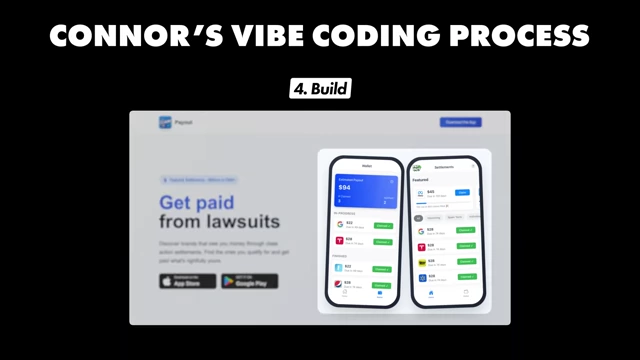
Building the core functionality of the Payout app using AI from screenshots [ 00:05:26 ] - Iteratively refine AI-generated code, understanding that AI may not get everything right on the first attempt [5:43].
- Prioritize getting a functional version out quickly over achieving perfection [5:50].
- Connor primarily uses Claude for AI coding [5:57].
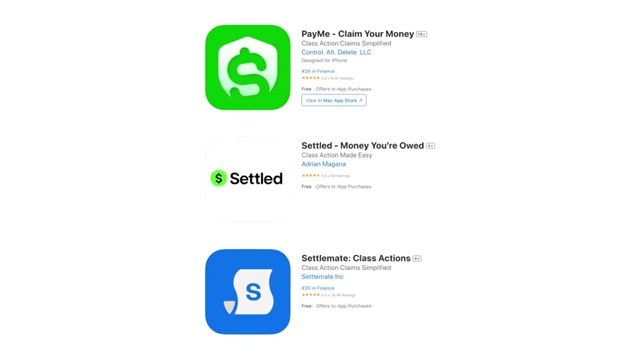
Connor's Validation Framework [7:02]
Connor distinguishes between two types of app ideas for validation.
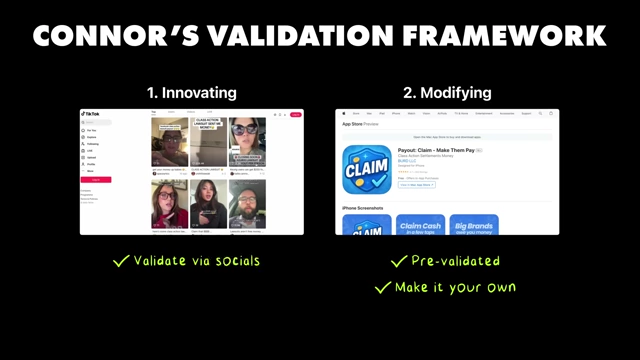
- 1. Modifying Existing Ideas
- 2. Innovating New Ideas
- Validate these ideas by checking social media platforms (TikTok, Instagram) to see if people are discussing the problem the app aims to solve [7:31].
- Look for comments and questions indicating a clear need or interest [7:42].
- Given the speed of AI development, Connor advocates for building the app immediately once an idea is validated, skipping traditional waitlist stages [7:48].
- He believes that even simple apps can generate significant income, as there's a vast user base (hundreds of millions in the US alone), and capturing a small fraction is sufficient [7:53].
Marketing Playbook [8:12]
Connor employs specific strategies for marketing and growing his apps.
- 1. Influencer Campaigns (User-Generated Content - UGC) [8:37]
- Partner with influencers who have an existing audience in the app's niche [8:39].
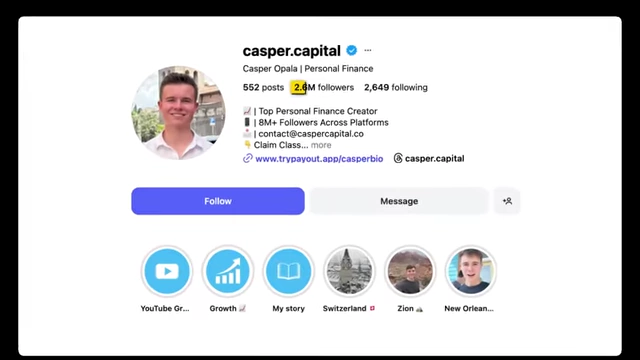
Example of an influencer profile used for marketing campaigns [ 00:08:41 ] - Influencers lend credibility, making their recommendations more impactful [8:45].
- The goal is to create relatable, viral content that appears natural and authentic [8:59].
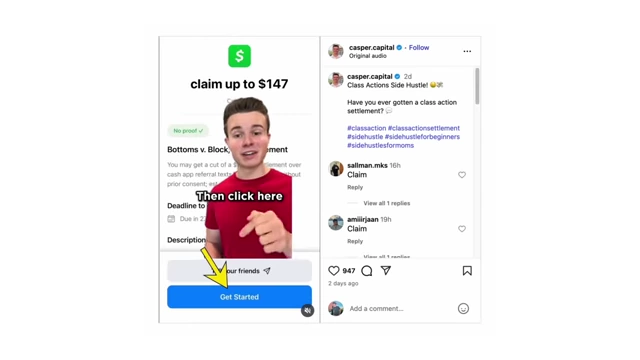
Influencer content promoting the Payout app and class action claims [ 00:08:55 ] - Successful content formats should be replicated with other creators [9:04].
- A significant benefit is building a library of proven ad creatives that can be used for paid campaigns [9:12].
- Partner with influencers who have an existing audience in the app's niche [8:39].
- 2. Paid Ads (Facebook) [9:24]
- Paid ads are considered the most consistent method for driving revenue growth [9:26].
- Facebook's algorithm prioritizes both advertiser satisfaction (conversions) and user engagement (entertainment) [9:32].
- Ads need to be both entertaining to reduce costs and conversion-focused to drive product sales [9:42].
- Striking a balance between entertainment and conversion potential is crucial [9:51].
The Payout App Revealed [9:57]
Connor provides a demo of his Payout app.
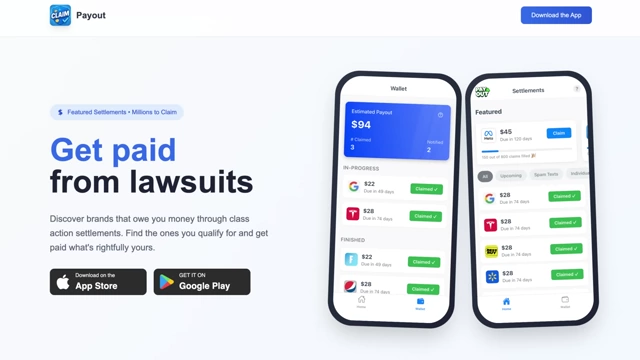
- App's Core Functionality [10:10]
- Payout is a class action lawsuit discovery app that helps users find lawsuits they are eligible for, allowing them to claim money from companies that have committed wrongs.
- Onboarding Demonstration [10:21]
- Main Feature Demo [10:36]
- The app's main screen lists various class action lawsuits [10:37].
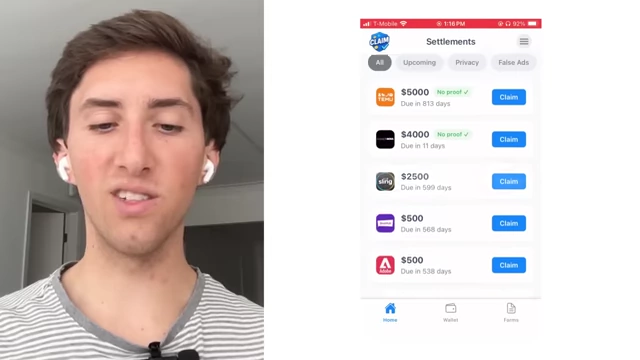
Payout app's main screen showing a list of class action lawsuits [ 00:10:40 ] - Users can view details, requirements (e.g., eligibility for the NBA Top Shot privacy settlement), and fill out a form to claim settlements [10:41].
- The app prepares a PDF for mailing [11:00].
- The app's main screen lists various class action lawsuits [10:37].
- Additional Features [11:02]
What Made Payout Successful [11:10]
The Payout app's success stems from its clear value proposition.
- It directly addresses a core human desire: to make more money [11:23].
- Connor advises building apps that tap into universal human desires like health, wealth, or attractiveness, as these resonate strongly with users [11:27].
- Users are more willing to invest in an app that clearly promises financial returns [11:43].
Tech Stack [11:46]
Connor uses a lean and efficient tech stack for his app development and operations.
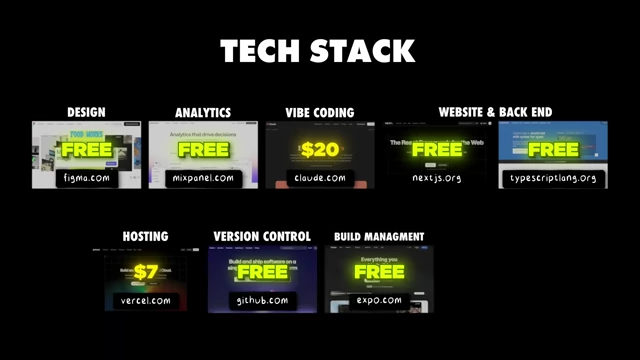
- Design: Figma (for UI, app store screenshots, and app icons) [11:54].
- Analytics: Mixpanel (for general analytics) [11:57] and Revenue Cat (for subscription analytics and pricing testing) [12:11].
- Vibe Coding: Claude Code [11:58].
- Website & Backend: Next.js and TypeScript [12:01].
- Hosting: Vercel [12:04].
- Version Control: GitHub [12:05].
- Build Management: Expo (for cross-platform builds) [12:08].
The Key to a Successful App [12:14]
Connor's final advice emphasizes simplicity and user experience.