5 Key Trends Reshaping the Filmmaking Industry
The filmmaking industry is undergoing significant shifts, and this video outlines five major trends shaping its future:
- 1. Money is flowing away from broadcast media towards social media platforms, leading to increased production quality in online content.
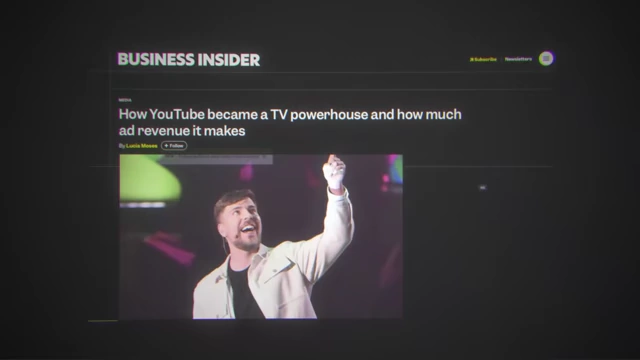
Headline about YouTube becoming a TV powerhouse [ 00:01:50 ] - 2. Traditional film jobs will become more competitive, requiring extreme dedication, talent, and networking to secure.
- 3. High-end camera gear is becoming less of a differentiator, as image quality has peaked, making storytelling and unique voice paramount.
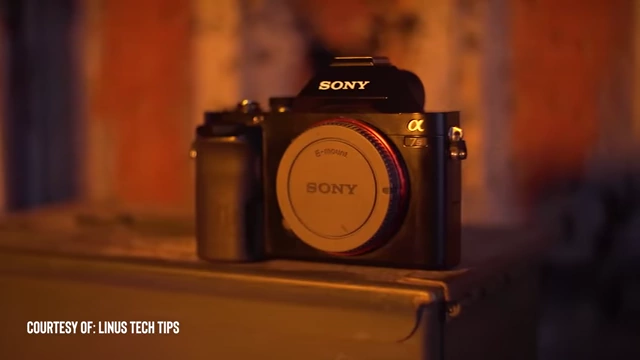
Sony A7S camera model [ 00:05:45 ] - 4. AI will automate many entry-level jobs, closing traditional pathways for newcomers, necessitating proactive self-production and portfolio building.
- 5. Filmmakers will return to their indie roots to maintain creative control, as large studios favor franchise hits, creating opportunities for smaller, artist-driven projects with modest budgets.
A24 logo [ 00:09:55 ]
Current State of the Industry [0:00]
The filmmaking industry is experiencing a significant shift, impacting nearly every filmmaker. Despite a 25% decline in Hollywood production and challenges in selling shows to streaming platforms, new opportunities are emerging. While traditional filmmaking isn't dead, powerful forces are moving the business in new directions, making it crucial for professionals to understand these changes.
Trend 1: Money is Flowing Away from Broadcast [1:38]
The most fundamental change in the industry is the shift of advertising dollars from traditional media to social media platforms.
- Financial Shift:
- Implications for Content Quality:
- Social media content quality is expected to continue increasing, eventually rivaling traditional TV.
- Examples like Mark Rober's channel demonstrate production quality on par with shows like Mythbusters.

Mark Rober filming with an underwater vehicle [ 00:02:45 ] - Major movie studios and production companies are already investing significant resources into developing and acquiring YouTube channels.
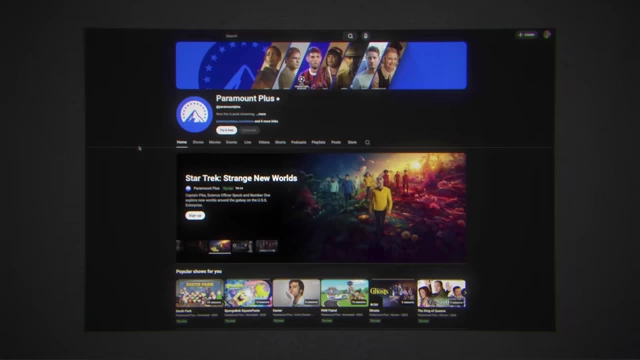
Paramount+ YouTube Channel [ 00:03:10 ]
- Future of Traditional Media:
- Traditional film systems are not expected to die but will likely see movies and premium shows gain more prestige and importance as high-end entertainment options.
- This shift will likely lead to fewer traditional movies and shows being produced overall.
- Movies will become the spectacle or thought-provoking experience, distinct from the growing volume of social media content.
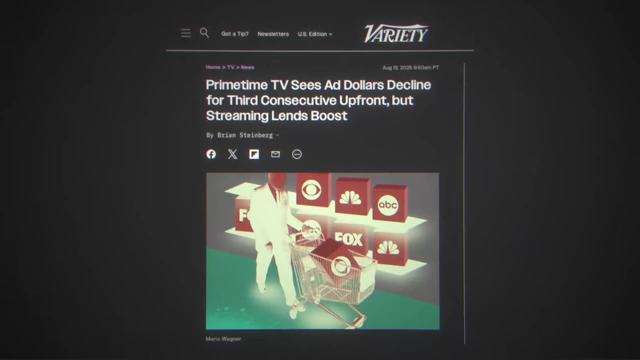
Trend 2: Traditional Film Jobs Will Be Harder to Get [3:49]
With fewer large-scale productions, securing traditional film jobs will become increasingly competitive.
- Increased Competition:
- A decrease in productions requiring big crews directly translates to fewer job opportunities.
- Positions will primarily go to the most dedicated, talented, or well-connected individuals.

Filmmaker operating a camera on location [ 00:04:35 ]
- Demands on Aspiring Filmmakers:
- Aspiring filmmakers must demonstrate extreme commitment and willingness to work long hours, travel frequently, and actively network.
- The industry will have less room for "casual" participants who are not fully immersed in the "hustle culture."
- While not advocating for an unhealthy work-life balance, the reality is that a dwindling number of jobs necessitates exceptional effort.
Trend 3: Gear Will Become Meaningless [5:20]
The industry has reached a "peak image quality" saturation point, where the technical capabilities of camera gear are no longer a primary differentiator.
- Plateau in Image Quality:
- Dramatic gains in camera technology, seen with early innovations like the 5D Mark II or Sony A7S, are largely in the past.
Sony A7S camera model [ 00:05:45 ] - New camera iterations offer only marginal improvements, similar to successive iPhone models.
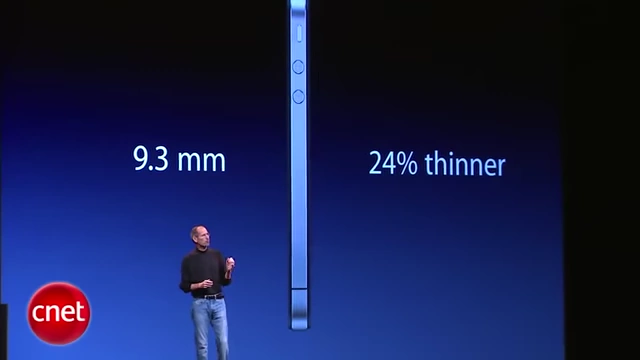
Steve Jobs presenting iPhone thickness comparison [ 00:06:00 ] - Affordable cameras, such as a $3,500 Sony FX3, can now produce footage superior to older, more expensive professional equipment.
- Dramatic gains in camera technology, seen with early innovations like the 5D Mark II or Sony A7S, are largely in the past.
- Shift in Focus:
- The ability to create technically good images is now a baseline expectation, not a competitive advantage.
- Filmmakers can professionally color grade footage on a laptop using free software.
- The focus shifts from technical prowess to the ability to craft compelling stories, develop a unique voice, and establish human connection.
- Visuals must enhance the story, rather than just being "pretty frames" that no longer "wow" audiences accustomed to high-quality content.
Trend 4: AI Will Automate Entry-Level Jobs [7:55]
Artificial intelligence will automate many repetitive, technical tasks throughout the video industry, reducing entry-level job opportunities.
- Impact on Workforce:
- AI is not expected to replace senior creative roles like directors or cinematographers in the near future.
- However, it will automate tasks such as sound mixing, VFX preparation, and assistant editing.
- These jobs traditionally served as crucial gateways for newcomers to gain experience, learn the craft, and build industry contacts.
Hollywood sign [ 00:08:35 ]
- Challenges and Solutions for New Filmmakers:
- The automation of entry-level roles creates a challenge: how do new filmmakers gain the necessary experience and connections to advance?
- The solution lies in taking initiative and creating personal work: spec projects, short indie films, and other self-produced content.
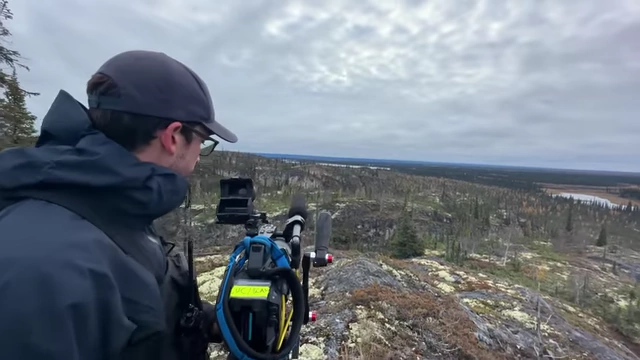
Filmmaker filming with a camera on a mountain [ 00:08:50 ] - Building a strong portfolio of self-generated work demonstrating unique voice and talent will become essential to proving capabilities for higher-level positions.
Trend 5: Artists Will Go Back to Their Indie Roots [9:55]
Filmmakers who wish to maintain creative control over their projects will increasingly need to embrace independent filmmaking approaches.
- Corporate Influence vs. Artistic Vision:
- It has become more difficult to secure funding for films and TV shows from major studios, which have consolidated and are often driven by corporate boardroom decisions.
- These large corporations prioritize "franchise hits" over "indie darlings," limiting opportunities for bold, original ideas.
A24 logo [ 00:09:55 ]
- Rise of Indie Studios:
- Studios like A24 and Neon are finding success by funding smaller-scale projects (typically $5-15 million) from talented, artist-driven filmmakers.
- These studios provide a crucial alternative to blockbuster-dominated Hollywood.
- The Indie Mindset:
- Filmmakers committed to artistic control will need to remain "scrappy," making every dollar count on modest budgets.
- Despite shrinking budgets, the accessibility of powerful and affordable tools means that technical quality does not have to suffer in independent productions.
- The trend suggests a future where more arthouse studios compete to discover and fund original voices, echoing an earlier era of film production.