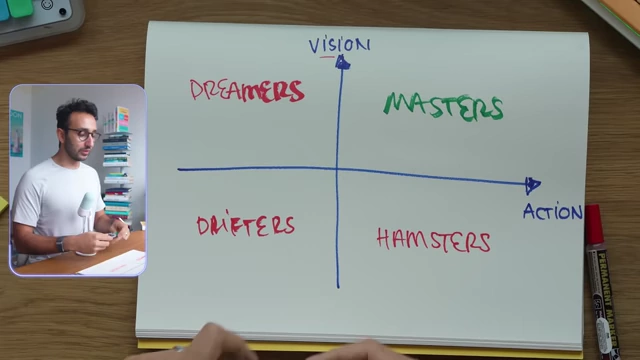
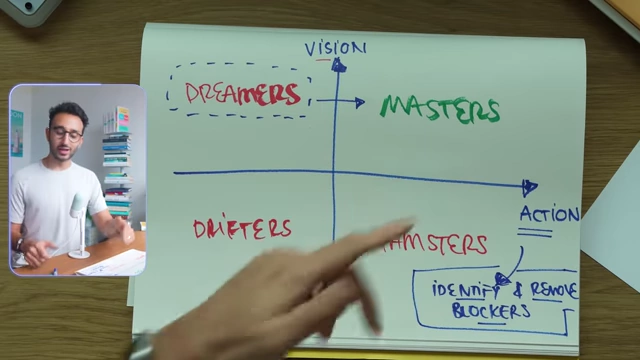
This video presents a "productivity matrix" categorizing individuals into Drifters, Dreamers, Hamsters, and Masters, focusing on helping "Dreamers" (ambitious but inactive) become "Masters."
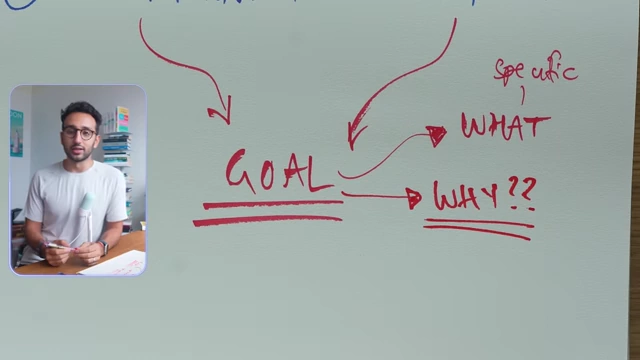
Clarify What You Actually Want: Define specific goals and understand the deep, emotional "why" behind them, moving beyond "should" motivations.
Goal clarification: Specific What and Emotional Why
[
00:03:30
]
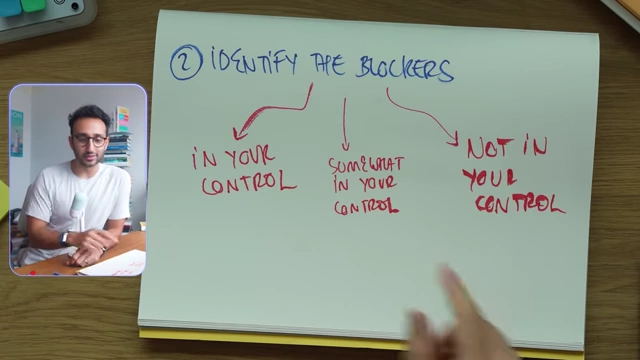
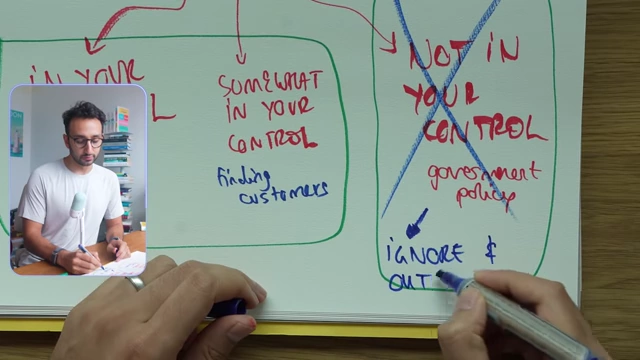
Identify the Blockers: Categorize obstacles into controllable, somewhat controllable, and uncontrollable. Address controllable blockers by finding solutions, and either "ignore and outperform" or re-evaluate goals if genuinely insurmountable systemic issues exist.
Identifying Blockers: In Your Control, Somewhat in Your Control, Not in Your Control
[
00:10:49
]
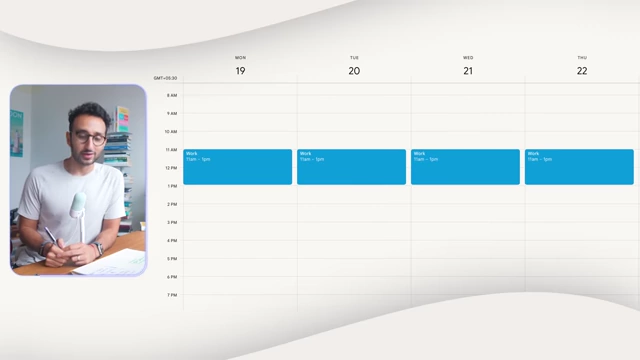
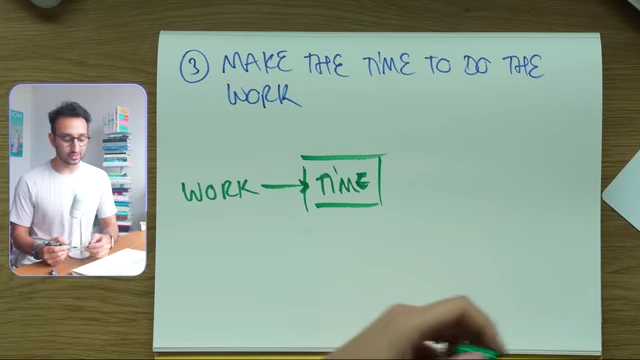
Make the Time to Do the Work: The most crucial step is to actively time-block dedicated slots in your calendar for your goals, ensuring consistent action and accountability.
Time blocking for goals in a calendar
[
00:19:43
]
The video specifically targets "Dreamers," individuals who are ambitious but often feel lazy or undisciplined, and provides a 3-step process to transition them into "Masters" by turning dreams into reality.
The three-step process is: Clarify what you actually want, Identify the blockers, and Make the time to do the work.
This initial step emphasizes the importance of defining clear, specific, and emotionally compelling goals to generate "pull motivation."
Define the "What":
Vague ambitions like "being successful" or "rich" are insufficient.
Goals must be specific with measurable parameters (e.g., "become managing partner at a law firm," "achieve $1M profit from a lifestyle business").
Clarity in "what" significantly streamlines the path to achievement.
Goal clarification: Specific What and Emotional Why
[
00:03:30
]
Examples of specific goals include becoming a managing partner at a law firm or having a lifestyle business making $1M/year profit.
Uncover the "Why":
It's crucial to understand the deep, personal reasons for wanting a goal.
Motivation can be categorized as "pull" (intrinsic desire) or "push" (feeling obliged or forced).
"Push motivation" often stems from "shoulds" (e.g., "I should get a good grade for my parents"), which rarely lead to sustained action and can feel like a struggle.
"Pull motivation" comes from a compelling emotional drive, making the pursuit enjoyable and sustainable.
Emotional reasons are far more effective motivators than purely logical ones, which can lead to cognitive dissonance if the logical chain breaks down.
Visualizing "Pull" vs. "Push" motivation to reach a goal
[
00:02:40
]
The speaker provides examples of "should" statements like "I really should work out" or "I really should care more about this exam result" as demotivating.
Examples of "should" motivation statements
[
00:05:17
]
Personal Example:
The speaker's emotional drive for financial freedom as a doctor was fueled by observing older, miserable colleagues stuck in their careers, making him want to pursue medicine by choice, not necessity.
The speaker as a doctor in a hospital setting
[
00:08:09
]
This emotional realization gave him a strong "want" to create financial freedom rather than just a "should."
Once a compelling goal is established, the next step is to identify and address the obstacles preventing its achievement.
Categorize Blockers: Blockers fall into three categories based on control, also known as the "tricotomy of control":
In your control: Things you can directly change (e.g., developing a business idea).
Somewhat in your control: Factors influenced by your actions but also external elements (e.g., finding customers).
Not in your control: Systemic or external factors you cannot change (e.g., government policy, physical limitations).
Identifying Blockers: In Your Control, Somewhat in Your Control, Not in Your Control
[
00:10:49
]
Strategy for "Not in Your Control" Blockers:
Assess Goal Feasibility: If a systemic, uncontrollable factor genuinely makes a goal impossible (e.g., a 4'9" person aspiring to play in the NBA), it's pragmatic to reconsider or abandon that specific goal to avoid continuous frustration.
An example of an uncontrollable blocker (height for an NBA player)
[
00:12:59
]
If actions continually hit an insurmountable "brick wall" of uncontrollable blockers, the pursuit becomes demotivating and leads to misery.
Actions hitting a "brick wall" blocker to a goal
[
00:14:29
]
"Ignore and Outperform": For other uncontrollable blockers that aren't absolute barriers (e.g., worrying about others' opinions on LinkedIn), the advice is to acknowledge them but not let them dictate your actions. This concept is from Jocko Willink's book "Discipline Equals Freedom."
Ignore and Outperform strategy for uncontrollable blockers
[
00:15:21
]
Focusing on these external factors is unhelpful and often leads to inaction.
Strategy for "In Your Control" and "Somewhat in Your Control" Blockers:
Problem-Solving Approach: Treat these blockers as solvable problems. If a solution exists (e.g., someone else has overcome a similar challenge), it's a matter of becoming an "investigator" to find and implement that solution.
Examples: Lacking business ideas can be solved by using AI tools; not knowing how to find customers can be addressed by reading relevant books or watching educational content.
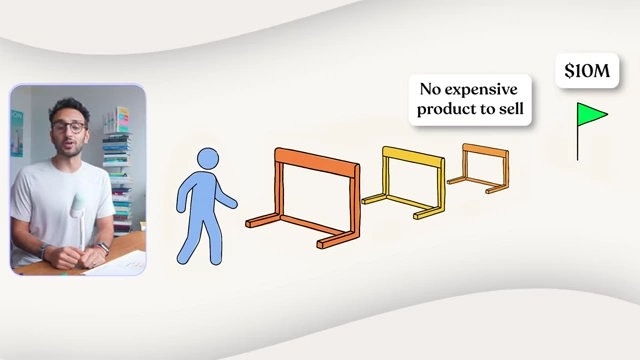
These types of blockers, such as having no expensive product to sell or not enough customers, are solvable.
Importance for "Productivity Masters": The core skill of "Productivity Masters" and successful individuals is their ability to consistently identify and effectively remove these controllable and somewhat controllable blockers.
Productivity Matrix with "Identify & Remove Blockers" as the path to Action
[
00:17:49
]
Overcoming the "Busy" Blocker: The most common blocker is the perception of not having enough time due to other commitments (job, family, etc.).
Solution: Time-Blocking:
The simplest and most effective hack is to schedule specific, non-negotiable blocks of time in your calendar each week for your goal-related work.
This creates a "container of time" for the work to happen.
Time blocking for goals in a calendar
[
00:19:43
]
Accountability: External accountability (e.g., a coach requesting calendar screenshots) can significantly boost adherence to time-blocked schedules, turning intentions into action.
Real-world Example: A former team member successfully built a thriving YouTube business by consistently blocking out 6 hours every week in his calendar for content creation, regardless of the specific task (filming, writing, editing).
A former team member, Tintin, filming for his YouTube channel
[
00:22:01
]
Protecting Time: It's crucial not just to block the time but to protect it from distractions and other demands, which involves continually identifying and removing micro-blockers (e.g., phone distractions).
Key Takeaway: People who achieve their goals are those who proactively carve out and protect time in their schedules, rather than waiting for "free time" which rarely appears.