How Ryan Coogler's "Sinners" Redefines Filmmaking: A Masterpiece Analysis and Review
Summary:
This video essay explores why Ryan Coogler's "Sinners" is a groundbreaking film that redefines filmmaking by subverting traditional blockbuster conventions.
- The video argues that "Sinners" is a triumph as an original blockbuster, a rarity in today's IP-dominated film landscape.
- It highlights Ryan Coogler's impressive career trajectory, from his debut with "Fruitvale Station" to his success with "Creed" and "Black Panther," and the challenges faced with "Wakanda Forever."
- "Sinners" is described as a passionate, IMAX-sized rock opera exploring themes of faith, community, heritage, exploitation, and freedom through the lens of a vampire narrative.
- The film cleverly uses vampires as a metaphor for cultural assimilation and exploitation, particularly within the context of Black and Irish American history.
- The video praises the film's nuanced characters, especially Remick, the Irish vampire antagonist, who embodies the struggles of cultural co-option.
- It emphasizes how "Sinners" leverages music and dance to tell a rich history of Black American culture and resist its appropriation.
- A minor criticism is the pacing, where a prolonged setup leads to a somewhat rushed climax, although this is framed as part of the film's deliberate, non-conventional approach.
- The essay concludes by urging viewers to experience "Sinners" in IMAX, calling it essential viewing that transcends typical blockbusters through its thematic depth and innovative storytelling.
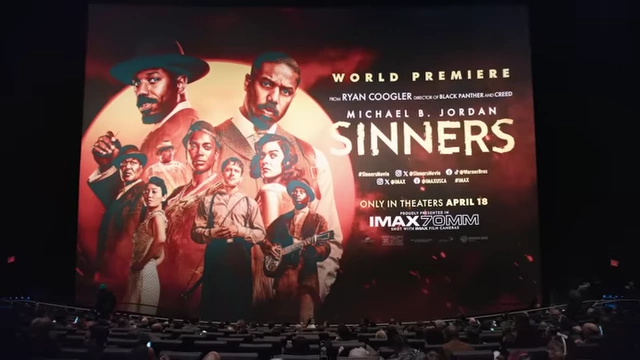
Ryan Coogler's Sinners promotional poster displayed in an IMAX theater, highlighting its grand cinematic scale. [ 00:05:29 ]
The Decline of Original Blockbusters and the Rise of "Sinners" [0:00]
The video begins by lamenting the contemporary film industry's reliance on established IP, leading to a scarcity of original blockbusters.
- Shift in Studio Risk-Taking [0:22] - In a more robust theatrical market, studios were more willing to invest in original ideas, relying on one successful film to cover losses from others. - Home video sales also provided additional revenue for less successful films.
- Current Industry Landscape [0:50] - Shrinking theatrical windows, streaming deals, and a focus on massive blockbusters tied to existing brands (e.g., MCU, franchise reboots) limit opportunities for original, high-budget films. - Original blockbusters like Avatar, Nope, or Tenet are now rare, appearing perhaps once a year. - Even critically acclaimed hits like Fury Road and Top Gun Maverick are based on existing IP, despite their innovative craft.
- Introduction to "Sinners" [1:38] - Ryan Coogler's Sinners is presented as a rare and exciting original blockbuster that deeply resonates with film enthusiasts.
Ryan Coogler's Career Trajectory [2:01]
The video provides a concise overview of Ryan Coogler's significant directorial achievements leading up to Sinners.
- Early Success with "Fruitvale Station" [2:05]
- Coogler's debut feature, Fruitvale Station [2013], starring Michael B. Jordan, was a personal story about police brutality in his hometown, achieving critical and commercial success on a small budget.
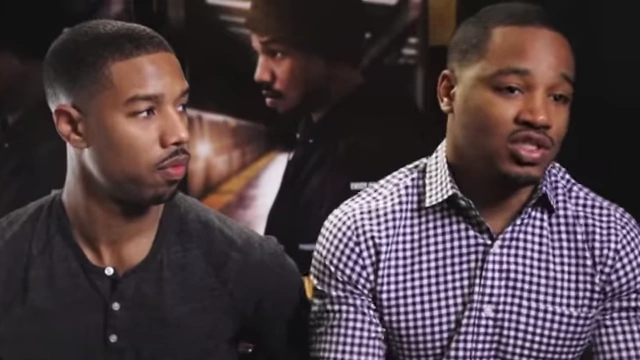
Michael B. Jordan and Ryan Coogler discuss their collaboration on Fruitvale Station. [ 00:02:27 ] - Revitalizing the "Rocky" Franchise with "Creed" [2:32] - Studio executives recognized Coogler's talent, offering him the chance to direct Creed, a sequel to the Rocky franchise focusing on Apollo Creed's son. - Coogler delivered a masterpiece, arguably the best in the franchise, by injecting personal vision into established IP.
- Marvel Cinematic Universe with "Black Panther" [3:07]
- He then wrote and directed Black Panther, a defining MCU film that brought meaningful Black representation and resonated widely.
- This period marked Coogler as an unstoppable director whose voice transcended studio constraints.

Ryan Coogler directs Chadwick Boseman on the set of Black Panther. [ 00:03:40 ] - Challenges with "Black Panther: Wakanda Forever" [3:48]
- The sudden death of Chadwick Boseman during the pandemic created an immense challenge for the sequel.
- The resulting film, Black Panther: Wakanda Forever, struggled, prompting Coogler to step back and re-evaluate his filmmaking priorities.
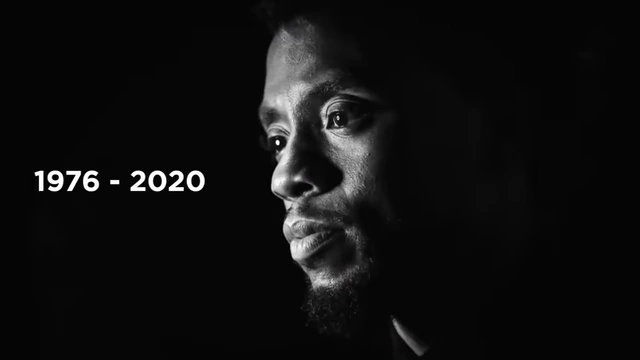
A solemn tribute displaying Chadwick Boseman's birth and death years (1976 - 2020). [ 00:03:55 ]
"Sinners": A Return to Original Vision [4:39]
Coogler decided to pursue an entirely original film, Sinners, which would become a deeply personal and ambitious project.
- Project Conception and Initial Skepticism [4:45] - Sinners was known only as another Michael B. Jordan collaboration, an original script by Coogler involving vampires. - Despite Coogler's track record, there was a natural skepticism about whether he could maintain his artistic integrity within a large-scale production, given what happened to other directors after working with major studios.
- Cinematic Grandeur and Mentorship [5:24]
- Sinners is a glorious 70mm IMAX release with beautiful cinematography, rivaling the scope of Christopher Nolan's films.
- Nolan even mentored Coogler on shooting in the IMAX medium.
- The film features another powerful score by Ludwig Göransson.
Ryan Coogler's Sinners promotional poster displayed in an IMAX theater, highlighting its grand cinematic scale. [ 00:05:29 ] - Core Themes and Artistic Expression [6:01]
- Sinners is described as Coogler's most passionate and soulful film, a "rock operatic IMAX-sized tale" exploring faith, community, heritage, exploitation, and freedom.
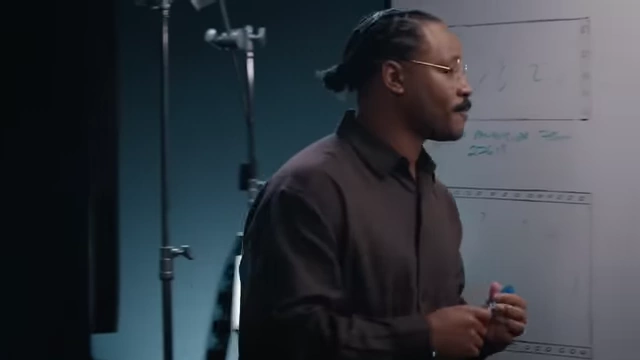
Ryan Coogler outlines his vision on a whiteboard, emphasizing his creative process. [ 00:05:59 ] - The Role of Vampires as Metaphor [6:43] - The vampires in Sinners symbolize the tragedy of pure art being co-opted and stripped of its soul by those seeking profit and supremacy. - This metaphor particularly resonates with Black cultural history, where freedom of expression is vulnerable to exploitation.
Plot Overview and Deeper Meanings of "Sinners" [7:28]
- Synopsis [7:39]
- Michael B. Jordan plays twin brothers, Smoke and Stack, World War I veterans who return to their Southern hometown after working for gangsters in Chicago.
- They open a juke joint as a safe space for the Black community. - Bloodthirsty white vampires, members of the KKK, infiltrate the juke joint, intending to kill its patrons and literally "drink their lifeblood."
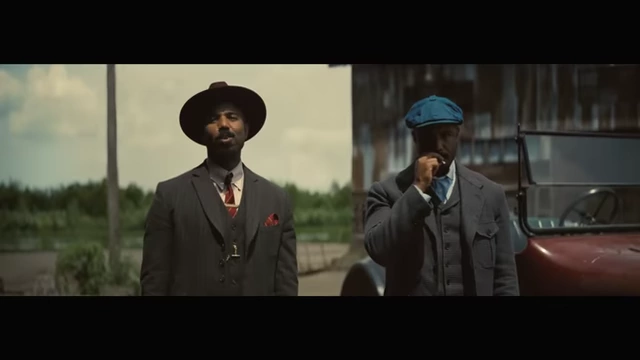
Michael B. Jordan portrays twin brothers Smoke and Stack, central characters in "Sinners". [ 00:07:46 ] - The Jaded American Dream [9:21]
- Smoke and Stack, despite their experiences, are jaded by the American Dream, realizing it's only afforded to those who take it.
- They choose to uplift Black art and culture as a form of resistance against a racist economy.
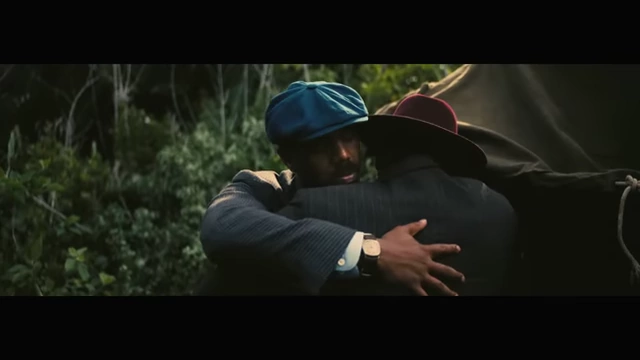
Twin brothers Smoke and Stack share an embrace in a still from the film, symbolizing their bond. [ 00:09:29 ] - Critique of Cultural Exploitation [10:30]
- The white landowners (KKK members) who lease the space represent how wealthy individuals and corporations exploit Black art for profit, masquerading as promoting equality.
- Coogler uses this narrative to deliver a potent critique of existing power structures, notably securing a deal where the rights to Sinners will revert to him in 25 years.
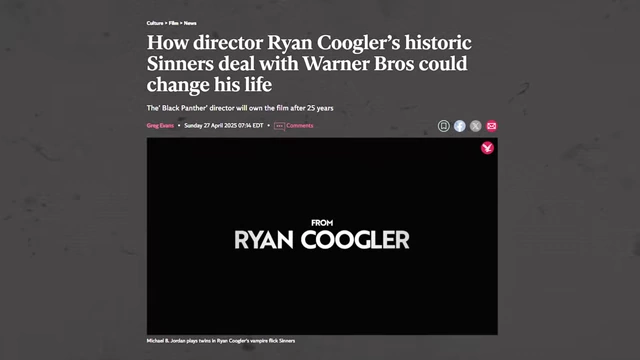
A newspaper article highlights Ryan Coogler's unique deal to retain rights to "Sinners" after 25 years. [ 00:11:18 ] - Smoke's Stand and Generational Burden [11:20] - Smoke's final stand against the KKK, despite losing his brother to vampirism and his community in flames, signifies his unwavering commitment to fighting for what's his. - His fear of tainting his son's legacy reflects the burden many older minorities feel, wanting a better future for their children free from the "sins" of the past and cultural assimilation.
The Nuance of Vampirism and Cultural Homogenization [12:33]
- A New Take on Vampires [12:33]
- Coogler innovates the vampire metaphor, portraying them as more complex than traditional villains.
- Remick, the Irish vampire antagonist played by Jack O'Connell, promises an eternal life of fellowship and love, free from pain, in exchange for succumbing to vampirism.
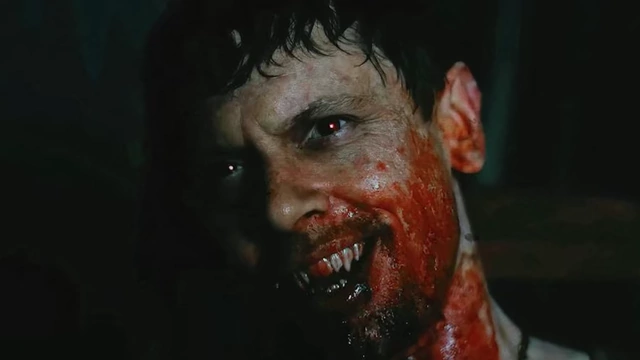
A vampire with bloodied face and fangs from "Sinners," representing the film's sinister metaphor. [ 00:12:58 ] - The Cost of Assimilation [13:03] - This assimilation comes at the expense of cultural autonomy, spiritual, and cultural freedom, leading to cultural fascism where rituals and beliefs lose context and value.
- Music and Dance as Cultural History [13:40]
- The film uses music and dance, particularly a powerful sequence in the juke joint, to trace the rich history of Black music and culture from its origins to its future.
- This sequence is a powerful statement about culture, its link to people, and its role in connecting generations to their heritage.
- It also touches on Asian-American cultural history, showing a broader struggle against cultural appropriation by white American profiteers.
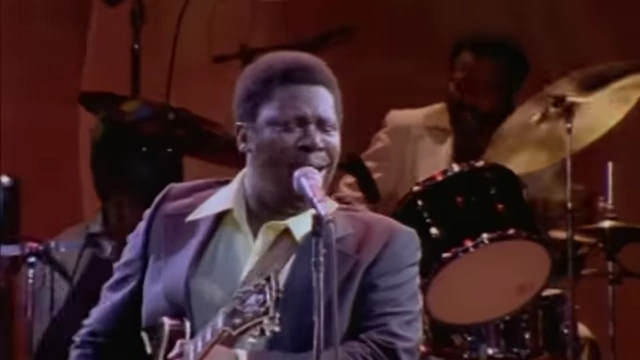
Blues legend B.B. King performs on stage, representing the rich history of Black music. [ 00:14:52 ]
The Complicated Antagonist and Film's Pacing [15:40]
- Remick: Victim and Antagonist [15:40]
- Remick, an Irish vampire, is portrayed as a complicated adversary, less a force of pure racism and more a victim of America's intolerance and forced assimilation.
- His Irish heritage, historically subjected to prejudice, draws parallels with the struggles of Black Americans against colonization, religious persecution, and cultural exploitation.
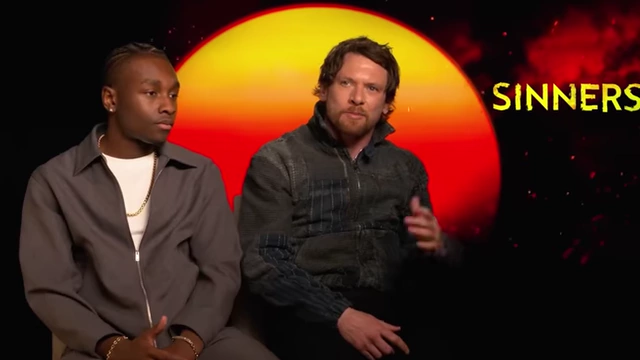
Actor Jack O'Connell discusses his complex role as Remick in "Sinners" during an interview. [ 00:16:17 ] - His struggle highlights the choice between becoming a victim or assimilating at the cost of one's cultural soul.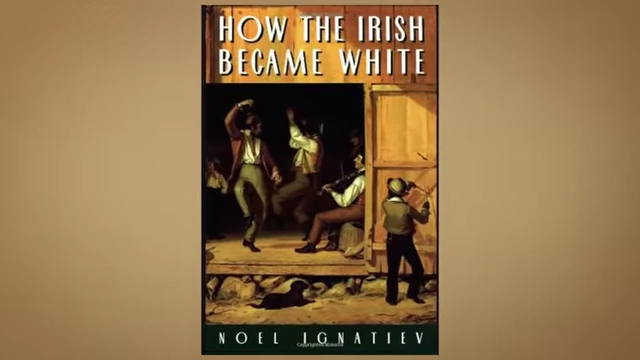
The book cover "How the Irish Became White" by Noel Ignatiev, referenced for the theme of cultural assimilation. [ 00:17:05 ] - Cultural Appropriation and Authenticity [17:17]
- It's telling that the first song Remick and his recently undead buddies sing to win trust is "Pick Poor Robin Clean," a blues song originating from Black musicians, an overly rehearsed performance that lacks sincerity.
- He seeks Sammy's guitar as a means to reconnect with his ancestors, a path denied by his own cultural assimilation. - Remick's message is that true freedom doesn't exist, and assimilation into a "vampiric hive mind" is the only path to happiness, which Coogler portrays as a tragic loss of self.
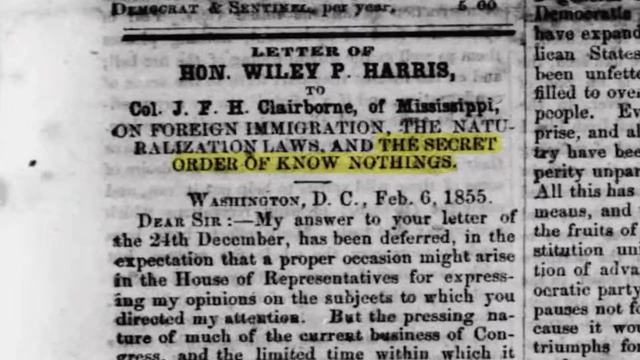
An old newspaper headline discusses "FOREIGN IMMIGRATION" and naturalization laws, providing historical context. [ 00:17:17 ] - Critique of American Hate and Intolerance [18:49] - By featuring a nuanced antagonist like Remick, Coogler underscores that America's real enemy is hate and intolerance driven by money and power. - The film, like Jordan Peele's Nope, explores the consumption and sanctity of Black culture, particularly blues music, as a unifying gift that is constantly threatened by appropriation. - The story of Slim, freed from execution by playing blues for wealthy white people who "love the blues but don't like the people who make it," exemplifies the alienation of American racism.
- Pacing Quibble [20:50]
- The reviewer's only minor criticism is the film's pacing, which feels drawn out in its setup and then rushed in its climax.
- While acknowledging Coogler's deliberate, classical approach to character investment, the reviewer wished for a more extended and explosive finale.
- However, this "imperfection" is ultimately seen as a feature, contributing to the film's epic, operatic, and culturally rich storytelling that defies convention.
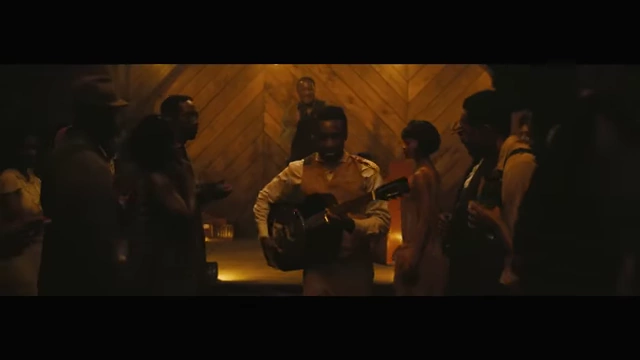
A vibrant scene from the juke joint in "Sinners," showcasing lively music and dancing as a cultural hub. [ 00:22:16 ]
"Sinners" as a Landmark Cinematic Experience [22:12]
- Subverting Blockbuster Conventions [22:12] - Coogler subverts traditional blockbuster expectations, using mid- and post-credit scenes not to tease future franchises but to provide a meaningful epilogue to Sammy's story and thematic closure. - This "meta-reclamation" of cinematic devices serves the narrative and thematic depth, rather than commercial cynicism.
- Essential Viewing [23:41] - The film is highly recommended as essential viewing, especially in 70mm IMAX, for its unique and impactful experience.
- Art as a Conduit for Understanding [24:15]
- Sammy's character, as an old man making sense of a "fucked up world" through music, embodies the film's core message: art is the best way to process and interpret the world.
- Communal experiences like watching Sinners in a theater are crucial for keeping the theatrical experience and film alive. - Coogler's work creates art and culture that transcends space and time, fostering belonging and communication across generations.
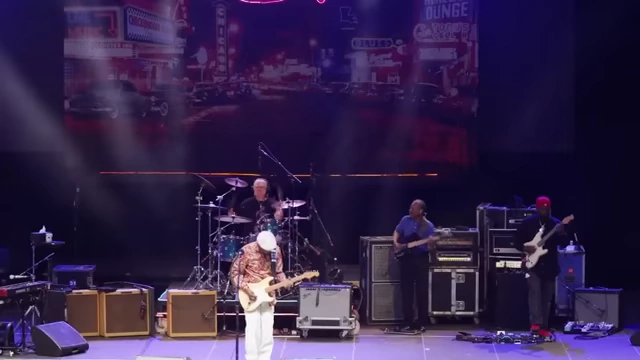
An older musician plays an electric guitar on stage, symbolizing art as a timeless conduit for understanding. [ 00:24:36 ]