Understanding Social Circles and Types of Friendship: Navigating Evolving Relationships
This video offers a framework for understanding and managing various types of friendships and social circles to foster intentional and authentic relationships. Key insights include:
- Personal Growth and Evolution: Relationships are not static; allow for personal growth and changing dynamics over time.
- Categories of Connection: Friendships can be circumstantial, interest-based, values-based, or parasocial, often overlapping and evolving.
- Social Circles Model: The core is your relationship with yourself, surrounded by an inner circle (3-5 people), an acquaintance circle, and then strangers.
- Prioritizing Self-Relationship: Nurturing your relationship with yourself is crucial for healthy interactions with others.
- Balancing Online and Offline: Be mindful of the illusion of online connection and prioritize in-person interactions, as they offer unique value.
- Observing True Values: Real character is observed through behavior over time, not just shared interests or online personas.
- Fluidity of Circles: People naturally move between social circles, and these shifts should not be taken personally, reflecting individual growth and changing priorities.
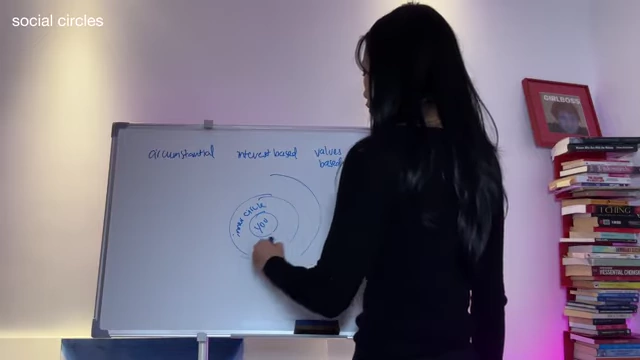
Social Circles and Friendship Categories Diagram [ 00:10:39 ]
Introduction to Evolving Friendships and Social Circles [00:00:40]
The speaker introduces the concept of social circles and types of connections, emphasizing its utility in being mindful of where time and attention are invested. She reflects on her experience growing up in a small, cliquey Australian town compared to a large, international city like Shanghai, where rapid movement of people makes managing social commitments overwhelming. This led her to realize the importance of discerning priorities in relationships rather than attempting to be "everybody's bestie," which proved draining. The core message is that relationships are constantly shifting, and living intentionally means adapting to these changes.
Redefining "Being Hot & Having Fun" [00:03:08]
The speaker elaborates on her personal philosophy of "being hot and having fun" as an overarching life vibe.
- Holistic Definition: This isn't superficial adherence to beauty standards but a comprehensive approach to well-being:
- Mental, physical, and financial health.
- Maintaining mutually respectful and supportive relationships with family, friends, and colleagues.
- Mindful allocation of time and energy.
- Engaging in enjoyable activities and hobbies.
- Positively contributing to social environments, both online and offline.
- Dynamic and Evolving: The definition of "being hot and having fun" changes with different life stages. For example, it might shift from constant external activity to more internal, discerning choices. This perspective encourages continuous reflection and adjustment rather than fixed notions.
Allowing Space for Growth and Evolution [00:04:47]
The speaker highlights the natural evolution of relationships over time, urging individuals to give themselves permission to grow and change.
- Challenging Fixed Notions: Younger individuals often perceive friendships as fixed due to limited life experience, leading to anxiety when relationships change.
- Life Transitions: Significant life changes, like transitioning from high school to university, naturally lead to friends moving in different directions, revealing evolving desires and goals.
- Embracing Change: Understanding that relationships will change helps guide perspective on evolving connections, fostering acceptance rather than disappointment.
Categories of Friendship and Connection [00:05:50]
The speaker outlines distinct categories of friendship, noting their potential for overlap and transformation.
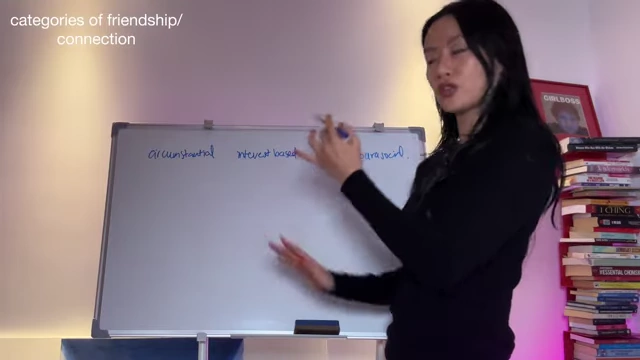
- 1. Circumstantial: Relationships formed due to shared environments (e.g., school, workplace, church).
- 2. Interest-Based: Connections forged over shared hobbies, music, art, or celebrity interests.
- 3. Values-Based: Friendships built on a shared worldview, parallel life experiences, or fundamental principles, even without common interests.
- 4. Parasocial (Online): Relationships developed exclusively online, which have become a significant category.
- Cognitive Dissonance: There can be a stark difference between someone's online persona and their in-person reality.
- Mindfulness: It's crucial to be aware of this potential gap and avoid projecting online impressions onto offline interactions.
- Overlap and Transformation: Friendships often evolve, starting as circumstantial and developing into interest-based or values-based relationships, potentially maintained parasocially.
Understanding Your Social Circles [00:08:18]
The speaker visualizes social circles, with the individual's self-relationship at the core, surrounded by layers of connection.
- The Self at the Center: Your relationship with yourself is paramount.
- Internal Connection: Modern life often disconnects us from ourselves, but self-awareness (like observing thoughts) is vital.
- Avoiding Disconnection: Many seek external connection as a substitute for internal disconnection.
- Self-Responsibility: Taking responsibility for your relationship with yourself allows you to show up authentically in other connections.
- Individual Journey: Each person has their own path; mutual respect and support mean staying in your lane while cheering others on, offering help when needed, then returning to your own journey.
- Inner Circle [00:11:14]:
- Limited Capacity: Typically comprises 3 to 5 people.
- Core Connections: Ideally, these relationships are strong, values-based, and interest-based.
- Acquaintance Circle [00:11:43]:
- Broader Scope: Can include many individuals (tens or hundreds).
- Nature of Connections: Often circumstantial or parasocial.
- Strangers: The outermost layer, representing individuals outside your immediate social awareness.
- Fluidity: People move between these circles; inner circle members can become acquaintances or strangers, and vice versa.
Balancing Online and Offline Relationships [00:11:56]
The video stresses the importance of finding a healthy equilibrium between digital and real-world connections.
- Illusion of Connection: Scrolling online can create a false sense of connection, as the brain may not differentiate between screen images and reality.
- Mindful Engagement: Approach online interactions with caution, acknowledging susceptibility to unconscious messaging.
- Value of Offline Presence: Prioritize in-person time with friends, as offline relationships offer an irreplaceable depth due to physical presence and shared material experiences.
- Warped Expectations: Excessive online engagement can distort expectations for real-world friendships, especially within interest and values-based "echo chambers."
Beware of Performative Values [00:13:27]
True character is revealed through actions over time, not just words or online personas.
- Actions Speak Louder: A person's character is a combination of what they say and what they do. Online interactions often provide only snapshots, not comprehensive behavioral patterns.
- Cognitive Dissonance: It's common to experience a disconnect when an online connection (based on shared interests) doesn't translate to congruent in-person behavior, especially with "performative" or narcissistic individuals.
- Time for Observation: Understanding someone's true values requires observing their behavior over an extended period, often years, and acknowledging that both individuals will continue to evolve.
Realistic Pacing and Adjusting Focus [00:14:29]
Friendship requires a realistic understanding of pacing and the ability to adjust focus as priorities shift.
- Patience for Depth: Developing deep connection and truly knowing someone takes years.
- Embracing Change: True friendship appreciates the present moments while remaining open to future changes in both individuals, adapting support accordingly.
- Shifting Priorities: Time and attention naturally fluctuate between different social circles. For example, periods of high acquaintance interaction (e.g., social events) might be followed by prioritizing inner circle relationships.
- Mindful Allocation: Awareness of these circles helps in intentionally directing energy and attention without the pressure of maintaining perfect equality across all relationships.
Moving Between Circles and Not Taking Change Personally [00:15:45]
The dynamic nature of social circles means people constantly move in and out, and these shifts are not personal.
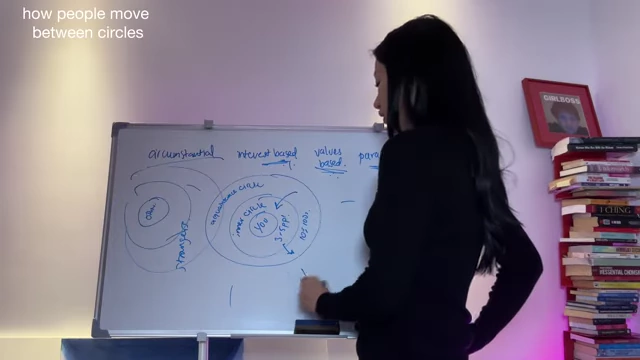
- Fluid Boundaries: Individuals can transition from the inner circle to acquaintance, or even become strangers, due to betrayals, growing apart, or incompatibility in values or life goals.
- Life's Reality: Not everyone will stay for every stage of your journey.
- Definition of Love: True love, whether romantic or platonic, involves extending oneself for the spiritual growth of self and others, holding their best interests as important as your own.
- Respecting Autonomy: This includes respecting friends' needs to focus on work or other social circles, even if it means less direct interaction.
- Individual Flourishing: Focus on your own growth and well-being ("being hot and having fun") so that when you do connect, you can bring your best self to the relationship, sharing diverse experiences.
- Intentionality: Awareness of friendship formation and placement within your social "energy field" promotes more intentional and compatible relationships, free from judgment about who is "better" or "more valuable."