Asakusa 2025 Local's Guide: Exploring Historic Senso-ji, Hoppy Street Izakayas, Traditional Crafts, and Must-Try Street Food
This guide covers the top 20 things to do in Asakusa for 2025, from local street food and hidden shops to temple etiquette. Start at the Tourist Information Center's observation deck for panoramic views of Tokyo Skytree and Nakamise Street. Explore Nakamise for traditional snacks like Kaminari Okoshi and Kibi Dango, then discover unique items at a 100-year-old knife shop (Honke Kanesou) and a kimono gift shop (Tatsumiya). Savor local delights like Melon Pan (Kagetsudo Kaminarimon) and Monjayaki (Monja Tsukushi) on Hoppy Street, and learn temple etiquette at Senso-ji. Don't miss the retro underground arcade and scenic views along the Sumida River.
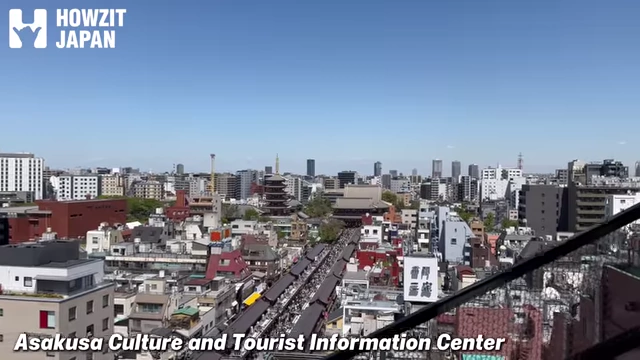
Asakusa Culture and Tourist Information Center (Observation Deck) [01:26]
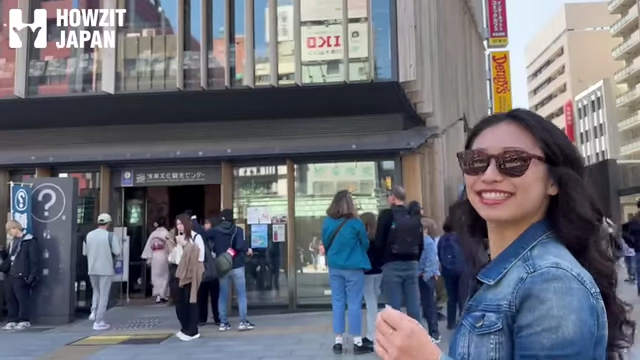
- Panoramic Views: From the observation deck, visitors can enjoy breathtaking views of Asakusa, the Sumida River, and the iconic Tokyo Sky Tree.

Tokyo Skytree and Sumida River from the observation deck [ 00:02:10 ] - The area by the Sumida River is particularly beautiful during springtime with cherry blossoms.
- Strategic Location: The deck provides a great vantage point to see Nakamise Street, the main road leading to Senso-ji Temple.
- Nearby Landmark: The golden "P" sculpture, part of the Asahi Beer headquarters, is visible.
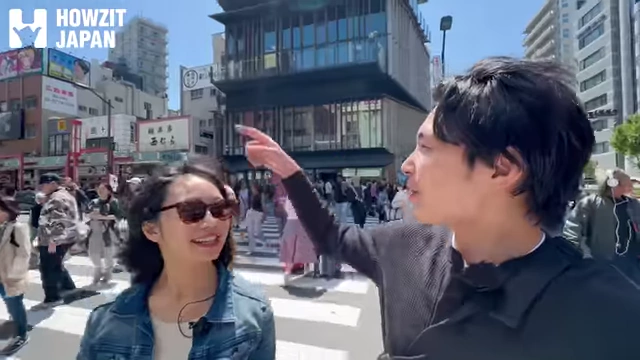
Speaker pointing to the Asahi Beer building [ 00:03:14 ]
Tokiwa-do (Kaminari Okoshi rice snack) [03:38]

- Traditional Sweet: Kaminari Okoshi is a traditional snack made of puffed rice and syrup, known for its crispy texture.
- Unique Presentation: One popular item is the "Katana Okoshi," a rice snack shaped like a sword.
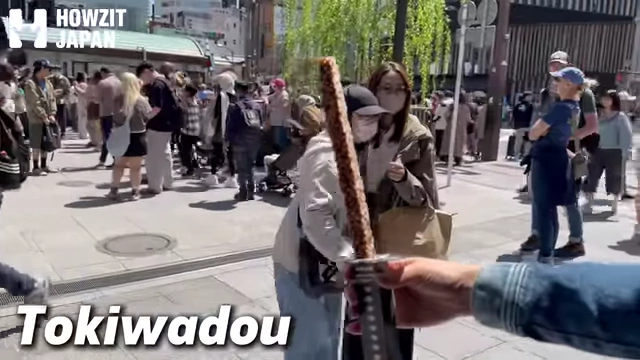
Katana Okoshi, a sword-shaped rice snack [ 00:03:47 ] 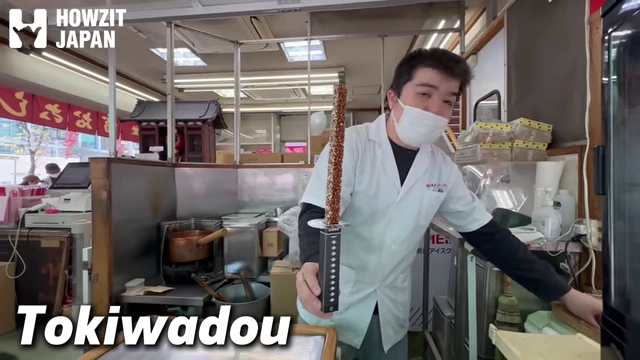
Shop worker holding the Katana Okoshi [ 00:03:54 ] - Variety of Flavors: Available in flavors like milk peanut, caramel, almond, and maple coconut.
Nakamise Street [05:09]
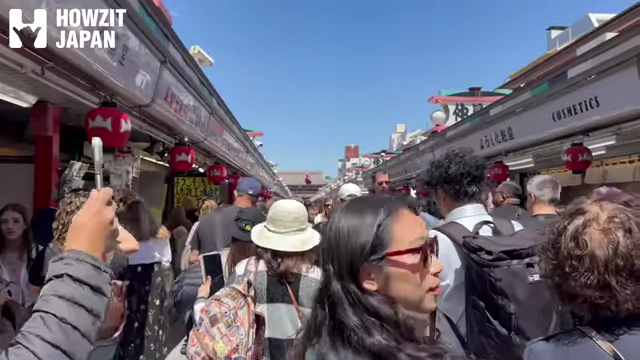
- Vibrant Atmosphere: The street is often crowded with tourists during the day, ideal for shopping and enjoying street food.
- Historic Shops: Many shops on Nakamise Street have deep historical roots, offering traditional sweets, crafts, and souvenirs.
Azuma (Kibi Dango - sweet rice dumplings) [06:13]
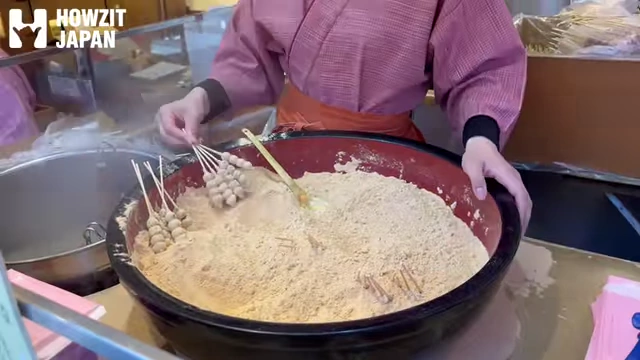
- Freshly Made: Kibi Dango are soft, chewy rice dumplings served fresh and warm, generously covered in roasted soybean powder (kinako).
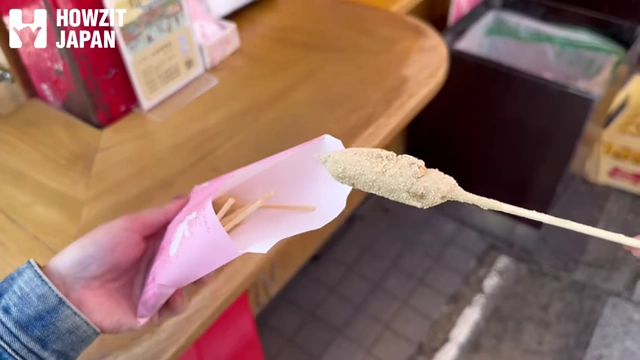
Fresh Kibi Dango on a stick [ 00:06:45 ] - Eating Etiquette: Eating while walking is generally not allowed; a small standing area is provided beside the shop.
Kikusuido (Age-Manju & Strawberry Skewers) [07:19]
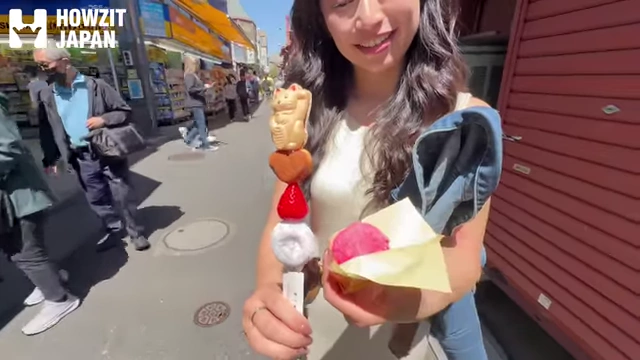
- Signature Item: The crispy "Age-Manju" are deep-fried buns filled with sweet red bean paste (anko).
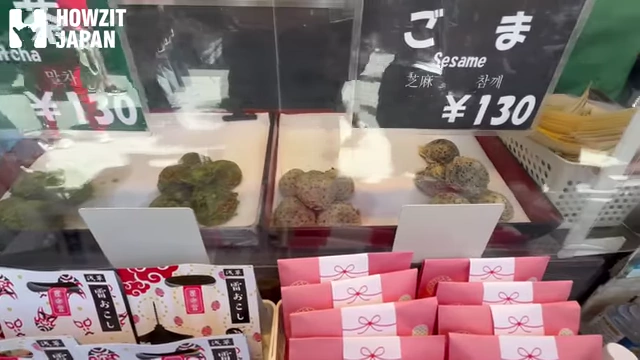
Display of various Age-Manju flavors [ 00:08:09 ] - Modern Sweets: They also offer unique items like strawberry castella skewers and strawberry daifuku, made with carefully selected local strawberries.

Inside a strawberry daifuku with red bean paste [ 00:08:13 ]
Honke Kanesou (100+ Year-old Knife Shop) [08:43]
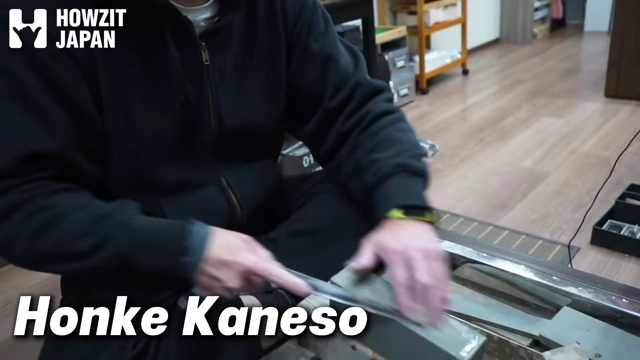
- Quality Craftsmanship: Known for its high-quality Japanese knives.
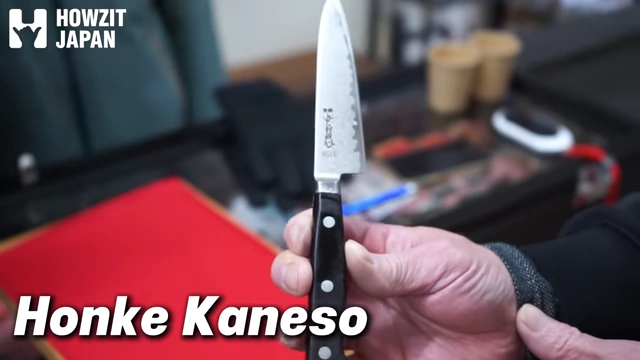
Close-up of a high-quality Japanese knife [ 00:09:35 ] - Community Spirit: The shop embodies Asakusa's community spirit, where neighbors know each other and traditions thrive, with photos of past customers adorning the walls.
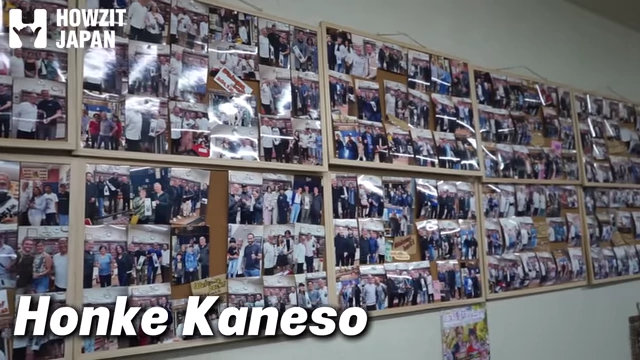
Wall adorned with photos of customers at Honke Kanesou [ 00:09:27 ] - Local Prices: Prices are kept local, not inflated for tourists.
Tatsumiya (Kimono Gift Shop) [10:37]
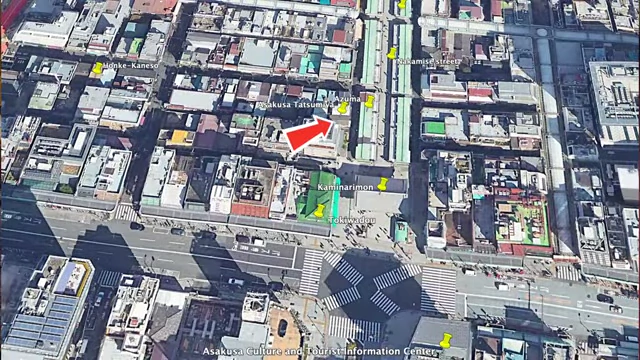
- Kind Staff: Known for its incredibly kind and welcoming staff.
- Popular Souvenir: Their best-selling item is the kimono tenugui (a type of traditional Japanese towel/fabric), which makes for a stylish souvenir, along with other kimono-patterned goods.
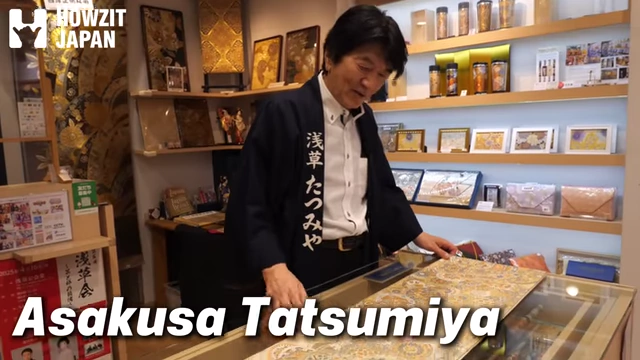
Shop owner showcasing a kimono tenugui fabric [ 00:10:44 ] 
Kimono-patterned thermos as a souvenir [ 00:10:53 ]
Kagetsudo Kaminarimon (Melon Pan) [11:01]
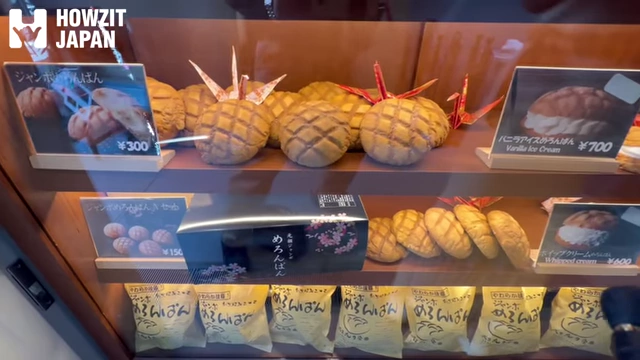
- Texture: The melon pan is freshly baked, offering a crispy exterior and a soft, fluffy interior with a rich, buttery sweetness.
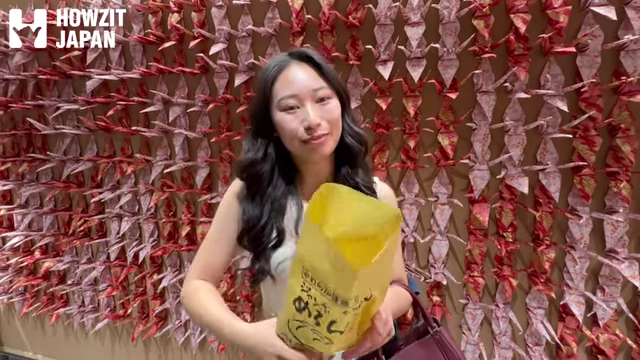
Speaker holding a hot, freshly baked Melon Pan [ 00:11:32 ] - Consumption: Best enjoyed while hot; there is no seating inside.
Exploring Senso-ji Temple [11:53]
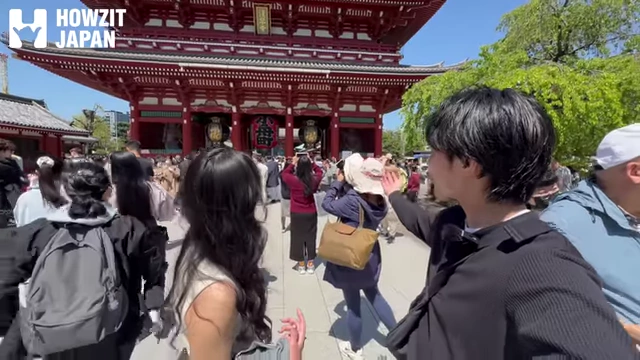
- Resilience: The temple has been rebuilt multiple times after fires and damage from events like World War II and major earthquakes.
- Main Hall: The main hall houses important statues and is a focal point for visitors.
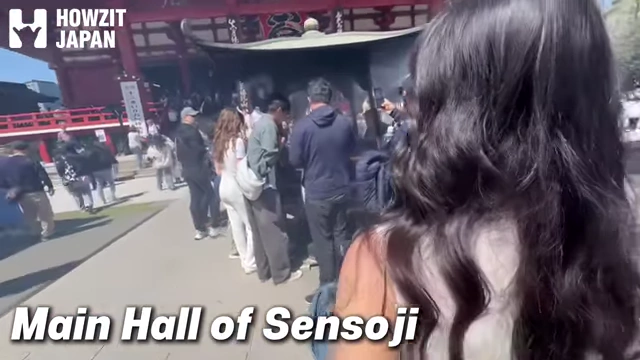
The main hall of Senso-ji Temple [ 00:13:29 ]
Temple Etiquette [15:07]
Observing proper etiquette is important when visiting Senso-ji Temple.
- Purification:
- Incense: Visitors can gather smoke from the incense cauldron, believed to have healing powers, and direct it towards themselves.
- Water Station: Before entering the main hall, one should purify themselves at the water station by rinsing the left hand, then the right, and optionally the mouth.

Woman demonstrating the water purification ritual [ 00:14:00 ]
- No Sitting: It is considered improper to sit on the stairs or ground within the sacred temple area once past the main gate.
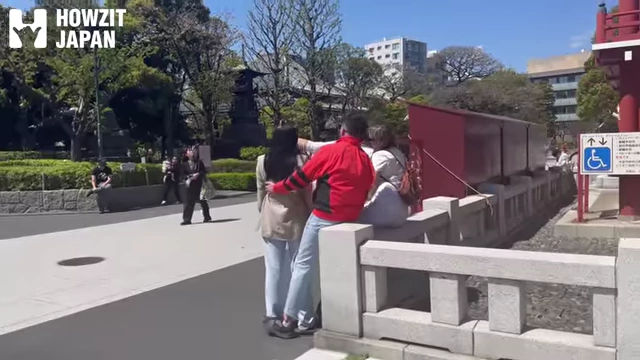
Tourists sitting on the stone fence outside Senso-ji temple, illustrating improper etiquette [ 00:00:08 ] - Photography Restrictions: Taking photos or videos of the statues inside the main hall is generally not allowed; it's advisable to check specific rules for each shrine or temple.
Hoppy Street (Local Izakaya Alley) [16:00]
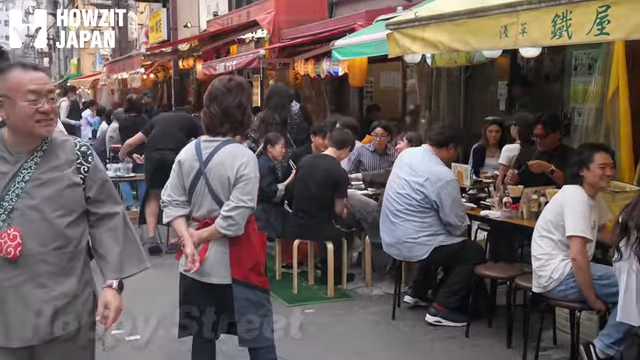
- Nostalgic Atmosphere: It exudes a nostalgic charm, reminiscent of an older Japan.
- Local Gathering Spot: Locals frequent this street for drinks, food, and socializing.
- Beverages: A great place to grab a beer or the traditional Japanese beverage "Hoppy."
Monja Tsukushi (Local-style Monjayaki) [16:40]
For an authentic Asakusa-style monjayaki experience, Monja Tsukushi is a legendary spot with over 55 years of history.
- Celebrity Spot: The walls are adorned with celebrity autographs, testifying to its popularity.
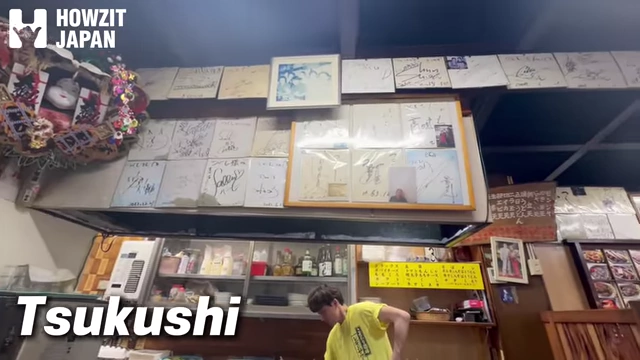
Wall of celebrity autographs at Monja Tsukushi [ 00:17:06 ] - Interactive Cooking: The staff are happy to assist in cooking monjayaki on the griddle if you're unfamiliar with the process.
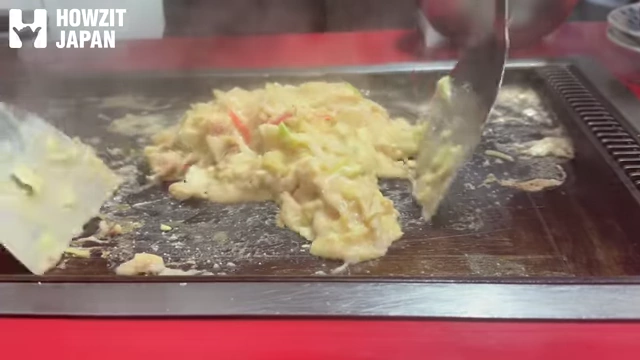
Ingredients being mixed and cooked for Monjayaki [ 00:17:33 ] 
Monjayaki cooking on a hot griddle [ 00:17:18 ] - Eating Technique: To eat, make a small pancake-like portion on the griddle and let it slightly burn for a crunchy texture before scooping with a small spatula.

Woman demonstrating how to eat Monjayaki with a small spatula [ 00:18:12 ]
Wagashi Kaede (Authentic Japanese sweets) [18:55]
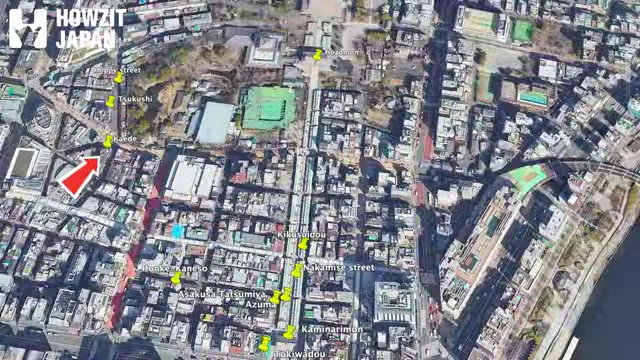
- Dango Speciality: Their soft, chewy dango with perfectly balanced mitarashi sauce is a must-try.
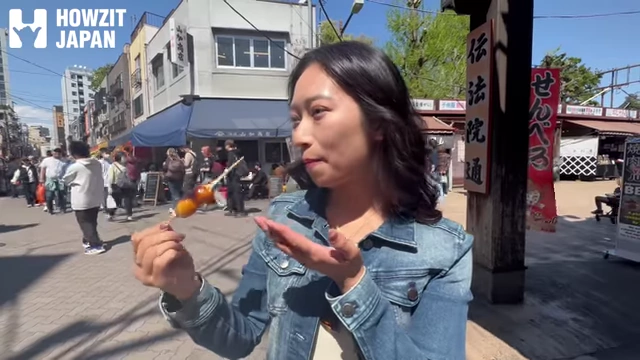
Mitarashi Dango with sweet sauce [ 00:19:10 ]
Sushi Mimatsu (Family-run sushi restaurant) [19:24]
Mimatsu is a highly recommended family-owned sushi restaurant in Asakusa, known for its warm hospitality.
- Genuine Hospitality: Offers a blend of warm tradition and genuine hospitality, making guests feel like stepping into a true local gem.
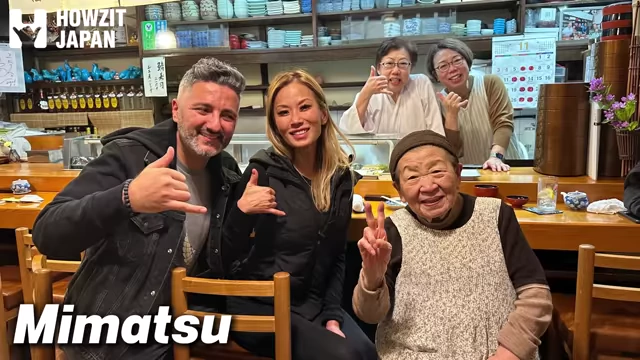
Mimatsu's family-run sushi restaurant staff with guests [ 00:19:40 ] - Fresh Ingredients: Sushi is crafted with care using fresh, seasonal ingredients.
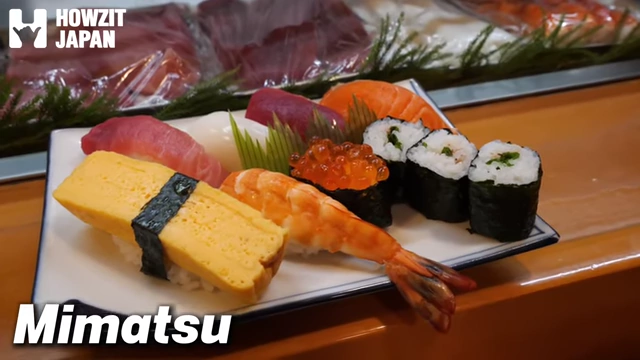
Assortment of fresh sushi at Mimatsu [ 00:19:47 ] 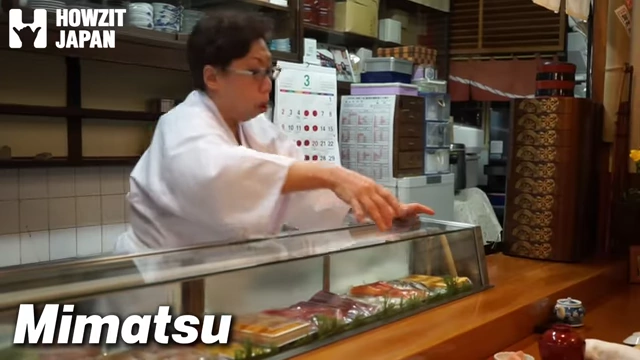
Sushi chef preparing dishes at Mimatsu [ 00:19:54 ] - Operating Hours: Primarily open for dinner from 5:00 p.m.; lunch service is only available on weekends.
Mametoku (Stylish bean snack shop) [20:09]

- Variety of Flavors: Offers a huge selection of sweet and savory bean treats.
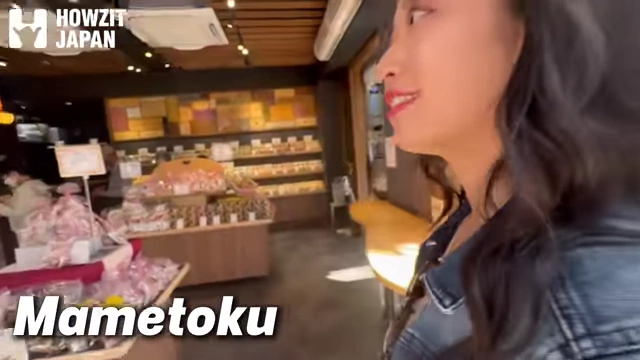
Assortment of flavored bean snacks at Mametoku [ 00:20:24 ] 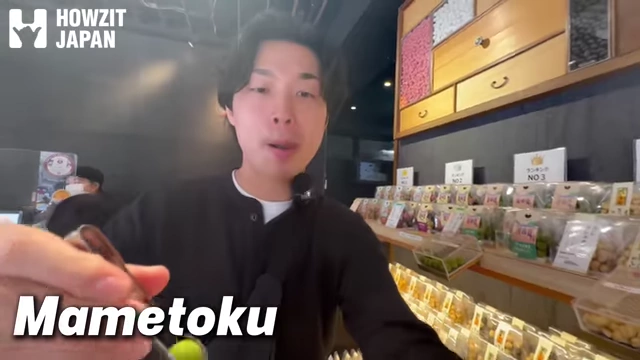
Speaker holding a bean snack from Mametoku [ 00:20:19 ] - Perfect for Gifting: Ideal for snacking or as gifts.
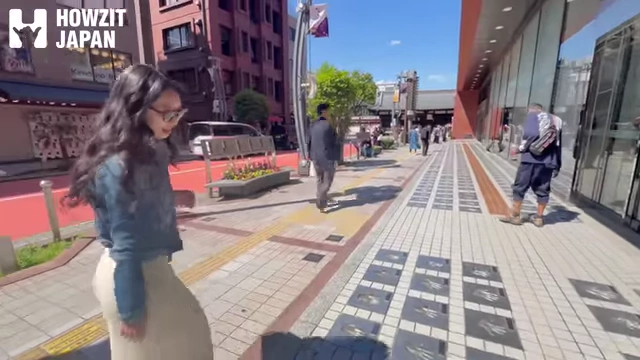
Orange St [21:08]
Orange Street is distinctive for its unique feature: handprints of celebrities embedded in the pavement, similar to Hollywood's Walk of Fame.
Retro Underground Arcade (Showa-era vibes) [21:56]
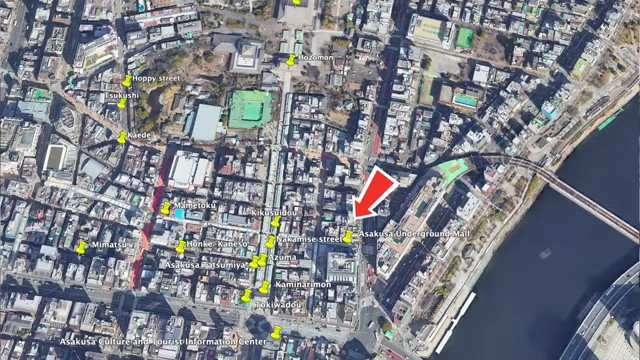
- Historic Ambience: This underground area dates back to 1954 and is connected to the Ginza Line, one of Tokyo's oldest subway lines.
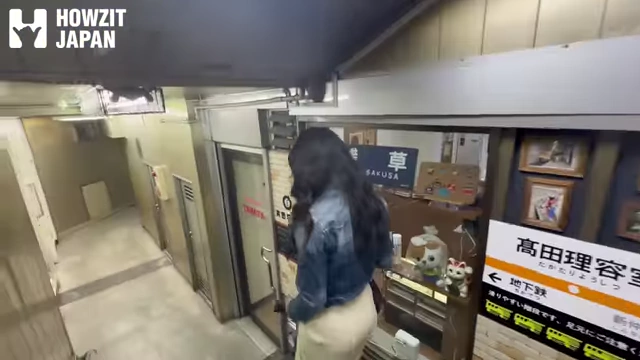
Entrance to the Retro Underground Arcade [ 00:23:32 ] - Showa Era Charm: It's filled with tiny bars, restaurants, and shops that have remained largely unchanged for decades, preserving the nostalgic atmosphere of Japan's Showa era.
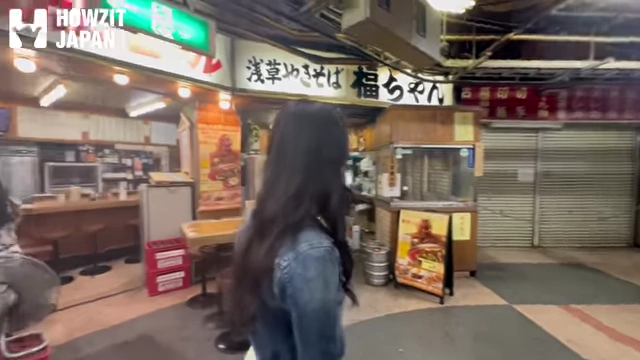
Nostalgic interior of the Retro Underground Arcade [ 00:23:37 ]
Sumida River [24:10]
The Sumida River area offers a scenic spot with beautiful views.
- Photo Opportunity: It is considered one of the best photo spots in Asakusa, providing clear views of the Tokyo Sky Tree and the Asahi Beer building.
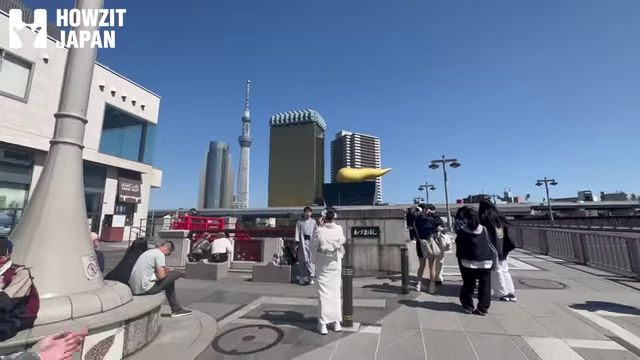
Tokyo Skytree and Asahi Beer building viewed from Sumida River [ 00:24:28 ] 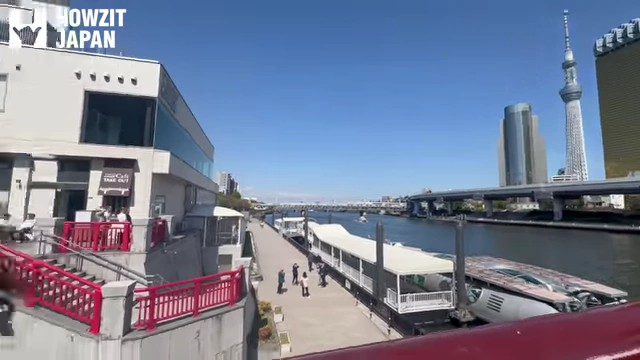
View along the Sumida River with boats [ 00:24:46 ] - Seasonal Beauty: In springtime, the riverbanks are lined with cherry blossom trees, making it particularly picturesque.