The Art of Marketing: A Comprehensive Masterclass for Entrepreneurs and Marketers
- This video provides a comprehensive guide to modern marketing for entrepreneurs and brand owners, covering positioning, funnels, email marketing, SEO, influencer marketing, events, and partnerships.
- The speaker emphasizes "positioning," which defines how a product is brought to market and differentiated from competitors, considering factors like price and unique selling propositions.

A retail aisle showcasing various products, illustrating the "good, better, best" merchandising strategy. [ 00:01:39 ] - The "funnel" concept explains the customer journey from awareness to purchase, with optimization at each stage to maximize conversion.
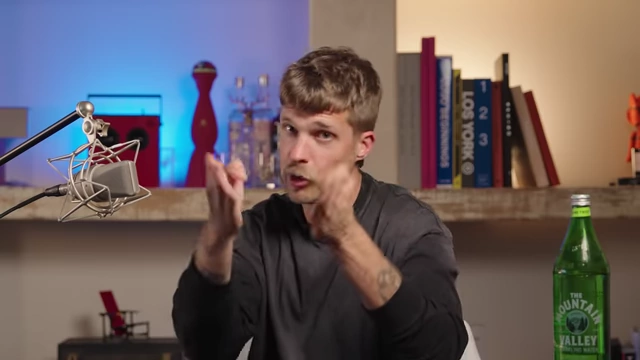
The speaker demonstrates the marketing funnel narrowing from initial traffic to customer purchase. [ 00:05:29 ] - Email marketing is detailed, distinguishing between campaigns and automated sequences, highlighting the need for value-driven content and personalization.
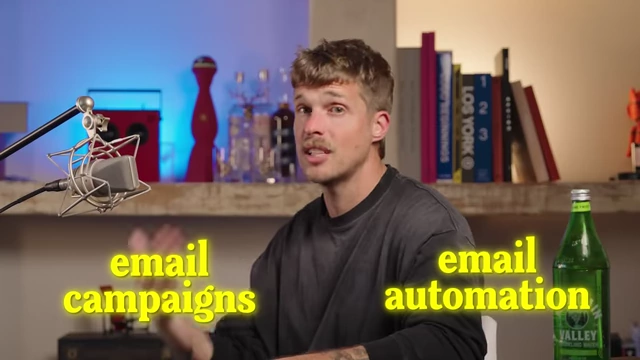
A visual distinguishing between email campaigns and email automation strategies. [ 00:08:38 ] - "Retention" focuses on strategies for repeat purchases and increasing customer lifetime value, integrating customer experience (CX) and support insights.
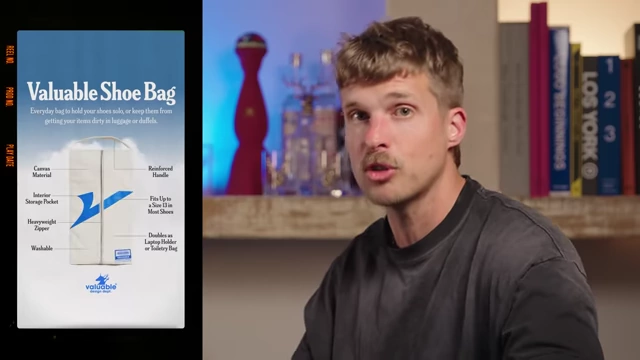
An infographic detailing the features and benefits of a "Valuable Shoe Bag," used as an entry-level product for customer retention. [ 00:10:03 ] - "SEO (Search Engine Optimization)" is crucial for organic traffic, outlining keyword identification, content optimization, and link building.
Ahrefs logo, a tool used for SEO analysis to identify keywords and track rankings. [ 00:14:31 ] - "Retail support" covers strategies for in-store success, including merchandising and staff training.
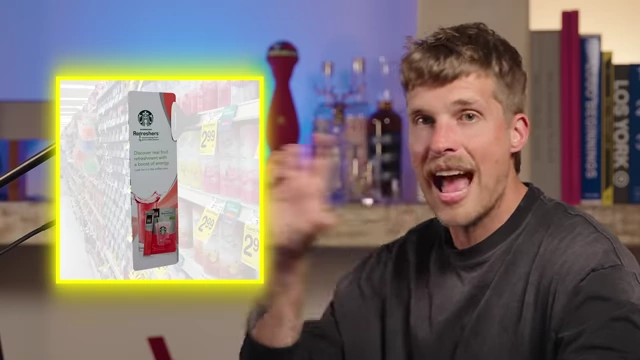
A Starbucks "aisle interruptor" display in a retail store, designed to attract customer attention. [ 00:19:18 ] - "Content" is highlighted as an all-encompassing element, noting everything from ads to packaging contributes to a brand's narrative.
- "Influencer marketing" differentiates between product seeding and paid partnerships, stressing the importance of tracking and long-term collaborations.

A visual differentiating between influencer "seeding" (free product) and "paid" influencer marketing. [ 00:21:52 ] - "Events" are categorized into consumer, B2B, and selling events, with an emphasis on clear ROI and social media activation.
- "Partnerships and collaborations" leverage external brands for mutual benefit through co-marketing and licensing, requiring clear logistical planning.
Warren Lotus brand logo, an example of a fashion brand utilizing licensing with popular iconography. [ 00:25:59 ]
Introduction to Marketing Concepts [0:00:00]
The video aims to provide a comprehensive overview of various marketing types for entrepreneurs and brand owners, covering positioning, funnels, email marketing, SEO, influencer marketing, and events. The speaker leverages his background as SVP of marketing at Gelb Blaster and other companies to offer practical insights into modern marketing.

1. Positioning: Differentiating Your Product [0:01:13]
Positioning is crucial for how a product is presented in the market relative to competitors.
- Good, Better, Best Strategy [0:01:31]
- This retail merchandising approach categorizes products by price and quality.
A retail aisle showcasing various products, illustrating the "good, better, best" merchandising strategy. [ 00:01:39 ] - "Best" items are high-end, expensive, and often sold on brand (e.g., GoPro, Bose/Beats).
- "Better" items represent the core category, driving most sales.
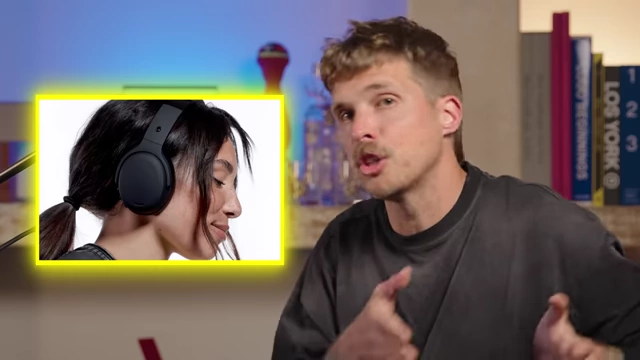
Headphones representing a "better" product in the "good, better, best" merchandising strategy. [ 00:02:08 ] - "Good" items are priced lower, appealing primarily on cost (e.g., Skullcandy for headphones).
- This retail merchandising approach categorizes products by price and quality.
- Beyond Price: Appeal and Differentiation [0:01:44]
- Positioning involves identifying the target audience and how the product stands out.
- It's a dynamic process influenced by competitor offerings.
- Example: Positioning a computer as a "gaming PC" versus a "work" machine.
- Elevator Pitch Exercise [0:02:35]
- Marketers should be able to articulate their product's unique selling proposition and how it compares to major competitors.
- Positioning Tactics [0:03:09]
- Price: Offering a cheaper alternative in a successful market.
- Lifestyle Product: Charging more by creating an aspirational brand.
- Position Against [0:03:35]
- Highlighting a negative aspect of a popular product and declaring your product is the opposite.
- Example: Prebiotic sodas (Olipop, Poppi) positioning themselves as "not Coke," implying they are a healthier alternative.
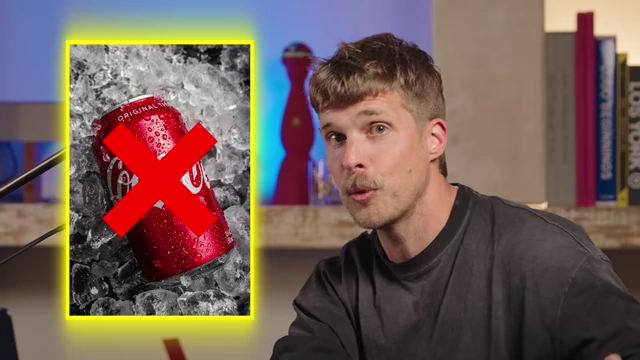
A Coca-Cola can with a red 'X', illustrating the "position against" marketing strategy (e.g., prebiotic sodas positioning themselves as "not Coke"). [ 00:03:52 ]
- Counterculture Positioning [0:04:00]
- Contrasting your brand with mainstream consumer culture within a category.
- Often involves a "gothic" or "extreme" aesthetic.
- Example: Liquid Death (water), Death Wish Coffee (high caffeine, skull logo), Black Rifle Coffee.
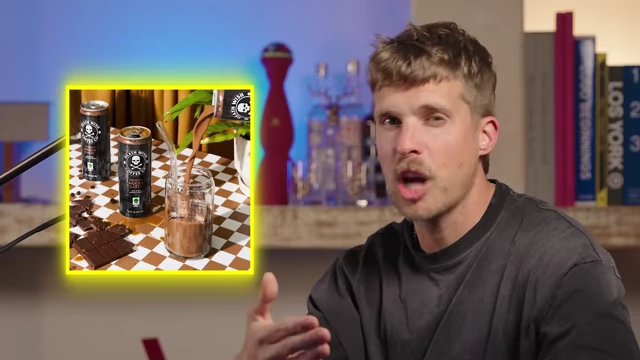
Death Wish Coffee products, an example of "counterculture positioning" with high caffeine content and distinct branding. [ 00:04:06 ] 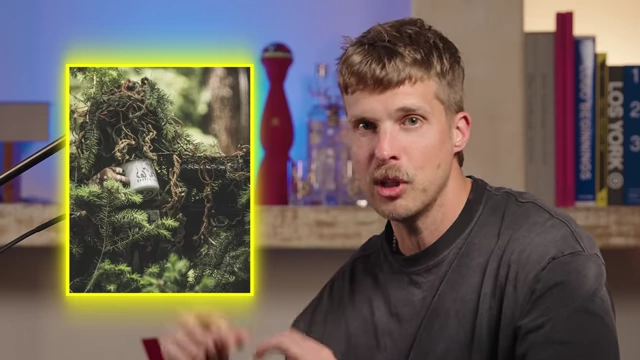
A Black Rifle Coffee mug in a tactical setting, exemplifying "counterculture positioning" in the coffee market. [ 00:04:21 ] - Death Wish Coffee: Maximize caffeine content and use a skull and crossbones logo to differentiate from typical coffee branding.
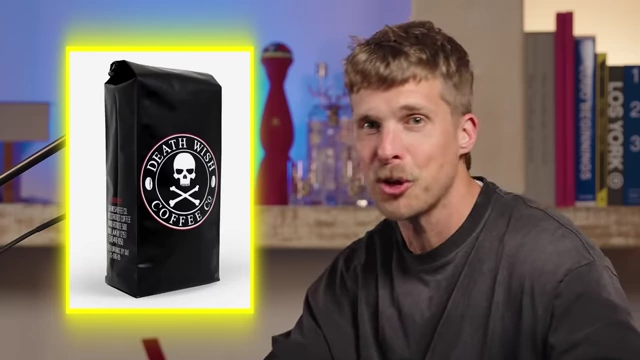
Death Wish Coffee packaging featuring a skull and crossbones, emphasizing extreme branding. [ 00:04:36 ]
- Death Wish Coffee: Maximize caffeine content and use a skull and crossbones logo to differentiate from typical coffee branding.
2. The Marketing Funnel and Website Optimization [0:04:52]
A funnel represents the customer's online journey from initial awareness to purchase.
- Stages of the Funnel [0:05:11]
- Top of Funnel: Generating brand awareness through social media, videos, and ads.
- Website Engagement: Visitors landing on the website.
- Product Page Exploration: Users viewing specific products.
- Add to Cart: Customers adding items to their shopping cart.
- Checkout: Finalizing the purchase.
The speaker demonstrates the marketing funnel narrowing from initial traffic to customer purchase. [ 00:05:29 ]
- Funnel Optimization [0:05:35]
- Marketers must analyze each stage to minimize drop-offs and maximize conversion.
- Website Experience: Ensuring the right message, imagery, and call-to-actions on landing pages.
- Soft Call-to-Actions (CTAs) [0:06:30]
- Encouraging email sign-ups or phone numbers before a direct purchase.
- Offering free content, video bundles, or discount codes as incentives.
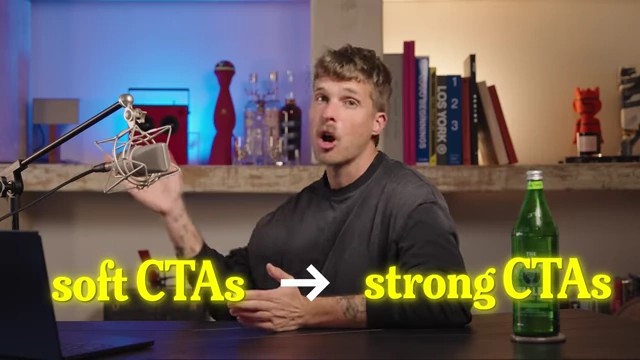
A diagram illustrating how "soft Call-to-Actions (CTAs)" lead to "strong CTAs" (purchases). [ 00:06:46 ] - This builds engagement and guides customers toward future purchases.
- Addressing Customer Concerns [0:07:34]
- Proactively answering common questions on product pages (e.g., clothing fit, material composition, health considerations).
- Using visuals (e.g., diverse body types for clothing) to address fit concerns.
3. Email Marketing: Campaigns and Automation [0:07:53]
Email marketing is an effective, yet often underutilized, tool.
- Email Campaigns [0:08:06]
- Regularly sending emails to a subscriber list.
- Value-Driven Content: Share content, ideas, and journeys rather than constant sales pitches to increase open rates.
- Personality: Emails from a specific person (e.g., CEO) can build stronger connections.
- Email Automation [0:08:36]
- Automated emails triggered by specific customer actions (e.g., purchase, abandoned cart, website sign-up).
A visual distinguishing between email campaigns and email automation strategies. [ 00:08:38 ] - Welcome Sequences: For new subscribers.
- Cross-selling: Suggesting related products after a purchase.
- Platforms like Omnisend, Mailchimp, and Klaviyo facilitate automation.
Mailchimp logo, an example of an email marketing automation platform. [ 00:08:51 ] - Well-designed automated journeys provide information, answer questions, and drive sales passively.
- Automated emails triggered by specific customer actions (e.g., purchase, abandoned cart, website sign-up).
4. Customer Retention and Experience (CX) [0:09:44]
Focusing on existing customers is key for long-term growth.
- Encouraging Repeat Purchases [0:09:50]
- Strategies to increase average order value and customer loyalty.
- Example: A shoe bag brand aims to cross-sell higher-ticket items to initial buyers.
An infographic detailing the features and benefits of a "Valuable Shoe Bag," used as an entry-level product for customer retention. [ 00:10:03 ] - Example: Car manufacturers like Toyota focus on repeat purchases over switching to competitors.
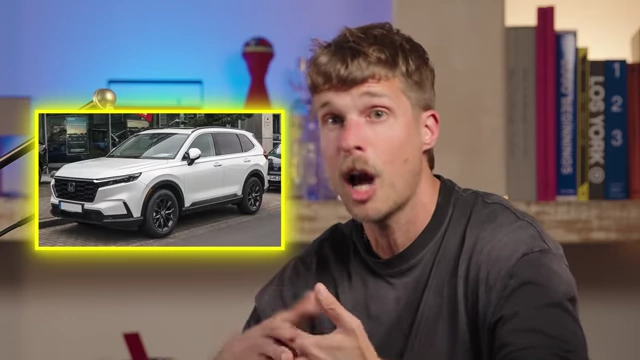
A Honda CR-V, used to illustrate the concept of customer retention and brand loyalty in the automotive industry. [ 00:10:25 ]
- Integrated Marketing and Customer Support [0:10:39]
- CX significantly impacts word-of-mouth marketing and repeat business.
- Customer service should inform marketing about common questions and positive feedback for testimonials.
- Marketing should use customer insights to create relevant content.
- Leveraging Customer Data [0:11:20]
- Example: A women's wear brand discovered customers attending festivals, leading to themed collections and influencer seeding.
- Identifying influential customers for seeding programs.
5. SEO (Search Engine Optimization) [0:13:56]
Optimizing website pages to rank highly in search engine results.
- Importance and Current Landscape [0:14:10]
- Essential for organic traffic, though AI search tools are changing the landscape.
- Ranking in the top 1-3 results is crucial; anything lower is less impactful.
- Tools for SEO Analysis [0:14:26]
- Ahrefs (ahrefs.com) and SEMrush (semrush.com) analyze keywords, rankings, and content difficulty.
Ahrefs logo, a tool used for SEO analysis to identify keywords and track rankings. [ 00:14:31 ]
- Ahrefs (ahrefs.com) and SEMrush (semrush.com) analyze keywords, rankings, and content difficulty.
- Brand Naming and SEO [0:14:48]
- Avoiding similar brand names to prevent competition and wasted ad spend on your own brand.
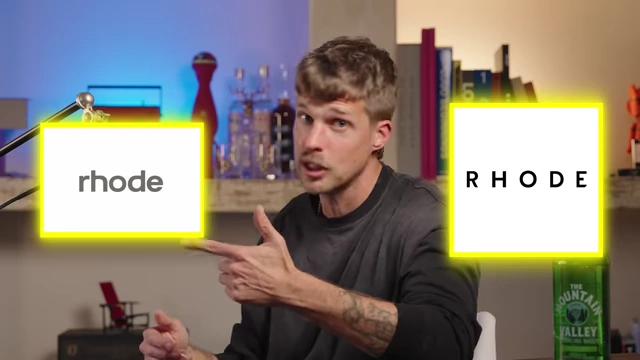
The brand names "rhode" and "RHODE," demonstrating potential SEO challenges with similar names. [ 00:14:55 ]
- Avoiding similar brand names to prevent competition and wasted ad spend on your own brand.
- SEO Strategy for Singular Terms [0:15:08]
- Identify Opportunities: Find terms with search volume and low competition (using difficulty ranking scores from 0-100).
- Create Optimized Content:
- Dedicated pages or collection pages for specific products (e.g., "Japanese acetate sunglasses").
- Descriptive write-ups explaining product features and brand value.
- Embedding relevant videos.
- On-Page Optimization: Including keywords in page headers and descriptions.
- Link Building: Generating external links from other websites and social media to the optimized page.
- Case Study: Chlorophyll Water [0:16:53]
- Proactive SEO before launch secured top rankings for "chlorophyll" and "chlorophyll water."
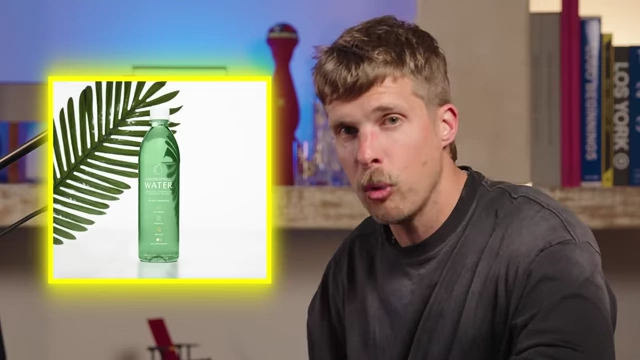
Chlorophyll Water bottle, used as a case study for successful SEO strategy prior to launch. [ 00:16:56 ] - This allowed the brand to capitalize on massive influencer-driven attention by directing traffic to their high-ranking website.
- Proactive SEO before launch secured top rankings for "chlorophyll" and "chlorophyll water."
6. Retail Support [0:17:56]
Strategies for getting products into physical stores and ensuring their success.
- Winning Over Retailers [0:18:16]
- Provide Data: Show SEO traffic or marketing program reach to demonstrate demand (e.g., Chlorophyll Water knowing local search traffic).
- Influencer Support: Dedicate influencers to create content supporting specific retail chains.
- Positioning: Offer a unique value proposition (e.g., a cheaper alternative to existing products on shelves).
- In-Store Merchandising [0:19:07]
- Product Presentation: Packaging designed for shelves (e.g., tear-back boxes for protein bars).
- Aisle Interruptors: Tags or signage to draw attention to products.
A Starbucks "aisle interruptor" display in a retail store, designed to attract customer attention. [ 00:19:18 ] - Displays: Elaborate displays (e.g., in Ulta or Sephora) to encourage product consideration.
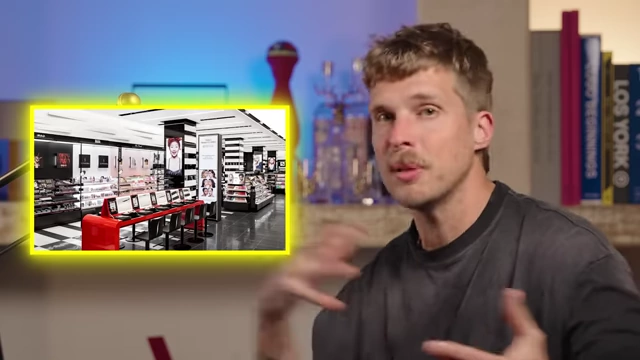
Interior of a Sephora store, illustrating elaborate product displays to encourage customer consideration. [ 00:19:32 ] - The goal is to get the "first look" from customers; once achieved, purchase likelihood is high.
- Retail Training [0:19:58]
- For stores with trained sales staff (e.g., outdoor stores like REI, Dick's Sporting Goods).
- Provide extensive training, incentives, and educational materials to employees.
- Ensure staff have hands-on experience and can recommend products effectively.
7. Content and Influencer Marketing [0:20:28]
Content is ubiquitous in modern marketing, driving engagement across all touchpoints.
- Content is Everywhere [0:20:36]
- Ads (Meta, out-of-home, TV), retail training materials, event experiences, and packaging all generate content.
- Customers themselves create content (videos, photos) at events or with products.
- Content Strategy [0:21:13]
- Marketers need in-depth knowledge of social media networks and platform nuances.
- Example: Tagging related videos on YouTube Shorts, optimizing tutorials for search, understanding TikTok creator vs. brand accounts.
- Marketing leaders should be "in the trenches" and think like creators.
- Influencer Marketing [0:21:45]
- 1. Seeding [0:21:53]
- Sending free products to influencers for organic posts.
A visual differentiating between influencer "seeding" (free product) and "paid" influencer marketing. [ 00:21:52 ] - Requires a system to find up-and-coming influencers, contact them, send products, and monitor posts.
- Graduating successful "seeders" to paid partnerships.
- Sending free products to influencers for organic posts.
- 2. Paid Influencer Marketing [0:22:24]
- Paying influencers for promotions that generate sales and interest.
- Long-term Partnerships: Focus on multiple posts and longer engagements for better ROI.
- Tracking: Implement a CRM system to track, monitor, and justify the value of influencer campaigns.
- In-house influencer management is often more cost-effective than agencies.
- 1. Seeding [0:21:53]
8. Events and Partnerships [0:23:19]
Leveraging external engagements and collaborations to expand brand reach.
- Types of Events [0:23:22]
- Selling Events [0:23:34]
- Direct-to-consumer events where the primary goal is sales.
- Example: Complex Con for a fashion brand (aiming for break-even or profit).
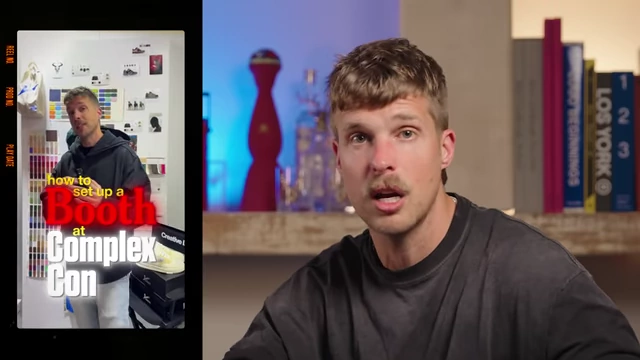
A video thumbnail explaining "how to set up a Booth at Complex Con," a selling event example. [ 00:23:43 ] - Identifying places where the target audience gathers (farmers markets, car shows).
- In-person selling can be highly effective with an extroverted sales team.
- B2B Events [0:24:09]
- Industry trade shows where brands sell to retailers and buyers.
- Examples: Magic Convention (fashion), IFA (consumer electronics), Expo West (CPG).
- Success Requires Planning: Schedule meetings with buyers, active selling, and diligent follow-up.
- Clear ROI Goals: Define sales targets (POS or direct sales) to justify the significant investment.
- Consumer-Facing Events (Brand Appreciation) [0:25:12]
- Events designed to engage and appreciate customers.
- High potential for social media content generation if designed to be visually appealing and shareable.
- Requires activating customers to create content and being social media friendly to justify ROI.
- Selling Events [0:23:34]
- Partnerships and Collaborations [0:25:34]
- Collaborations: Brands creating a product together and co-marketing it.
- Requires clear logistics: who pays, who sells, who creates assets, and how profits are shared.
- Can fill product release gaps (e.g., between seasonal collections).
- Licensing [0:25:51]
- Paying royalties to use popular iconography or brands on your product.
- Example: Warren Lotus licensing NBA/NFL logos for his clothing.
Warren Lotus brand logo, an example of a fashion brand utilizing licensing with popular iconography. [ 00:25:59 ] - Allows brands to tap into existing, passionate fan bases.
- Common for brands like Simple Modern and Represent.
- Branded Programs: Larger brands working with smaller brands over time (e.g., Montclair with Genius).
- Collaborations: Brands creating a product together and co-marketing it.
Conclusion [0:27:33]
The video covers a broad range of marketing disciplines, emphasizing that understanding these categories and their potential impact is crucial for any brand. It briefly mentions other nuanced areas like PR and performance marketing which could be separate topics.