Lexi Smith's $238/Month Apartment and Life as an English Teacher in Rural Japan
Summary:
Lexi Smith, a 24-year-old English conversation teacher, shares her experience living in the Chiba Prefecture countryside of Japan.
- She earns approximately $1,700/month and pays only $238/month for her one-bedroom, one-bathroom apartment.
- Lexi moved to Japan from Atlanta without knowing the language or anyone, seeking a better work-life balance than teaching in the U.S.
- Her employer facilitated her move by securing her apartment, assisting with a car, and handling city hall paperwork.
- Despite not speaking Japanese, she navigates daily life with English-speaking friends/coworkers and translation apps.
- Her work involves teaching English to students aged 3 to 73, with a flexible schedule allowing free mornings.
- She appreciates Japan's respectful culture, the peaceful countryside, and the strong community welcome she receives as a foreigner.
- Lexi provides a tour of her apartment, showcasing Japanese decor, a compact kitchen with a built-in grill, a separate toilet, a washing machine, and the unique, highly organized garbage collection system.
- Key monthly expenses include: water ($6), electricity ($30), gas ($20), car note ($100), car gas ($18), health insurance ($12), groceries ($200), and other taxes ($90).
- She is documenting her experience to show rural Japanese life and empower other young people of color to pursue similar opportunities, though she plans to return to Atlanta after her one-year visa.
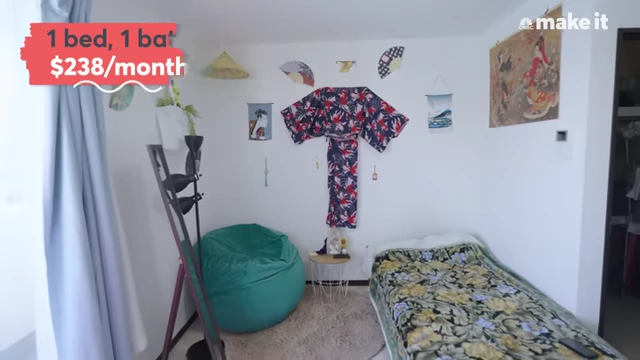
Lexi's 1-bedroom, 1-bath apartment, rented for $238/month [ 00:03:24 ]
Introduction to Lexi's Life in Japan [0:00]
Lexi Smith, a 24-year-old from Atlanta, moved to the Chiba Prefecture in Japan to teach English.
- Motivation for Moving
- Sought to experience Japanese culture beyond major cities like Tokyo.
- Desired a more peaceful environment with traditional homes and rice fields.
- Attracted to Japan's respectful and kind culture, especially the high regard for teachers.
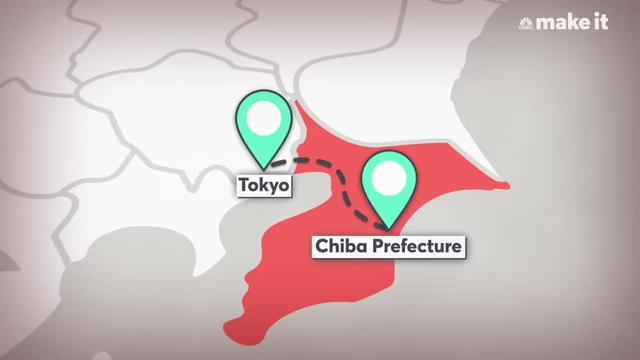
Map showing Chiba Prefecture's location relative to Tokyo, highlighting Lexi's rural setting. [ 00:02:34 ]
- Her Role and Income
- Works as an English conversation teacher at an "eikaiwa," a private language school.
- Teaches 100% in English, utilizing an immersion method for language learning.
- Earns about $1,700 per month.
- Cost of Living
- Pays approximately $238 per month for her apartment rent.
- Finds the cost of living simple, having adapted her lifestyle.
The Move to Japan and Adjustments [1:28]
Lexi details her journey and initial challenges moving to a new country.
- Decision to Teach Abroad
- Dissatisfied with the school system in the U.S.
- Sought an "easier life" and the opportunity to experience more cultures.
- Preparation Steps
- Obtained certification to teach abroad.
- Gained prior experience teaching foreigners in America.
- Job and Relocation Support
- Secured her job through Xplore Asia, a company with a guaranteed job program for Japan.
- Her employer provided significant assistance upon arrival:
- Arranged her apartment before she even landed.
- Helped her acquire a car.
- Assisted with city hall paperwork.
- Adjusting as a Foreigner
- The biggest adjustment is not speaking Japanese, as her daily life is predominantly in English with coworkers and friends.
- Utilizes Google Translate and other apps for necessary interactions, such as at the post office.
Apartment Tour and Expenses [3:22]
Lexi gives a tour of her 1-bedroom, 1-bathroom apartment and outlines her monthly costs.
- Apartment Overview
- Rent: ¥35,000 (approx. $238) per month.
- Decorated with Japanese cultural items.
Lexi's 1-bedroom, 1-bath apartment, rented for $238/month. [ 00:03:24 ]
- Living Spaces
- Bedroom: Features a yukata (traditional garment) used for festivals and as decor, decorative fans, and ukiyo-e art.
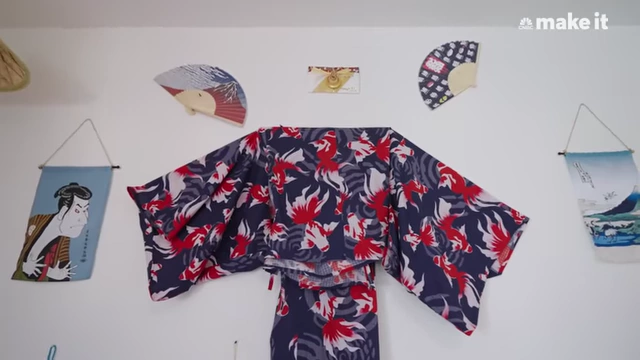
Lexi's yukata and decorative fans used as traditional Japanese decor. [ 00:03:34 ] 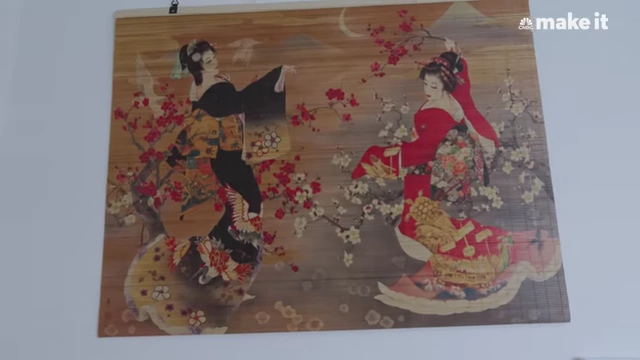
Ukiyo-e style bamboo wall hanging art piece in Lexi's bedroom. [ 00:03:47 ] - Living Room: Uses beanbags for seating when friends visit and a projector for movies and anime instead of a TV.
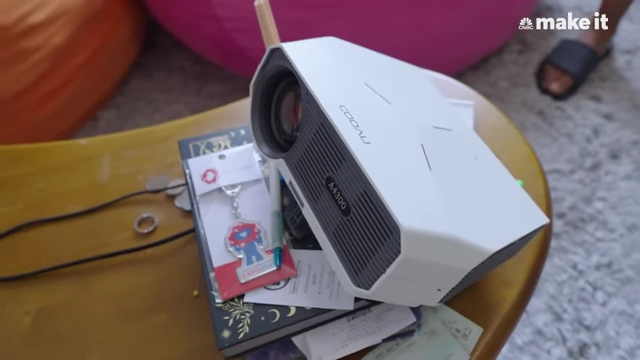
Projector screen used for watching movies and anime instead of a traditional TV. [ 00:04:00 ] - Walk-in Closet: Used for clothes storage, a spare bed, and three suitcases; also collects travel bags.
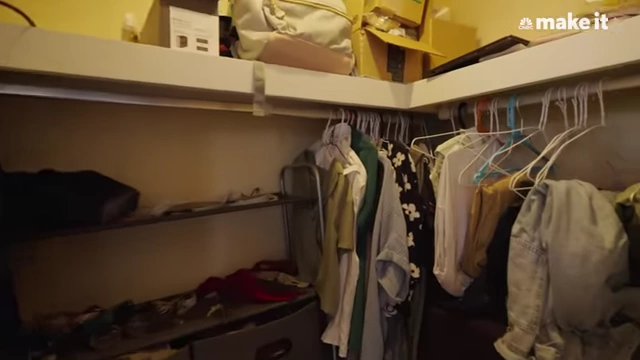
Lexi's walk-in closet storing clothes and travel bags. [ 00:04:10 ] - Kitchen: Includes a microwave, pantry shelves, full-size refrigerator, trash can, three-burner stove, and a grill (no oven).
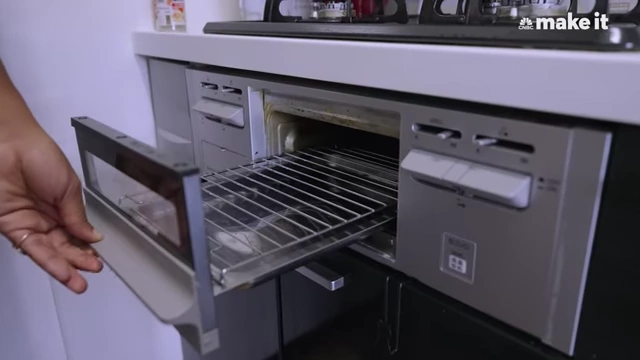
Built-in grill located under the stove in Lexi's Japanese kitchen. [ 00:04:36 ] - Bathroom: Contains a sink area, washing machine, and shower. The toilet is separate.
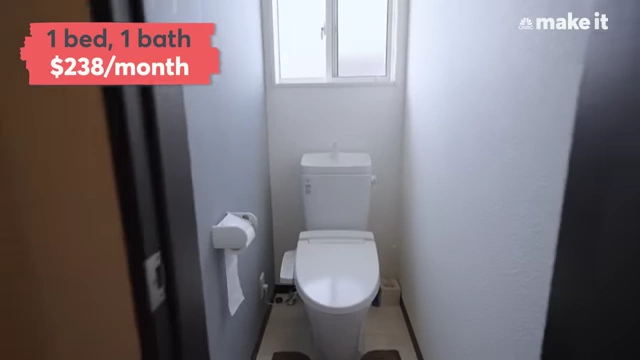
Separate toilet room, a common feature in Japanese apartments. [ 00:03:28 ] 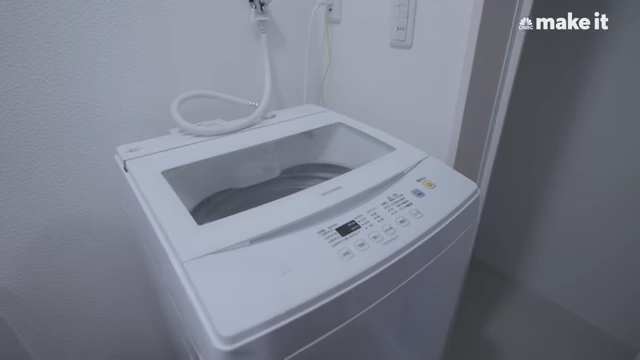
Compact washing machine in Lexi's bathroom area. [ 00:05:00 ] - Balcony: Used for drying laundry (as there's no dryer) and storing outdoor gear for activities like picnicking.
- Emergency Gear: Keeps a red emergency bag with a hard hat, preparing for potential earthquakes or tsunamis.
- Bedroom: Features a yukata (traditional garment) used for festivals and as decor, decorative fans, and ukiyo-e art.
- Household Management
- Garbage Collection: Japan has a complex system with about eight different types of trash that must be sorted and placed in specific bags on designated days and locations for pickup.
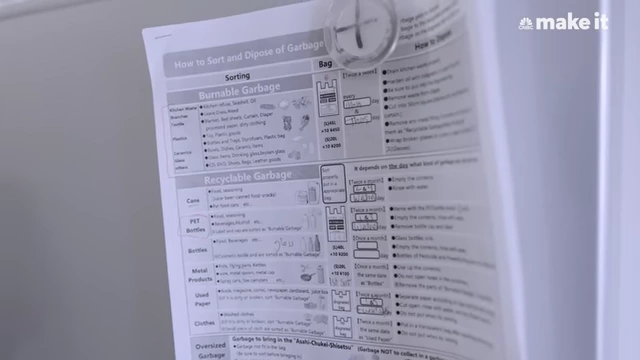
Detailed schedule for Japan's complex garbage sorting and disposal system. [ 00:04:47 ]
- Garbage Collection: Japan has a complex system with about eight different types of trash that must be sorted and placed in specific bags on designated days and locations for pickup.
- Financial Breakdown (Monthly Expenses)
- Employer-Covered Costs: Key money, first and last month's rent, fire insurance (essential in Japan), and car insurance.
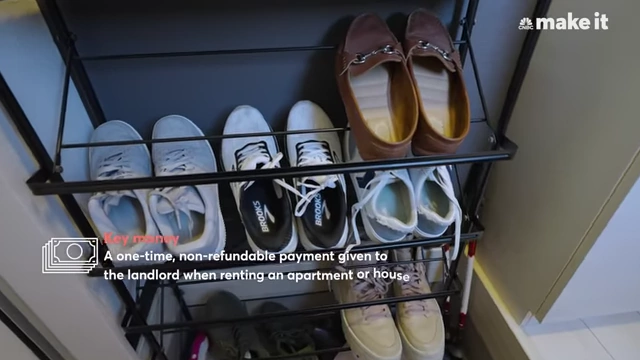
Text overlay explaining 'Key money' as a one-time, non-refundable payment to the landlord. [ 00:05:32 ] - Personal Expenses:
- Car note: $100
- Water bill: $6
- Electricity bill: $30
- Gas bill: $20 (varies by cooking frequency)
- Health insurance: $12
- Car gas: $18 (fills up once a month)
- Groceries: $200
- Other taxes (pension, health, employment, etc.): $90
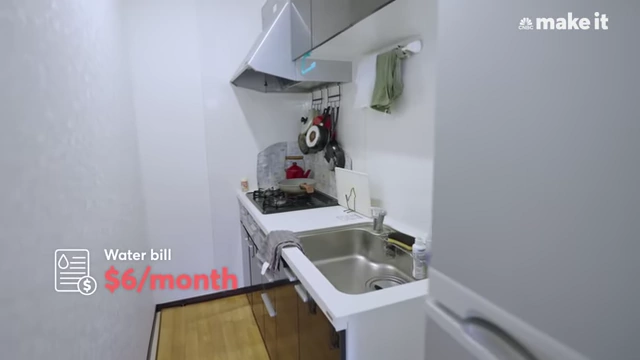
Lexi's compact kitchen, showing her $6/month water bill. [ 00:05:48 ] 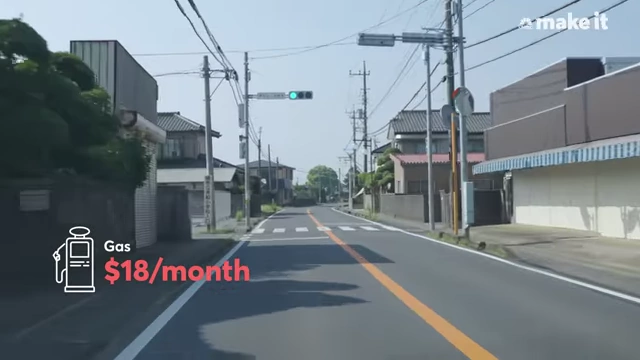
Lexi's gas expense of $18 per month while driving. [ 00:06:07 ] 
Packaged meals in a grocery store, illustrating Lexi's $200/month grocery bill. [ 00:06:12 ] 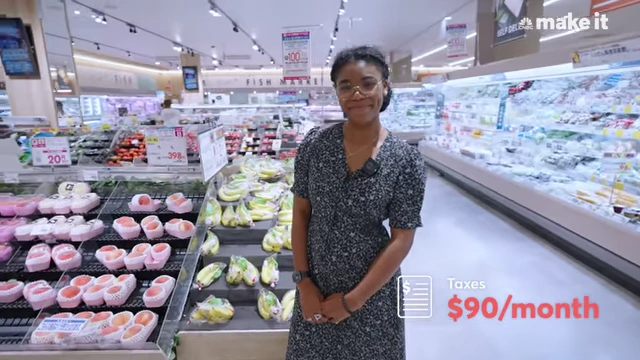
Lexi in a grocery store, with text indicating $90/month for various taxes. [ 00:06:17 ]
- Financial Habits: Lexi managed to build a healthy savings account before moving and aims not to use it while in Japan.
- Employer-Covered Costs: Key money, first and last month's rent, fire insurance (essential in Japan), and car insurance.
Teaching English in Japan [6:37]
Lexi discusses her work as an English teacher and her work-life balance.
- Work Visa
- Holds a one-year work visa for humanities and English teachers.
- Teaching Environment
- Students range from 3 to 73 years old, offering a diverse learning experience.
- Classes focus on communication through conversations, worksheets, and games like Uno and Alphabet Bingo.
- Teaches 1:1 or 2:1 classes, making it an appointment-based system.
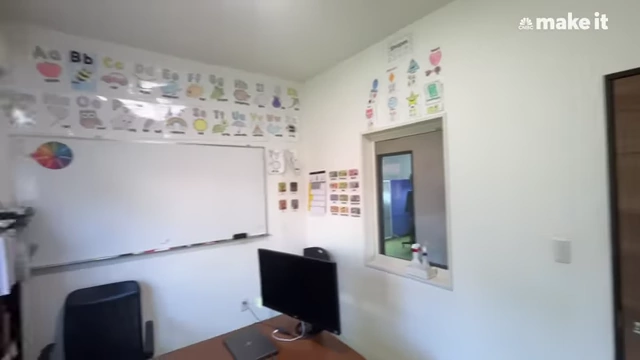
Lexi's English conversation classroom setup with a whiteboard and learning posters. [ 00:06:46 ] 
Alphabet Bingo game and other teaching materials used in Lexi's English classes. [ 00:07:03 ]
- Work Schedule and Balance
- Typically works from 3 PM to 8 PM, teaching 5 to 7 classes daily (30-40 minutes each).
- Enjoys free mornings for personal activities like grocery shopping or meeting friends.
- Appreciates the excellent work-life balance, contrasting it with her past experience in the U.S. where she worked 10-12 hours a day and sometimes skipped breaks.
- The flexible classroom environment is low-pressure, allowing her to thrive on one full-time job.
Reflections on Living in Japan [8:23]
Lexi shares her motivation for documenting her life, her social experiences, and her future plans.
- Documenting Her Experience
- Began documenting her life three months prior to highlight the reality of living in the Japanese countryside, beyond Tokyo's popular image.
- Aims to empower other young people of color, especially those in their early 20s in the U.S., to consider similar international opportunities.
- Social Life
- Found it easy to make friends in Japan, starting with Zoom introductions to coworkers before arriving.
- Coworkers introduced her to other English teachers, leading to a vibrant social life filled with movie nights and cultural events like cherry blossom viewings.

Lexi enjoying a festival and posing in a traditional Japanese kimono, representing her immersive social experiences in Japan. [ 00:08:52 ]
- Future Plans
- Despite loving her experience, she plans to return to Atlanta after her one-year visa.
- Primarily misses her close-knit family, who are 7,000 miles away.
- Personal Growth
- Living in Japan has significantly helped her grow as a teacher, fostering more patience and adaptable teaching methods.
- Expresses excitement and uncertainty about her path upon returning to the U.S.