Mel Robbins presents a research-backed, year-end ritual using six powerful questions to reflect on the past year and plan for a better future, emphasizing self-awareness and intentional action.
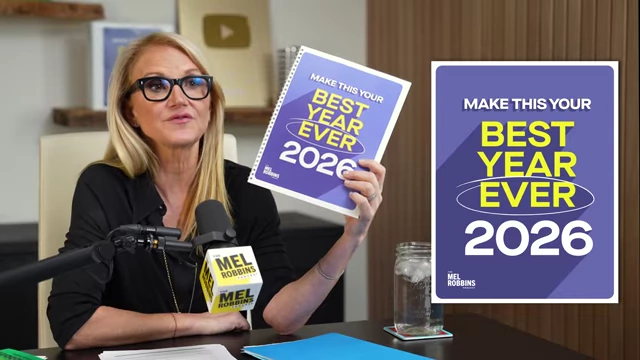
Cover of the "Make This Your Best Year Ever 2026" companion workbook
[
00:00:57
]
Welcome and The Power of Reflection [00:00] [00:58]
An amazing year doesn't happen by chance, but by choice, and it starts with self-awareness. [00:10] [00:23]
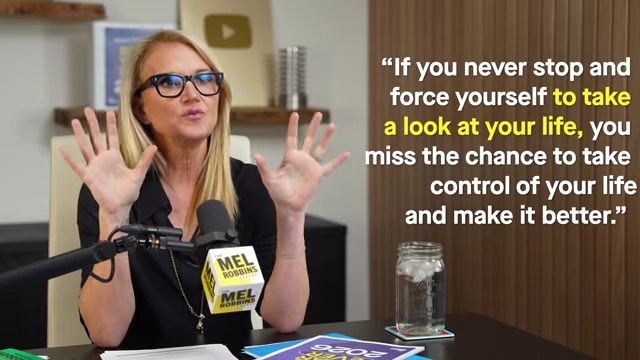
"If you never stop and force yourself to take a look at your life, you miss the chance to take control of your life and make it better." [00:02:57]
A key quote on the importance of self-reflection for life improvement
[
00:03:01
]
The Year-End Ritual: Mel Robbins and her husband have used this simple, research-backed ritual for 22 years to gain clarity and set intentions for the coming year. [00:41]
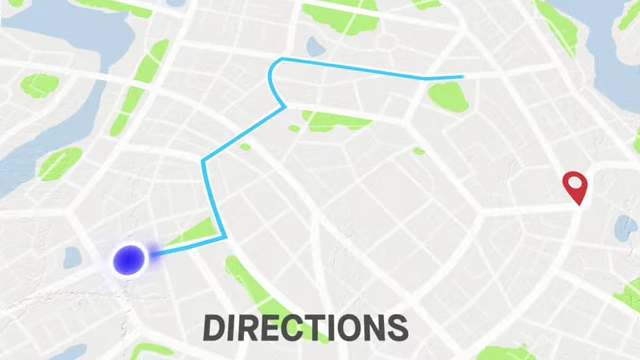
It helps to identify your starting point before planning where you want to go, similar to getting directions on a map. [00:37]
A map showing how directions require a starting point and a destination
[
00:00:38
]
"You can't create directions for where you want to go, unless you know where you're starting from." [00:06:06]
Looking back helps extract wisdom and prevent repeating mistakes, allowing you to build on successes. [00:40]
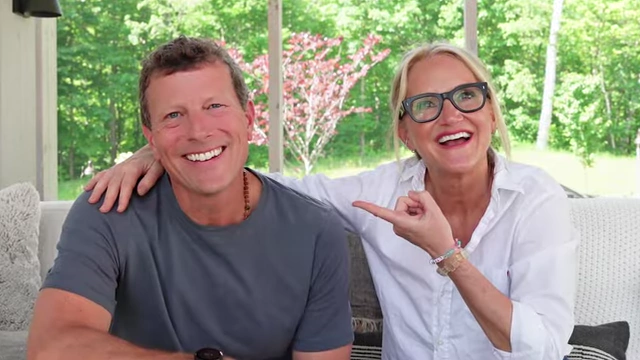
Mel Robbins with her husband, Christopher
[
00:01:45
]
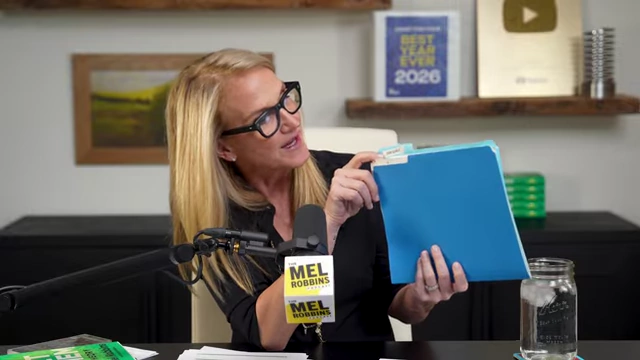
Mel Robbins holding a folder from her 2006 goal-setting, illustrating her 22-year ritual
[
00:07:16
]
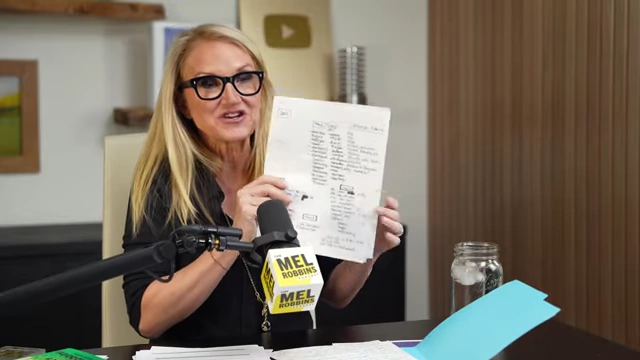
An original handwritten planning sheet from 2004, showing personal goals
[
00:07:27
]
Tools for Reflection:
A free companion workbook is available to guide deeper reflection on the six questions. [02:17]
Mel Robbins showcasing the "Make This Your Best Year Ever 2026" workbook
[
00:02:25
]
Using your phone's camera roll and calendar helps jog memories of events throughout the year. [04:36]
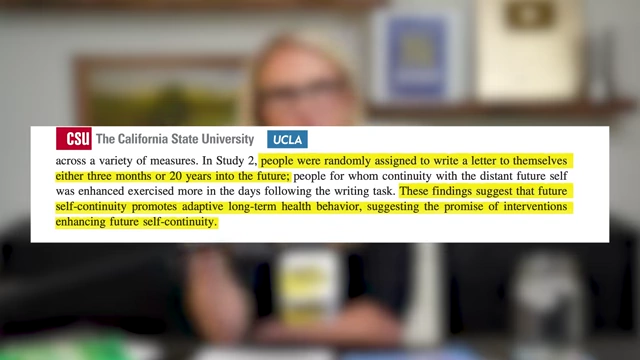
The Science of Self-Connection: Research from California State University and UCLA shows that intentionally connecting your past, present, and future self makes you feel more bonded to your future self, leading to more intentional daily actions and positive behavioral changes. [09:13]
Research findings from CSU and UCLA on future self-continuity and adaptive health behavior
[
00:09:46
]
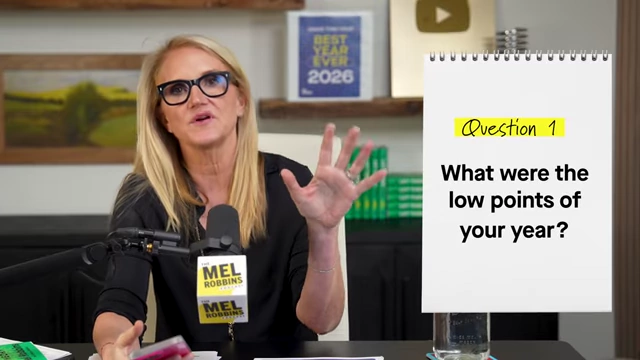
Question #1: What Were the Low Points of Your Year? [11:00]
Importance of Acknowledging Lows: If you experienced many low points, you are not alone; this doesn't mean it was a bad year or something is wrong with you. [11:11]
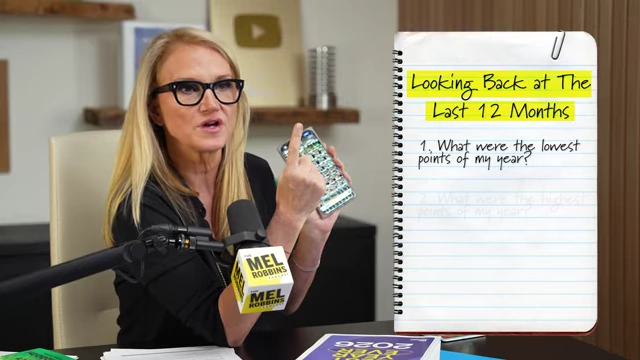
Question 1: Reflecting on the low points of the year
[
00:11:05
]
Reflecting on difficult times, struggles, and disappointments provides valuable insights and fosters internal resolve to make changes. [12:00]
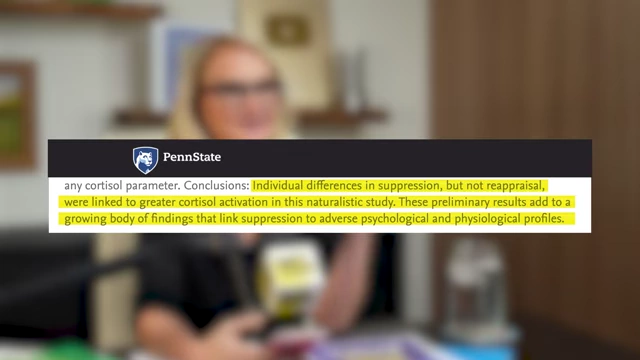
Ignoring negative emotions can lead to increased stress and physical health issues, as shown by UC Irvine and Penn State research. [13:11]
Penn State research linking emotional suppression to adverse psychological and physiological profiles
[
00:14:03
]
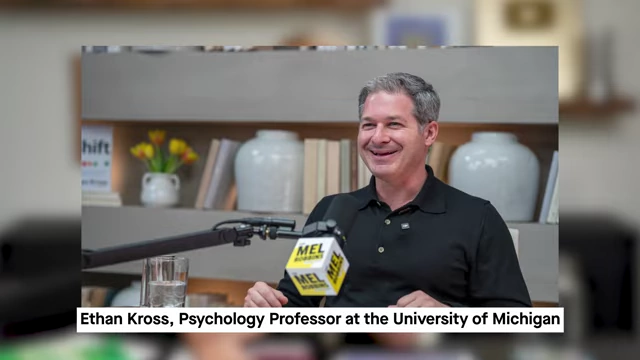
Professor Ethan Cross's insights suggest that processing emotions creates distance from negative thoughts, which is helpful for moving forward. [14:20]
Ethan Kross, Psychology Professor at the University of Michigan, cited for his insights
[
00:14:31
]
Processing these emotions gives your brain a chance to release the weight of them and create distance from negative thoughts. [13:32]
Mel's Personal Lows:
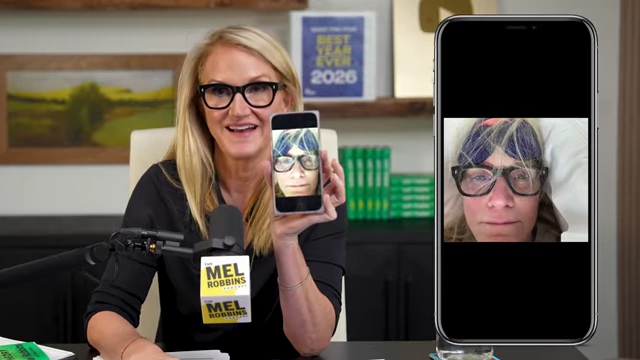
She experienced severe sickness due to overwork, missing important events like a friend's wedding. [20:14]
Mel Robbins's selfie from a low point in her year, showing her sick from overwork
[
00:20:25
]
Her camera roll revealed a pattern of constant travel, neglect of self-care (inconsistent exercise, poor nutrition), and exhaustion. [20:50]
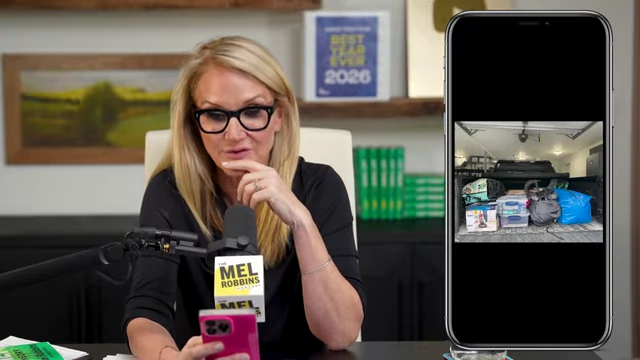
She realized she hadn't prioritized social connections, leading to loneliness, and felt the sadness of her youngest child leaving for college for the second time. [23:27]
Photo of college move-in items, symbolizing the emotional low point of a child leaving for school
[
00:24:15
]
These reflections highlighted a need for better self-care and more intentional relationship nurturing. [25:12]
Connecting Lows to Future Goals: Understanding past struggles transforms "should do" goals into deeply personal, intrinsically motivated goals. [18:23]
Definition of intrinsic motivation as an internal drive from genuine personal meaning
[
00:18:43
]
Identifying Positives: Reflect on the highlights, both big and small, that brought joy and satisfaction. [26:08]
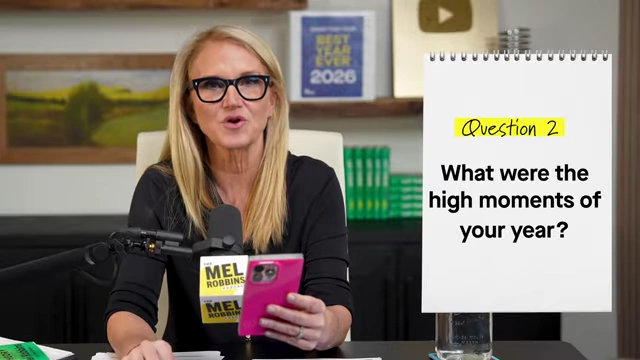
Question 2: Identifying the high moments of the year
[
00:15:44
]
These moments reveal what you want more of and what you are willing to work for. [29:16]
Mel's Personal Highs:
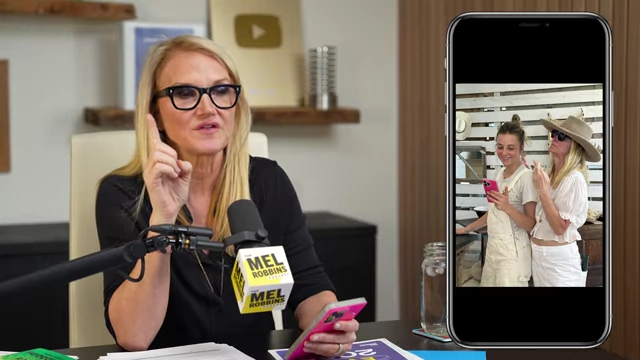
She cherished the significant amount of time spent with family, including a solo trip with her daughter Kendall, which was a first. [26:29]
Mel Robbins with her daughter Kendall during a cherished solo trip
[
00:26:59
]
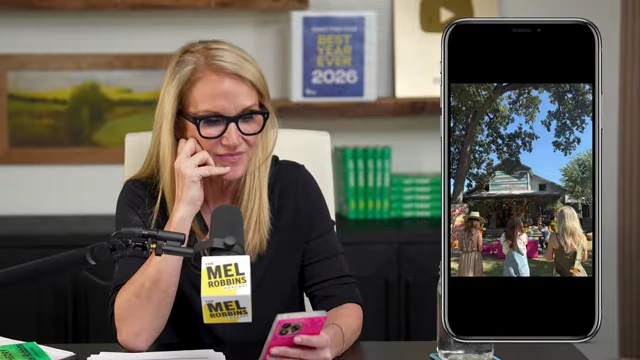
A photo of Roundtop, a location from a highlight trip with her daughter
[
00:27:20
]
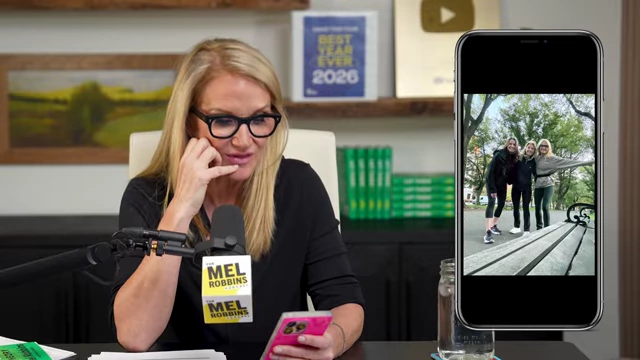
Her camera roll showed small, joyful moments like walks in the park, beautiful flowers, and reading a favorite book. [27:36]
Mel Robbins walking in a park with her daughter Sawyer and Christine, an example of a small joyful high point
[
00:27:49
]
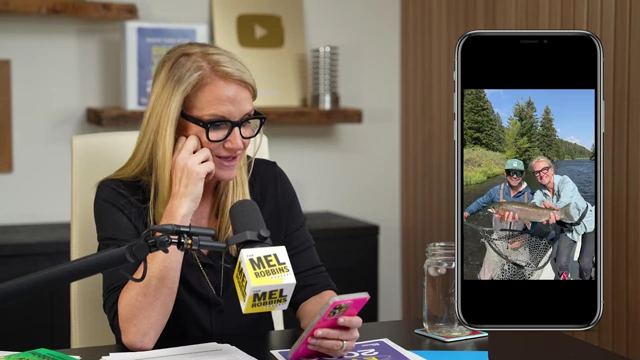
Mel Robbins and Christopher fly-fishing in Montana, recreating a honeymoon activity
[
00:28:05
]
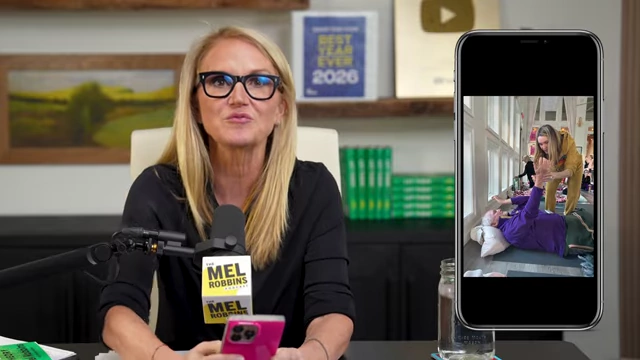
Mel Robbins's parents participating in a sound bowl healing session
[
00:28:19
]
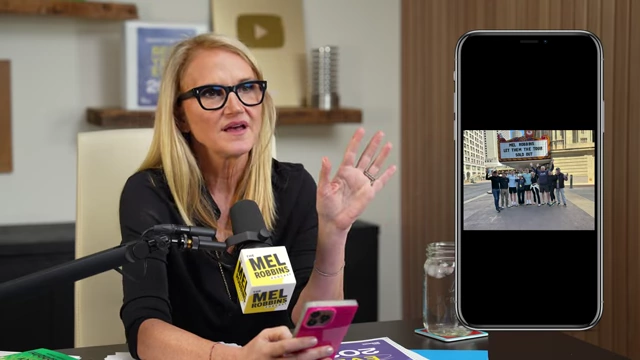
Family photo in Chicago, illustrating a high point of spending time with parents
[
00:28:34
]
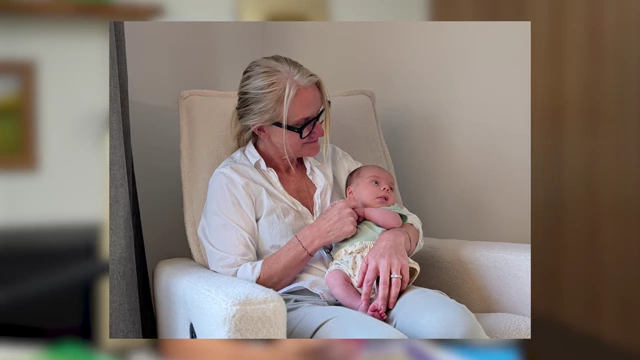
Mel Robbins holding Jesse's baby, a highlight at 143 Studios
[
00:29:08
]
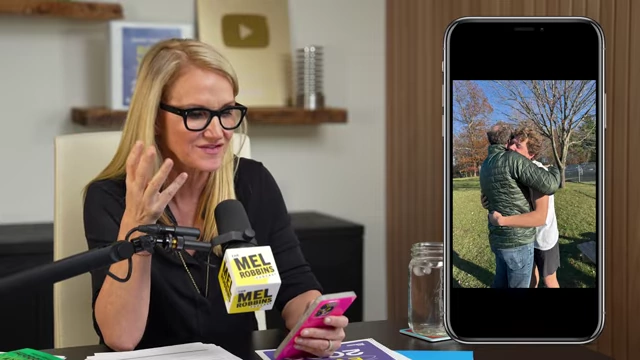
Christopher hugging his son Oakley at an ultimate tournament, a touching high point
[
00:29:42
]
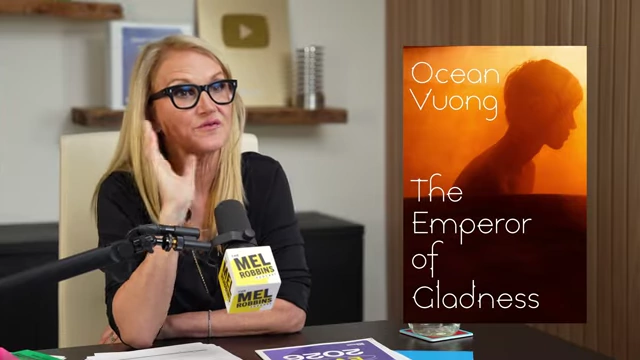
The book 'The Emperor of Gladness' by Ocean Vuong, one of Mel's favorite reads of the year
[
00:30:23
]
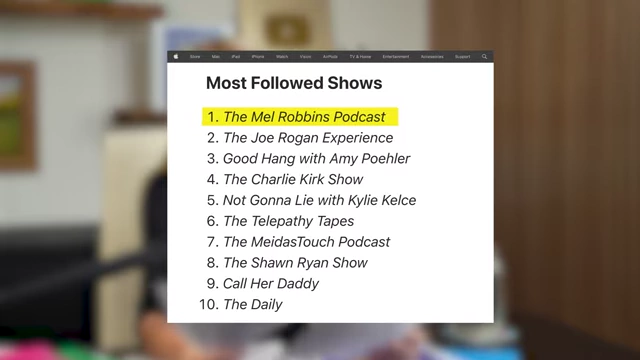
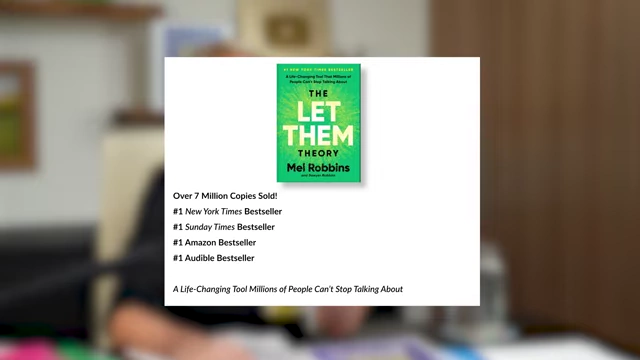
Major career successes included the podcast becoming the number one most followed show on Apple Podcasts and the success of her book "The Let Them Theory." [31:17]
The Mel Robbins Podcast ranked #1 on Apple Podcasts' 'Most Followed Shows' list
[
00:32:04
]
Achievements of 'The Let Them Theory' book, including over 7 million copies sold and multiple #1 bestseller rankings
[
00:33:04
]
In-person connections with her audience during a tour were also a significant highlight, pushing her out of her comfort zone at 56 to try acting and comedy. [34:34]
Mel Robbins on stage during her 'Let Them' tour, connecting with her audience in person
[
00:34:40
]
Question #3: What Did You Learn This Year? [37:19]
Extracting Lessons from Data: Both the highs and lows serve as data, providing clear insights into what you like, dislike, need more of, or want to avoid. [38:11]
The first two reflection questions: low and high points of the year
[
00:05:09
]
Mel's Key Lessons:
In-person connections bring immense energy and life. [38:41]
She functions best with structure, routines, and systems, particularly for health and wellness. [39:40]
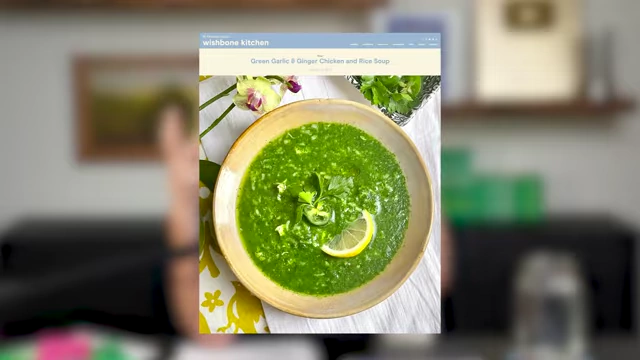
Meal prepping and consistent nutrition significantly improved her energy and focus. [40:02]
The 'Green Garlic Ginger Chicken and Rice Soup' recipe from Wishbone Kitchen, a meal Mel prepped for better nutrition
[
00:40:15
]
This demonstrated a "domino effect" where one healthy habit positively influences others. [41:12]
Relationships are the most important thing in her life, requiring intentional planning and effort to maintain. [42:04]
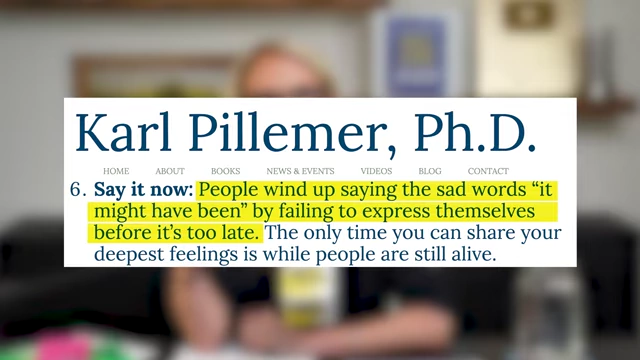
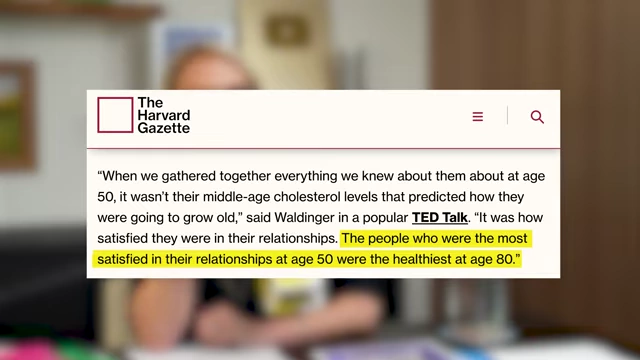
This is backed by research from Cornell's Legacy Project and the Harvard Study of Adult Development, consistently showing that relationships are the number one predictor of a good life and the most common source of life's greatest joys. [43:05]
Research from Karl Pillemer, Ph.D. on top regrets of the elderly, emphasizing expressing feelings
[
00:43:27
]
Findings from the Harvard Study of Adult Development, stating that relationships are the #1 predictor of a good life
[
00:43:41
]
She learned to be proud of the good habits she built, like daily walks, and implementing new practices from podcast experts. [43:53]
Using the "Let Them Theory" helped her stop being controlling and judgmental, leading to more peace and compassion. [44:39]
Empowerment for Change: The insights gained reveal your capacity to change aspects of your life for the better. [45:46]
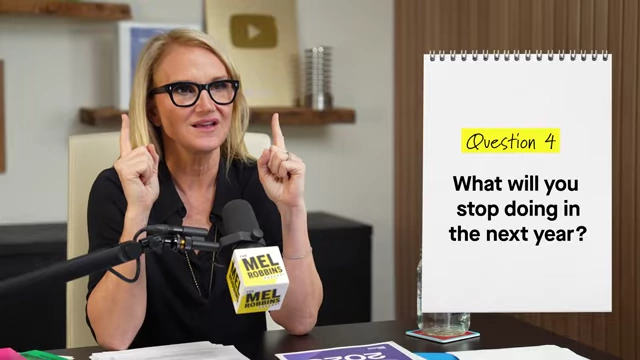
Question #4: What Are You Going to Stop Doing? [45:54]
Subtraction Before Addition: A powerful way to create a better year is by identifying what you will stop doing. [46:52]
Question 4: What you will stop doing in the coming year
[
00:46:47
]
Strategic quitting, not out of fear, but because something no longer aligns with your values or is effective, frees up space for growth. [47:01]
Professor Cal Newport emphasizes that real productivity is about focusing on what matters by subtracting what doesn't. [48:06]
Mel's Stop List:
She will stop making excuses for not doing resistance training, recognizing her intimidation by hotel gyms and the need for a simple plan. [50:35]
She will continue to actively use the "Let Them Theory" to stop trying to control or change other people, embracing peace and acceptance. [47:35]
Examples for Others: Stop doom-scrolling, being constantly available for work, comparing yourself to others, blaming yourself, or engaging in draining relationships. [50:08]
Question #5: What Are You Going to Continue Doing? [52:19]
Reinforcing Positive Habits: This question focuses on carrying forward what is already working well and bringing you joy. [52:24]
Mel's Continue List:
She will continue a 7-day exercise plan with resistance training (two upper body, two leg days, 30 minutes or less) and varied cardio/Pilates. [52:36]
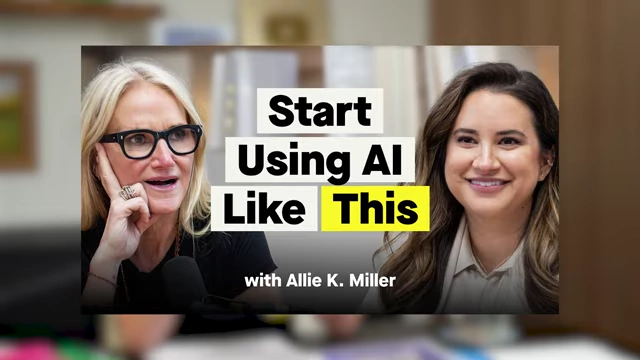
She plans to continue leveraging AI for personal life efficiency, using it to solve problems and save time for more meaningful activities. [55:12]
Allie K. Miller, AI expert, featured on the Mel Robbins Podcast
[
00:53:19
]
She will continue to be proactive in scheduling time with friends and family well in advance, recognizing the importance of these relationships. [56:19]
Attending concerts, which brings her immense joy, is another activity she intends to continue. [57:07]
She hopes to continue using the "Let Them Theory" to protect her peace, time, and energy, and to accept others as they are. [58:23]
Question #6: What Are You Going to Start Doing? [58:58]
Embracing New Beginnings: This is about clearly defining what new actions, habits, or projects you will initiate to move towards your desired future self. [59:03]
Starts don't have to be dramatic; they can be small, consistent steps. [59:07]
Writing down these new commitments moves them from ideas to reality. [01:11:18]
Mel's Start List:
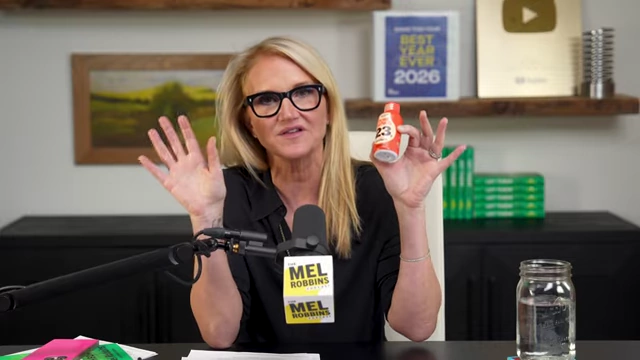
Her significant new start is co-founding a company named Pure Genius, a protein shot to help people easily get essential protein. [01:00:28]
Mel Robbins holding a Pure Genius protein shot, a key part of her new company venture
[
01:00:51
]
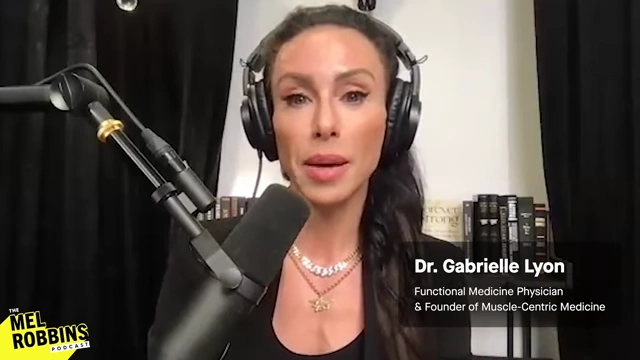
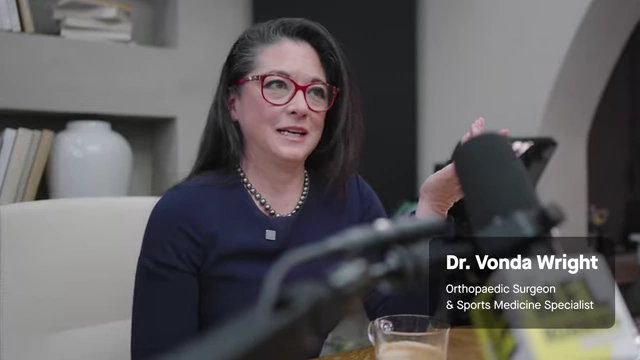
This venture stems from her personal struggle to meet protein requirements and the advice of medical experts on her podcast.
Dr. Amy Shah, a triple board-certified physician, discussing the importance of protein and health
[
01:01:28
]
Dr. Gabrielle Lyon, functional medicine physician, emphasized muscle-centric health
[
01:02:23
]
Dr. Vonda Wright, orthopaedic surgeon, discussing health on the podcast
[
01:02:28
]
This shows how observing a personal problem and seeking solutions can lead to big new ventures. [01:03:48]
Examples for Others: Start walking with a neighbor, therapy, going to bed earlier, speaking up at work, traveling, dating again, writing a book, playing an instrument, cleaning out a room, pursuing a new hobby, saying "no" or "yes" more often, or creating a morning routine. [00:59:09]
The Power of Starting: Taking on something new, learning, and growing injects excitement and makes life more interesting, revealing your full potential. [01:13:12]