Jeff Kaplan Discusses His Career: From EverQuest Player to Blizzard Game Director and Beyond
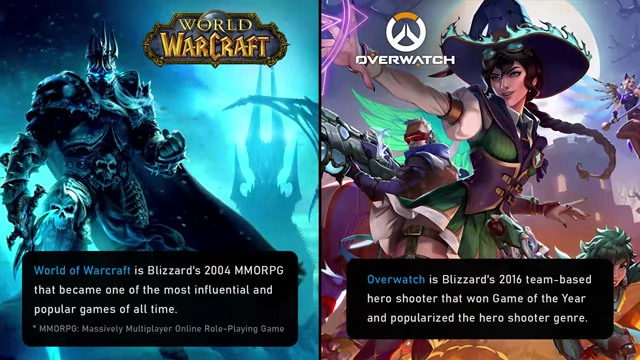
Jeff Kaplan, a legendary game designer known for World of Warcraft and Overwatch, recounts his journey from avid gamer to influential developer. He details his early fascination with games like Pac-Man and Zork, and his deep immersion in EverQuest, which ultimately led him to Blizzard. Kaplan describes the unique, collaborative culture at early Blizzard and the groundbreaking development of World of Warcraft, emphasizing its quest-driven leveling system and immersive world of Azeroth.
He also shares insights into the ambitious but failed Project Titan, and how its cancellation unexpectedly led to the rapid development of Overwatch, focusing on hero-based gameplay and a hopeful futuristic setting. Kaplan delves into his personal struggles during his writing career and how game development provided a path to fulfillment. Finally, he introduces his new studio, Kintsugiyama, and their upcoming open-world action game, "The Legend of California," set in an alternate 1800s Gold Rush era, highlighting its procedural world map and solitary, dangerous tone. He reflects on the future of gaming, the role of AI, and the importance of human creativity.
Introduction and Early Gaming Experiences [1:27]
Jeff Kaplan, a renowned game designer for World of Warcraft and Overwatch, shares his journey from being an enthusiastic gamer to a celebrated developer.
- Early Love for Video Games [4:07]
- Born in the "golden era of coin-op," Kaplan recalls his first experiences with games like Pac-Man and Asteroids in arcades.
- Transition to home consoles, with Intellivision being a significant influence due to his father's work with Mattel.
- The Nintendo Entertainment System (NES) and Super Mario Bros. marked a "next level" in gaming, showcasing deeper worlds and hidden secrets.
- PC Gaming and Text Adventures [7:20]
- The family's IBM PC introduced him to text-based adventure games like Zork, which profoundly impacted his imagination.
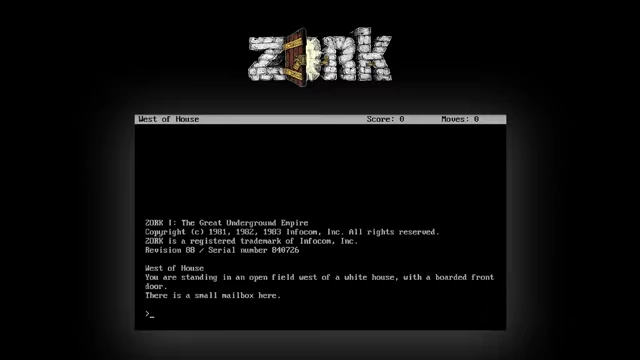
A screenshot of the text-based adventure game Zork, showing the command prompt and game text. [ 00:08:20 ] - Ultima series, particularly Ultima II, further captivated him with its rich world-building, moral choices, and unique elements like space travel within a fantasy setting.
- The shift to 3D graphics in games like Wolfenstein 3D and Doom was a "mind-blowing" experience, offering unprecedented immersion and shaping the future of first-person shooters.
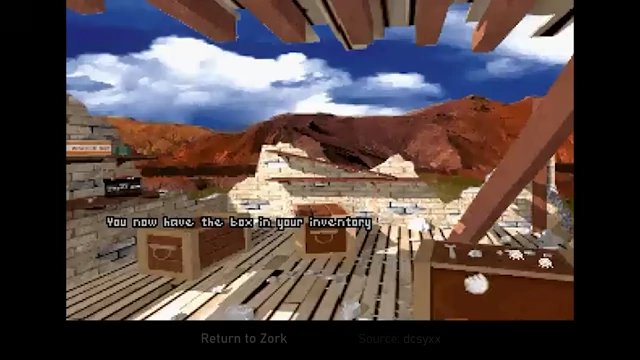
A screenshot from "Return to Zork" with 3D graphics, contrasting with the original text-based game. [ 00:09:05 ] - The foundational work of id Software's John Carmack and John Romero in pioneering 3D graphics and smooth gameplay was crucial for the evolution of the genre.
- Kaplan's diverse gaming interests span from fast-paced first-person shooters to expansive MMORPGs.
- The family's IBM PC introduced him to text-based adventure games like Zork, which profoundly impacted his imagination.
Writing Career and Personal Struggles [18:33]
Kaplan pursued a creative writing career, earning a master's degree from NYU, but faced significant challenges and personal struggles.
- Passion for Storytelling [18:59]
- Inspired by authors like Kerouac, Hemingway, Salinger, and Orwell, Kaplan was drawn to writing for its ability to transport readers and evoke deep emotions.
- He viewed creation as an act of ego and masochism, but also an undeniable compulsion for those wired to create.
- Facing Rejection and Depression [23:34]
- Kaplan received over 170 rejection letters in one year, leading to deep depression and alcohol abuse.
- He made the difficult decision to abandon his writing career, disposing of all his manuscripts and journals as a symbolic act of moving on.
- This period of isolation and struggle taught him the importance of knowing when to "give up" on a path that is destructive, even if societal norms encourage persistence.
- Finding a New Path [32:39]
- He advises focusing on "what you want to do," rather than "what you want to be," to find true fulfillment.
EverQuest Obsession and Entry into Blizzard [34:06]
Kaplan redirected his intense focus from writing to EverQuest, an obsession that unexpectedly led him to Blizzard Entertainment.
- EverQuest Immersion [34:44]
- After abandoning writing, Kaplan poured his time into EverQuest, logging over 6,000 hours in three years.
- He was captivated by the game's mechanics, world of Norrath, and the progression system, finding it a powerful escape.

The map of Norrath from EverQuest, showing various continents and regions. [ 00:37:00 ] - He rose to become the leader of "Legacy of Steel," a top guild on "The Nameless Server," learning valuable leadership skills in managing diverse personalities and motivations within the game's community.
- The EverQuest community, like many early online gaming communities, had its share of "griefing" and toxicity, but also fostered camaraderie and escape for many.
- Notably, he met his wife through EverQuest, proving that his "wasted" time resulted in a family and career.
- Getting Hired at Blizzard [47:04]
- His leadership in EverQuest, particularly his detailed and "edgy" feedback on game improvements (under the username "Tigole"), caught the attention of Blizzard developers who were also playing.

A screenshot of Jeff Kaplan's famous "If You Want Something Done Right..." forum post under his username Tigole. [ 00:47:39 ] - He discovered that several members of his guild, including Rob Pardo (lead designer on Warcraft III) and Allen Adham (Blizzard founder, playing as "Barfa"), worked at Blizzard.
- These connections led to an interview for an Associate Quest Designer position for the upcoming World of Warcraft.
- The interview process was unconventional, including lunches at casual eateries and interactions with passionate, non-corporate developers like Chris Metzen.
- Kaplan felt an immediate sense of belonging and "true happiness" among these like-minded gamers, a stark contrast to his solitary writing career.
- His leadership in EverQuest, particularly his detailed and "edgy" feedback on game improvements (under the username "Tigole"), caught the attention of Blizzard developers who were also playing.
One of Us [1:08:37]
- Lex Fridman reads Jeff Kaplan's prophetic "one of us" post from April 18th, 2002, where Kaplan expresses his excitement about joining Blizzard and his commitment to advocating for MMORPG players.
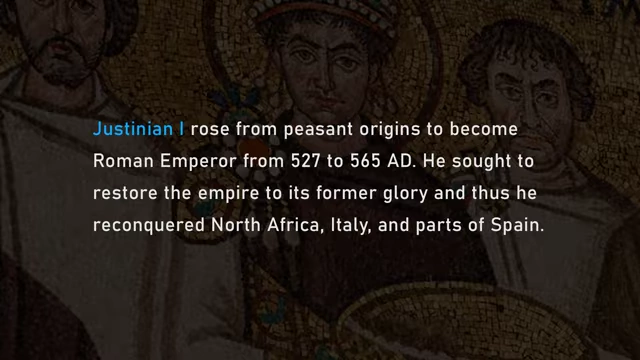
Historical text about Emperor Justinian I, comparing his peasant origins to Jeff Kaplan's journey. [ 01:08:59 ] 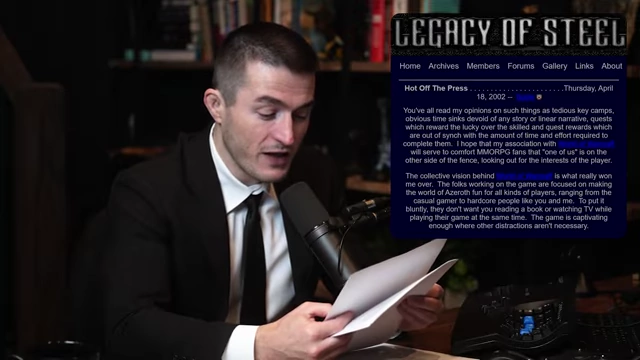
Screenshot of Jeff Kaplan's "If You Want Something Done Right..." forum post announcing his Blizzard hiring. [ 01:10:22 ] 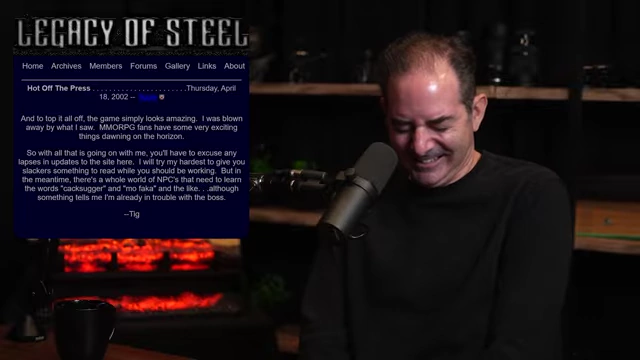
Jeff Kaplan's forum post continues, ending with a humorous note about getting in trouble with "the boss." [ 01:11:29 ]
Early Blizzard Culture and Building World of Warcraft [1:12:54]
Kaplan describes the unique, passionate culture at early Blizzard and the groundbreaking development of World of Warcraft.
- Blizzard's Culture [1:12:54]
- Early Blizzard had a casual, dorm-room-like atmosphere on the UCI campus, where developers wore T-shirts, played frisbee, and often slept in the office due to intense work hours.
- The company was small (fewer than 200 people, including Blizzard North), fostering a flat hierarchy where even founders treated new hires as equals.
- Emphasizing mutual respect and collaboration, avoiding the "caste system" seen in other industries like film.
- Kaplan learned the importance of listening to and valuing everyone's contributions, a lesson taught by Rob Pardo after an early instance of ego-driven leadership.
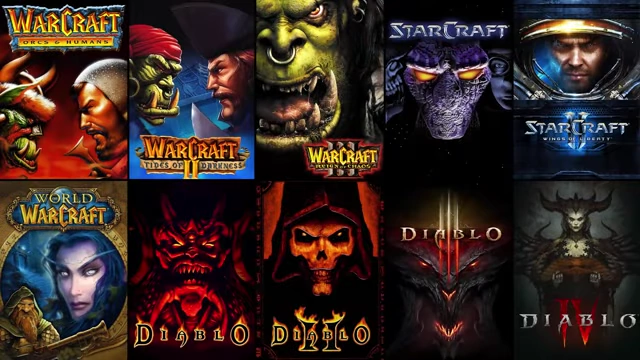
A collage of classic Blizzard game covers, including Warcraft, StarCraft, Diablo, and World of Warcraft. [ 01:13:19 ]
- The Development of World of Warcraft (WoW) [1:32:36]
- WoW was envisioned as an immersive "world you can live in," with Chris Metzen, the creative director, famously stating that "the lead character of World of Warcraft is the world."
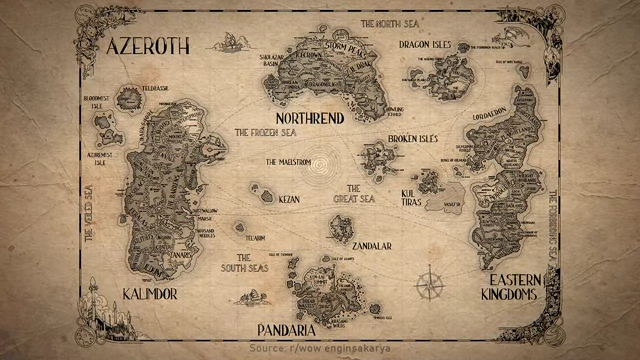
A detailed map of Azeroth, the primary world of World of Warcraft. [ 01:33:08 ] - A controversial decision by Allen Adham to divide players into two warring factions (Horde and Alliance) proved to be a defining feature, fostering deep player identity and loyalty.
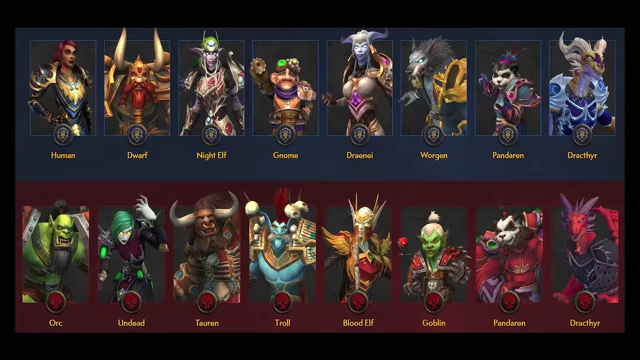
A visual displaying various playable races in World of Warcraft, divided into Horde and Alliance factions. [ 01:33:22 ] - The early WoW team was a "hodgepodge" of veterans and new hires (like Kaplan), many of whom had no prior MMO experience.
- A key innovation was the "quest-driven leveling" system, which made progression a story-driven adventure rather than a repetitive grind (as in EverQuest).
- This decision was based on player feedback from an early playtest where new MMO players quickly ran out of quests and were frustrated by the lack of clear direction.
- The philosophy became to "design along the path of least resistance," making quests the primary and most rewarding way to progress.
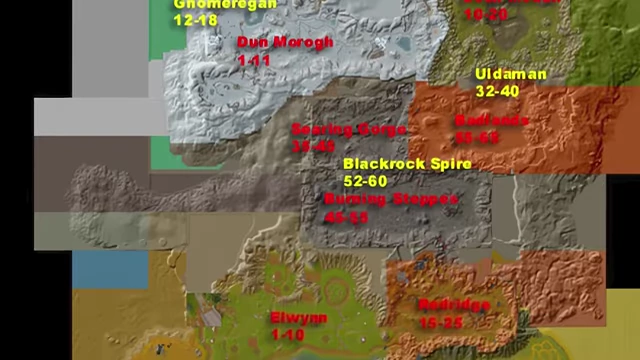
An early World of Warcraft map depicting various zones with their recommended level ranges. [ 02:20:31 ]
- Kaplan recalls designing the infamous "Green Hills of Stranglethorn" quest, an "ant farm" design meant to encourage player interaction but largely disliked due to inventory management issues.
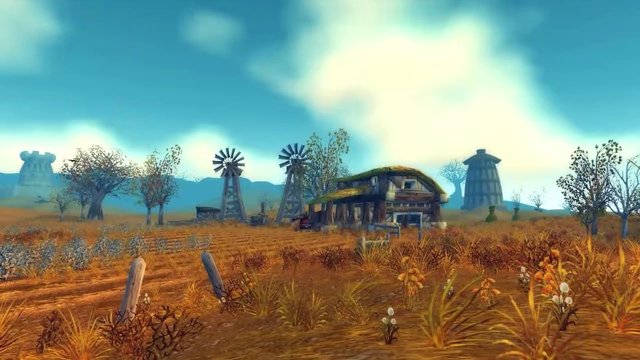
A scenic view of Westfall from World of Warcraft, featuring windmills and farmland. [ 02:21:27 ] 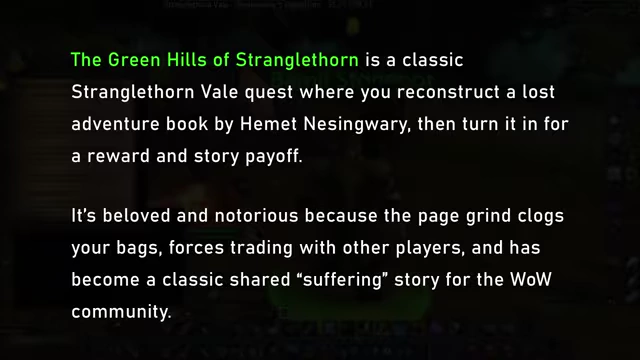
A description of "The Green Hills of Stranglethorn" quest, highlighting its notoriety and mechanics. [ 02:23:27 ] - He acknowledges it as a learning experience, highlighting the importance of understanding player experience over designer intent.
- The "Blizzard polish" was a result of a studio-wide culture that demanded excellence, supported by a world-class QA department and engineers who developed "hotfixable" game architecture for rapid bug fixes without taking servers offline.
- Kaplan’s transition to game director for WoW, overseeing expansions like "Wrath of the Lich King," was a period of intense work hours driven by passion, not coercion.
- WoW was envisioned as an immersive "world you can live in," with Chris Metzen, the creative director, famously stating that "the lead character of World of Warcraft is the world."
How WoW Changed Video Games [1:50:20]
What is "Fun" in Games? [2:01:03]
- Loot is a big extrinsic motivator, but game designers also focus on the visceral experience of acquiring items.
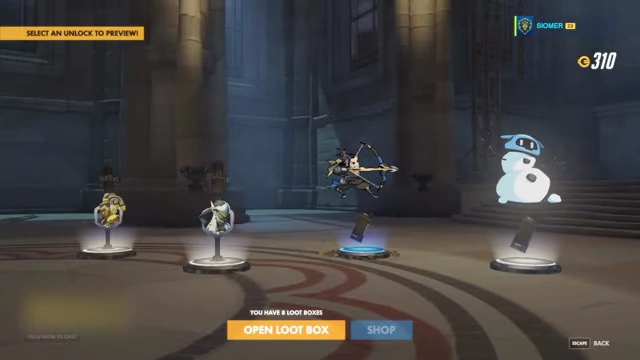
The Overwatch loot box interface, showing multiple unopened boxes and various rewards. [ 02:04:22 ] 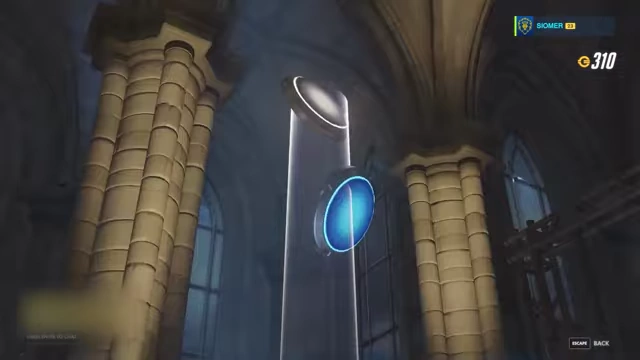
The opening animation for an Overwatch loot box, revealing items. [ 02:04:00 ] - Elements of fun include progression, mastery, creativity, and customization. Players often drift between these motivators.
- Loot is a big extrinsic motivator, but game designers also focus on the visceral experience of acquiring items.
Single-player vs Multi-player [2:07:42]
- Single-player games (like Story of Seasons or Uncharted) offer a controlled, handcrafted experience.
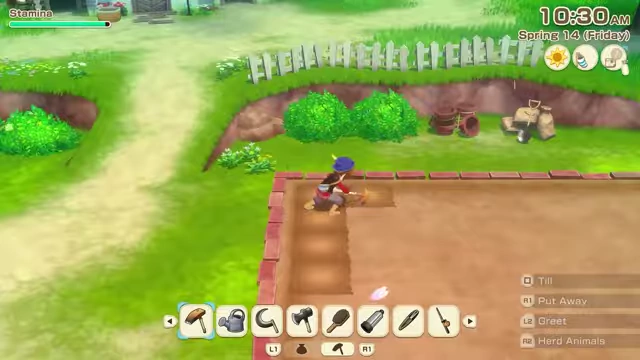
Gameplay from Story of Seasons, showing a character tilling soil on a farm. [ 02:10:15 ] 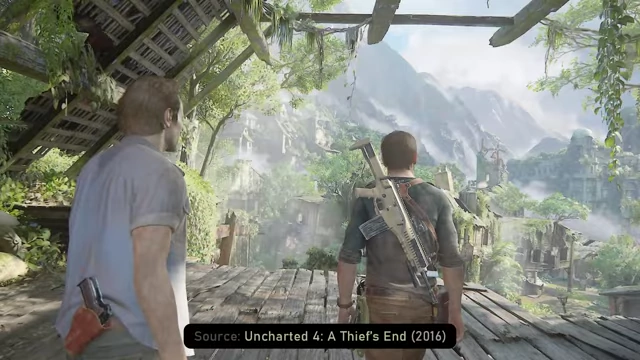
A scenic view from Uncharted 4: A Thief's End, showcasing detailed environments and characters. [ 02:10:39 ] - Co-op games (like Left 4 Dead) allow intentional shared experiences, often with known friends.
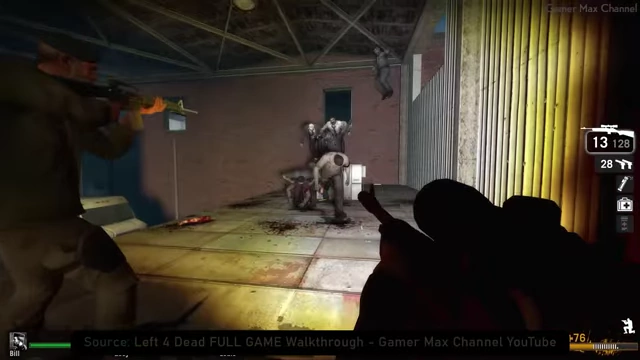
First-person shooter gameplay from Left 4 Dead, showing players fighting zombies in an indoor environment. [ 02:11:30 ] - Multiplayer involves engaging with strangers, while massively multiplayer (MMO) scales to thousands of players in large worlds.
- Kaplan enjoys the unpredictable nature of multiplayer game design, where players create their own stories.
- Some games, like Red Dead Redemption 2, masterfully blend compelling narrative with player-driven moments of absurdity.
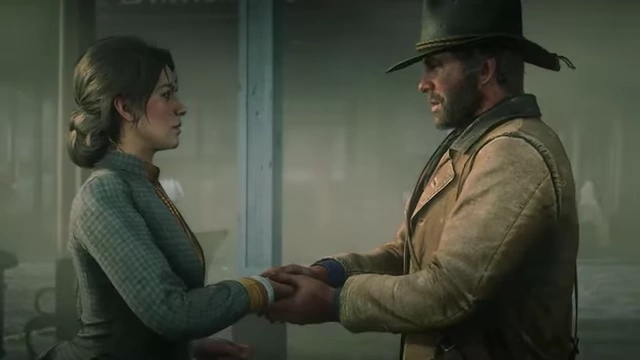
A tender moment between Arthur Morgan and a woman in a cinematic from Red Dead Redemption 2. [ 02:18:25 ] 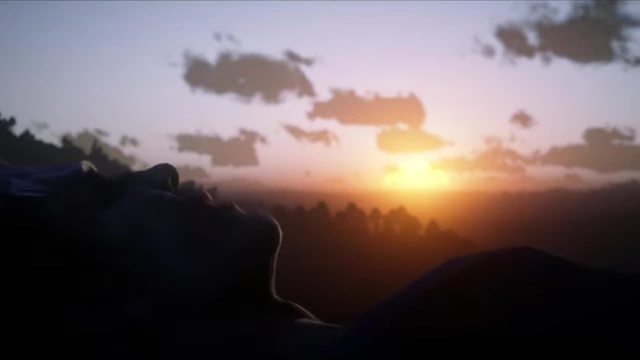
Arthur Morgan lying on the ground, silhouetted against a beautiful sunset in Red Dead Redemption 2. [ 02:18:29 ]
- Single-player games (like Story of Seasons or Uncharted) offer a controlled, handcrafted experience.
The Failure of Project Titan and the Birth of Overwatch [3:01:59]
Kaplan recounts the ambitious but ultimately failed Project Titan and how its cancellation unexpectedly paved the way for Overwatch.
- Project Titan: An Ambitious Failure [3:01:59]
- Conceived as Blizzard's next-generation MMORPG, Project Titan aimed to surpass World of Warcraft, with a massive world set in future Earth and players acting as secret agents by night and ordinary citizens by day.
- The "by day" aspects were influenced by games like Harvest Moon and The Sims.
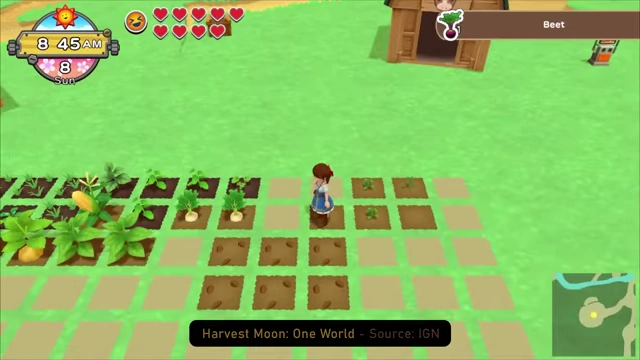
Gameplay from Harvest Moon: One World, showing a character tending crops. [ 03:05:24 ] 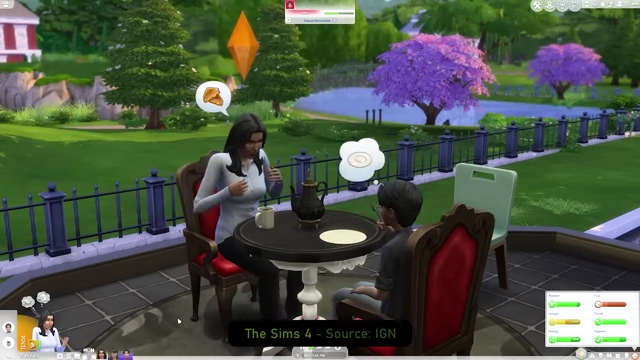
Gameplay from The Sims 4, showing Sims interacting in a garden setting. [ 03:05:26 ] - The project suffered from "multifaceted failure" across art (lack of cohesion), engineering (unstable engine), and design (unclear gameplay loop).
- Kaplan cites leadership's "hubris" and "anticipatory hiring" of a huge team before a clear vision was established as major contributing factors.
- After seven years and $83 million in development, Titan was canceled in 2013, a "painful" and demoralizing blow to the team.
- Overwatch: A Pivot to Focus [3:19:09]
- Mike Morhaime, Blizzard's CEO, gave the remaining core Titan team six weeks to pitch a new game.
- Kaplan and his team considered three ideas: a StarCraft MMO (StarCraft Frontiers), an MMO in a new IP (CrossWorlds), and a hero shooter that became Overwatch.
- The StarCraft Frontiers pitch, inspired by an old Chris Metzen drawing of a "space prospector," was appealing for its ground-level perspective within the StarCraft universe.
- Overwatch, initially called "Monetized Shooter," was conceived as a simpler game, taking inspiration from League of Legends and Team Fortress 2.
- The name "Overwatch" was chosen from a discarded list of Titan names, a subtle jab at the previous team's faux-democratic naming process.
- A crucial lesson from Titan's failure was to adopt a "crawl, walk, run" development strategy: launch a focused PvP shooter first, then potentially add PvE modes and a full MMO if the world resonated with players.
- Heroes like Tracer (originally the "Jumper" class from Titan) and McCree were distilled from previous designs, focusing on simple yet impactful abilities and strong personalities.
- Kaplan's favorite heroes are Tracer and Reinhardt, valuing their simplicity and effective design.
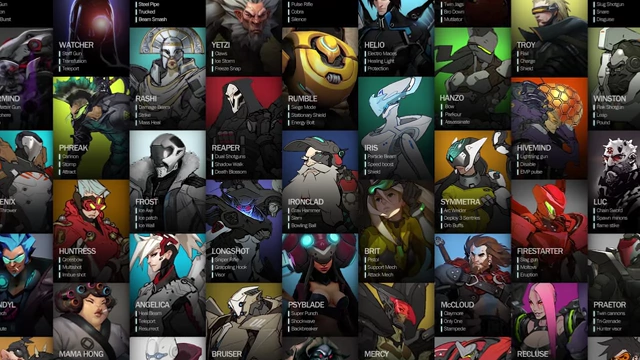
A collage of early concept art for various Overwatch heroes, highlighting their unique designs and abilities. [ 03:36:45 ]
- Kaplan's favorite heroes are Tracer and Reinhardt, valuing their simplicity and effective design.
- The initial business model of buying heroes was quickly changed to a premium game with cosmetic loot boxes, emphasizing gameplay value over monetization.
- Overwatch’s world was intentionally bright and hopeful, a "future worth fighting for," with aspirational locations from around the globe, contrasting with the prevailing dark, gritty shooters like Fallout 4 or Call of Duty.
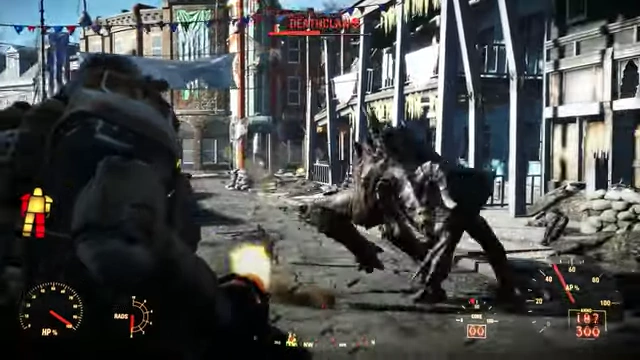
Gameplay from Fallout 4, featuring power armor combat against a Deathclaw in a ruined city. [ 03:46:36 ] 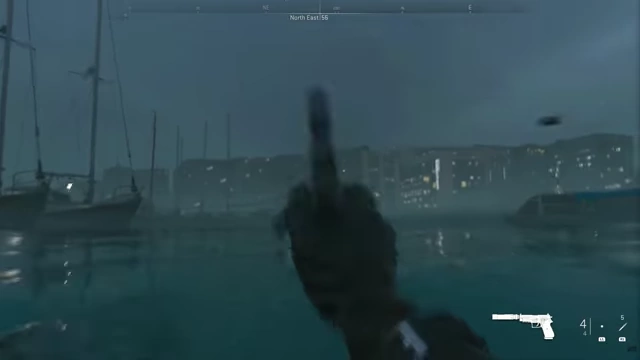
First-person gameplay from Call of Duty, showing a character with a pistol in a port environment. [ 03:46:41 ]
The Challenge of Matchmaking [3:54:37]
- The matchmaking systems in games like Overwatch are incredibly complex, aiming for a 50% win rate.
- Players often desire matches where they are slightly better than opponents, rather than truly fair matches.
- Human psychology leads players to remember losing streaks more vividly than winning streaks.
- Kaplan reflects that if he were to design a hero shooter today, he would emphasize individual contribution over team outcomes, as players are inherently selfish in their experience of the game.
Rust [3:58:01]
- Rust is an open-world, procedural PvP game where players can kill others and take all their loot, and build bases that can be raided.
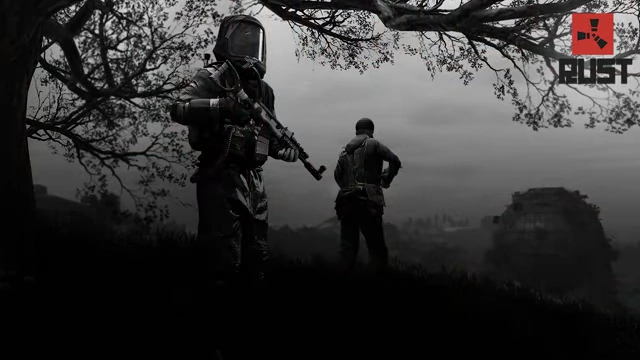
A promotional image for the survival game Rust, featuring two characters in a stark landscape. [ 03:58:34 ] - The game features a procedural map that resets monthly, which Kaplan finds to be a magical mechanic, offering a fresh start for all players.
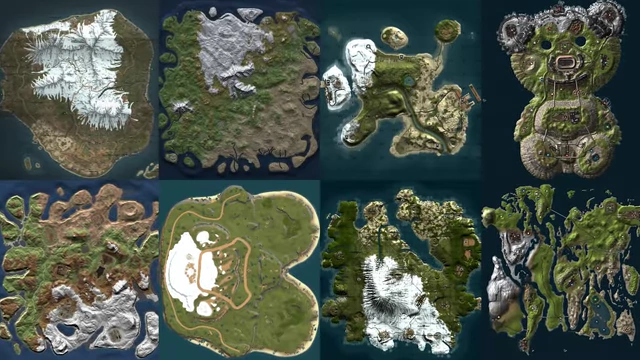
A collage of various procedural maps generated in Rust, showcasing different island layouts. [ 03:58:54 ] - The "low lows" of losing everything are balanced by the "high highs" of success, creating an intense, addictive experience.
- Kaplan admits to logging over 5,000 hours in Rust, despite its harsh mechanics.
Departing Blizzard and Kintsugiyama [4:08:22]
Kaplan discusses his painful departure from Blizzard and the founding of his new studio, Kintsugiyama, and its debut game.
- The Challenges of Overwatch League and Overwatch 2 [4:08:22]
- Overwatch's success led to the creation of the Overwatch League, an ambitious esports initiative with city-based teams and player protections.
- However, it was "over-marketed" to investors, creating unrealistic financial expectations that diverted resources and focus from game development.
- Pressure built for Overwatch 2 (the planned PvE experience), despite its original dates being placeholders in a pitch deck.
- Kaplan's breaking point came when a CFO demanded specific revenue targets for Overwatch 2, threatening layoffs, a move Kaplan viewed as a "fuck you" to the creative process.
- This shift from a developer-led, passion-driven company to one overly focused on financial metrics led to his resignation in April 2021.
- Starting Kintsugiyama and "The Legend of California" [4:32:03]
- After a period of mourning and rediscovering the "pure joy of the craft" through personal game development, Kaplan co-founded Kintsugiyama with programmer Tim Ford.
- The studio's name, Kintsugiyama, is inspired by Kintsugi, the Japanese art of repairing broken pottery with gold lacquer, celebrating imperfection and making scars beautiful. This philosophy reflects their journey and approach to game development.

The Kintsugiyama logo, featuring a mountain with visible golden cracks, representing the art of Kintsugi. [ 04:52:58 ] - Their first game, "The Legend of California," is an open-world action game set in an alternate 1800s Gold Rush California, presented as a mythical island.
The official logo for The Legend of California, with a rider on horseback in the background. [ 00:03:42 ] 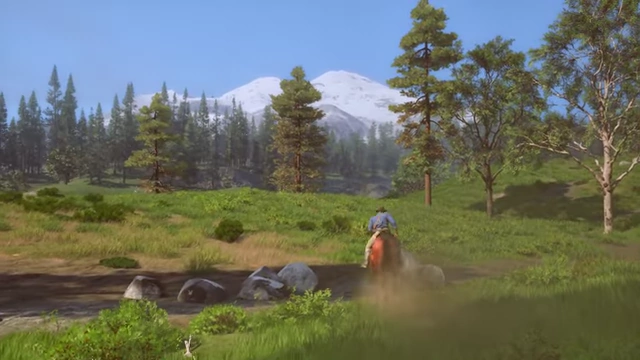
The Legend of California gameplay showing a character riding a horse through a lush landscape. [ 00:03:14 ] 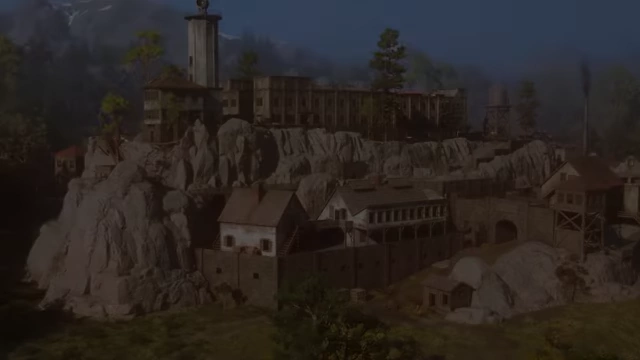
A fortress-like structure built into a rocky hillside in The Legend of California. [ 00:03:19 ] 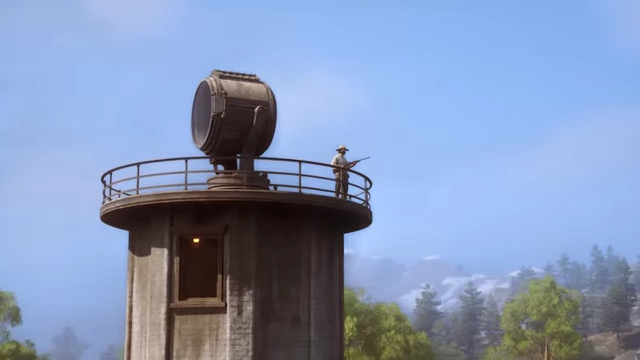
A character stands atop a lighthouse-like tower with a rifle in The Legend of California. [ 00:03:24 ] 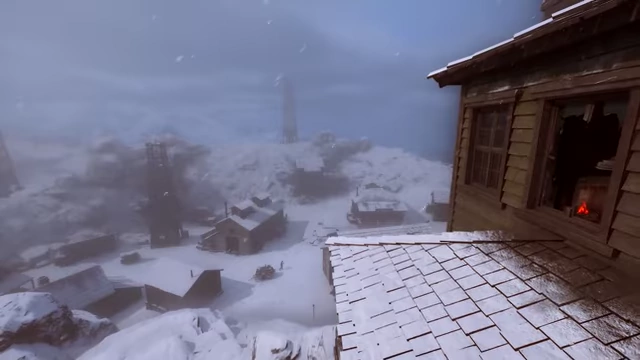
A snowy, mountainous environment with small buildings, showcasing varied biomes in The Legend of California. [ 04:41:48 ] 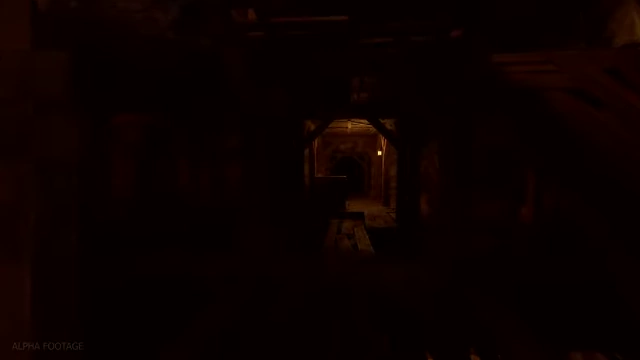
A dark mine shaft interior, lit by a distant lantern in The Legend of California. [ 04:43:59 ] 
A character aiming a bow at an elk in a forest setting in The Legend of California. [ 04:49:57 ] 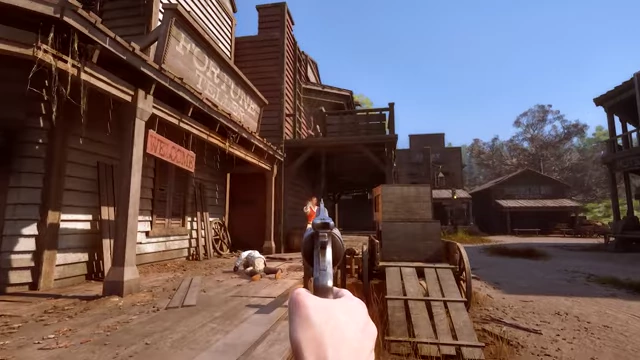
First-person shooter perspective with a pistol, showing a character engaged in combat in a town street in The Legend of California. [ 04:50:11 ] - The game emphasizes a solitary, mysterious, and dangerous tone, where players earn their place in the world.
- It features a procedural world map that resets, inspired by Rust, offering fresh experiences each time.
- Kaplan aims for an early access release in March, inviting players to experience the game's evolution directly.
- He champions small studios as the future of gaming, believing that innovation and truly special games come from passionate teams with creative control, not corporate mandates.
Reflections on Gaming and the Future [4:54:44]
Kaplan shares his favorite games and his thoughts on the evolving landscape of video games, including the role of AI.
- Greatest Games of All Time [4:55:20]
- "The Legend of Zelda: Breath of the Wild" is Kaplan's "greatest game ever made" for its thoughtful design, seamless integration with the Switch, and ability to constantly surprise players with its interactive world.
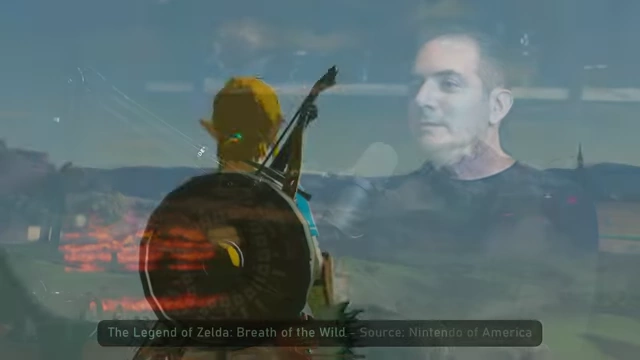
Gameplay from The Legend of Zelda: Breath of the Wild, overlaid with Jeff Kaplan's image. [ 04:55:53 ] 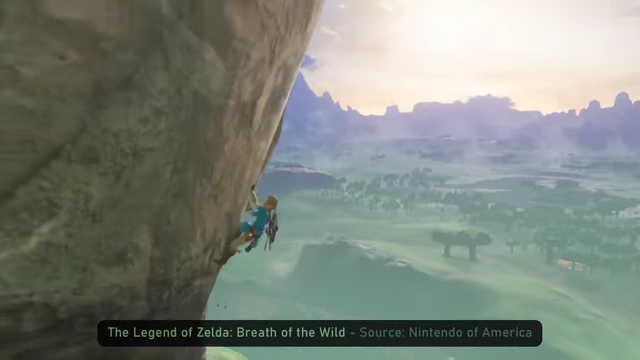
Link climbing a sheer cliff face in The Legend of Zelda: Breath of the Wild. [ 04:55:54 ] 
Link interacting with an ice block, showcasing the game's physics-based puzzles in The Legend of Zelda: Breath of the Wild. [ 04:55:58 ] 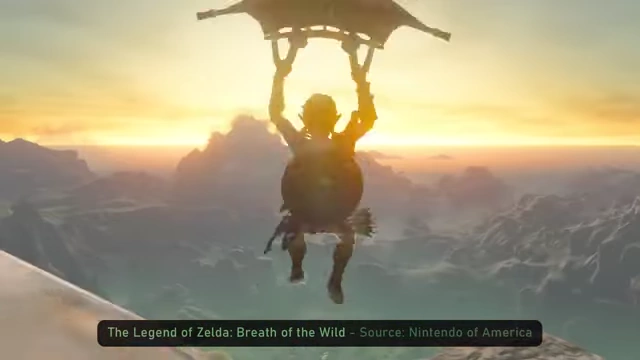
Link paragliding over a vast landscape during sunset in The Legend of Zelda: Breath of the Wild. [ 04:56:01 ] 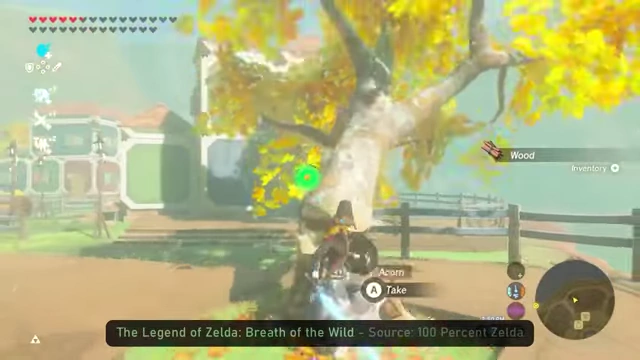
Link chopping down a tree, demonstrating environmental interaction in The Legend of Zelda: Breath of the Wild. [ 04:56:13 ] 
Link climbing an enormous, glowing ancient structure in The Legend of Zelda: Breath of the Wild. [ 04:57:01 ] - "Red Dead Redemption 2" is another highly respected game for its exceptional storytelling, character development, and immersive world, balancing player freedom with a compelling narrative.
- Beyond his own creations, EverQuest and Rust hold significant personal meaning due to their impact on his life and career.
- He notes that Rust, despite its harsh PvP and permanent loss mechanics, offers unparalleled highs and a unique sense of starting fresh with each monthly world reset.
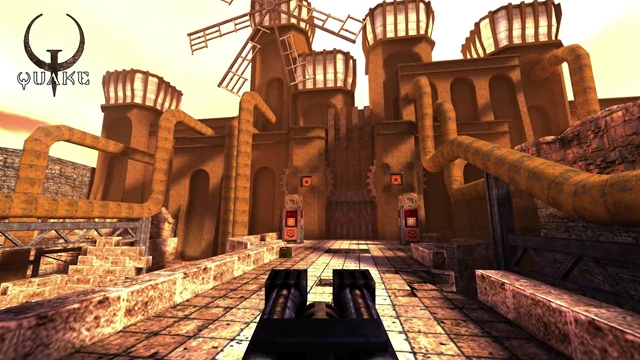
Gameplay screenshot from Quake, showcasing its distinctive dark fantasy environment and first-person perspective. [ 03:58:20 ]
A collage of various procedural maps generated in Rust, showcasing different island layouts. [ 03:58:54 ]
- "The Legend of Zelda: Breath of the Wild" is Kaplan's "greatest game ever made" for its thoughtful design, seamless integration with the Switch, and ability to constantly surprise players with its interactive world.
- The Future of Video Games and AI [5:02:51]
- Kaplan views AI as a powerful technological tool that can streamline tedious development tasks, such as image resizing, but should not replace human creativity.
- He expresses moral concerns about AI using creative work without permission, emphasizing the irreplaceable "human spirit" in art and storytelling.
- He believes that truly innovative and compelling games will continue to emerge from small, passionate studios rather than large corporations.
- His advice to aspiring game developers is to "own the craft" and resist external pressures, focusing on the intrinsic joy of creation and making games for the love of it, echoing David Bowie's advice to "never play to the gallery."