The Cornell Legacy Project: Elders' Wisdom on Living a Fulfilled Life, Avoiding Regrets, and Nurturing Relationships
Dr. Karl Pillemer's Cornell Legacy Project, through interviews with people aged 80 to 100+, reveals profound life lessons. Key takeaways highlight that life is incredibly short, and happiness is a conscious choice, not a future destination. Major regrets center around excessive worrying, not investing enough time in relationships, and not being honest with oneself or others. Elders emphasize prioritizing people and experiences over material possessions.

- Being honest in actions and with oneself about career satisfaction.
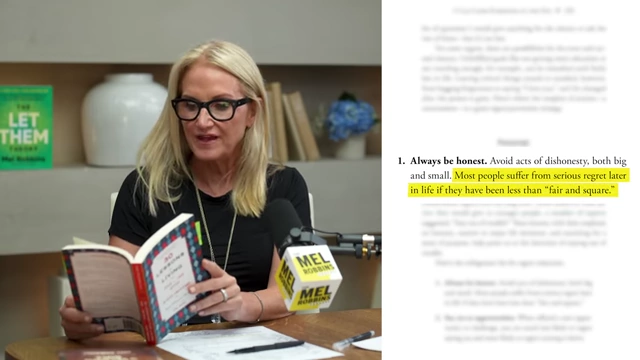
The first lesson from elders: Always be honest to avoid serious regrets later in life. [ 00:35:36 ] - Saying yes to opportunities, as inaction leads to greater regret.
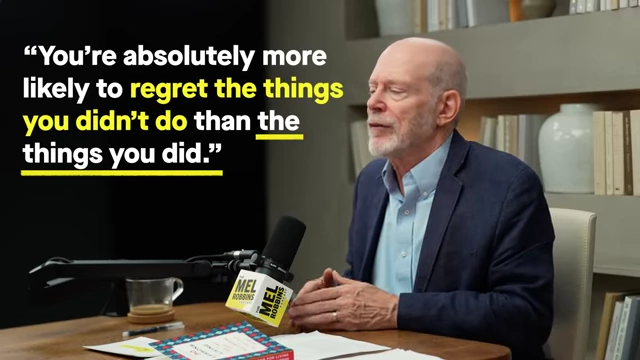
The elders emphasize that you are more likely to regret things you didn't do than things you did. [ 00:43:37 ] - Traveling more, both big and small adventures, to broaden horizons.
- Choosing a life partner with extreme care, prioritizing shared values and compatibility, and addressing conflicts promptly.
- Expressing love, gratitude, and seeking forgiveness now, before it's too late.
The research also underscores the importance of self-compassion, letting go of perfectionism, and focusing on health to avoid chronic illness, not just to live longer but to live better. Ultimately, the overwhelming message is to "live like your life is short" and make intentional choices that align with what truly matters, fostering a life of purpose and fewer regrets.
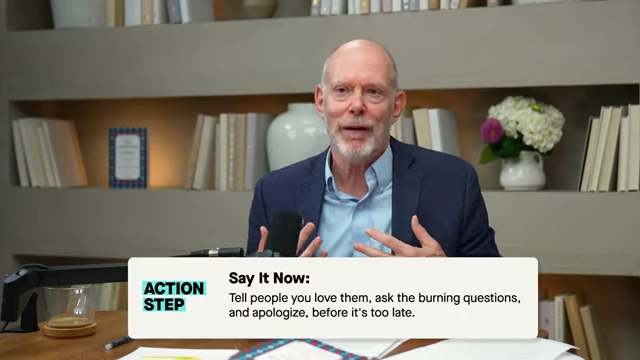
Action Step: Don't delay expressing love, gratitude, or seeking forgiveness to those who matter. [ 00:59:18 ]
Introduction to the Cornell Legacy Project [00:00]

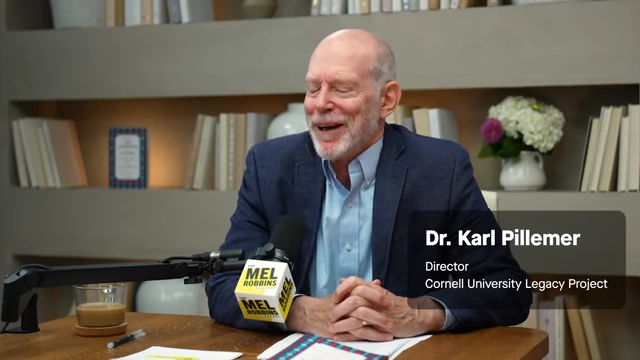

- Purpose and Origin of the Project [04:29]
- Dr. Pillemer realized that his gerontology research focused primarily on the problems of aging, overlooking the wisdom older people possessed.
- The project aims to capture the knowledge of elders for younger generations, a tradition largely lost in modern age-segregated societies.
- A pivotal moment was an interview with a very frail woman named June Driscoll, who, despite her circumstances, expressed profound happiness, stating, "happiness is a choice and not a condition."
- The Value of Elder Wisdom [05:11]
- Historically, the oldest members of a community were crucial for survival, providing knowledge in challenging times.
- This project seeks to reclaim the natural human process of learning practical life advice from those who have lived the longest.
Life Lessons Learned Too Late [01:28]
Elders repeatedly stress that many crucial life lessons are often realized too late.
- The Shortness of Life [02:04]
- Life is incredibly short and passes by faster than one can imagine.
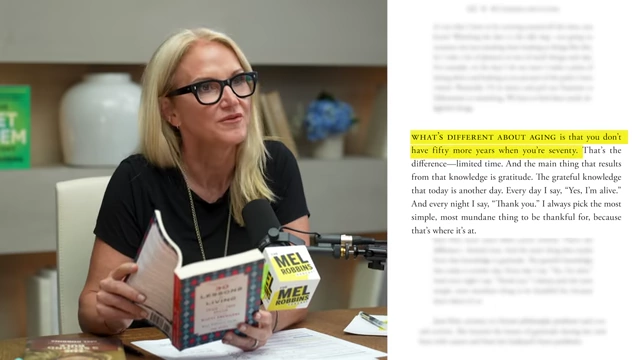
A passage from '30 Lessons for Living' emphasizes the focus on what matters when time is limited. [ 00:08:05 ] - This realization is a universal sentiment among the very old; the older they are, the more they emphasize life's fleeting nature.
- Life is incredibly short and passes by faster than one can imagine.
- Happiness as a Choice, Not a Destination [02:22]
- Happiness, fulfillment, and purpose are not achieved when conditions are perfect but are products of conscious choices made amidst current circumstances.
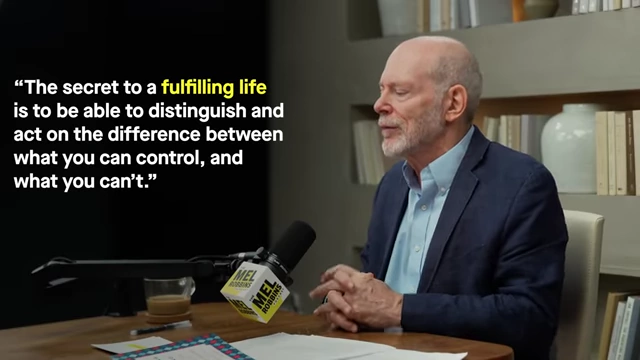
The secret to a fulfilling life lies in distinguishing and acting on what you can control versus what you cannot. [ 00:10:02 ] - Waiting for ideal conditions (e.g., to travel, express love, or find a meaningful job) is a common mistake.
- Happiness, fulfillment, and purpose are not achieved when conditions are perfect but are products of conscious choices made amidst current circumstances.
- Stopping Procrastination on Happiness [02:56]
- Make conscious choices to be happy and optimize your current situation.
- Focus on what is working in your life rather than what is not.
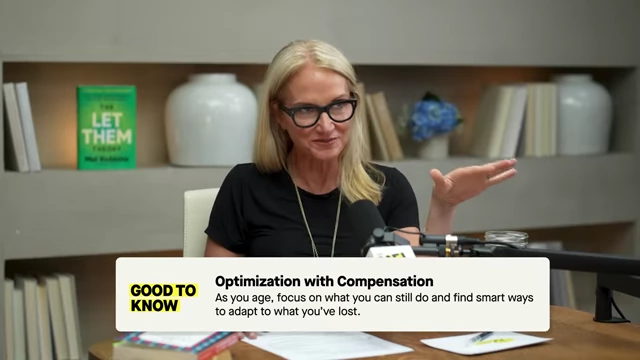
Optimization with Compensation: focusing on what you can still do and adapting to what you've lost as you age. [ 00:12:02 ]
- Savoring Small Moments [03:16]
- Find joy in small, everyday things like a colorful bird, a phone call from a friend, or the antics of a pet.
- Treat moments and conversations with loved ones as precious, not routine.
Avoiding Major Regrets [12:38]
The research identified specific regrets that people commonly express at the end of their lives, highlighting areas where younger individuals can make changes.
- The #1 Regret: Excessive Worrying [12:38]
- Many elders regretted wasting significant portions of their lives worrying about things that never happened or things they couldn't control.
- The advice is to stop ruminating and focus on what can be controlled, such as planning for potential issues.
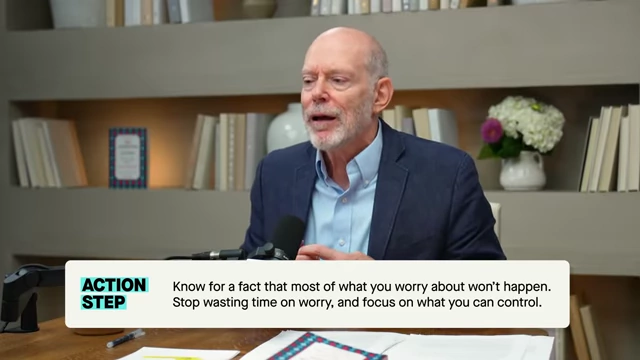
Action Step: Stop worrying about uncontrollable things and focus on what you can control, as most worries don't materialize. [ 00:14:50 ]
- The Value of Planning and Action [15:34]
- Instead of worrying about potential layoffs, actively plan by looking for new jobs or developing skills. Taking action alleviates worry.
- Cognitive behavioral therapy can help incessant worriers redirect negative thoughts into constructive planning.
- The "Middle Age Blur" and Relationship Neglect [18:48]
- Many people describe their 30s to 50s as an "activity blur" due to demanding work, career building, education, and raising children, leading to a neglect of relationships.
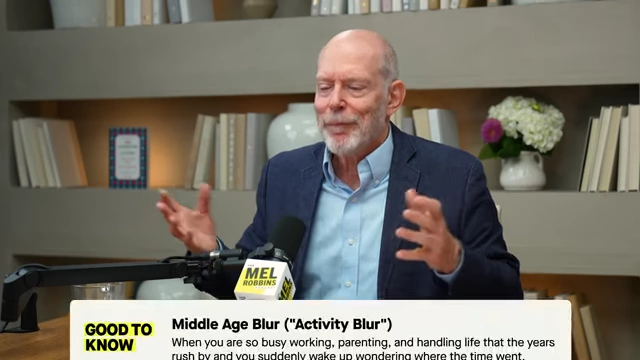
The 'Middle Age Blur' describes years rushing by due to busy work, parenting, and life demands, leading to forgotten time. [ 00:18:55 ] - This often results in a profound regret that happiness was already present in relationships if only time had been invested.
- Many people describe their 30s to 50s as an "activity blur" due to demanding work, career building, education, and raising children, leading to a neglect of relationships.
- Prioritizing People and Experiences over Things [19:51]
- Not a single person surveyed wished they had spent more time accumulating material possessions or making more money.
- The overwhelming consensus is that people and experiences are valued far more at the end of life.
- Importance of Meaningful Work [21:08]
- Elders strongly advise choosing work for its intrinsic value and fulfillment, not primarily for extrinsic rewards like money.
- They urge younger people to be honest with themselves about job satisfaction and make changes promptly if they are unfulfilled.
- This advice comes even from a generation that typically valued stable, long-term employment.
Relationship Regrets: Family and Friends [25:21]
Unresolved family conflicts and neglected relationships are significant sources of regret.
- Not Having Close Family Relationships [25:21]
- A significant regret is the absence of close relationships with family members, including parents, siblings, and especially children.
- The emotional pain of estrangement often becomes more profound with age.
- Failure to Make Amends [26:08]
- Many expressed regret over not making amends or resolving conflicts before it was too late.
- Anticipatory Regret: Preventing Future Sorrow [29:02]
- The concept of "anticipatory regret" suggests considering whether a current decision or inaction will be regretted later in life.
- For family conflicts, one should ask: "If I let this happen, will I regret it?" to guide choices towards reconciliation.
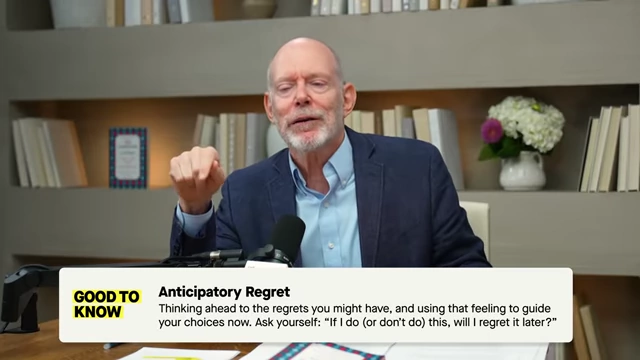
Anticipatory Regret: a concept that encourages one to consider future regrets to guide present choices and actions. [ 00:29:09 ]
- Practical Advice for Repairing Relationships: Lighten Up [33:11]
- For most strained family relationships (excluding cases of abuse or danger), elders advise "lightening up" on issues and focusing on shared interests.
- Reconciliation often begins with shared activities rather than deep conversations about past grievances.
5 Lessons From Our Elders For Living a Good Life [34:50]
These five lessons encapsulate the most frequently shared wisdom from the elders.
1. Be Honest [35:29]
- Honesty in Actions and Self-Reflection [35:29]
- Elders regret personal dishonesty and betrayal, emphasizing that integrity contributes to a meaningful life narrative.
The first lesson from elders: Always be honest to avoid serious regrets later in life. [ 00:35:36 ] - It's crucial to be honest with oneself about life choices, such as job satisfaction or relationship feelings.
- Asking "Where am I not being honest with myself or others?" can be an actionable step.

Action Step: Regularly check your honesty and integrity to prevent future regrets. [ 00:38:13 ]
- Elders regret personal dishonesty and betrayal, emphasizing that integrity contributes to a meaningful life narrative.
2. Say Yes to Opportunities [42:49]
- Embracing New Experiences [42:49]
- People are much more likely to regret things they didn't do than things they did.
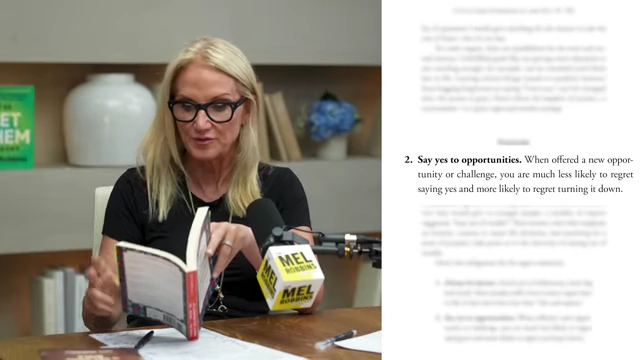
One of the five lessons from elders: Say yes to opportunities to avoid future regrets. [ 00:42:59 ] - Unless there's a compelling reason to say no, the general principle should be to say yes to new responsibilities, challenges, and opportunities, even if they push you out of your comfort zone.
The elders emphasize that you are more likely to regret things you didn't do than things you did. [ 00:43:37 ] 
Visualizing things you regret doing versus things you didn't do. [ 00:00:48 ]
- People are much more likely to regret things they didn't do than things they did.
3. Travel More [44:41]
- Experiencing the World While You Can [44:41]
- Many elders regretted not traveling more when they were younger and physically able.
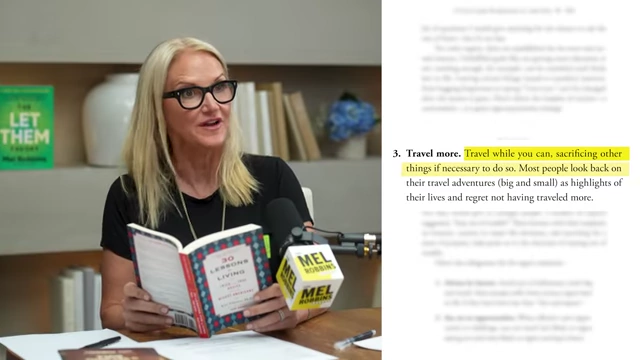
Elders advise: Travel more, both big and small, as these experiences become life's highlights and are regretted if missed. [ 00:44:52 ] - Travel, whether big adventures or small local trips, symbolizes an attitude of openness and a desire to cram as much life into one's limited time.
- Many elders regretted not traveling more when they were younger and physically able.
4. Choose a Mate with Care [47:31]
- Careful Selection for Long-Term Compatibility [47:31]
- Choosing a life partner is considered one of the most critical decisions.
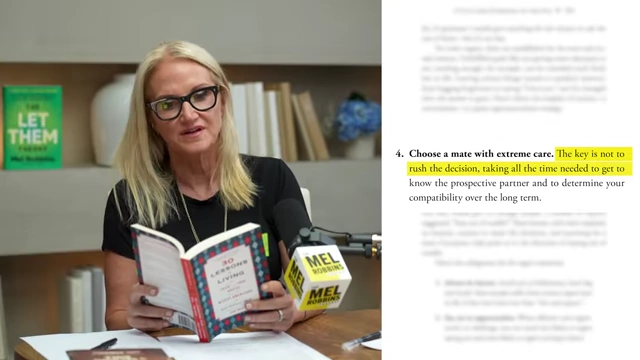
The fourth lesson: Choose a life partner with extreme care, emphasizing careful consideration over rushing. [ 00:47:42 ] - Listen to loved ones: Heed the impressions of friends and family about a prospective partner, as they often have your best interests at heart.
- Similar values and interests: Prioritize marrying someone fundamentally similar to you with shared values, as "birds of a feather flock together" holds more truth than "opposites attract."
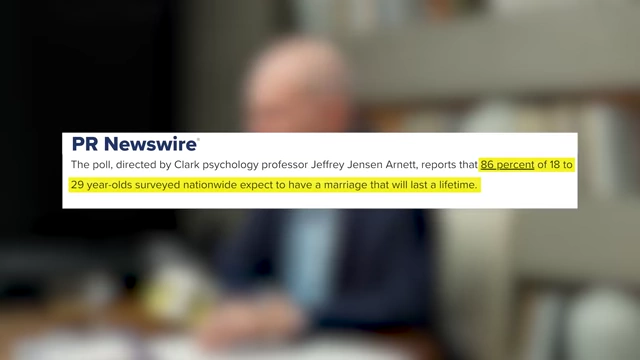
A survey reveals that 86% of young adults expect their marriages to last a lifetime, underscoring the importance of mate selection. [ 00:48:18 ] 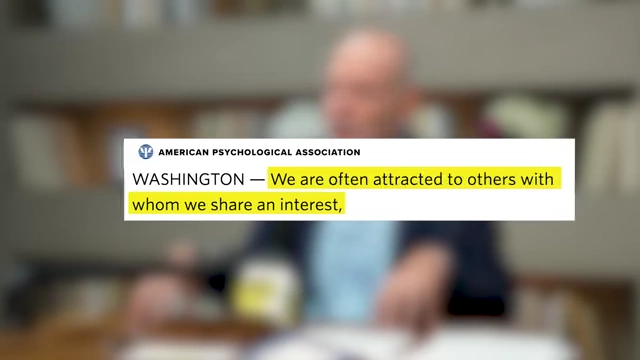
Research from the American Psychological Association indicates that individuals are often attracted to others with shared interests, supporting the idea of choosing similar mates. [ 00:50:12 ] - Observe behavior in casual settings: Watch how a potential partner plays games or reacts to minor frustrations, as this reveals character.
- Embrace partner's interests: Actively participate in your partner's hobbies, even if initially unappealing, to build shared experiences and strengthen the bond.
- Don't go to bed angry: Resolve arguments before going to sleep to prevent resentment from festering and damaging the relationship over time.
- A simple cure for arguments: Sometimes, arguments stem from hunger; try eating a snack or meal before continuing a difficult discussion.
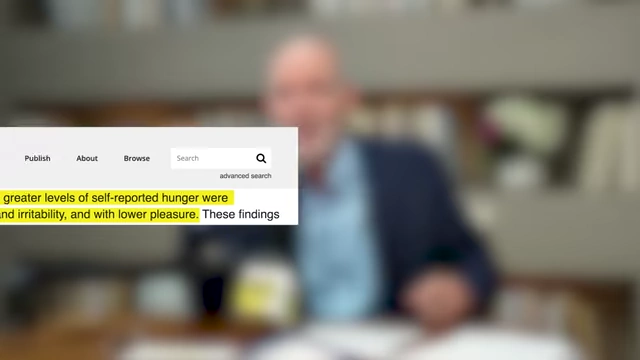
Research from PLOS ONE shows a correlation between hunger and increased feelings of anger and irritability. [ 00:53:49 ]
- Choosing a life partner is considered one of the most critical decisions.
5. Say It Now [58:07]
- Expressing Feelings Before It's Too Late [58:07]
- A profound regret is failing to express love, gratitude, or ask for forgiveness while people are still alive.
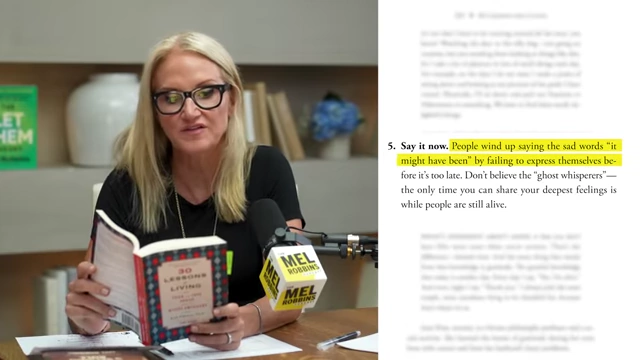
The fifth lesson: Say important things now, as delaying expressions of love or apologies leads to deep regret. [ 00:58:20 ] - This is a time-limited possibility; don't wait for the "right time" to say important things.
- Thinking about what you would regret not saying if it were too late can prompt timely communication.
Action Step: Don't delay expressing love, gratitude, or seeking forgiveness to those who matter. [ 00:59:18 ]
- A profound regret is failing to express love, gratitude, or ask for forgiveness while people are still alive.
- The "Backpack" of Unsaid Things [59:49]
- Unresolved conflicts or unexpressed feelings are like a heavy backpack carried through life. Addressing them releases this emotional weight.
- It's not just about negative things; express pride, appreciation, and love to those who matter.
How to Let Go of the Past and Embrace Your Future [01:01:56]
Elders advise self-acceptance and moving forward from past mistakes.
- Letting Go of Past Mistakes [01:02:02]
- You cannot change the past; dwelling on mistakes or second-guessing decisions is counterproductive.
- The metaphor "if you've bought a pair of shoes, don't look at the shoes in the next store window" highlights the futility of constant comparison and regret.
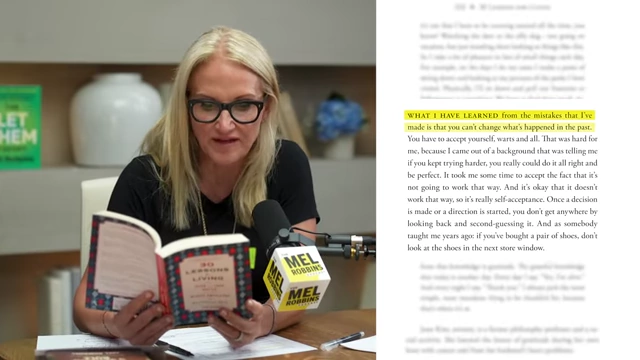
A quote from '30 Lessons for Living' advises self-acceptance and moving forward from past mistakes, as they cannot be changed. [ 01:02:27 ]
- Rejecting Perfectionism and Practicing Self-Compassion [01:04:09]
- Be aware of cultural pressures towards perfectionism, often exacerbated by social media.
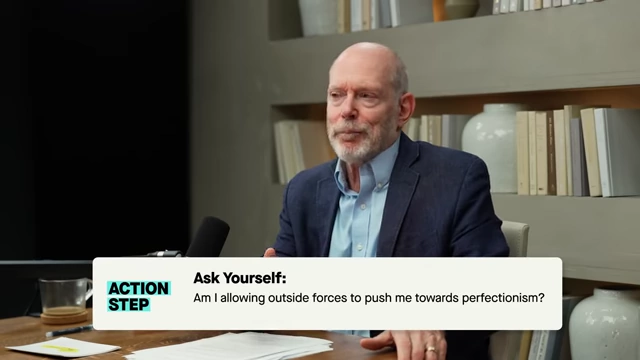
Action Step: Question whether external pressures are driving you towards an unattainable standard of perfectionism. [ 01:04:10 ] - Practice self-compassion and self-forgiveness, realizing that perfection is a myth.
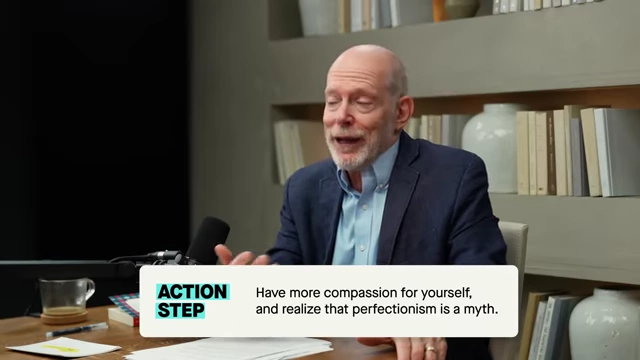
Action Step: Practice self-compassion and recognize that striving for perfection is an unrealistic pursuit. [ 01:04:36 ] - Take the "long view" by asking if a current worry or regret will truly matter when you are 80.
- Be aware of cultural pressures towards perfectionism, often exacerbated by social media.
- Learning from Mistakes [01:05:50]
- Reframe past mistakes by focusing on what was learned from them, rather than dwelling on how things were "meshed up."
Is Happiness as Simple as Choosing to be Happy? [01:06:09]
Elders demonstrate a unique form of happiness despite life's challenges.
- "Happy in Spite Of" vs. "Happy If Only" [01:06:37]
- The "happy if only" mindset (e.g., "I'll be happy if only I lose weight") is seen as futile and leads to disappointment.
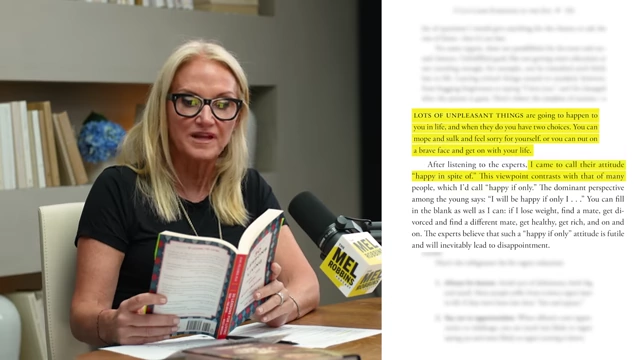
Understanding 'happy in spite of' (choosing happiness despite circumstances) versus 'happy if only' (waiting for perfect conditions). [ 01:06:44 ] - In contrast, "happy in spite of" means choosing happiness despite adverse circumstances, a skill developed through experience.
- The "happy if only" mindset (e.g., "I'll be happy if only I lose weight") is seen as futile and leads to disappointment.
- The Paradox of Happiness in Aging [01:08:34]
- Despite accumulating losses (e.g., chronic disease, death of loved ones), older people are, on average, happier than younger people.
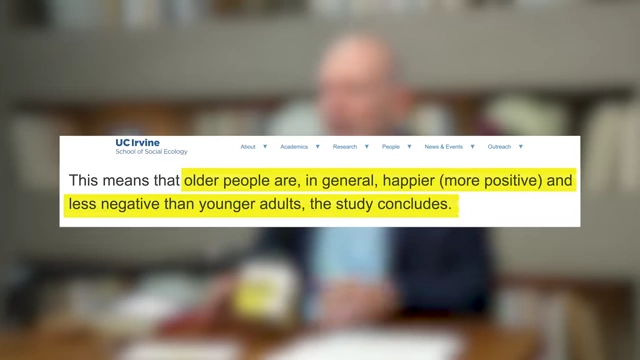
Research from UC Irvine indicates that older adults are generally happier and more positive than younger adults. [ 01:09:08 ] - This happiness stems from their conscious choice to make each day as good as possible and to focus on what is working.
- Despite accumulating losses (e.g., chronic disease, death of loved ones), older people are, on average, happier than younger people.
- Daily Choices for Happiness [01:10:10]
- Techniques include waking up with the intention to make it a good day, consciously avoiding negative emotions, and looking for positives.
Healthy Habits Linked to a Longer, Happier Life [01:11:51]
Elders emphasize health not for longevity alone, but for quality of life.
- Avoiding Chronic Illness through Midlife Habits [01:13:06]
- The key health message is not about dying sooner from unhealthy habits, but about avoiding decades of burdensome chronic disease.
- What one does in their 30s, 40s, and 50s significantly impacts health in later life.
- Motivation: Not Dying Sooner, but Living Better Longer [01:13:41]
- Elders regret not taking better care of themselves or their spouses, as it often led to a decade or two of life marred by chronic illness.
The Power of Gratitude [01:14:55]
Gratitude is a fundamental component of choosing happiness.
- Gratefulness for Small, Mundane Things [01:15:38]
- Practicing gratitude for simple, everyday positives is crucial for overall happiness.
- This involves a conscious shift in focus to appreciate what is working in one's life.
- Infusing Positive Emotions in Stressful Times [01:16:17]
- Even in highly stressful situations, actively infusing positive emotions (e.g., finding purpose, pride in caregiving) can significantly reduce negativity.
Live Like Your Life is Short [01:17:20]
The overarching lesson from all the elders.
- The Universal Message from Elders [01:18:04]
- Every older person stressed the extreme shortness of life; the older they were, the more intensely they felt this.
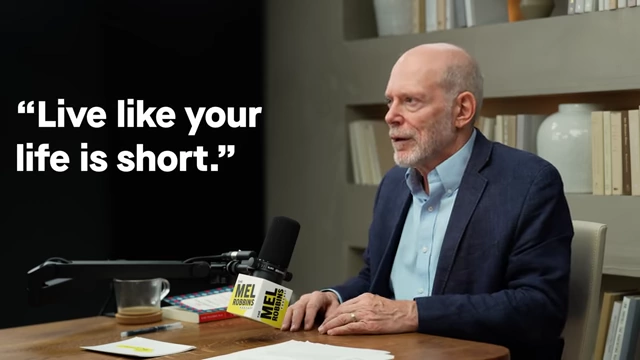
The overarching wisdom: Live your life with the understanding that it is incredibly short. [ 01:18:06 ] - They want younger people to understand that life passes "in a nanosecond" and to not let this be depressing, but rather a "superpower."
- Every older person stressed the extreme shortness of life; the older they were, the more intensely they felt this.
- Using the Shortness of Life as a Superpower [01:18:52]
- This perspective encourages taking the "long view" on trivial matters and, conversely, acting with urgency on what truly matters.
- It profoundly influences decisions about career satisfaction, relationship investments, and expressing love.
- Making Intentional Choices [01:19:55]
- Living with the awareness of life's brevity leads to making very different choices about jobs, relationships, and spending time with loved ones.
- The goal is to live more intentionally, choose happiness, make amends, and act on what is within one's power, starting now.