The Full 4-Phase Dopamine Detox Protocol to Rebuild Motivation and Focus
This video presents a comprehensive 5-part blueprint, including a 4-phase dopamine detox protocol, to help individuals overcome procrastination, regain motivation, and stop wasting their life by regulating their dopamine system.
- Dopamine is clarified as a desire/motivation system, not solely pleasure, and an unregulated system leads to demotivation and brain fog.
- The video explains addiction to overstimulation and the need to rewire the brain to enjoy productive, "real dopamine" activities.
- The hidden costs of "fake dopamine" include momentum loss and identity damage, emphasizing the importance of building a self-image aligned with desired actions.
- The 4-phase protocol includes: 1) Awareness (7-day detox from high stimulation), 2) Environment Engineering (removing distractions, adding friction to bad habits), 3) Rebuilding the Reward System (gradually introducing low to medium dopamine activities), and 4) Daily Dopamine Management (structured morning, midday, and evening routines).
- The ultimate goal is an identity shift, becoming a person who naturally chooses productive actions, leading to freedom, focus, and fulfillment.

An open journal with a habit tracker and notes on self-improvement. [ 00:00:50 ]
Intro [0:00]
The video introduces the concept of "fake dopamine" (e.g., scrolling, entertainment) versus "real dopamine" (e.g., productive work, exercise, reading) and outlines a 5-part blueprint for a full dopamine detox protocol designed to help individuals enjoy natural, purposeful activities as much as highly stimulating ones.
- The goal is to train the dopamine system to enjoy natural activities.
- The video is structured as a 5-part blueprint, with each part building on the previous one.
Understanding Dopamine [1:24]
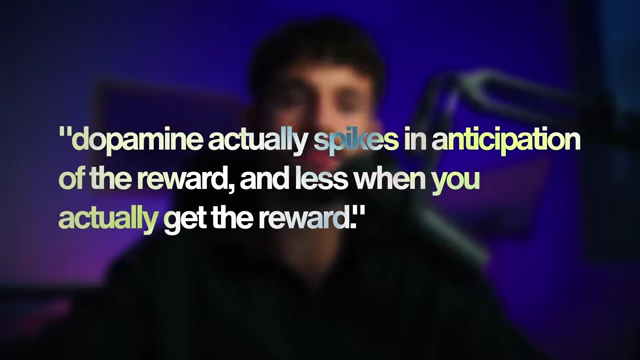
Dopamine is primarily a neurotransmitter responsible for motivation and drive, rather than a pleasure-reward system. It spikes in anticipation of a reward, not necessarily during the reward itself.
- Unregulated vs. Regulated Reward System [1:51]
- An unregulated dopamine system leads to feelings of unmotivation, brain fog, confusion, lack of clarity, and a lack of desire to do necessary tasks.
- Dopamine can be obtained from either naturally stimulating activities (reading, journaling, exercising, social interaction, being outdoors) or artificially overstimulating ones (video games, entertainment, movies, excessive scrolling).

Man reading a book titled "Ego is the Enemy." [ 00:10:00 ] 
Person playing video games on a curved monitor. [ 00:02:29 ] - The key is to control artificial overstimulation to find a balance between doing and loving productive tasks.
- The Comfort Effect [2:54]
- Comfort is a powerful pull from the "animal mind" or "monkey mind," which seeks pleasure, safety, and ease.
- This part of the brain is not aligned with achieving long-term goals or success, which often require stepping out of comfort zones.
Addiction to Stimulation [3:16]
Understanding why one is hooked to overstimulating activities is crucial for creating an "identity shift" where hard work becomes enjoyable.
- Rewiring for Enjoyment [3:47]
- The aim is to transition from a state of being overstimulated and only pursuing pleasure to enjoying activities that foster growth and progress.
- This involves making hard work feel like play, becoming consistent, and being proud of one's efforts.
- The Love of Process [4:19]
- Achieving goals and becoming the best version of oneself is possible when one loves the work, the process, and the habits required for growth.
- Viewing necessary tasks as negative, boring, or unbearable prevents long-term adherence.
- Two Versions of Self [4:41]
- The current self derives pleasure from "feel-good" (often detrimental) habits like entertainment and excessive dopamine sources.
- The future self, which has achieved desired life outcomes, has rewired its brain to derive pleasure only from activities that facilitate progress.
- This future self finds productive tasks (like reading or working) as enjoyable as past high-stimulation activities.
- Inability to detach from bad habits and attach to good habits leads to a cycle of inconsistency and being held back.
The Hidden Cost of Fake Dopamine [5:50]
Engaging in excessive fake dopamine activities incurs significant costs, primarily momentum loss and identity damage, which hinder personal growth and goal achievement.
- 1. Momentum Loss [5:51]
- Momentum is a state of sustained motivation and discipline where continuing progress requires less energy than stopping.
- Constantly engaging in varied, stimulating activities (like frequently switching business models or habits) resets progress, preventing compounding effects.
- The goal is to build compounding momentum that naturally carries one forward, rather than repeatedly starting from scratch.
- 2. Identity Damage [7:16]
- Identity, or how one perceives oneself, is a crucial component for building a dream life.
- Actions are aligned with one's self-vision and beliefs (identity frames).
- A detrimental identity can hold one back, leading to repeated slips into bad habits despite conscious efforts to stop.

Text overlay explaining "the moment you start to see yourself in a certain way, you start to take the actions, that align with that vision." [ 00:07:30 ] - Changing one's identity is key to breaking these cycles and is facilitated by a dopamine detox protocol.
The Full Dopamine Detox Protocol [8:35]
PHASE I - Awareness. [8:39]
This phase involves a temporary, 7-day detox from high stimulation to reset the dopamine system.
- Rules and Instructions [8:40]
- The detox involves avoiding screens, technology, entertainment, and all forms of artificial stimulation.
- Sleep counts as dopamine detox time.
- After waking, continue for several hours without stimulation.
- Permitted Activities (Natural Dopamine Spiking) [9:53]
- Reading
- Working
- Walking
- Writing/Journaling

Man journaling in a notebook. [ 00:10:02 ] - Stepping outside
- Running/Exercising
- Benefits [10:17]
- Feeling clear, amazing, and super sharp.
- Experiencing a "reset button" on life.
- Increased excitement and enjoyment of deep work and exercise.
- Finding pleasure in necessary tasks, marking a crucial turning point.
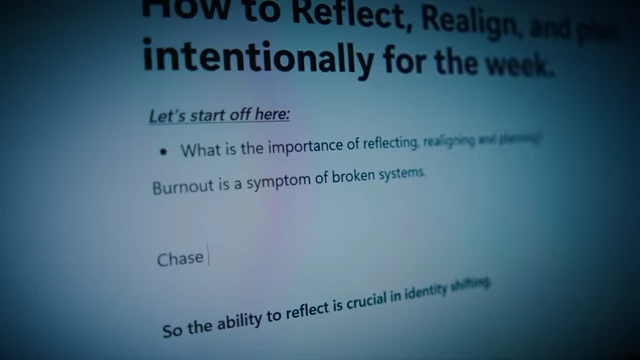
PHASE II - Environment Engineering [10:42]
Optimizing one's environment to minimize temptations and facilitate good habits.
- Removing Temptations [10:53]
- Identify and remove physical temptations, triggers, and cues that lead to high-dopamine activities (e.g., distracting phone notifications).
- Delete distracting apps from your phone (except potentially educational apps like YouTube).
- Friction as a Tool [11:32]
- Create friction for bad habits: make distractions very difficult to access.
- Remove friction for good habits: make productive activities super accessible.
- This strategic placement of friction promotes good habits and discourages bad ones.
PHASE III - Rebuilding Your Reward System [11:55]
A gradual, step-by-step approach to re-sensitize the brain to natural rewards.
- Staged Introduction of Habits [12:01]
- Start with low-dopamine habits: walking, stretching, cleaning your house/environment.
- Progress to medium-dopamine habits: reading, skill learning, long-form work.
PHASE IV - Daily Dopamine Management [12:19]
Implementing daily routines to manage dopamine levels and reinforce a healthy reward system.
- Morning Protocol [12:23]
- No phone immediately after waking up.
- Seek quick sunlight exposure.
- Develop an intentional plan for the day.
- Midday Reset [12:30]
- Take a short walk.
- Incorporate meditation and breathwork.
- Eat lunch without a phone or screen.
- Strategic Dopamine Placement [12:41]
- Push high-dopamine activities (entertainment, screens) to later in the day, after productive work is completed.
- This transforms high-dopamine activities into rewards for effort and hard work, rather than defaulting to them.
- Avoid early-day high-dopamine activities, as they can replace rewards and make dopamine the default state.
- Evening Wind-down [13:08]
- No screens 1 to 2 hours before bed.
- Consider wearing blue light blockers.
- Focus on winding down, resetting dopamine, and rebuilding the reward system through reflection, journaling, reading, and meditation before sleep.
The Identity Shift [13:31]
This final part is about fundamentally changing who you are at a core level to sustain the new habits and life.
- Becoming the Person [13:33]
- The goal is to become the person who naturally chooses real rewards and growth-oriented actions.
- Rewiring self-image means that discipline and adherence to the detox protocol become inherent to your identity, making them easier to maintain.
- Long-Term Vision [13:53]
- Establish a clear vision for freedom, focus, and fulfillment by journaling your desired identity, goals, and intentions.
- Journaling provides clarity, improves thinking and speaking, and facilitates personal development.
- Freedom as a Byproduct [14:37]
- Freedom and success become natural byproducts of having a strong, aligned identity, rather than something you constantly chase.
- This allows for full control over your life, free from the burdens of old routines and bad habits.