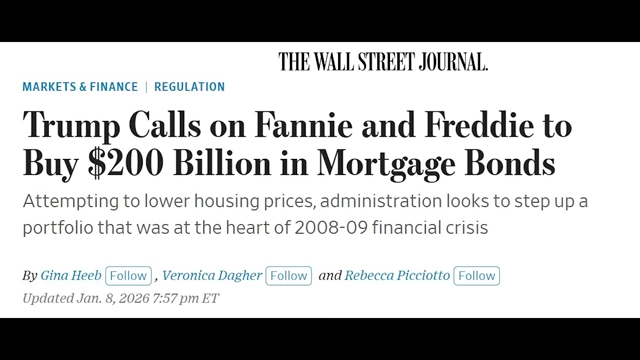
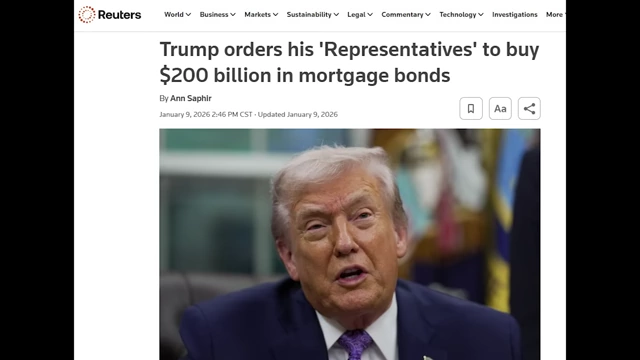
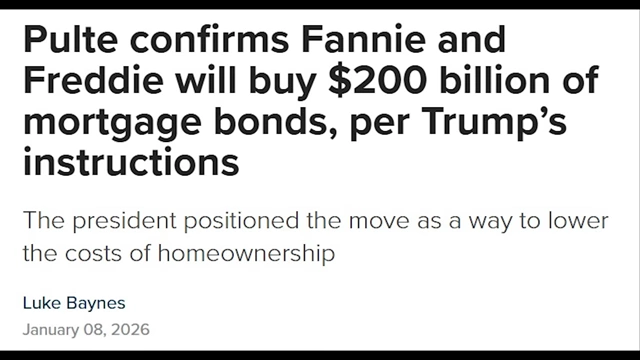
Donald Trump has ordered Fannie Mae and Freddie Mac to purchase $200 billion worth of mortgage bonds to lower interest rates and make homeownership more affordable.
Trump Calls on Fannie and Freddie to Buy $200 Billion in Mortgage Bonds
[
00:00:18
]
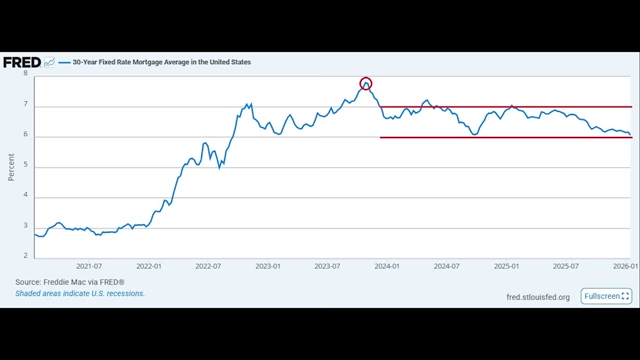
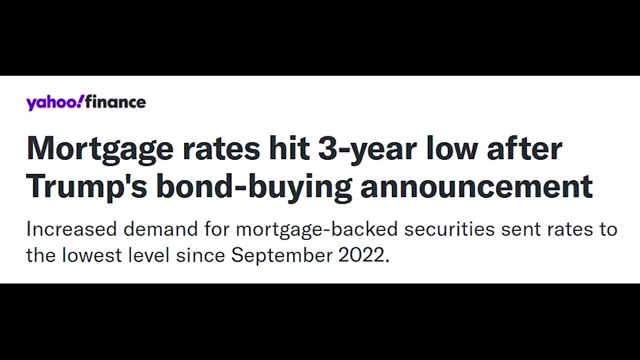
This plan works by increasing demand for mortgage bonds, which drives up bond prices and consequently lowers interest rates on mortgages, aiming to push rates meaningfully below 6% after fluctuating in the 6-7% range for two years.
Graph of 30-Year Fixed Rate Mortgage Average in the United States over 5 years
[
00:00:45
]
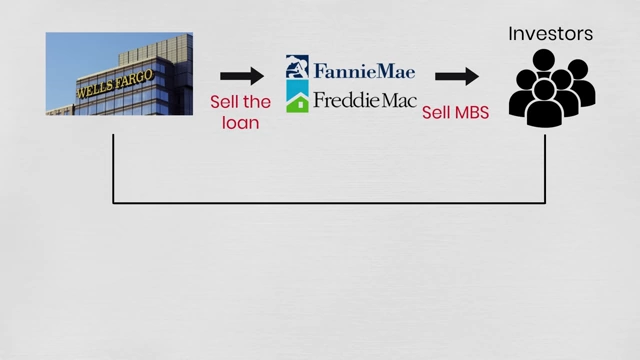
Fannie Mae and Freddie Mac are government-sponsored enterprises (GSEs) that play a crucial role in the housing finance system by buying loans from banks, bundling them into Mortgage-Backed Securities (MBS), and selling them to investors, providing liquidity and stability.
Diagram illustrating the flow of loans from Wells Fargo to Fannie Mae/Freddie Mac, which then sell Mortgage-Backed Securities (MBS) to investors.
[
00:02:30
]
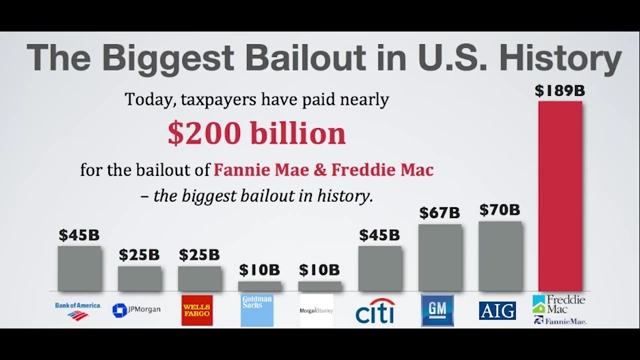
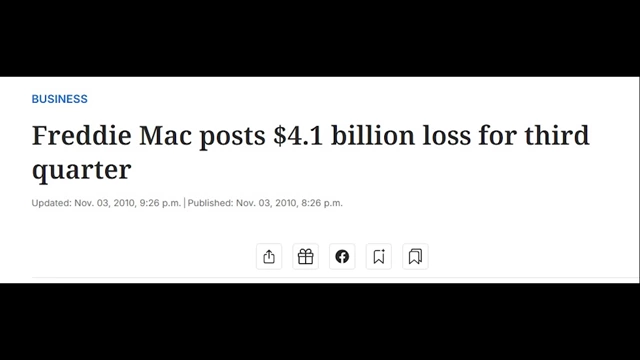
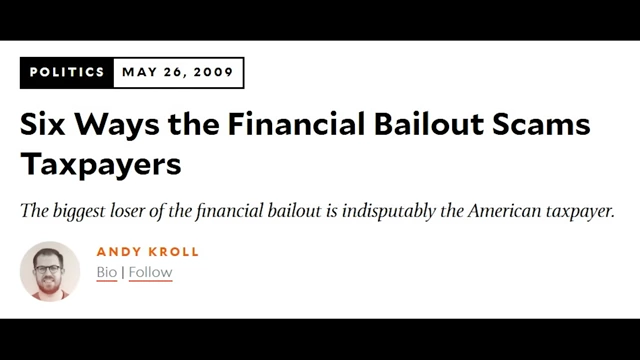
Following the 2008 financial crisis, both companies were bailed out by the US government, costing taxpayers nearly $200 billion, becoming the biggest bailout in U.S. history, and have remained under federal conservatorship, giving the government control over their operations.
Bar chart comparing the cost of the Fannie Mae & Freddie Mac bailout to other major bailouts in U.S. history.
[
00:03:05
]
This intervention is unusual because, historically, the Federal Reserve would manage such market interventions, but with the Fed unwilling to purchase MBS this time, the administration is relying on Fannie Mae and Freddie Mac, effectively bypassing Congress.
Headline reading "Trump is getting creative to bypass Congress"
[
00:08:49
]
Critics argue this move could distort markets, delay reform, and entrench government involvement, while supporters maintain that housing stability is a public good justifying intervention, with taxpayers ultimately bearing the risk of these purchases.
Trump's Initiative to Lower Mortgage Rates [00:00:00]
President Trump has announced a plan to reduce mortgage interest rates by utilizing Fannie Mae and Freddie Mac to buy mortgage bonds.
The mechanism involves increasing demand for mortgage bonds [00:00:08]
Increased demand for mortgage bonds leads to higher bond prices [00:00:11]
Higher bond prices result in lower interest rates [00:00:13]
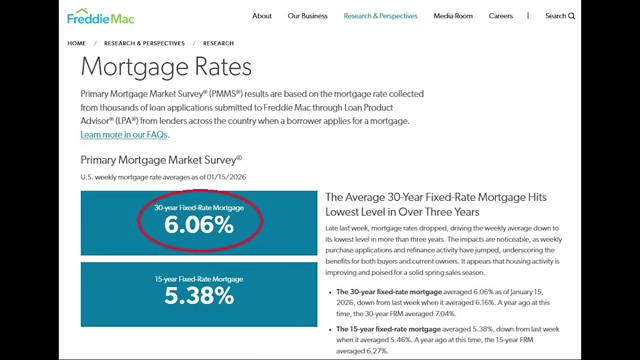
The average 30-year fixed mortgage rate recently fell to 6.06% [00:00:30]
Freddie Mac's reported average interest rate on a 30-year fixed mortgage at 6.06%
[
00:00:30
]
Mortgage rates have been fluctuating within a 6% to 7% range for the past two years after peaking near 8% [00:00:45]
Graph of 30-Year Fixed Rate Mortgage Average in the United States over 5 years, showing the 6-7% range.
[
00:00:45
]
The expectation is that this order might push rates meaningfully below 6% [00:00:51]
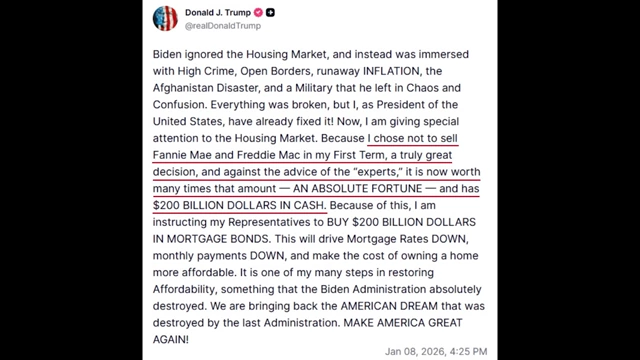
Trump's statement highlights his instruction to buy $200 billion in mortgage bonds to drive rates down and make homeownership more affordable. [00:01:18]
Donald Trump's post instructing his representatives to buy $200 billion in mortgage bonds.
[
00:01:20
]
Understanding Fannie Mae and Freddie Mac [00:01:37]
Fannie Mae and Freddie Mac are crucial entities in the U.S. housing finance system.
Banks or mortgage lenders (e.g., Wells Fargo) originate loans to homebuyers [00:01:57]
Lenders then sell these loans to Fannie Mae or Freddie Mac [00:02:14]
Fannie Mae and Freddie Mac bundle these individual loans into Mortgage-Backed Securities (MBS) [00:02:21]
MBS are then sold to investors globally [00:02:25]
This process ensures liquidity for lenders, stability in mortgage markets, and historically, lower rates for borrowers [00:02:29]
Diagram illustrating the flow of loans from Wells Fargo to Fannie Mae/Freddie Mac, which then sell Mortgage-Backed Securities (MBS) to investors.
[
00:02:30
]
The 2008 Financial Crisis and Government Intervention [00:02:40]
The financial crisis significantly altered the status of Fannie Mae and Freddie Mac.
The government controls their balance sheets, capital, and strategic decisions [00:03:21]
While still legally companies with shareholders, they operate under government control [00:03:27]
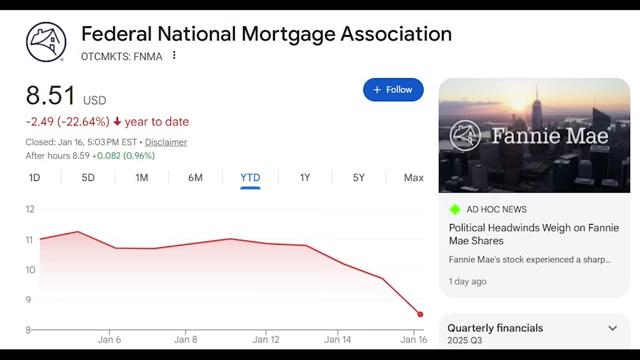
Their stocks are publicly traded over-the-counter but are highly volatile and driven by political factors and court rulings, as common shareholders have no real control and the Treasury holds warrants for nearly 80% of common stock [00:03:39]
Google Finance screenshot showing Fannie Mae (FNMA) stock performance year-to-date.
[
00:04:10
]
Historically, the Federal Reserve (Fed) would undertake such actions to influence mortgage rates, as seen in the 2008 crisis and 2020 pandemic stimulus [00:05:27]
This time, the Federal Reserve is unwilling to purchase MBS [00:05:47]
Policymakers are therefore leaning on Fannie Mae and Freddie Mac, and by extension, taxpayers [00:05:53]
Headline confirming "Pulte confirms Fannie and Freddie will buy $200 billion of mortgage bonds, per Trump's instructions."
[
00:05:46
]
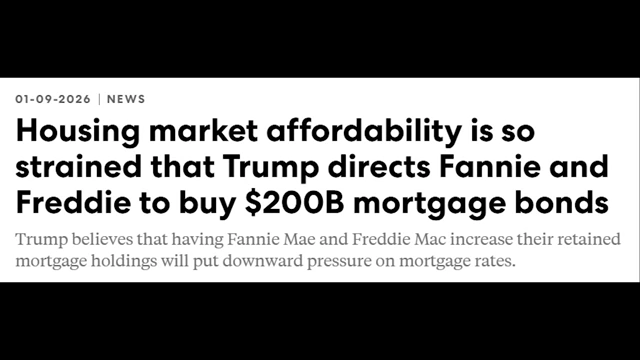
The directive indicates policymakers are uncomfortable with high mortgage interest rates [00:07:56]
It shows an increasing willingness to use "hybrid institutions" (like GSEs) to manage market outcomes when the Federal Reserve is unwilling to act [00:08:05]
News headline indicating "Housing market affordability is so strained that Trump directs Fannie and Freddie to buy $200B mortgage bonds."
[
00:08:07
]
Housing remains largely unaffordable, particularly for first-time homebuyers [00:08:28]
With the Federal Reserve unwilling to purchase MBS and Congress not providing additional aid, Trump is using Fannie Mae and Freddie Mac as an alternative, bypassing Congress. [00:08:37]
Headline stating "Trump is getting creative to bypass Congress."
[
00:08:49
]
While potentially helping short-term mortgage rates, the initiative raises long-term questions regarding risk, incentives, and the extent of government involvement in markets [00:09:06]