Understanding the Portable Mac Mini: Why I Built It & My Design Process
This video explains the motivation behind building a portable Mac Mini with an iPad Mini as the display and delves into the design process and future improvements.

- Addressing Criticisms [0:01:20]: The creator addresses comments about the cost and practicality of his portable Mac Mini setup compared to a MacBook, explaining that his goal is to enhance existing devices, not replace laptops.
- Personal Motivation [0:02:07]: He built the device to solve his personal problem of needing to access video projects on the go using his existing Mac Mini and iPad Mini, saving money by avoiding a new MacBook.
- Design Inspiration & Process [0:03:56]: The design was inspired by portable Xbox and PlayStation setups and other YouTubers who made Mac Minis portable. The process involves visual ideation on a monitor, followed by 3D modeling in Fusion 360 and iterative 3D printing of parts for testing dimensions and mechanics.
- Why Duet Instead of Sidecar [0:06:25]: Duet was chosen over Apple's Sidecar for its smoother auto-connection and primary display functionality, avoiding glitches and complex setups.
- Community Sharing & Improvements [0:07:16]: The creator plans to release STL files for free and encourages others to sell 3D-printed versions, asking for credit and links. He also discusses potential improvements like a better clasp, integrated battery, and adapting the design for the Mac Studio.
Introduction [0:00:00]
The creator discusses the unexpected controversy and attention his portable Mac Mini video received.
- Initial Reception: The previous video was met with mixed reactions, with some loving it and others hating it, especially on the Apple subreddit.

Positive comments on the video [ 00:00:07 ] 
Negative comments on Reddit about the portable Mac Mini [ 00:00:13 ] 
Reddit post titled "Making a Portable Mac Mini" [ 00:00:12 ] - Behind the Scenes: The elaborate opening joke of the previous video, involving buying and cutting open a broken MacBook Air, took a full day to prepare for a mere two-second gag.

eBay order for a broken MacBook Air [ 00:00:25 ] - Unexpected Success: The video garnered over half a million views in the first week, far exceeding expectations.

YouTube video showing 662,864 views [ 00:00:39 ]
New Video Format [0:00:49]
The creator announces a new video format to delve deeper into his projects.
- New Content Type: Future project videos will be accompanied by a separate video sharing behind-the-scenes details.
- Detailed Information: These supplementary videos will cover:
- Ideation process
- Design process
- Filmmaking process
- Detailed instructions for those wanting to replicate projects
- Learning outcomes from the project
- Purpose: This format aims to answer viewer questions, foster more engagement, and provide a comprehensive look at his creative process.
Why I Made This [0:01:19]
The creator addresses the common criticism regarding the practicality and cost of his portable Mac Mini setup.
- Addressing Criticisms: Many viewers questioned why he didn't just buy a MacBook Air, as it might be cheaper and offers similar performance without overheating issues in M1 models.
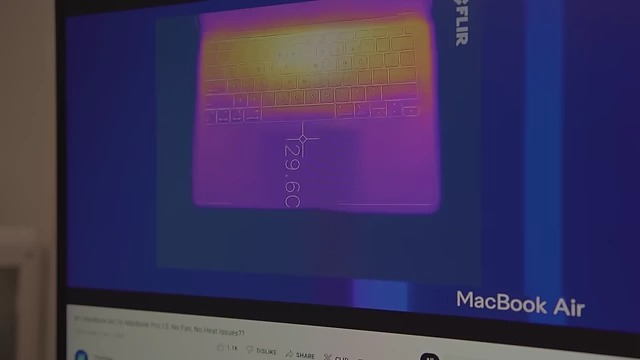
Thermal image of a MacBook Air highlighting heat [ 00:01:33 ] - Creator's Philosophy: He emphasizes his channel's core theme: upgrading and improving existing possessions to maximize their value and learn through the process.
- Personal Problem Solved: The Mac Mini was his primary home setup, and the iPad Mini served his on-the-go needs.
- Travel Needs: Increased travel necessitated portable access to video projects and live work.
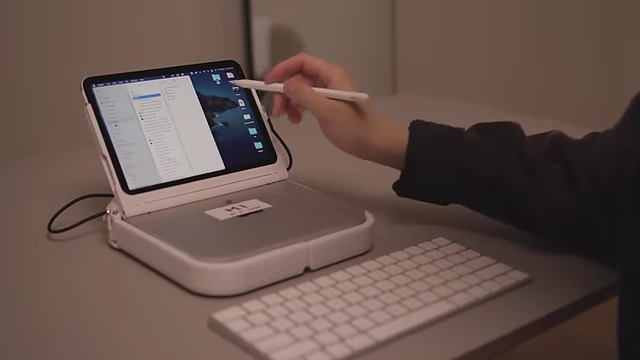
The portable Mac Mini setup with an iPad Mini display and external keyboard [ 00:02:46 ] - Cost Savings: Combining these existing devices saved him $1,500 by not needing to purchase a new MacBook.
- Travel Needs: Increased travel necessitated portable access to video projects and live work.
- Target Audience: He clarifies that this setup is not for everyone, especially those who frequently work on the go and need a larger screen, integrated keyboard, and mouse. MacBooks are recommended for such users due to their inherent portability.
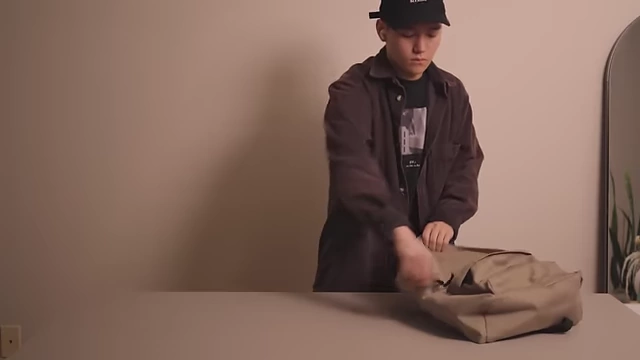
The portable Mac Mini being placed into a backpack [ 00:02:51 ] - Previous Video's Simplification: The motivation for the original video was simplified to "I hate laptops" due to time constraints, an oversimplification that he now clarifies.
- Personal Project: The portable Mac Mini was built 100% as a solution to his own specific problem and is not presented as a universal solution.
Design Process [0:03:56]
The creator shares his detailed design process, from inspiration to initial prototyping.
- Inspiration:
- Portable Gaming Consoles: Heavily inspired by DIY portable Xbox and PlayStation devices.
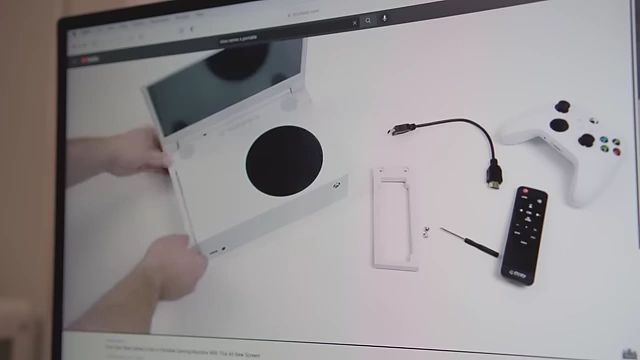
Screenshot of a YouTube video showing a portable Xbox console [ 00:04:05 ] - Other YouTubers: Acknowledges Toss of Hussein and Everyday Tech for attempting portable Mac Mini builds, showing him it was possible.

A YouTube video by Everyday Tech showcasing a portable Mac Mini setup [ 00:04:14 ]
- Portable Gaming Consoles: Heavily inspired by DIY portable Xbox and PlayStation devices.
- Visual Ideation ("Visual Vomit") [0:04:19]:
- Drawing on Monitor: Uses a dry-erase marker directly on his monitor to quickly sketch ideas over existing images.
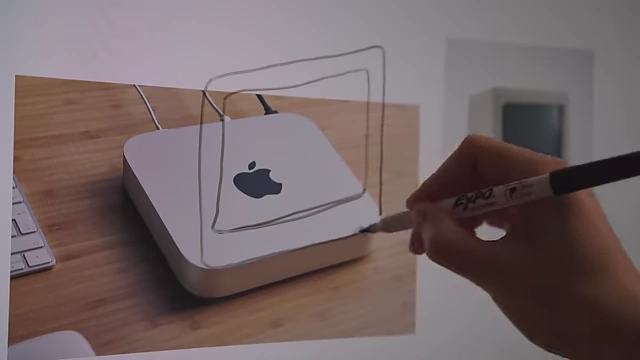
Sketching design ideas directly on the monitor screen [ 00:04:28 ] - Alternatives: Suggests using a transparency sheet or screen protector if concerned about monitor damage.
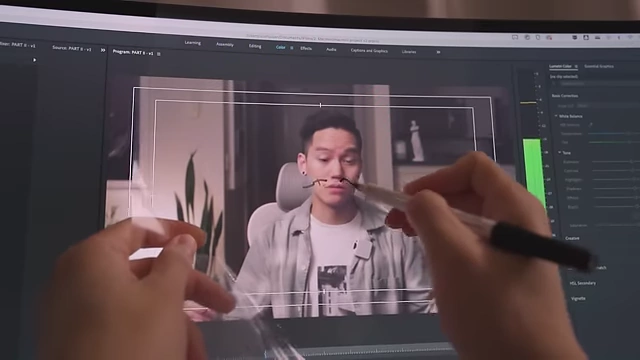
Drawing on a transparency sheet placed over the monitor [ 00:04:34 ] - Rationale: This method prevents momentum loss and over-analytical thinking often associated with digital drawing tools or paper, allowing for rapid ideation.
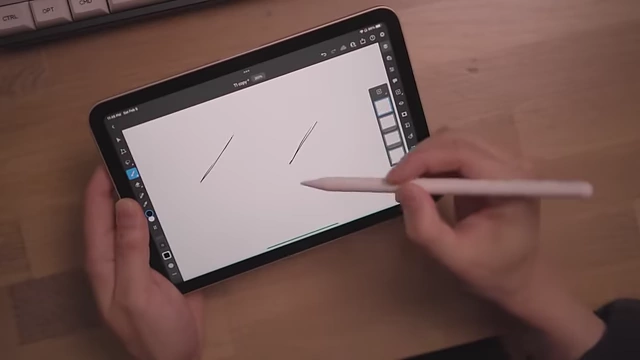
The creator demonstrating drawing on an iPad [ 00:04:56 ] - UX Design Context: Compares it to "Crazy Eights" in UX design, emphasizing speed over perfection.
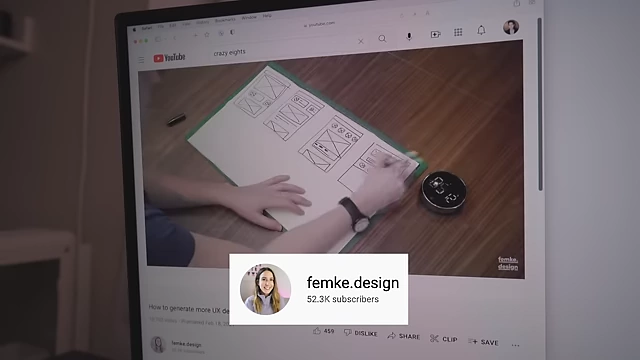
Screenshot of a YouTube video explaining the "Crazy Eights" UX design method [ 00:05:06 ]
- Drawing on Monitor: Uses a dry-erase marker directly on his monitor to quickly sketch ideas over existing images.
- 3D Modeling (Fusion 360) [0:05:09]:
- Initial Simple Forms: Starts with basic sleeve-like shapes to verify dimensions of the Mac Mini and iPad Mini.
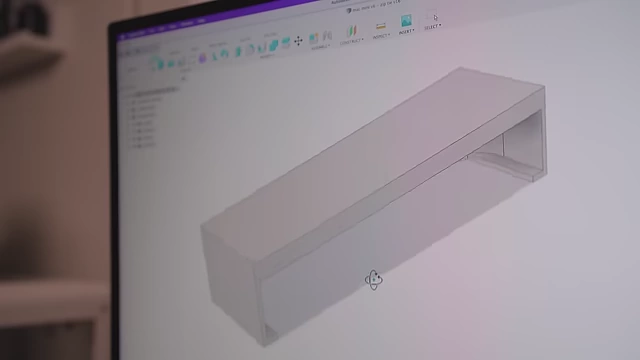
A simple 3D model of a Mac Mini sleeve in Fusion 360 [ 00:05:23 ] 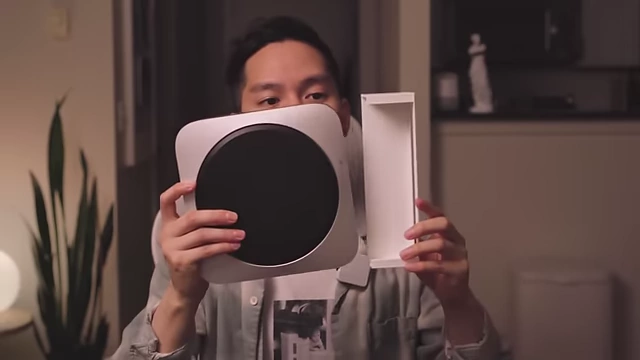
The Mac Mini being placed into a 3D printed sleeve prototype [ 00:05:18 ] 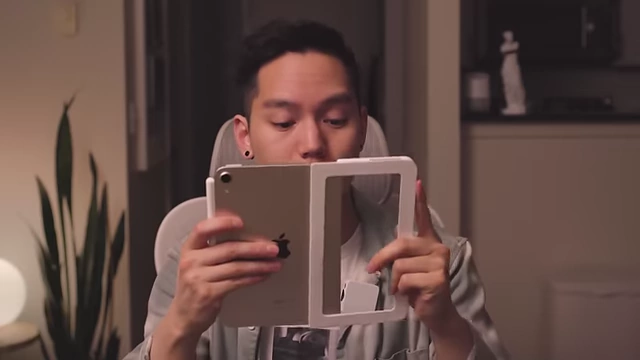
An iPad Mini alongside a 3D-printed test frame [ 00:05:34 ] - Iterative Prototyping: Prints these simple forms while working on more complex details like hinges.
- Color Choice for Prototypes: Uses light-colored filament for early test prints to easily make markings and notes. (Learned from Proper Printing).
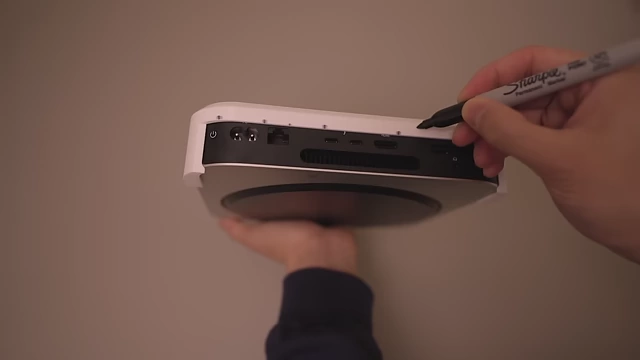
Markings being made on a white 3D-printed Mac Mini prototype [ 00:05:43 ] - Testing Mechanical Parts: Prints smaller, challenging mechanical components separately to test fit and function, including hardware.
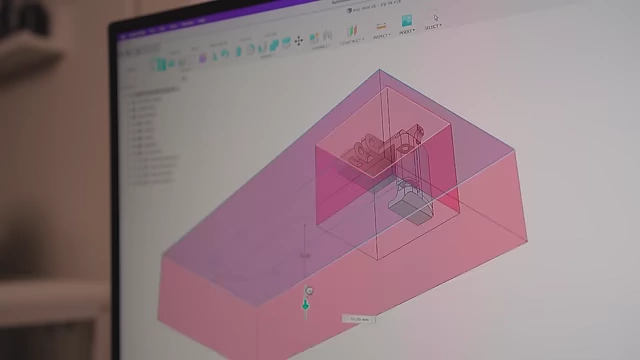
A 3D model in Fusion 360 highlighting a cut-out section for mechanical parts [ 00:05:53 ] 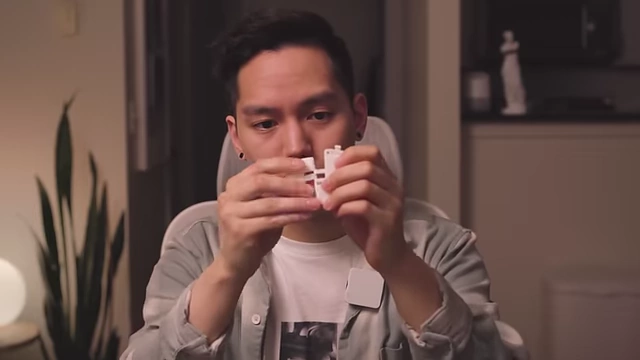
The creator assembling small 3D-printed hinge components [ 00:05:57 ] 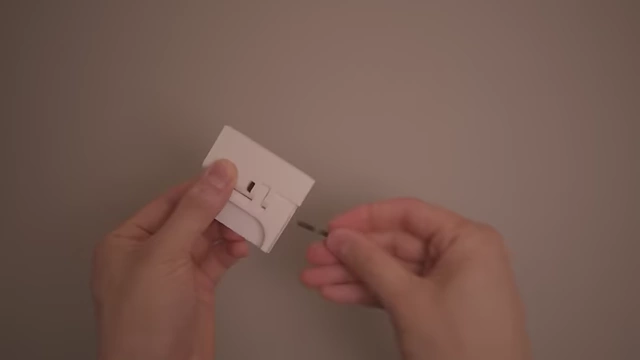
The creator inserting an Allen key into a 3D-printed hinge part [ 00:06:00 ] - Key Discovery: Realized the hinge bolts would loosen over time, leading to the idea of integrating an Allen key into the design, inspired by the Ender 3 Pro's self-contained tools.
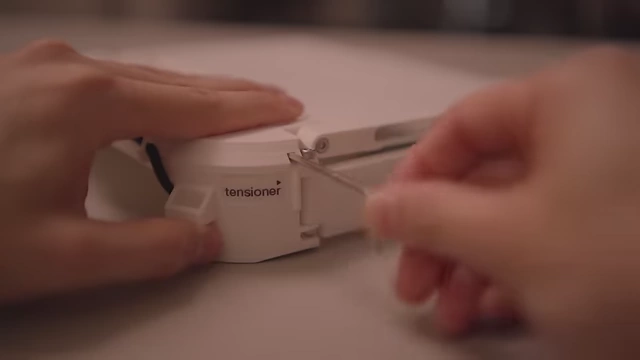
The creator tightening a bolt on the hinge mechanism with an Allen key [ 00:06:13 ] 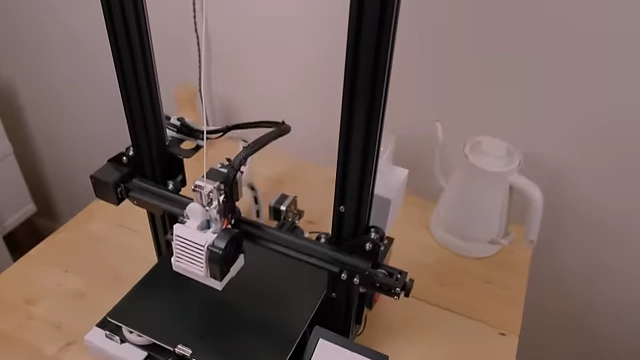
An Ender 3 Pro 3D printer, the inspiration for the integrated Allen key [ 00:06:21 ]
- Initial Simple Forms: Starts with basic sleeve-like shapes to verify dimensions of the Mac Mini and iPad Mini.
Why Duet [0:06:25]
The creator explains his choice of Duet over Apple's native Sidecar for connecting the iPad Mini to the Mac Mini.
- Sidecar Limitations:
- Primary Display Issues: Sidecar is primarily designed for a second display, leading to glitches when used as a primary display.
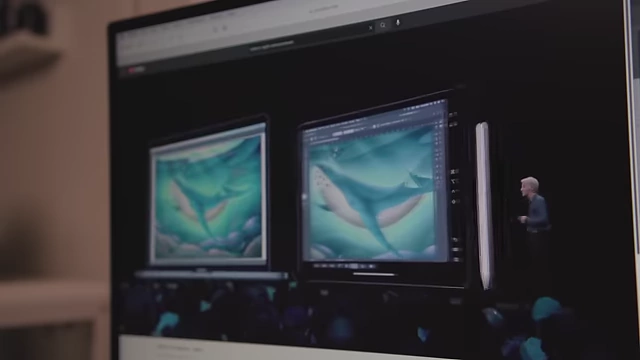
An Apple presentation slide showcasing Sidecar functionality [ 00:06:30 ] - Boot-up Complexity: Requires hacky setups (e.g., keyboard shortcuts) to launch, as it doesn't support direct boot-up.
- Primary Display Issues: Sidecar is primarily designed for a second display, leading to glitches when used as a primary display.
- Duet Advantages:
- Seamless Boot-up: Easily configured to auto-connect upon Mac Mini boot-up by disabling FileVault and enabling automatic login.
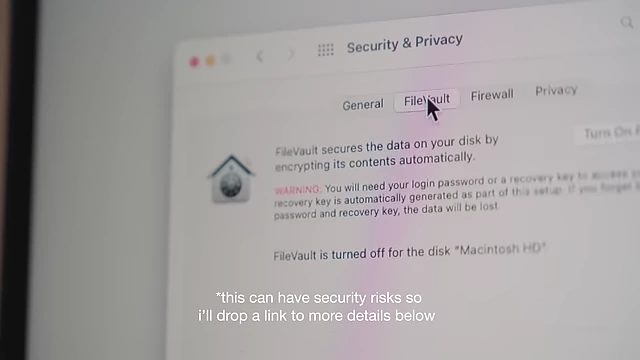
Security & Privacy settings with FileVault option [ 00:06:57 ] 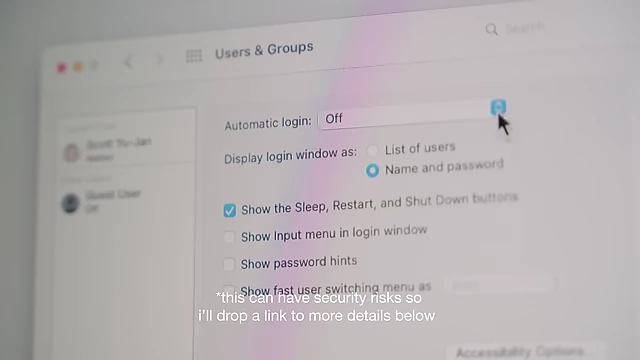
Users & Groups settings showing automatic login option [ 00:07:01 ] - Performance: Personally experienced no noticeable lag or resolution differences with Duet.
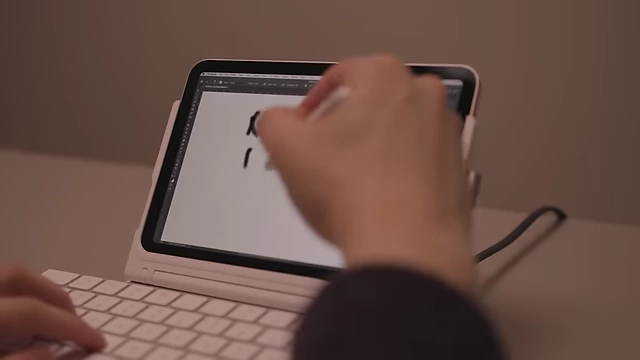
An iPad Mini connected to the Mac Mini via Duet, with a stylus being used [ 00:07:13 ]
- Seamless Boot-up: Easily configured to auto-connect upon Mac Mini boot-up by disabling FileVault and enabling automatic login.
Will I Be Selling These? [0:07:16]
The creator clarifies his plans regarding selling the portable Mac Mini enclosures.
- No Direct Sales: Due to full-time job and YouTube commitments, he cannot manage production, shipping, and quality control.
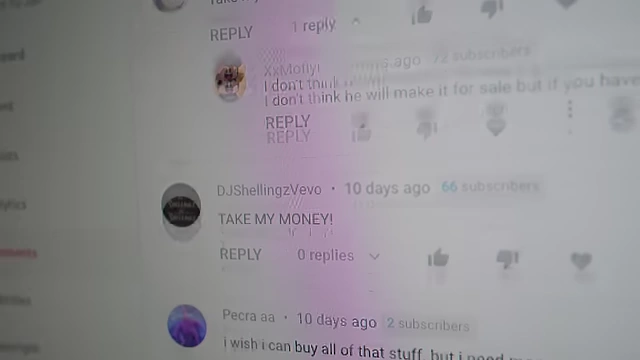
YouTube comments requesting to buy the portable Mac Mini [ 00:07:21 ] - Open-Source Design: Will release the STL files for free, allowing others to 3D print them.
- Community Empowerment: Encourages Etsy shop owners and other makers to 3D print and sell the enclosures, with no profit sharing.
- Conditions for Sellers: Asks for credit for the designs and a link back to his video for assembly or usage troubleshooting.
Assembly Details [0:08:07]
Provides practical advice for assembly and explains a key design feature.
- Post-Printing Work: Many holes print upside down, requiring filing and sanding for proper assembly.
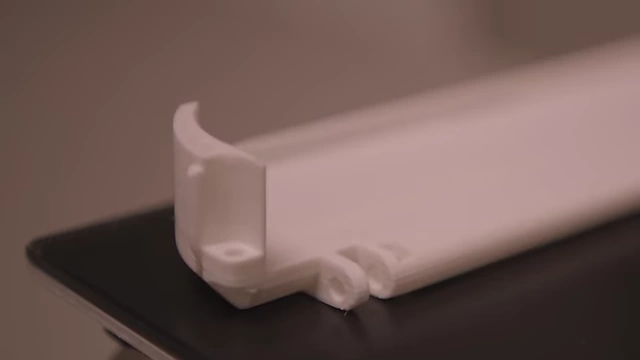
A 3D-printed part with an upside-down hole, requiring post-processing [ 00:08:09 ] - Hardware: The enclosure uses M3 hardware and 30mm bolts. Specific USB-C cable (1.5ft) is crucial.
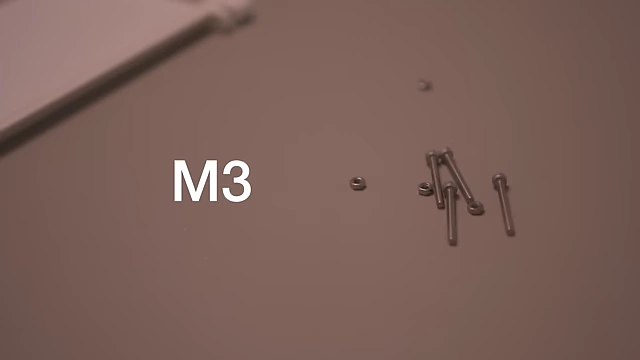
M3 screws and bolts laid out for assembly [ 00:08:17 ] 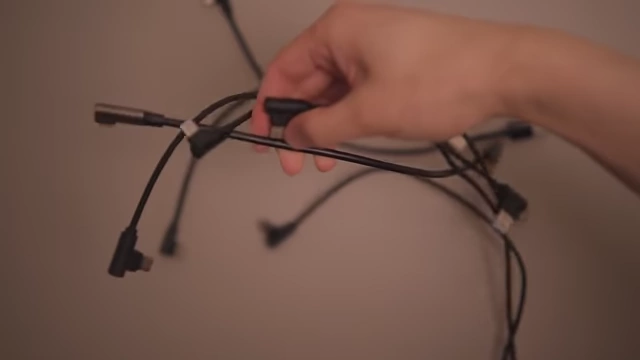
A collection of USB-C cables, emphasizing the need for a specific length [ 00:08:27 ] - iPad Retention: The perfectly sized USB-C cable, when plugged into the iPad Mini, acts as a lock, preventing the iPad from sliding out of the enclosure.
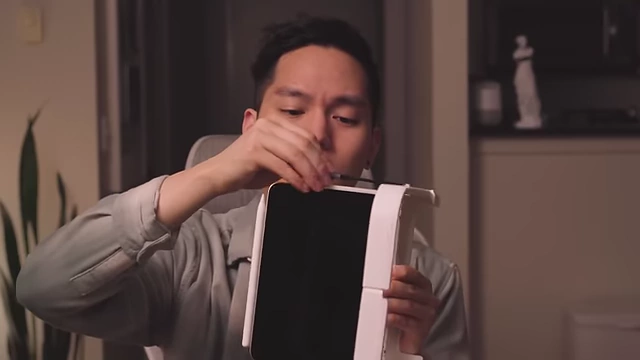
The USB-C cable being plugged into the iPad Mini, securing it in the enclosure [ 00:08:37 ]
Design Improvement Ideas + Mac Studio? [0:08:50]
The creator discusses potential improvements to the design and addresses the possibility of a Mac Studio version.
- Hinged Screen Orientation [0:08:52]:
- Current Design: The screen faces downwards when closed to protect it from scratches and damage in a backpack.
- Alternative Considered: Initially thought of a forward-hinging screen, but this would leave the screen exposed when closed.
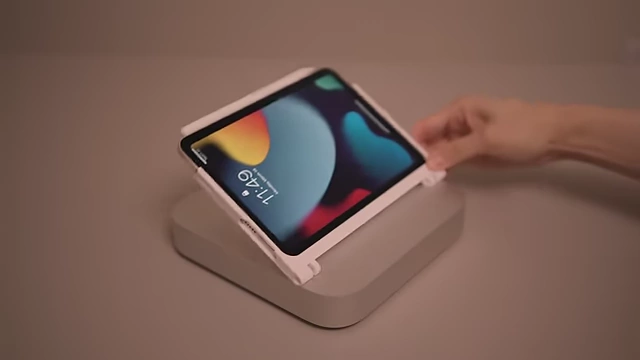
The iPad Mini screen hinged forward, facing upwards when closed [ 00:09:00 ]
- Clasp Improvement [0:09:17]: Expresses dissatisfaction with the current pull-and-bend clasp mechanism and hopes someone will remix the design with a more robust locking clasp.
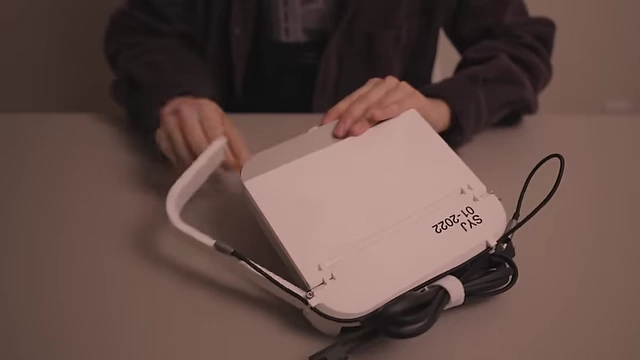
The creator demonstrating the current flexible clasp mechanism [ 00:09:24 ] 
A screenshot of a YouTube video showing a 3D-printed case with a different clasp design [ 00:09:29 ] - Integrated Components [0:09:30]:
- Battery: Discusses the idea of a dovetail battery pack or even fitting batteries directly into the Mac Mini's internal enclosure for true portability.
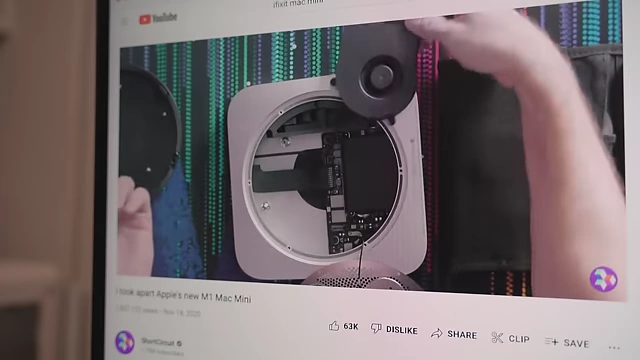
The internal components of a Mac Mini [ 00:09:45 ] - Peripherals: Mentions the possibility of integrating a trackpad or keyboard.
- Battery: Discusses the idea of a dovetail battery pack or even fitting batteries directly into the Mac Mini's internal enclosure for true portability.
- Mac Studio Version [0:09:50]:
- Feasibility: Notes that the Mac Studio is significantly thicker, which would improve ergonomics by raising the screen but might be too bulky.
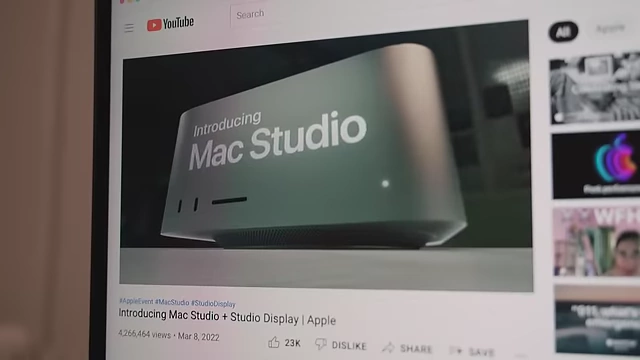
A YouTube video introducing the Mac Studio [ 00:09:56 ] - Cost Barrier: The high cost of the Mac Studio is a personal deterrent for the creator.
- Community Contribution: Encourages others who purchase a Mac Studio to adapt his open-source design files (not just STL, but actual design files) to fit the larger device.
- Feasibility: Notes that the Mac Studio is significantly thicker, which would improve ergonomics by raising the screen but might be too bulky.
Feedback [0:10:30]
The creator asks for viewer feedback on his new video format.
- Engagement: Requests viewers to like specific comments to indicate preference for either the in-depth, behind-the-scenes format or to suggest improvements.
- Learning: Emphasizes that he is new to YouTube and open to constructive criticism to shape future content.