The YouTube Slop Economy: Understanding Low-Effort Content, Its Impact, and How to Avoid It
The video defines "slop content" as low-effort, mass-produced, and forgettable YouTube videos, akin to unhealthy fast food due to its wide market and easy consumption. This content thrives because it prioritizes quantity over quality, often using vague titles and thumbnails to attract viewers, then retaining them through sensationalized drama, even if the information is inaccurate. The creator highlights how even established YouTubers like Pyrocynical have shifted towards producing slop for financial gain, despite admitting its low quality, because it is more profitable. The video argues that this cycle harms both creators' creativity and viewers' engagement, leading to a decline in content quality and a passive viewing experience. As a solution, it encourages viewers to use YouTube's "Do not recommend channel" feature and to seek information directly from original sources like Twitter, supporting high-effort, rewatchable "evergreen" content.

What Slop Is & Why It's Bad [0:44]
Slop content is defined as low-effort, mass-produced content on YouTube, comparable to fast food due to its wide market, ease of consumption, and unhealthy nature for the platform's ecosystem.


- Characteristics of Slop Content:
- It prioritizes quantity over quality, leading to frequent oversights and a lack of quality control.
- Research and execution are often sloppy, even in widely covered topics.

A bar chart visually contrasting the high "Quantity" and low "Quality" of slop content. [ 00:01:14 ] 
An animated factory conveyor belt producing generic video reels, symbolizing mass-produced, low-effort content. [ 00:01:21 ] - Channels focus on simple, repeatable formats like gameplay commentary or face cams to minimize workload while appearing distinct.

An editing software timeline showing a video with minimal cuts, highlighting the low effort in production. [ 00:02:38 ] - Production is optimized for daily output, becoming a "machine" once established.
- Distinction from Quality Content:
- While internet drama isn't inherently slop, slop content often manifests within this niche.
- Symptoms of Slop (Checklist):
- Visuals are boring and uncreative, often filled with generic FaceCam or gameplay footage.
- Content is directly built off someone else's work (e.g., commentaries and reactions), requiring only half the effort.
- Videos offer no new information or unique perspective.
- Oversights are common and easily noticeable.
- Creators meander on tangentially related topics to inflate watch time.
- Artificial intelligence (AI) can be a component.
- Videos are not rewatchable and are designed to be discarded.
A checklist outlining the defining characteristics of "slop content" on YouTube. [ 00:23:38 ]
- Evergreen Content: The opposite of slop, remaining relevant and rewatchable years after publication, often requiring more effort but gaining long-term success. Historically, slop and evergreen content coexisted, but now they directly compete.

A tier list categorizing YouTube content from "Great" to "Shit" over a backdrop of various YouTube video thumbnails. [ 00:04:29 ] 
A screenshot of old LeafyIsHere videos, illustrating a high volume of daily content from an earlier era of YouTube. [ 00:04:48 ] 
The thumbnail for the "Content Cop - Leafy" video, an example of high-quality, impactful "evergreen" content. [ 00:04:51 ] 
The thumbnail for "The Absolute Annihilation of Sneako - Video Vigilante," presented as an example of a well-produced video. [ 00:04:53 ]
- Disguised Slop: Videos adopting an essay or documentary style with fancy editing but lacking substantial writing, often appearing as listicles or disjointed topics, leading to a forgettable one-time watch.

The thumbnail for a video titled "I Worked For MrBeast, He's A Fraud," presented as an example of "disguised slop" with a sensationalized but potentially unverified claim. [ 00:05:06 ] 
A YouTube video thumbnail for "Beloved YouTubers Who Died Too Soon," representing a type of "disguised slop" that uses listicle format without deep analysis. [ 00:05:34 ] - Why Slop Exists: Many creators produce slop because it's profitable and allows them to quickly cover unfolding drama, regardless of factual accuracy. The main issue arises when skilled creators turn to producing this shallow, unrewatchable content, wasting their talent for easy money.

A screenshot of a YouTube comment reacting to an "Acheeto" video, questioning the creator's "integrity" due to misinformation. [ 00:06:13 ] 
A collection of Pyrocynical's older, higher-quality videos, showcasing his past commitment to well-produced content. [ 00:06:19 ] 
A selection of recent PyroLive videos, illustrating their frequent, daily upload schedule often indicative of "slop" content. [ 00:06:23 ] 
A video thumbnail for "Costco Guys Drama Is Insane" placed over a visual of a churning vat of slop, symbolizing the nature of low-effort content. [ 00:06:24 ] 
A visual comparison showing a large collection of "slop" videos yielding more views than a single, high-effort video like "Cruelty Squad." [ 00:06:49 ] 
Text on a black background stating "It's money," emphasizing profit as the primary motivator for slop content. [ 00:06:57 ]
How Slop Sucks You In [6:59]
Creators are motivated by profit, and slop content thrives because it aligns with what the YouTube algorithm delivers and what viewers consume.
- Packaging and Enticement:
- Thumbnails are vague, providing just enough information to pique curiosity without revealing specifics (e.g., a cartoon character with text or a subject's face).

A collection of YouTube video thumbnails that use vague imagery and text to entice clicks without revealing specific details. [ 00:07:25 ] - Titles are also intentionally vague, referring to a "situation" without details, encouraging clicks.

A YouTube video thumbnail featuring MrBeast and the text "IT'S OVER," exemplifying a vague title designed to create curiosity and encourage clicks. [ 00:07:30 ] 
Text displaying the vague YouTube video title: "Penguinz0 AI Situation is Tragic and," designed to pique curiosity. [ 00:07:38 ]
- Thumbnails are vague, providing just enough information to pique curiosity without revealing specifics (e.g., a cartoon character with text or a subject's face).
- Algorithmic Loop: Once a viewer watches a slop video, their recommendations become flooded with similar interchangeable drama content.

A diagram illustrating the YouTube algorithm's cycle: a viewer watches content, and the algorithm recommends more similar content. [ 00:07:14 ] 
A montage of numerous YouTube video thumbnails related to MrBeast, emphasizing the overwhelming volume and interchangeability of "slop" content. [ 00:07:53 ] 
The text "SLOP OVERLOAD" with a dripping effect, reinforcing the idea of an overwhelming amount of low-quality content. [ 00:08:02 ] 
A YouTube homepage filled with interchangeable drama content, illustrating how the algorithm can flood a viewer's recommendations. [ 00:08:13 ] - Watch Time Strategy: Despite the poor quality, viewers remain engaged due to their inherent interest in the drama itself, overriding the video's lackluster content.

Running stick figures superimposed over a graph of rising view counts, symbolizing how viewer interest in drama can drive watch time despite content quality. [ 00:08:46 ] - Sloppy Journalism: Aggregators often repeat information without diligence or fact-checking, pushing popular narratives without proper verification, as seen in the MrBeast allegations example where unverified domestic violence claims were repeated. This results in content that is neither entertaining nor factually correct.

The thumbnail for a video titled "I Worked For MrBeast, He's A Fraud," presented as an example of "sloppy journalism" and unverified allegations. [ 00:09:07 ] 
A text message conversation is displayed, illustrating an example of unverified information being propagated in "sloppy journalism." [ 00:09:29 ] 
A screenshot from a MrBeast video where a car explodes, with the text "not for DV" overlayed, sarcastically highlighting false allegations. [ 00:09:40 ] 
A news reporter on screen with "SUSPECT WANTED" visible, comparing "sloppy journalism" to traditional news for staying informed. [ 00:09:53 ]
Content Cannibalism [10:05]
YouTube drama operates on a cyclical "content cannibalism" model, constantly regurgitating information for views.
- Drama Life Cycle:
- Inciting Incident: A creator is called out, leading to immediate backlash, memes, and the first wave of slop videos.

A tweet from @illuminaaughtii accusing another editor of copying her video style, serving as an "inciting incident" for YouTube drama. [ 00:10:19 ] 
A collection of YouTube video thumbnails, including "Dear illuminaaughtii" and related commentary, representing the first wave of slop videos responding to an inciting incident. [ 00:10:22 ] - Accusations & Digging: People investigate the accused's history; streamers and sloppers produce more content as the situation develops.

A collection of YouTube video thumbnails related to KSI and Logan Paul drama, illustrating the extended phase of accusations and content creation. [ 00:10:45 ] - Response: The accused responds, leading to a wave of defensive or critical reactions.

A tweet from MrBeast defending his "Lunchables" product, serving as an example of a creator's response to drama. [ 00:10:49 ] - Closing Videos: Sloppers release final videos as the drama dies down.

The thumbnail for a video titled "MrBeast: Every Allegation So Far... THE FINALE," representing a "closing video" in a drama cycle. [ 00:11:03 ] - Retrospective Documentaries: Months later, "disguised sloppers" release long-form summaries with minimal new insight.

The phrase "RETROSPECTIVE DOCUMENTARIES" in large red text, indicating a stage in the drama cycle where past events are summarized. [ 00:11:07 ] - Splinter Dramas: Smaller, less significant dramas emerge from coverage of the main incident, with channels continuously reacting to each other.

A block of text describing an editing oversight in a video by Turkey Tom, serving as an example of "sloppy execution" in content creation. [ 00:11:11 ] 
A collection of YouTube video thumbnails for "Ava Kris Tyson Situation is Crazy" and a debate, representing smaller "splinter dramas" reacting to broader incidents. [ 00:11:16 ]
- Inciting Incident: A creator is called out, leading to immediate backlash, memes, and the first wave of slop videos.
- Profit-Driven Cycle: The drama is often prolonged and amplified by those profiting from it, who spread old, unrelated stories to keep the audience engaged and revenue flowing.

A screenshot of a streamer reacting while multiple YouTube channel pages are open in the background, illustrating the practice of repeating content for engagement. [ 00:11:50 ] 
A collection of YouTube video thumbnails with large numbered overlays from "9" down to "1," representing the rapid and continuous release of drama-related content. [ 00:12:04 ] 
A visual comparison showing a video with "52K views" being preferred over one with "17K views," illustrating how creators prioritize views over potentially better content. [ 00:12:06 ] - Impact on Creators: Streamers and creators repeat the same points to maintain engagement, as their livelihood depends on it.
- Credibility Concerns: It's particularly frustrating when established, quality creators switch to this low-effort model, as it damages their reputation and potential for creating impactful content.

The PyroLIVE YouTube channel banner with visible cracks, symbolizing the damage to Pyrocynical's credibility from producing slop content. [ 00:12:33 ] 
A split screenshot showing MorePegasus and Acheeto YouTube channels, identified as creators who consistently produce low-quality content. [ 00:12:25 ]
Pyrocynical and the Slop Economy [12:47]
Pyrocynical is presented as a prime example of a creator who transitioned from high-quality content to slop due to profitability.
- Pyrocynical's Evolution:
- Initially known as a "Leafy clone," he evolved to produce high-quality, long-form game reviews and insightful commentaries, balancing humor and seriousness.

A silhouette of Pyrocynical with a glowing aura, overlaid on a backdrop of rapidly changing numbers and data, representing his growth in subscribers and views. [ 00:12:38 ] 
A collection of Pyrocynical's older video thumbnails, showcasing his progression towards more refined and higher-quality content. [ 00:13:22 ] 
A graphic comparing Pyrocynical's videos by "Funny" and "Serious" categories, demonstrating his ability to produce both comedic and insightful content. [ 00:13:31 ] - His main channel's focus on deep dives created a gap for more casual, daily commentary.

A selection of Pyrocynical's long-form game review videos, highlighting his commitment to producing in-depth, high-effort content. [ 00:13:41 ]
- Initially known as a "Leafy clone," he evolved to produce high-quality, long-form game reviews and insightful commentaries, balancing humor and seriousness.
- Rise of PyroLive: His second channel, PyroLive, initially stream highlights, evolved into a daily commentary channel, exhibiting characteristics of slop:

The PyroLIVE YouTube channel page, showing its content and evolution into a daily commentary channel. [ 00:13:54 ] - Videos became significantly longer (over 20 minutes).

A collection of PyroLive video thumbnails with varying content, illustrating the shift to daily, often longer, and diverse content. [ 00:14:12 ] - Frequent rambling and tangents unrelated to the topic.
- Misinformation and obvious oversights due to lack of care.

A screenshot of Pyrocynical reacting to a tweet about the "NuxTaku Situation," highlighting a moment of misinformation or oversight in his content. [ 00:14:25 ] 
A diagram illustrating Pyrocynical's multi-channel network, including PyroLIVE and his main channel, showing how they contribute to his content output. [ 00:14:38 ] 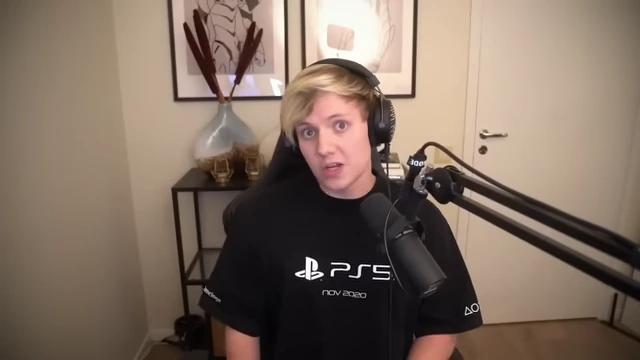
Pyrocynical wearing a PS5 shirt while speaking into a microphone, used to imply his significant personal spending habits. [ 00:14:46 ] - His previous commentaries had a unique atmosphere and involved genuine effort (e.g., buying books, unique intros like "House of Karen"), making them rewatchable "evergreen" content that earned millions of views.

The game menu for "The House of Karen," an example of a unique and high-effort intro from Pyrocynical's older content. [ 00:15:27 ] 
A collection of Pyrocynical's past commentary videos, highlighted as rewatchable, "evergreen" content due to their unique qualities. [ 00:15:35 ] 
A graphic displaying multiple high view counts (e.g., 10M, 7.2M, 9M views), indicating the past success and popularity of Pyrocynical's older, higher-effort videos. [ 00:16:05 ]
- Videos became significantly longer (over 20 minutes).
- The FlazeFire Situation Example:
- FlazeFire made a well-edited, concise (7:54, intentionally under 8 minutes to avoid mid-roll ads, sacrificing potential profit) video criticizing slop.
![The thumbnail for FlazeFire's video, "The [X] Situation Is [Y]," which is a well-edited critique of slop content.][372]

A screenshot showing various timestamps within FlazeFire's video, highlighting its concise and direct delivery of information. [ 00:16:44 ] 
A screenshot of YouTube's monetization rules, indicating that videos shorter than 8 minutes are not eligible for mid-roll ads. [ 00:16:59 ] 
FlazeFire standing in a "content farm" with money scattered around him, symbolizing the creator's choice to prioritize quality over maximizing profit. [ 00:17:11 ] - Pyrocynical's reaction on his third channel, Pyro TV, bloated the video to nearly 50 minutes.

The Pyrocynical TV channel page, showing that Pyrocynical's reaction to the Flazefire video was uploaded to his third channel. [ 00:17:21 ] 
A split-screen view of Pyrocynical reacting to FlazeFire's video, illustrating the live commentary and reaction format. [ 00:17:27 ] 
A visual comparison of FlazeFire's 7:54 video and Pyrocynical's 49:52 reaction video, highlighting the significant difference in length due to filler. [ 00:18:07 ] - This reaction was filled with distractions (unrelated donations, tangents), highlighting the lack of editing effort.

A screenshot of Pyrocynical's reaction video with distracting live chat overlaying the content, illustrating the lack of editing for YouTube re-upload. [ 00:18:33 ]
- FlazeFire made a well-edited, concise (7:54, intentionally under 8 minutes to avoid mid-roll ads, sacrificing potential profit) video criticizing slop.
![The thumbnail for FlazeFire's video, "The [X] Situation Is [Y]," which is a well-edited critique of slop content.][372]
- Pyrocynical's Self-Awareness: He openly admits to being "chained to the slop mill" for profit, acknowledging his content is "garbage" but stating that shortening it would reduce pay.

Pyrocynical speaking with text "HE IS SADLY RIGHT" overlaid, indicating his self-awareness about the low quality of his content. [ 00:19:22 ] 
A visual metaphor showing Pyrocynical's face superimposed on a pipe discharging liquid, representing his feeling of being "chained to the slop mill." [ 00:19:32 ] - Audience Complacency: Many viewers respect his honesty, creating a cycle where he has no motivation to improve because his slop remains profitable. This suggests a "Stockholm syndrome" where viewers stay due to past emotional connection, not current content quality.

Pyrocynical standing in front of a crowd overlay, symbolizing the audience's complacency despite their dissatisfaction with his content. [ 00:20:12 ] 
A screenshot of comments on a PyroLive video, showing a mix of negative reactions and deprecating jokes about Pyrocynical's content. [ 00:20:19 ] 
Comments section on Pyrocynical's "Cry of Fear" video, showing positive audience reactions that appreciate his effort and the depth of content. [ 00:20:37 ] - Failed Experiment: Pyrocynical attempted higher-effort game review videos on PyroLive. While these received positive, genuine comments, they generated fewer views than his drama slop, leading him to revert. This reinforces that creators choose slop because it's easier and more profitable, and the audience implicitly accepts this.

Comments on a Pyrocynical game review video from his PyroLive channel, indicating positive and genuine feedback for higher-effort content despite lower views. [ 00:21:12 ] 
A tweet from an Xbox account about "Senua's Saga: Hellblade II" with a critical comment below it, which Pyrocynical showed as an example of why his higher-effort content doesn't get views. [ 00:21:33 ] 
The thumbnail for Pyrocynical's video "The Iron Lung Clone That's Actually Good," presented as an example of a higher-effort video he released. [ 00:22:07 ]
Addressing the Slop Problem [22:24]
Slop content is deemed one of the worst types of content on YouTube that doesn't violate terms of service, as it's consistently forgettable and provides no real value, creating an "empty black hole in your brain."
- Core Issue: The fundamental problem is that slop creators are shameless, caring only about profit, not accuracy, entertainment, or memorability.

A bell curve with a figure standing at the peak, illustrating that slop content consistently falls in the "average" range, making it forgettable. [ 00:22:37 ] 
A fast-paced montage of various YouTube video thumbnails, representing the overwhelming and interchangeable nature of "forgettable nothing content." [ 00:23:16 ] - Consuming slop can lead to creative discouragement, memory issues due to content interchangeability, and a pessimistic worldview, especially if one's entire feed is an echo chamber of negativity.

A collection of Minecraft hardcore videos, illustrating how content within a niche can become interchangeable and forgettable due to similar styles and topics. [ 00:23:34 ] - Value of Quality Content: High-quality content has the power to change a person, but this is becoming rarer as audiences increasingly prefer "comfort" over "confrontation."

The thumbnail for Hbomberguy's "Plagiarism and You (Youtube)" video, highlighted as an example of high-quality, impactful content that can change a viewer's perspective. [ 00:24:53 ] 
A collection of video thumbnails covering various academic, political, and social topics, presented as examples of thought-provoking and high-quality content. [ 00:25:28 ]
- Consuming slop can lead to creative discouragement, memory issues due to content interchangeability, and a pessimistic worldview, especially if one's entire feed is an echo chamber of negativity.
- A Sloppy Solution (How to Fix It):
- Stop Watching Slop: The primary solution is for viewers to boycott slop content by raising their standards.

A split image comparing "Viewer" and "Creator" bars, implying that a change in viewer standards can force creators to raise theirs. [ 00:25:48 ] 
A list of vague and sensationalized video titles such as "The Doo Doo Fart Situation is Shitty," used as an example of slop content to avoid. [ 00:25:59 ] - Use "Do Not Recommend Channel": Actively use YouTube's "Do not recommend channel" feature to curate a better feed.

A screenshot of the YouTube interface, demonstrating how to select the "Don't recommend channel" option from a video's menu. [ 00:27:38 ] - Go to the Source (Twitter): For those who watch drama content to stay updated, using Twitter directly provides faster, more concise information, often serving as the original source for many aggregators.

The Twitter logo engulfed in blue flames, symbolizing the platform as a chaotic but primary source for internet drama and news. [ 00:26:26 ] 
A tweet displaying the text "OH MY GOD TWITTER SUCKS I HATE IT," ironically highlighting how people complain about Twitter yet consume its content. [ 00:26:35 ] - Watch Self-Aware Sloppers: Some channels provide quick summaries without the excessive filler of typical slop, offering a more efficient way to get updates, though they may lack finer details.

A screenshot displaying the YouTube channel pages for "ChadCat" and "Dolan Darkest," identified as "self-aware slooptubers" who offer concise summaries. [ 00:27:02 ] 
A text message from "ChadCat" stating "Save 53 Minutes," promoting their videos as a time-saving alternative to longer, bloated slop content. [ 00:27:07 ]
- Stop Watching Slop: The primary solution is for viewers to boycott slop content by raising their standards.
- Outlook: While it's hoped that the pendulum might swing back towards valuing creative, well-thought-out projects, the realistic scenario is that slop, including increasingly common AI-generated slop, is here to stay. Therefore, the responsibility falls on the individual viewer to actively move away from slop and appreciate creators who still produce quality content, lest they too become part of the consuming "slop economy."

The title of a video, "AI and the Death of Creativity," representing the growing threat of AI-generated slop content. [ 00:27:54 ]