In-Depth Guide to Diopters: How They Affect Focus, Character, and Creative Control Across Various Lenses
This video provides a comprehensive breakdown of diopters, specifically the "Shift" product, explaining their functionality and diverse applications in photography and filmmaking. The speaker demonstrates how +2, +4, and +8 diopters alter minimum focus distance and image characteristics across various lens types, showing their versatility for achieving closer focus, adding depth, and creating unique visual "character" without needing a dedicated macro lens for every situation.

- Spherical lenses (28-70mm, 15-35mm, 70-200mm)
- Anamorphic lenses (S35mm, 65mm)
- A 100mm macro lens
The guide highlights that diopters don't replace macro lenses but serve as flexible tools to expand creative options and solve close-focus limitations, particularly with anamorphic glass, and demonstrates optical effects like distortion and flare.
Understanding Diopters: An Introduction [00:00]
The video serves as an in-depth follow-up to explain the "Shift" diopters, addressing common questions about their usage and effects.
- Purpose of Diopters:
- Primarily to decrease the minimum focus distance of a lens, allowing for much closer subject-to-camera proximity.
- Adds unique character and creative control to images.
- Diopter Strengths:
- The "Shift" set includes +2, +4, and +8 diopters, each offering different levels of magnification and focus adjustment.
- Versatility vs. Macro Focus:
- Emphasizes that diopters are not solely for extreme macro shots, but offer a range of effects across different strengths and lens types.
- Demonstration Plan:
- Comparative examples using spherical, anamorphic, and macro lenses.
- Side-by-side comparisons to show changes in chromatic aberration, sharpness, and composition.
Spherical Lens: 28-70mm Demonstrations [01:40]
The speaker uses a 28-70mm spherical lens on a Komodo X camera to illustrate the impact of diopters on common zoom lenses.
- Baseline (No Diopter):
- +2 Diopter:
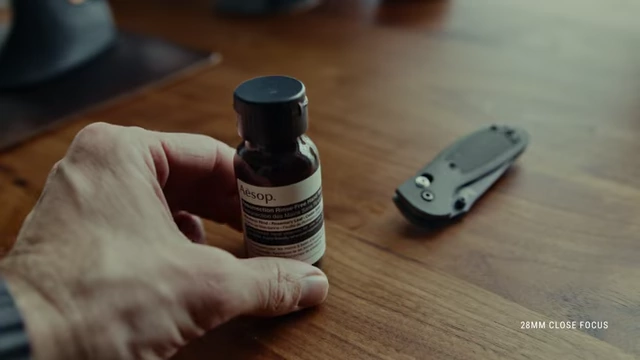
- Significantly improves close focus, making the 28mm focal length achieve a similar perspective to the native 70mm close focus without the diopter.
- Allows for creative compositions with subjects closer to the camera while maintaining a wider field of view.
- Provides a good balance of close-up capability and "play" in the focus range (ability to adjust camera distance while staying in focus).
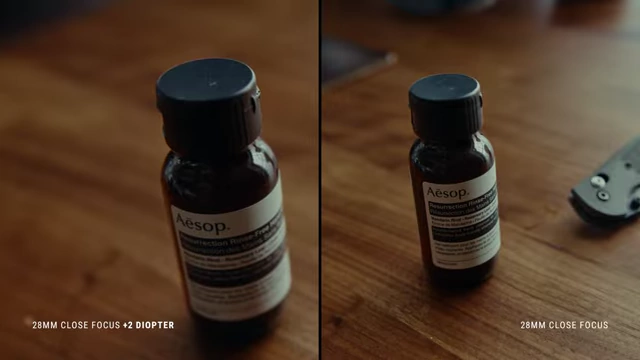
Side-by-side comparison of 28mm close focus with and without a +2 diopter [ 00:04:46 ] 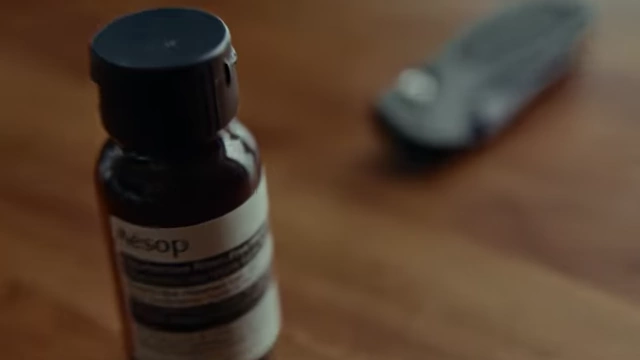
70mm spherical lens close focus with a +2 diopter [ 00:04:50 ] 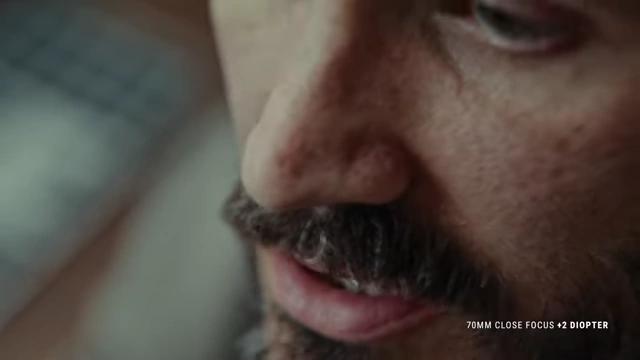
70mm spherical lens close focus with a +2 diopter, on a human subject [ 00:11:42 ]
- +4 Diopter:
- Delivers even tighter close-ups with more detail.
- Reduces the focus "play" compared to the +2 diopter, requiring more precise camera positioning.
- Offers a good sweet spot for detailed shots, beginning to isolate the subject from the background.
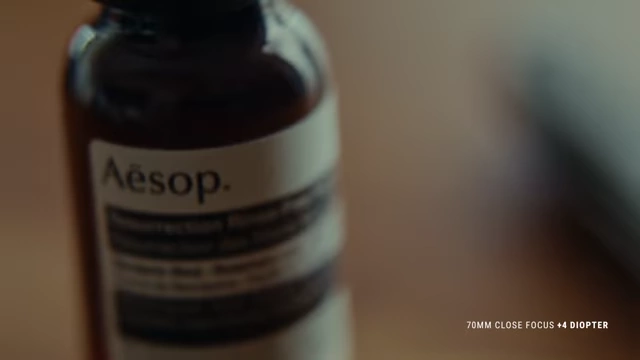
70mm spherical lens close focus with a +4 diopter [ 00:06:00 ]
- +8 Diopter:
- Achieves very extreme, macro-like close-ups.
- Offers minimal focus "play," demanding very specific subject-to-lens distance.
- Can introduce slight edge distortion/magnification, which might require correction in post-production using lens distortion plugins.

70mm spherical lens close focus with a +8 diopter, showing softness and haze [ 00:08:49 ] 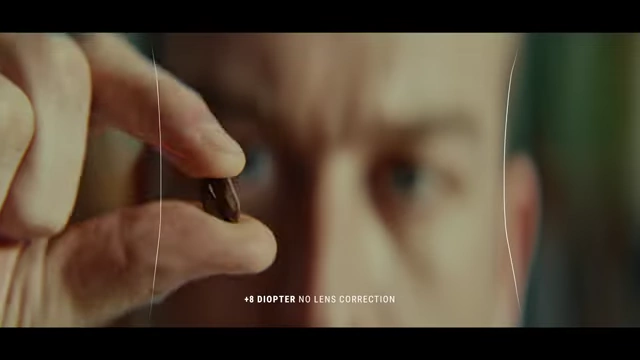
+8 diopter shot without lens correction, showing edge distortion [ 00:09:47 ] 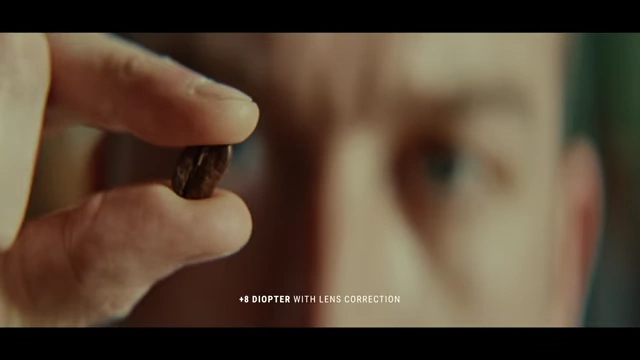
+8 diopter shot with lens correction applied in post [ 00:09:53 ]
- General Observations for 28-70mm:
- Diopters do not change the focal length or compression; they only reduce minimum focus distance.
- Wider focal lengths tend to pair better with diopters, offering more compositional flexibility.
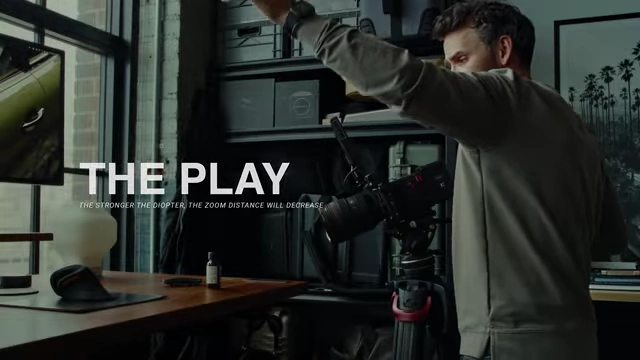
The speaker demonstrating the 'play' in focus distance with a diopter [ 00:06:58 ]
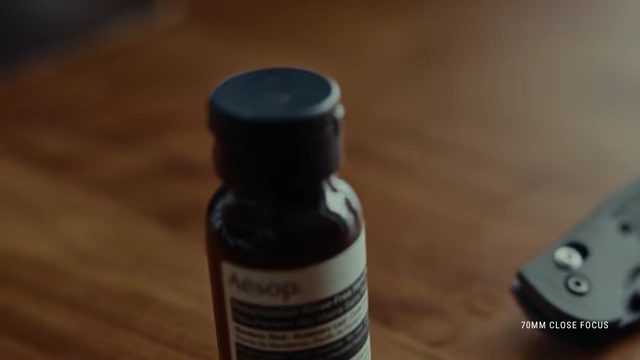
Spherical Lens: 15-35mm Demonstrations [12:05]
Moving to a wider spherical lens, the 15-35mm, to show how diopters interact with broader fields of view.
- Wider Angle Lens Characteristics with Diopters:
- Wider angles can exhibit more pronounced chromatic aberration or distortion on the sides with diopters.
- This can, however, create a unique, stylized look and enhance a sense of depth due to magnification.
- +4 Diopter:
- Provides a "money range" look, capturing close-up detail while still showing a significant portion of the scene.
- Edges show some distortion but contribute to a distinct visual character.
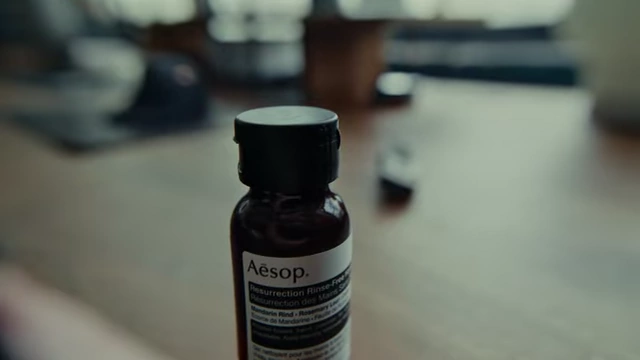
15mm spherical lens close focus with a +4 diopter [ 00:14:19 ]
- +8 Diopter:
- Creates very intense close-ups, making the background largely disappear.
- At 15mm, it still retains some surrounding context and texture compared to longer focal lengths.
- Emphasizes the "drama" added by higher diopter strengths.
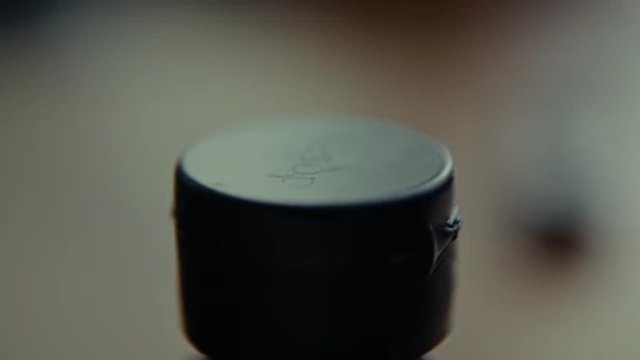
35mm spherical lens close focus with a +8 diopter [ 00:16:38 ]
Spherical Lens: 70-200mm Demonstrations [17:55]
Exploring the effects of diopters on a telephoto zoom lens, the 70-200mm.
- Baseline (No Diopter):
- Shows the already compressed and close-focused native look at 70mm and 200mm.
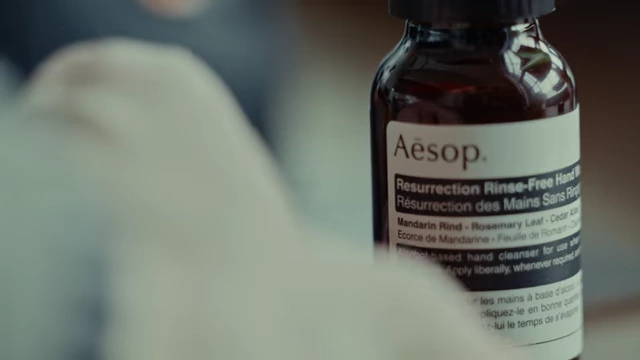
70mm telephoto lens at its native minimum close focus [ 00:18:16 ]
- Shows the already compressed and close-focused native look at 70mm and 200mm.
- +2 Diopter:
- Allows for extremely close focus, almost eliminating the background.
- Can produce a look similar to a 100mm macro lens.
- Image might appear softer at wide apertures (e.g., f/2.8), suggesting stopping down for sharpness.
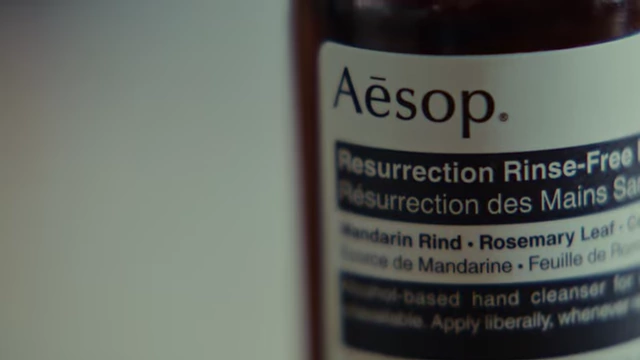
200mm telephoto lens close focus with a +2 diopter [ 00:19:18 ]
- +4 Diopter:
- Pushes the magnification even further, heavily compressing the scene.
- Exhibits noticeable chromatic aberration and potential softness, particularly at 200mm and wide apertures.
- Stopping down the aperture is recommended to improve sharpness and reduce haze.
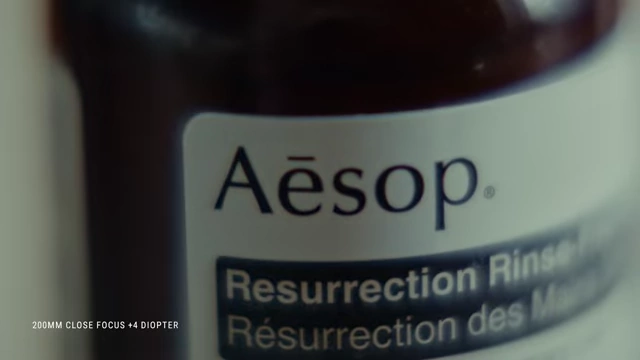
200mm telephoto lens close focus with a +4 diopter, highlighting potential softness [ 00:21:21 ]
- +8 Diopter:
- Considered "insane" for this focal length, producing an almost abstract, very soft, and hazy image.
- Focus becomes extremely challenging, and the scene virtually dissolves.
- May be used for very specific artistic effects, but generally less practical for clear close-ups.
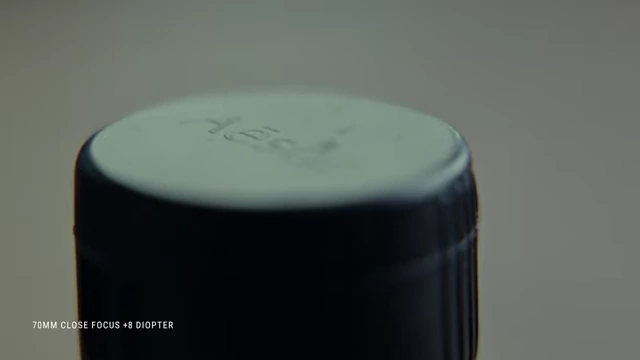
70mm telephoto lens close focus with a +8 diopter [ 00:22:55 ] 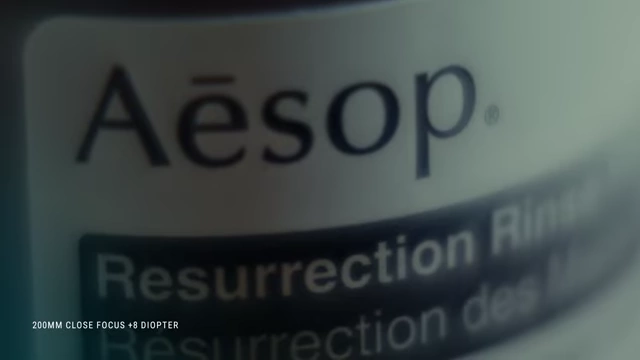
200mm telephoto lens close focus with a +8 diopter, showing significant softness and flare [ 00:23:47 ]
- Lens Reactivity:
- The video notes that diopters react differently with various lens manufacturers, focal lengths, coatings, and internal mechanics, influencing light reflection/refraction and overall image quality.
Anamorphic Lens: S35mm Demonstrations [25:23]
Focusing on anamorphic lenses, which typically have poor close-focus capabilities, making diopters highly valuable.
- Anamorphic Challenges:
- Anamorphic lenses often struggle with close focusing, a common limitation for cinematographers.
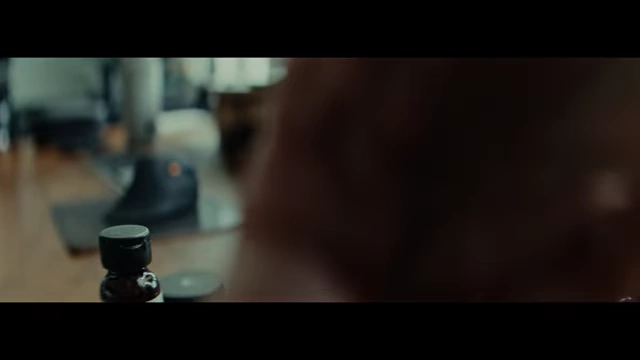
35mm anamorphic lens at its native minimum close focus [ 00:27:27 ]
- Anamorphic lenses often struggle with close focusing, a common limitation for cinematographers.
- Diopters Enhancing Anamorphic Character:
- Diopters not only improve close focus but also magnify and alter the characteristic anamorphic lens flares, creating more dynamic and cinematic looks (e.g., "stringy" flares become more pronounced and shaped).
- +2 Diopter:
- Significantly improves close focus on the 35mm anamorphic, adding depth and dimension to the scene.
- Retains a good range of focus "play."
- Creates a more dynamic and "cinematic" flare effect compared to the native lens.
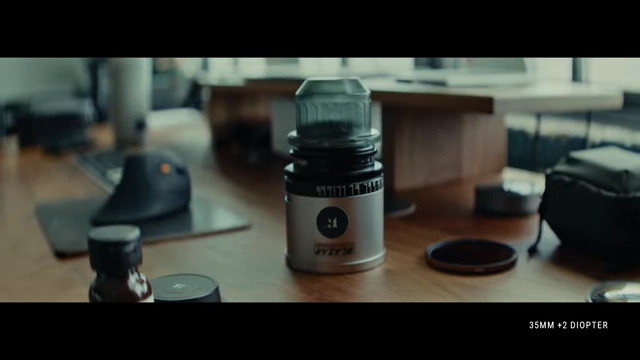
35mm anamorphic lens close focus with a +2 diopter [ 00:27:37 ] 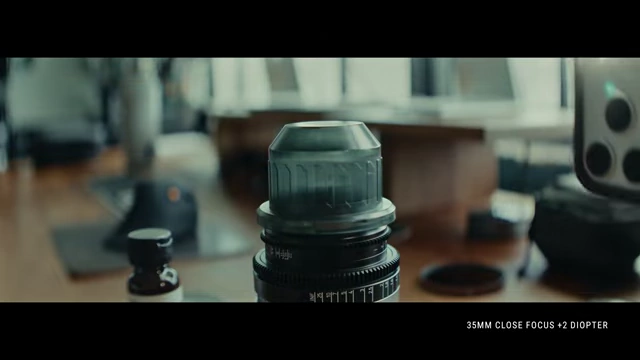
35mm anamorphic lens with a +2 diopter, showing enhanced lens flares [ 00:29:56 ]
- +4 Diopter:
- Achieves a close-up look reminiscent of a longer anamorphic lens (e.g., a 65mm), expanding creative options without changing lenses.
- Provides a "beautiful" frame with good subject isolation and enriched flares.
- Offers less focus "play" than the +2 but still versatile.
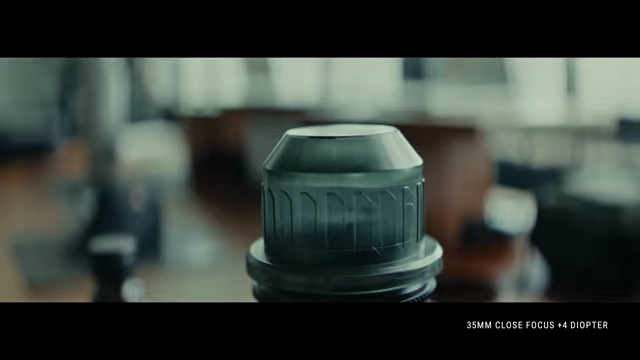
35mm anamorphic lens close focus with a +4 diopter [ 00:30:56 ]
- +8 Diopter:
- Delivers a very unique and dramatic close-up on the wider anamorphic.
- Despite the extreme close focus, the wider native focal length (35mm) still allows some background context, providing more texture than a long lens macro.
- Flares are intensely magnified, creating a very dynamic visual that can be too much for some shots but offers unique character.
- Focus "play" is minimal.
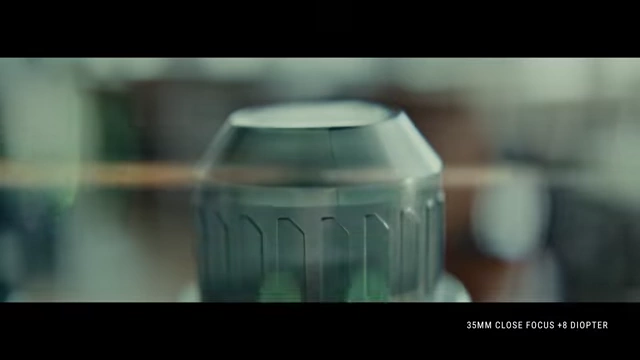
35mm anamorphic lens with a +8 diopter, showing intense flares [ 00:32:56 ]
Anamorphic Lens: 65mm Demonstrations [33:54]
Further illustrating diopter use on a longer anamorphic lens, the 65mm Blazar.
- Baseline (No Diopter):
- The native 65mm anamorphic has an even more compressed scene and a greater minimum focusing distance, requiring the camera to be further back.
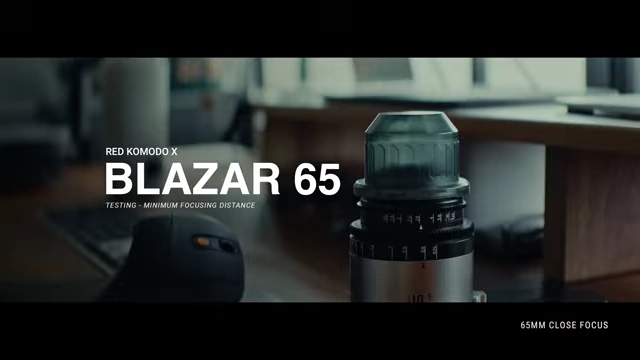
65mm anamorphic lens at its native minimum close focus [ 00:34:03 ]
- The native 65mm anamorphic has an even more compressed scene and a greater minimum focusing distance, requiring the camera to be further back.
- +2 Diopter:
- Drastically reduces the minimum focus distance, enabling intimate close-ups.
- Maintains a reasonable amount of focus "play."
- Flares appear less "liny" and more compressed and "pretty" due to the lens's inherent characteristics and the diopter.
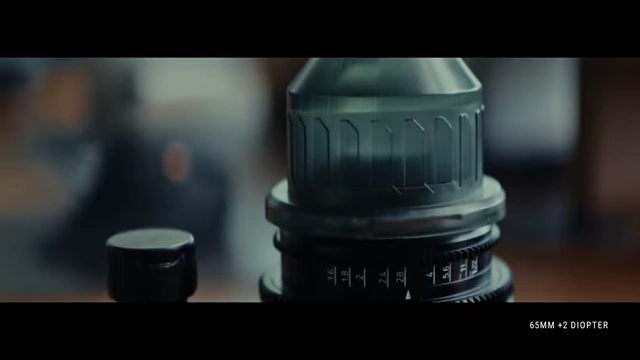
65mm anamorphic lens close focus with a +2 diopter [ 00:34:35 ] 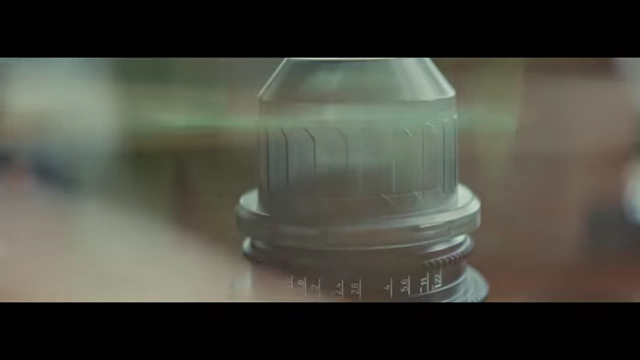
65mm anamorphic lens with a +2 diopter, showing pretty flares [ 00:35:36 ]
- +4 Diopter:
- Creates a macro-like effect while still providing more context in the scene compared to a dedicated 100mm macro lens.
- Offers a very nice, macro-esque look with reduced focus "play."
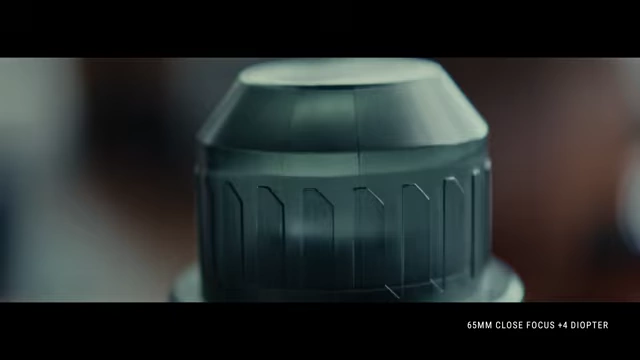
65mm anamorphic lens close focus with a +4 diopter [ 00:36:26 ]
- +8 Diopter:
- Produces an "absurdly close" and "toasty" macro look, with extremely limited focus "play."
- Generates dynamic, almost microscopic detail and intense flares, showcasing significant visual character.
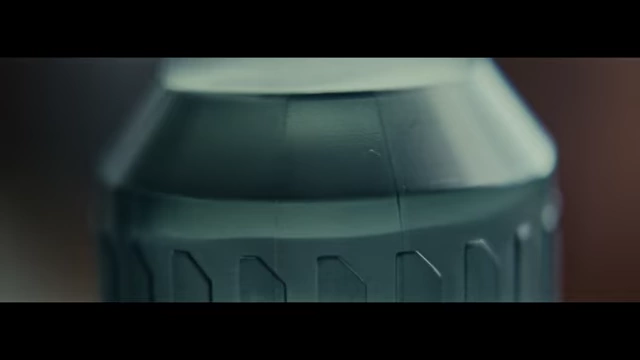
65mm anamorphic lens close focus with a +8 diopter [ 00:37:24 ] 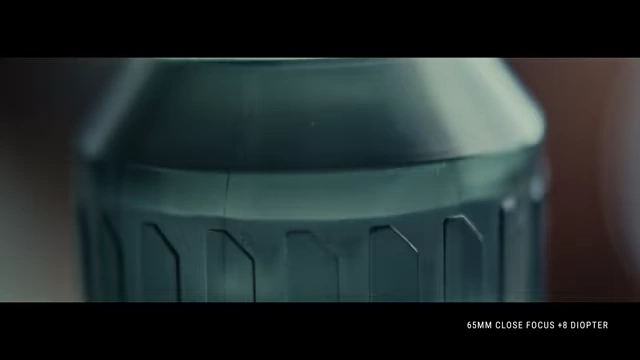
65mm anamorphic lens with a +8 diopter, showing magnified flares [ 00:38:15 ]
Macro Lens: 100mm Comparison [39:02]
A side-by-side comparison of diopters with a dedicated 100mm macro lens.
- Characteristics of Macro Lenses:
- Macro lenses (e.g., 100mm RF macro) are designed for extreme sharpness and minimal optical imperfections at very close distances.
- They are versatile and can be used as normal lenses (e.g., for portraits or interviews) in addition to macro work.
- However, they are often expensive and have a fixed focal length, limiting creative options for wider close-ups.
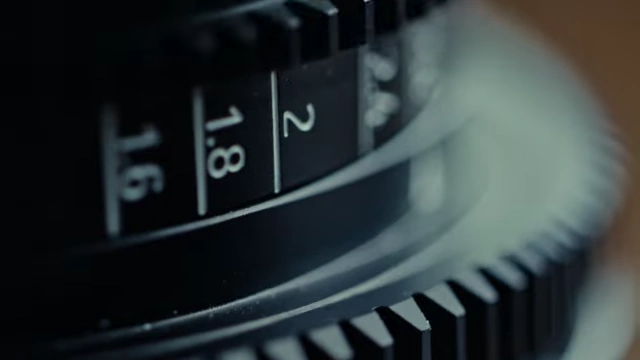
Focus scale of a 100mm macro lens [ 00:41:15 ] 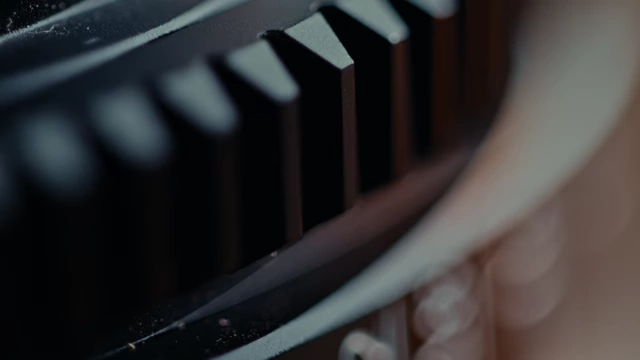
Close focus of a 90mm macro lens [ 00:46:06 ]
- Diopters vs. Macro Lenses:
- Diopters do not replace dedicated macro lenses. They are distinct tools.
- Diopters offer versatility and convenience: They can be used on any lens (spherical, anamorphic, wide, telephoto) to achieve close-focus effects, adding character and expanding creative possibilities without carrying multiple heavy lenses.
- Macro lenses offer unparalleled sharpness and clarity for extreme close-ups, as they are specifically engineered for that purpose.
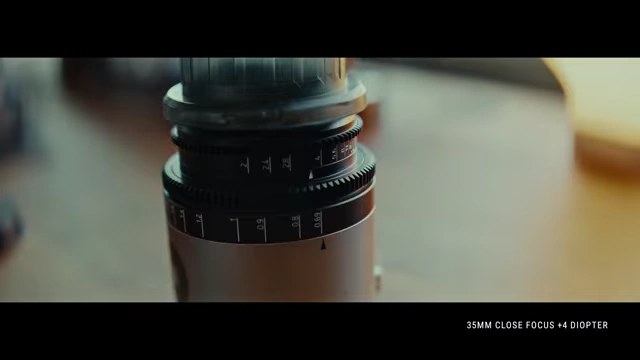
35mm anamorphic lens with a +4 diopter, providing a wider close-up compared to a macro lens [ 00:46:35 ]
- Stacking Diopters on Macro Lenses:
- While unusual, diopters can be used on macro lenses to achieve "absurdly close," almost microscopic shots, though focusing becomes exceptionally difficult.
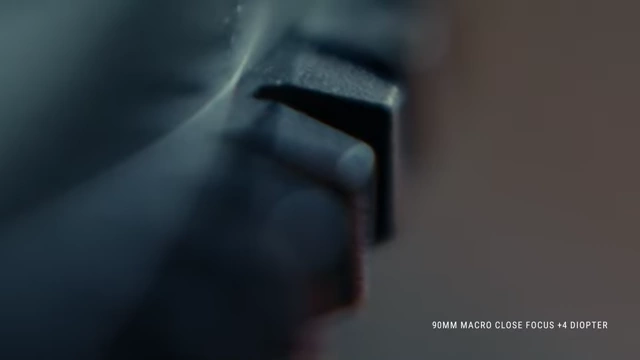
90mm macro lens with a +4 diopter for an extremely close-up shot [ 00:44:15 ]
- While unusual, diopters can be used on macro lenses to achieve "absurdly close," almost microscopic shots, though focusing becomes exceptionally difficult.
- Creative Control:
- Diopters allow for more creative choices in framing (e.g., wide-angle close-ups with background context) and adding unique lens character.
- The choice between diopters and a macro lens depends on the specific creative intent, desired image characteristics, and logistical needs (e.g., portability).
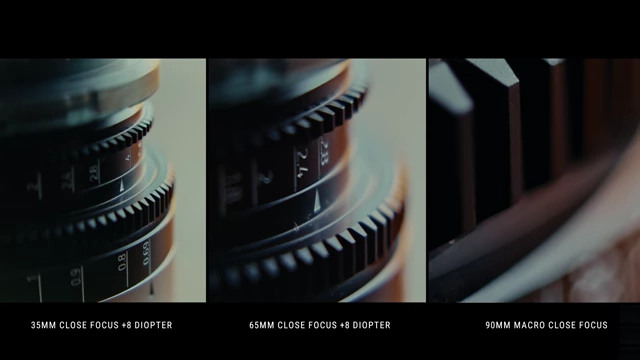
Side-by-side comparison of 35mm anamorphic (+8), 65mm anamorphic (+8), and 90mm macro lens close focus [ 00:48:04 ]
Closing Thoughts [48:43]
The video concludes by reiterating the benefits and philosophy behind the Shift diopters.
- Empowering Creativity: Diopters are designed as tools to enhance creative workflow, not hinder it by adding bulk or complexity.
- Durability: The Shift diopters come in a protective pouch, emphasizing their durability.
- Purpose-Driven Product Development: The speaker stresses that "Shift" diopters were developed to fill a market gap, providing a genuinely useful tool rather than a gimmick.
- Personal Endorsement: The speaker only sells products he personally uses and believes are essential and impactful in his workflow.
- "Shift" Perspective: The name "Shift" signifies how these diopters fundamentally alter one's photographic and cinematic perspective by enabling new close-focus capabilities across diverse lens setups.
- Encouragement to Experiment: Users are encouraged to get a set and experiment to see how diopters integrate into their personal workflow and creative vision.

Speaker explaining the benefits and versatility of diopters [ 00:50:06 ]