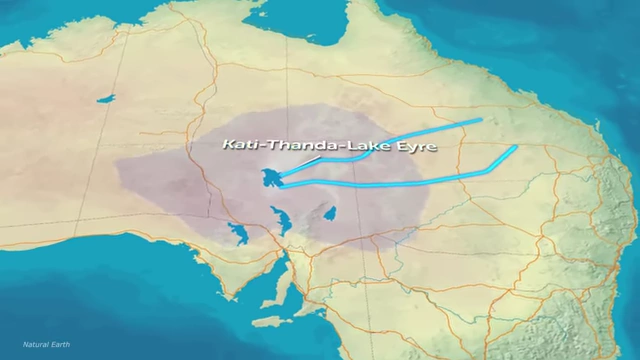
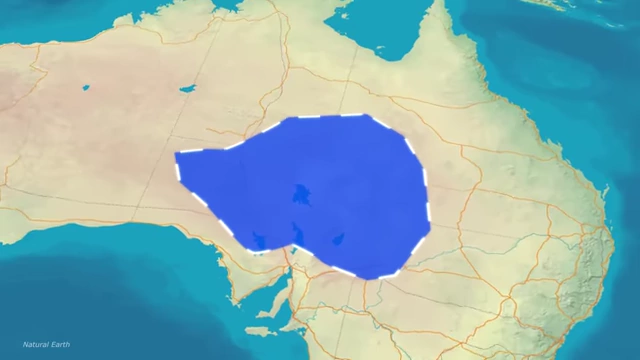
Australia has long entertained the idea of creating a vast inland sea in its arid outback, a concept rooted in the existence of the ancient Eromanga Sea.
Proposed 1000 km inland sea in Australia's outback
[
00:00:15
]
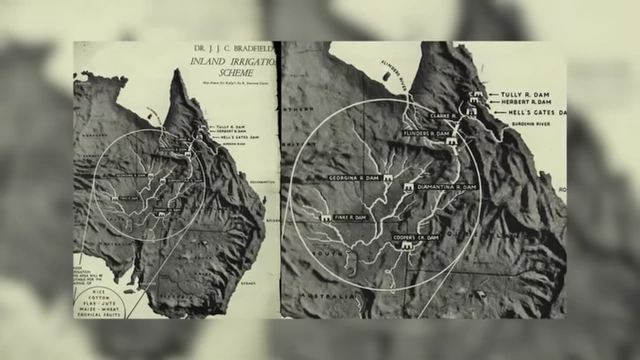
The original "Bradfield Scheme" in the 1930s proposed diverting Queensland's tropical rivers into the Lake Eyre Basin, aiming to create a sea larger than Belgium.
This ambitious plan failed due to insurmountable challenges: immense water volume required, rapid evaporation in 40°C heat, and inevitable salt accumulation, compounded by a $200 billion cost and environmental concerns.
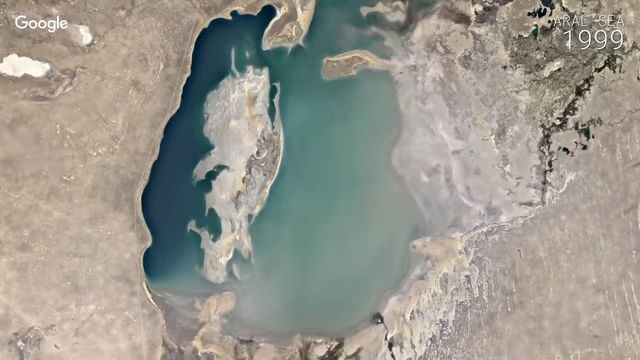
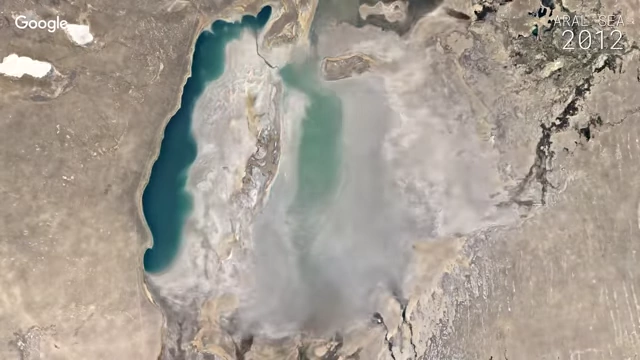
The Aral Sea disaster served as a cautionary tale against river diversion.
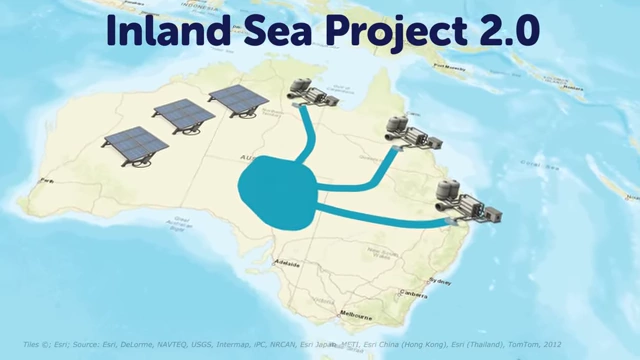
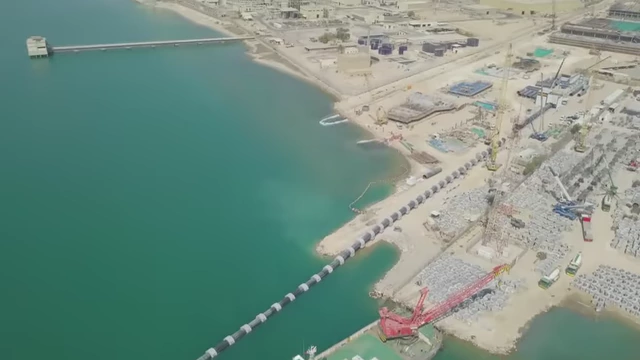
A modern "Inland Sea Project 2.0" proposal [2020] suggests using solar-powered desalination to pump seawater 600 km inland, arguing that saltwater could reduce evaporation and potentially boost rainfall.
However, it still faces issues of astronomical cost, soil sterilization from salinity, and significant ethical challenges concerning the sacred indigenous lands of the Arabana people.
While an inland sea could transform the continent, its feasibility remains uncertain, weighed against its environmental and cultural risks.
Creating a permanent inland sea faces three major challenges:
1. Water Volume: Filling Lake Eyre requires 300 cubic kilometers of water, equivalent to 600 Sydney Harbours.
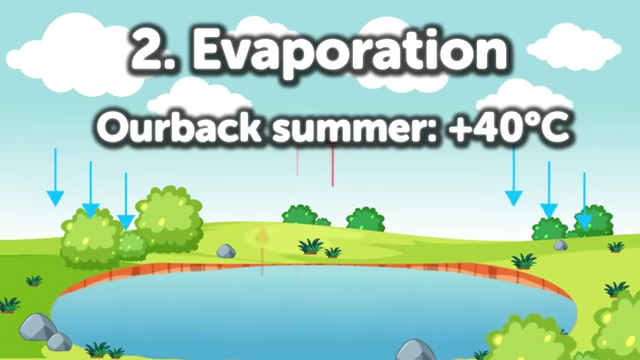
2. Evaporation: The outback's 40°C summers cause water to evaporate ten times faster than rainfall.
Infographic showing high evaporation in the outback
[
00:03:57
]
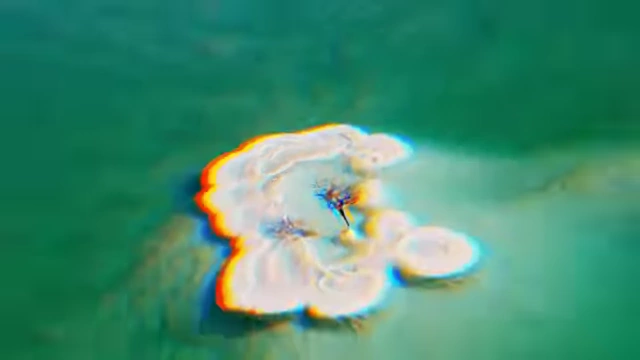
3. Salinity: Without a natural outlet, salt would accumulate, creating a hypersaline "dead sea."
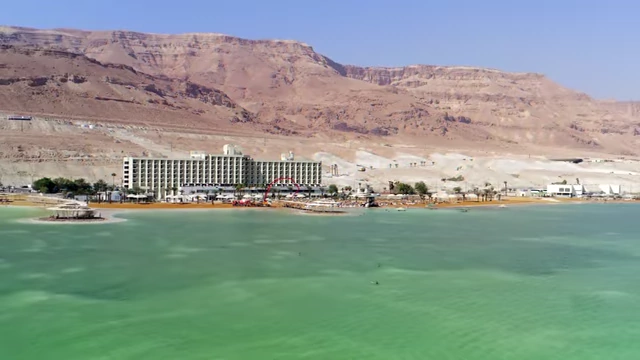
Salt-crusted flats indicating high salinity
[
00:04:00
]
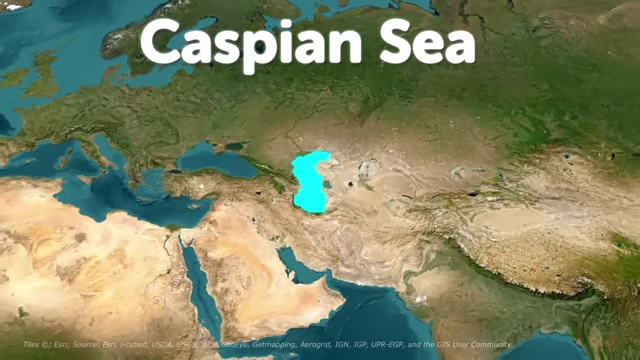
For perspective, the Caspian Sea, the world's largest inland sea, holds 78,000 cubic kilometers of water.
Map showing the location and size of the Caspian Sea
[
00:04:16
]
Why the Original Plan Failed (Physics & Math) [4:45]
The Bradfield scheme faced significant scientific and economic obstacles.
Engineers calculated that evaporation would drain the sea faster than rivers could fill it, resulting in a 3-meter annual water loss that would require perpetual refilling.
The estimated cost ranged from $10 billion to $200 billion, an astronomical sum that dwarfed the budget for the Sydney Harbour Bridge.
Infographic showing the estimated cost range of $10-$200 billion for the inland sea project
[
00:05:00
]
The plan also threatened fragile ecosystems and indigenous communities reliant on the natural river systems.
Flooding the basin with saltwater would reduce water loss due to salt's property of decreasing evaporation.
A permanent sea could boost rainfall in surrounding areas through lake-effect weather patterns.
Solar energy would make the project sustainable.
Critics counter with significant concerns:
The cost for pipelines alone could exceed $200 billion.
A saltwater sea would sterilize the soil, making agriculture impossible.
The project still faces the challenge of hypersalinity over time.
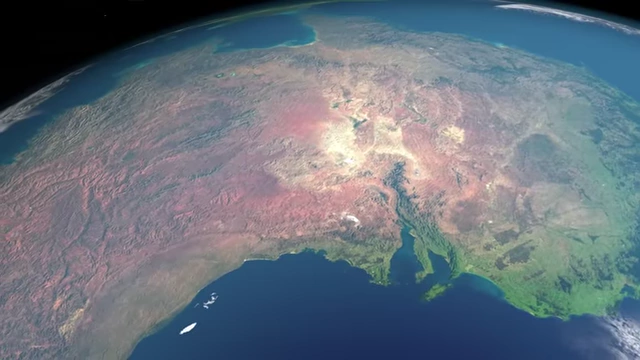
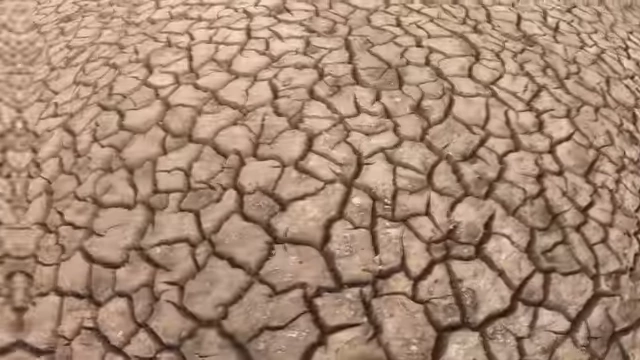
Climate change adds urgency as Australia's droughts intensify, with the 2019-2020 "Black Summer" seeing entire towns run dry.
Satellite image of Australia showing widespread drought conditions
[
00:06:33
]
Cracked earth symbolizing severe drought
[
00:06:43
]
What Would ACTUALLY Happen? (A 50-Year Timeline) [8:40]
If the Inland Sea Project were built tomorrow, a potential timeline of events includes:
Year 1: The basin would fill to 30% capacity, creating a shallow lake visible from space.
Map showing the Lake Eyre Basin partially filled with water (30% capacity)
[
00:07:10
]
Year 3: Salinity levels would reach critical points, turning the water a distinctive turquoise color.
Turquoise water with salt formations, indicating critical salinity
[
00:07:16
]
Year 5: Microclimate changes would begin, with rainfall increasing by up to 15% within a 100 km radius.
Year 10: Coastal-like cities might develop around the new shores, potentially sparking Australia's newest real estate boom.
Artist's rendering of a coastal city by turquoise water
[
00:07:32
]
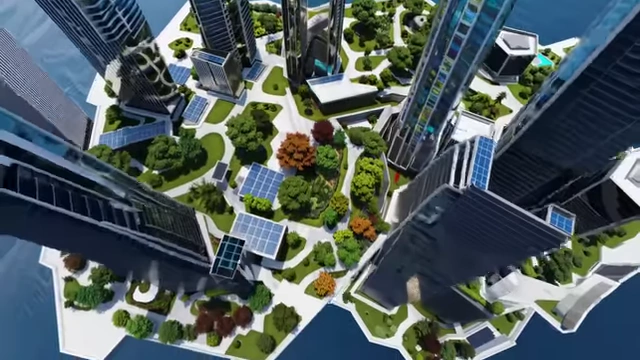
Architectural render of proposed solar cities around the hypothetical sea
[
00:08:58
]
Year 50: The long-term outcome would either be an ecological collapse due to extreme hypersalinity or the development of a thriving new biosphere unique to modern Australia.
Salt flats, illustrating potential ecological collapse from hypersalinity
[
00:07:38
]
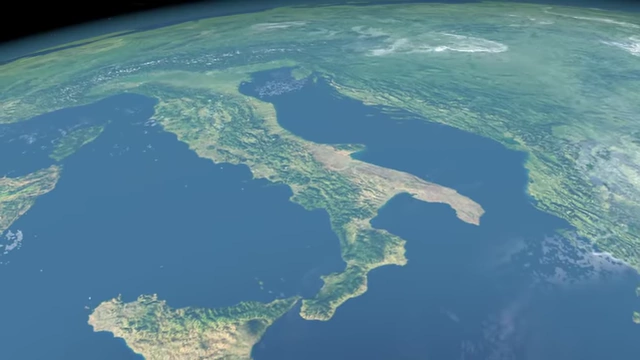
Five million years ago, the Mediterranean Sea nearly evaporated completely during the Messinian Salinity Crisis, then refilled in two years, leading to a biodiversity explosion.
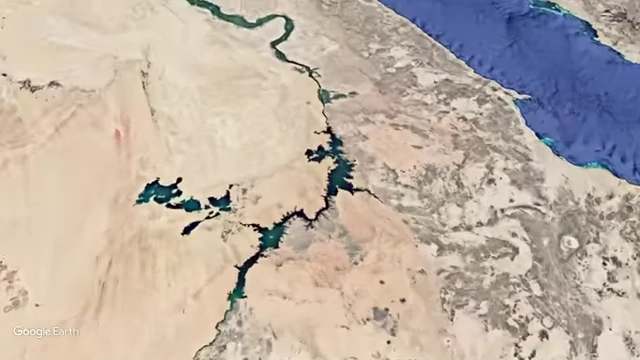
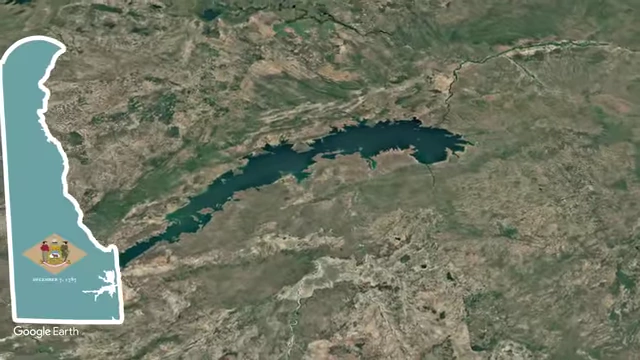
Similar artificial feats include Egypt's Toshka Lakes, created in the 1990s, and Lake Kariba in Zambia and Zimbabwe, the largest artificially created lake in the world, which is slightly smaller than Delaware.
Satellite view of Egypt's Toshka Lakes
[
00:08:31
]
Map comparing the size of Lake Kariba to the state of Delaware
[
00:08:40
]
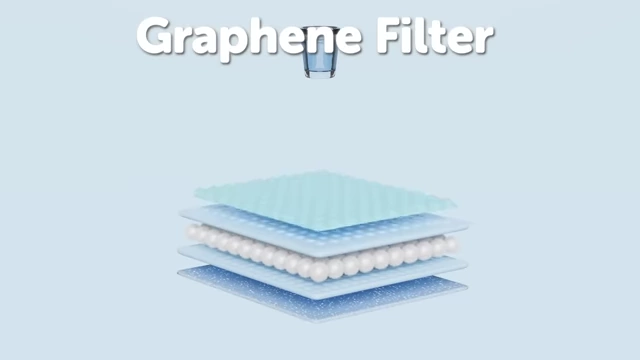
New technologies like graphene filters, which could desalinate water 100 times cheaper, or salt mining the sea's salt for export, might make the project more feasible in the future.
Diagram of a Graphene Filter for water desalination
[
00:09:22
]
Beyond engineering, the biggest hurdle is ethical:
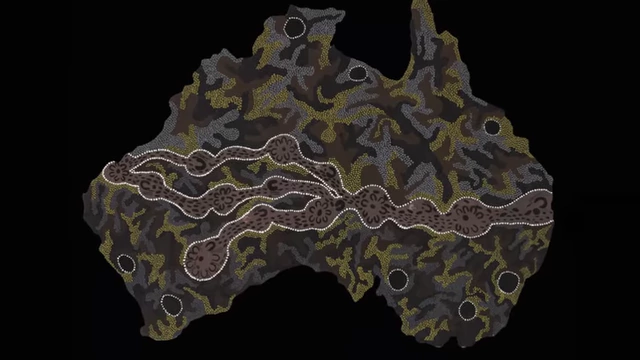
Lake Eyre, known as Kati Thanda, is a sacred site to the Arabana people, the traditional custodians of the land.
Vibrant Aboriginal artwork depicting connection to land and culture
[
00:09:33
]
Flooding this area risks the irreversible erasure of ancient Indigenous culture and sacred song lines.
Map of Australia with Aboriginal song lines
[
00:09:41
]
Elder Aaron Stewart emphasized, "Our stories are written in this land. You can't drown them."
Economically, the sea might never yield sufficient returns.
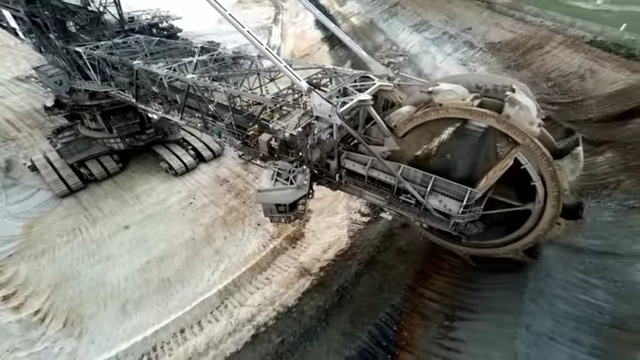
The region is marked by significant Aboriginal poverty, and critics question the immense investment when Australia has prospered without such megaprojects.
Large mining machine in an open-pit mine
[
00:10:07
]
Conclusion: Pipe Dream or Inevitable Future? [10:45]
Australia's inland sea project is a complex ambition, seen by some as a climate solution and by others as a colonialist fantasy.
While current technology makes certain aspects feasible, significant challenges, including environmental impact, cost, and Indigenous rights, remain.
The project is unlikely to happen in the near future, but as droughts intensify, the debate about such radical solutions will likely resurface.
The central question remains whether Australia should gamble billions on a man-made sea or prioritize smaller, more localized water solutions.