Architect's Guide to Avoiding and Fixing 10 Common Home Organization Mistakes
This video by an architect identifies and provides solutions for 10 common home organization mistakes, plus a bonus mistake. Key takeaways include prioritizing functional and durable storage, effectively planning space, implementing an organizational hierarchy based on item usage frequency, creating "drop zones" for easy clutter collection, and utilizing vertical wall space. It also emphasizes the importance of labeling, specific organizers for small items, using a "transition bin" to combat hoarding, tailoring solutions to household members' habits, and developing consistent tidying routines like "one-in, one-out" and daily resets. For decision paralysis, the advice is to start by organizing one small, contained space to build confidence.

1. Budget [0:00]
The first mistake in home organization is mismanaging your budget, both financially and in terms of space.
- Problem: Overspending on non-essential items like high-end furniture or decor can leave insufficient funds for crucial storage solutions, leading to clutter build-up due to a lack of proper organizational tools.
- Common culprits for overspending are exciting but less functional items like sofas, TVs, and workstations.
A clear statement highlighting the direct link between lack of storage and disorganization. [ 00:01:02 ]
- Common culprits for overspending are exciting but less functional items like sofas, TVs, and workstations.
- Solution: Prioritize spending on functional and durable storage solutions first, such as drawers, cabinetry, sideboards, and built-in systems.
- These "unglamorous" items are essential for maintaining a tidy and presentable home.
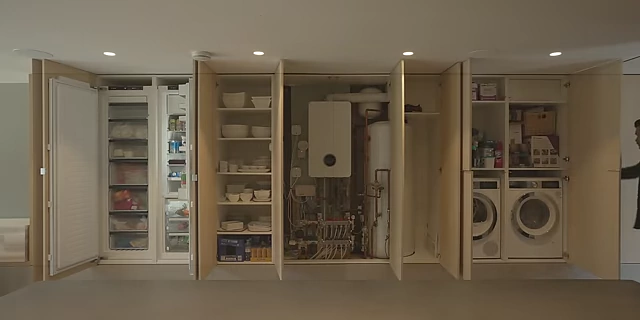
Integrated wall cabinetry that conceals various household essentials, including a refrigerator, pantry, and laundry appliances. [ 00:01:56 ] - Allocate your budget for storage first, then adjust for other furnishings.
- These "unglamorous" items are essential for maintaining a tidy and presentable home.
2. Space Planning [2:03]
Similar to financial budgeting, effective space planning is crucial for a tidy home.
- Problem: Acquiring oversized furniture for small spaces leads to overcrowding, making the home difficult to navigate and maintain, especially in urban areas where space is a premium.
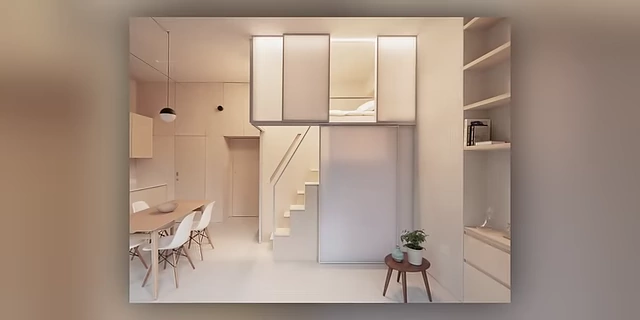
A compact living space with a mezzanine bed and integrated storage, maximizing vertical space. [ 00:02:14 ] 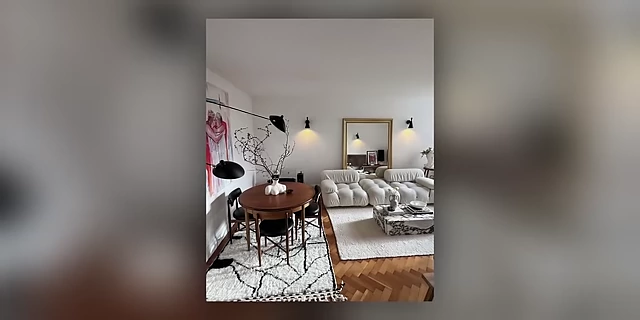
An example of a living space that feels cluttered due to oversized furniture. [ 00:02:35 ] - Solution: Always anticipate needing more storage furniture than initially thought.

A reminder that effective space planning requires anticipating more storage than initially expected. [ 00:02:49 ] - Budget space for cabinets, chests of drawers, and organizers.
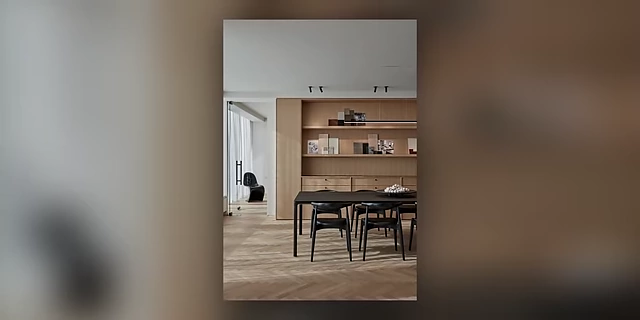
A dining area with a built-in wall unit combining open shelving and closed cabinets for comprehensive storage. [ 00:02:57 ] 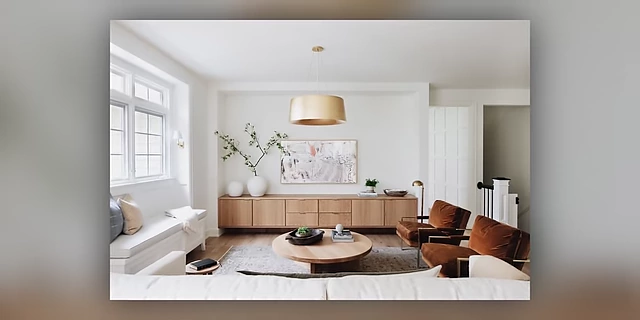
A living room featuring a long, low-profile built-in media console for ample storage. [ 00:03:19 ] - A well-proportioned home in terms of space makes it easier to live in and maintain, saving money in the long run by avoiding the need to upsize due to clutter.
- This also helps avoid the "sunk-cost bias," where an initial expensive purchase leads to further costly investments to accommodate it.

A definition of Sunk-Cost Bias (Fallacy), explaining the irrational reluctance to abandon a prior investment. [ 00:03:32 ] 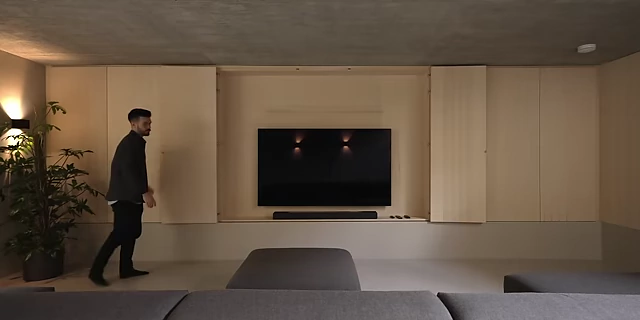
A wall of concealed storage units in a living room, with a TV discreetly integrated. [ 00:03:50 ]
- Budget space for cabinets, chests of drawers, and organizers.
3. Hierarchy [3:41]
Even with sufficient storage, a lack of organizational hierarchy can lead to disarray.
- Problem: Without a clear system, items don't have designated homes, leading to constant tidying efforts.
- "You don't rise to the level of your goals; you fall to the level of your systems."

A quote emphasizing that maintaining order depends on effective systems rather than goals. [ 00:04:14 ]
- "You don't rise to the level of your goals; you fall to the level of your systems."
- Solution: Create a home organization system similar to a computer's folder structure.
- Level 1 (Most Frequent Access): Items used multiple times a day (e.g., countertop items in the kitchen) should be on open, easily accessible surfaces.
- Level 2 (Daily Access): Items used once a day go into easily reachable cupboards, drawers, or open shelving.
- Level 3 (Bi-weekly/Occasional Access): Items used every other day or bi-weekly can be placed in remaining cupboards closer to the action.
- Level 4 (Infrequent Access): Items used rarely (e.g., under the sink, top shelves of cabinets) are stored in hard-to-reach places.
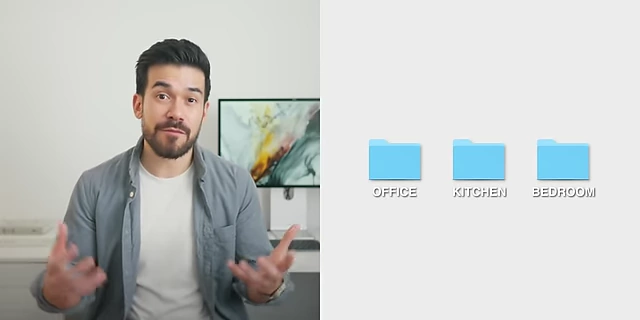
A conceptual diagram showing major home areas (Office, Kitchen, Bedroom) as main folders in an organizational hierarchy. [ 00:06:29 ] - Applying this hierarchy to all home items creates a workflow that supports daily habits, saving time and effort, and preventing clutter.
4. Drop-Zones [6:42]
Ignoring moments of tiredness can lead to clutter.
- Problem: When tired, people are prone to leaving items out, contributing to mess.
- Solution: Create designated "drop zones" – areas where items can be temporarily deposited with zero friction.
- For entryways: Use hooks for jackets instead of hangers, and benches for kicking off shoes instead of neatly placing them.
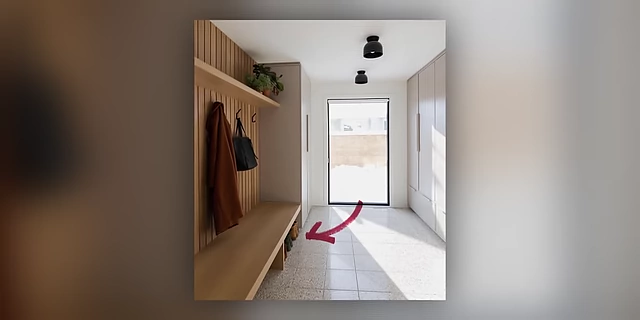
An entryway featuring a designated 'drop zone' beneath a bench for shoes, indicated by an arrow. [ 00:07:14 ] 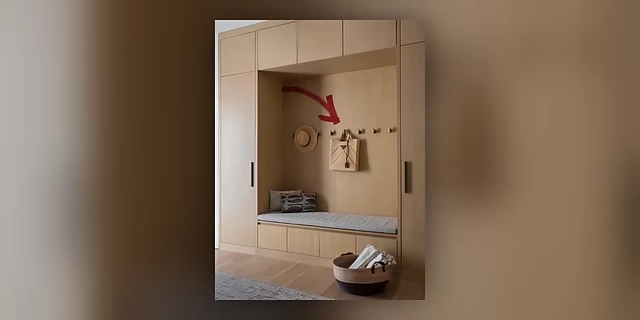
Built-in entryway storage with hooks for easy hanging of jackets and bags, indicated by an arrow. [ 00:07:20 ] 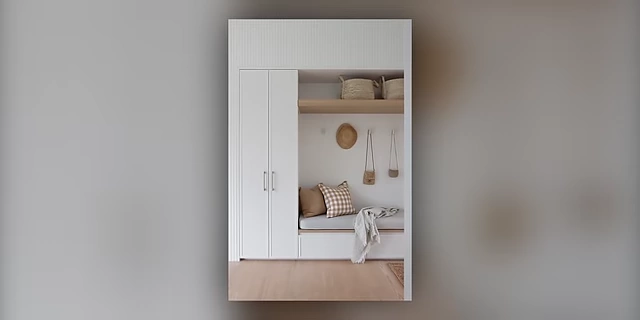
A well-designed entryway with a bench and overhead storage, providing an immediate drop zone. [ 00:07:24 ] 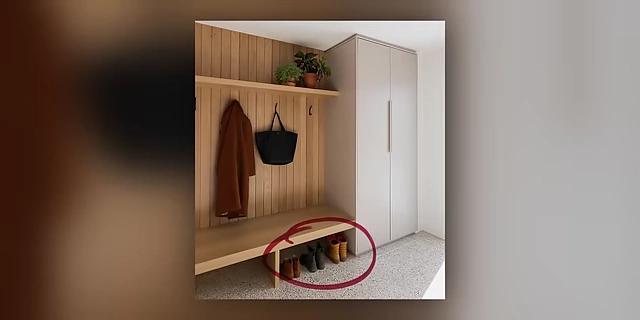
An entryway storage solution featuring a bench and designated space for shoes, circled to highlight the drop zone. [ 00:07:29 ] 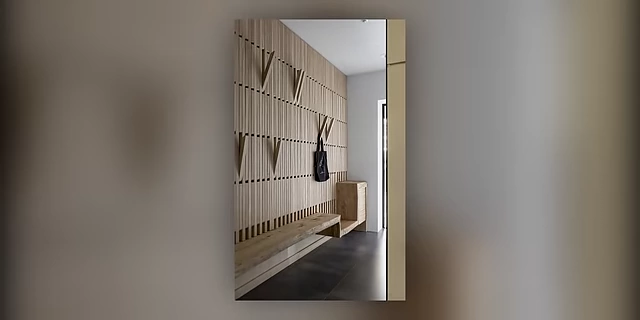
A modern wall design incorporating various hooks for coats and bags in an entryway. [ 00:07:38 ] 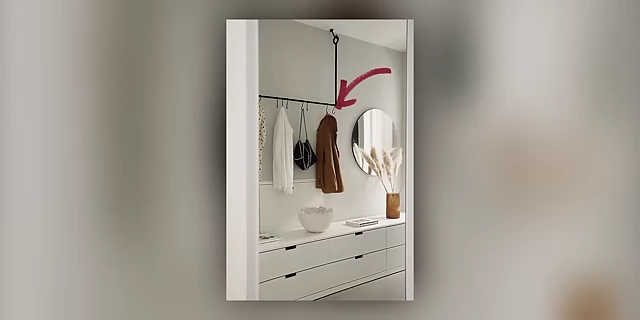
An overhead rail with hooks designed for easy hanging of clothes, indicated by an arrow. [ 00:07:42 ] - Use trays for small items like keys and sunglasses to group them together, making them look intentional rather than haphazard.
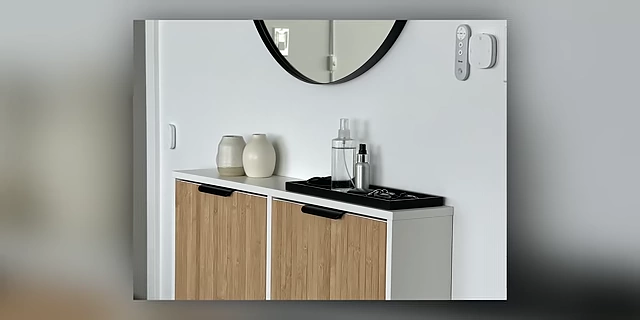
A console table with a tray for organizing small items like keys and sunglasses in an entryway. [ 00:08:04 ] 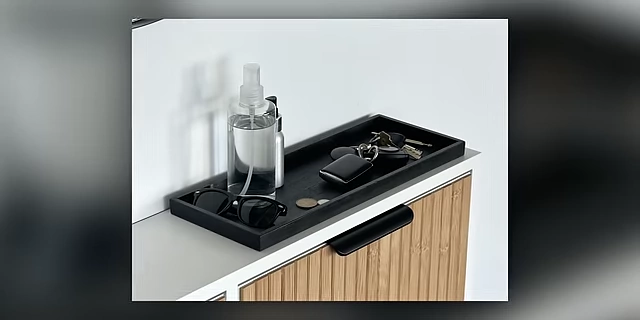
A close-up of an entryway tray containing keys, sunglasses, and other small essentials. [ 00:08:08 ] 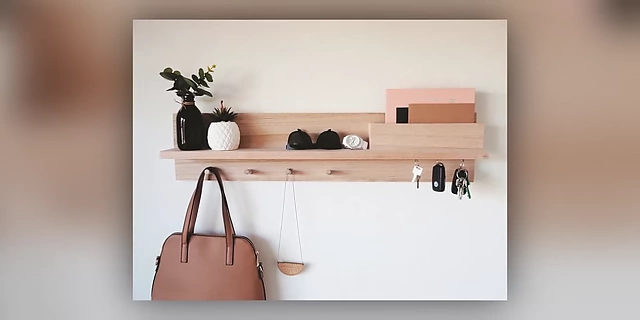
A wall-mounted shelf with hooks and designated spots for small items like keys and sunglasses. [ 00:08:15 ] - This anticipates laziness and provides a "catch-all" that can be sorted later when energy permits.
- For entryways: Use hooks for jackets instead of hangers, and benches for kicking off shoes instead of neatly placing them.
5. Vertical Storage [8:34]
Not utilizing wall space is a common oversight, especially in smaller homes.
- Problem: Reluctance to drill holes or attach items to walls, often due to perceived difficulty or fear of damaging property (especially for renters).
- Solution: Embrace vertical storage by understanding basic wall-fixing techniques.
- Most storage furniture above hip height should be attached to walls for safety (anti-tipping).
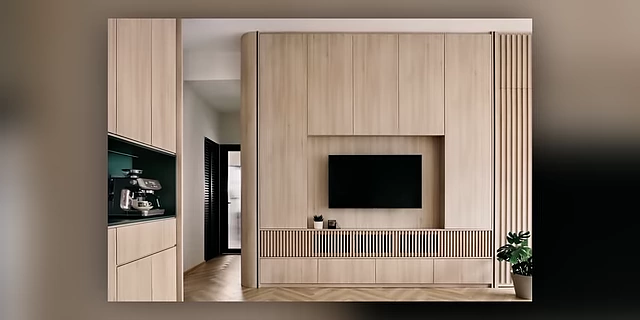
A living room showcasing extensive built-in wall cabinetry integrated around a television. [ 00:08:39 ] 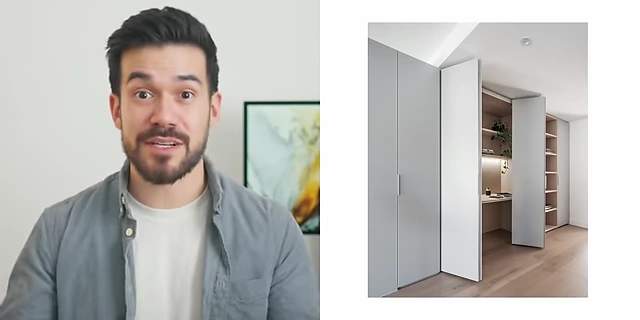
A compact home office concealed within a closet, demonstrating efficient vertical storage and space-saving solutions. [ 00:08:53 ] 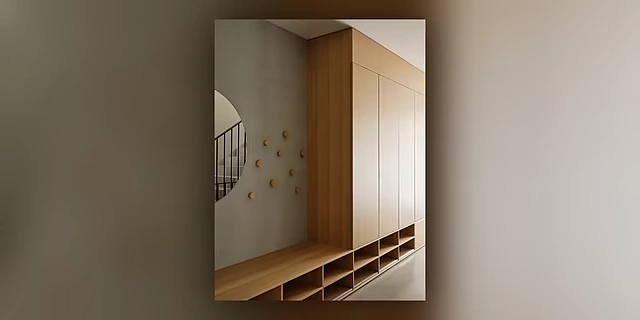
A sleek entryway featuring tall, built-in wooden closets for maximum storage. [ 00:09:03 ] - Landlords are unlikely to prohibit wall fixtures for safety reasons.
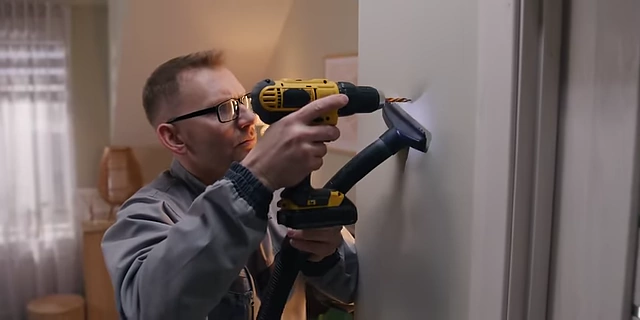
A person using a drill to install a fixture on a wall, with a dust collection attachment. [ 00:09:13 ] 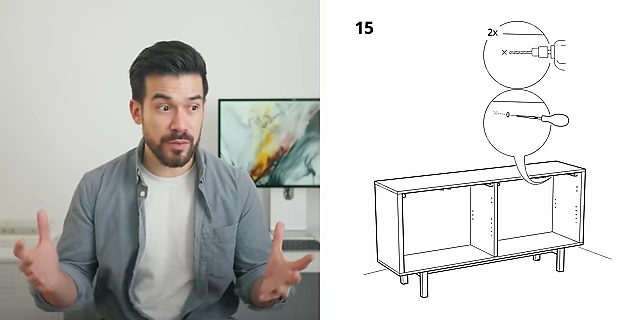
An IKEA instruction diagram illustrating how to secure a furniture piece to the wall for safety. [ 00:09:32 ] - Tools needed: A drill and a stud finder to locate wooden/metal studs behind drywall (to avoid wiring/pipes and secure fixtures).
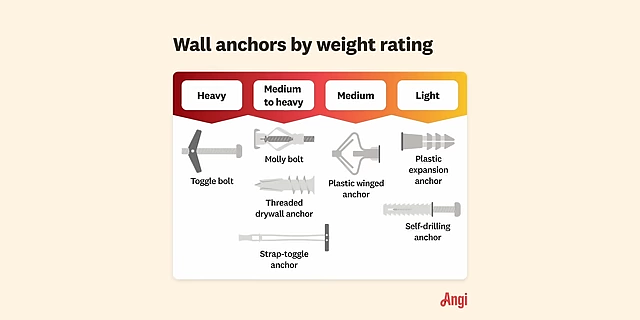
A comprehensive diagram illustrating different types of wall anchors categorized by their weight capacity. [ 00:10:10 ] 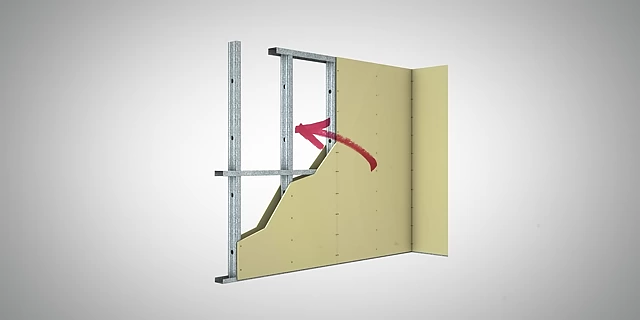
A diagram showing the internal structure of a wall, highlighting metal studs behind drywall. [ 00:10:20 ] 
A stud finder, an essential tool for locating studs behind walls before drilling. [ 00:10:32 ] 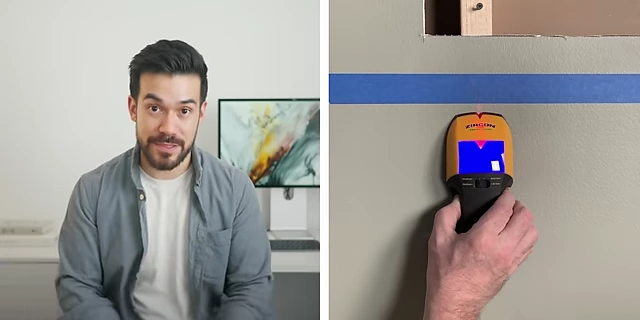
A stud finder in use, identifying the location of a stud behind a wall to prevent drilling into wires or pipes. [ 00:10:38 ] - Hanging cabinets: Use a "French cleat" – a horizontal hanging fixture that provides a secure connection and allows for sliding/positioning cabinets regardless of stud location.
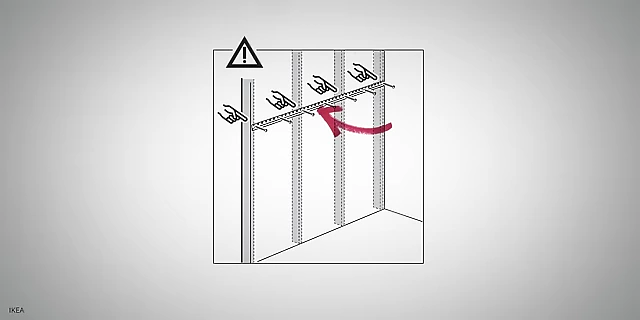
A diagram illustrating the installation of a French cleat system for securely hanging cabinets on a wall. [ 00:10:48 ] 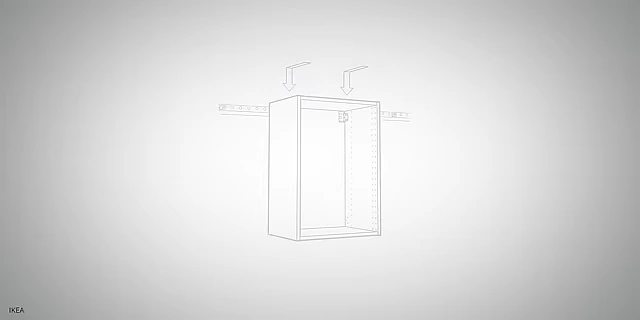
A diagram showing how a cabinet is mounted onto a French cleat system, allowing for flexible positioning. [ 00:10:51 ] - Repairing holes: Spackling compound can easily fill holes when moving out, followed by sandpaper and touch-up paint.
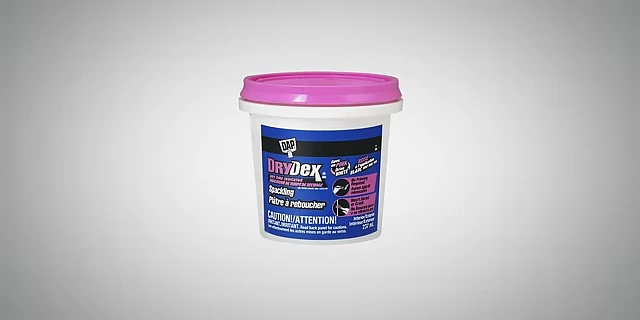
A container of spackling compound, used for filling holes and repairing walls. [ 00:11:08 ] - Utilizing vertical space can unlock significant storage potential, potentially avoiding the need for a larger home.
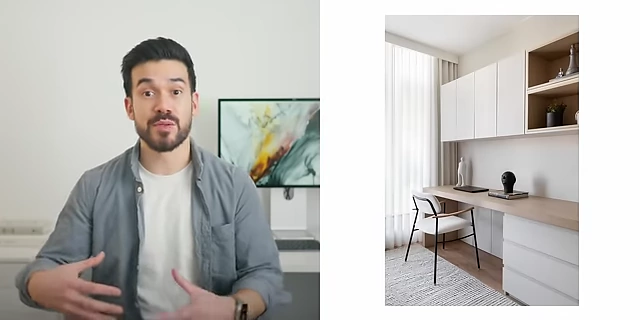
A compact home office set up with wall-mounted cabinets and a desk, maximizing vertical space. [ 00:11:30 ]
- Most storage furniture above hip height should be attached to walls for safety (anti-tipping).
6. Labels [11:41]
Forgetting where things are is a common issue, especially with small items.
- Problem: Difficulty finding small items like tools, cables, adapters, and stationary without clear identification.
- Solution: Use labels on containers and organizers.
- Clear containers with labels allow for easy identification of contents.
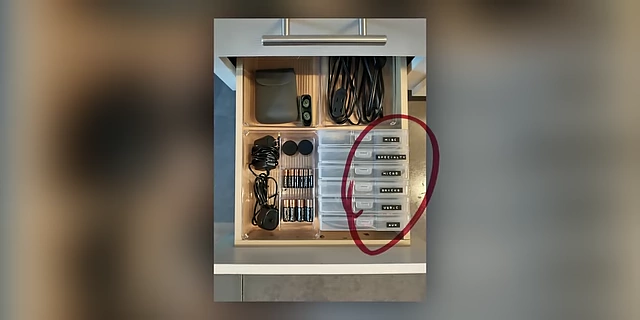
An organized drawer featuring small, labeled containers for cables, batteries, and other miscellaneous items. [ 00:11:52 ] 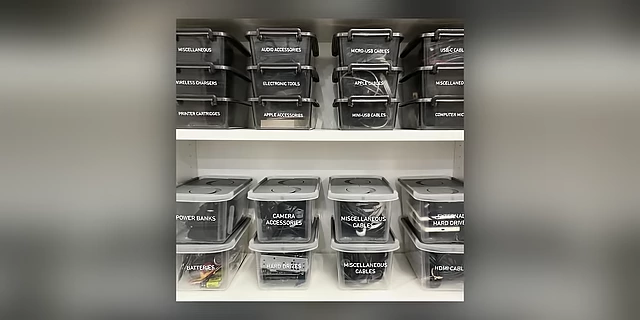
Shelves filled with clear, labeled storage containers for various electronic accessories and cables. [ 00:11:56 ] 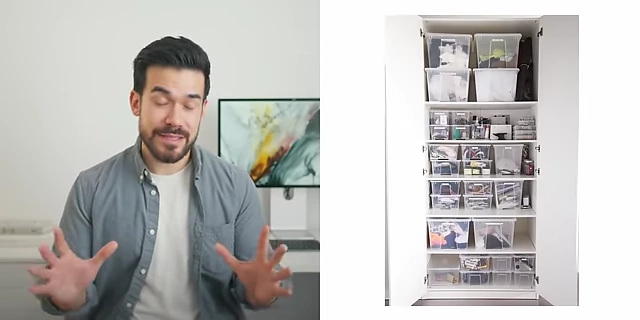
A closet organized with multiple clear storage bins on shelves, showcasing labeled containers for easy identification. [ 00:12:01 ] 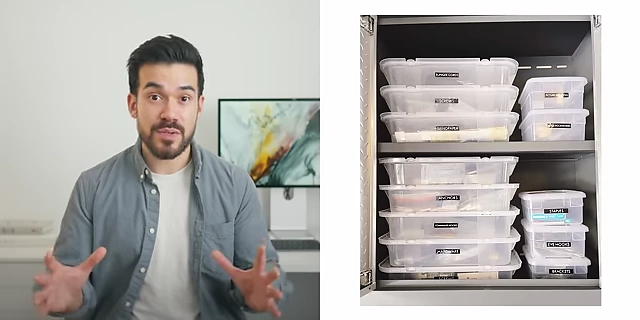
Clear storage containers with neat black labels, indicating contents like 'staples' and 'hooks'. [ 00:12:07 ] 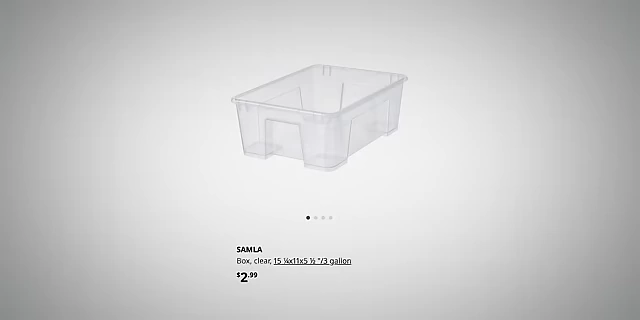
IKEA SAMLA clear storage box, a versatile and affordable option for various organizational needs. [ 00:12:18 ] 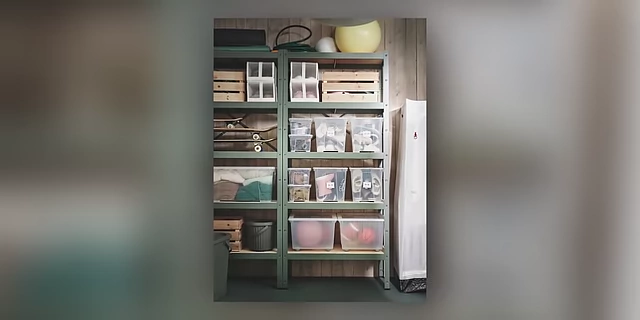
A metal shelving unit organized with numerous clear storage boxes, demonstrating efficient visual storage. [ 00:12:21 ] 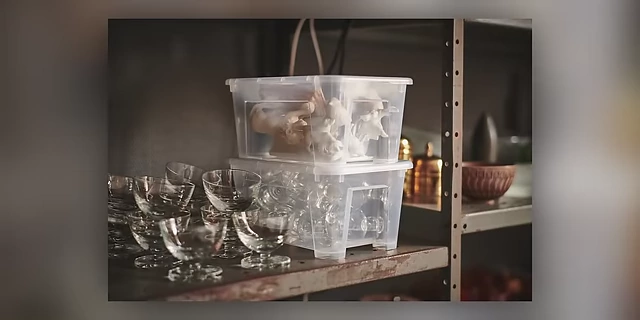
Clear storage boxes holding glassware, allowing for easy visibility of contents. [ 00:12:24 ] 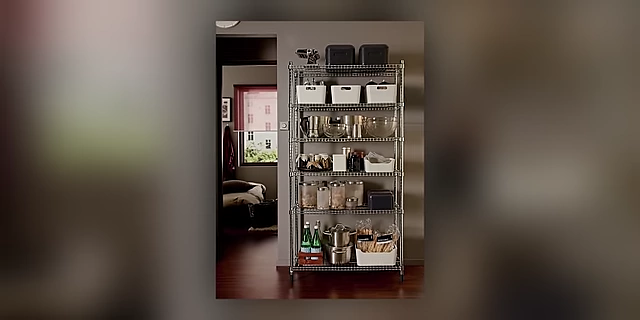
A kitchen or pantry shelving unit neatly organized with various containers, jars, and kitchenware. [ 00:12:28 ] 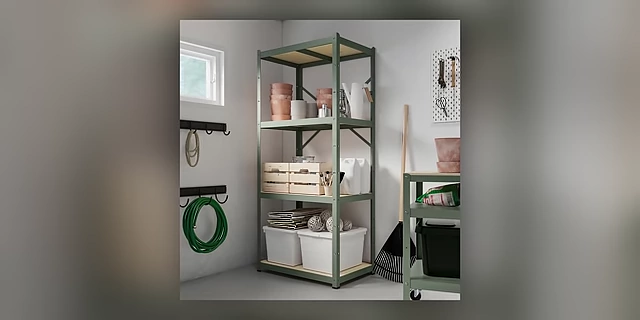
A garage corner with a metal shelving unit, demonstrating effective storage of tools and supplies in clear bins. [ 00:12:33 ] - Use a label machine for a more "official" look, which subconsciously discourages placing incorrect items in labeled boxes.
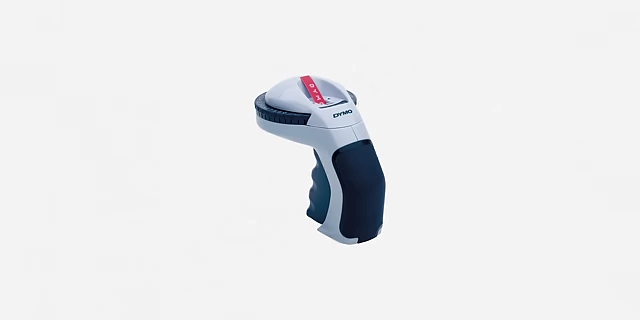
A handheld label maker, used for creating clear and consistent labels for storage containers. [ 00:12:52 ] 
A close-up of a clear storage container with a neatly printed label 'ORGANISERS'. [ 00:12:58 ]
- Clear containers with labels allow for easy identification of contents.
7. Small Stuff [13:13]
Dealing with very small, random items poses a unique organizational challenge.
- Problem: Spare screws, parts, and adapters for various items can quickly become a jumbled mess in junk drawers.
- Solution: Utilize Ziploc bags and dedicated small item organizers.
- Ziploc bags: Store random small parts in labeled Ziploc bags, writing the item's purpose directly on the bag.
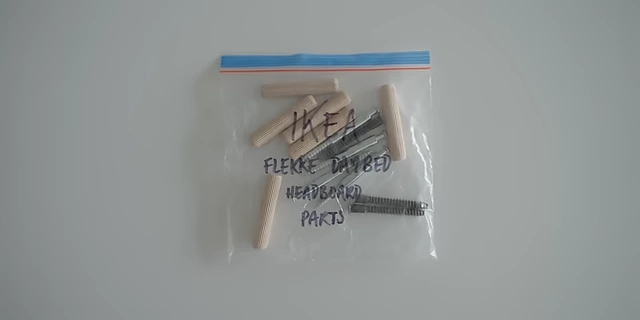
A Ziploc bag containing small furniture parts, clearly labeled with the item's origin and purpose. [ 00:13:47 ] - Organization station: Keep an "organization station" with Ziploc bags and a marker handy to reduce friction in labeling.
- Interlocking containers: For frequently used small items related to hobbies or work, use interlocking containers that come in various sizes to neatly organize drawers.
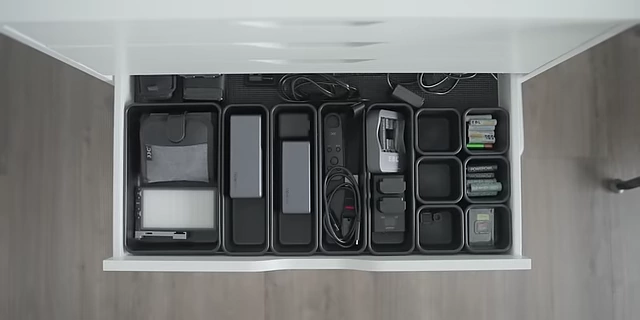
A drawer efficiently organized with interlocking modular containers, ideal for small electronic accessories and tools. [ 00:14:27 ]
- Ziploc bags: Store random small parts in labeled Ziploc bags, writing the item's purpose directly on the bag.
8. Hoarding [14:56]
Accumulating unnecessary items can quickly exhaust storage space.
- Problem: Holding onto items that should have been donated or disposed of, leading to storage overflow.
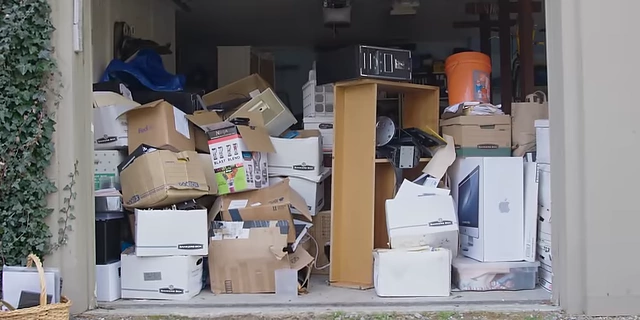
A garage filled with numerous boxes and items, illustrating a significant hoarding issue. [ 00:15:15 ] - Solution: Implement a "transition bin" (or bag).
- A transition bin is a temporary holding place for items you're unsure about parting with.
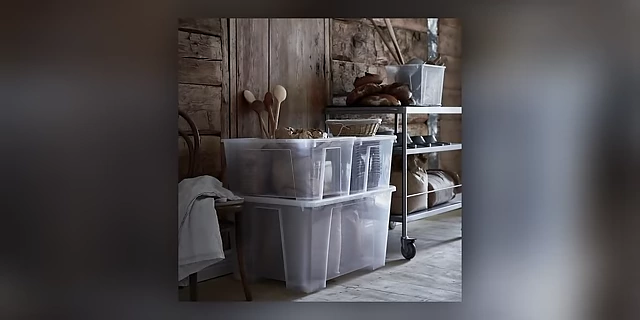
Large clear storage bins, suitable for use as 'transition bins' to temporarily hold items for decluttering. [ 00:15:36 ] - This allows you to experience life without the item for a period (weeks/months), helping to clarify your decision.
- If you don't miss the item, it becomes much easier to dispose of or donate it.
- A transition bin is a temporary holding place for items you're unsure about parting with.
9. Tailored Solutions [16:26]
Rigid organizational expectations can cause friction, especially when living with others.
- Problem: Forcing personal organizational expectations on housemates (family, children) often leads to frustration and resentment, as people have different habits.
- Solution: Develop tailored solutions that cater to the habits and needs of other household members, making tidying easy or even enjoyable for them.
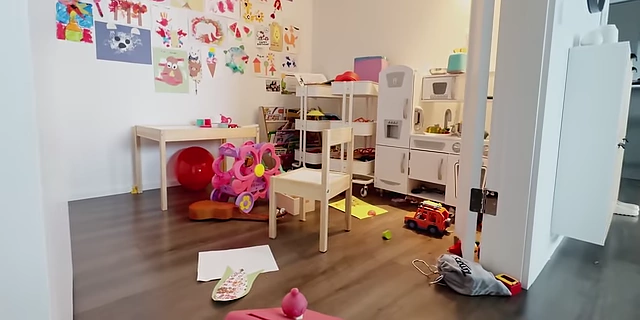
- Example: Repurpose a utility cart for children's toys, allowing them to wheel their toys wherever they want to play and easily put them away.
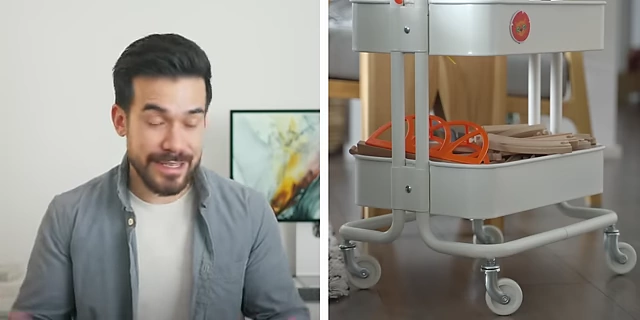
A repurposed utility cart effectively organizes children's toys, making tidying easier and more enjoyable. [ 00:17:56 ] - This approach finds a middle ground, promoting cooperation and a more harmonious living environment.
- Example: Repurpose a utility cart for children's toys, allowing them to wheel their toys wherever they want to play and easily put them away.

10. Habits [18:41]
Effective home organization relies heavily on consistent habits.
- Problem: A lack of consistent tidying habits leads to continuous clutter buildup, even with good systems in place.
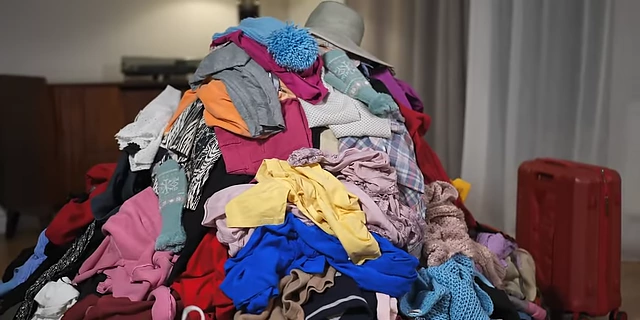
A large pile of clothes, illustrating the accumulation that the 'One-in, One-out' rule aims to prevent. [ 00:19:26 ] - Solution: Implement specific rules and routines:
- "One-in, One-out" rule: When purchasing a new item, get rid of an existing item in its place (e.g., if you buy a new t-shirt, donate an old one).

The 'One-in, One-out' rule, a simple habit for preventing clutter by replacing new items with old ones. [ 00:19:06 ] - This prevents mindless consumption and keeps collections in check.
- Daily reset: Dedicate 15 minutes each evening or morning to tidying a specific area (e.g., workspace, kitchen).
- Setting a time limit removes the choice element, making the task more bearable.
- "Don't put it down, put it away" mantra: Immediately put items back in their designated homes after use, preventing clutter from accumulating.
The mantra 'Don't Put It Down, Put It Away' promoting immediate tidying to prevent clutter. [ 00:20:15 ]
- "One-in, One-out" rule: When purchasing a new item, get rid of an existing item in its place (e.g., if you buy a new t-shirt, donate an old one).
Bonus Mistake: Decision Paralysis [20:27]
Feeling overwhelmed by the sheer volume of things to organize can prevent any progress.
- Problem: When the entire home is a mess, the task of organizing can feel insurmountable, leading to inaction.

The term 'Decision Paralysis' indicating being overwhelmed by too many choices in organizing. [ 00:20:39 ] - Solution: Start small and focus on one confined space first.
- Choose a smaller, separated area like a bathroom or closet to begin.
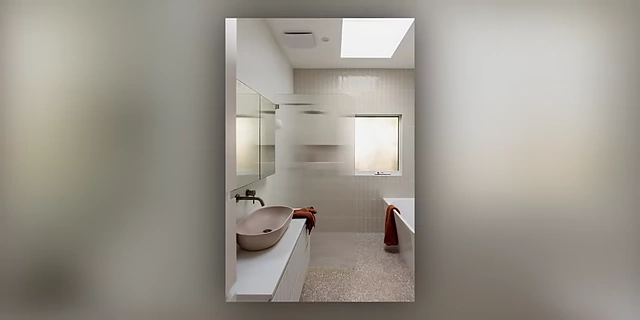
A clean and organized bathroom, serving as an example of a small, contained space to begin organizing. [ 00:21:05 ] 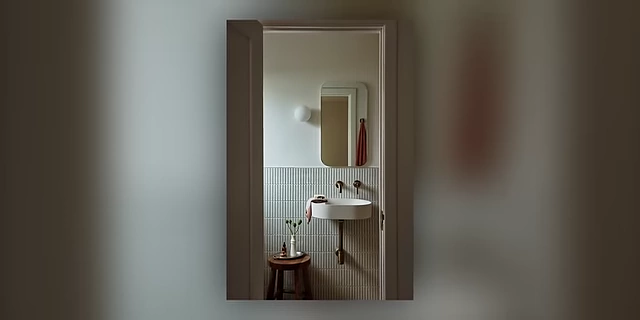
A well-organized small bathroom, demonstrating effective use of space in a confined area. [ 00:21:15 ] - Mastering one area builds a sense of control and confidence, creating a positive ripple effect onto other spaces.
- Gradually move to larger, more frequently used areas like the office, then the kitchen and living room.
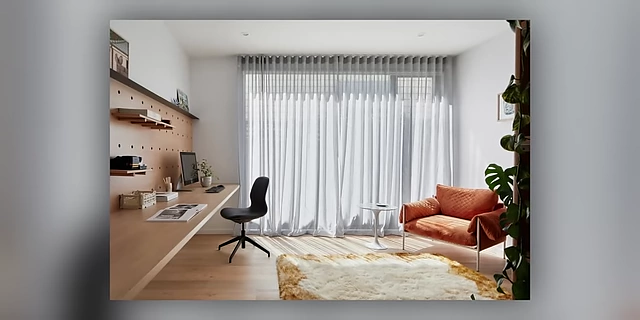
A spacious and tidy home office, representing a larger area to organize after mastering smaller ones. [ 00:21:20 ] 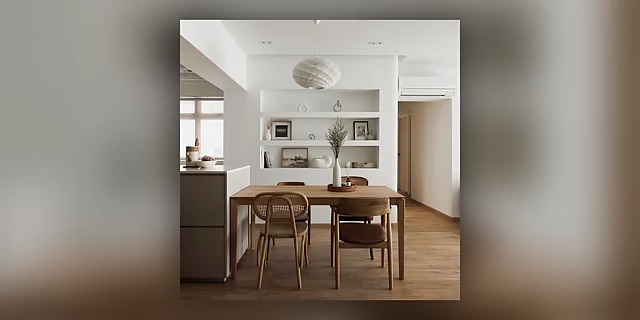
A minimalist kitchen and dining area with built-in shelving, illustrating successful organization in high-traffic zones. [ 00:21:26 ] - The key is to avoid thinking about other spaces until the current area is mastered.
- Choose a smaller, separated area like a bathroom or closet to begin.