Mastering Selfies and Outfit Photos: A Guide to Composition, Lighting, and Posing
Here are the key takeaways for taking better photos and selfies:
- Understand the Rule of Thirds: Utilize your camera's 3x3 grid to strategically place subjects at intersecting lines for balanced and symmetrical photos.
- Go All In: Commit 100% to every photo session to effectively identify what works and what doesn't, allowing for continuous improvement.
- Master Photo Balance: Recognize that backgrounds, contrasting colors, and proper outfit proportions are as crucial as the outfit itself, contributing to 50% of the picture's appeal.
- Optimize Selfies: Seek diverse inspiration, analyze your best selfies to understand their success factors, and consistently clean your camera lens for clarity.
- Prioritize Lighting: Leverage natural light, especially during sunset, for the best skin and overall image quality, as artificial lights often cannot replicate its effect.
- Embrace Dynamic Posing: Move naturally, try various poses, and take numerous shots to capture authentic expressions, drawing inspiration from platforms like Pinterest.
- Invest in Self-Improvement: The most vital tip is self-confidence, achieved through self-love and personal growth (e.g., skincare, fitness, better attire). Avoid comparing yourself to others on social media, as their images are often heavily edited and unrealistic.

Example of applying the Rule of Thirds for a full-body outfit picture, showing optimal placement for face, body, and feet. [ 00:00:43 ]
INTRODUCTION [00:00]
Many people feel their outfits and faces look better in the mirror than in photos. This video aims to teach how to take better pictures, starting with fundamental techniques and progressing to more personal and impactful advice.
RULE OF THIRDS [00:21]
The rule of thirds is a fundamental compositional guideline in photography.
- Camera Grid: Your camera's screen is split into a 3x3 grid.

Diagram showing the 3x3 grid used for the Rule of Thirds in photography. [ 00:00:27 ] - Enabling Grid:

Smartphone camera settings to enable the grid for the Rule of Thirds. [ 00:00:31 ] - Positioning: The goal is to position your face or body where these grid lines intersect.
- Symmetry: This technique helps create symmetrical and aesthetically pleasing pictures, especially for social media.
- Enabling Grid:
- Application for Full-Body Shots:
- Feet Placement: For outfit pictures (fit pics), ensure your feet are at the bottom square of the grid, unless intentionally capturing the ground.
- Example:
Example of applying the Rule of Thirds for a full-body outfit picture, showing optimal placement for face, body, and feet. [ 00:00:43 ] - Camera Distance: Instead of tilting the camera, back up to fit the entire subject within the frame properly.
- Application for Selfies:
- Eye Alignment: For selfies, position your eyes in the middle square of the grid for a balanced look.
- Example:

Example of applying the Rule of Thirds for a selfie, with eyes positioned in the middle square. [ 00:01:27 ]
- Importance: Adhering to the rule of thirds prevents random-looking photos and ensures consistent quality.
COMMITMENT TO IMPROVEMENT [01:43]
This section emphasizes the importance of full commitment and continuous learning in photography.
- 100% Effort: Always go all-in when taking fit pics or selfies. Doing so helps you identify specific areas for improvement.
- Learning from Mistakes: If you only put in 50% effort, it's nearly impossible to pinpoint what went wrong (e.g., location, accessories, timing, lighting) in a photo.
- Avoiding Stagnation: Without full effort, improvement is accidental rather than intentional, hindering consistent progress.
UNDERSTANDING PICTURES [02:50]
Taking good photos, especially outfit pictures, is about achieving hierarchy and balance between elements.
- Hierarchy and Balance: A great outfit in a bad setting will not result in a good picture. The overall balance of the image is crucial.
- Key Elements:
- Background (50% importance): The background of your picture is as important as your outfit. A compelling background enhances the overall visual appeal.
- Example:

Example of a "mid" outfit picture illustrating how a bad background can detract from a good outfit. [ 00:03:10 ]
- Example:
- Colors: Ensure your outfit's colors contrast appropriately with the background, setting, and theme of the picture. Treat each photo as a masterpiece where every element matters.
- Proportions: Pay attention to the proportions of your outfit (e.g., pant fit, shoe style) and how they complement your body.
- Personal Grooming: Consider personal elements like hairstyle (e.g., cornrows) and facial expressions. If you dislike your face in photos, work on those aspects rather than always taking side-profile shots.
- Background (50% importance): The background of your picture is as important as your outfit. A compelling background enhances the overall visual appeal.
- Holistic View: Remember it's about "pictures," not just "outfits." Both the outfit and the setting must work in harmony.


SELFIES [04:40]
To improve your selfie game, focus on inspiration, analysis, and basic maintenance.
- Seek Inspiration:
- Innovate: Avoid taking the same type of selfies repeatedly. Trends evolve, so stay innovative.
- Outdated Selfie Example:
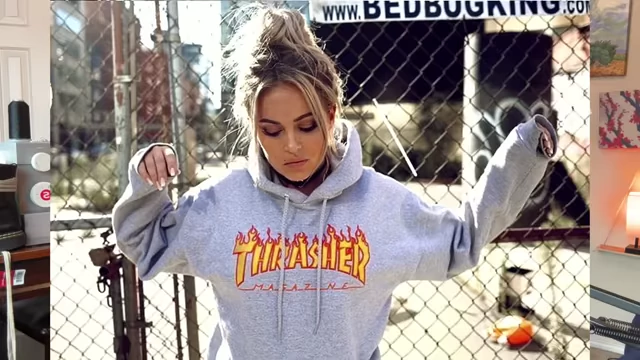
An example of an outdated selfie style, referencing the 2017 "Thrasher jacket" trend. [ 00:05:06 ]
- Outdated Selfie Example:
- Learn from Others: It's acceptable to take inspiration from other people's styles and poses.
- Speaker's Inspiration:
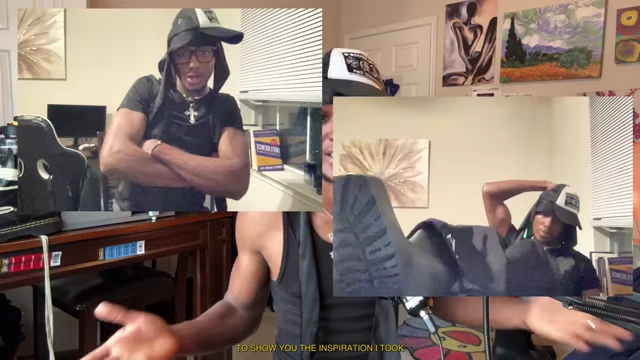
The speaker's selfies demonstrating inspiration taken from other styles. [ 00:05:35 ]
- Speaker's Inspiration:
- Innovate: Avoid taking the same type of selfies repeatedly. Trends evolve, so stay innovative.
- Analyze Your Best Selfies:
- Folder Strategy: Create a folder for your best selfies and analyze why they look good.
- Factors to Consider: Evaluate the lighting, time of day, position, clothes, haircut, or makeup that contributed to their success.
- Calculated Approach: While spontaneous selfies can happen, the consistently "good good" ones posted on social media are usually calculated and well-thought-out.
- High Engagement:

The speaker highlights high story views for his selfies, indicating successful application of his tips. [ 00:05:39 ]
- Daily Routines for Face:
- Grooming Impact: Small daily actions, like brushing dead skin cells off your lips, icing your face to reduce puffiness, or combing eyebrows/applying makeup, significantly affect how your face appears.
- Face Routine Example:

A man applying a face wash, demonstrating the importance of daily face routines for better selfies. [ 00:07:04 ]
- Face Routine Example:
- Consistency: Inconsistency in these routines can lead to your face looking different in selfies day to day.
- Grooming Impact: Small daily actions, like brushing dead skin cells off your lips, icing your face to reduce puffiness, or combing eyebrows/applying makeup, significantly affect how your face appears.
- Camera Lens Maintenance [07:50]:
- Cleanliness: Regularly clean your camera lens. It collects dirt and fog from daily use (e.g., in pockets, at the gym), which can significantly degrade photo quality and clarity.
- Impact on Quality: A dirty lens can make your selfies look blurry, awkward, and lacking detail.
LIGHTING [09:01]
Mastering lighting is paramount for high-quality photos and selfies.
- Prioritize Natural Light:
- Superiority: Natural light is generally superior to artificial light sources.
- Optimal Timing: The "golden hour," around sunset (e.g., 6-7 PM), provides excellent natural lighting for photos, enhancing skin tone and overall mood.
- Natural Light Examples:

Outdoor selfie examples by the speaker, demonstrating effective use of natural light during sunset. [ 00:10:09 ]
- Natural Light Examples:
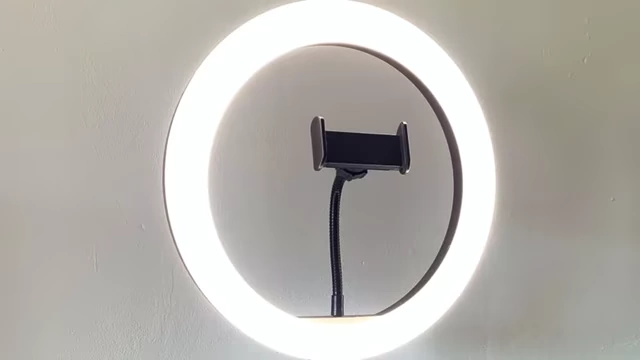
- Utilize Artificial Lights (if applicable):
- Studio Setup: If available, studio lights can be used to emulate natural light or create specific effects.
- Strategic Use: For specific "try-hard" photos, using multiple light sources (studio lights, lamps) can significantly enhance results.
- Speaker's Lighting Examples:

The speaker's selfies showcasing the difference good lighting makes, whether natural or artificial. [ 00:10:04 ]
- Speaker's Lighting Examples:
- Impact of Lighting:
- Detail and Clarity: Good lighting reveals facial details and skin texture.
- Avoid Awkwardness: Poor lighting can make pictures look "weird and awkward," resembling low-quality photos from older devices.
- Bad Lighting Example:

An example of a fit picture with poor lighting, where the subject is barely visible, emphasizing the need for proper illumination. [ 00:11:12 ]
- Bad Lighting Example:
- Fit Pics: Lighting is equally crucial for fit pics, dictating the mood and visibility of the outfit, even in night shots where strategic flashlights can be used.
- Good Targeted Lighting:

An example of a fit picture using strategic flashlight lighting to highlight the subject in a dark setting. [ 00:11:19 ]
- Good Targeted Lighting:
- Smartphone Limitations: Be aware that many smartphone front cameras (especially iPhones) have poor low-light performance, making good lighting even more critical for selfies.

POSES [11:25]
Don't be afraid to experiment with poses and movements to capture dynamic and authentic photos.
- Embrace Movement and Innovation:
- Avoid Static Poses: You are not a mannequin; move around and try new things instead of sticking to the same few poses.
- Repetitive Poses Example:

Examples of repetitive poses from a friend, illustrating the need for variety and innovation in posing. [ 00:11:48 ]
- Repetitive Poses Example:
- Natural Expression: The best photos often come from being natural and confident, flowing through different movements.
- Avoid Static Poses: You are not a mannequin; move around and try new things instead of sticking to the same few poses.
- Photo Capture Strategy:
- "Spamming" Shots: Instruct your photographer (or use burst mode for selfies) to take a large number of photos. This increases the chances of capturing candid, natural, and unique poses.
- Seeking Pose Inspiration [12:35]:
- Pinterest: Use platforms like Pinterest to search for "IG Fit Pics" to find a wide array of poses for both men and women.
- Inspiration Examples:

Examples of poses from fashion magazines that can serve as inspiration for dynamic shots. [ 00:12:23 ]
- Inspiration Examples:
- Adapt and Customize: Copy these poses as a starting point, then adapt them to fit your personal style and comfort.
- Pinterest: Use platforms like Pinterest to search for "IG Fit Pics" to find a wide array of poses for both men and women.
- Examples of Dynamic Poses:
- Turn your shoulder, adjust your back, cross your legs, lean on a wall, place one foot up, or cross your arms.
- Importance: Posing is very important; if you struggle to come up with new poses, actively seek inspiration from others.
THE TRUE SECRET [13:14]
The most impactful tip transcends technical photography skills: self-improvement and confidence.
- Self-Improvement as the Foundation:
- Beyond Techniques: No amount of posing, lighting, or technical tips can fully compensate if you lack self-confidence.
- Confidence Source: True confidence comes from self-love and continuous personal improvement, not external validation.
- Dedication to Improvement:

A person studying, symbolizing the dedication needed to master lighting and other photography techniques. [ 00:09:53 ]
- Holistic Personal Growth:
- Physical Health: Bettering your skin, going to the gym (e.g., building shoulders, squatting), and drinking water contribute to improved physical appearance and well-being.
- Speaker's "Before":

The speaker's 'before' picture, illustrating his past struggles with body image and the motivation for self-improvement. [ 00:16:52 ]
- Speaker's "Before":
- Style: Investing in better clothes is also a form of self-improvement.
- Direct Representation: Your photos are a direct representation of you; therefore, improving yourself directly improves your photos.
- Physical Health: Bettering your skin, going to the gym (e.g., building shoulders, squatting), and drinking water contribute to improved physical appearance and well-being.
- Avoid Social Media Comparison [15:05]:
- Unrealistic Standards: Do not compare yourself to others on social media. Many influencers and individuals heavily edit their photos (e.g., fake BBLs, six-packs, AI alterations) and portray idealized, often fabricated, lives.
- Focus on Your Journey: You cannot be like someone else, and their online persona rarely reflects reality. Focus on your own growth and journey.
- Personal Testimony: The speaker shares his past struggles with being skinny, feeling uncomfortable in his skin, and constantly comparing himself to others. He realized his content suffered because of his self-perception, not just video quality.
- Support and Community: The speaker encourages viewers to reach out for support and emphasizes the importance of a community that fosters self-improvement and authenticity.

