How to Execute a 4-Week Aggressive Cut: Training, Diet, and Mindset Strategies for Fat Loss
Summary:
This video details the speaker's successful 4-week aggressive cutting phase and the strategies he employed.
- Initial State: 7 weeks prior, he was 165 lbs with over 20% body fat after bulking to chase a 315 lbs bench press, which he found wasn't worth the sacrifice of his physique and well-being.
- Aggressive Cut Outcome: He lost 15 lbs in 4 weeks, transitioning from 20% body fat to 15% body fat, and continued to cut for a total of 7 weeks, losing 60-70% of the gained fat.
- Training Adjustment: He stopped bench pressing, focused on dumbbell incline to maintain strength, reduced overall training volume, and kept intensity high (training close to failure) to aid recovery with lower carb intake.
- Dietary Approach: He maintained a daily calorie deficit ranging from 400 to 800 calories, varying it to allow for better recovery on some days.
- Cardio Regimen: Daily cardio aiming for a 400-calorie burn, primarily using stair masters for personal preference (watching shows, sweating more), but noted that incline walking is equally effective and less taxing. Emphasized Zone 2 cardio to avoid depleting glycogen stores needed for weight training.
- Environmental Influence: Stressed the critical role of one's environment and social circle. He removed tempting foods from his home and surrounded himself with friends who also had bodybuilding and cutting goals, using mutual progress for motivation.
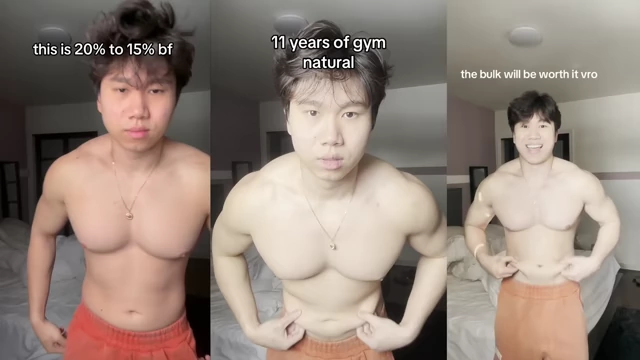
The speaker's physique transformation from 20% body fat (left) to 15% body fat (right) after an aggressive 4-week cut [ 00:00:00 ]
Backstory and Motivation for the Aggressive Cut [0:00]
- Initial Physique: Seven weeks prior, the speaker was at his heaviest and chunkiest, weighing 165 lbs with over 20% body fat. [0:00]
- Bulking Goal: This state was a result of chasing a 315 lbs bench press, a goal he ultimately deemed not worth the sacrifice of his physique and overall well-being, as he didn't even hit the target (achieved 305 lbs and 275 lbs for 4-5 reps). [0:24]
- Negative Impact of Bulking:
- Lost visible abs.
- Felt terrible and couldn't look at himself in the mirror.
- Experienced worse sleep.
- Food lost its enjoyment, becoming merely a means to consume calories for lifting.

A satirical painting representing the gluttonous nature of his bulking phase [ 00:00:59 ]
- Transition to Cutting: Four weeks after this bulking period, he initiated an aggressive cut, losing 15 lbs relatively quickly. [1:05]
- Video's Purpose: The video aims to explain the exact methods he used over the initial four weeks, and the subsequent seven weeks, to lose fat aggressively and transition to a more sustainable diet. [1:15]
Training Strategy During the Cut [1:48]
- Cessation of Bench Press: The first significant change was stopping bench pressing due to high volume and the inability to recover during an aggressive cut with reduced calories. [1:50]
- Shift to Dumbbell Incline Press: Switched to dumbbell incline pressing to maintain strength, noting a positive carryover from his flat benching during the bulk. He now presses 110 lbs per hand and has maintained this strength despite being 10 lbs lighter. [2:08]
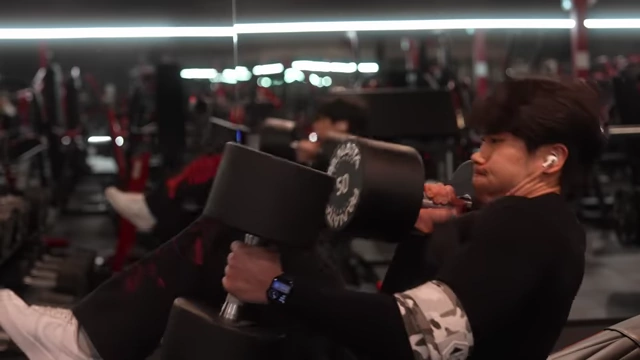
The speaker performing an incline dumbbell press [ 00:02:10 ] - Volume and Intensity Adjustments:
- Reduced overall training volume (fewer sets and reps). [2:46]
- Maintained high intensity, training as close to failure as possible. [2:55]
- Rationale: This approach optimizes recovery during a cut, especially with lower carbohydrate intake, which is crucial for gym energy. [3:01]
- Muscle Retention: Maintaining strength is key to preserving muscle during a cut. Excessive volume with low carbs leads to recovery debt without sufficient muscle stimulus. [3:15]
- Consistency in Exercise Selection: Emphasized that exercise selection should not drastically change between bulking and cutting phases; only the volume needs adjustment to account for reduced recovery capacity. [3:39]
Diet and Calorie Deficit Approach [3:52]
- Calorie Deficit Range: Maintained a calorie deficit between 400 and 800 calories daily. [3:56]
- Variable Deficit:
Cardio Methods and Efficiency [4:23]
- Cardio Choice: Primarily used stair masters to burn 400 calories daily. [4:25]

The speaker standing by stair master machines at the gym [ 00:04:14 ] - Stair Master Preference: Chosen for personal enjoyment (watching shows) and the increased sweating, though acknowledged no inherent superiority over incline walking, which is less taxing. [4:32]
- Adherence is Key: Any form of cardio that is enjoyable and sustainable daily is effective. [4:58]
- Zone 2 Cardio: Recommended staying in Zone 2 heart rate for efficient calorie burning without depleting glycogen stores, which are vital for heavy weight training. [5:30]
- Avoiding HIIT: High-intensity interval training (HIIT) can deplete glycogen, hindering recovery and effectiveness for strength training, making it less ideal for consistent cutting. [5:39]
The Impact of Environment and Community [6:01]
- Environmental Control: Creating an environment that supports your goals is crucial. If living alone, stock your home only with healthy, whole foods (vegetables, fruits) to make cheating on the diet difficult. [6:47]
- Social Support: Surrounding yourself with people who share similar fitness goals (bodybuilding, cutting for summer) significantly aids motivation and adherence. Seeing friends' progress ("cutting updates") creates a positive competitive drive. [7:18]
- Community Engagement: For those without such a social circle, the speaker encourages joining an online community or following individuals (like himself) who share their cutting journey and physique updates for shared motivation and support. [8:02]
- Resilience: Acknowledged that setbacks are normal, and the key is to get back on track, using motivational content and community support to reaffirm goals. [8:32]
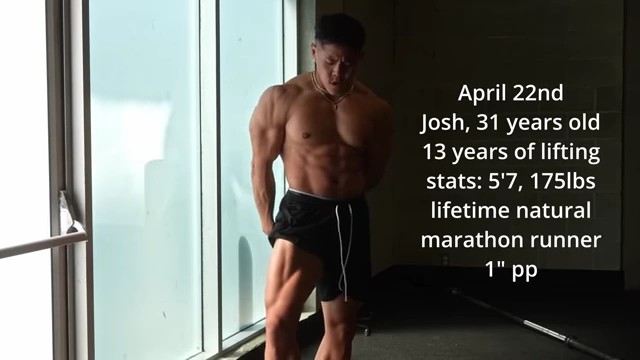

Future Goals and Encouragement [9:22]
- Next Goal: The speaker plans to cut another 10 lbs to reach his leanest physique ever while maintaining his increased strength. [9:25]
- Call to Action: Encourages viewers to start their summer cut immediately, highlighting that time will pass regardless and consistent effort can lead to significant physique changes. [9:36]