Chinese Men Transform Through Online Roasting Culture (Tinguan) for K-Drama Idol Glow-Ups: The Case of Xiao Ai
Summary:
- Chinese social media platforms like Xiaohongshu have fostered a "Tinguan" (I will listen) culture where men post selfies for public "roasting" and advice on self-improvement.
- Xiao Ai, a 25-year-old from Hubei, became famous for meticulously following netizens' advice to transform his appearance, career, and life.
- His journey included changing his hairstyle and glasses, adopting a fitness routine, overhauling his wardrobe based on public polls, and implementing a detailed skincare and makeup regimen.
- Beyond aesthetics, he pursued a nursing certificate, tripled his income, and retested academic qualifications, ultimately leading to a significant glow-up, increased confidence, and marriage.
- The trend extends to other online personalities like comedian Yang Di and "mask oppas" on Douyin, demonstrating the power of collective online feedback for personal transformation.
- This phenomenon also has a commercial side, with platforms benefiting from affiliate sales as participants purchase recommended products and services.
- While offering a unique path to self-improvement, the culture faces criticism for harsh comments and the pressure to conform to K-pop idol standards.
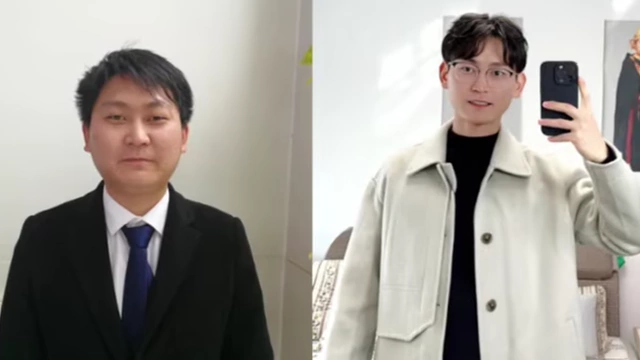
Xiao Ai's dramatic before and after transformation [ 00:03:52 ] 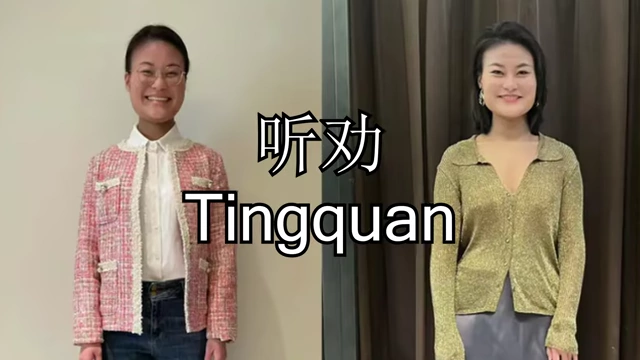
A general example of "Tinguan" transformation from "I will listen" culture [ 00:00:28 ]
The "Tinguan" Culture: Online Roasting for Self-Improvement [0:00]
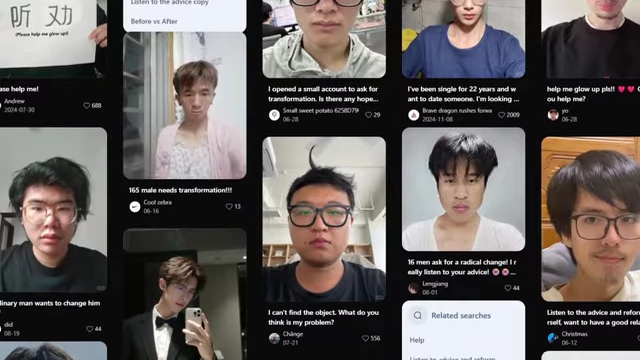
- Introduction to a Unique Social Phenomenon
- Chinese men are turning to social media platforms like Xiaohongshu and Douyin for radical self-improvement.
- This trend, dubbed "Tinguan" (translating to "I will listen"), involves men posting barefaced photos and personal details, inviting thousands of strangers to critique their appearance and lifestyle.
- The goal is to receive constructive (though often harsh) feedback to initiate a "glow-up" campaign, transforming "roast me" culture into a communal self-improvement drive.
- The Role of the "Review Committee" [5:10]
- Online comment sections act as an anonymous "review committee," voting on everything from outfit choices to skincare routines.
- This collective input helps individuals refine their image and overall presentation.
Xiao Ai's Initial Situation: A Cry for Help [0:42]
- Deteriorated Self-Perception and Life Circumstances
- Xiao Ai, a 25-year-old from Hubei, initiated his transformation journey in December 2021 by posting a "cry for help" on Xiaohongshu, questioning why he was still single at 26.
- His "Player Skill Tree" (Personal Stats) [1:04]
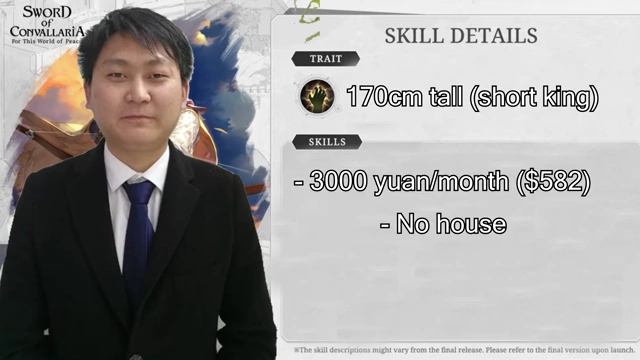
Xiao Ai's initial personal stats, including height (170cm), income (3000 yuan/month), and lack of assets or dating experience [ 00:01:10 ] - Height: 170 cm (considered "short king").
- Income: 3,000 yuan/month (~$582).
- Assets: No house, no insurance, and only a secondhand car (a significant disadvantage in the Chinese economy).
- Experience: No dating experience.
- Internet's Harsh Feedback [1:21]
- Netizens responded with brutal honesty, calling him "fat, ugly, short, broke," and implying he was "unemployed."
- Instead of retaliation, Xiao Ai accepted the criticism, bowed, and promised to reflect and take action.
Xiao Ai's Transformation Journey [1:42]
- 1. Hair and Glasses Makeover [1:43]
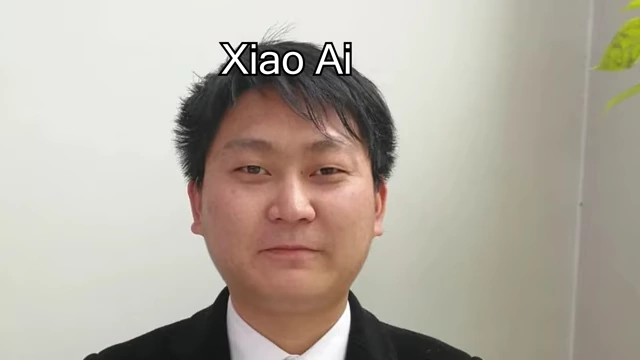
Xiao Ai's before image, showcasing his original hairstyle and glasses [ 00:00:45 ] 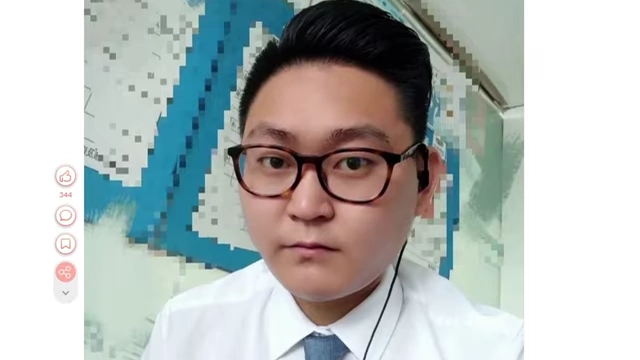
Xiao Ai's immediate transformation after changing his haircut and replacing his glasses with contact lenses [ 00:01:48 ] - Immediate Visual Impact:
- Swapped his "tragic bull cut" for a side part.
- Replaced "clunky glasses" with contact lenses.
- Result: Instantly looked 10 years younger, evolving from a "middle-aged uncle" to someone suitable for a Uniqlo advertisement.
- Immediate Visual Impact:
- 2. Weight Loss and Fitness [2:02]
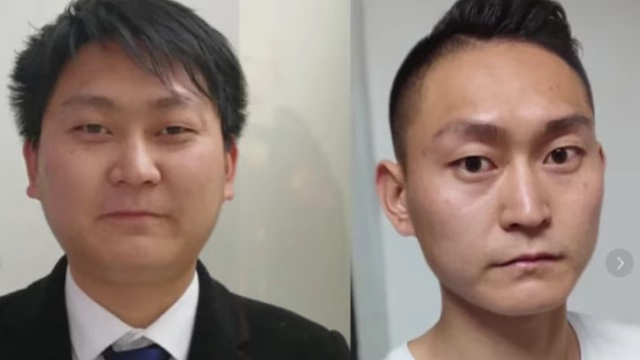
Xiao Ai's facial transformation from his initial pudgy appearance to a leaner, healthier look after balanced weight loss [ 00:02:06 ] 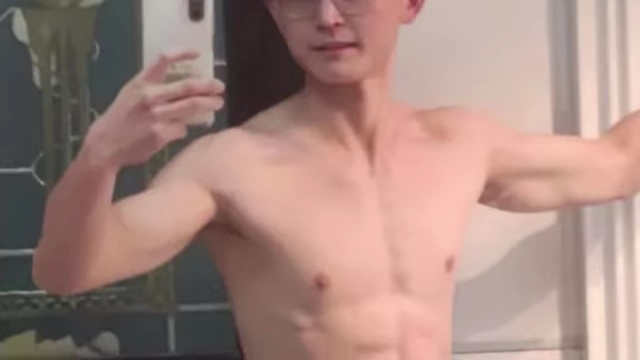
Xiao Ai proudly displaying his lean, muscular physique after incorporating running and weight training [ 00:02:23 ] 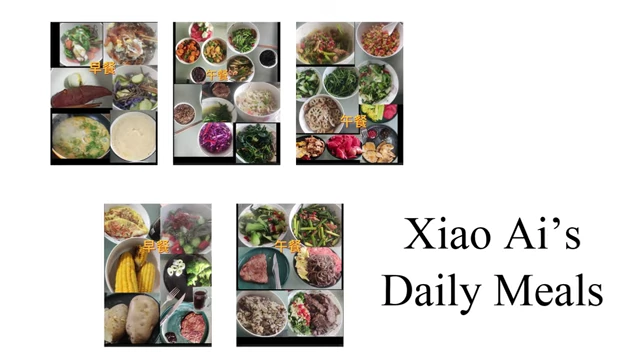
An infographic showcasing Xiao Ai's diverse daily meals, emphasizing his balanced fitness regimen [ 00:03:07 ] - Initial Misstep and Correction:
- Started with an extreme crash diet, making him appear unhealthy ("auditioning for a zombie movie").
- Netizens intervened, demanding a balanced approach, stating it was "not a glow up, this is a hostage situation."
- Balanced Fitness Regime:
- Incorporated running and weight training.
- Result: Transformed from "pudgy rice cooker material" to a "lean, muscular gym bro."
- Initial Misstep and Correction:
- 3. Style Evolution Through Public Polls [2:24]
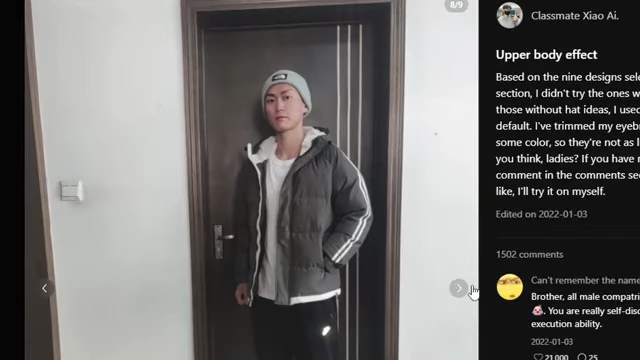
Xiao Ai presenting an outfit for public voting, deciding whether it makes him look like a 'K-drama lead or a gas station attendant' [ 00:02:29 ] 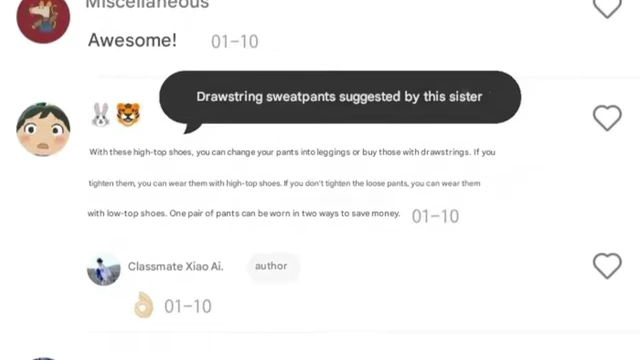
A netizen's specific suggestion for Xiao Ai to wear drawstring sweatpants [ 00:02:35 ] 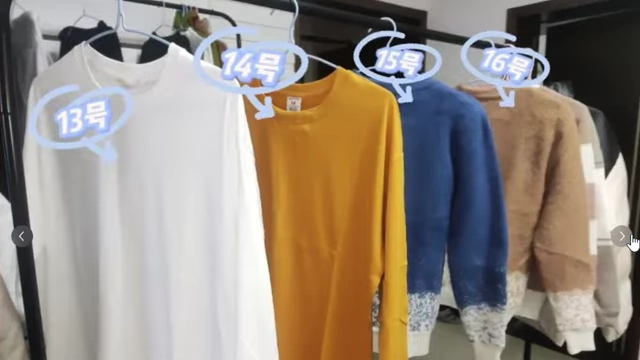
A rack of clothes with numbers for online voting, illustrating how Xiao Ai crowdsourced his fashion choices [ 00:02:43 ] - Investment in Wardrobe:
- Sold his drone to fund new clothes.
- Posted outfit choices for strangers to vote on, deciding whether he looked like a "K-drama lead or a gas station attendant."
- Experimented with various styles, including sweaters and Korean fits.
- Crowdsourced Fashion Advice:
- Received specific suggestions like "drawstring sweatpants suggested by this sister."
- Investment in Wardrobe:
- 4. Skincare and Makeup Adoption [2:44]
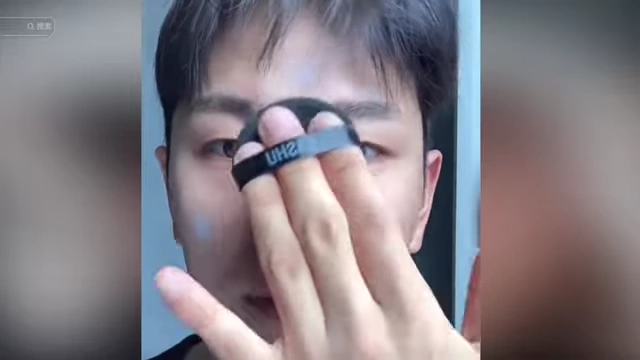
Xiao Ai applying powder to his face, demonstrating his adoption of a skincare and makeup regimen [ 00:02:46 ] - Expert Guidance:
- A female follower slid into his DMs to offer genuine skincare advice, emphasizing that "men can exfoliate."
- Recommended using serums, eyebrow pencils, and powders, normalizing male skincare beyond just moisturizers.
- Impact: Elevated his overall complexion and groomed appearance.
- Expert Guidance:
- 5. Career Upgrade and Financial Growth [3:04]
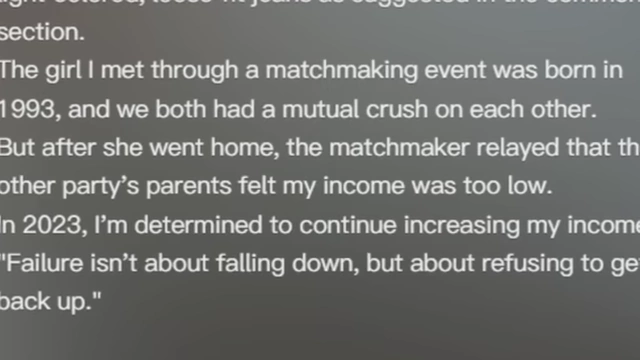
A text message showing Xiao Ai's initial income being too low, leading to a blind date rejection [ 00:03:09 ] 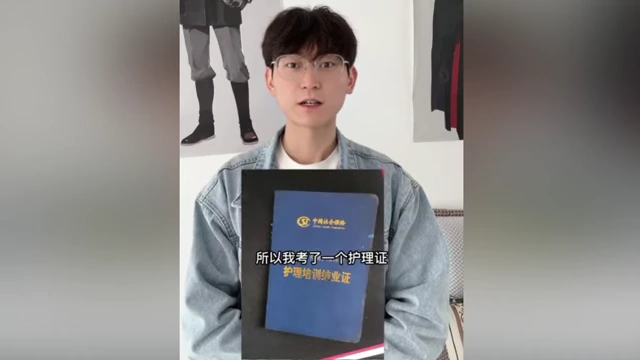
Xiao Ai holding up his nursing certificate, signifying his career change and strategic skill acquisition [ 00:03:14 ] 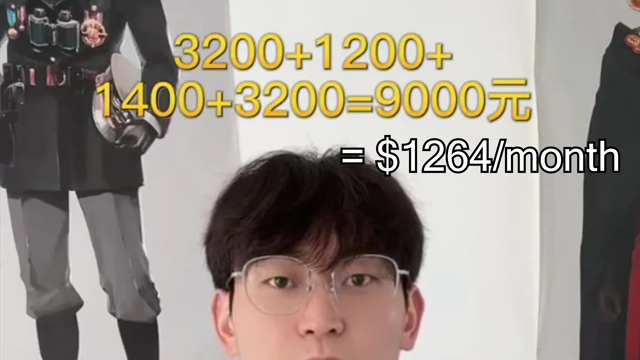
An infographic detailing Xiao Ai's increased monthly income, totaling 9000 yuan from various sources [ 00:03:21 ] 
Xiao Ai working on a truck, illustrating one of his diversified income streams through car parts sales [ 00:03:24 ] 
Xiao Ai posing for magazine features, showcasing his new role as a part-time blogger with media recognition [ 00:03:28 ] - Motivation for Change:
- After a blind date rejected him for being "broke" (low income), Xiao Ai committed to increasing his earnings.
- Strategic Skill Acquisition:
- Studied for a nursing certificate.
- Began caring for the elderly.
- Result: Tripled his monthly income from 3,000 to 9,000 yuan.
- Diversified Income Streams:
- Juggled car parts sales, caregiving shifts, and earned side cash from social media as a "part-time blogger with magazine features."
- Motivation for Change:
- 6. Ambition and Education [3:32]
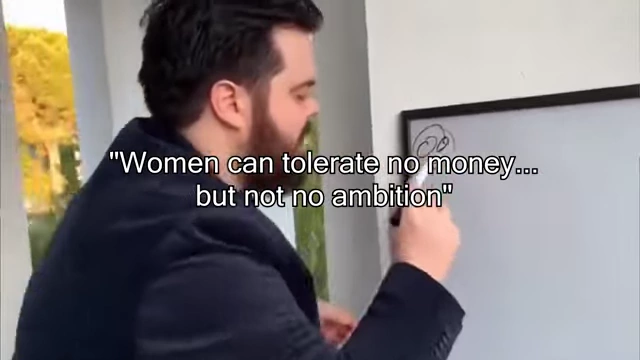
A quote emphasizing that "women can tolerate no money but not no ambition" [ 00:03:37 ] - Pursuit of Intellectual Growth:
- Netizens advised him that "women can tolerate no money but not no ambition."
- Retested his academic qualifications.
- Maintained a strong work ethic, supporting his family and hustling after hours to earn hundreds of yuan daily.
- Pursuit of Intellectual Growth:
The Outcome: A Happy Ending [3:49]
- Dramatic Transformation Revealed [3:49]
A powerful side-by-side comparison of Xiao Ai's initial appearance versus his final, dramatically transformed self [ 00:03:52 ] 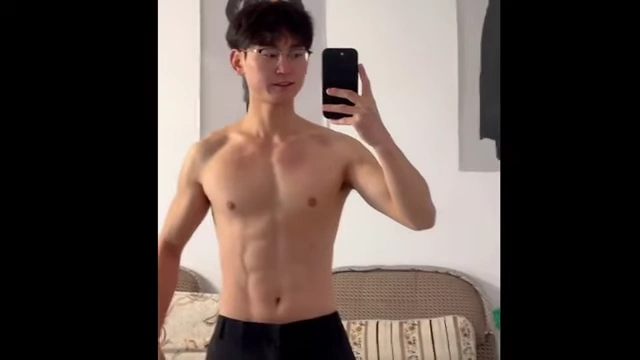
Xiao Ai proudly displaying his chiseled abs, a result of his dedicated fitness regimen [ 00:03:54 ] 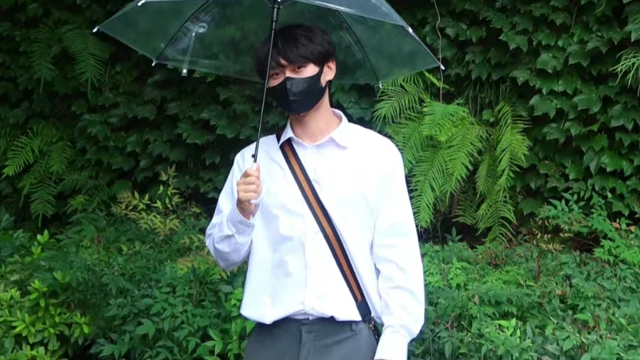
Xiao Ai showcasing his confident, transformed look, resembling a K-drama lead [ 00:04:04 ] - After two years, Xiao Ai revealed his "insane" glow-up with before-and-after photos.
- The "pudgy, awkward uncle" was replaced by a "confident, fit guy with a trendy haircut" resembling a K-drama lead.
- Engagement and Marriage [4:04]
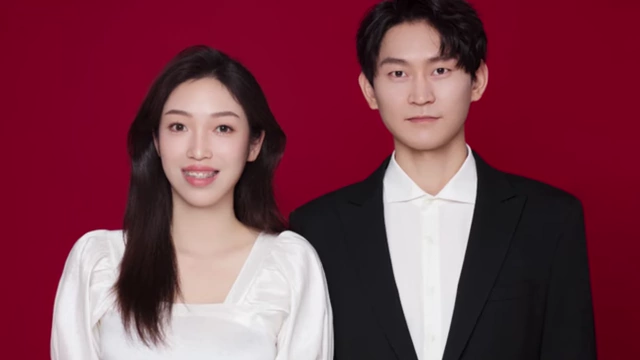
Xiao Ai and his wife's wedding photo, symbolizing the ultimate success of his transformation journey [ 00:04:07 ] 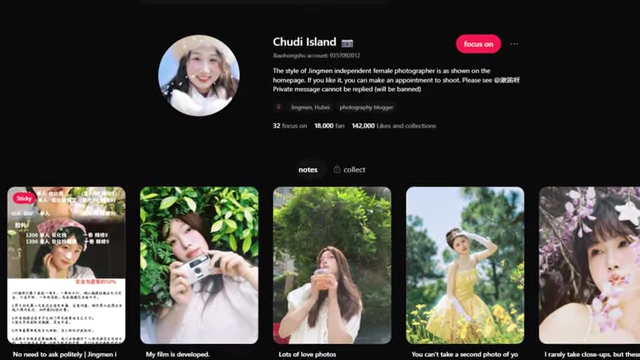
A screenshot of Xiao Ai's wife's photography profile on social media, the only account he followed [ 00:04:09 ] - The ultimate success: Xiao Ai got engaged and legally married.
- Fans discovered his wife was a freelance photographer, the only account he followed.
The Costs of Transformation [4:17]
- Significant Financial Investment [4:17]
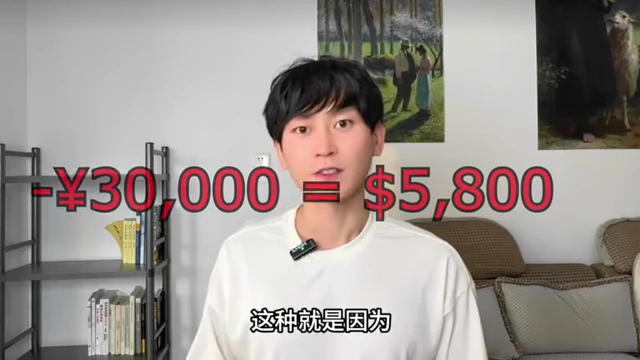
An infographic detailing Xiao Ai's total transformation cost of 30,000 yuan (approximately $5,800 USD) [ 00:04:23 ] 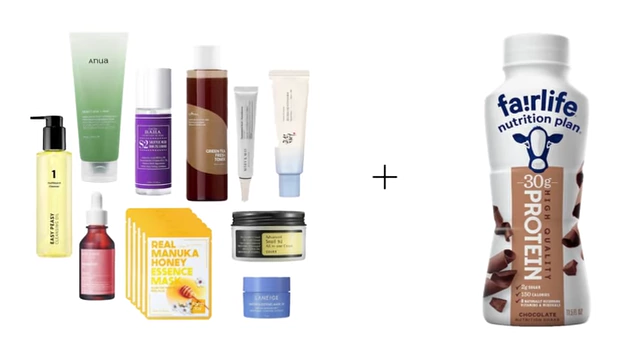
A collection of skincare products and protein powder, representing the types of investments Xiao Ai made for his glow-up [ 00:04:31 ] 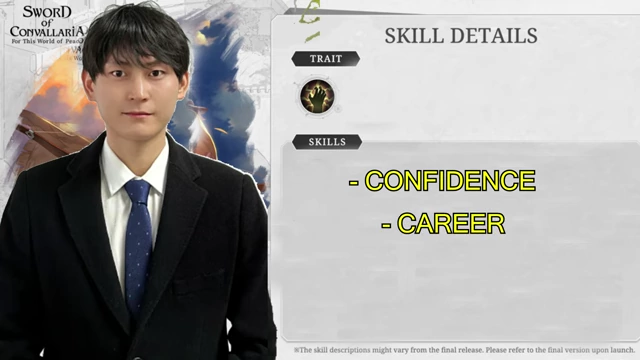
Xiao Ai's updated "skill details" highlighting his gains in confidence and career after his transformation [ 00:04:36 ] - Xiao Ai admitted to spending 30,000 yuan, approximately 70% of his income, on his glow-up.
- This was likened to investing in crypto, but with products like moisturizer and protein powder instead of digital assets.
- Investment Paid Off [4:31]

Xiao Ai and his wife smiling together, illustrating the happy couple content he now shares [ 00:04:48 ] - The expenditure proved worthwhile, leading to increased confidence, a better career, and marriage.
- Netizens joked it was like "watching 100 girlfriends grooming one dude."
The Broader Phenomenon and Criticisms [4:53]
- Prevalence Among Chinese Millennials and Gen Z [4:56]
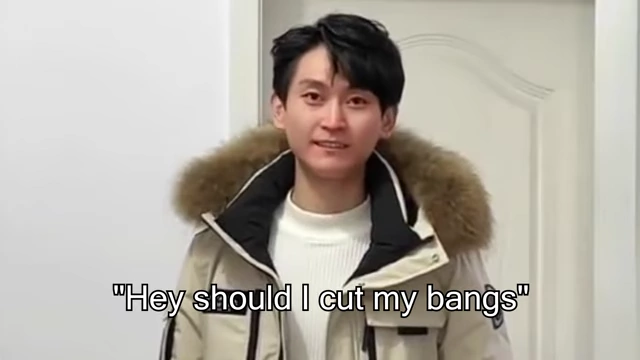
Xiao Ai in a winter jacket, illustrating the "socially constipated" nature of many Chinese millennials and Gen Z [ 00:05:07 ] - Many Chinese millennials and Gen Z are "socially constipated," struggling with real-life conversations.
- Online platforms offer a less intimidating space to seek and receive personal advice.
- Celebrity Participation and "Mask Oppas" [5:30]
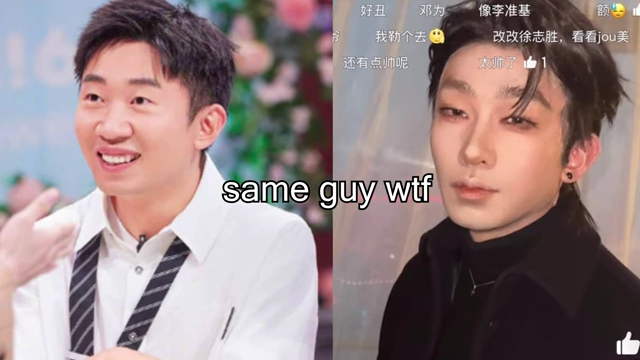
A before-and-after comparison of comedian Yang Di, showing his stunning K-pop idol makeup transformation [ 00:05:48 ] 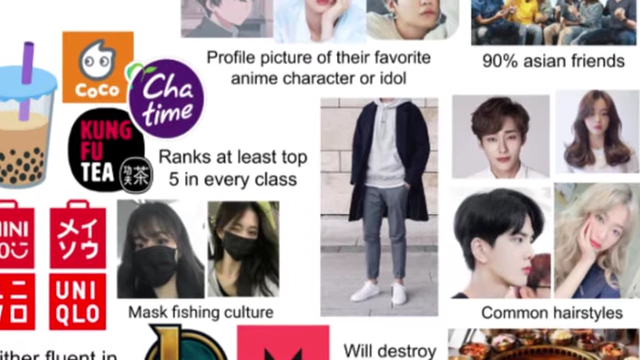
An infographic illustrating the common characteristics and popularity of "mask fishing culture" among young Asian men [ 00:07:23 ] 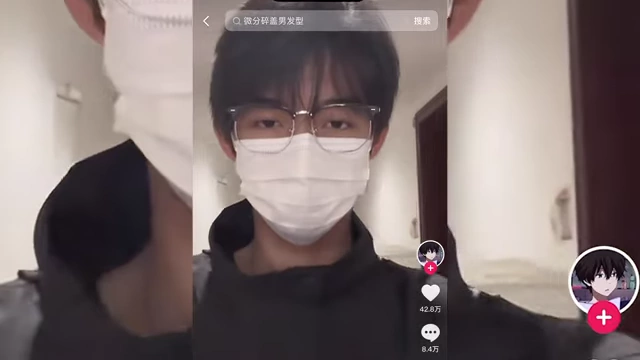
A transformed "mask oppa" on Douyin, featuring a trendy haircut, glasses, and a mask to enhance his perceived attractiveness [ 00:07:34 ] 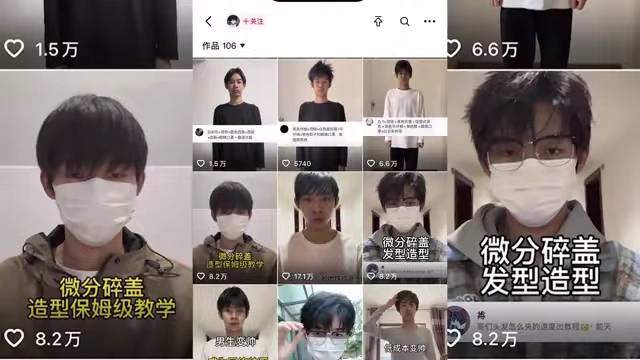
A grid of various "mask oppas" on Douyin, highlighting the widespread trend of simple transformations using masks and hairstyles [ 00:07:42 ] - The trend is mainstream, with even celebrities like comedian Yang Di undergoing K-pop idol makeovers that stunned netizens.
- The "mask oppa" trend on Douyin highlights how simple changes like a specific haircut, glasses, and a mask can transform an "average dude" into a perceived "K-pop OPA" or "heartthrob."
- Netizens often comment that "any guy with his haircut and a mask is a public safety hazard" due to the dramatic change in appearance.
- Commercial Aspects [6:00]
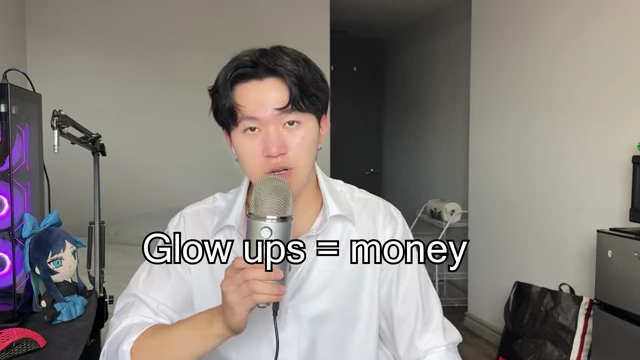
A text overlay stating "Glow ups = money", indicating the commercial value of personal transformations on social media platforms [ 00:06:02 ] - The "glow-up" trend is a significant revenue driver for social media platforms.
- Purchases of recommended clothes, gym memberships, skincare, and supplements generate affiliate sales, directly linking user transformations to platform earnings.
- The Dark Side of Online Scrutiny [6:25]
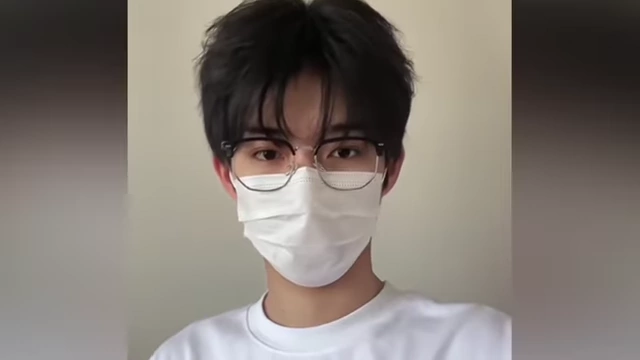
The "mask oppa" with his face partially covered by a mask and glasses, showcasing the 'witness protection' effect before revealing his full face [ 00:08:27 ] 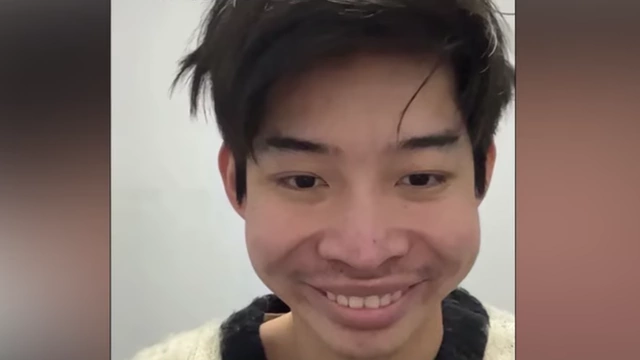
The "mask oppa" unmasked, revealing his full face and highlighting the dramatic difference from his masked appearance [ 00:08:28 ] - Not all feedback is gentle; comments can be brutally honest, focusing on perceived flaws like height, income, or facial features.
- The pressure to conform to unrealistic "K-pop idol" standards on a limited budget can be challenging.
- The "mask oppa" phenomenon also highlights how superficial changes can mask underlying features, leading to comments like "he's not ugly, you just need to cover half his face."
Conclusion: Balancing Advice with Personal Touch [8:31]
- Recommendation for Personal Glow-Ups [8:31]
- For personal transformations, it's advised to start small, seeking advice from trusted friends before exposing oneself to the vast and sometimes harsh internet jury.
- The Essence of True Transformation [8:40]
- The most successful transformations combine external advice with personal drive and individual style, rather than blindly following every comment.