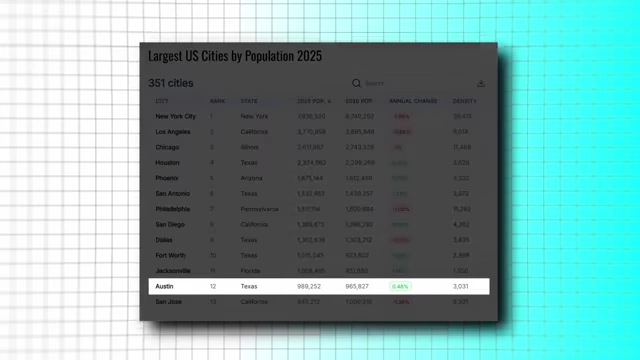
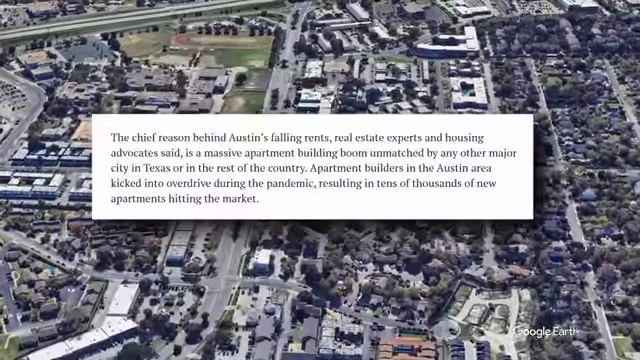
Austin experienced rapid growth from 2010 to 2020, fueled by tech companies like Tesla and Oracle, and an influx of remote workers seeking lower costs and no state income tax, earning it the nickname "Silicon Hills."
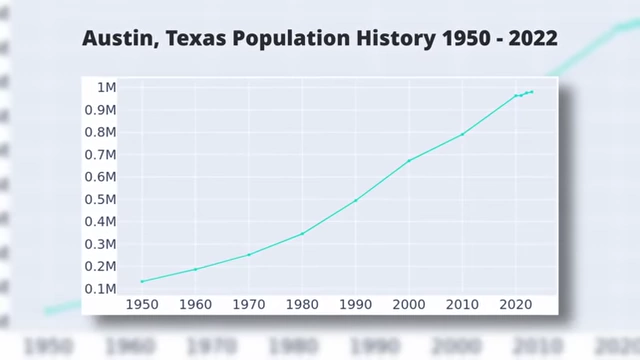
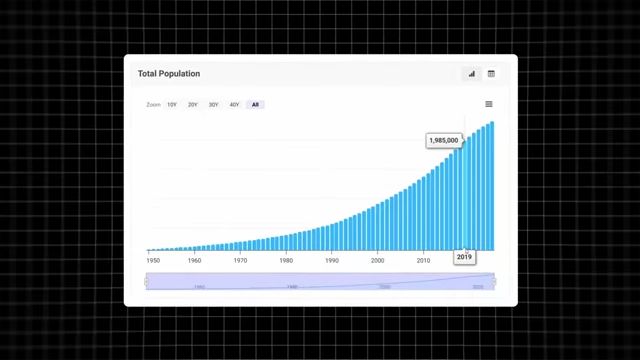
Austin, Texas Population History 1950-2022
[
00:01:28
]
However, this boom led to significant challenges:
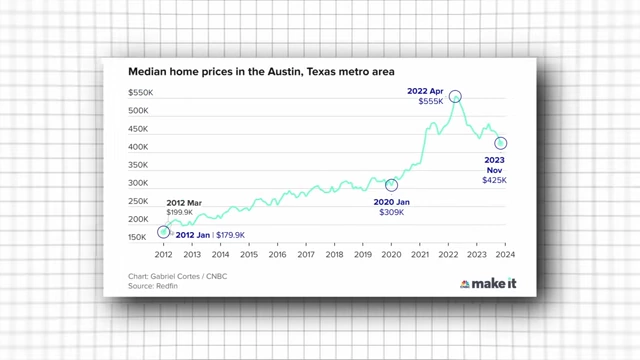
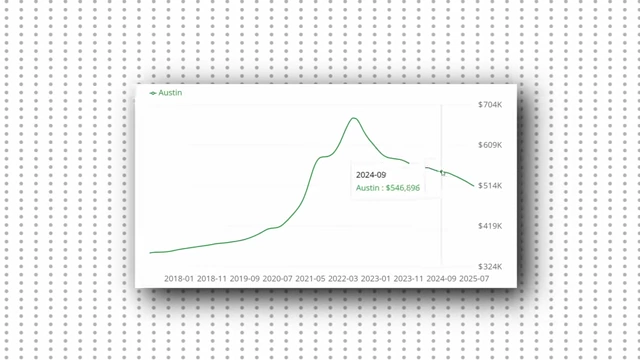
Median home prices skyrocketed from $309,000 in early 2020 to $555,000 by April 2022, and property taxes increased substantially.
Median home prices in the Austin, Texas metro area from 2012-2023
[
00:02:59
]
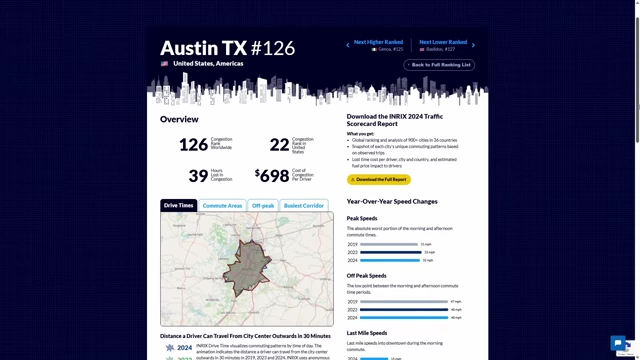
Infrastructure struggled, with Austin becoming the 22nd most congested city in the US, causing drivers to lose 39 hours annually in traffic.
Overview of Austin's traffic congestion data showing it as the 22nd most congested city
[
00:04:44
]
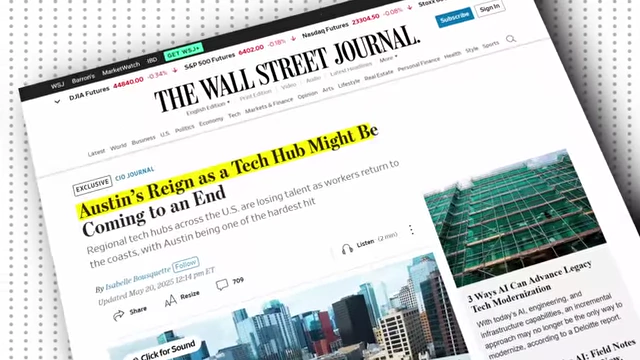
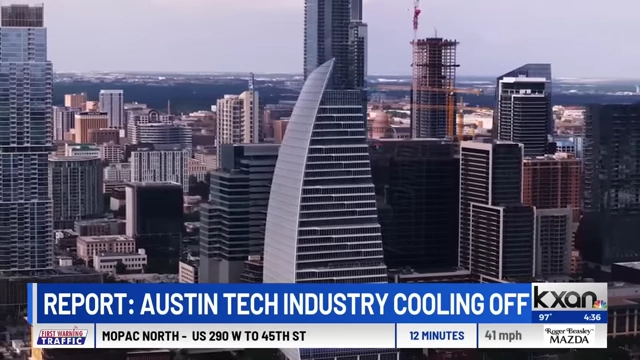
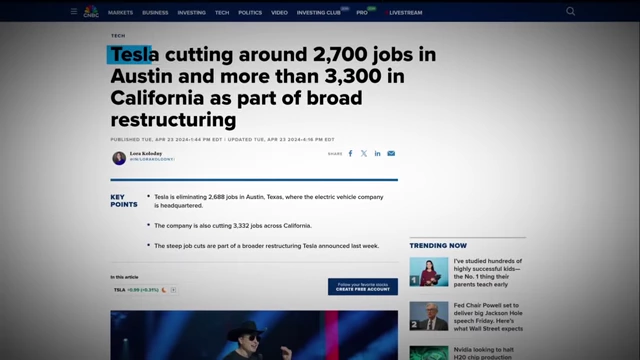
The tech job market cooled dramatically in 2024, with tech employment down 1.6% and startup employment falling 4.9%. Major companies like Meta and Amazon scaled back, Oracle relocated, and Tesla cut over 2,600 jobs.
Wall Street Journal article headline: "Austin's Reign as a Tech Hub Might Be Coming to an End"
[
00:06:16
]
The return-to-office trend caused many pandemic-era transplants to leave, resulting in a net outflow of residents by late 2023.
Graph showing Austin homebuyer trends, indicating a shift from net inflow to net outflow of residents from 2018 to 2023
[
00:07:38
]
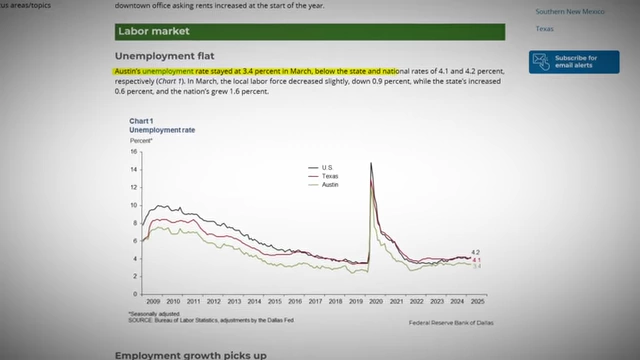
Despite these setbacks, with declining housing prices and rents, Austin's job growth, though slower, remains above the national average, suggesting a rebalancing rather than a full crisis.
Projected median housing price decline in Austin, Texas from 2022 onwards
[
00:07:48
]
Austin's Rapid Ascent and "Silicon Hills" Identity [00:00:00] [00:01:18]
Between 1990 and 2000, Austin's population grew by nearly 200,000 people.
Austin, Texas Population History 1950-2022
[
00:01:28
]
The city earned the nickname "Silicon Hills" due to its burgeoning tech industry, housing companies like Dell, Motorola, and IBM.
Continued Expansion and Pandemic-Era Boom [00:01:40]
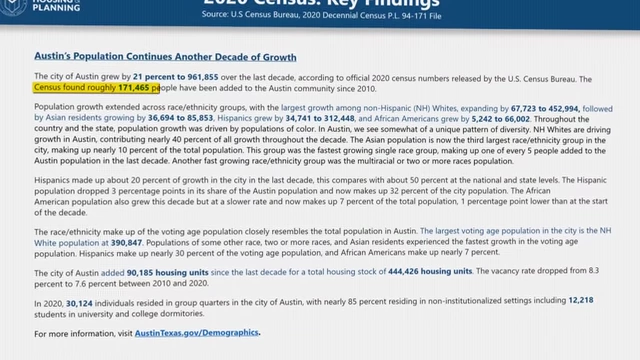
From 2010 to 2020, the city added another 170,000 people, and the metro area grew by over 500,000, making it the fastest-growing large metro in the U.S.
Austin's population growth summary from the 2020 Census Key Findings
[
00:01:42
]
The pandemic accelerated this growth as remote work became standard.
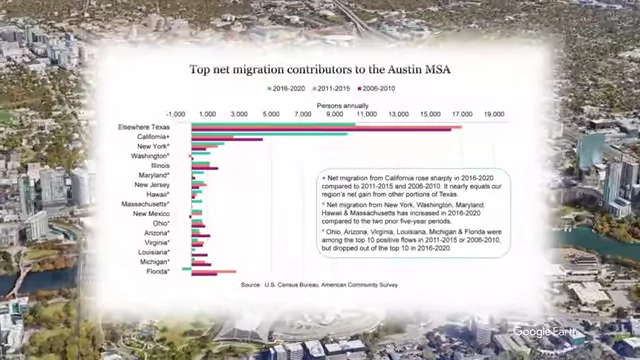
Thousands of tech workers, primarily from California and other expensive cities, moved to Austin, attracted by:
No state income tax.
Significantly lower housing costs (initially).
A growing cultural scene.
A business-friendly environment.
Factors attracting residents to Austin: No state income tax and lower housing costs
[
00:02:10
]
Between 2019 and 2020, Austin's metro area population increased by 67,000, largely due to net migration.
Austin Metro Area Total Population historical graph
[
00:02:22
]
Graph illustrating top net migration contributors to the Austin MSA by region and time period
[
00:00:09
]
Major companies established or relocated their headquarters to Austin:
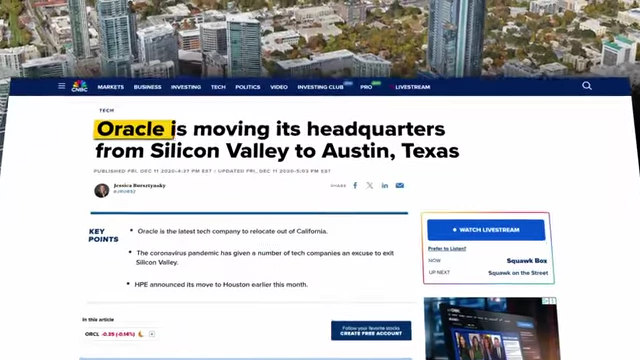
Oracle moved its headquarters in 2020.
News headline: Oracle is moving its headquarters from Silicon Valley to Austin, Texas
[
00:00:31
]
Tesla relocated its headquarters in 2021.
Even public figures like Joe Rogan moved to Austin.
Map of Tech companies and prominent individuals moving to Texas in 2020
[
00:02:29
]
Challenges of Rapid Growth and Rising Costs [00:02:51]
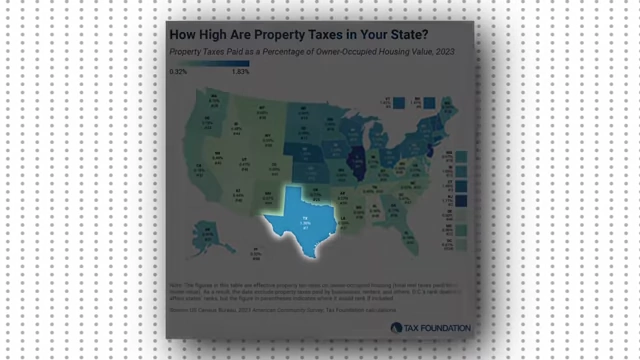
Texas's lack of state income tax is offset by some of the highest property taxes in the country, and Austin is no exception.
Map showing property taxes as a percentage of owner-occupied housing value by state, with Texas highlighted
[
00:03:51
]
The city's property tax rate of approximately $0.48 per $100 in 2025 represents a 34% increase from 2021.
The Austin City Council recently voted to set the maximum property tax rate at $0.60 per $100 for the next fiscal year, a further 25% increase, which sparked public backlash, including from the Texas Governor.
Newsweek article on the Austin City Council voting to set the maximum property tax rate
[
00:04:07
]
Infrastructure Strain and Traffic Congestion [00:04:35]
Rapid growth has severely impacted Austin's infrastructure.
Austin is ranked as the 22nd most congested city in the U.S.
Drivers lose an average of 39 hours per year in traffic.
The distance a driver could travel from the city center in 30 minutes has substantially decreased year-over-year from 2019 to 2024.
INRIX 2024 Traffic Scorecard Report for Austin TX, showing congestion rank and drive times
[
00:04:44
]
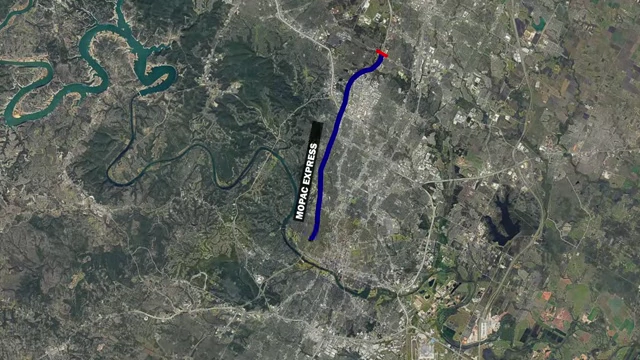
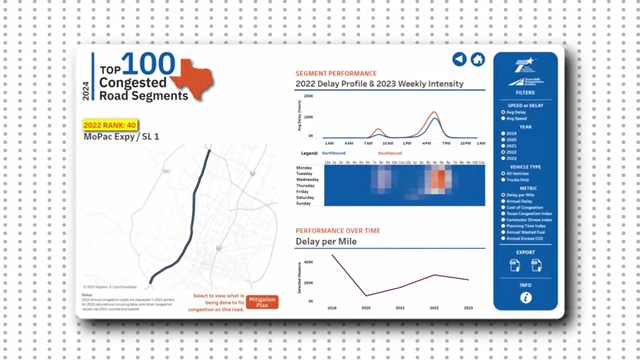
Key traffic arteries like I-35 and Mopac Expressway (Loop 1) are severely congested.
An ongoing $5 billion expansion project for I-35 has received mixed responses, with concerns it might worsen traffic.
KUT News article about the I-35 expansion project in Austin
[
00:05:28
]
Map highlighting the Mopac Expressway, or Loop 1, in Austin
[
00:05:40
]
Report on Top 100 Congested Road Segments, showing Mopac Expressway/SL 1 ranked 40th in 2022
[
00:05:54
]
Cooling Tech Job Market and Corporate Pullbacks [00:06:01]
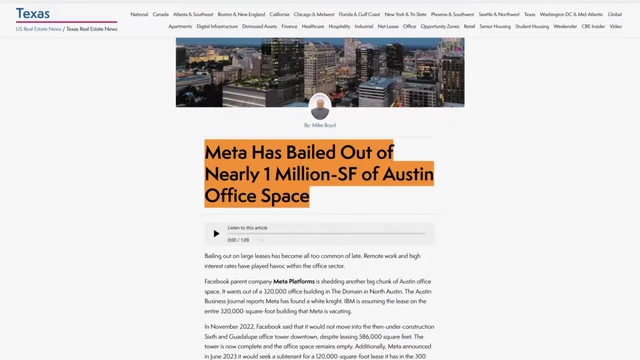
Article headline: "Meta Has Bailed Out of Nearly 1 Million-SF of Austin Office Space"
[
00:06:44
]
Amazon put warehouse projects on hold.
Oracle relocated its world headquarters to Nashville after just four years in Austin.
News headline: "Oracle Moving World HQ to Nashville"
[
00:06:49
]
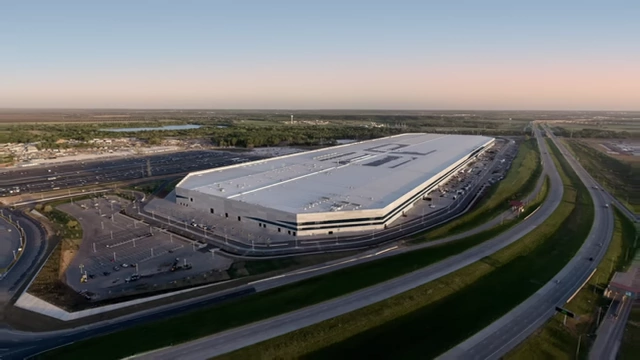
Tesla, despite maintaining its headquarters and investing heavily in its Austin facility, cut over 2,600 jobs in the region in April 2024 as part of a restructuring.
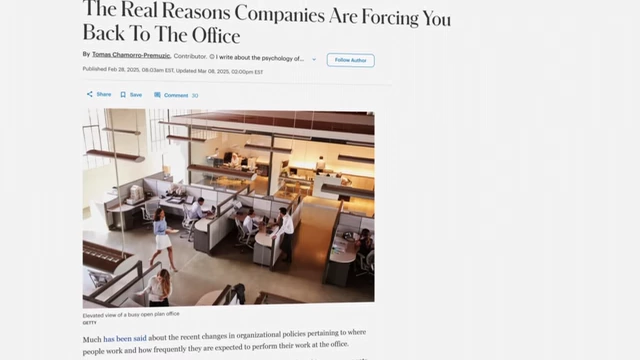
The push for employees to return to the office accelerated the outflow of pandemic-era transplants, particularly those moving back to their headquarters in cities like California, taking their high salaries with them.
Article headline: "The Real Reasons Companies Are Forcing You Back To The Office"
[
00:07:34
]
Austin experienced a net outflow of residents by September 2023, reversing the previous net inflow.
Graph showing Austin homebuyer trends, indicating a shift from net inflow to net outflow of residents from 2018 to 2023
[
00:07:38
]
Austin's Future: Rebalancing and Moderated Growth [00:07:42]
Austin is experiencing a rebalancing phase, similar to other U.S. cities like Phoenix, Denver, and Nashville that saw significant overperformance during the pandemic.
The era of Austin as a "boom town" is over, but the city remains in a relatively stable economic position.