Understanding and Developing Mental Toughness: The 4 Core Components
This video defines mental toughness not as a fixed trait, but as a skill composed of four measurable components.
- Tolerance: How much hardship one can endure before a change in behavior occurs.
- Fortitude: The intensity of behavior change once tolerance is surpassed.
- Resilience: The speed at which one returns to a stable baseline after a behavioral change.
- Adaptability: How one's new baseline compares to the old one after a difficult experience (better, same, or worse).
The speaker illustrates ideal and imperfect behaviors for each component, emphasizing that developing these skills allows individuals to respond constructively to challenges, distinguishing between feeling upset and acting out those feelings. This framework enables continuous self-improvement, crucial for personal growth and business success.
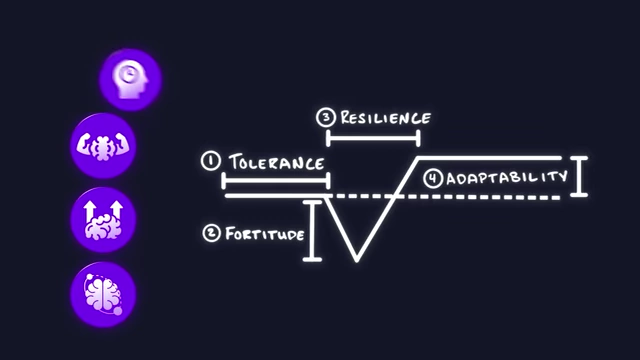
Framework for understanding mental toughness and behavior change [ 00:02:40 ]
Defining Mental Toughness and its Behavioral Framework [0:00]
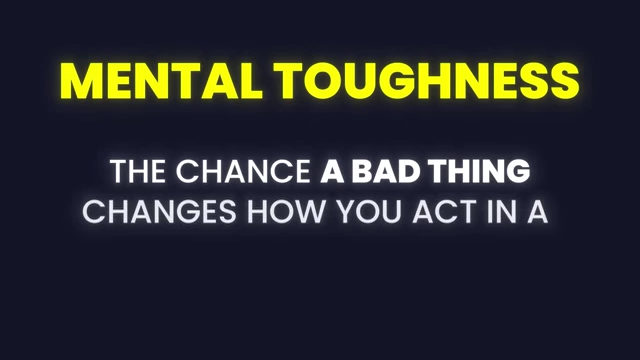
Mental toughness is crucial for success in entrepreneurship and life, focusing on how individuals respond to adversity rather than simply "having" it. It is defined as the inverse probability that a bad event will alter one's actions in a way that conflicts with their goals [0:31].
The speaker introduces a six-step visual framework to analyze one's behavior in response to challenges [0:09]:
- 1. Normal Behavior: One's typical baseline actions.
- 2. Bad Event Occurs: A hardship or a series of hardships that forces a change in behavior.
- 3. Behavioral Change: How low one goes or how upset one gets as a result of the bad event.
- 4. Recovery Time: The duration it takes to return to a stable state after the behavioral change.
- 5. New Baseline: Whether the individual's behavior stabilizes at a better, worse, or similar level compared to the original baseline.
- 6. Degree of Change: The extent to which the new baseline is better or worse.
This framework helps shift the understanding of mental toughness from an amorphous concept to a measurable and improvable skill, akin to resilience.
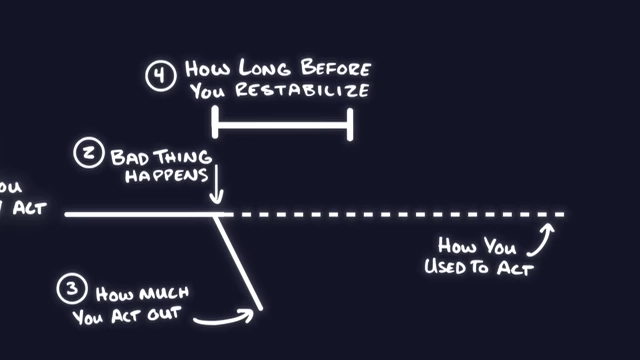
Visual framework for understanding behavioral response to adversity [ 00:01:36 ] - Defining "Bad": A "bad" event is simply something that goes against one's preferences. [2:06]
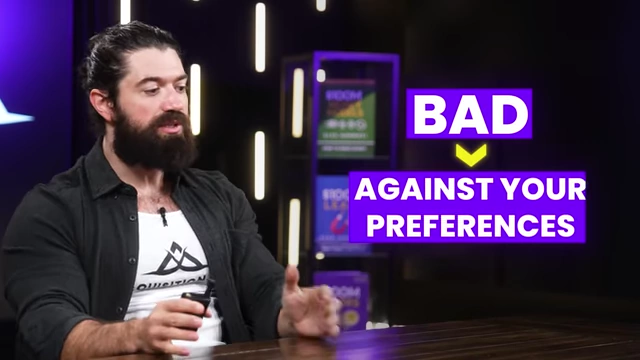
Defining "bad" as anything against one's preferences [ 00:02:11 ]
The Four Components of Mental Toughness [0:28]
Mental toughness is broken down into four distinct, measurable components that collectively determine one's overall mental resilience.
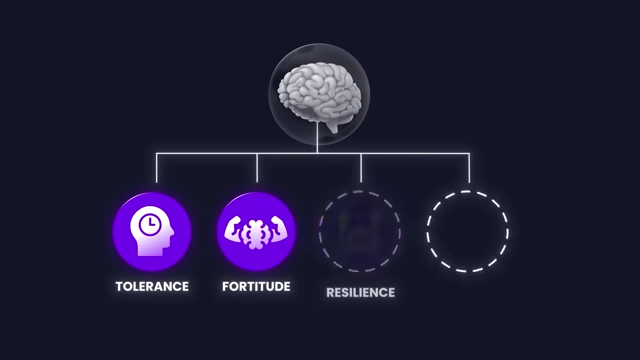
1. Tolerance [0:28]
- Definition: Tolerance is the capacity to endure hardship (number and duration of difficult experiences) before one's behavior changes [0:59].
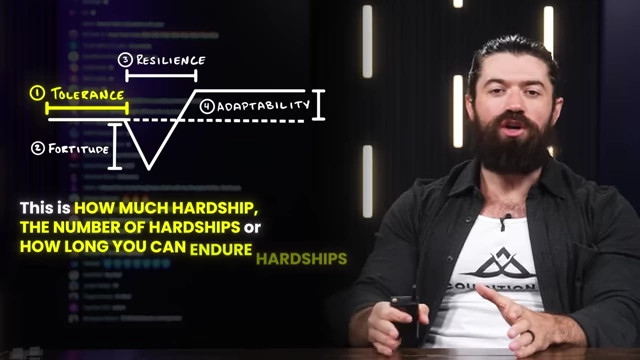
Tolerance measures how much hardship can be endured before a change in behavior [ 00:03:05 ] - High vs. Low Tolerance:
- High Tolerance (Long Fuse): Individuals can withstand significant adversity without exhibiting a change in their intended behavior. [3:15]
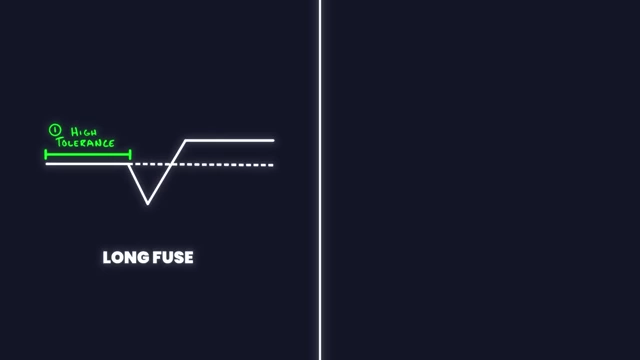
High tolerance (long fuse) means a small dip in behavior after a bad event [ 00:03:33 ] - Low Tolerance (Short Fuse): Individuals react quickly and change their behavior even in response to minor inconveniences. [3:25]
- High Tolerance (Long Fuse): Individuals can withstand significant adversity without exhibiting a change in their intended behavior. [3:15]
- Clarification: Tolerance is not about ignoring pain but about maintaining intended behavior despite adverse circumstances. [3:58]
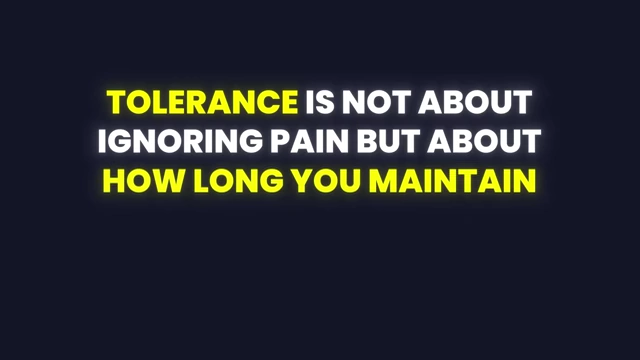
Tolerance is maintaining intended behavior despite adverse circumstances [ 00:04:02 ]
2. Fortitude [0:14]
- Definition: Fortitude measures the intensity of behavioral change once an individual's tolerance threshold has been surpassed. It's about how far down one goes when they "snap." [0:14]
- High vs. Low Fortitude:
- High Fortitude: The behavioral change is minor and quickly controlled, e.g., taking a deep breath and walking away for a few minutes. [0:28]
- Low Fortitude: The behavioral change is drastic and severe, e.g., quitting a job, getting divorced, or resorting to destructive habits. [0:28]
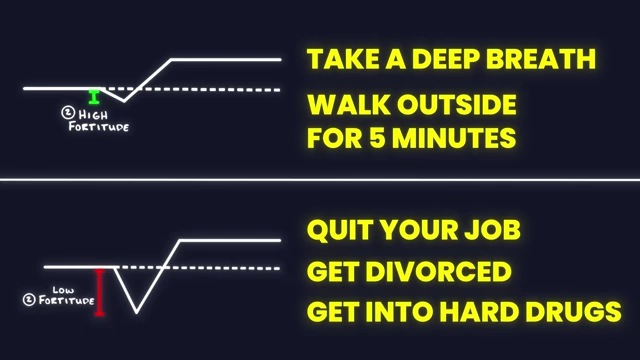
Comparison of high fortitude (minor reaction) vs. low fortitude (drastic reaction) [ 00:04:40 ]
3. Resilience [0:29]
- Definition: Resilience is the speed at which one returns to a new baseline after a behavioral change has occurred due to a negative event. It is a measure of time. [0:04]
- High vs. Low Resilience:
- High Resilience: Individuals bounce back quickly, even from significant setbacks, returning to their normal behavior rapidly (e.g., in 5 minutes). [0:20]

High resilience means bouncing back quickly from setbacks [ 00:05:28 ] - Low Resilience: Individuals take a long time to recover and stabilize their behavior after a negative event, potentially remaining in a "funk" for months or years. [0:39]
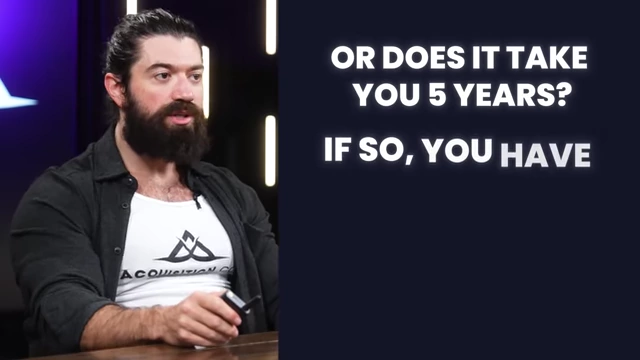
Low resilience means taking a long time to recover from a setback [ 00:05:43 ]
- High Resilience: Individuals bounce back quickly, even from significant setbacks, returning to their normal behavior rapidly (e.g., in 5 minutes). [0:20]
4. Adaptability [0:38]
- Definition: Adaptability assesses how one's new behavioral baseline compares to their old one after a difficult experience. It determines if the experience made them better, worse, or kept them the same. [0:38]
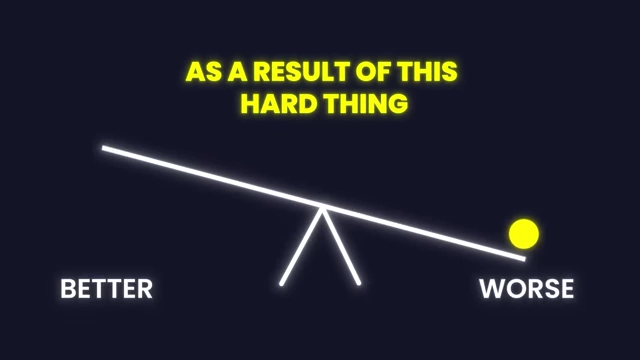
Adaptability determines if an experience makes you better or worse [ 00:06:23 ] - High vs. Medium vs. Low Adaptability:
- High Adaptability (Stronger): The individual stabilizes at a higher new baseline, meaning they grew stronger and improved as a result of the hardship. [0:39]
- Medium Adaptability (Same): The individual returns to their former baseline without significant improvement or decline. [0:40]
- Low Adaptability (Worse): The individual stabilizes below their former baseline, becoming permanently worse off as a result of the hard time. [0:42]
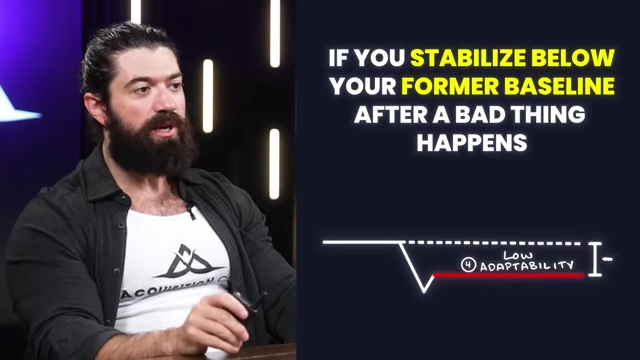
Low adaptability means settling at a lower baseline, becoming worse off [ 00:06:55 ] 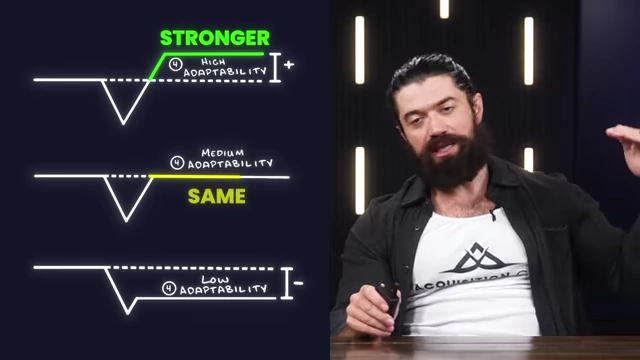
Three levels of adaptability: stronger (high), same (medium), and worse (low) baselines [ 00:07:12 ]
- Concept of Trauma: Any permanent change in behavior resulting from an aversive stimulus (good or bad) is considered trauma. [0:29]
The key is whether this trauma leads to positive growth (high adaptability) or negative deterioration (low adaptability). [0:15]
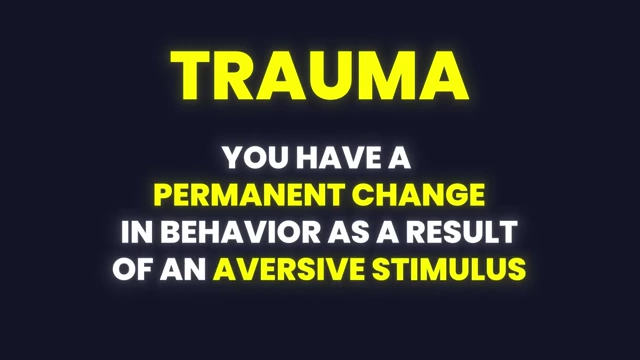
Trauma defined as a permanent behavioral change due to an aversive stimulus [ 00:07:34 ]
The Ideal vs. Imperfect Person [0:55]
The video contrasts the behaviors of an ideally mentally tough person with an imperfect one.
- The Ideal Mentally Tough Person (Maxed out stats) [0:55]:
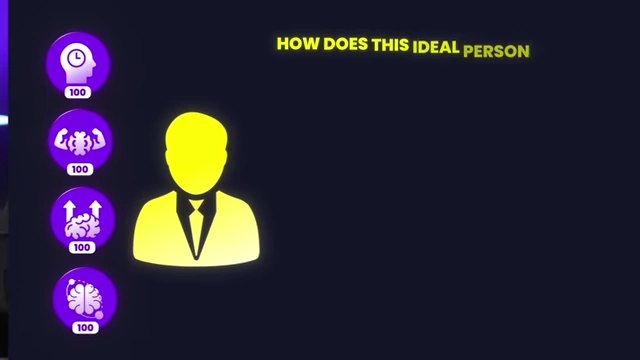
The ideal mentally tough person with maxed-out stats for all four components [ 00:09:13 ] - Possesses huge tolerance, meaning almost nothing bothers them. [0:56]
- Exhibits imperceptible behavior change if bothered, quickly recovering. [0:57]
- Recovers immediately due to high resilience. [0:57]
- Uses the experience to get better, showing high adaptability. [0:58]
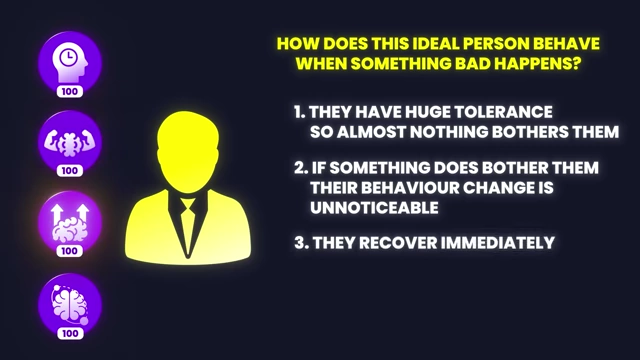
Characteristics of the ideal mentally tough person [ 00:09:28 ] 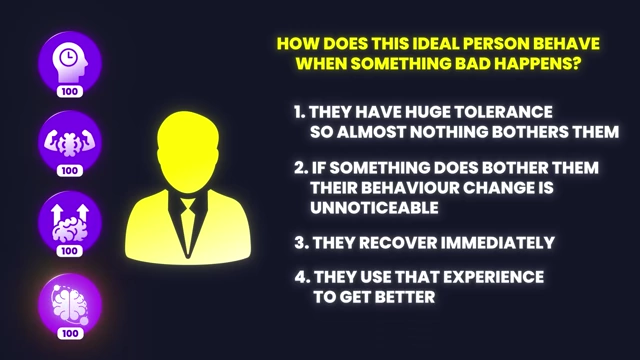
The ideal mentally tough person uses experience to get better (high adaptability) [ 00:09:38 ]
- The Imperfect Person (Mental Weenie) [1:04]:
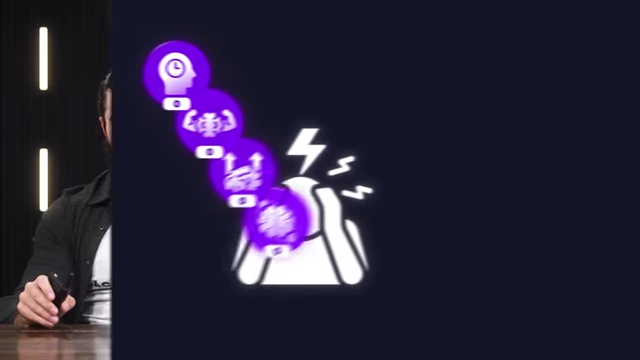
The imperfect person (mental weenie) with zero stats for mental toughness [ 00:10:01 ] - Has low tolerance; even minor inconveniences (e.g., bad weather, slow Wi-Fi) cause significant disruption. [1:10]
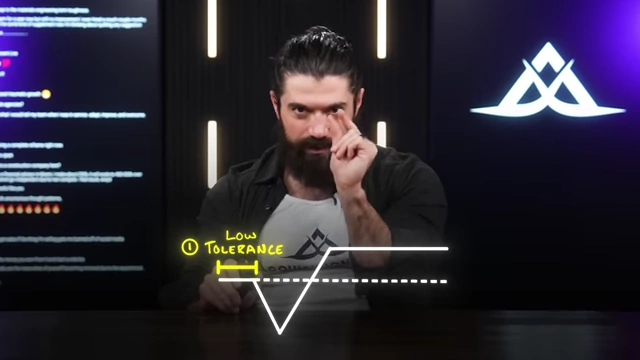
Low tolerance: easily thrown off by minor inconveniences [ 00:10:17 ] - Drastically changes behavior, going "super deep" into negative reactions. [1:25]
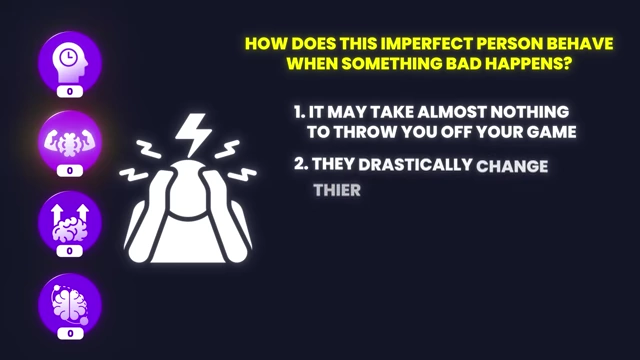
The imperfect person drastically changes behavior with low fortitude [ 00:10:26 ] 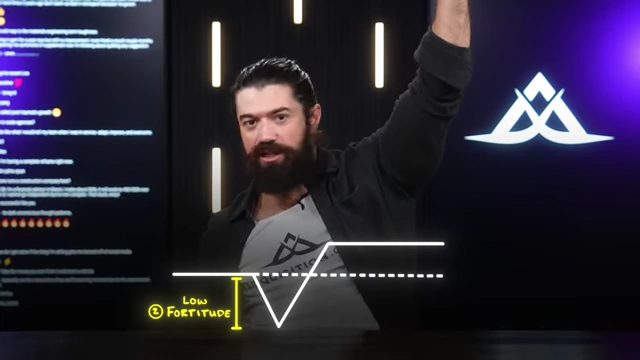
Low fortitude results in a deep dive into negative reactions [ 00:10:30 ] - Stays down for a long time, taking excessive periods to recover (low resilience). [1:40]
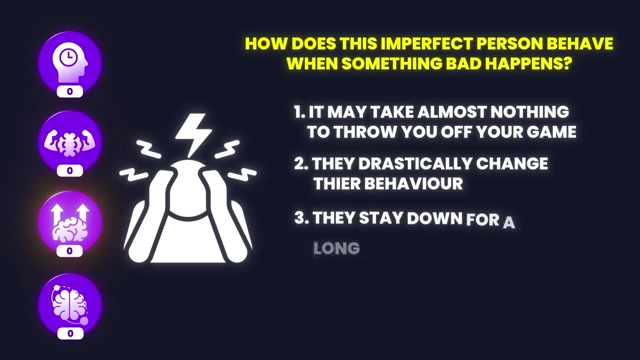
The imperfect person stays down for a long time due to low resilience [ 00:10:41 ] 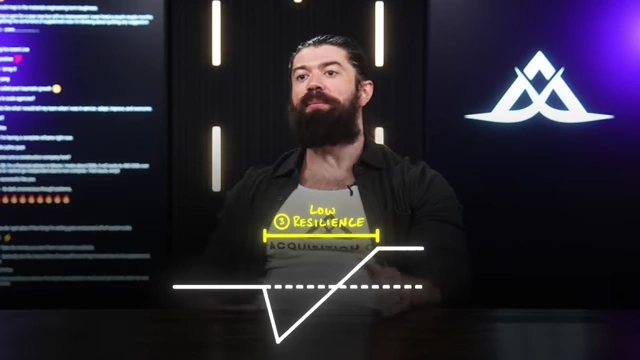
Low resilience means a prolonged recovery period [ 00:10:44 ] - Permanently settles at a lower baseline, becoming worse off as a result (low adaptability). [1:09]
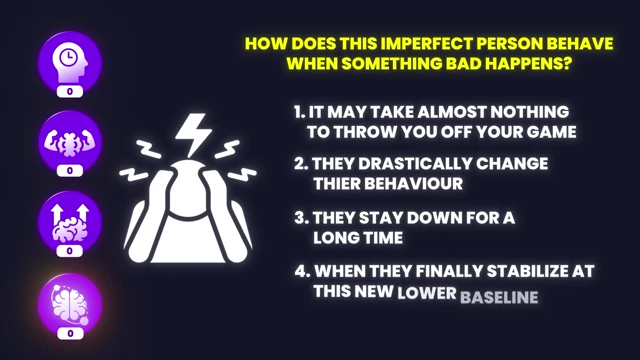
The imperfect person is permanently worse off as a result of a bad experience [ 00:11:08 ]
- Has low tolerance; even minor inconveniences (e.g., bad weather, slow Wi-Fi) cause significant disruption. [1:10]
Developing Mental Toughness [1:46]
Improving mental toughness involves recognizing and intentionally altering one's responses to challenges, transforming it from a trait to a skill. [1:37]
- Improving Tolerance: [1:46]
Strategies to improve tolerance [ 00:12:09 ] - Practice not giving power to external events to ruin your day or moment. [1:46]
- Be more upset about letting something change your behavior than about the thing itself. [1:57]
- Focus on being bigger than the pain. [1:13]

Focus on being bigger than the pain to improve tolerance [ 00:12:15 ] - Continue to behave as normal despite adversity by first recognizing deviations from your normal behavior. [2:24]
- The faster you catch yourself from "spinning out," the quicker you can recover. [1:48]
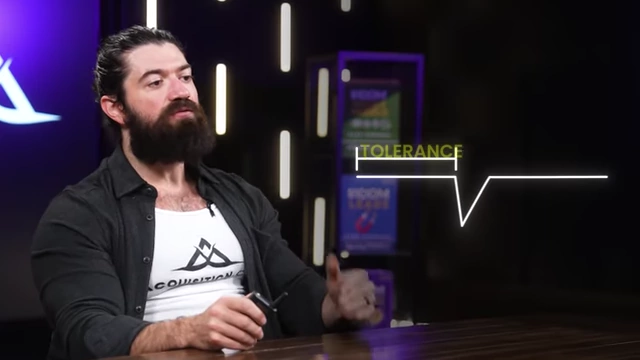
Improving tolerance means catching oneself faster from behavioral changes [ 00:12:48 ]
- Improving Fortitude: [1:30]

Strategies to improve fortitude [ 00:13:03 ] - Recognize when you've acted out and use it as an opportunity to demonstrate strength. [1:30]
- Make a conscious decision to reverse the momentum of bad behavior and begin the ascent back to baseline. [1:48]
- Separate feelings from actions; just because you feel a certain way doesn't mean you have to act that way. [1:30]
Improving mental toughness doesn't invalidate feelings, but separates feelings from actions [ 00:14:03 ] - The goal is for behavior not to change despite feelings. [1:08]
The goal is for behavior not to change despite feelings [ 00:14:21 ]
- Improving Resilience: [1:08]
Strategies to improve resilience [ 00:14:25 ] - Focus on returning to baseline as fast as possible. [1:08]
- As soon as you hit "rock bottom" in an upset period, reverse course completely, full throttle back to normal. [1:42]
- Take control by deciding not to let bad events dictate behavior. [1:47]
Take control by deciding not to let bad events dictate behavior [ 00:14:47 ]
- Improving Adaptability: [1:51]
Strategies to improve adaptability [ 00:14:53 ] - Ask yourself, "How can this bad thing serve me?" and "In what universe would this actually be the beginning of something good?" [1:51]

Ask how a bad event can serve you to improve adaptability [ 00:15:04 ] - View challenges as opportunities for growth, understanding that significant growth often follows major upsets. [1:51]
- Frame life as a story where you are the protagonist, always moving towards a happy ending, choosing actions that advance the plot. [1:41]
- Ask yourself, "How can this bad thing serve me?" and "In what universe would this actually be the beginning of something good?" [1:51]
- Separating Feelings from Actions [1:41]:
- It's a sign of maturity to feel emotions without acting them out negatively. [1:41]

Separate feelings from actions: feeling bad doesn't necessitate acting badly [ 00:16:35 ] - Guilt (breaking your own rules) and shame (breaking others' rules) are only useful if they prompt positive behavioral change. [1:07]
- It's a sign of maturity to feel emotions without acting them out negatively. [1:41]
- Biological Factors and the Choice Point [1:10]:
- Biological factors like sleep and nutrition can affect mental toughness (e.g., lack of sleep reduces tolerance). [1:10]
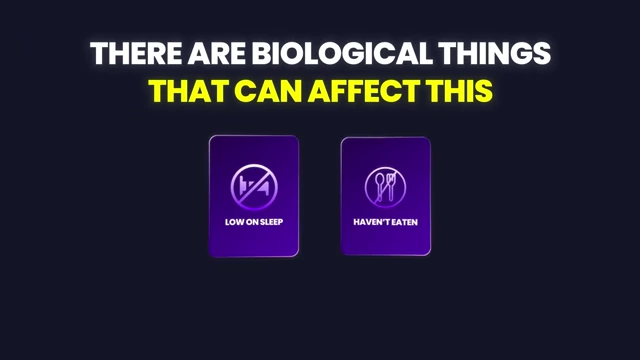
Biological factors like sleep and nutrition influence mental toughness [ 00:18:20 ] - However, Viktor Frankl's concept highlights "the gap between stimulus and reaction where we have a choice" to act based on our ideals. [1:14]

Viktor Frankl's concept of the "choice point" between stimulus and reaction [ 00:18:59 ]
- Biological factors like sleep and nutrition can affect mental toughness (e.g., lack of sleep reduces tolerance). [1:10]
- The Importance of Character and Service [1:44]:
- At the end of life, people remember service to others and character (behavioral skills) more than accomplishments. [1:44]

Service to others and character are remembered more than accomplishments [ 00:19:45 ] - Maintaining respectful, loving, appreciative, and grateful behavior, even when in a bad mood, reinforces inner strength. [1:29]

Act with respect, love, appreciation, and gratitude, even when in a bad mood [ 00:21:29 ]
- At the end of life, people remember service to others and character (behavioral skills) more than accomplishments. [1:44]
- The Virtuous Cycle [2:21]:
- Consistently practicing these skills leads to self-reinforcement and development of an unshakable reputation. [2:21]
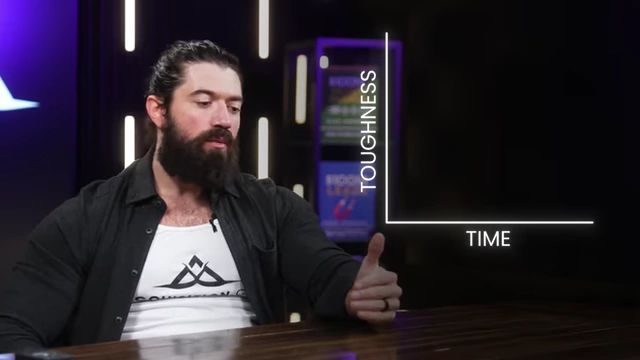
Mental toughness improves over time with consistent practice [ 00:21:45 ] 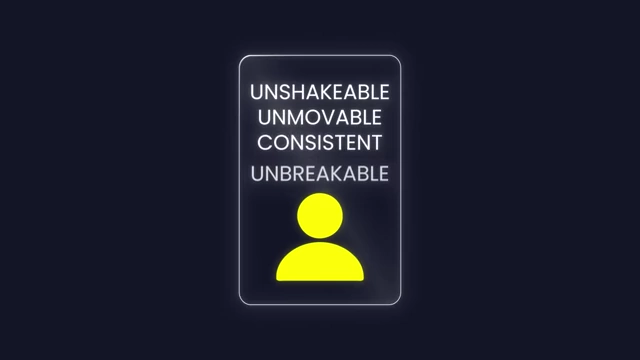
Develop a reputation for being unshakeable and consistent [ 00:21:56 ] - Others will begin to reinforce this identity, further solidifying one's belief and actions in alignment with mental toughness. [2:21]
- Recognizing and reversing behavior in the "valley of despair" is crucial. [2:22]
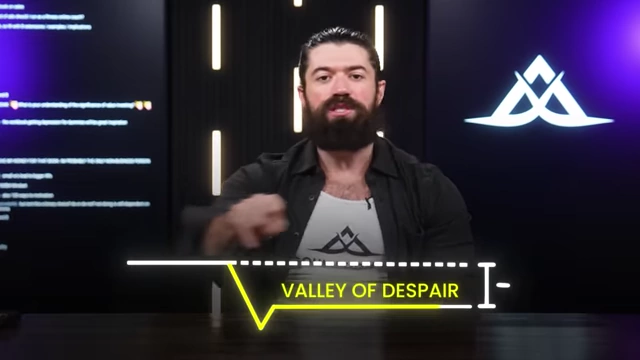
The "valley of despair" represents a period of low resilience and difficulty [ 00:22:26 ]
- Consistently practicing these skills leads to self-reinforcement and development of an unshakable reputation. [2:21]