This video, from an ex-Google and ex-Meta software engineer, exposes alleged abuses of the H-1B visa system and its detrimental effects on the American tech workforce.
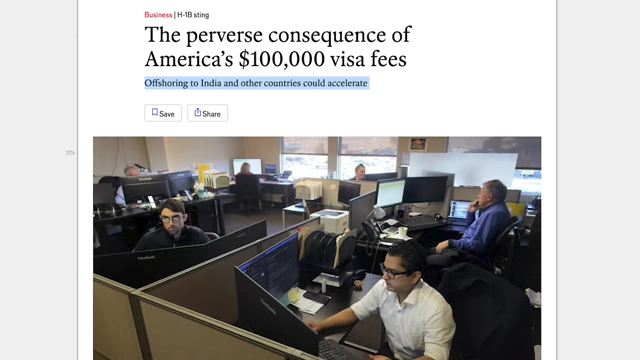
White House document on combating H-1B abuses
[
00:00:05
]
Unemployment among recent Computer Science graduates is significantly higher than other majors, with American tech workers being laid off and replaced by H-1B visa holders.
Major tech companies like Meta allegedly create high-pressure environments where H-1B workers face deportation if not promoted within two years, leading to immense stress and potential mental health crises.
Startups are accused of exploiting loopholes by hiring foreign workers as remote contractors without proper H-1B visas, treating them as full-time employees to access cheaper labor.
The speaker distinguishes between Indian labor, often used for low-wage, basic tech tasks due to their visa dependence, and Chinese labor, sought for top-tier AI and specialized roles from leading universities.
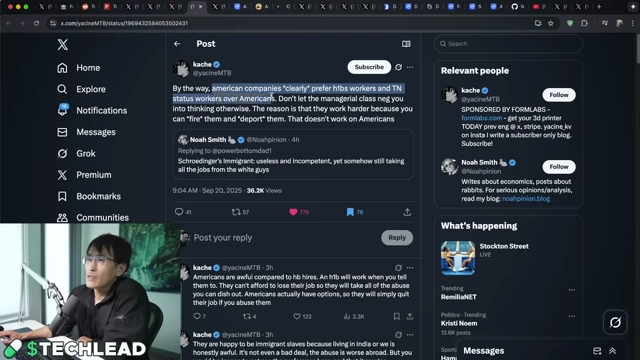
Personal experience at Google revealed "incompetent" co-workers primarily doing basic QA work, often staffed by H-1B holders, suggesting a devaluation of skilled American talent.
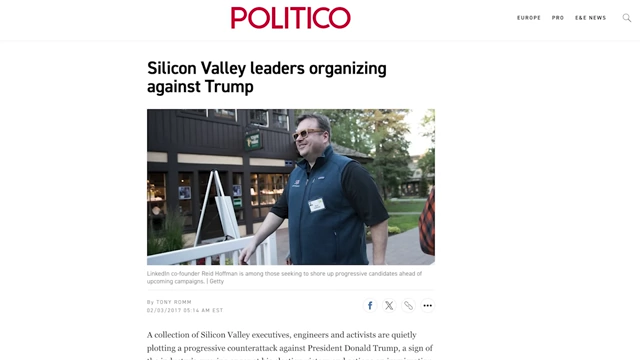
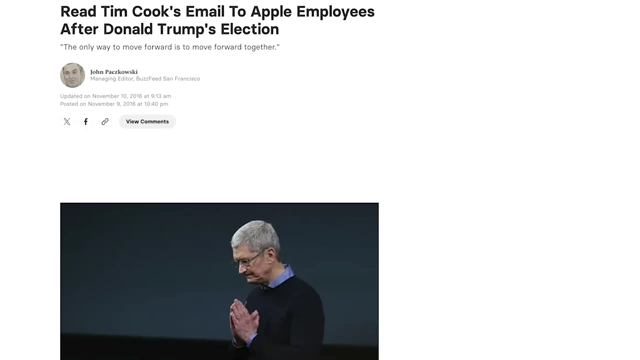
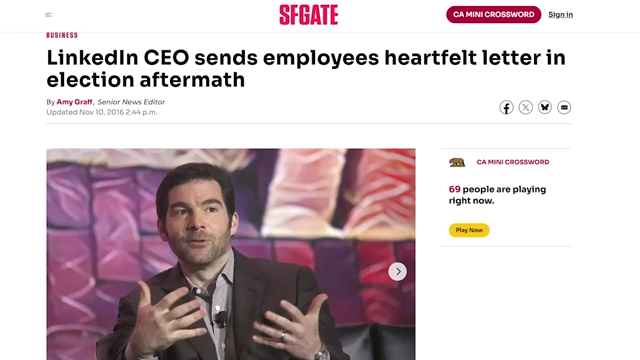
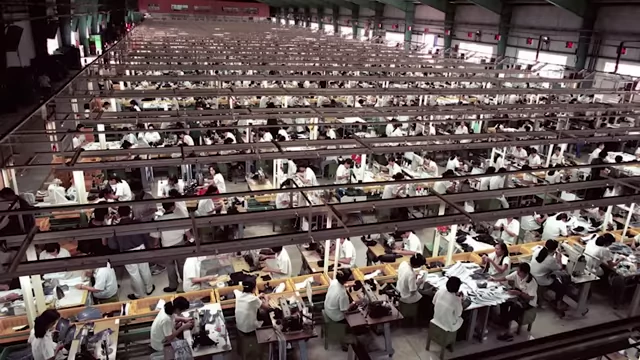
The video argues that open immigration policies, favored by tech companies and reflected in California's political leanings, are driven by a desire for cheap labor to reduce the highest cost in their operations.
The speaker contends that the long-term sustainability of protecting American jobs through borders is questionable, and future success lies in skills like charisma and communication, rather than technical STEM knowledge.
H-1B Visa Abuses and Their Impact on American Computer Science Graduates [0:00:00]
Unemployment statistics highlight a grim reality for American CS graduates.
Unemployment among recent computer science graduates is double that of biology, art, or history majors, reaching 6.7% (and 15% for computer engineering post-graduates).
White House document on combating H-1B abuses
[
00:00:05
]
STEM students were lured by the "learn to code" movement into a field where jobs are scarce upon graduation.
American companies are accused of replacing domestic workers with H-1B visa holders.
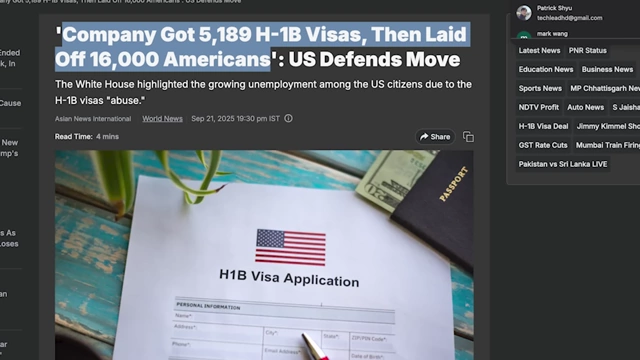
One company was approved for 5,000 H-1B workers in FY2025, while simultaneously laying off 16,000 US employees.
News headline about a company laying off Americans while obtaining H-1B visas
[
00:00:53
]
The speaker shares personal experience of UC Berkeley CS graduates struggling to find jobs, with some resorting to bartending or other non-tech roles.
Exploitation and Pressure on H-1B Workers in Big Tech [0:01:08]
Meta's "promote or get fired" policy creates extreme pressure.
Employees are required to get a promotion every two years, or they face termination.
This policy is particularly stressful for H-1B visa holders, who risk deportation if fired.
A personal anecdote reveals the severe consequences for H-1B visa holders.
The speaker's H-1B co-worker at Meta was panicked about deportation and had to immediately switch teams to find more stability.
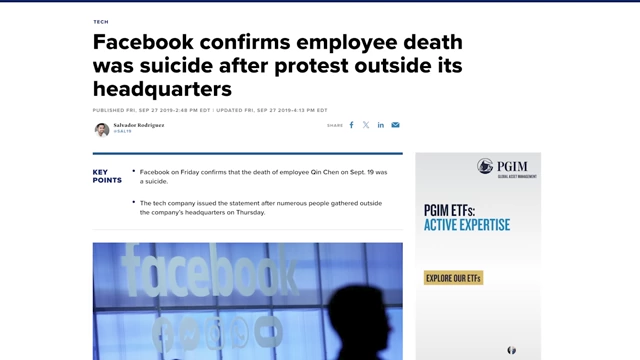
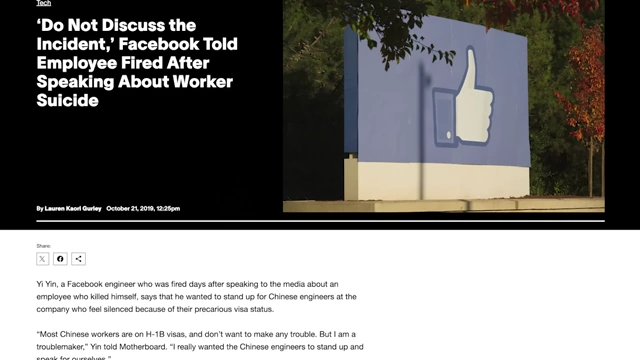
Incidents of employee suicides at Meta highlight the high-pressure environment.
News article about Facebook employee suicide
[
00:01:03
]
News article about Facebook telling employees not to discuss suicide
[
00:01:32
]
Circumvention of H-1B Regulations: The Soham Parekh Case and Remote Work Loopholes [0:01:46]
The Soham Parekh incident exposed how companies bypass H-1B visas.
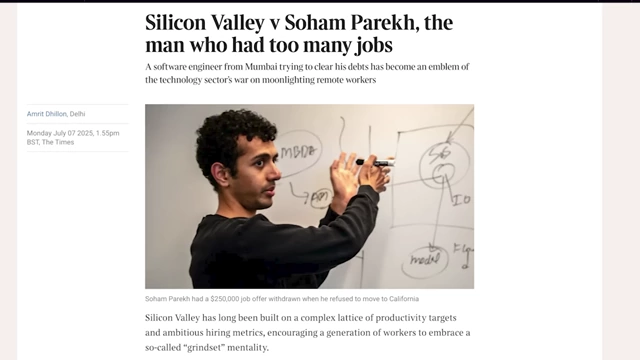
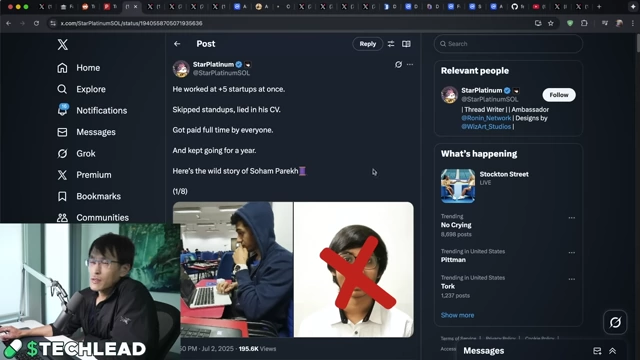
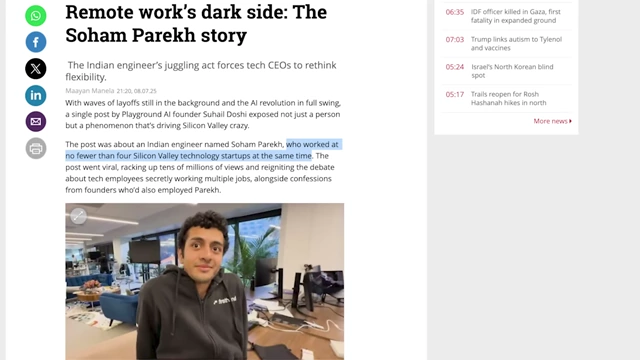
Parekh, a non-US citizen from India, worked remotely for multiple Y Combinator (YC) startups simultaneously.
News article about Soham Parekh working multiple remote jobs
[
00:01:55
]
Screenshot from an interview with Soham Parekh
[
00:02:03
]
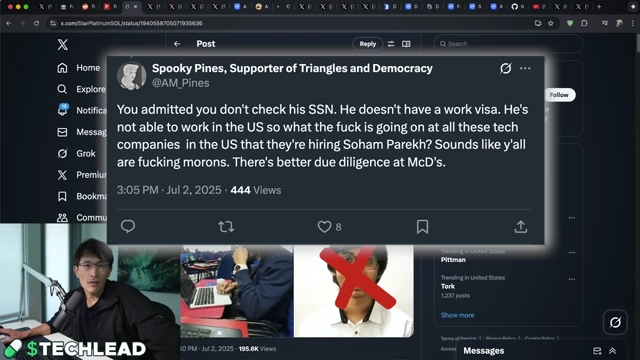
The speaker criticizes the lack of due diligence in hiring.
Companies allegedly failed to check for a Social Security Number (SSN) or work visa, a process typically involved with H-1B applications.
Twitter post questioning hiring practices without checking SSN
[
00:02:23
]
Tweet from Suhail exposing Soham Parekh
[
00:03:00
]
An alleged loophole allows startups to hire cheap labor.
Startups hire foreign individuals as contractors to avoid H-1B visa requirements.
These contractors are then illegally treated as full-time employees, given extensive work, and expected to adhere to full-time employee standards.
News article about Soham Parekh and Silicon Valley
[
00:03:42
]
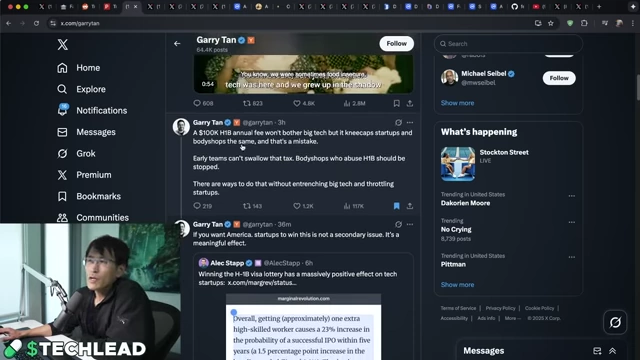
The speaker suspects Y Combinator advises its startups on utilizing this loophole.
Tweet from Garry Tan, YC CEO, opposing high H-1B fees
[
00:04:09
]
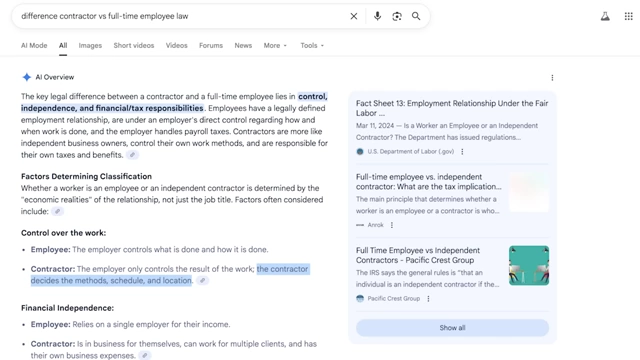
Legal distinctions between contractors and employees are ignored.
Legally, contractors cannot have their work dictated by the employer and should be free to take multiple jobs.
Startups treat these individuals as full-time employees, despite the contractor classification, leading to legal inconsistencies.
Diagram outlining legal differences between contractors and full-time employees
[
00:03:25
]
Categorization and Treatment of Foreign Tech Labor [0:04:32]
Indian labor is primarily used for lower-tier tech roles.
Often employed for basic, low-wage tech tasks such as UI buttons and React frameworks.
These workers are pressured to work harder than American counterparts due to the constant threat of deportation, effectively "chained" to their companies.
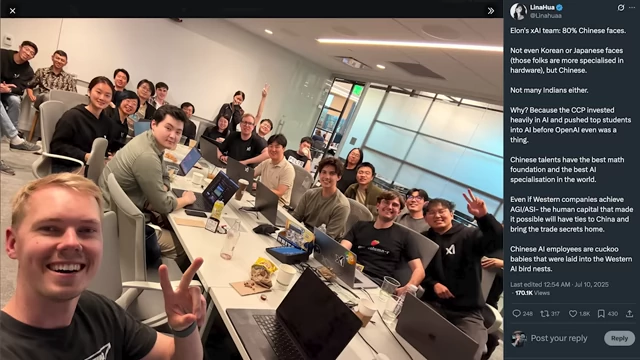
Chinese labor is recruited for high-skilled, specialized positions.
Companies like XAI and Meta's AI teams are observed to employ a significant number of Chinese professionals.
XAI team photo with comments on demographics
[
00:04:25
]
Graphic showcasing Meta's new superintelligence dream team
[
00:05:21
]
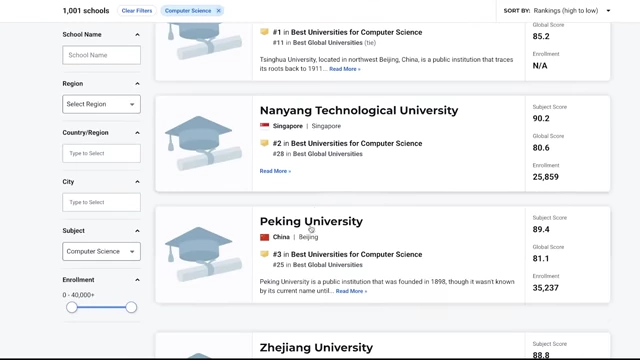
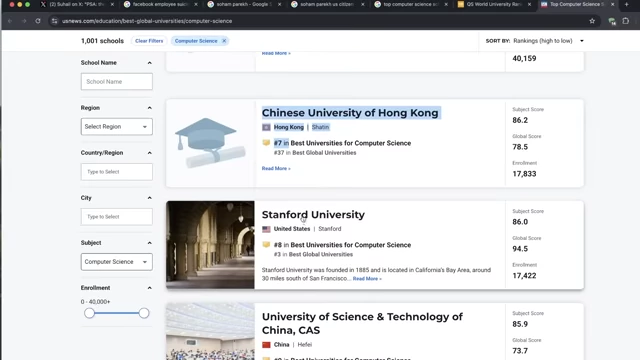
This is attributed to top Chinese universities excelling in computer science and AI.
Ranking of global universities for Computer Science
[
00:05:10
]
Further rankings for Computer Science universities
[
00:05:18
]
Personal Experience and Perceived Incompetence in Big Tech [0:05:56]
The speaker's journey into Google and Meta was long and arduous.
It took 10 years of applying to finally secure a position at Google.
A disillusioning observation of co-worker competence was made.
Despite expecting "top-notch talent," the speaker found many co-workers to be "vastly incompetent" and promoted to tech lead quickly due to this.
Teams were often packed with individuals performing "super basic work," such as quality assurance (QA) or wiring simple buttons.
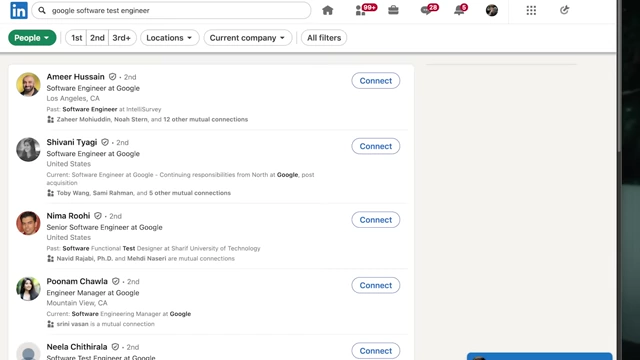
Staffing of QA teams in major tech companies.
Google's entire QA team, for example, is alleged to be staffed by Indian workers, with a single American white manager.
LinkedIn search results for Google software test engineer
[
00:06:45
]
An anecdote from Groupon illustrates further exploitation.
An Indian co-worker's manager intentionally missed the green card filing deadline, effectively keeping the employee dependent on the company.
This practice exploits the vulnerability of foreign workers tied to their employment for immigration status.
The influence of social hierarchies in the workplace.
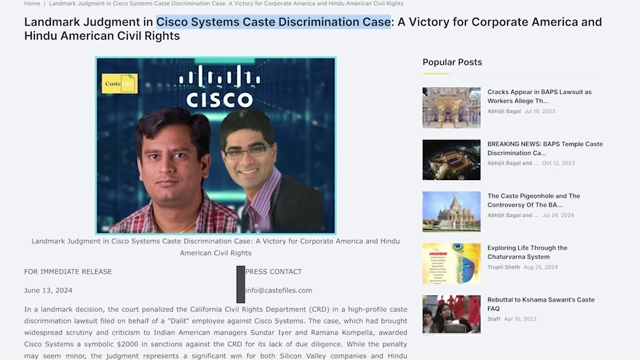
A past news report regarding Cisco's alleged integration of "caste systems" into promotions and workplace dynamics is mentioned, suggesting that cultural biases can be exploited.
News article about caste discrimination case at Cisco
[
00:07:38
]
Broader Implications: Borders, Economy, and Politics [0:07:47]
The role of borders in protecting a nation's standard of living.
Without borders, there's a "race to the bottom" in quality of life, as foreign workers may be willing to accept much lower wages and worse conditions.
Aerial view of a densely packed informal settlement
[
00:08:05
]