How to Consistently Create Videos: A 3-Point Framework for Storytelling and Filmmaking
Summary:
Matti Haapoja shares his 3-point framework for consistent video creation, particularly useful for YouTubers and filmmakers, demonstrated through a failed Faroe Islands trip that became the video itself.
- 1. Have a Game Plan: Start with an idea, bullet points, or a full script to provide direction and permission to begin filming.
- 2. Improvise: Be flexible and film events as they happen, as not everything can be planned. This allows for authentic storytelling, especially when unexpected challenges arise.
- 3. Edit on the Fly: Constantly mentally edit the video during filming, deciding what to capture and what fits the evolving narrative, even if the original plan changes.
This method ensures a video is always produced, turning potential failures into engaging stories.
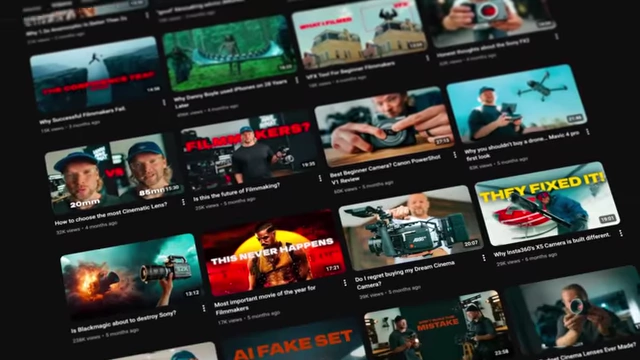
A grid displaying numerous video thumbnails from Matti Haapoja's YouTube channel, indicating his high volume of consistent content [ 00:14:19 ]
Introduction to Consistent Video Creation [0:00]
Matti Haapoja reveals his secret for consistently making videos year after year. He emphasizes that this method not only enables high-volume content creation but also improves filmmaking and storytelling skills over time.
The 3-Point Structure for Consistent Video Production [1:48]
Matti outlines a simple, yet powerful, three-point structure that he uses for making videos consistently, even weekly, for years.
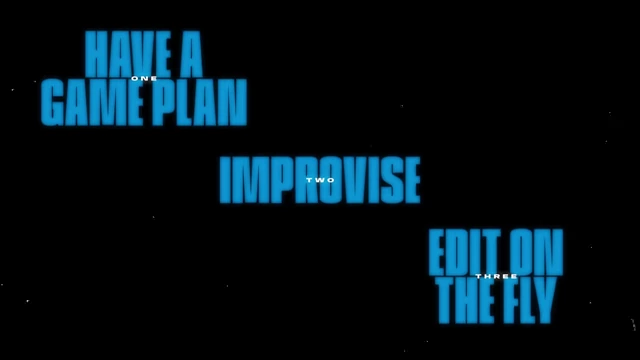
1. Have a Game Plan [1:56]
- The game plan can vary in detail, from a full script to a few bullet points or even just an idea.
- Its primary purpose is to provide direction and "permission" to start filming, overcoming the initial inertia.
- For his planned trip to the Faroe Islands, the initial game plan was to create a three-part series of vlogs, each cohesive but also watchable on its own, focusing on "banger hunting" for cool photos and videos.
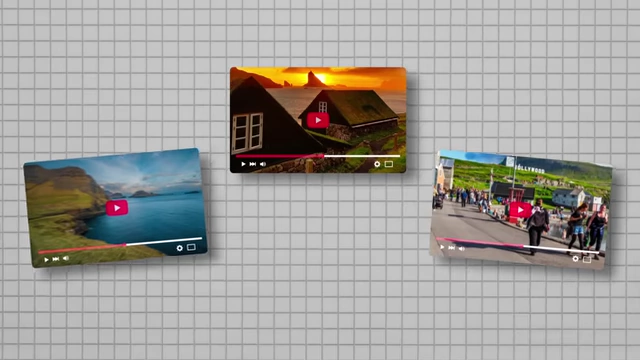
A graphic showing three video thumbnails, representing a planned three-part vlog series from the Faroe Islands [ 00:03:01 ] - Having a game plan allows creators to start capturing useful content from the outset, like airport scenes for a travel vlog.
2. Improvise [3:34]
- Improv is about giving oneself permission to film things as they happen, acknowledging that not everything can be planned.
- Vlogging, in particular, thrives on improvisation, as natural interactions and unexpected events unfold.
- Scripting every dialogue or reaction is impossible; therefore, allowing room for the unplanned enriches the story.
- This constant re-evaluation helps determine what footage is relevant to the evolving story and what is not.
3. Edit on the Fly [9:05]
- This skill, common in documentary filmmaking, involves constantly mentally editing the video while filming.
- It means knowing when to film, what to film, and when to put the camera down.
- Creators assess if current events fit the initial game plan or a newly formed one, continuously shaping the narrative in their minds.
- When the original plan fails, the "editing on the fly" mindset helps adapt by identifying new story elements to capture.
The Faroe Islands Trip: A Case Study in Failure and Adaptation [0:32]
The Original Plan [0:34]
- The trip was conceived as an "epic road trip" to the Faroe Islands, sponsored by a laptop brand.
A graphic depicting a laptop connected to a person, symbolizing a brand sponsorship [ 00:00:41 ] - The goal was to create a three-part vlog series, focusing on capturing stunning visuals and experiences with friends.
- The team included Matti, Peter, his brother, and Tommy, with plans for an epic Airbnb, hikes, and cool activities.
The Travel Fail [1:23]
- The journey began with minor hitches at airport security, with excessive drone checks for a team member.
- The main issue arose during a layover in Iceland: the connecting flight to the Faroe Islands was cancelled due to extreme weather (60-100 km/h winds and heavy rain).
- The cancellation meant missing almost two full days of a planned three-day "strike mission" style trip.
- Faced with uncertain rebooking and continued bad weather, the team had to make a critical decision.
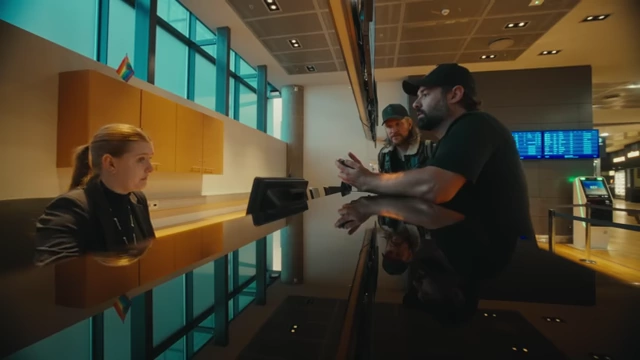
Matti Haapoja and a team member speaking with an airline representative about a cancelled flight [ 00:06:30 ]
The Decision: Return to Toronto [10:46]
- The team considered options: staying in Iceland to improvise a new trip or attempting to go to the Faroe Islands with only one potentially usable day.
- Ultimately, they chose the "most ridiculous" option: taking the first flight back to Toronto.
- This unexpected turn became the new, more interesting storyline for the video.
Applying the 3-Point Structure During the Trip [0:00]
Game Plan in Action [2:41]
- Matti started filming immediately upon arriving at the airport, capturing all moments relevant to the initial Faroe Islands travel story.
- Even with a vague idea, the game plan provided the initial impetus to record.
Improvisation in Action [5:34]
- When the flight was cancelled, the "improvise" mindset allowed Matti to document the real-time reactions and decisions.
- The conversations with airline staff, the discussions among friends about alternative plans, and the overall disappointment became integral parts of the new narrative.
- This flexibility ensures that even when plans derail, there's still a compelling story to tell.
Editing on the Fly in Action [9:05]
- Matti constantly re-evaluated the footage, mentally crafting the story of the "failed" trip.
- He decided which parts of the original plan's footage (e.g., airport security) still fit the new narrative of the travel fail.
- This continuous mental editing ensured that he captured necessary "pivotal moments," like the customer service interaction, to fully tell the story of the unexpected turn of events.
Lessons Learned and Broader Implications [11:31]
Filmmaking as Problem Solving [11:46]
- Matti asserts that filmmaking is largely about problem-solving, identifying the story and finding the best way to tell it, even if it requires creative workarounds like voice-overs or re-enactments.
The Value of Conflict [13:04]
- Unexpected problems and conflicts often make for more engaging and interesting stories.
- He cites other YouTubers, like Mat Armstrong, who benefit from obstacles, as these create narrative tension.
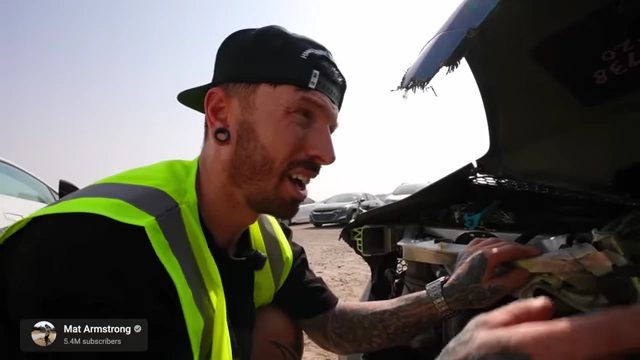
YouTuber Mat Armstrong inspecting a severely damaged car, illustrating how conflict can create engaging content [ 00:13:23 ]
Consistency and Craft [14:11]
- Following this 3-point method consistently, week after week, is crucial for improving storytelling and filmmaking skills.
- Matti attributes his success on YouTube to this consistent practice, contrasting it with Hollywood filmmakers who produce fewer, larger projects.
- He encourages creators to commit to regular video production, avoiding the temptation to quit when challenges arise, as this leads to significant skill development and potential career opportunities.