Dentist's Review: Oral Hygiene Products to Buy, Try, or Skip (Based on Science)
Summary:
Dr. John Yoo reviews 9 popular oral hygiene products, categorizing them as "Buy," "Try," or "Skip" based on clinical evidence, practicality, and cost-effectiveness.
- Buy: Electric Toothbrushes (choose soft bristles, lowest effective intensity), Professional Whitening Gels with Custom Trays (for significant results), Expanding Floss (textured to grab more debris), Tongue Scrapers (effective against bad breath), and Xylitol Gum/Mints (reduces cavity risk, but toxic to pets).
- Try: Oil Pulling (some scientific basis, but lacks strong research) and Nano-hydroxyapatite Toothpaste (promising fluoride alternative, requires 10%+ NHA concentration).
- Skip: Mouth Tape (personal benefits experienced, but limited scientific evidence and potential risks for sleep disorders), Whitening Toothpaste (insufficient bleaching agent for significant results), and U-Shaped Brushes (ineffective for plaque removal).

Review of various oral hygiene products categorized as Buy, Try, or Skip [ 00:09:27 ]
Introduction [0:00]
Dr. John Yoo, a dentist with a decade of experience, evaluates popular oral hygiene products to determine their effectiveness.
Criteria for Rankings [0:12]
Products are assessed based on three key criteria:
- Real Problem? Does the product address an actual oral health issue?
- Real Evidence? Is there legitimate clinical evidence to support its claims?
- Practical + Cost? Is it practical and cost-effective for regular use?

Three criteria for evaluating oral health products: addressing a real problem, backed by legitimate clinical evidence, and being practical and cost-effective [ 00:00:27 ]
1. Oil Pulling (Coconut or Sesame) [0:49]
- Description: An ancient Ayurvedic practice involving vigorously swishing oil (like coconut or sesame) in the mouth for up to 20 minutes.
- Proposed Mechanism: The oil, being lipophilic, binds to the outer membrane of bacteria, potentially reducing plaque and inflammation.

Components of oil pulling, including coconut oil and dental instruments [ 00:00:51 ] 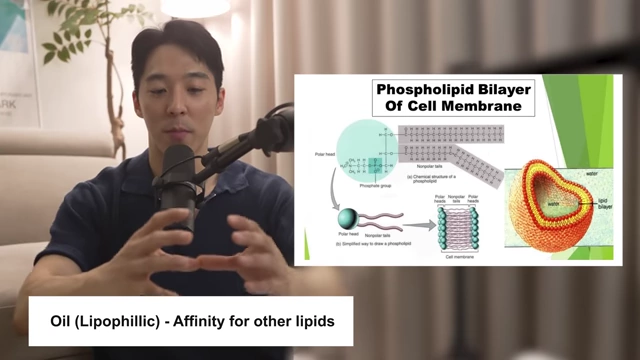
Diagram illustrating the phospholipid bilayer of a cell membrane, showing how lipophilic oil binds to bacteria [ 00:01:12 ] - Claims: Oil pulling claims to offer natural teeth whitening, freshen breath, promote healthy gums, reduce inflammation, and stimulate saliva production.
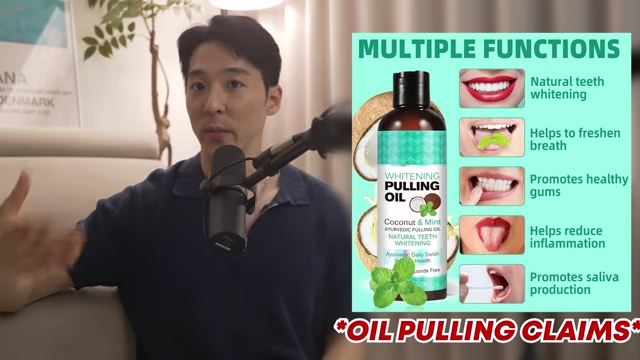
Infographic listing common claims of oil pulling, such as natural whitening and reducing inflammation [ 00:01:17 ] - Evidence: While anecdotal evidence and a plausible mechanism exist, strong clinical research to back up these claims is limited. Studies show it can kill bacteria but there is no strong evidence it reduces plaque and gingivitis.

A woman demonstrating oil pulling with a spoon of oil [ 00:01:05 ] 
Research stating oil pulling can kill bacteria but lacks evidence for plaque/gingivitis reduction [ 00:00:55 ] 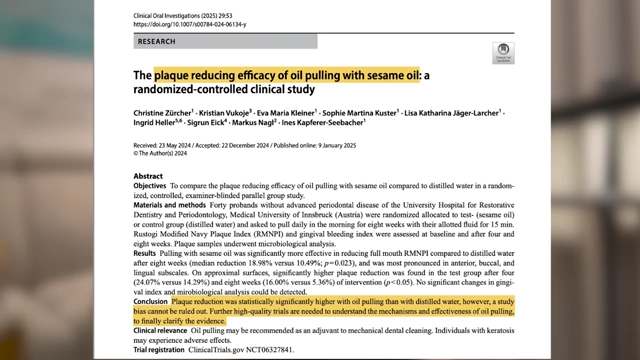
Clinical study abstract on the plaque-reducing efficacy of oil pulling with sesame oil, noting the need for further research [ 00:01:30 ] - Verdict: Try.
2. Mouth Tape [1:55]
- Problem Addressed: Aims to encourage nasal breathing during sleep, addressing issues like mouth breathing, snoring, dry mouth, and increased risk of decay, which can be indicators of underlying sleep disorders.
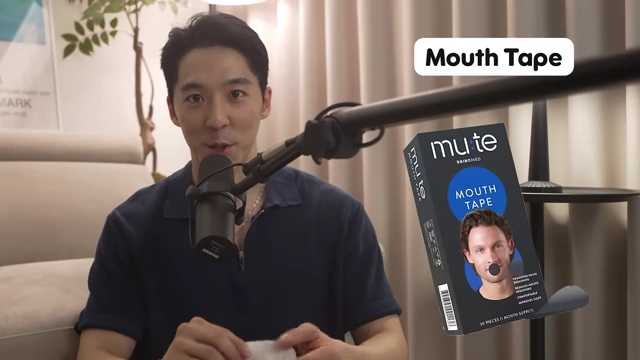
Product packaging for mouth tape [ 00:01:55 ] 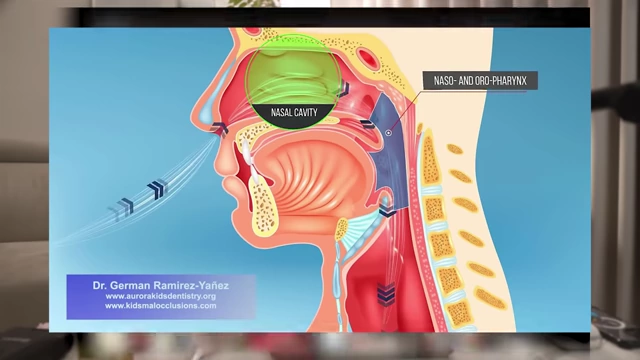
Anatomical diagram showing the nasal cavity and pharynx for nasal breathing [ 00:02:04 ] - Speaker's Experience: Dr. Yoo personally experienced better sleep and less dry mouth.
- Scientific Evidence: Current research is limited and inconclusive, with experts warning of potential risks, especially for individuals with sleep apnea or disordered breathing. It is not a recommended treatment for sleep disorders.
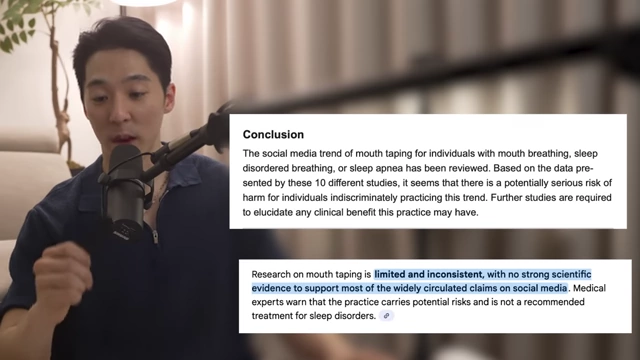
Research conclusion stating limited and inconsistent scientific evidence for mouth taping, with potential risks [ 00:02:34 ] - Verdict: Skip (but can be tried with caution if nasal breathing is easily achievable, as the downside is limited with medical-grade tape).
3. Whitening Toothpaste [2:58]
- Mechanism: Contains a low dosage of bleaching agent (typically capped at ~2% hydrogen peroxide) to avoid gum damage.
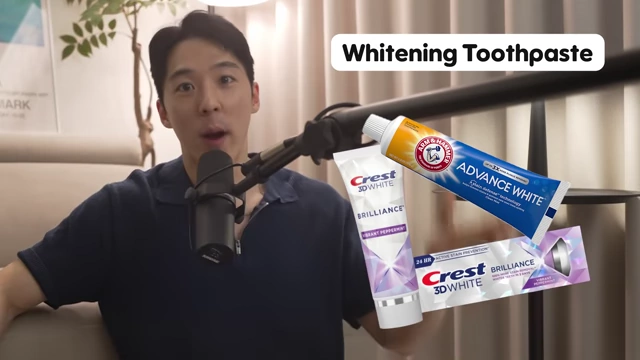
Examples of whitening toothpaste products [ 00:02:59 ] 
Text stating bleaching agent in toothpaste is capped at ~2% hydrogen peroxide [ 00:03:09 ] 
Product label for Colgate Optic White Advanced Whitening Toothpaste, indicating 2% hydrogen peroxide [ 00:03:21 ] - Effectiveness: This low dosage is insufficient to produce clinically significant or lasting whitening results compared to professional in-office treatments (which use 40% hydrogen peroxide under controlled conditions).
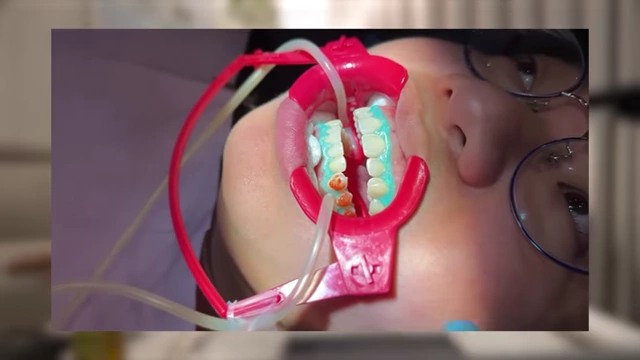
Patient undergoing in-office dental whitening with bleaching gel applied and gums protected [ 00:03:24 ] 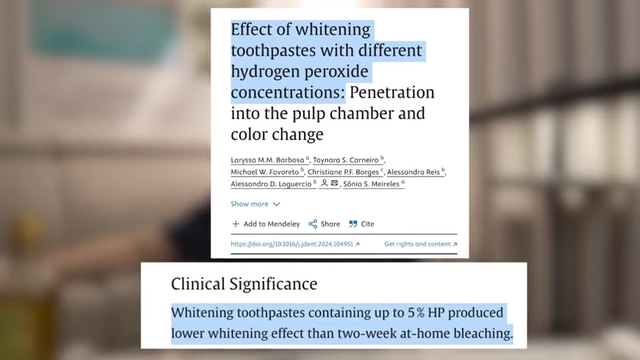
Clinical significance from a study, showing whitening toothpastes produce a lower whitening effect [ 00:03:37 ] - Analogy: Trying to charge a Tesla with a MacBook charger illustrates the insufficient power of whitening toothpaste.
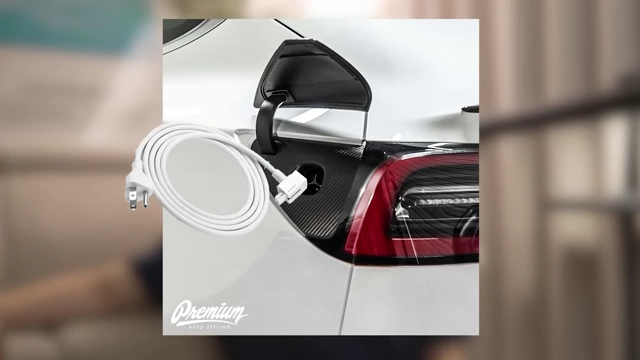
A visual metaphor of charging a Tesla with a MacBook charger, illustrating insufficient power [ 00:03:43 ] - Verdict: Skip.
4. Electric Toothbrushes [3:49]
- Effectiveness: Multiple studies demonstrate that electric toothbrushes are more effective than manual brushes at reducing plaque and gingivitis.

Image of electric toothbrushes [ 00:03:50 ] 
Titles of meta-analysis studies comparing manual versus powered toothbrushes for plaque and gingival health [ 00:03:54 ] - Considerations: Importance of choosing brushes with modifiable intensity and soft bristles to prevent gum damage or recession. Using the Bass brushing technique with a 20-degree angle at the gum line and high vibrations (e.g., 66,000 per minute) is recommended.

Animated diagram demonstrating the Bass brushing technique with bristles angled at the gum line [ 00:04:29 ] - Verdict: Buy (but choose the right product that offers adjustable intensity and soft bristles).
5. Whitening Gels with Custom Trays [5:43]
- Mechanism: Custom-fitted trays, made by a dentist, ensure whitening gels remain in contact with the teeth for extended periods (30 minutes or more).
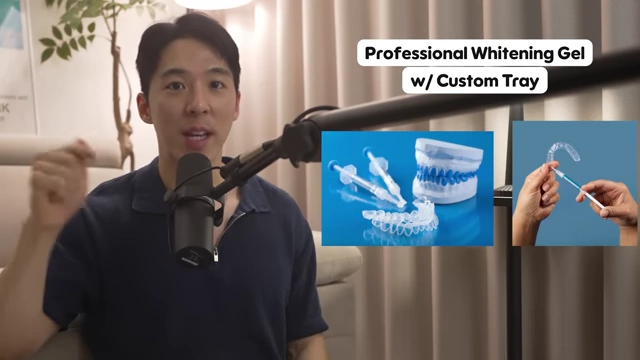
Professional whitening gels in syringes and custom trays [ 00:05:49 ] 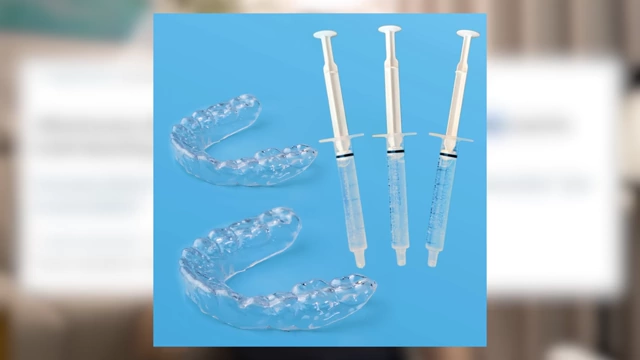
Custom dental trays and syringes of whitening gel [ 00:05:53 ] - Effectiveness: This method allows for a higher concentration of bleaching agents to be applied safely and effectively, producing significant and lasting whitening results.
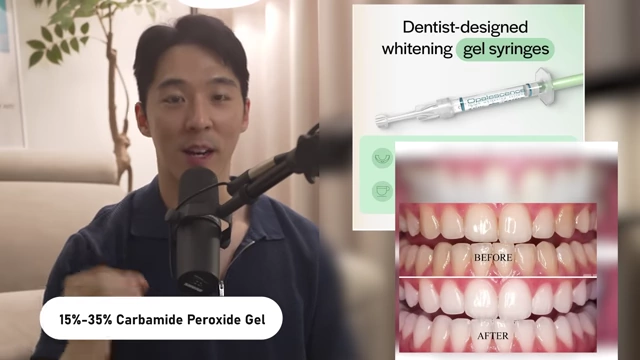
Before and after images of teeth whitening results, highlighting dentist-designed gel syringes [ 00:06:02 ] - Verdict: Buy.
6. U-Shaped Brushes [6:11]
- Concept: Automated mouthpiece devices that vibrate to clean teeth, often marketed as a convenient alternative to traditional brushing.

Examples of U-shaped automatic electric toothbrushes [ 00:06:11 ] - Target Users: Sometimes considered for individuals with limited manual dexterity.
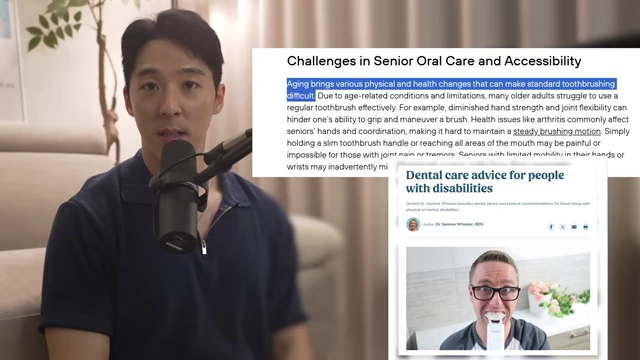
Text regarding challenges in oral care for seniors with limited dexterity and an image of a person using a U-brush [ 00:06:22 ] - Evidence: Studies show these brushes are not effective in removing dental plaque, performing similarly to not brushing at all. They cannot replace the effectiveness of traditional brushing for proper oral hygiene.
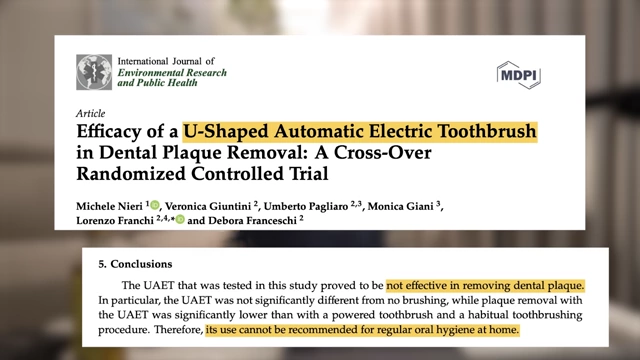
Study conclusion that U-shaped automatic electric toothbrushes are not effective for plaque removal [ 00:06:23 ] - Verdict: Skip.
7. Expanding Floss [6:41]
- Design: Composed of hundreds of filaments that expand when wet, creating a textured surface.

Product image of expanding floss [ 00:06:41 ] - Advantage: Unlike thin, smooth traditional floss, expanding floss is designed to grab more debris from between teeth and along the gum line, leading to more effective cleaning.
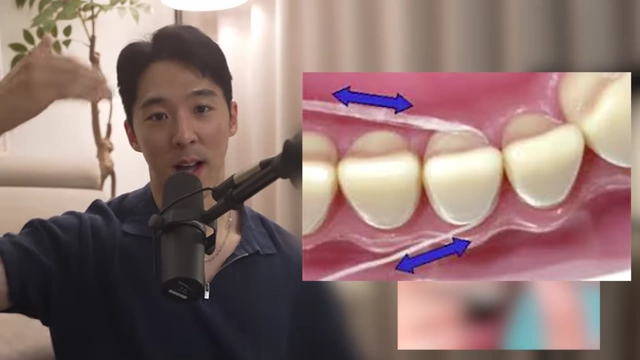
Diagram comparing how expanding floss and traditional floss interact with teeth to remove debris [ 00:06:48 ] - Verdict: Buy.
8. Tongue Scrapers [7:01]
- Problem Addressed: The tongue harbors bacteria, dead cells, and debris, which significantly contribute to bad breath (halitosis). The tongue is like a "shag carpet" for bacteria.

Examples of tongue scrapers [ 00:07:02 ] 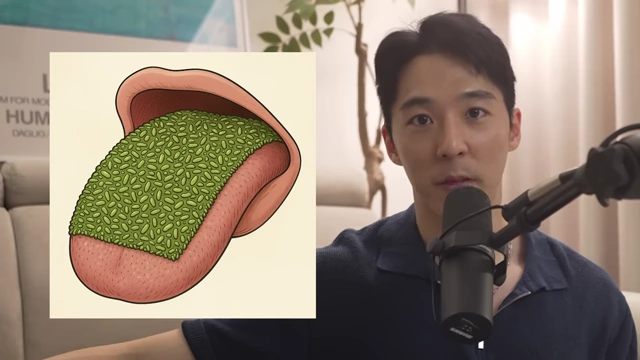
Illustration depicting a tongue surface as a "shag carpet" for bacteria and debris [ 00:07:10 ] 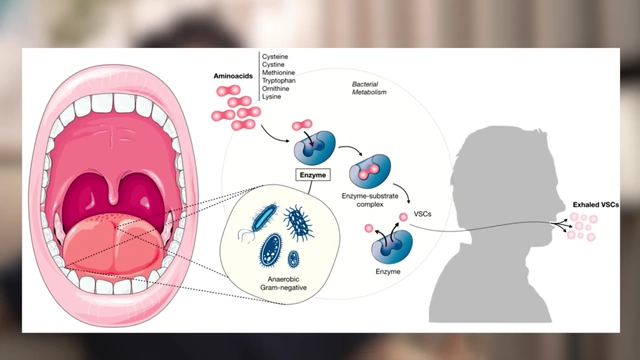
Diagram illustrating the bacterial metabolism of amino acids into volatile sulfur compounds, causing bad breath [ 00:07:13 ] - Effectiveness: Studies confirm that tongue scraping reduces bacteria and volatile sulfur compounds, which are primary causes of bad breath. A hard surface like a tongue scraper is more effective at removing the tongue coating than a traditional toothbrush, which tends to move debris around.
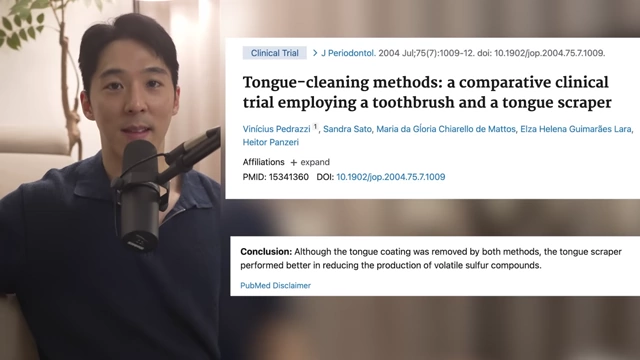
Clinical trial conclusion showing tongue scrapers are more effective than toothbrushes at reducing volatile sulfur compounds [ 00:07:17 ] 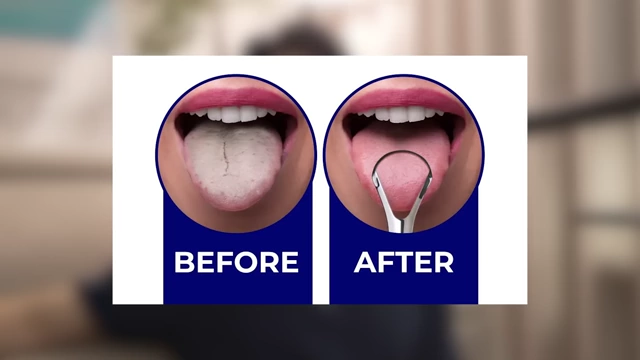
Before and after images of a tongue, showing the removal of coating by a scraper [ 00:07:22 ] - Verdict: Buy.
9. Non-Fluoride (Nano-hydroxyapatite) Toothpaste [7:31]
- Fluoride Alternative: Discussed as an alternative for parents concerned about fluoride, despite professional guidelines recommending fluoride for cavity prevention.
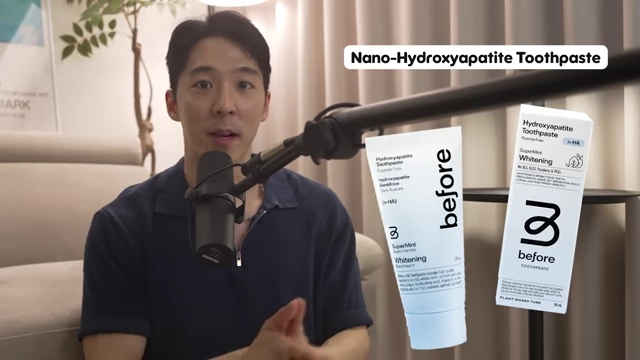
Examples of nano-hydroxyapatite toothpaste products [ 00:07:32 ] 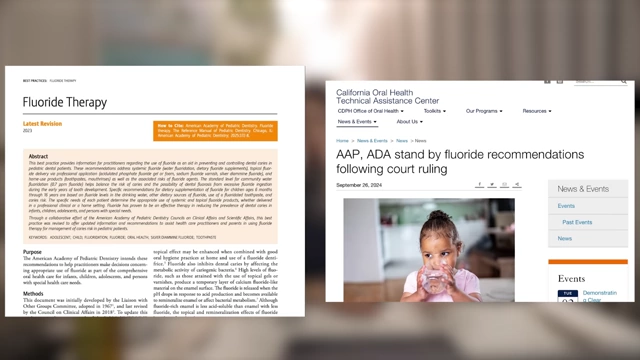
Professional guidelines from ADA and AAP supporting fluoride therapy for cavity prevention [ 00:07:52 ] - Mechanism: Nano-hydroxyapatite (NHA) is a form of calcium phosphate, a major component of tooth enamel. NHA can remineralize teeth and repair enamel damage, functionally similar to fluoride.
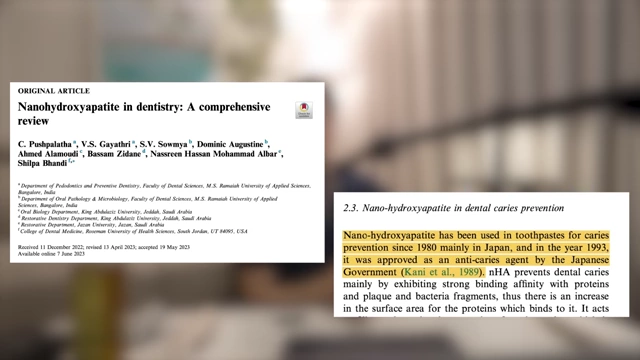
Research article highlighting nano-hydroxyapatite as an anti-caries agent approved in Japan [ 00:08:08 ] 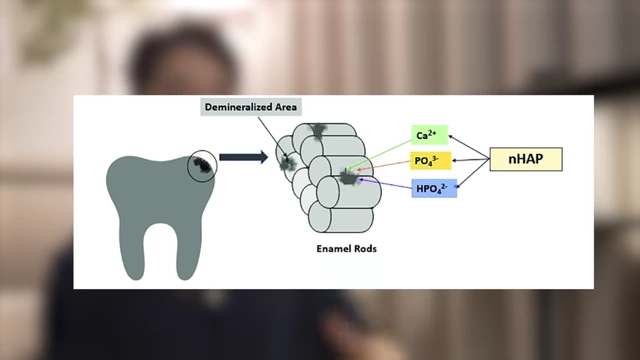
Diagram showing nano-hydroxyapatite (nHA) remineralizing demineralized enamel rods [ 00:08:12 ] - Evidence: Emerging research is promising, showing NHA's effectiveness in preventing dental caries.
- Crucial Detail: The dosage of NHA is critical; at least 10% is needed for effectiveness. Many brands do not disclose their formulation or use less than this optimal concentration.
- Verdict: Try (with caution, ensuring the toothpaste contains at least 10% nano-hydroxyapatite. Otherwise, stick with fluoride toothpaste as per professional guidelines).
10. Xylitol Gum/Mints [8:46]
- Mechanism: Xylitol is a sugar alcohol that cavity-causing bacteria cannot metabolize, meaning it doesn't feed them.
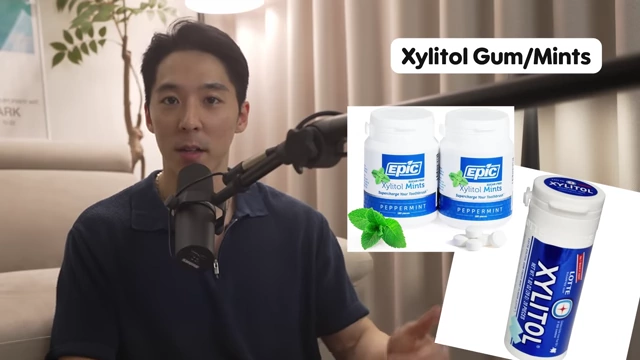
Products of xylitol gum and mints [ 00:08:48 ] 
Diagram comparing the effects of sugar and xylitol on bacterial fermentation and pH in the mouth [ 00:09:07 ] - Benefits: Regular use after meals significantly reduces cavity risk and stimulates salivary flow, which helps neutralize acids in the mouth that lead to decay.

Conclusion from a systematic review on the caries-reducing effect of xylitol chewing gums and candies [ 00:09:00 ] - Important Caution: Xylitol is extremely toxic to dogs, even small amounts can cause life-threatening blood sugar drops and liver failure. Keep away from pets.
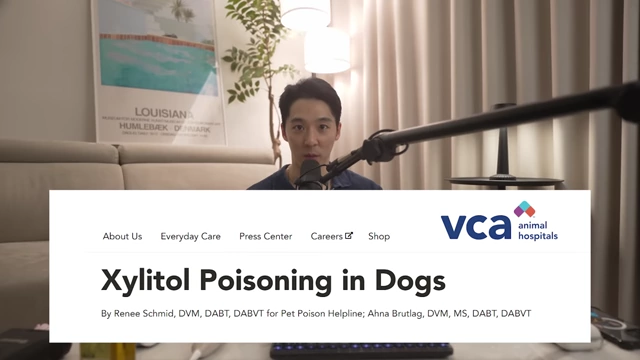
Article from VCA Animal Hospitals warning about xylitol poisoning in dogs [ 00:09:17 ] - Verdict: Buy.
Final Recap [9:30]
The video concludes with a summary of all 10 products and their respective verdicts.