The Most Unique Animal Communication Methods Explained
Summary:
This video explores 11 unique and complex communication methods employed by animals in nature.
- Prairie dogs utilize a highly intricate language to describe predators, including their species, size, shape, and even human clothing color or presence of a weapon.
- Death Watch Beetles communicate by head-tapping inside wood tunnels, producing Morse code-like echoes.
- Elephants possess unique individual voices, allowing a biologist to identify them by sound and create an "elephant dictionary."
- Mother hens cluck to their unhatched chicks, who peep back from inside the egg around 24 hours before hatching.
- Baboons exhibit a remarkable ability to distinguish real words from nonsense words, demonstrating linguistic pattern recognition.
- Cats primarily meow to communicate with humans, a behavior rarely used with other felines, except for kittens with their mothers.
- Huia cavum frogs use ultrasonic frequencies, inaudible to humans, to communicate in noisy environments.
- Dolphins have been observed mimicking whale songs in their sleep, even if they don't do so while awake.
- Parrots like Alex, Prudle, and N'kisi can learn words, understand abstract concepts, and engage in conversations.
- Coral groupers coordinate hunting by pointing their noses and performing a "shaking dance" to signal prey.
- Ants employ complex pheromone trails for navigation and defense, and exchange saliva (trophallaxis) to share colony information.
- Crested Pigeons produce warning whistles through wing vibrations, with different notes for upstrokes and downstrokes, signaling danger during frantic takeoffs.

Prairie dogs communicate detailed information about threats, even describing human clothing color. [ 00:00:30 ]
Prairie Dogs [0:00]
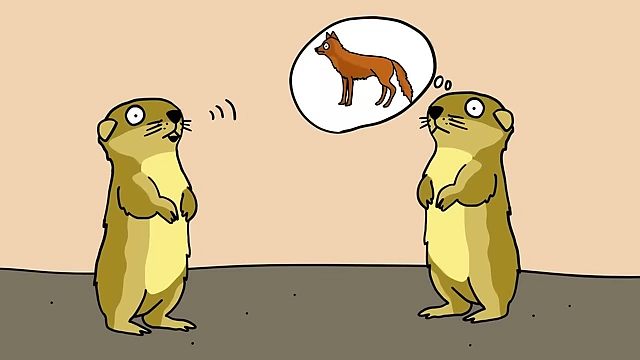
- Prairie dogs possess arguably the most complex non-human language observed.
- They can describe predators with amazing detail.
- Details include species, size, and shape.
- They can even communicate the color of human clothing.
- In at least one instance, they communicated if a human had a gun.
- All this information can be relayed in a single chirp lasting only a fraction of a second.
- They can describe predators with amazing detail.
Beetles [0:41]
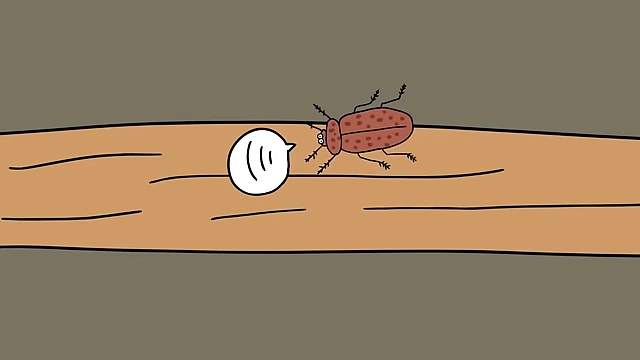
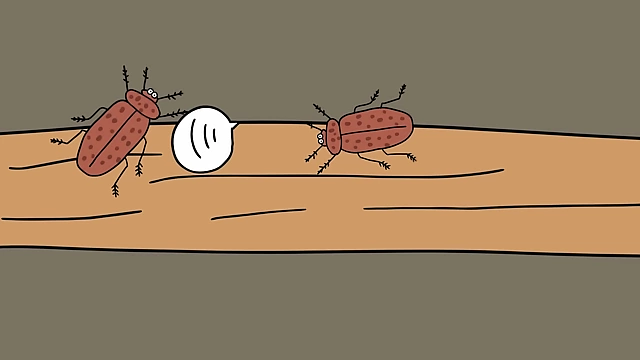
- The Death Watch Beetle uses a communication system similar to Morse code.
- It raps its head along the top of a tunnel.
- This produces echoes that travel along the tunnel's length to deliver messages to its group.
- This method also gave them their name.
- The rapping sounds were audible to residents at night in houses infested by them.
- The sound reminded people of an ominous clock ticking, leading to the name "Death Watch Beetle."
Elephants [1:20]
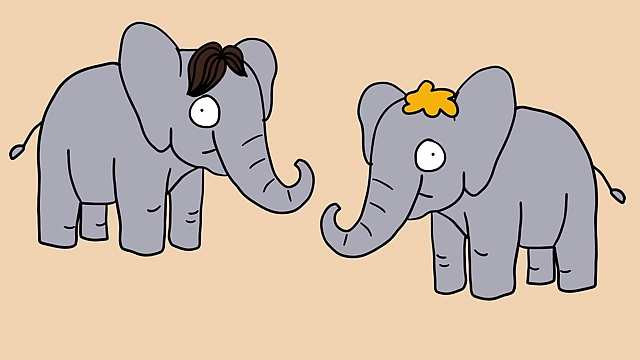
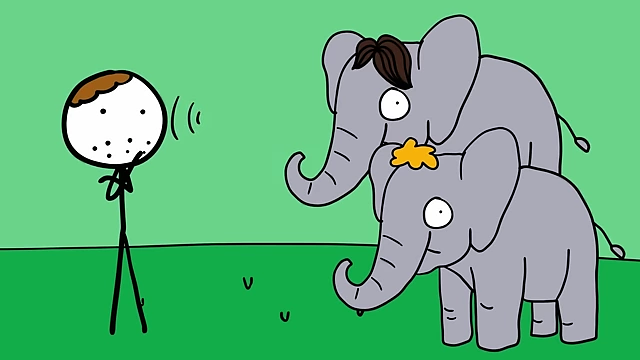
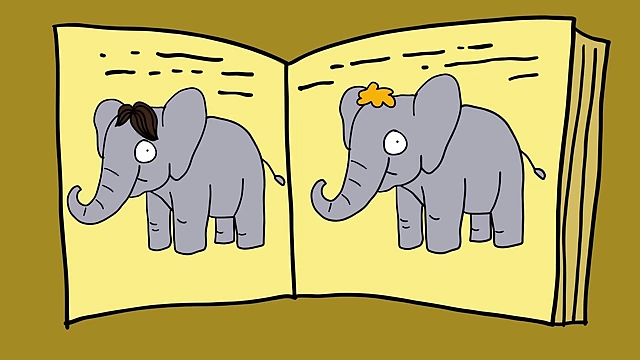
- Each elephant possesses a unique voice, unlike the generally identical screeches of other animals.
- Biologist Andrea Turkalo can immediately identify individual elephants by the sound of their calls.
- This discovery was made after studying a herd of forest elephants in the Congo for 19 years.
- Turkalo is working to interpret their sounds and compile an "elephant dictionary."
Hens [1:51]
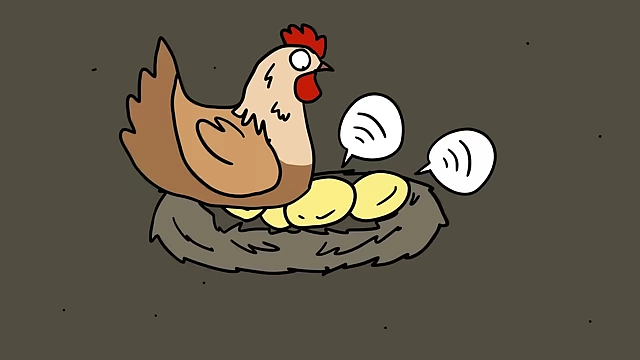
- Mother hens engage in communication with their unborn babies.
- Approximately 24 hours before hatching, baby chickens can be heard peeping inside the egg.
- The mother hen will cluck back to her anxious chick, providing reassurance.
Baboons [2:16]
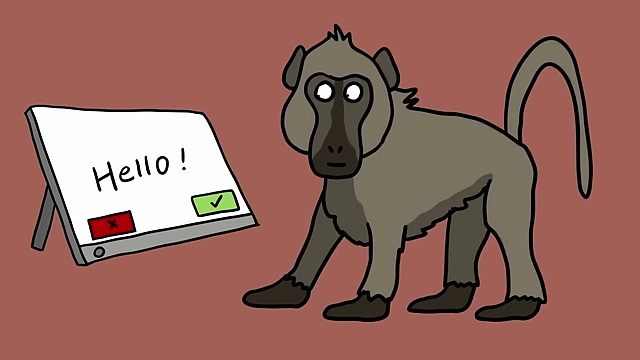
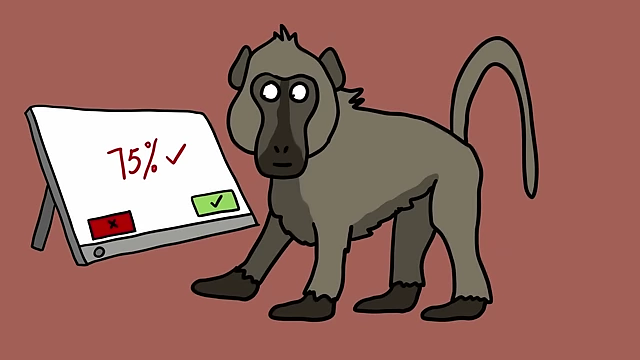
- Baboons demonstrate an ability to distinguish between real and made-up words.
- A study involved six baboons performing thousands of tests over six weeks.
- They used touchscreen computers showing sequences of real and fake words.
- Fake words were designed to look plausible (e.g., "dran," "telk") rather than random jumbles.
- Baboons identified the made-up words with remarkable accuracy, achieving 75% correctness.
Cats [3:02]
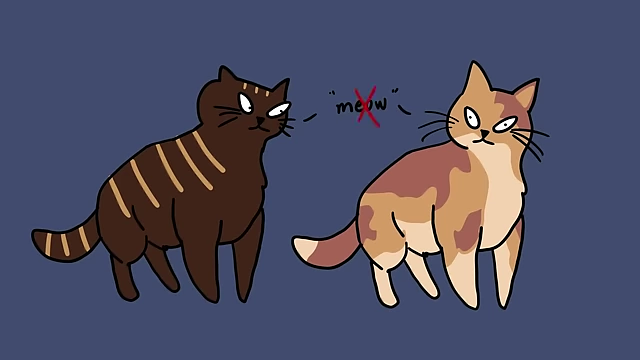
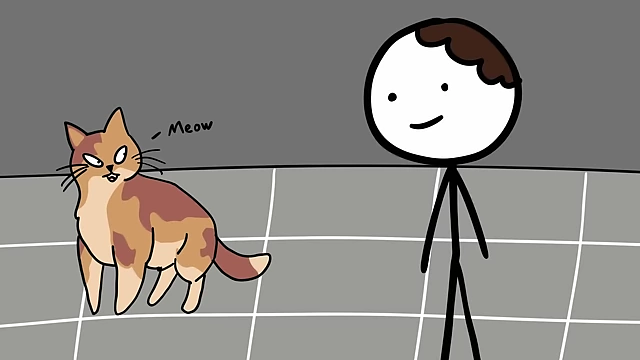
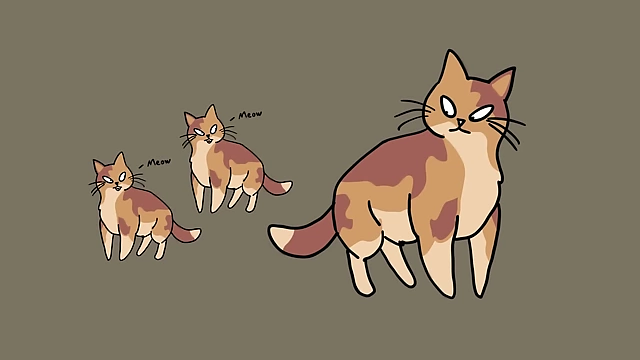
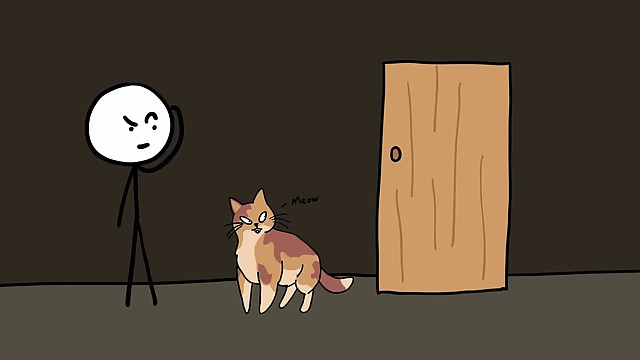
- Cats do not typically meow at each other.
- They use other communication methods with fellow animals, such as body language and hissing.
- Meowing is primarily reserved for human interaction.
- Cats meow to greet humans, seek attention, or ask for food.
- Kittens are the only exception, as they will mew at their mothers.
- This behavior is a tactic cats have learned to communicate their desires to humans, such as wanting to be let outside.
Frogs [3:30]
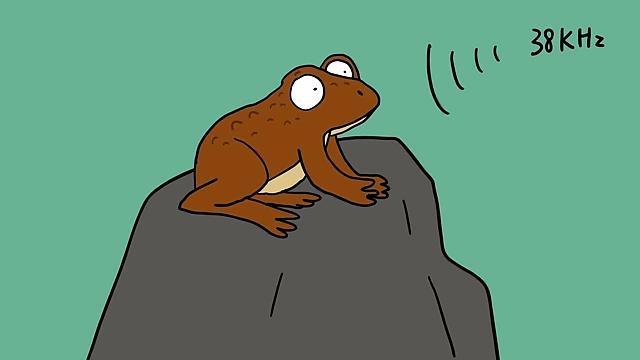
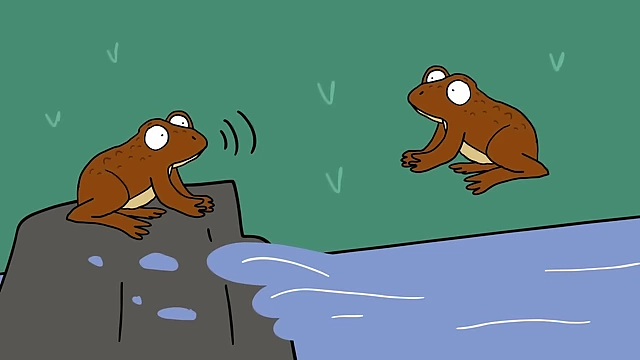
- A species of frog from Southeast Asia, Huia cavum, communicates using ultrasonic frequencies.
- These frequencies are inaudible to humans.
- This species can hear and emit sounds up to 38 kHz, which is 18 kHz higher than the human detection limit.
- Scientists believe these frogs adapted to using higher frequencies to communicate in areas with rushing water, where lower frequencies would be difficult to hear.
Dolphins [4:06]
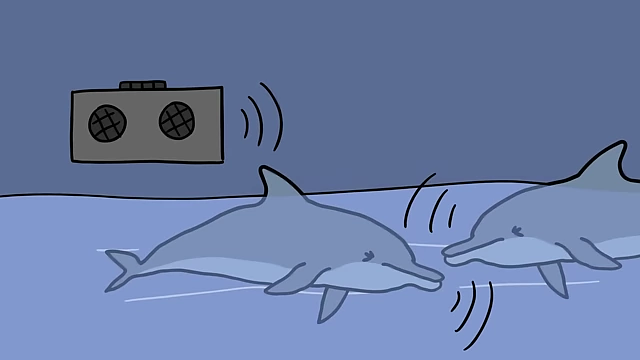
- Dolphins have shown an unusual ability to mimic whale songs in their sleep.
- Dolphins performing at a French Aquatic Park were exposed to recordings of whale songs during their shows.
- While they were never observed mimicking these songs during their waking hours, the sounds they produced in their sleep bore an eerie similarity to the whale songs.
Parrots [4:30]
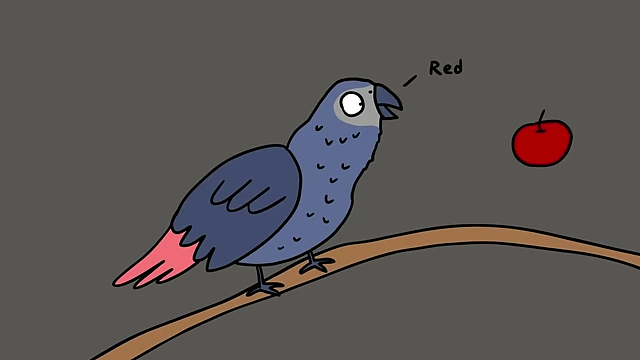
- Parrots possess the ability to learn words and hold conversations, not just mindlessly repeat sounds.
- Alex, an African gray parrot, became famous for identifying colors and articulating abstract concepts like size and difference.
- He could even joke with his trainer.
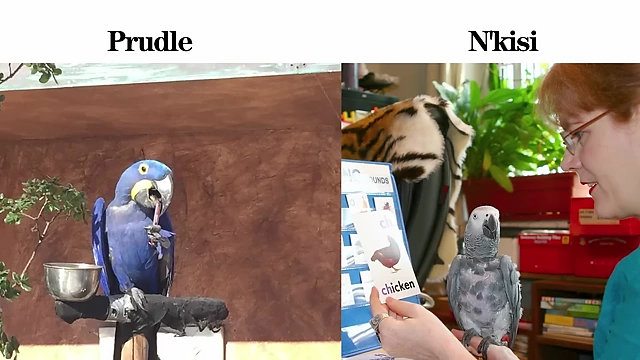
- Prudle held a Guinness World Record, knowing 800 words at the time of her death.
- N'kisi has a vocabulary of 950 words and shares Alex's affinity for joking.
- Alex, an African gray parrot, became famous for identifying colors and articulating abstract concepts like size and difference.
Coral Groupers [5:08]
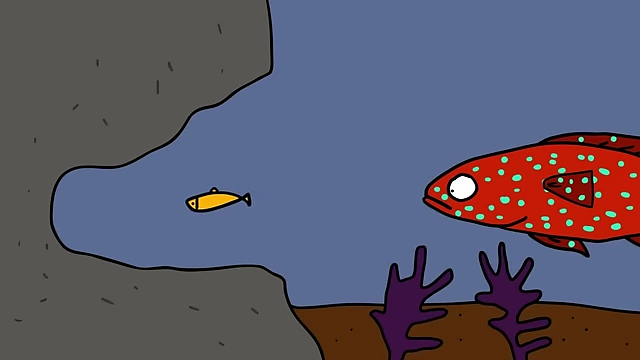
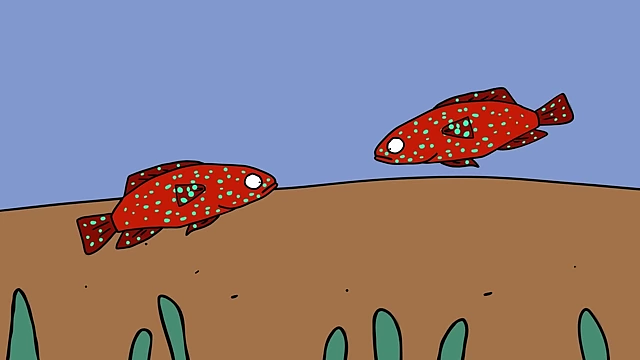
- Coral Groupers utilize a unique "shaking" dance to coordinate with other members of their group during hunting.
- They stake out traps for prey.
- When prey enters a trap, the grouper points its nose towards it and performs a "little dance" to signal its presence.
- This signal also acts as a "call to action" for group hunting, inviting others to join.
Ants [5:45]
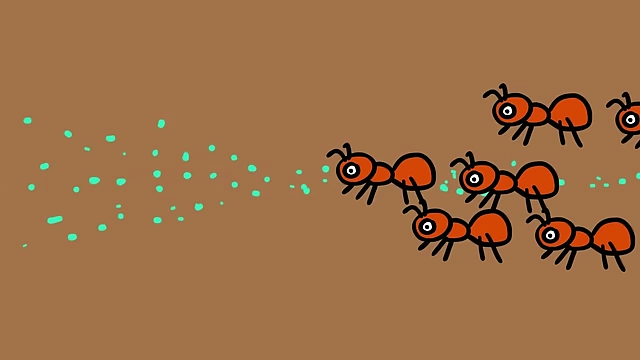
- Ants are highly social insects that live and work in large colonies, using a range of biological tools for coordination.
- Pheromones are often used to mark food trails, guiding other colony members to foraging locations.
- Other ants detect these chemical signals with their antennae and join the trail.
- As more ants join, the pheromone scent strengthens, enticing even larger numbers to participate.
- An ant secretes a cocktail of pheromones from glands lining its abdomen, thorax, anus, and feet.
- The composition of this pheromone mixture plays a crucial role in communicating different ideas about a food trail.
- A trail's scent informs ants about both rewarding and unrewarding paths.
- Short-term scents can also serve as attack signals, directing the colony toward nearby prey.
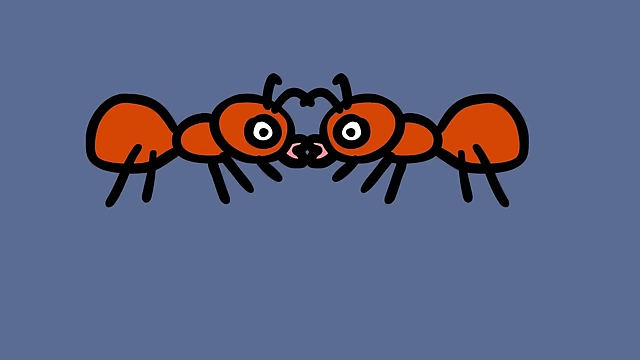
- Trophallaxis (saliva exchange) is another means of communication and recognizing nest mates.
- This display, which resembles mouth-to-mouth kissing, involves the transfer of saliva.
- The saliva contains pheromones, hormones, food, and genetic material.
- This exchange provides chemical information on the colony and the reproductive status of a worker ant.
- Pheromones are often used to mark food trails, guiding other colony members to foraging locations.
Crested Pigeons [7:02]
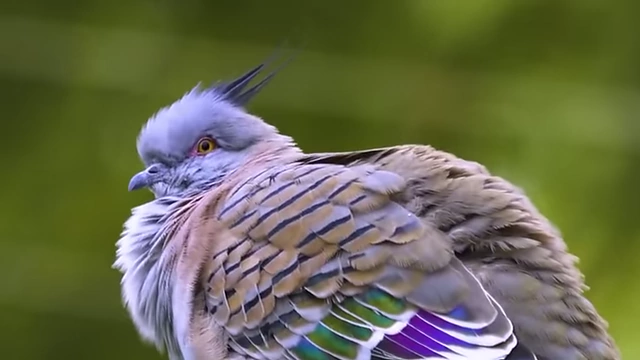
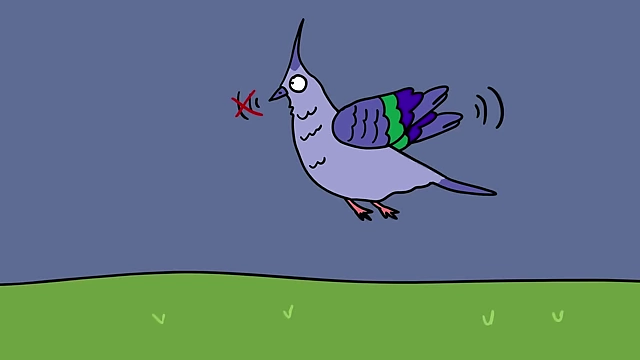
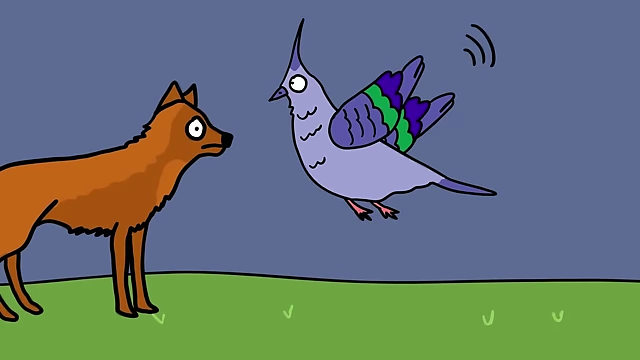
- The Crested Pigeon, native to mainland Australia, has a distinctive appearance with green and purple wings and a Mohawk-like crest.
- When startled, the bird launches into the sky and emits a series of panic-induced whistles.
- These noises are not produced by the bird's vocal cords.
- They are the result of vibrations in a specific part of the wing, the eighth primary feather.
- Each upstroke of the wing generates a low-frequency note, while each downstroke produces a high-frequency note.
- The bird frantically flaps its wings while escaping a predator, triggering a quick succession of high and low notes.
- Other crested pigeons interpret this rapid sequence as a warning signal.
- A relaxed takeoff does not initiate any warning signal because the wing beat is too slow, resulting in a slower tempo of notes.