Understanding and Using Essential East Asian Condiments (Soy, Fish Sauce, Miso, Gochujang, and More)
This video provides a comprehensive guide to essential East Asian condiments from China, Korea, and Japan, categorizing them into salt, fat, acid, sweet, and spice. It explains how fermentation and umami are key distinctions from Western condiments, making them versatile and long-lasting kitchen investments. The guide includes practical recipes like Soy Butter Rice, Scallion Noodles, Kake Udon, Brisket Doenjangjjigae, Mapo Tofu, Gochujang Pasta, Beef Kare, Egg Rice, Chili Oil Dumplings, Oyakodon, and Yangnyeom Chicken, demonstrating how to integrate these flavors into everyday cooking. The host encourages viewers to explore different brands and gradually incorporate these condiments to enhance their culinary skills.
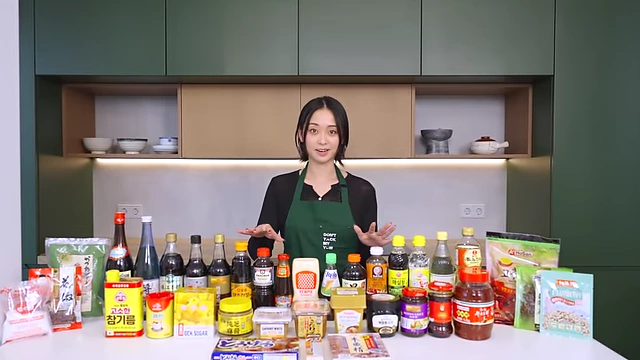
Introduction to Asian Condiments [00:00:00]
The video begins by emphasizing the importance of sauces in cooking and addresses the common overwhelming experience of navigating an Asian grocery store.


- The video covers East Asian condiments from China, Korea, and Japan.
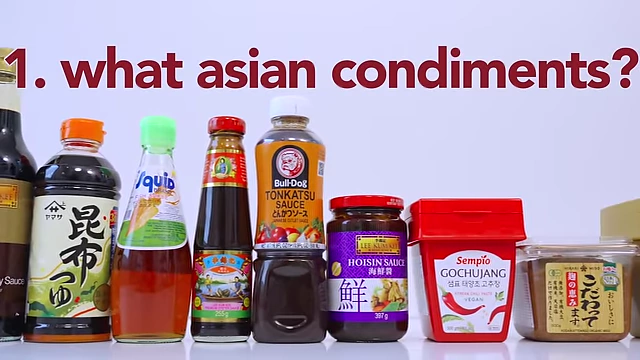
Text overlay "1. what asian condiments?" on a background of various condiment bottles. [ 00:01:23 ]
Eastern vs. Western Condiments [00:02:13]
The primary distinction between Eastern and Western condiments is fermentation, which is much more prevalent in Asian condiments.
- Fermentation: Asian condiments like soy sauce are made by fermenting ingredients, while many Western condiments like ketchup are cooked.
- Soy sauce is made from fermenting soybeans and wheat.
- Ketchup is made by cooking tomatoes, tomato paste, vinegar, sugar, and salt.
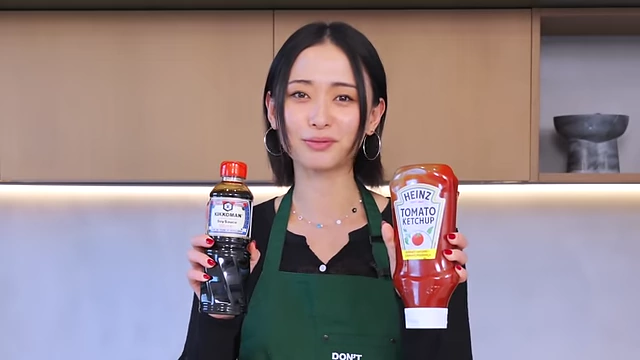
The speaker presenting a bottle of soy sauce and a bottle of ketchup, illustrating the difference between Asian and Western condiments. [ 00:02:29 ] 
Soybeans fermenting in a large wooden vat, being stirred. [ 00:02:32 ] 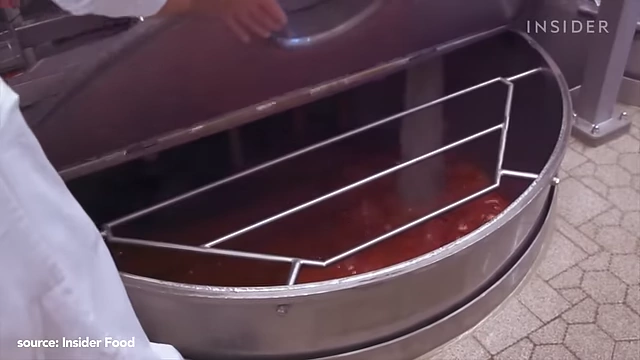
A large industrial vat mixing ingredients for ketchup production. [ 00:02:38 ]
- Umami: Asian condiments generally possess a richer umami flavor, described as the savory fifth basic taste, which comes from naturally occurring glutamates in fermented products, mushrooms, seaweeds, and meats. This umami acts as a "fast pass" to complex flavors without extensive cooking.

Text overlay explaining that Asian condiments have more umami due to fermentation, soy-based ingredients, and glutamate-rich components. [ 00:03:19 ]
Why Invest in Asian Condiments [00:03:32]
Asian condiments are presented as a worthwhile investment due to their longevity and concentrated flavor.
- Longevity: Many are results of fermentation, or are salty, acidic, sweet, or in spice form, allowing them to last a long time when properly stored.
- Efficiency: They are concentrated flavoring agents that save time and resources, providing complex flavors that would otherwise take hours to develop.
- Versatility: Unlike single-purpose Western condiments, Asian condiments are highly versatile, allowing for endless mix-and-match possibilities in various dishes, including non-Asian ones like omelets or pasta.
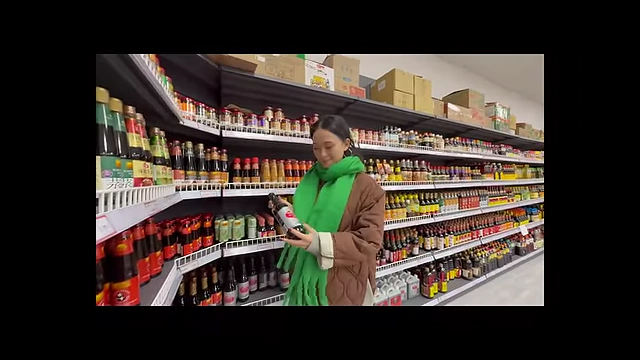
The speaker browsing an aisle filled with various Asian condiments in a grocery store. [ 00:03:44 ]
Where to Buy Asian Condiments [00:04:45]
- Local grocery stores: Most will have a basic Asian aisle.
- Local Asian grocery stores: Recommended for a wider variety of brands and authentic selections.

A wide shot of a well-stocked aisle of an Asian grocery store with rows of bottles and jars. [ 00:00:21 ] - Online: Many ingredients can be found online for those living in areas without easy access to Asian markets.

The speaker holding a smartphone while standing in a grocery store aisle, illustrating the option to find ingredients online. [ 00:05:11 ]
Salt Category Condiments [00:05:44]
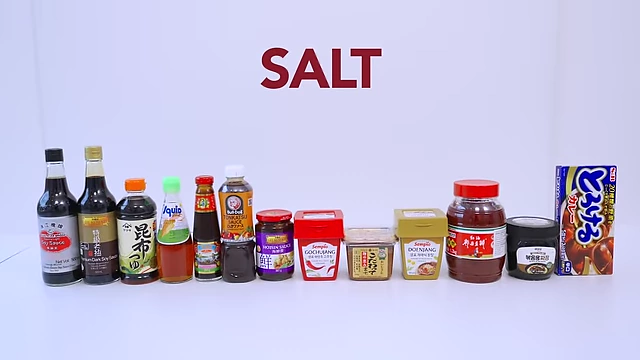
1. Soy Sauce [00:05:46]
- Description: The foundation of many Asian dishes, made by fermenting soybeans and wheat with salt, water, and mold. It's umami-rich and salty.
- The process involves fermenting soybeans and wheat with mold inoculum.
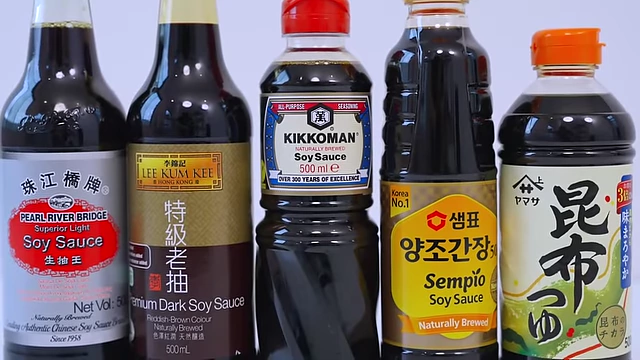
Various brands of soy sauce bottles, highlighting different types and origins. [ 00:05:52 ]
- The process involves fermenting soybeans and wheat with mold inoculum.
- Types:
- Light Soy Sauce: Lighter in color, typically what recipes refer to when simply stating "soy sauce."
- Dark Soy Sauce: Sweeter, thicker, and darker due to added molasses or caramel, aged longer, and less salty. Primarily used for color and gloss.
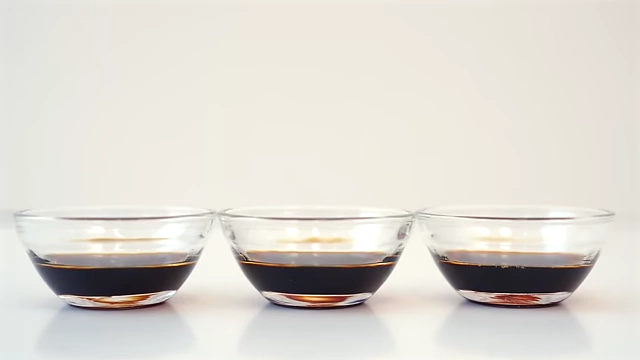
Three small bowls containing different shades of soy sauce, illustrating the distinction between light and dark varieties. [ 00:06:09 ] - Regional Differences: Chinese soy sauce (pro river) is often caramel and toasty, Korean is cleaner and saltier, and Japanese is slightly sweeter.

The speaker holding two large bottles of light and dark soy sauce in a grocery store aisle, discussing regional differences. [ 00:06:42 ] 
Two small bowls of soy sauce, labeled "Japan" and "China", showing the subtle color variations between regional soy sauces. [ 00:07:03 ]
- Recipe: Soy Butter Rice [00:07:12] - Warm white rice with butter and a drizzle of soy sauce for a simple, umami-rich meal.

A bowl of warm white rice with a pat of butter and a drizzle of soy sauce, ready to be mixed. [ 00:07:31 ] - Recipe: Scallion Noodles [00:08:14] - Thin egg noodles tossed with fried scallions, scallion oil, light soy sauce, dark soy sauce, and sugar for a glossy, flavorful dish.

Scallion noodles garnished with crispy scallions, showing a glossy finish from the soy sauce and oil. [ 00:09:00 ]
2. Tsuyu [00:09:12]
- Description: A Japanese soup base and dipping sauce, a concentrated blend of dashi (bonito flakes and kelp stock), soy sauce, and mirin. It's very salty and needs to be diluted with water.

A bottle of Japanese Tsuyu sauce. [ 00:09:14 ] - Tsuyu is a blend of dashi (made from bonito flakes and kelp), soy sauce, and mirin.
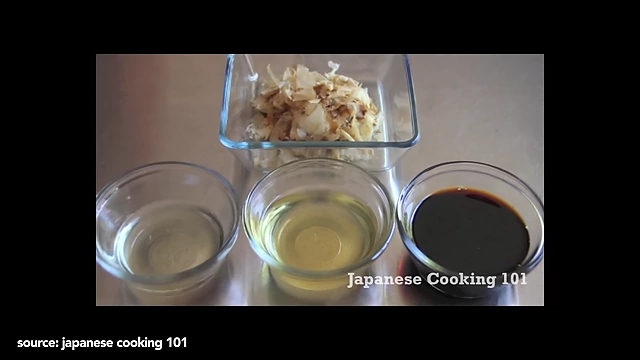
Various components for making dashi and Tsuyu, including bonito flakes, kelp, soy sauce, and mirin. [ 00:09:28 ]
- Tsuyu is a blend of dashi (made from bonito flakes and kelp), soy sauce, and mirin.
- Use: Great for quick soup bases.
- Recipe: Kake Udon [00:09:46] - Udon noodles cooked and mixed with diluted tsuyu and hot water, topped with bonito flakes and green onion.

A bowl of Kake Udon, showcasing the simple yet comforting dish made with tsuyu, udon noodles, and garnishes. [ 00:10:19 ]
3. Fish Sauce [00:10:34]
- Description: Made by fermenting fish (commonly anchovies) with salt. Amber-brown, thin, and watery, with a pungent, salty, and deeply umami flavor.

A bottle of Squid Brand Fish Sauce. [ 00:10:52 ] - Fish sauce is made by fermenting fish, typically anchovies, with salt.

A close-up of anchovies, the primary ingredient in fish sauce, undergoing fermentation. [ 00:10:54 ] - Use: Essential in Southeast Asian and Korean cuisine, adding depth of flavor without a strong "fishy" taste once cooked.
- Recipe: Spicy Morning Dish [00:11:17] - Sautéed onions and garlic, chili oil made with Korean chili flakes, fish sauce, water, and an egg with silken tofu, served with bread or rice.
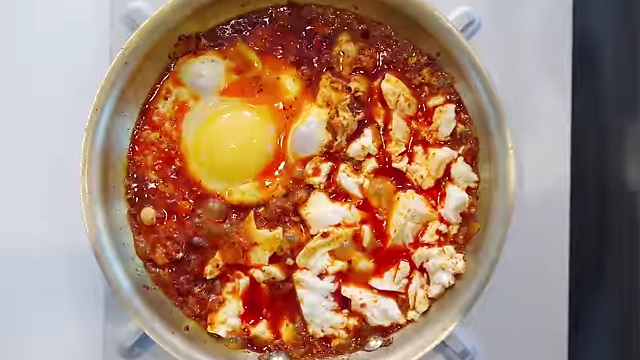
A spicy morning dish with egg and silken tofu simmering in a pan, featuring fish sauce for deep flavor. [ 00:11:47 ]
4. Oyster Sauce [00:12:18]
- Description: Used in Chinese and Taiwanese cooking, made from oyster extract, sugar, and salt, thickened with cornstarch for a glossy finish. It has a thick consistency and a sweet, umami, salty, and oceany flavor.
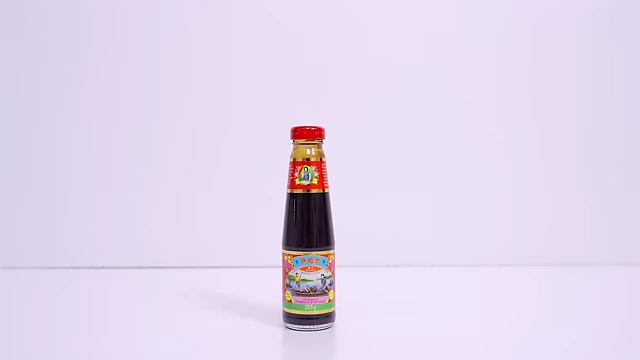
A bottle of Lee Kum Kee Premium Oyster Sauce. [ 00:12:26 ] - The sauce is made from oyster extract.
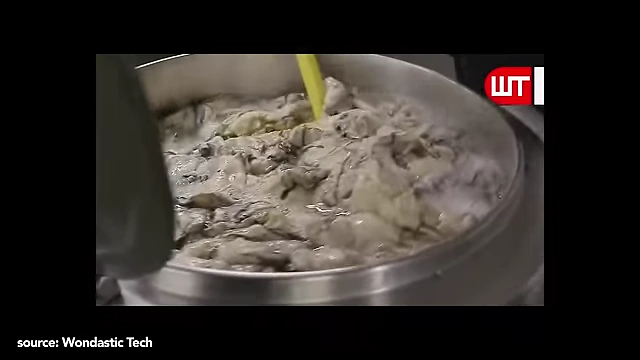
A large vat where oysters are being processed for oyster extract to be used in the sauce. [ 00:12:32 ] - Preference: Lee Kum Kee Premium Oyster Sauce (with the lady on the boat) is preferred for its high oyster content. Vegetarian versions with mushroom powder also exist.
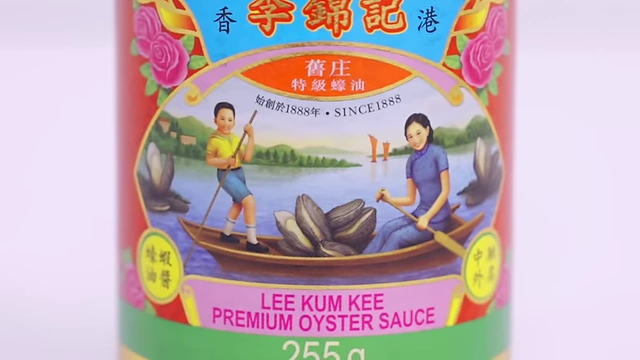
A close-up of the Lee Kum Kee Premium Oyster Sauce label, showing a lady and boy in a boat with oysters. [ 00:13:08 ] - Recipe: Steamed Vegetables with Oyster Sauce [00:13:20] - Blanched vegetables topped with a dollop of oyster sauce.

Blanched baby bok choy arranged on a plate, ready to be served with oyster sauce for a simple, flavorful dish. [ 00:13:29 ]
5. Tonkatsu Sauce (Bulldog Sauce) [00:13:38]
- Description: A popular Japanese condiment derived from Worcestershire sauce, made from fruits (apples, plums) and vegetables, vinegar, and sugar. It's medium thick and sweet, with a nice tanginess.

A bottle of Bulldog Tonkatsu Sauce, featuring images of fruits and vegetables. [ 00:13:40 ] - Use: Excellent for fried foods to cut through richness.
- Recipe: Katsu Sando [00:14:12] - Brioche bread, katsu, bulldog sauce, thinly sliced cabbage, and Kewpie mayo.

Slices of katsu (fried cutlet) drizzled generously with Tonkatsu sauce, accompanied by shredded cabbage. [ 00:14:08 ] 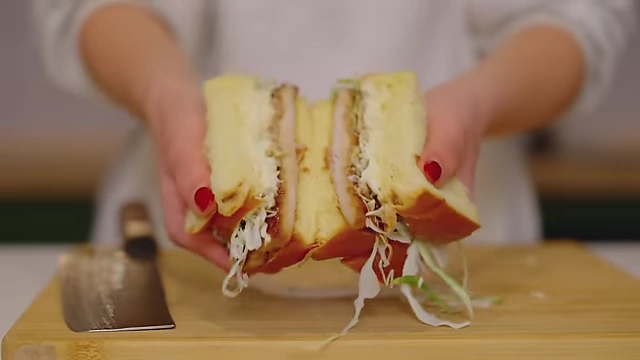
A cross-section of a Katsu Sando sandwich, showing the layers of katsu, cabbage, and sauces on brioche bread. [ 00:14:28 ]
6. Hoisin Sauce [00:14:35]
- Description: Chinese barbecue sauce, often associated with Cantonese cuisine. Made with fermented soybeans, sugar, vinegar, garlic, sesame oil, and spices. It has a sweet, salty, and slightly tangy flavor.

A jar of Lee Kum Kee Hoisin Sauce. [ 00:14:36 ] - Use: Great as a glaze or dipping sauce, especially for poultry.
- Recipe: Hoisin Rotisserie Chicken [00:15:10] - A pre-made rotisserie chicken is glazed with hoisin sauce and quickly roasted under a grill function for a crispy, flavorful finish.

A cooked rotisserie chicken being brushed with hoisin sauce before being roasted for a glossy, flavorful finish. [ 00:15:28 ] 
A beautifully glazed hoisin rotisserie chicken being removed from the oven, showing its crispy, dark brown skin. [ 00:15:37 ]
7. Miso [00:15:59]
- Description: Traditional Japanese fermented paste made from soybeans, salt, and koji mold.
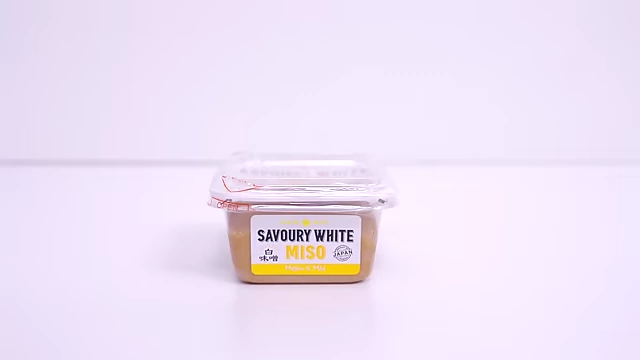
A container of savory white miso. [ 00:16:01 ] - Miso is made from soybeans, salt, and koji mold.

Koji mold growing on grains, an essential component in the fermentation process for miso. [ 00:16:11 ] - Types:
- White Miso: Sweet and mild, less aged.
- Yellow Miso: Medium aged, balanced flavor.
- Red Miso: Robust and funky, longest fermentation time, therefore strongest flavor.
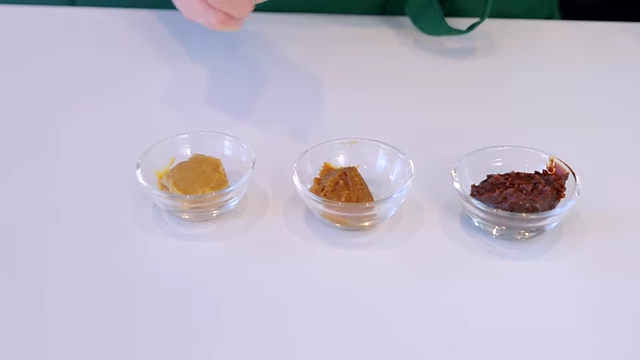
Three bowls of miso, demonstrating the color and texture differences between white, yellow, and red miso varieties. [ 00:16:27 ]
- Use: White miso is versatile for salads, baking, and general cooking.
8. Doenjang [00:16:42]
- Description: Traditional Korean fermented soybean paste. Made by fermenting meju (soybean blocks) and then adding brine. Similar to Japanese red miso but saltier, funkier, and chunkier.

A container of traditional Korean Doenjang (fermented soybean paste). [ 00:16:47 ] - Doenjang is made from fermenting meju (soybean blocks) and then adding brine.

Blocks of meju (fermented soybeans) ready for the next stage of doenjang production. [ 00:16:54 ] - Recipe: Brisket Doenjangjjigae [00:17:09] - A hearty stew with toasted doenjang and beef fat, Korean chili flakes, water, onions, squash, potatoes, tofu, enoki mushrooms, and scallions.
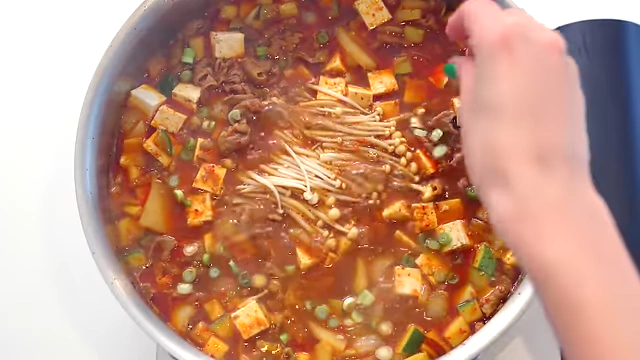
A hearty brisket doenjangjjigae stew simmering with various ingredients like beef, vegetables, tofu, and mushrooms. [ 00:17:32 ]
9. Pixian Doubanjiang [00:17:40]
- Description: A Chinese fermented broad bean paste, an essential ingredient for Sichuan cuisine. Made from fermented broad beans, soybeans, chili peppers, salt, and sometimes wheat flour. Intensely savory, spicy, and salty with deep umami.
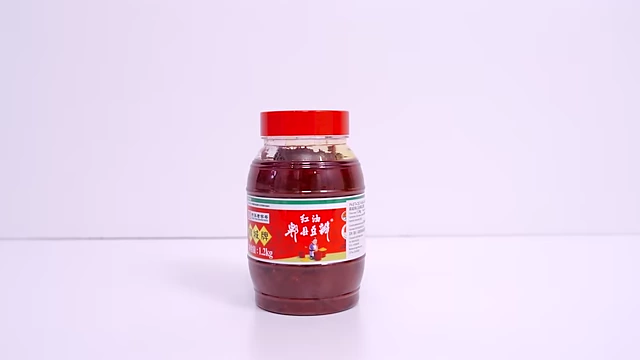
A large jar of Pixian Doubanjiang, a red fermented chili bean paste from Sichuan. [ 00:17:42 ] - Preference: Recommend the brand from Sichuan Province for authentic flavor and beautiful oil hue.

A close-up of the Pixian Doubanjiang label, indicating its origin from Pixian, Sichuan, famous for this condiment. [ 00:18:27 ] - Recipe: Mapo Tofu [00:18:41] - Sichuan-style mapo tofu with ground Sichuan peppercorns, blanched tofu, oil, ground beef, minced ginger, Pixian doubanjiang, garlic, chili powder, black bean paste, Shaoxing wine, stock, and potato starch slurry.

A serving of Mapo Tofu, showcasing the rich, spicy, and savory dish made with doubanjiang, garnished with green onions. [ 00:19:18 ]
10. Gochujang [00:19:27]
- Description: Traditional Korean fermented chili paste. Made from rice, soybeans, chili peppers, and salt. Develops a deep umami profile and is useful for its thickening abilities.

A container of Sempio Gochujang (Korean chili paste). [ 00:19:29 ] - Gochujang is made from rice, soybeans, chili peppers, and salt.

Various raw ingredients laid out for making gochujang. [ 00:19:38 ] - Use: Binds flavors in soups, sauces, and pasta.

A spoonful of vibrant red gochujang (Korean chili paste), highlighting its thick consistency. [ 00:20:07 ] - Recipe: Gochujang Pasta [00:19:55] - Tubular pasta cooked with butter, garlic, gochujang, chili oil, heavy cream, pasta water, and Parmesan cheese.

Gochujang pasta being mixed with freshly grated Parmesan cheese, showcasing the creamy, spicy sauce. [ 00:20:18 ]
11. Black Bean Paste [00:20:41]
- Description: Korean black soybean sauce, sweeter and milder than Chinese versions, with a caramelized undertone. Incredibly salty on its own, meant to be incorporated into dishes like tomato paste.

A jar of Korean black bean paste, typically used for dishes like Jjajangmyeon. [ 00:20:43 ] 
A spoonful of dark, thick Korean black bean paste. [ 00:21:00 ] - Use: Versatile for balancing salty flavors, makes a well-balanced mapo tofu, and is necessary for Korean-style Jjajang sauce.
12. Japanese Curry Block [00:21:37]
- Description: A solid block or paste made from curry powder, flour, butter, oil, and seasonings (garlic, ginger, sugar). Dissolves easily in water to create a thick, velvety curry sauce due to the roux inside.

A box of S&B Torokeru Curry roux. [ 00:21:40 ] 
Japanese curry roux in block form, resembling a chocolate bar, used to create thick curry sauces. [ 00:21:57 ] - Use: Transforms vegetables, develops better flavor after chilling overnight.
- Recipe: Beef Kare [00:22:19] - Thinly sliced beef and caramelized onions smothered in a velvety thick curry sauce made from the curry block.
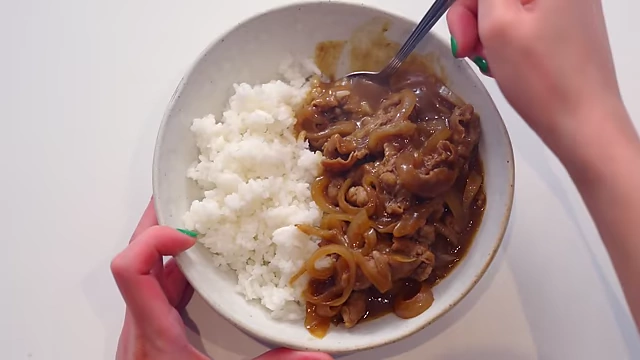
A bowl of Beef Kare with thinly sliced beef and caramelized onions smothered in a velvety thick curry sauce, served over rice. [ 00:22:40 ]
Fat Category Condiments [00:22:42]
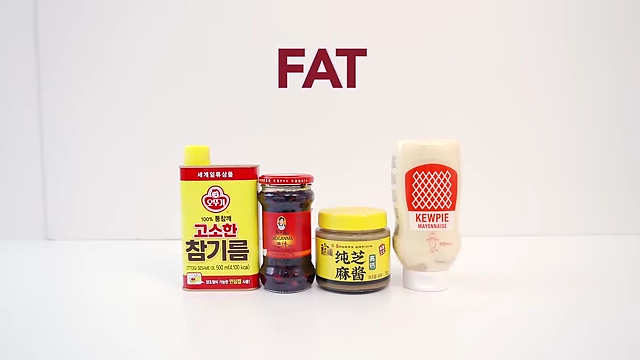
1. Sesame Oil [00:22:48]
- Description: Rich, aromatic oil made from toasted sesame seeds, golden brown in color.
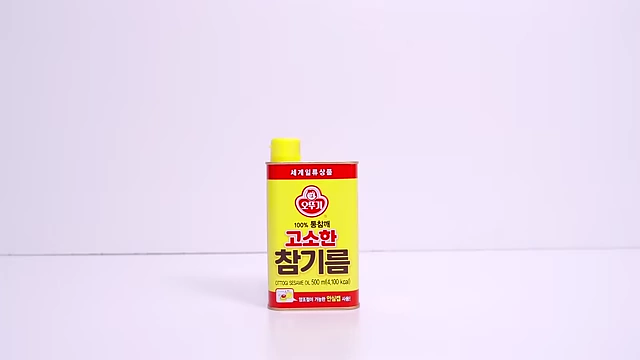
A can of Ottogi 100% Roasted Sesame Oil. [ 00:22:54 ] - Sesame oil is made from pressing toasted sesame seeds.

A close-up of sesame seeds being pressed to extract their oil. [ 00:23:03 ] - Use: Primarily as a finishing touch in Korean dishes for a toasty aroma. Not typically used for cooking due to a low smoke point, but can be mixed with vegetable oil for stir-fries.
- Recommendation: Look for opaque, vacuum-sealed containers to preserve fragrance.
- Recipe: Egg Rice [00:23:41] - Warm rice with a crispy fried egg, a little soy sauce, and a drizzle of sesame oil.

A bowl of warm rice topped with a crispy fried egg, drizzled with soy sauce and sesame oil. [ 00:23:46 ]
2. Chili Oil [00:24:23]
- Description: Made by infusing chili peppers, Sichuan peppercorns, garlic, and other spices. Hot oil is poured over chili flakes to create a deep red, fragrant, spicy oil.
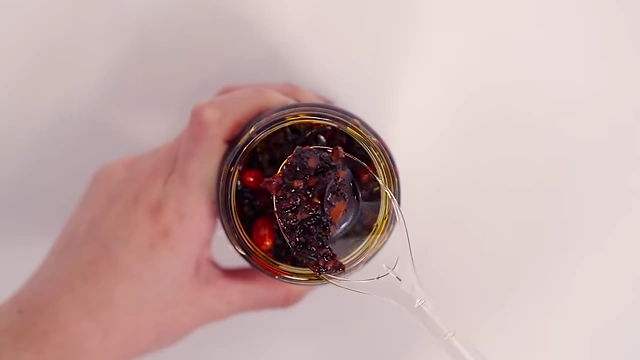
A jar of Lao Gan Ma Chili Crisp with Peanuts. [ 00:24:26 ] - Chili oil is made by pouring hot oil over chili flakes and spices.
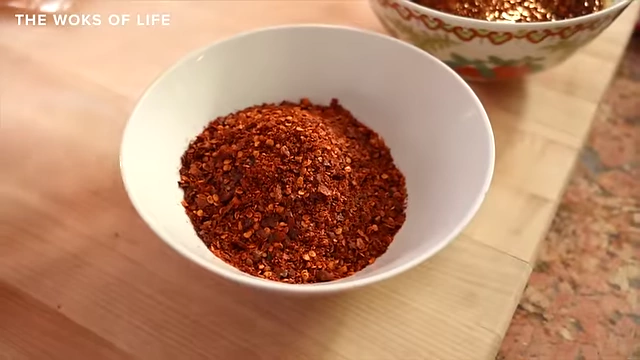
A bowl of chili flakes ready for hot oil to be poured over them to make chili oil. [ 00:24:32 ] - Preference: Homemade is best, but Lao Gan Ma with chili crisp and peanuts is a good commercial option.
- Recipe: Dumplings with Chili Oil [00:24:53] - Cooked dumplings served with a sauce made from soy sauce, black vinegar, chili oil, and grated garlic.

Dumplings generously coated in chili oil and a savory sauce, ready to be eaten. [ 00:25:15 ]
3. Sesame Paste [00:25:22]
- Description: Chinese sesame paste is made from roasted sesame seeds, giving it a darker color and toasty undertone compared to Middle Eastern tahini. Available in 100% sesame or with peanut.

A jar of Chinese sesame paste. [ 00:25:34 ] 
A spoonful of thick, roasted Chinese sesame paste. [ 00:25:45 ] - Use: Great for dressings, baking, dips, and hot pot sauce.
- Recipe: Hot Pot Sauce [00:26:06] - A sauce recipe including sesame paste, Sichuan chili oil, peanuts, minced garlic, cilantro, green onion, soy, oyster sauce, black vinegar, and sugar.
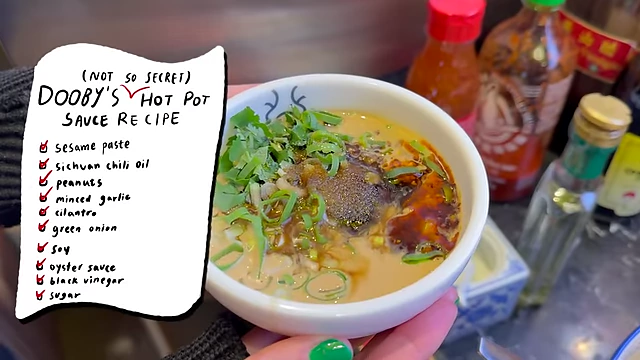
A bowl filled with hot pot dipping sauce, garnished with green onions and chili oil, with a recipe list overlaid. [ 00:26:16 ]
4. Kewpie Mayo [00:26:19]
- Description: Japanese mayonnaise made with egg yolks (instead of whole egg), rice vinegar, and a touch of MSG, giving it a rich taste.

A bottle of Kewpie Mayonnaise with its iconic baby logo. [ 00:26:22 ] - Use: Great with sandwiches, in tuna mayo rice, and in many other dishes.
- Recipe: Tuna Mayo Rice [00:26:46] - Canned tuna mixed with Kewpie mayo and served over rice.
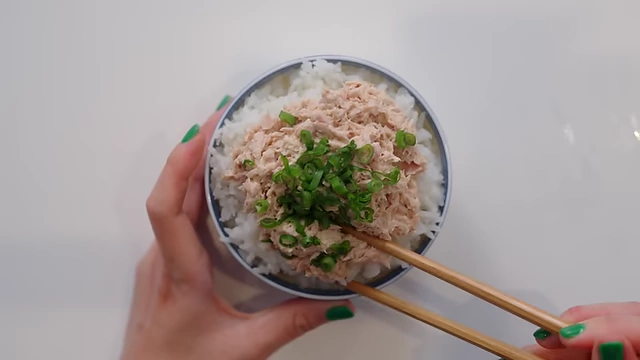
Tuna mixed with Kewpie mayonnaise and served over a bowl of rice, topped with chopped green onions. [ 00:26:56 ]
Acid and Alcohol Category Condiments [00:27:01]

1. Rice Vinegar [00:27:05]
- Description: Mild, slightly sweet vinegar made from fermented rice or rice wine. Less acidic than white distilled vinegar, with a rounded sweetness.

A spoonful of clear rice vinegar. [ 00:27:10 ] - Use: Sushi rice seasonings, marinades, salad dressings, and dipping sauces.
2. Black Vinegar [00:27:27]
- Description: The "balsamic vinegar of Asia," a rice-based dark aged vinegar common in Chinese cuisine, often from Shanxi. Made from fermented grains like rice, wheat, sorghum, or barley. Has a rich, malty flavor with balanced tanginess and sweetness.
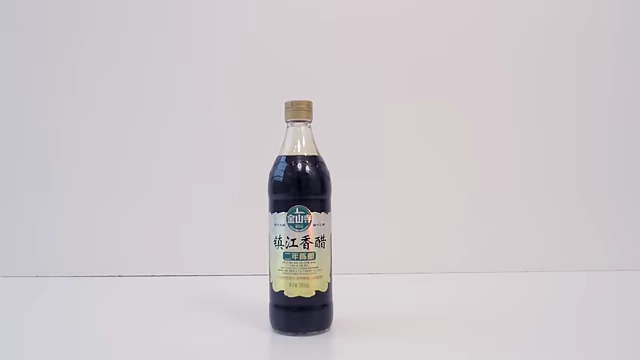
A bottle of Zhenjiang (Chinkiang) Black Vinegar. [ 00:27:30 ] - Characteristics: Stronger aroma than malt vinegar, more depth and complexity with longer aging.

Workers stirring fermented grains in large vats during black vinegar production. [ 00:27:43 ] - Use: Best for dumpling sauce.

A close-up of the Zhenjiang Black Vinegar label, showing details of its ingredients and aging time. [ 00:28:11 ]
3. Shaoxing Wine [00:28:13]
- Description: Traditional Chinese rice wine from Shaoxing. Made from glutinous rice and yeast, amber in color. Slightly sweet, nutty, caramel-like taste with a hint of acidity, similar to sherry.

A bottle of Shaoxing wine, a traditional Chinese rice wine. [ 00:28:15 ] - Use: Adds aroma and "oomph" to dishes.

Shaoxing wine being poured into a small glass. [ 00:28:24 ]
4. Mirin [00:28:36]
- Description: Traditional Japanese sweet rice wine, similar to Shaoxing wine. Made from fermented glutinous rice, rice koji, and sugar.
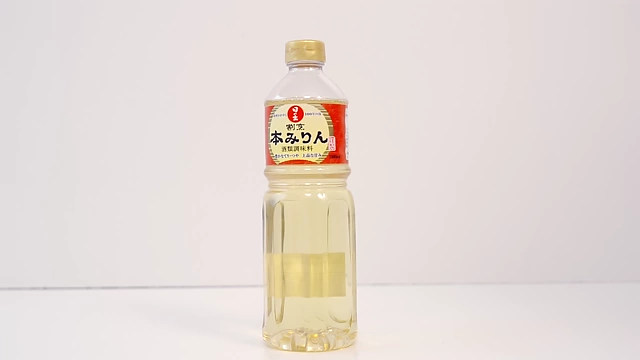
A bottle of Hon Mirin (true mirin), a sweet Japanese rice wine. [ 00:28:41 ] - Mirin is made from fermented glutinous rice, rice koji, and sugar.

Close-up of glutinous rice being prepared for mirin fermentation. [ 00:28:45 ] - Use: Mild sweetness and subtle umami, used as a sweetener for sauces like teriyaki.
5. Sake [00:28:40]
- Description: Traditional Japanese alcohol made from rice, water, yeast, and koji mold (12-16% ABV). Can range from sweet to dry.

A bottle of Japanese sake. [ 00:28:57 ] - Use: One of the "four pillars" of Japanese cooking (along with soy sauce, mirin, and dashi). Used to tenderize meats and remove gaminess or fishiness.

A collection of soy sauce, mirin, and sake bottles, representing the "four pillars" of Japanese cooking. [ 00:29:15 ] - Recipe: Oyakodon [00:29:37] - "Mother and Daughter Bowl" (chicken and egg over rice). Onions simmered in chicken stock (or dashi), chicken marinated in sake, then cooked with soy sauce, mirin, and sugar. Eggs are added and cooked until set, garnished with scallions.

A bowl of Oyakodon, featuring chicken, egg, and onions over rice, garnished with green onions. [ 00:29:32 ]
Sweet Category Condiments [00:30:01]
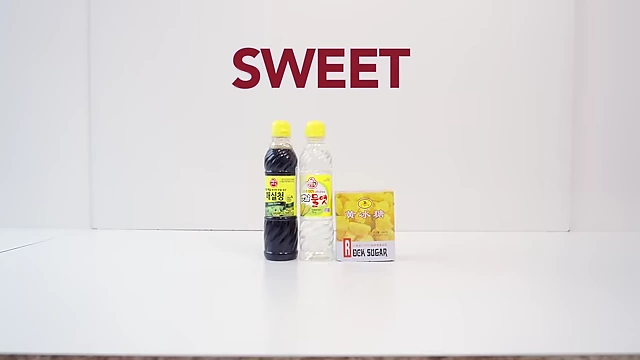
1. Green Plum Extract (Maesil-cheong) [00:30:08]
- Description: Korean green plum extract made by fermenting unripe green plums with sugar for about 100 days.

Unripe green plums laid out in a basket, used for making maesil-cheong. [ 00:30:16 ] - Use: Digestive teas, lemonades, dressings, sauces, and kimchi.

A dark amber liquid, green plum extract, being poured into a small bowl. [ 00:30:25 ]
2. Rice Syrup (Jocheong) [00:30:26]
- Description: A thick syrup made by breaking down starches in cooked rice into simple sugars and boiling. Has a mild caramel-like flavor, is fructose-free (primarily glucose), easier to digest, and less sweet than refined sugar or honey. (Corn syrup can be an alternative if rice syrup is unavailable).

A spoonful of clear corn syrup, shown as a substitute for rice syrup. [ 00:30:44 ] - Use: Adds glossiness and thickness to Korean dishes.
- Recipe: Yangnyeom Chicken [00:31:11] - A Korean fried chicken sauce recipe with corn syrup (or rice syrup), ketchup, gochujang, sugar, soy sauce, gochugaru, and water, heated to a glossy glaze and tossed with fried chicken.

Fried chicken pieces being tossed in a glossy red Yangnyeom sauce. [ 00:31:34 ]
3. Rock Sugar [00:31:43]
- Description: Crystallized form of pure cane sugar, common in Chinese and Vietnamese cuisine. Forms large translucent crystals through slow crystallization.

A piece of translucent rock sugar held up by the speaker. [ 00:31:45 ] - Use: Dissolves slower than granulated sugar, providing a less intense, gentle sweetness to enhance other flavors in braised dishes. Adds a molassy note and depth of flavor.

Large crystals of rock sugar dissolving in a simmering liquid, illustrating its slow dissolution. [ 00:32:02 ]
Spice Category Condiments [00:32:26]
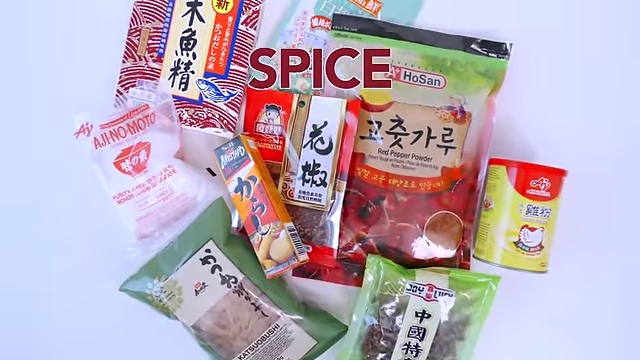
1. MSG (Monosodium Glutamate) [00:32:33]
- Description: A flavor enhancer that amplifies the natural umami flavor in foods.

A packet of Ajinomoto MSG, labeled "umami seasoning". [ 00:32:35 ] - Misconceptions: Not synthetic; derived from natural sources (fermented sugar/starch), mimicking glutamate in foods like tomatoes and cheese. Doesn't make food salty but enhances existing flavors.

White crystals of MSG being sprinkled from fingertips. [ 00:32:37 ] - Benefit: Can be a healthier choice for reducing overall sodium consumption while boosting flavor.

A close-up of the speaker's finger with MSG crystals, illustrating its texture. [ 00:33:00 ]
2. Dashi Powder [00:33:23]
- Description: Instant seasoning to make dashi (Japanese stock). Dissolved in water for soups, broths, and sauces.

A box of Japanese dashi powder. [ 00:33:26 ] - Use: Enhances depth and savory notes, a quick alternative when fresh dashi is not feasible.
- Recipe: Miso Soup [00:33:43] - Dashi stock, miso, wakame seaweed (optional), soft tofu, and green onion.

A bowl of clear miso soup with tofu cubes, wakame seaweed, and green onions. [ 00:33:58 ]
3. Chicken Bouillon Powder [00:34:05]
- Description: Versatile seasoning made from dehydrated chicken extract, salt, sugar, and sometimes MSG/spices.

A can of Ajinomoto Chicken Bouillon Powder. [ 00:34:08 ] - Use: Adds savory, chickeny, umami boost to soups, stir-fries, marinades, and stews. A quick alternative to making chicken stock.
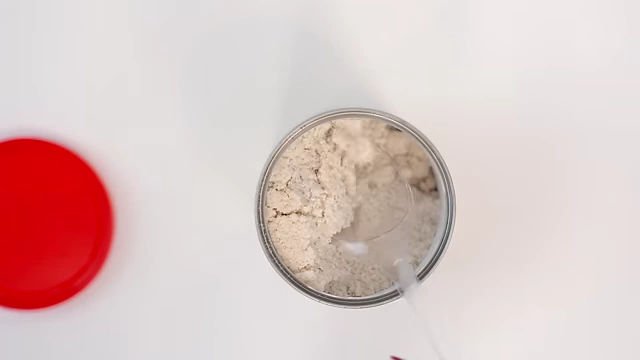
A spoon scooping chicken bouillon powder from the can. [ 00:34:12 ]
4. White Pepper [00:34:27]
- Description: Same plant as black pepper, but with the outer skin removed. Milder, more floral, and slightly fermented flavor than black pepper.
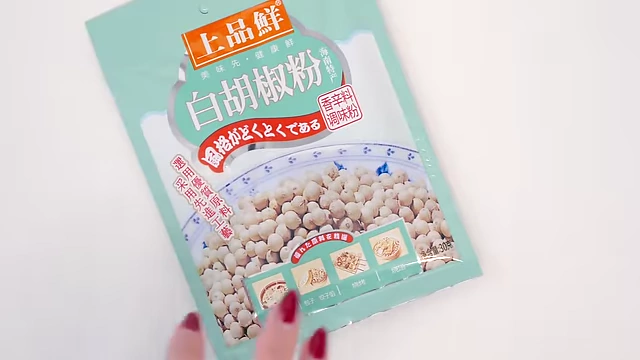
A packet of white pepper powder. [ 00:34:30 ] - Use: Added at the end of cooking to preserve its delicate aroma, often in light-colored dishes.
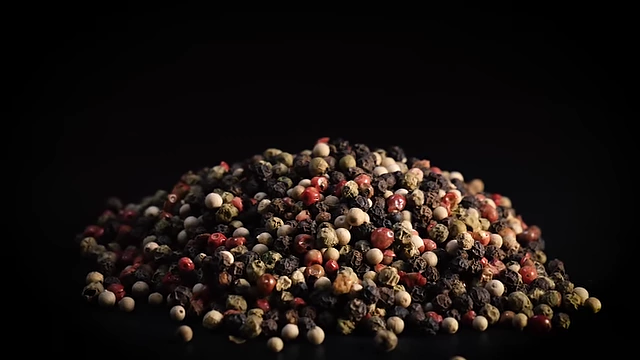
A mix of whole peppercorns (black, white, green, red), showing the raw ingredient varieties. [ 00:34:35 ]
5. Gochugaru [00:34:48]
- Description: Korean chili powder or chili flakes made from sun-dried red chili pepper. Has a vibrant color, spicy, smoky, and sweet flavor.

A packet of A+HoSan Gochugaru (Korean red pepper powder). [ 00:34:51 ] - Gochugaru is made from sun-dried red chili peppers.
Sun-dried red chili peppers, the primary ingredient for gochugaru. [ 00:35:04 ] - Textures: Fine (for soups and pastes), Coarse (for kimchi and garnishing).
- Recommendation: Coarse is more versatile for general kitchen use.

Two packets of gochugaru, illustrating the "coarse" and "fine" textures for different culinary uses. [ 00:35:24 ]
6. Szechuan Peppercorn [00:35:25]
- Description: Unique citrusy flavor with a numbing, tingling sensation (mala) from hydroxy alpha sanshool.
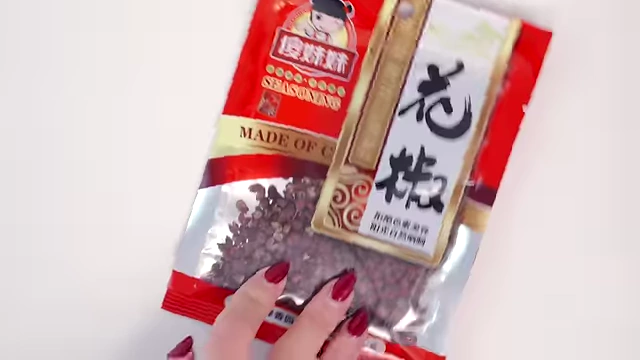
A packet of Sichuan peppercorns. [ 00:35:24 ] - Types:
- Red: Warm, earthy, slightly woody flavor with citrus undertone, balanced numbing. More versatile.
- Green: Brighter, sharper, more floral with pronounced citrus note, stronger and fresher numbing effect. Recommended for fish dishes.

Sichuan peppercorns, lemon slices, and star anise in a glass, highlighting its unique citrusy and numbing flavor. [ 00:35:34 ] 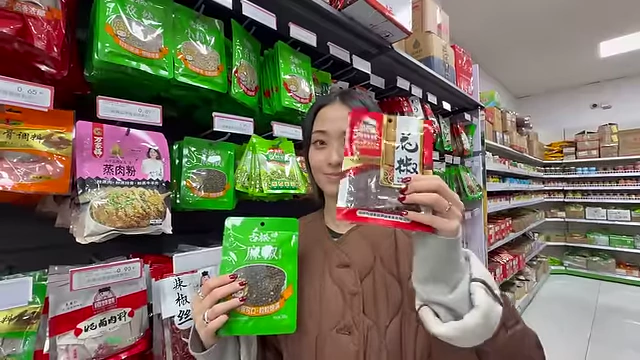
The speaker holding two packets, red and green Sichuan peppercorns, comparing their different flavor profiles. [ 00:36:20 ]
- Use: Key ingredient in Sichuan cuisine (mapo tofu, hot pot, chili oil) for the iconic "mala" taste.
7. Bonito Flakes (Katsuobushi) [00:36:40]
- Description: Thin, smoky shavings of fermented and dried skipjack tuna.

A packet of Katsuobushi (bonito flakes). [ 00:36:43 ] - Bonito flakes are made from dried skipjack tuna.

A large block of dried skipjack tuna (katsuobushi), from which the flakes are shaved. [ 00:36:49 ] - Use: Essential for Japanese cuisine, providing rich umami and a savory, smoky aroma. Used as toppings (okonomiyaki, takoyaki) and for making traditional dashi stock. "Dances" when put on warm food.
8. Spicy Mustard [00:37:13]
- Description: Comes in a tube, very spicy and different from Western hot dog mustard.

A tube of S&B Hot Mustard, resembling a toothpaste tube. [ 00:37:16 ] - Use: Personal favorite for dressing thinly sliced onions at Korean barbecue, providing a punchy, nose-clearing spice that cuts through richness.
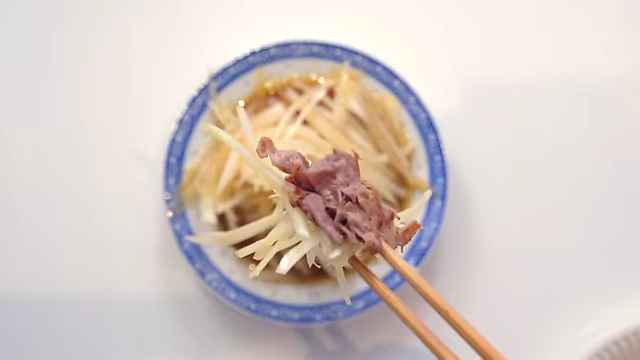
Thinly sliced beef served with onions and a spicy mustard dressing. [ 00:37:47 ]
Conclusion [00:37:45]
The host acknowledges that the array of condiments can be overwhelming but encourages starting with a few at a time, trying out recipes, and gradually incorporating new flavors. The goal is to build a "trusty arsenal of flavors" to elevate everyday cooking and impress others.