This video discusses five common photography composition mistakes and how to fix them to improve your images.
Overview of the 5 common composition mistakes
[
00:00:18
]
1. Incorrect Use of Leading Lines: Avoid horizontal lines that lead the eye out of the frame. Instead, use lines that guide the viewer into and around the image, creating a sense of flow and energy.
Examples of good and bad leading lines in photography.
[
00:02:09
]
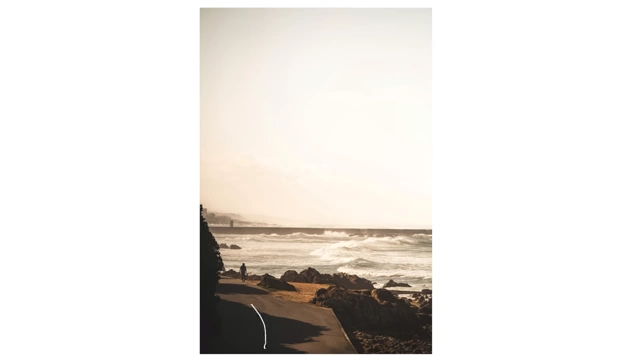
2. Lack of a Clear Subject: Every photo needs a main subject to anchor the composition and keep the viewer engaged. Without a clear subject, the eye wanders and loses interest.
A comparison showing a beach scene without a clear subject versus one with a clear subject.
[
00:03:58
]
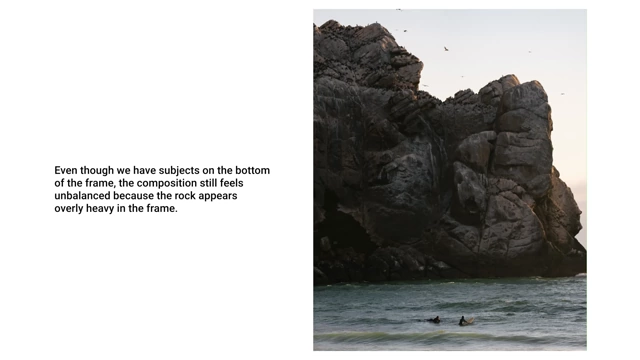
3. Heavily Unbalanced Compositions: Understand visual weight (darker, larger objects appear heavier) and balance elements in the frame to create a harmonious composition.
A coastal photo labeled with "Heavy" and "Light" areas to illustrate visual weight.
[
00:08:45
]
4. Focusing Too Much on Details: Unfocus your eyes to see the bigger picture—the light, shapes, and colors—which can reveal compositional elements you might otherwise miss.
Strong light cutting through an image to highlight a main subject.
[
00:11:33
]
5. Shooting Too Zoomed In or Cropping Too Closely: Give your subjects breathing room and include surrounding elements to enhance storytelling and visual interest.
A comparison of a tightly cropped photo versus a wider shot with more breathing room and context.
[
00:13:02
]
A clear subject is essential to anchor the composition and prevent the viewer's eye from aimlessly searching or losing interest.
Mistake: Photos without a distinct main subject cause the viewer's eye to wander and quickly disengage.
Example: A beautiful landscape without a specific point of interest, leading to a "busy" or uninteresting photo.
A photo of a beach scene lacking a clear subject, illustrating how the eye might wander.
[
00:03:48
]
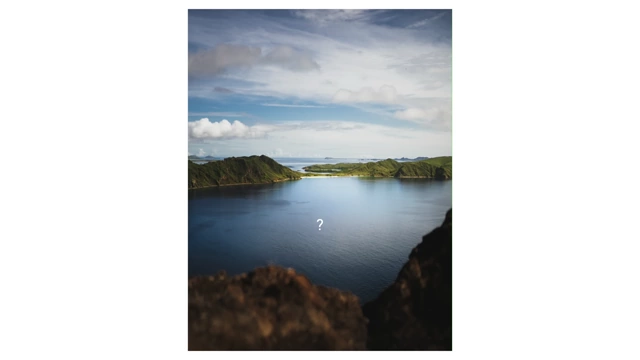
A landscape photo with a question mark, indicating the absence of a clear subject.
[
00:06:36
]
Example: A landscape image lacking a main subject, where the viewer's eye gets lost.
A landscape photo with text indicating a lack of a main subject.
[
00:06:21
]
Correction: Ensure there is a very clear main subject that the viewer can easily identify.
The viewer's eye should start at the main subject, explore other parts of the image, and then return to the main subject.
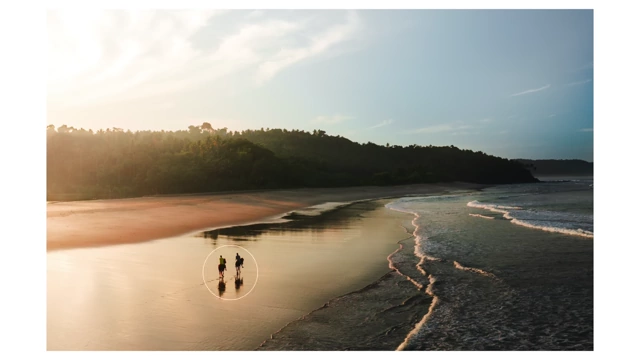
The same beach scene now with two figures on the sand, providing a clear main subject.
[
00:03:58
]
A small church nestled in a valley, acting as a clear subject to guide the viewer's eye.
[
00:04:19
]
Techniques to achieve this:
Minimal/Clean Composition: Using negative space to make the subject stand out.
A solitary rock formation in the ocean, framed by negative space, serving as a clear subject.
[
00:04:35
]
Framing: Using elements like trees to frame the subject.
A person framed by the branches of a mossy tree, adding depth and focus.
[
00:04:58
]
Depth: Creating a sense of depth to keep focus on the main subject.
Secondary Subjects: You can have more than one subject, but the main subject must be clear. Secondary subjects should support and enhance the main subject, adding visual interest and balance.
Example: Birds flying around a bridge (main subject).
A photo illustrating the concept of main and secondary subjects in composition, with labels.
[
00:05:27
]
Example: Smaller towers surrounding a central, taller tower.
An aerial view of a town with a prominent central tower and surrounding smaller towers as secondary subjects.
[
00:05:51
]
Landscapes benefit greatly from subjects.
Two figures walking on a beach, providing a strong subject in a black and white landscape.
[
00:06:50
]
Two people on horseback on a beach, circled as the main subject.
[
00:06:55
]
Over-focusing on small details can lead to missing broader compositional elements.
Mistake: Not seeing the "bigger picture" of light, shapes, and colors in a scene.
Correction: Purposefully unfocus your eyes while shooting to better perceive the fundamental building blocks of the scene: light, shapes, and colors.
This reveals how these elements impact the overall composition.
Utilizing Light: Harsh light can act as a powerful compositional element.
It creates strong diagonal lines of interest.
A street scene at sunset, where harsh light creates strong diagonal lines of interest across the road.
[
00:10:44
]
It highlights the main subject.
Strong, directional light illuminating a person walking in a shadowy hallway.
[
00:10:46
]
Example: Strong light cutting through a volcanic caldera, highlighting a central tree.
Strong light cutting through a volcanic caldera, drawing the eye to a central tree.
[
00:11:33
]
Example: Shadows acting as leading lines towards a subject in harsh sunlight.
Sunlight and shadows creating leading lines towards two people walking on a street.
[
00:11:18
]
Example: A person walking on a beach with atmospheric light.
A lone person walking on a beach at sunset, with light creating atmospheric visual interest.
[
00:11:53
]
5. Shooting Too Zoomed In or Cropping Too Closely [00:12:19]
Many beginner photographers make the mistake of thinking only the main subject matters, ignoring the surrounding environment.
Mistake: Cropping too tightly or zooming in too much, which can make a composition feel cramped and neglect important storytelling elements.
It deprives the subject of "breathing room."
A tightly cropped photo of a person, demonstrating a lack of breathing room in the composition.
[
00:12:44
]
A zoomed-in shot of an RV, feeling cramped within the frame.
[
00:12:50
]
It can exclude visual information that enhances the photo's narrative.
Correction: Give subjects ample breathing room and include surrounding elements to add context and visual interest.
Allow for negative space around the subject.
Even with telephoto lenses, consider how surrounding elements can enhance the main subject's story.
Example: A wider shot of buffalo on a beach reveals more of the beautiful landscape and gives the subjects breathing room.
A comparison image showing the difference between a tightly cropped photo and one that allows the subject more breathing room and context.
[
00:13:02
]
Example: A photo of a Coke bottle with a rose includes the window and ocean in the background, adding context and visual richness.
A wider shot of a Coke bottle with a rose, including the window and ocean in the background for context.
[
00:13:38
]
Example: A surfer shot with a telephoto lens, still including the horizon and mountains for context.
A telephoto shot of a surfer, with the surrounding ocean and distant mountains providing context.
[
00:13:54
]
Example: A wide landscape shot.
A wide landscape shot of a curving beach and lush green hills.
[
00:13:59
]
Negative space makes the photo easier to look at.
A wide shot of an ocean view with a bench, utilizing negative space.
[
00:14:16
]
A person standing on a cliff surrounded by clouds, showcasing the use of negative space.
[
00:14:19
]