Understanding Radiation Levels and Their Health Effects
This video explains 11 levels of radiation, from undetectable background levels to instantly fatal exposures, detailing their causes, typical doses, and biological effects on the human body.
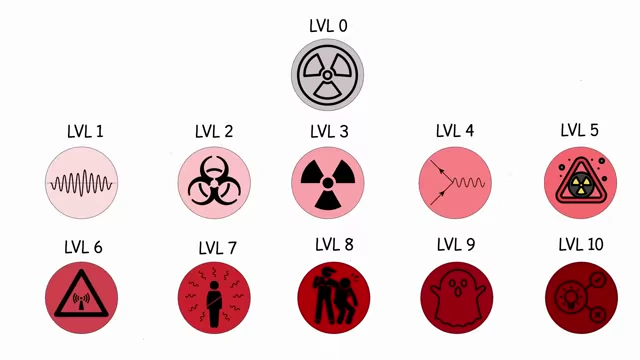
- Levels 0-3 represent background radiation and low-level artificial exposure (e.g., from bananas, medical scans), which are generally harmless but are increasingly monitored for cumulative effects.
- Level 4 introduces doses that can cause subtle biological effects with prolonged exposure, affecting white blood cell counts and DNA.
- Level 5 is physically dangerous, causing acute symptoms like nausea and fatigue, increasing cancer risk, and leading to visible symptoms like hair loss with longer exposure.
- Level 6 marks the onset of acute radiation sickness, with rapid onset of flu-like symptoms and severe damage to fast-dividing cells.
- Levels 7-9 describe increasingly fatal exposures where the body's systems break down, leading to organ failure, severe bleeding, neurological damage, and death, often seen in historical accidents like Chernobyl.
- Level 10 is a theoretical, instantly lethal dose from extreme sources like a nuclear reactor core or bomb detonation, resulting in the immediate obliteration of biological functions.
Level 0 (Regular) [0:00:00]
This level represents the baseline, naturally occurring background radiation.
- Presence: Radiation is everywhere, even in open nature, far from human activity. - It's present in rocks underfoot and cosmic particles from the sun and stars. - The human body itself is slightly radioactive due to natural processes.
- Measurement: Roughly 0.1 to 0.2 microverts per hour.
- Effects: No symptoms, no harm, and undetectable without specialized equipment like a Geiger counter. It's considered cosmic white noise.
Level 1 (No danger) [0:00:58]
This level marks the beginning of low-range artificial exposure, still considered safe.
- Sources: Common daily exposures include:
- Eating a banana.
- Drinking a glass of water. - Being near granite countertops or walking through brick buildings.

A cartoon boy eating a banana [ 00:01:10 ] - Cause: Primarily due to Potassium-40, a naturally occurring radioactive isotope found in food.
- Body's Reaction: The body handles this level of radiation naturally, similar to salt or sugar.
- Measurement: Absorbing one or two microverts a day.
- Effects: No risk, no reaction from the body. Machines can detect it, but it's harmless.
Level 2 (No danger) [0:01:51]
Radiation at this level is still harmless but becomes measurable and warrants monitoring.
- Sources: Slightly elevated environments, such as: - High altitudes (e.g., flying in a commercial airplane). - Areas near phosphates or certain volcanic rocks.
- Measurement: About 5 to 10 microverts in a single event, which is less than one dental X-ray.
- Monitoring: Hospitals, nuclear facilities, and airlines measure this level for sensitive equipment or long-term health tracking.
- Scientists begin to keep records, not due to immediate danger, but for cautious attention to cumulative exposure.
An icon representing a medical scanner for health tracking [ 00:02:25 ] - Effects: No ill effects from living in this environment for years. It's safe but noticeable to instruments.
Level 3 (No danger) [0:02:48]
This is a threshold where radiation is noticeable to safety officers, initiating safety protocols.
- Sources: Certain diagnostic medical procedures:
- A CT scan might deliver a few millisieverts (thousands of microverts) in one go.
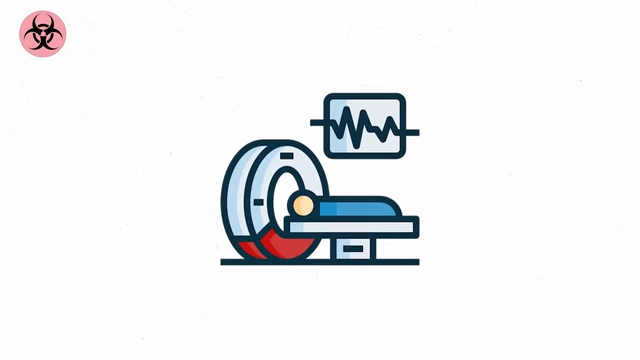
An icon of a patient undergoing a CT scan [ 00:03:05 ] - Cumulative Effects: While a single dose is safe, repeated exposure can accumulate meaningfully. - Radiation is cumulative, and the body's repair capacity is limited.
- Safety Measures: Workers in these environments wear dosimeters to track exposure, not because it's immediately unsafe, but to prevent long-term issues.
- Effects: No immediate symptoms from hours of exposure, but long-term exposure adds up, making tracking crucial.
Level 4 (Long exposure) [0:03:44]
The line between safe and unsafe thins here, as radiation is high enough to cause real biological effects with prolonged exposure.
- Measurement: Doses in the tens of millisieverts.
- Sources: Found at the edges of accident sites or in parts of old uranium mines. - A full-body PET scan can also deliver this level of radiation.
- Biological Impact: Cells begin to notice the exposure.
- White blood cell counts might dip, and DNA strands could suffer subtle breaks.
- These are not immediate, visible symptoms like burns or nausea, but internal biological responses.
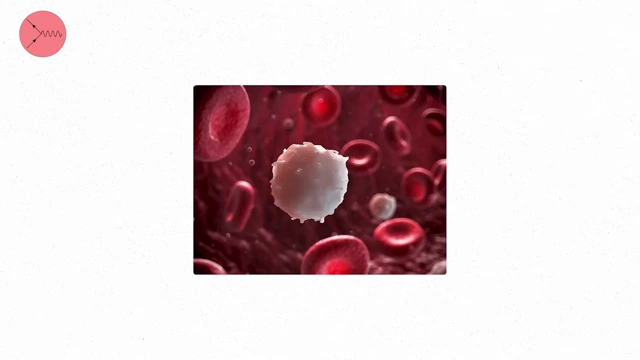
Microscopic view of red and white blood cells [ 00:04:29 ] - Safety: Governments define safety limits for a reason, as repeated or prolonged exposure can lead to damage, similar to excessive sunlight. - This is a workplace for robots, specialized suits, and warning signs, not for unprotected human presence.
Level 5 (Dangerous) [0:04:55]
Radiation at this level becomes physically dangerous, though short exposure is still survivable.
- Measurement: Doses of 100 to 500 millisieverts.
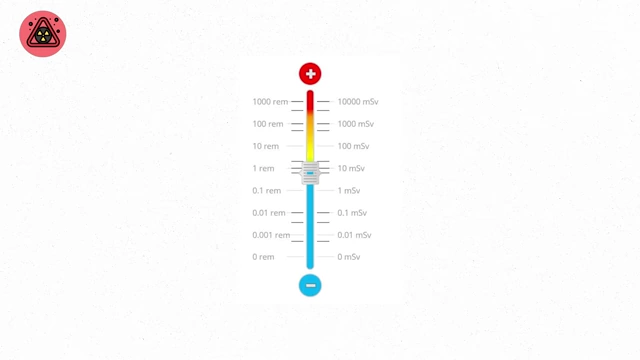
Scale illustrating radiation dosage in rem and millisieverts/sieverts [ 00:05:04 ] - Acute Effects: Enough to trigger acute radiation effects in some individuals. - Symptoms include fatigue, nausea, and persistent headaches. - These are established symptoms, not vague feelings.
- Long-term Risks: Increased risk of developing cancer later in life. - Prolonged exposure can lead to hair loss, lowered immunity, and temporary sterility.
- Real-world Context: Experienced by nuclear technicians (requiring immediate monitoring) and people in the outer zones of disasters like Chernobyl and Fukushima.
- Safety: Requires strict adherence to safety protocols, including specialized suits, leaded walls, and time limits, as it is a recognized hazard.
Level 6 (Dangerous) [0:06:04]
Acute radiation sickness (ARS) begins at this level, with immediate and noticeable bodily reactions.
- Measurement: Doses ranging from 500 to 1,000 millisieverts (0.5 to 1 sievert).
- Rapid Onset: If received in a short burst (minutes to an hour), symptoms can appear within a day.
- Symptoms include fatigue, nausea, and vomiting, resembling the flu but stemming from cellular failure.

A man showing signs of facial discomfort, possibly from radiation exposure [ 00:06:14 ] - Affected Systems: Radiation primarily attacks fast-dividing cells: - Bone marrow, immune system, and gut lining suffer damage. - White blood cell counts drop, making infections harder to fight and slowing wound healing. - Hair may start falling out in patches.
- Real-world Context: This dose range was absorbed by Chernobyl workers in the hours after the explosion, causing them to feel sick but not immediately collapse.
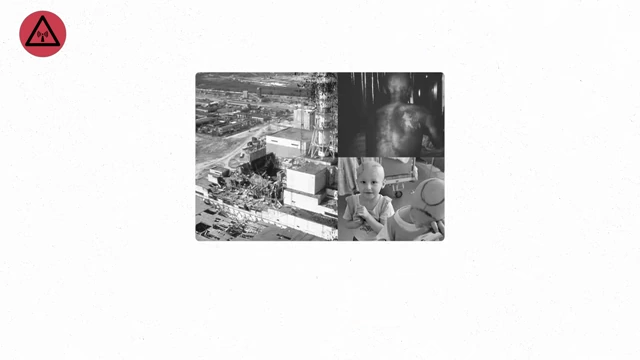
A collage featuring the Chernobyl plant, a person with severe burns, and children [ 00:06:58 ] - Consequence: The clock starts ticking, and while survival is possible, the impact is severe and unforgettable.
Level 7 (Fatal) [0:07:16]
At this level, the body begins a systemic breakdown, with a high mortality rate without treatment.
- Measurement: Exposures in the range of 1 to 2 sieverts.
- Mortality: Half of all exposed people would die without treatment, typically over several weeks, not instantly.
- Systemic Symptoms: Radiation sickness becomes widespread and severe:
- Vomiting within hours, followed by severe diarrhea.
- Uncontrollable infections due to bone marrow failure and immune system collapse. - Bleeding from gums, nose, and beneath the skin.
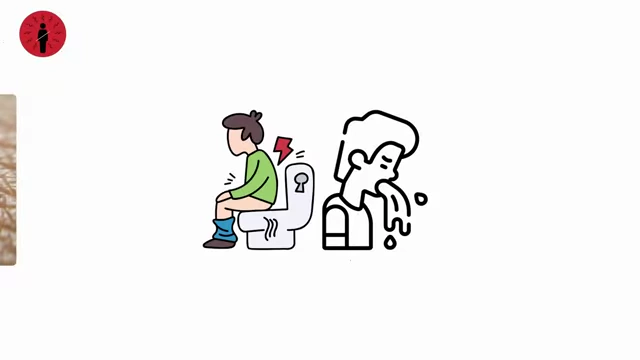
Icons depicting severe diarrhea and vomiting [ 00:07:33 ] - Medical Intervention: With aggressive treatment (isolation, antibiotics, transfusions), survival is possible, but only if internal organs can withstand the damage. Many do not.
- Historical Impact: The Chernobyl disaster in 1986 provided clear examples, where firemen and engineers absorbed doses at this level, and for most, death occurred within weeks despite being rushed to hospitals.
Level 8 (No survival) [0:08:32]
This level is considered beyond rescue, with devastating and often unsurvivable effects.
- Measurement: Radiation doses in the range of 3 to 6 sieverts.
- Survival Rates: - At 3 sieverts, survival is possible with aggressive treatment. - At 4 sieverts, half of exposed individuals will die, even with modern medicine. - At 5 to 6 sieverts, almost no one survives.
- Body's Collapse: The body's capacity to recover is rapidly destroyed. - Bone marrow is annihilated, and cells lining the intestines die off, leading to nutrient malabsorption and dehydration. - Heart and lungs struggle to function. - The brain begins to suffer, causing confusion, disorientation, loss of coordination, and unconsciousness, sometimes within hours.
- Physical Signs: Burns appear on the skin, not from heat, but from energy released internally, signifying tissue breakdown.

A person's back with visible skin damage being examined [ 00:09:33 ] - Medical Focus: Hospitals shift from treatment to palliative care, focusing on pain relief and comfort, as survival is not practical.
Level 9 (No survival) [0:10:00]
This level represents pure horror, with doses lethal in hours due to immediate central nervous system failure.
- Measurement: Doses above 10 sieverts.
- Immediate Impact: The central nervous system is struck down immediately. - Within 30 minutes: nausea, vomiting, disorientation. - Within 2 hours: tremors, seizures, unconsciousness. - Within a day: death from neural failure, not infection or bleeding.
- Cellular Devastation: The brain itself shuts down, signals misfire, and organs stop responding. - DNA shreds instantly, proteins unravel, and nervous tissue collapses.
- Historical Context: This is what happened to Chernobyl workers who stood on the edge of the exposed reactor, receiving intense gamma radiation in seconds. One individual received over 16 sieverts and died within hours.
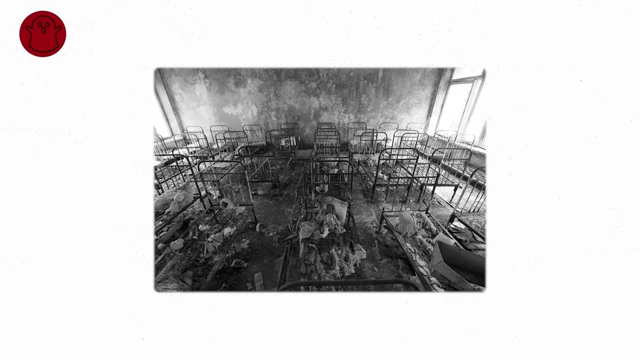
Abandoned bunk beds in a dilapidated room, possibly from Pripyat [ 00:10:32 ] - Fatal Outcome: This level offers no chance for treatment or recovery; it's a flash of pain followed by darkness. Autopsies reveal liquefied tissue, degraded muscle, and massive internal hemorrhaging, signifying obliteration rather than mere damage.
Level 10 (Theoretical) [0:11:18]
This is a hypothetical maximum for immediate human tolerance, a dose that has never occurred but could.
- Measurement: Exposures above 20 sieverts, potentially much higher.
- Sources: Hypothetically, standing inside the core of an unshielded active nuclear reactor or at ground zero of a nuclear bomb detonation moments before the blast.
Icon of a mushroom cloud, symbolizing a nuclear bomb detonation [ 00:11:32 ] - Exposure Time & Effect: Less than a second of exposure results in instant effects. - DNA shreds instantly, proteins unravel, and nervous tissue collapses. - The body simply ceases to function; there is no response, just cessation.
- Unsurvivable: No one has survived this dose, nor will they. - If a person remained alive for a minute, it would be because the body hadn't registered its death yet.
- Research: This dose is only studied through simulations and remote equipment in labs, as no person could ever be near it.
- Implication: Level 10 is a warning, a final chapter that underscores the reason for designing layers of shielding and fearing nuclear weapons. It represents death by physics, a dose so fast and complete it bypasses pain and results in immediate erasure.