The Paradox of Vaccine Success: How Effectiveness Leads to Forgotten Disease Dangers
This video explains the "fatal flaw" of vaccines, which is ironically their immense success in eradicating and controlling infectious diseases. Modern generations, largely shielded from the devastation of diseases like measles, polio, and smallpox, often underestimate their severity, leading to vaccine hesitancy.
- Historical Impact: Before vaccines, diseases like measles caused millions of deaths and severe disabilities worldwide, polio led to widespread paralysis, and smallpox killed hundreds of millions, as seen in historical images and statistics.
- Vaccine Effectiveness: The introduction of vaccines dramatically reduced cases and deaths for diseases like measles (95% drop), polio (99% drop), mumps (99% drop), and led to the complete eradication of smallpox. These campaigns are estimated to have saved hundreds of millions of lives globally.
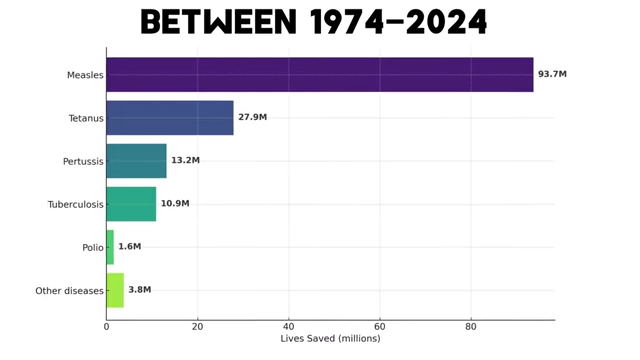
A bar chart showing the estimated number of lives saved (in millions) by different vaccines between 1974 and 2024. Measles accounts for the highest number of lives saved at 93.7 million. [ 00:04:35 ] - The Paradox: This success has made many unaware of the true devastation these diseases caused, fostering a sense of complacency and leading to vaccine hesitancy.
- Types of Vaccines: The video outlines how different vaccine types (live attenuated, inactive, subunit, mRNA) work to train the immune system.
- Herd Immunity: It emphasizes that vaccination is a societal responsibility, as high vaccination rates create herd immunity, protecting vulnerable individuals who cannot be vaccinated.
- Regulation and Safety: Vaccines are highly regulated and undergo extensive testing (10-25 years) because they are preventative measures given to healthy individuals, ensuring their safety and efficacy.
The "Flaw" of Vaccines [0:00]
The video introduces a paradoxical "problem" with vaccines: they work too well. This extreme effectiveness has led many in the Western world to forget the devastating impact of once-common diseases, fostering skepticism and complacency towards vaccination. The core argument is that modern generations are so far removed from the direct experience of these diseases that they underestimate their severity or even question their existence.
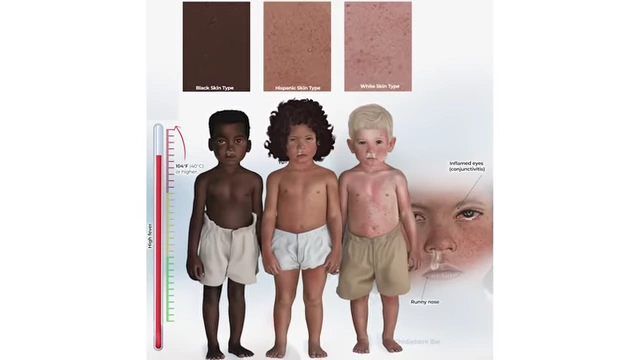
Historical Impact of Vaccines on Major Diseases
Measles [0:03]
- Pre-Vaccine Era:
- Before the vaccine was licensed in 1963, the United States reported up to 900,000 measles cases annually, with actual cases estimated at 3 to 4 million per year. [0:00:03-0:00:21]
- More than 50% of people contracted measles before the age of six and more than 90% before the age of 15, with epidemic cycles happening every 2-3 years. [0:00:21-0:00:30]
- Globally, measles caused an estimated 2.6 million deaths per year before the vaccine. [0:00:44-0:00:47]
- The virus can cause a long-term weakened immune system, deafness, blindness, and brain damage. [0:00:51-0:00:59]
- Post-Vaccine Impact:
- After 1963, measles rates dropped by 95%. [0:00:30-0:00:34]
- Resurgence:
- A rebound in cases was observed around 2008, attributed to vaccine hesitancy. [0:01:00-0:01:05]
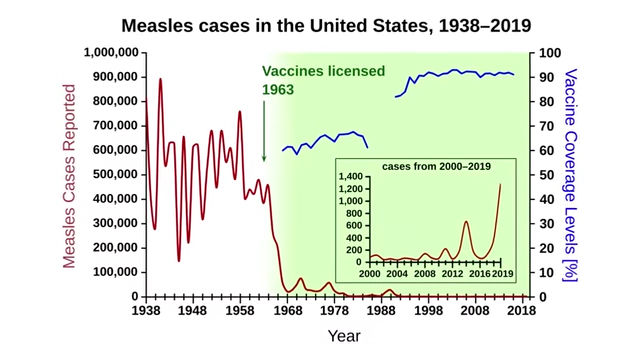
A line graph showing measles cases in the United States from 1938-2019, with a dramatic decline after vaccines were licensed in 1963 and a small rebound starting around 2008. [ 00:00:05 ] 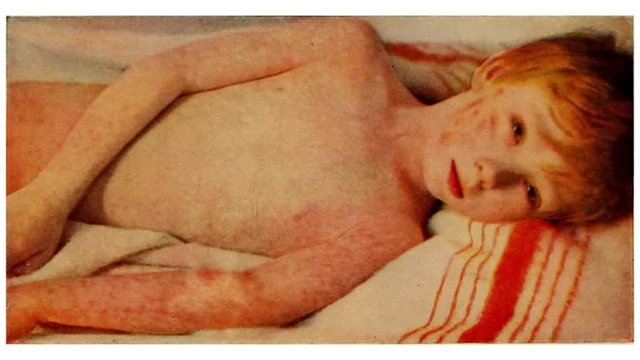
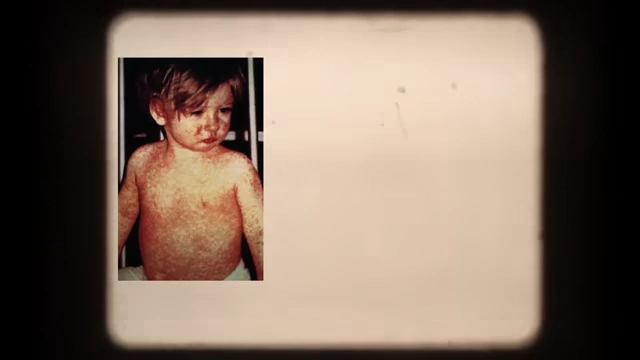
A historical image of a child suffering from measles, showing a widespread rash. [ 00:00:52 ]
- A rebound in cases was observed around 2008, attributed to vaccine hesitancy. [0:01:00-0:01:05]
Polio [0:01:54]
- Global Eradication Effort:
- The Global Polio Eradication Initiative (GPEI) began in 1988, dramatically reducing worldwide cases by 99% from around 350,000 annually. [0:01:56-0:02:06]
- Impact in the US:
- Before the vaccine, 13,000 to 20,000 cases of paralytic polio were reported in the US each year. [0:02:09-0:02:15]
- Consequences included thousands of children needing braces, crutches, wheelchairs, or ventilators to breathe. [0:02:15-0:02:20]
- One in 200 infections led to irreversible paralysis, and 5-10% of paralyzed individuals died when their breathing muscles became immobilized. [0:02:22-0:02:29]
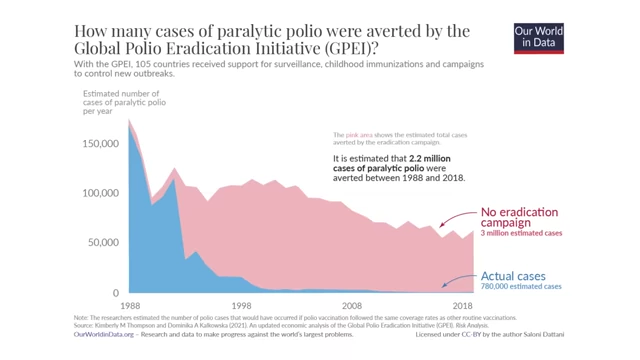
A stacked area chart illustrating the estimated paralytic polio cases averted by the Global Polio Eradication Initiative versus actual cases from 1988 to 2018, demonstrating a significant reduction due to vaccination. [ 00:01:55 ]
Rubella [0:02:30]
- Pre-Vaccine Outbreak (1964-1965):
- This period saw 2,100 neonatal deaths and 11,250 miscarriages. [0:02:33-0:02:38]
- Of the 20,000 babies born with rubella, more than half became deaf, over 3,000 were blind, and 1,800 experienced mental delays. [0:02:38-0:02:47]
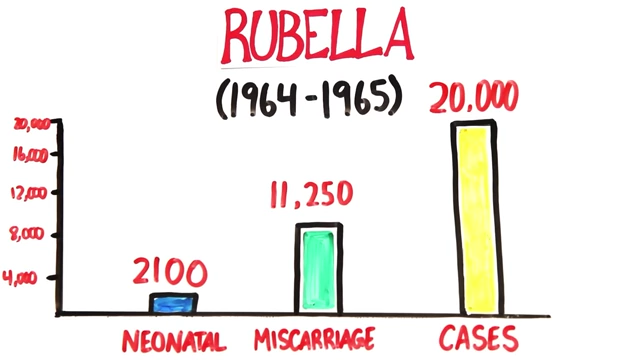
A bar chart detailing the impact of Rubella during 1964-1965, showing 2,100 neonatal deaths, 11,250 miscarriages, and 20,000 total cases. [ 00:02:40 ]
Tetanus [0:02:47]
- Global Decline:
- Worldwide deaths from tetanus decreased from approximately 350,000 in 1990 to 59,000 by 2013. [0:02:51-0:02:56]
- US Cases:
- In the US, nearly all tetanus cases currently occur in unimmunized individuals. [0:02:56-0:03:01]
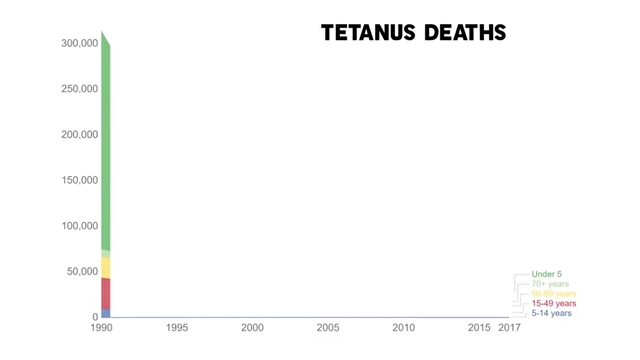
A bar chart displaying the dramatic decrease in tetanus deaths across various age groups from 1990 to 2017. [ 00:02:55 ]
- In the US, nearly all tetanus cases currently occur in unimmunized individuals. [0:02:56-0:03:01]
Mumps [0:03:04]
- Vaccine Effectiveness and Resurgence:
- A vaccine developed in 1967 led to a 99% drop in mumps cases. [0:03:06-0:03:09]
- A rise in cases was observed again in the 2000s, primarily due to vaccine hesitancy. [0:03:12-0:03:15]
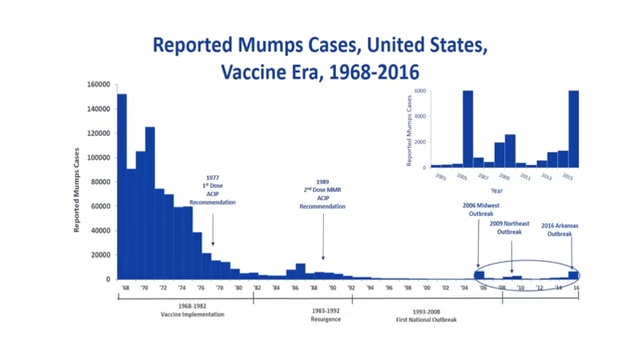
A bar graph showing reported mumps cases in the United States from 1968 to 2016, highlighting a sharp decline after vaccine implementation and subsequent recommendations, followed by noticeable spikes in the 2000s. [ 00:03:05 ]
Hepatitis B [0:03:15]
- Discovery and Impact:
- This cancer-causing virus was discovered in 1966, with up to 15% of the population chronically infected in some regions. [0:03:17-0:03:23]
- Vaccine Development:
- Vaccine development began in the 1980s after its genome was sequenced. [0:03:25-0:03:30]
- Current vaccines are 95% effective, leading to a drastic reduction in US cases. [0:03:30-0:03:35]
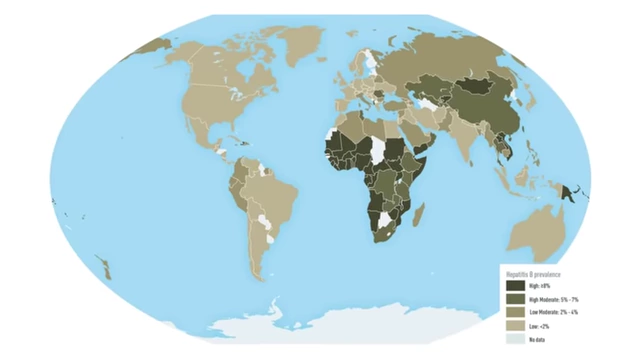
A global map illustrating the prevalence of Hepatitis B worldwide, with darker shades indicating higher infection rates. [ 00:03:23 ] 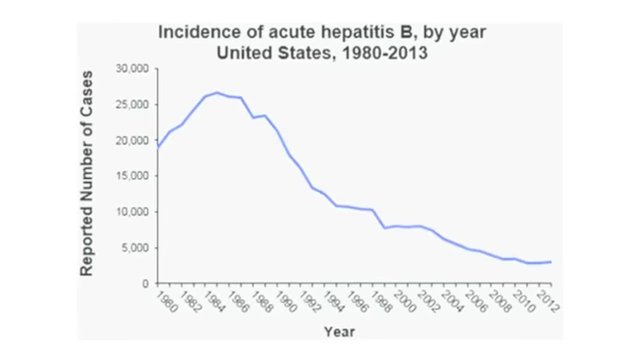
A line graph illustrating the incidence of acute hepatitis B in the United States from 1980 to 2013, demonstrating a significant decline in cases over time. [ 00:03:35 ]
Smallpox: Eradication Success [0:03:39]
- Global Eradication:
- Smallpox is the only human disease to be completely eradicated, with the last known case in 1978. [0:03:41-0:03:45]
- Historical Devastation:
- Historically, smallpox was responsible for hundreds of millions of deaths, including 300 million in the 20th century alone. [0:03:48-0:03:58]
- It was highly contagious with a 30% mortality rate, and some strains had a 100% mortality rate. [0:03:58-0:04:05]
- Gold Standard Vaccine:
- The smallpox vaccine is considered the "gold standard" and inspired many other eradication campaigns. [0:04:11-0:04:15]
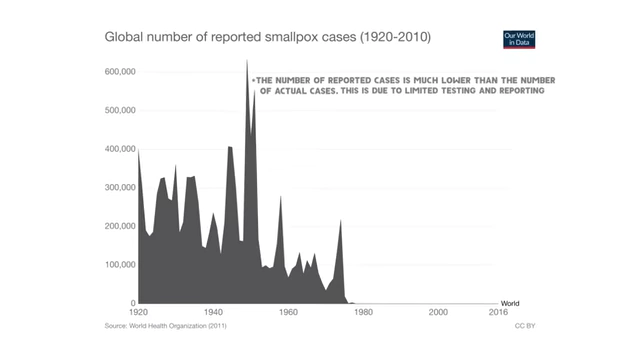
A filled line graph illustrating the global number of reported smallpox cases from 1920 to 2010, clearly showing the disease's eradication around 1978. [ 00:03:45 ] 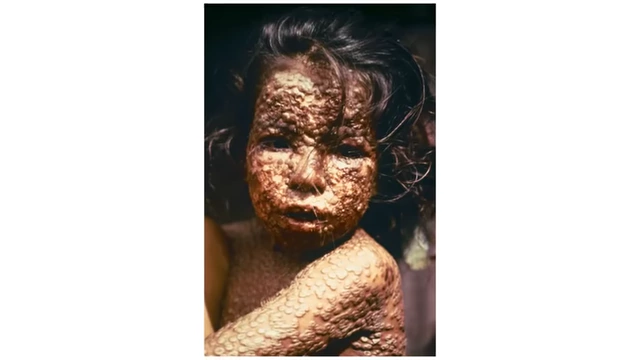
A close-up photograph of a child suffering from severe smallpox, illustrating the disfiguring effects of the disease. [ 00:04:00 ]
- The smallpox vaccine is considered the "gold standard" and inspired many other eradication campaigns. [0:04:11-0:04:15]
Overall Impact of Vaccination Campaigns [0:04:15]
- Lives Saved (1974-2024 Estimates):
- Measles: 93.7 million lives. [0:04:22-0:04:24]
- Tetanus: 27.9 million lives. [0:04:24-0:04:27]
- Pertussis: 13.2 million lives. [0:04:27-0:04:29]
- Tuberculosis: 10.9 million lives. [0:04:29-0:04:32]
- Polio: 1.6 million lives. [0:04:32-0:04:34]
- Other diseases: 3.8 million lives. [0:04:34-0:04:36]
- These figures do not include the hundreds of millions more who were spared severe illness and long-term effects. [0:04:36-0:04:40]
A horizontal bar chart detailing the estimated number of lives saved by various vaccines between 1974 and 2024, with measles accounting for the highest number at 93.7 million. [ 00:04:35 ]
Evolution of Vaccination Methods
Early Inoculation (Variolation) [0:04:40]
- A form of inoculation, known as variolation, was practiced in 1500s China to prevent smallpox and later adopted in 18th-century Europe. [0:04:42-0:04:47]
- This method involved exposing individuals to material from an infected person, hoping they would build an immune response. [0:04:49-0:04:55]
- While 1-2% of those variolated would die, it was significantly safer than the 30% mortality rate from natural smallpox infection. [0:04:55-0:05:05]
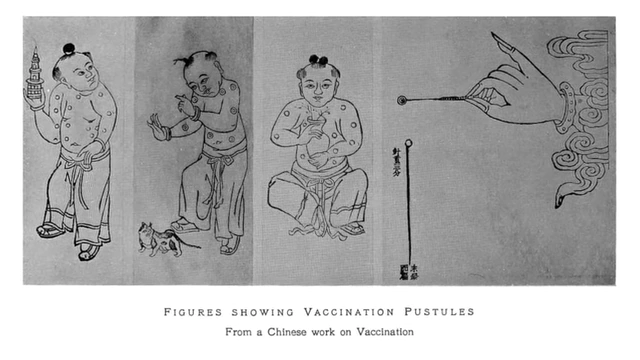
An illustration from an ancient Chinese work demonstrating figures and tools associated with variolation, an early form of inoculation against smallpox. [ 00:04:43 ] 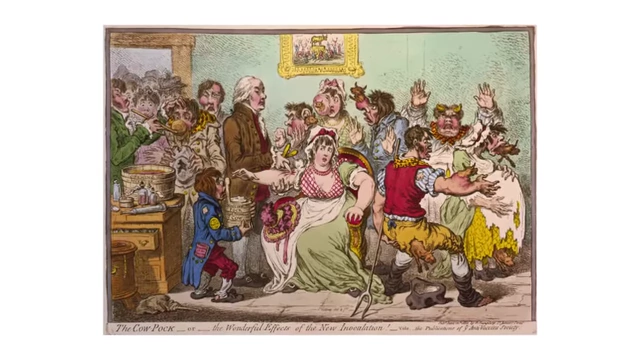
An 18th-century European caricature depicting "The Cow Pock" or the "Wonderful Effects of the New Inoculation," illustrating public perception of early vaccination. [ 00:04:47 ] 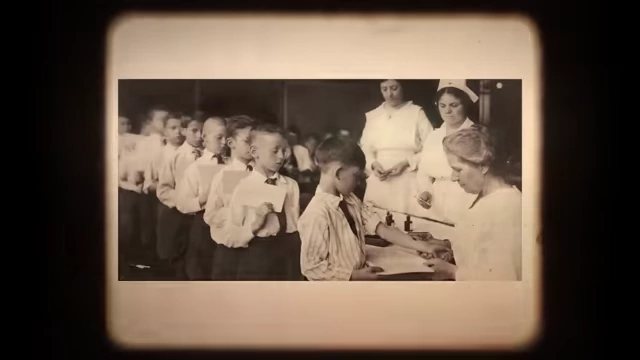
Historical photo showing children lining up to receive vaccinations. [ 00:01:45 ] 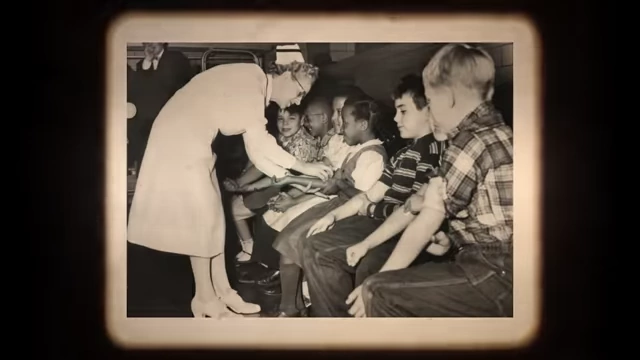
A nurse administering a vaccine to a child in a historical setting. [ 00:01:48 ]
Modern Vaccine Types [0:05:07]
- Modern vaccines are much safer and more effective than early variolation. [0:05:10-0:05:12]
- General Principle: Vaccines typically introduce a weakened form of the germ to your body so that the immune system can learn to recognize it and build its defenses to fight off a real attack later.
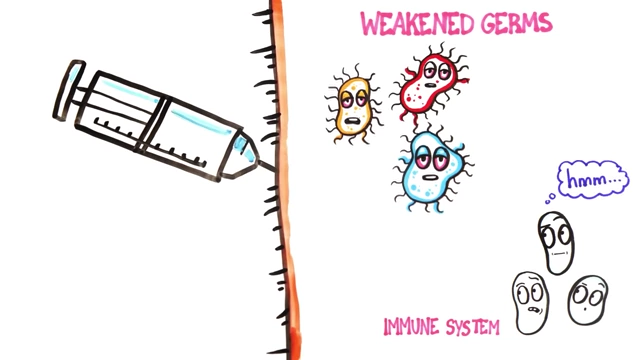
A whiteboard animation illustrating how vaccines introduce weakened germs to the body, allowing the immune system to recognize them and build defenses. [ 00:05:20 ] - Live Attenuated Vaccines:
- Introduce a weakened form of the germ to allow the immune system to recognize and prepare for a real attack (e.g., measles, mumps, rubella). [0:05:14-0:05:29]
- Highly effective but cannot be given to people with compromised immune systems. [0:05:29-0:05:33]
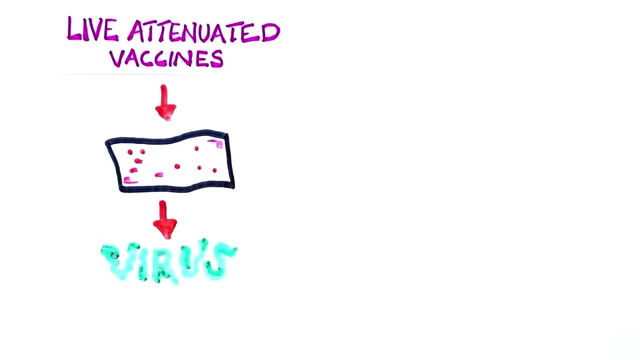
A diagram explaining live attenuated vaccines, which use a weakened virus, noting they are not suitable for individuals with compromised immune systems. [ 00:05:31 ]
- Inactive Vaccines:
- Use dead pathogens, killed by heat or chemicals (e.g., polio, hepatitis A). [0:05:33-0:05:40]
- Safe for individuals with weakened immune systems but often require several doses for long-lasting immunity. [0:05:40-0:05:53]

A diagram contrasting live attenuated vaccines with inactive vaccines, which use killed pathogens and are safe for individuals with weakened immune systems. [ 00:05:35 ] 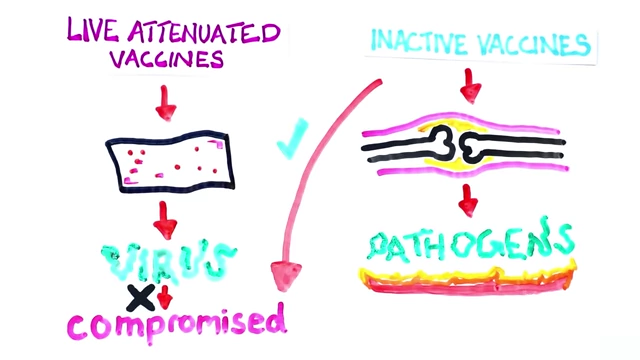
A diagram illustrating inactive vaccines, which use killed pathogens, highlighting their safety for weakened immune systems but often requiring multiple doses for long-lasting immunity. [ 00:05:45 ]
- Subunit Vaccines:
- Utilize a specific protein or carbohydrate from the pathogen to trigger an immune response (e.g., hepatitis B, influenza). [0:05:53-0:06:03]
- mRNA Vaccines (e.g., COVID-19):
- Have an ingenious mechanism of action, coding for only a small, harmless part of the virus, such as the spike protein. [0:06:03-0:07:15]
- The injected mRNA enters cell cytoplasm, where ribosomes read its instructions and create these specific proteins. [0:07:18-0:07:24]
- These proteins are presented on the cell membrane, triggering the immune system to produce antibodies and prepare for the actual virus without direct exposure. [0:07:24-0:07:43]
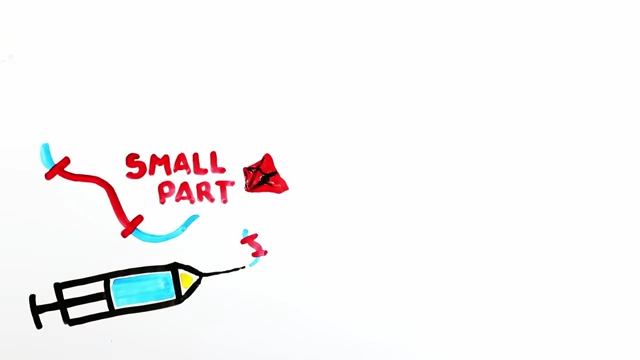
A whiteboard illustration demonstrating how mRNA vaccines inject genetic instructions for only a "small part" of a virus, such as the spike protein. [ 00:07:07 ] 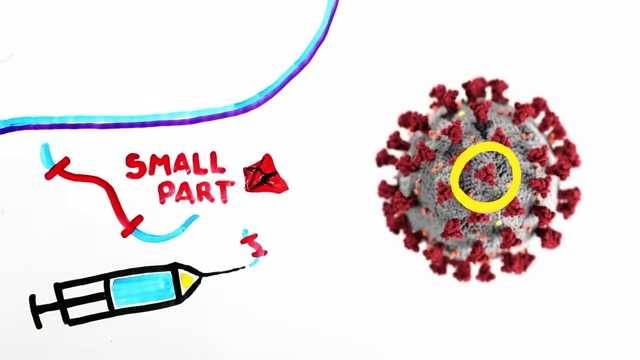
An illustration showing a syringe injecting mRNA coding for a small part of the SARS-CoV-2 virus (specifically the spike protein). [ 00:07:19 ] 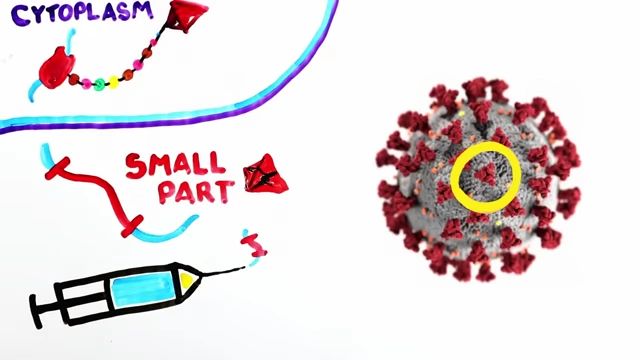
A diagram illustrating the mechanism of mRNA vaccines, showing how injected mRNA enters the cell cytoplasm, ribosomes produce spike proteins, and these proteins are presented on the cell membrane to trigger an immune response. [ 00:07:25 ]
The Importance of Community (Herd) Immunity [0:07:43]
- Vaccination is not solely a personal choice; it significantly benefits society. [0:07:51-0:07:55]
- Being vaccinated prevents the spread of disease to vulnerable individuals, including the very young, the elderly, and those with compromised immune systems (e.g., undergoing chemotherapy) who cannot be vaccinated. [0:07:55-0:08:06]
- The more people vaccinated, the less "real estate" is available for germs, squashing their ability to spread. [0:08:06-0:08:13]
- This principle, known as herd immunity, is the best protection for the most vulnerable members of society. [0:08:15-0:08:19]
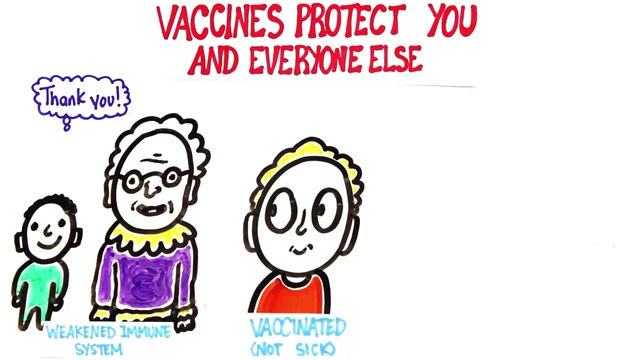
An illustration stating "VACCINES PROTECT YOU AND EVERYONE ELSE," showing how vaccinated individuals help protect those with weakened immune systems. [ 00:08:02 ] 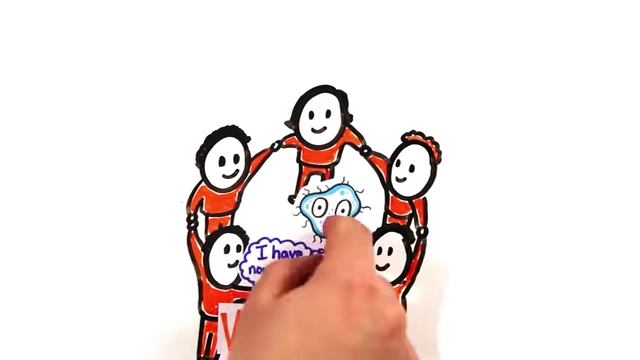
A whiteboard animation depicting herd immunity, where vaccinated individuals form a protective barrier around a germ, preventing its spread. [ 00:08:15 ] 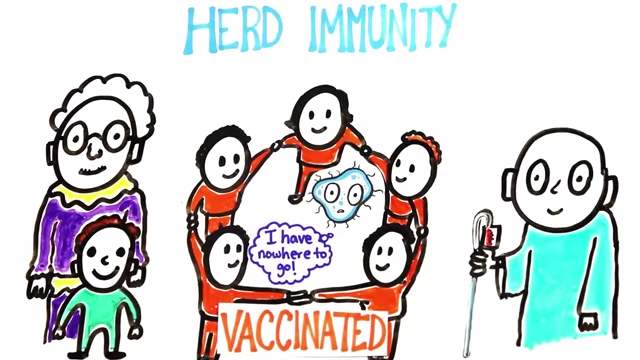
An illustration demonstrating herd immunity, where a circle of vaccinated individuals protects vulnerable people (like a child, an elderly person, and a chemotherapy patient) from a pathogen. [ 00:08:20 ]
Vaccine Regulation and Safety [0:08:20]
- While skepticism towards the pharmaceutical industry is understandable, vaccines are backed by hundreds of years of data. [0:08:20-0:08:27]
- Vaccines are among the most highly regulated substances introduced into the human body. [0:08:34-0:08:38]
- This rigorous regulation is because vaccines are given to healthy people, often children, as a preventative measure rather than a treatment. [0:08:41-0:08:45]
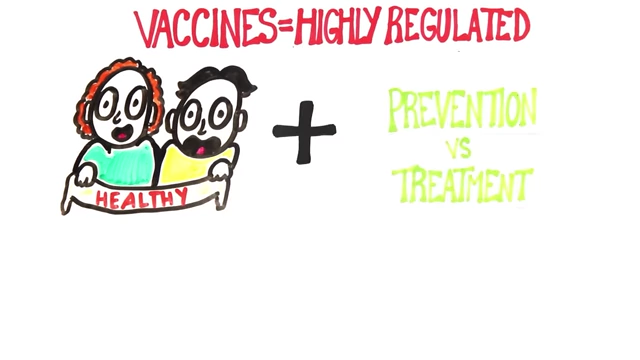
A diagram explaining that vaccines are highly regulated because they are preventative measures given to healthy individuals, not treatments for existing illness. [ 00:08:46 ] - They undergo multiple phases of testing (which can take 10 to 25 years in Canada and the US) to ensure safety, determine the correct dose, and confirm effectiveness. [0:08:46-0:08:59]
- Continuous monitoring of effects occurs even after a vaccine is approved and on the market. [0:08:59-0:09:03]
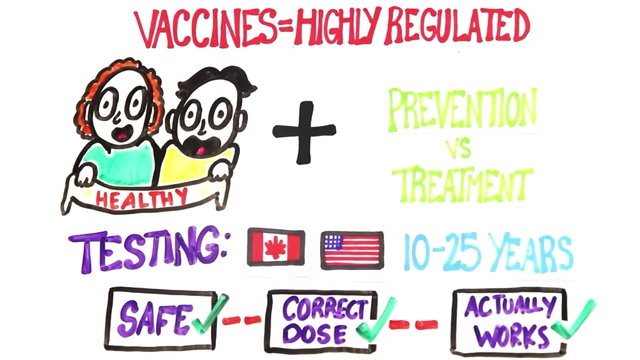
A diagram detailing the extensive testing process for vaccines in Canada and the US, which can take 10-25 years to ensure they are safe, the correct dose is determined, and they are effective. [ 00:08:55 ]
Conclusion: Recognizing Vaccine Success [0:09:03]
- Historical data unequivocally shows that vaccines have saved hundreds of millions of lives and maintained the health of many more. [0:09:03-0:09:10]
- It is crucial to continue pushing for further testing and safety regulations to minimize potential side effects. [0:09:12-0:09:18]
- Current generations are fortunate to live in an era where the devastating impact of many infectious diseases is largely unknown, a reality made possible by vaccines and modern science. [0:09:20-0:09:30]
- The video concludes with a call to avoid bringing back these terrible diseases. [0:09:32-0:09:33]