How the FIRE Movement Has Evolved and How to Make it Work in Today's Economy
Summary:
The FIRE (Financial Independence, Retire Early) movement has changed significantly since 2020 due to increased costs, inflated housing prices, and a tougher job market, requiring a new approach.
- Understanding FIRE Tiers: The video outlines four tiers of FIRE: LeanFIRE (minimalist, $25K-$50K annual spending), Standard FIRE (middle-class, $50K-$125K annual spending), ChubbyFIRE (comfortable, $125K-$300K annual spending), and FatFIRE (luxury, $300K-$375K+ annual spending).
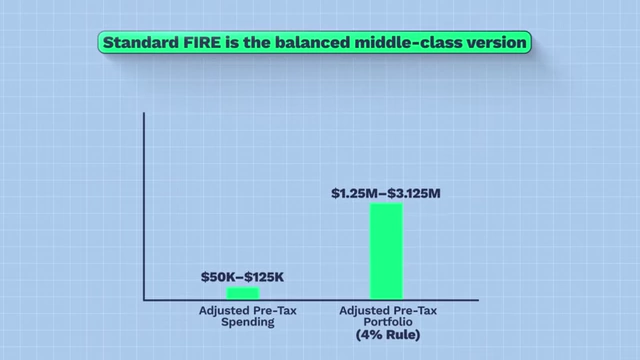
Overview of Standard FIRE spending and portfolio targets [ 00:02:50 ] - New FIRE Variations: New, more flexible FIRE paths have emerged, including CoastFIRE (front-loading savings then "coasting"), BaristaFIRE (part-time work for benefits and partial withdrawals), and Flexible FIRE (combining part-time work and income streams with modest withdrawals).
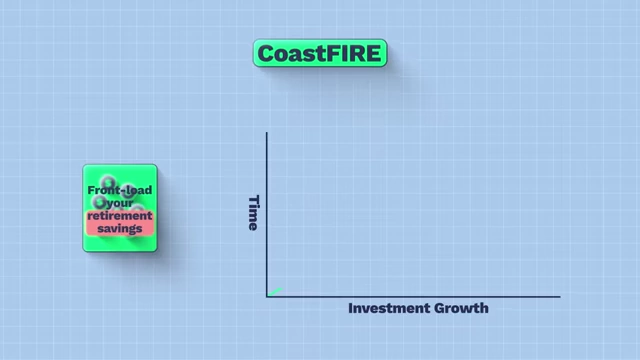
Diagram illustrating the CoastFIRE strategy of front-loading retirement savings [ 00:06:24 ] - Making FIRE Work Today: To achieve FIRE in the current economy, the video suggests four key strategies:
- Income Management: Utilize the "Up, Out, In" method (move up in current company, find new employer opportunities, or reskill) and proactively adapt to AI's impact on jobs.
- Spending Management: Track every dollar, prioritize goals, automate savings, and monitor progress monthly.
- Pre-Saving: Save for future big-ticket expenses (medical, car, home maintenance) to avoid debt and early portfolio withdrawals.
- Geographic Arbitrage: Consider moving to lower-cost-of-living areas to stretch income and accelerate savings, rather than struggling in expensive cities.
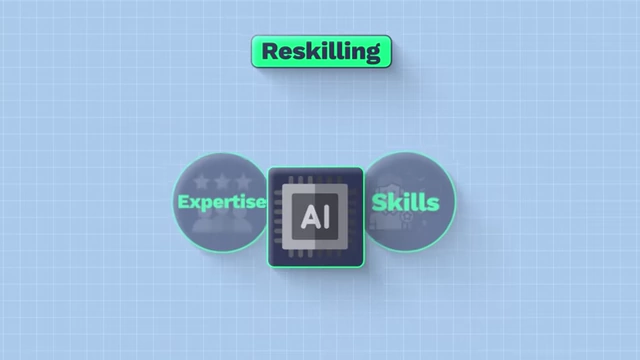
Diagram showing how reskilling combines expertise with new skills for the AI era [ 00:10:49 ]
The FIRE Movement Has Changed [00:00]
The FIRE (Financial Independence, Retire Early) movement has evolved considerably over the past decade.
- Misconception: Initially, it was believed to be only for high-income earners (e.g., $200,000+).
- Post-2020 Reality: Since 2020, with exploding costs, unaffordable housing, and a challenging job market, this perception has become more widespread.
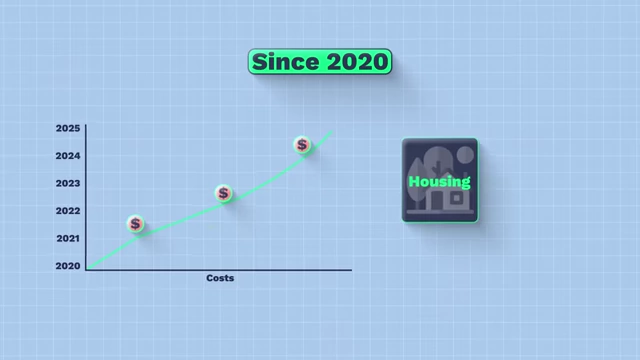
Graph illustrating the increase in costs since 2020, with a focus on housing [ 00:00:14 ] - Evolution, Not Death: The speaker argues that FIRE isn't dead but has evolved, and many are still using outdated plans.
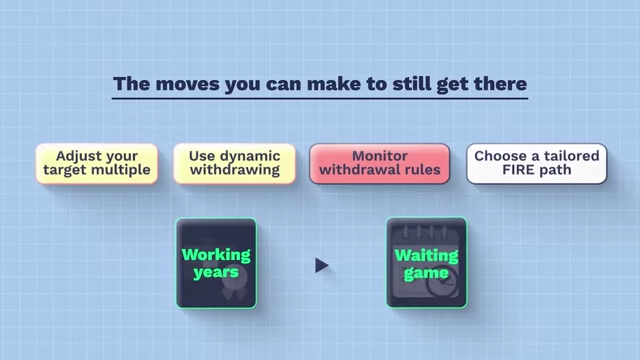
Overview of key adjustments to make FIRE achievable, including adapting the target multiple and choosing a tailored path [ 00:00:40 ]
What Is Financial Independence Retire Early? [00:40]
FIRE is a lifestyle and financial strategy with two core objectives:
- Financial Freedom: Having enough saved and invested to cover all living expenses without needing a job paycheck.
- This allows individuals to pursue work they love without financial worry.
- Early Retirement: Leaving the traditional workforce well before the standard age (e.g., 30s, 40s, or early 50s).
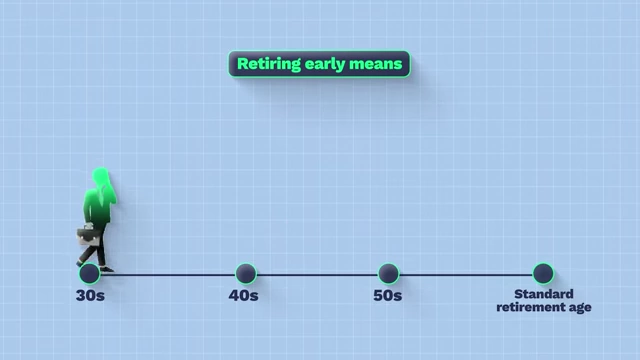
Timeline showing early retirement ages in the 30s, 40s, and 50s compared to the standard retirement age [ 00:01:08 ] - "Retirement" in FIRE often means having the freedom to pursue passions, not necessarily doing nothing.
- Motivation: People are drawn to FIRE for freedom and control over their time, aiming to escape the "rat race."
The New FIRE Reality Post 2019 [01:33]
The economic landscape changed significantly after 2019, necessitating a re-evaluation of FIRE numbers.
- Ballpark Guidelines: The provided figures are not rigid but offer a sense of scale for different FIRE categories.
- 4 Tiers of FIRE:
- LeanFIRE [02:09]: The highly frugal, minimalist version focusing on essentials.
- Spending: $25,000 - $50,000 adjusted pre-tax spending.
- Portfolio (4% Rule): $625,000 - $1,250,000.
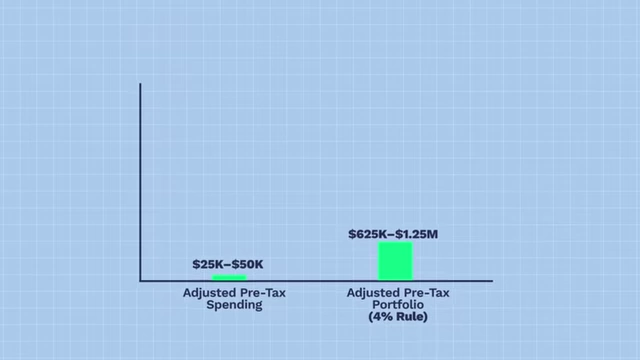
Bar chart showing the adjusted pre-tax spending and portfolio targets for LeanFIRE [ 00:02:10 ] - Lifestyle: Basic housing, simple meals, low-cost hobbies, significant cutbacks. Best in low-cost-of-living areas.
- Description: Comfortably scraping by without luxuries.
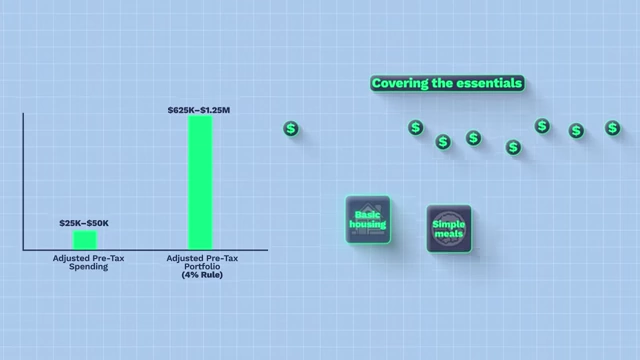
Diagram showing LeanFIRE focusing on covering essentials like basic housing and simple meals, alongside its spending and portfolio targets [ 00:02:15 ]
- Standard FIRE [02:48]: The balanced middle-class version.
- Spending: $50,000 - $125,000 adjusted pre-tax spending.
- Portfolio (4% Rule): $1,250,000 - $3,125,000.
Bar chart showing the adjusted pre-tax spending and portfolio targets for Standard FIRE [ 00:02:50 ] - Lifestyle: Reasonable standard of living, some travel, hobbies, occasional splurges. Requires solid savings but not extreme frugality.
- Goal: Typical retirement lifestyle earlier, maintaining a family home and moderate entertainment.
- ChubbyFIRE [03:13]: Comfortable and cushy, bridging stability with upscale elements.
- Spending: $125,000 - $300,000 adjusted pre-tax spending.
- Portfolio (4% Rule): $3,125,000 - $7,500,000.
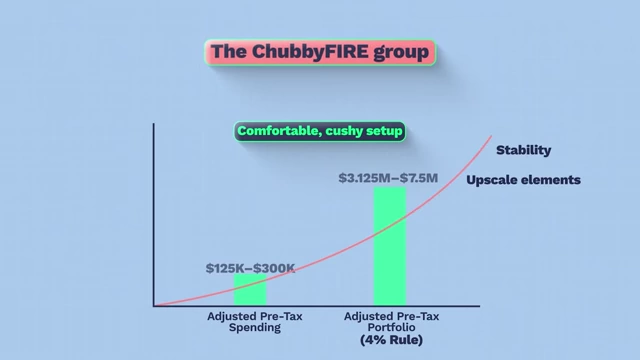
Bar chart indicating adjusted pre-tax spending and portfolio targets for ChubbyFIRE, showing a balance between stability and upscale elements [ 00:03:20 ] - Lifestyle: Reliable healthcare, nicer vacations, home upgrades, quality dining, expensive hobbies. Builds a larger buffer for flexibility.
- FatFIRE [03:34]: The luxury, abundant version.
- Spending: $300,000 - $375,000+ adjusted pre-tax spending.
- Portfolio (4% Rule): $7,500,000 - $9,375,000+.
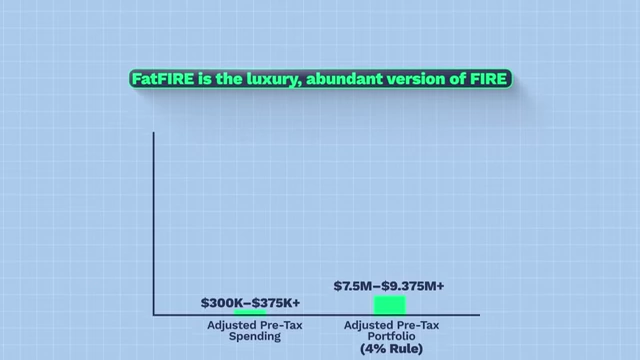
Bar chart indicating adjusted pre-tax spending and portfolio targets for FatFIRE, representing a luxury and abundant lifestyle [ 00:03:40 ] - Lifestyle: Supports high-end experiences like frequent international travel, premium homes, fine dining. Requires aggressive earning and saving, often from high-income careers, with zero lifestyle sacrifice.
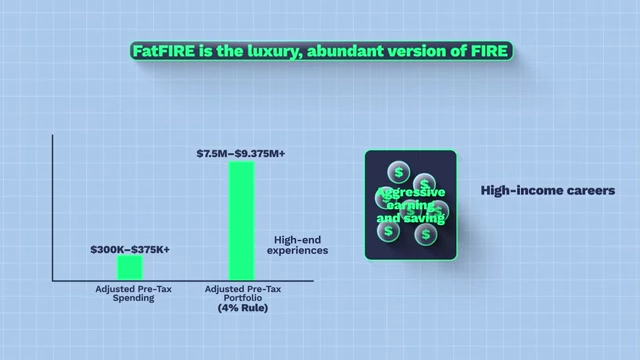
Diagram illustrating FatFIRE's reliance on aggressive earning and saving for high-end experiences, alongside its spending and portfolio targets [ 00:03:51 ]
- LeanFIRE [02:09]: The highly frugal, minimalist version focusing on essentials.
Why FIRE Feels Harder Now [03:55]
Several factors make the FIRE path more challenging:
- Cost of Living [04:05]:
- Cumulative Inflation: Price jumps in essential goods (groceries, utilities, insurance) are permanent, even if yearly inflation slows.
- Irrelevant Price Drops: While some discretionary items like televisions may decrease in price, core living costs remain high.
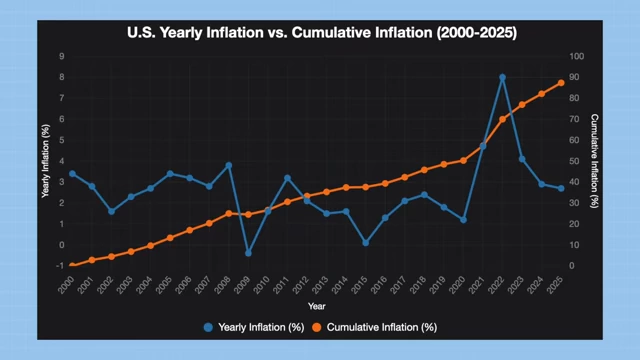
Graph comparing U.S. Yearly Inflation and Cumulative Inflation from 2000 to 2025 [ 00:04:10 ]
- Housing [04:31]:
- Soaring Prices: Renting or buying has become significantly more expensive, with some areas requiring second incomes or massive down payments for starter homes.
- Impact on FI: High housing costs make it harder to achieve financial independence, especially for those aiming to avoid landlord whims.
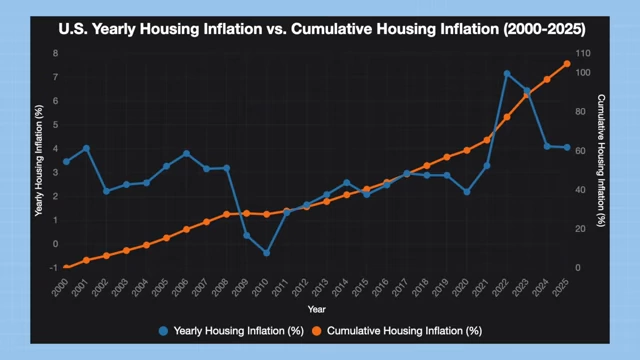
Graph comparing U.S. Yearly Housing Inflation and Cumulative Housing Inflation from 2000 to 2025 [ 00:04:40 ]
- Job Market [05:01]:
- Uncertainty: Increased offshoring, automation, and fewer long-term high-paying roles are affecting job stability.
- Stagnant Wages: Real wage growth has been minimal, hindering income growth needed for accelerated FIRE savings.
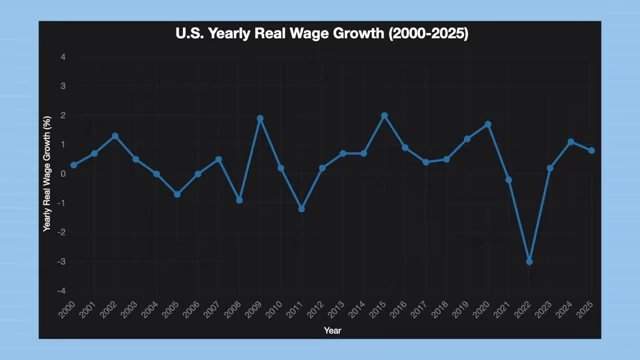
Graph showing U.S. Yearly Real Wage Growth from 2000 to 2025, highlighting periods of minimal or negative growth [ 00:05:10 ]
- Disproportionate Impact:
- LeanFIRE and Standard FIRE groups are most affected by these economic shifts due to less wiggle room in their budgets.
- ChubbyFIRE and FatFIRE groups are better equipped to absorb cost increases.
- Conclusion: While the math is tighter, FIRE is still achievable but requires an updated plan for today's economy.
3 Ways FIRE Has Evolved [06:04]
New variations offer more flexibility and adaptability for pursuing financial independence:
- CoastFIRE [06:19]:
- Strategy: Front-load retirement savings early in your career.
- Mechanism: Allow investments to grow on "autopilot" through compound interest.
- Post-Target: After hitting a "magic number," you only need to earn enough to cover current expenses, letting the portfolio handle future growth. - Example (Yuki): At 32, with $300,000 invested, if his portfolio compounds at 7% annually, it could grow to $1.9 million by age 60 (yielding $79,000/year at a 4% withdrawal rate). This enables him to take less stressful, lower-paying jobs without impacting retirement.
Diagram illustrating CoastFIRE, where savings are front-loaded early for future investment growth [ 00:06:24 ] 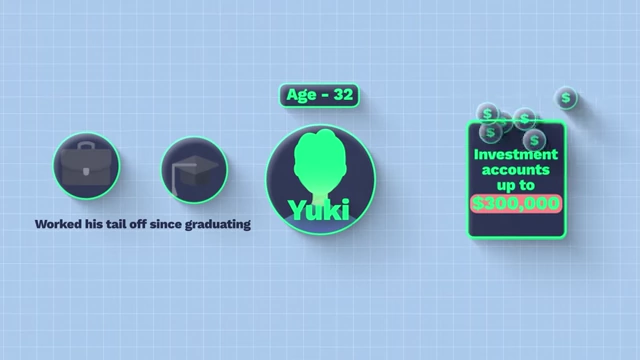
Diagram showing Yuki's investment accounts reaching $300,000 by age 32 [ 00:06:40 ] 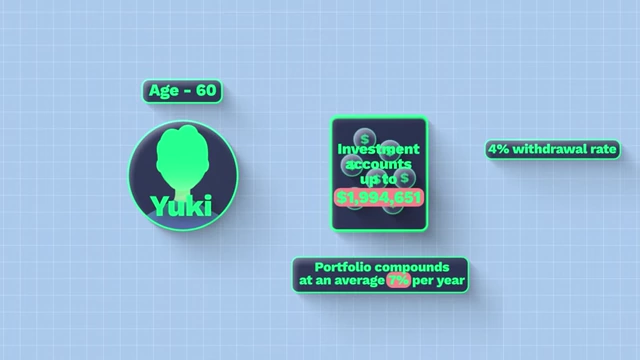
Yuki's projected investment growth to nearly $2 million by age 60 with a 7% annual compound return and a 4% withdrawal rate [ 00:06:51 ] - BaristaFIRE [07:18]:
- Strategy: Achieve enough financial independence to leave a high-stress job but continue working part-time.
- Motivation: Often for benefits like health insurance or to cover a portion of expenses.
- Mechanism: Part-time income covers some expenses, with the portfolio covering the rest, requiring a smaller overall portfolio.
- Example (Ollie): At 45, with $800,000 invested, he earns $25,000/year part-time (plus benefits) and has $55,000 in annual expenses. He withdraws $30,000 (3.75% withdrawal rate) from his portfolio to cover the gap.
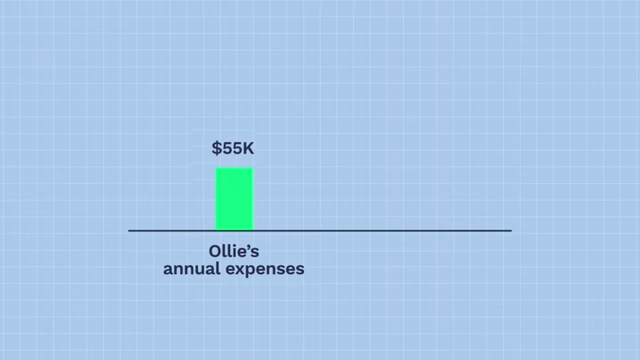
Bar chart showing Ollie's annual expenses of $55,000 [ 00:07:49 ] - Flexible FIRE (Flow FIRE) [07:57]:
- Strategy: Achieve financial stability to work when, how, and if desired, combined with other income streams.
- Mechanism: Withdrawal rates from the portfolio can vary yearly based on external income.
- Example (Oscar): At 50, with $900,000 invested, he earns $20,000 from an online business and $10,000 from renting his basement. With $60,000 annual spending, he only needs $30,000 from his investments (3.3% of his portfolio).
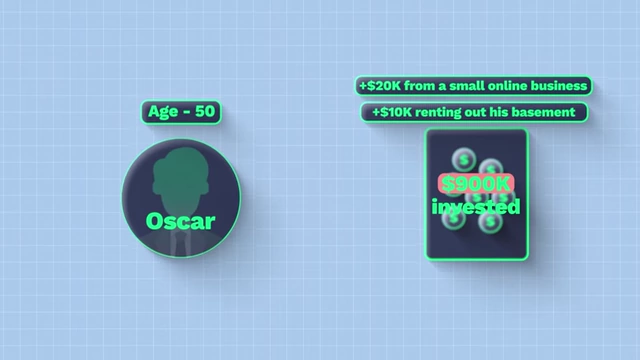
Diagram outlining Oscar's financial situation at age 50, including investments and various income streams [ 00:08:22 ] 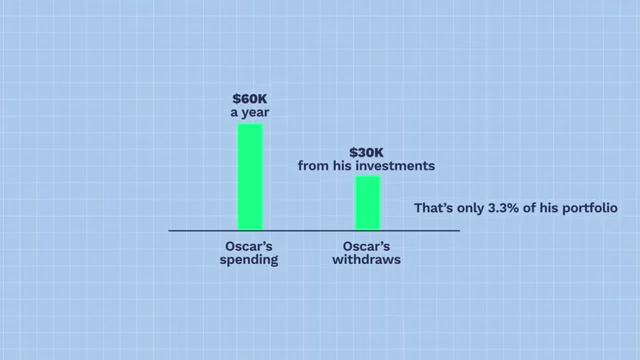
Bar chart comparing Oscar's total annual spending against the amount withdrawn from his investments [ 00:08:29 ]
- Benefits of Evolution: These variations demonstrate that FIRE doesn't mean completely stopping work; rather, it offers ways to gain time, reduce stress, and design a desirable lifestyle before full financial independence.
4 Ways to Make FIRE Work Today [08:49]
Adjusting strategy for the current economic environment is crucial:
- Income Management [08:57]:
- Future of Work Concern: AI's impact on industries could put future incomes at risk, making the next decade unpredictable.
- "Up, Out, In" Method:
- Up [09:28]: Move up within your current employer to increase income.
- Out [09:33]: Seek opportunities with new employers for salary boosts.
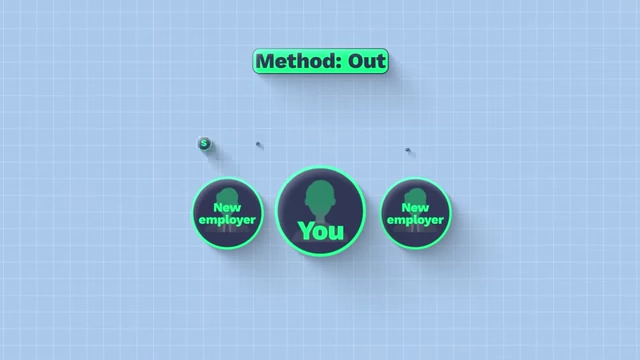
Diagram illustrating the "Out" method, where an individual seeks new employment opportunities [ 00:09:37 ] - In [09:36]: Learn new skills or improve existing ones to increase value and earning potential. - Reskilling for AI [09:43]:
- Job Risk Assessment:
- Group 1: Low Risk [10:06]: Jobs with human touch (e.g., teaching, healthcare) are relatively safe.
- Group 2: Extremely High Risk [10:15]: Roles facing extinction; pivot to more resilient fields.
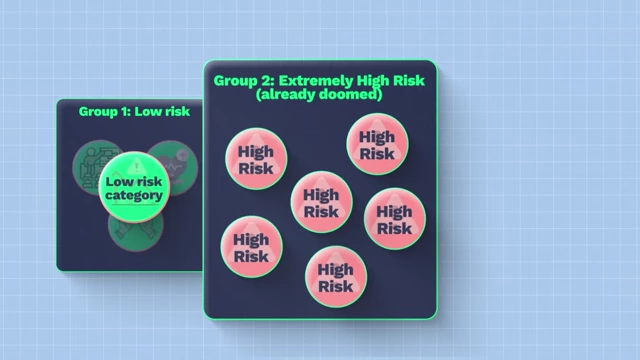
Diagram categorizing jobs into low-risk and extremely high-risk groups in the context of AI impact [ 00:10:19 ] - Group 3: Medium to High Risk [10:27]: Roles where 30-50% of the workforce could be cut with full AI integration.
- Solution: Reskill quickly by adding skills that make you indispensable (e.g., data analysis, coding, AI tool implementation).
Diagram showing that reskilling involves combining existing expertise with new AI-related skills [ 00:10:49 ] - Proactive Approach: Develop a roadmap (12-18 months) to reskill and stay competitive. Even if AI doesn't fully replace jobs, new skills will likely increase income.
- Spending Management [11:51]:
- Non-Negotiable Skill: Know exactly where your money goes.
- Systematic Approach: Have a system to track income, expenses, and investment funds.
- Intentionality:
- Prioritize biggest financial goals first (investing, debt repayment, emergency fund).
- Automate as much as possible to avoid reliance on willpower.
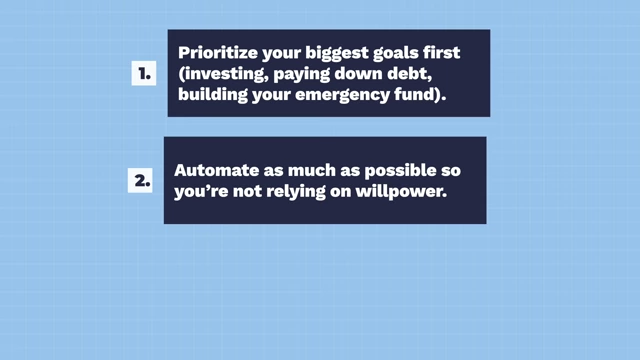
Numbered list detailing the first two steps for intentional spending: prioritizing goals and automating savings [ 00:12:35 ] - Track progress monthly to make timely adjustments.
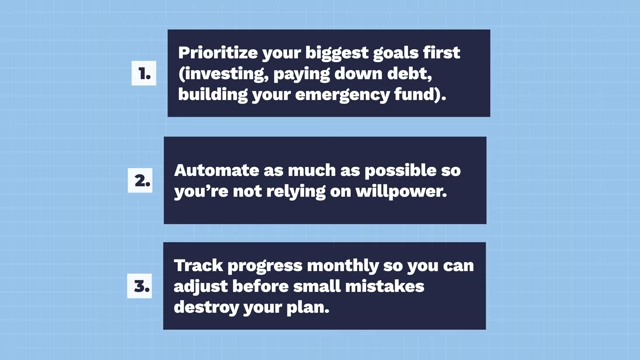
Numbered list outlining three key steps for intentional spending: prioritizing goals, automating, and tracking progress monthly [ 00:12:39 ]
- Start Pre-Saving [12:54]:
- Avoid Debt: Taking on debt for known future expenses can derail a FIRE plan.
- Financial Prepping: Save for inevitable costs to prevent early portfolio withdrawals.
- Examples:
Icon representing the strategy to start pre-saving for big-ticket items [ 00:13:19 ] - Medical Bills: Utilize an HSA (Health Savings Account) and consider investing the funds for growth.
- Big-Ticket Items: Pre-save for car replacements, home maintenance (roof, HVAC, appliances). The speaker saved $12,000 for a car by investing monthly payments instead of using a savings account.
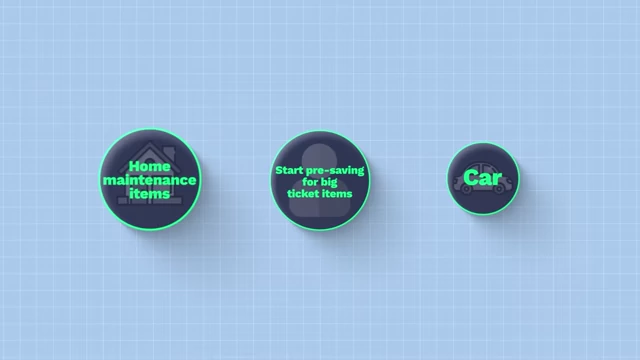
Icons representing common big-ticket items for which pre-saving is recommended, such as home maintenance and cars [ 00:13:22 ] 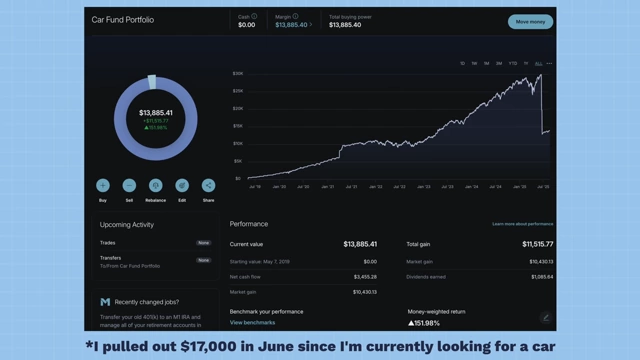
Graph showing the growth of a car fund portfolio over time, indicating a total gain of over $11,000 [ 00:13:37 ]
- Avoid COL (Cost of Living) Trap [13:45]: - Geographic Arbitrage: Re-evaluate your living location. - High-Cost Areas: Staying in a high-cost-of-living (HCOL) area without a proportional income can significantly delay FIRE. - Alternative: Moving to a lower-cost state or neighborhood can free up thousands for investing. - Mindset Shift: Recognize that some cities signal they don't want average earners. Changing your zip code can be a better financial move than extreme frugality in an HCOL area. - FIRE Ethos [14:36]: The core of FIRE is rejecting social norms and proactively managing money to buy freedom sooner through intentional living, aggressive saving, and smart investing.