The year 1325, prior to the Black Death and Hundred Years' War, offered a surprisingly rich and vibrant existence in Western Europe.
A bustling medieval town scene, full of people and activity, depicting daily life
[
00:00:13
]
Childhood was wild and unsupervised, with children engaging in imaginative play before becoming "miniature adults" by age seven.
Life was characterized by "violent contrasts" and extreme emotions, with a predominantly young population contributing to a restless energy.
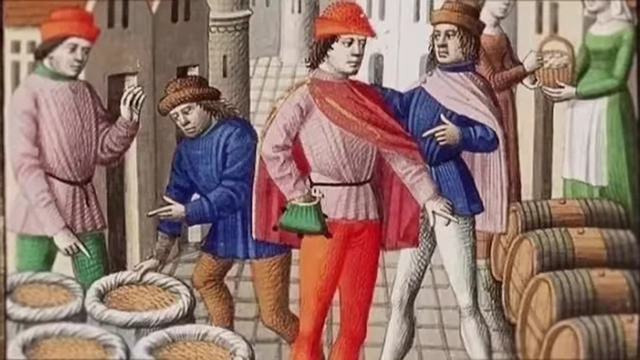
Towns were noisy and colorful, filled with church bells, street preachers, and merchants, while medieval fashion displayed a spectrum of bright hues.
Faith was deeply ingrained, providing a sense of divine order and meaning in all aspects of life, from nature to daily occurrences.
Travel was common, with roads bustling with diverse individuals, and inns serving as vibrant social hubs.
Guilds fostered strong communities, offering support, purpose, and camaraderie through shared craft identities and legendary feasts.
The medieval mindset valued community, active purpose, faith, and a sense of wonder, offering valuable lessons for modern living despite the era's challenges.
Life in 1325: A Snapshot Before the Calamities [0:00]
A bustling medieval town scene, full of people and activity, depicting daily life
[
00:00:13
]
Western Europe in 1325 was a period of fragile peace, predating the Black Death and the Hundred Years' War.
England experienced a delicate calm.
France, under Charles IV, boasted a court known for luxury and intrigue.
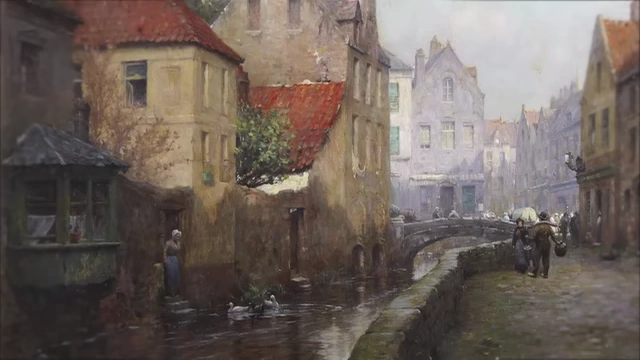
Cities like Bruges and Ghent were thriving trade centers, bustling with goods like English wool and French wine.
A medieval canal city, likely Bruges or Ghent, illustrating thriving trade centers
[
00:00:41
]
This era was described by chroniclers like Jean Froissart as "full of life and of splendid pride," marked by confidence, hope, noise, color, and a deeply human experience.
People dancing and socializing in a lively medieval setting
[
00:00:56
]
Childhood Freedom and Play in the Middle Ages [1:05]
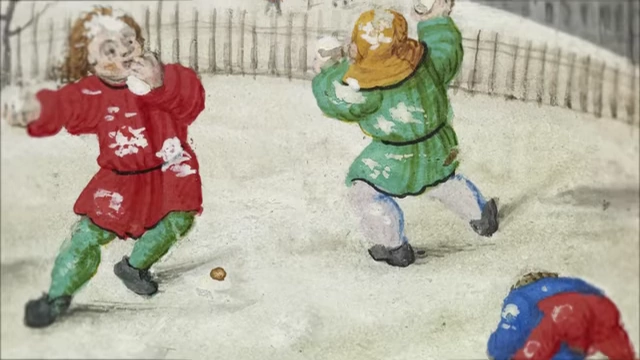
Medieval children engaging in a snowball fight, highlighting unsupervised play
[
00:01:15
]
Medieval childhood was largely unsupervised and free, similar to modern childhoods from decades past.
Parenting was generally hands-off, partly due to high infant mortality rates, where children weren't considered "fully here" until age seven.
Depictions of daily life in medieval art and advice manuals rarely included parenting, focusing more on figures like the Madonna rather than typical maternal roles.
Despite the perception of the Middle Ages as dark, children were constantly playing.
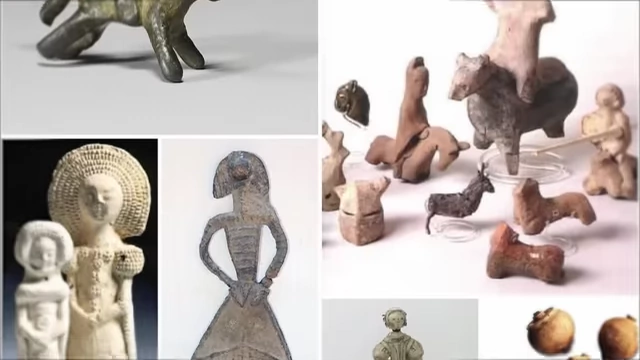
Archaeological discoveries include toy knights and dolls with movable limbs, indicating children's universal desire for play.
A collection of excavated medieval children's toys, including a horse and dolls
[
00:02:10
]
This era fostered play without modern "brain rot."
The Vibrant Sensory Experience of Medieval Life [2:18]
Medieval life was characterized by "violent contrasts," where emotions like joy, grief, faith, and love were experienced intensely.
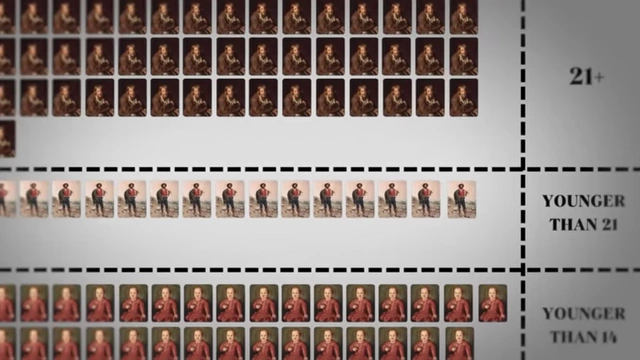
The population was remarkably young: 50% were under 21, and a third were under 14, leading to often childish and impulsive behavior among prominent figures.
An infographic illustrating the age demographics of the medieval population
[
00:02:50
]
Towns and villages buzzed with a restless energy and an "electricity in the air" due to the pervasive sense of the divine.
Daily life was orchestrated by the constant ringing of church bells for morning, noon, and evening prayers (matins, vespers, compline).
Mechanical clocks were just beginning to be introduced around this time, but bells still largely dictated time.
City streets were alive with sounds: carts clattering, pigs squealing, merchants shouting prices, street preachers proclaiming revelations, and minstrels playing songs.
The air carried a mix of scents: smoke, horse manure, and "bio," but also the inviting aromas of fresh-baked bread and spiced meats.
Insane Colors of Medieval Fashion and Decor [5:12]
Medieval figures depicted in richly colored tunics and hose, showcasing vibrant fashion trends
[
00:05:24
]
Contrary to modern stereotypes of drabness, the Middle Ages were bursting with color.
Peasants wore russet and green.
Merchants sported blue, red, and striped hose.
Nobles were adorned in luxurious cloth of gold and bright silk.
Even the poorest decorated their homes with flowers or colored cloths on feast days.
Contemporary writers were "scandalized" by the emerging trend of shorter tunics, which exposed more of people's legwear.
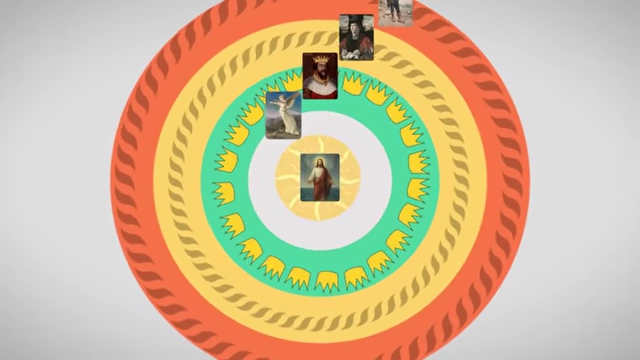
Despite noticeable social disparities, with beggars at church doors and barons on horseback, medieval people perceived a fundamental harmony.
They believed everything had its designated place within the "Great Chain of Being," with all individuals, from angels to beggars, under God's control.
A circular diagram illustrating the "Great Chain of Being," depicting hierarchical layers under a central divinity, with figures of different social statuses
[
00:06:14
]
How Medieval People Understood Time and Learning [6:16]
Time moved at a much slower pace, not governed by modern minutes or deadlines, but by seasons and saints' days.
The world was thought to move "according to prayer," though the rising merchant class introduced the concept of time moving "according to profit."
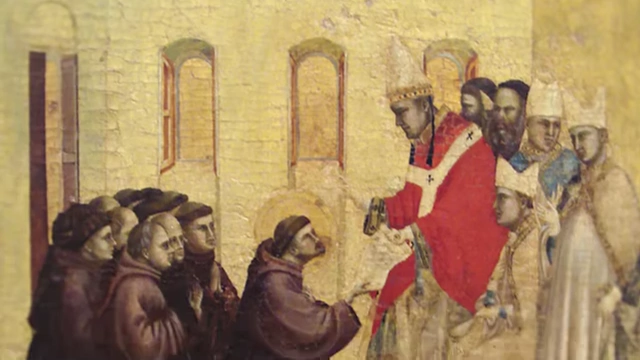
Life in 1325 was deeply embedded in a "purely Catholic cosmos," with religion permeating every aspect of thought and feeling.
A medieval painting depicting religious figures and a pontiff, illustrating the "purely Catholic cosmos"
[
00:10:05
]
The parish church was a vibrant social hub, noisy and bustling, where young men flirted, children played, and bakers sold goods after mass.
Bells marked significant life events like weddings and deaths, drawing the entire community together.
The annual calendar revolved around major feast days such as Candlemass, Corpus Christi, and Michaelmas, which were essentially large communal celebrations.
These festivals fostered a strong sense of community, where privacy was limited but loneliness was rare.
Catholicism provided a universal "cultural currency" that everyone understood.
Towns came alive with elaborate processions and pageants, with records noting communal singing and priestly laughter, highlighting the celebratory nature of faith.
The average Catholic layperson sought to "sanctify the world around them" rather than retreat from it.
Daily life was immersed in religious symbols and rituals: the sign of the cross, the smell of incense, the rhythm of liturgy, and biblical art.
This provided a constant sense of purpose and meaning from birth to death, alleviating the need to actively search for life's purpose.
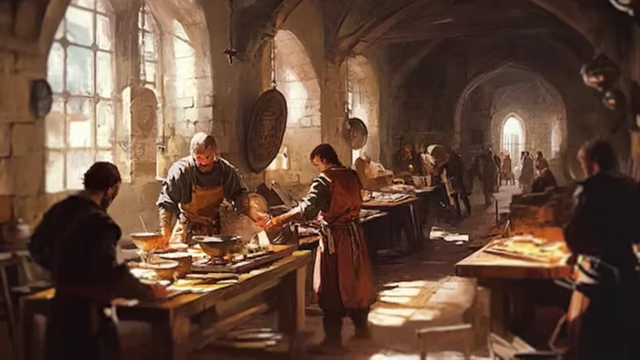
Medieval craftsmen working in a large hall, showcasing a sense of community and shared labor within a guild
[
00:11:48
]
Guilds addressed the "male loneliness crisis" of the era, acting as extended families for craftsmen.
They governed prices, apprenticeships, quality standards, and provided robust social welfare, including support for sick members and pensions for widows.
Members swore oaths, attended mass together, and looked after each other's spiritual well-being.
According to Barbara Tuchman, "the medieval man was never alone," emphasizing the comprehensive web of guilds, parishes, and fraternities that offered a profound sense of belonging.
Guild feasts were legendary, featuring barrels of ale, roasted meats, laughter, and songs dedicated to patron saints.
Work itself held a sacred dimension, seen as a form of prayer, with each craft having its own patron saint.
A mason, for example, could carve his initials on a cathedral stone, knowing he was leaving an enduring mark on "eternity."
The video advocates learning from medieval ancestors to enrich modern lives, challenging the common dismissal of the Middle Ages.
Medieval people understood the importance of community, that faith is not a solitary pursuit, and that purpose comes from active engagement rather than passive waiting.
They possessed a deep sense of wonder about their world and, despite its chaos and violence, appeared less stressed than modern individuals.
Ultimately, they embraced the understanding that some things are beyond human control, resting "in God's hands."