Implementing Signal vs. Noise, Doing Things That Don't Scale, and Data-Driven Content for Productivity and Growth
Summary:
- The video introduces the "Signal vs. Noise" productivity concept, inspired by Steve Jobs and Kevin O'Leary, emphasizing prioritizing 3-5 critical tasks (signal) and delegating or eliminating distractions (noise) to achieve an 80/20 ratio for success.
- It highlights Paul Graham's essay "Do Things That Don't Scale," illustrating how companies like Airbnb, Facebook, and Stripe achieved initial growth through manual, unscalable efforts to learn and gain feedback before automating.
- The importance of failure and experimentation is stressed, citing Jeff Bezos and Amazon's strategy of embracing numerous experiments, knowing that one success can outweigh many failures.
- Career advice for creators focuses on reasoning from first principles, utilizing YouTube analytics extensively to understand audience behavior, and consistently producing content that provides "value for strangers."
- Steven shares personal insights on balancing ambition with finding joy in simplicity, reflecting on his dog Pablo's illness and the profound lessons learned from their 10-year companionship regarding life's true problems and appreciating limited time.

Categorizing tasks into 'Signal' (must-do) and 'Noise' (delegate or eliminate) for effective prioritization. [ 00:03:00 ]
The Signal vs. Noise Productivity Framework [00:00:00]
- Origin of the Concept [00:00:41]
- Inspired by Kevin O'Leary (Shark Tank) and his experience with Steve Jobs.
- Steve Jobs had an exceptional ability to discern "signal" from "noise."
- Defining Signal and Noise [00:01:11]
- Signal: The top 3-5 mission-critical tasks that must be completed within 18 hours. These are the most important things to move towards goals.
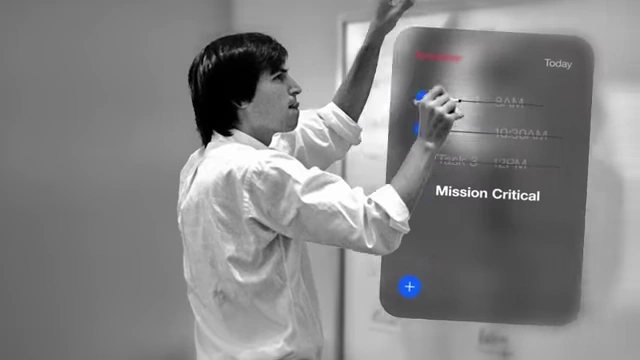
Steve Jobs' method for identifying mission-critical tasks to complete within 18 hours. [ 00:01:30 ] - Noise: Anything that prevents you from completing the signal tasks, including emails, messages, and less important tasks.
- Steve Jobs aimed for an 80% signal to 20% noise ratio for success.

The 80/20 signal-to-noise ratio for productivity, prioritizing mission-critical tasks. [ 00:01:46 ]
- Signal: The top 3-5 mission-critical tasks that must be completed within 18 hours. These are the most important things to move towards goals.
- Personal Application [00:02:22]
- Steven realized he was wasting energy on "noise" as a creative with many ideas.
- He proposes categorizing all daily tasks into a "signal" column (must-do) and a "noise" column (delegate or eliminate).
Categorizing tasks into 'Signal' (must-do) and 'Noise' (delegate or eliminate) for effective prioritization. [ 00:03:00 ] - Steven's digital task management system with 'Signal vs Noise' columns.
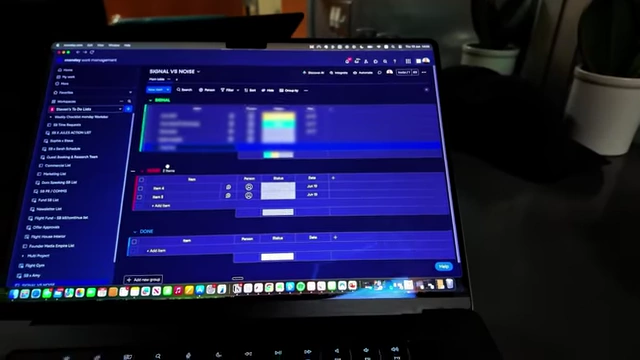
Steven Bartlett's digital task management system, showing signal and noise task columns. [ 00:02:40 ]
- The Power of Saying "No" [00:03:07]
- Jony Ive recounted Steve Jobs asking him how many things he said "no" to.
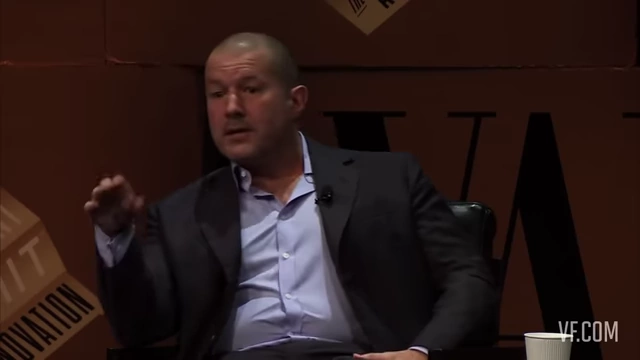
Jony Ive reflecting on Steve Jobs' emphasis on saying "no" to phenomenal ideas to maintain true focus. [ 00:03:33 ] - True focus means saying "no" to phenomenal ideas that are not aligned with the core mission.
- Steven plans to incorporate a daily "signal and noise session" in his calendar.
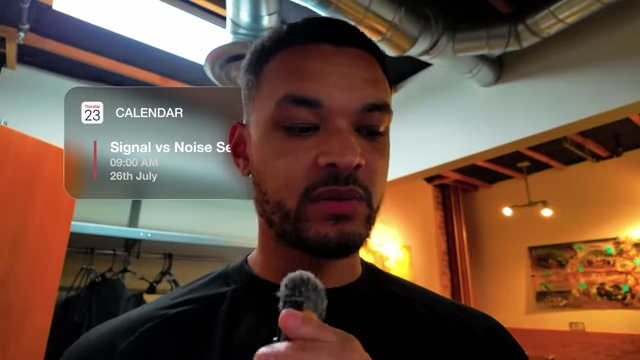
Steven Bartlett's calendar reminder for a daily 'Signal vs. Noise' session to define priorities. [ 00:04:02 ]
- Jony Ive recounted Steve Jobs asking him how many things he said "no" to.
The "Do Things That Don't Scale" Principle [00:24:00]
- Introduction to Paul Graham's Essay [00:04:56]
- The principle involves performing manual, non-scalable tasks for early customers to gain crucial insights.
- Key Examples from Successful Companies [00:05:25]
- Airbnb: Founders manually visited users' homes to take professional photos when they noticed low-quality listings were impacting customer experience. This unscalable act provided vital feedback.
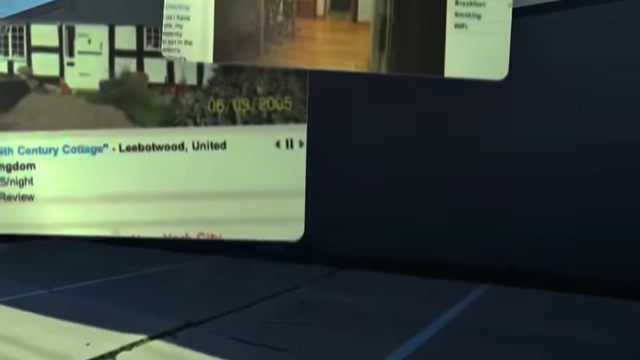
Poor quality user-uploaded images on early Airbnb listings, prompting manual intervention by founders. [ 00:05:34 ] 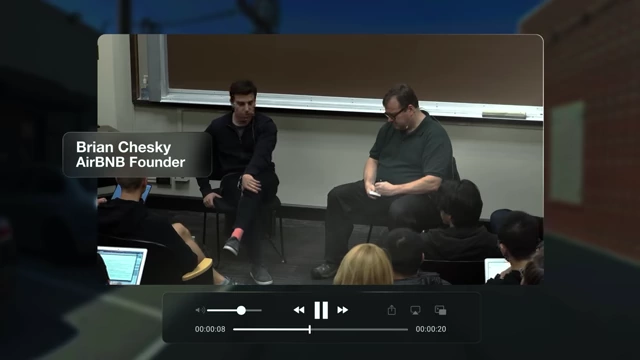
Airbnb co-founder Brian Chesky explaining how they manually photographed early listings. [ 00:06:03 ] - Facebook: Mark Zuckerberg personally pitched users at Harvard to join the platform in its initial stages.
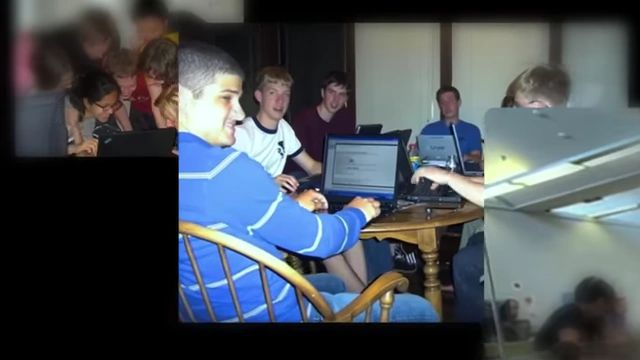
Mark Zuckerberg manually pitching early users at Harvard to join Facebook, an unscalable but crucial initial effort. [ 00:06:44 ] - Stripe: Founders Patrick and John Collison manually installed their software on customers' computers.
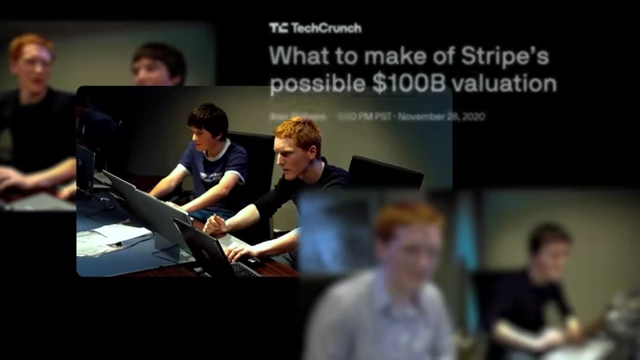
Stripe founders Patrick and John Collison manually installing software for early customers, prioritizing direct learning over immediate scalability. [ 00:07:20 ]
- Airbnb: Founders manually visited users' homes to take professional photos when they noticed low-quality listings were impacting customer experience. This unscalable act provided vital feedback.
- The Critical Mistake [00:07:23]
- Many founders mistakenly try to emulate large, scalable companies from day one.
- These successful companies (Airbnb, Meta, Stripe) did not think in terms of scale at their inception; they focused on solving immediate, niche problems manually.
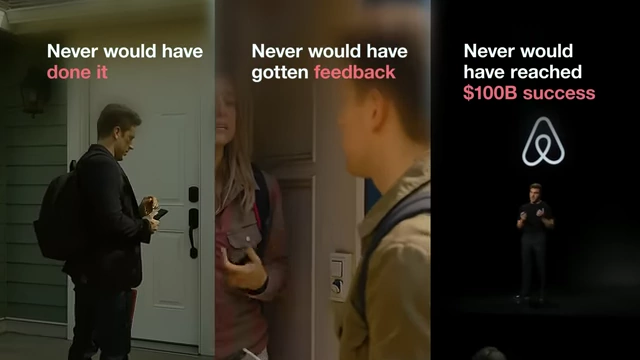
The detrimental effect of obsessing over scalability from day one, leading to missed feedback and potential failure. [ 00:06:40 ]
- Learning and Scaling [00:07:41]
- Unscalable actions allow for essential learning and feedback to move from "zero to one."
- Later, processes can be automated and scaled once the core value proposition is understood.
Embracing Failure and Experimentation [00:55:00]
- Risk and Change [00:11:30]
- The biggest risk in innovation is not taking enough risk, especially in a rapidly changing world.
- To keep up with exponential change, the rate of experimentation must match it.
- Comfort with Failure [00:11:51]
- Organizations and individuals must become comfortable with failure.
- Jeff Bezos stated that Amazon needs to be "the best place on earth to fail."
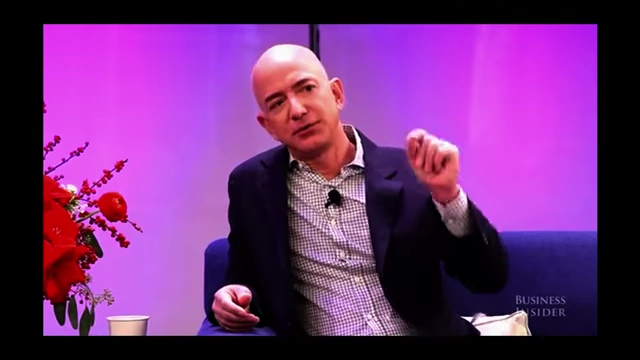
Jeff Bezos emphasizes that Amazon must be 'the best place on earth to fail' to foster innovation. [ 00:12:11 ] - Companies that don't experiment eventually face desperate situations.
- Flight Story's Approach [00:12:22]
- Flight Story has a dedicated "failure and experimentation team."
- Their key performance indicator (KPI) is the amount of experiments run, not the success rate.
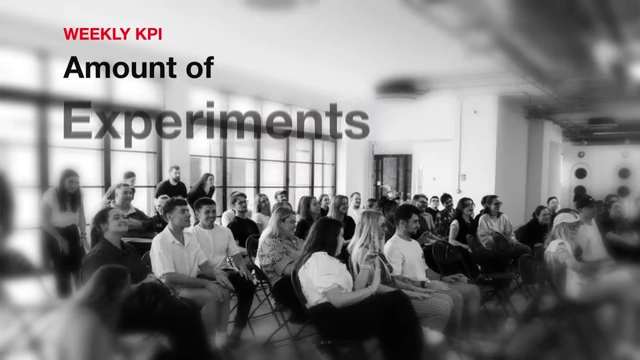
Flight Story's KPI for its experimentation team is the sheer volume of experiments run weekly, not the success rate. [ 00:12:29 ] - Successes are typically born from many failures (e.g., Amazon's 1-in-10 success rate, where AWS pays for many failed ventures like Firef and Endless.com).
- Failure as a Catalyst [00:13:10]
- The goal is to fail quicker than competitors, as "failure equals feedback, feedback equals knowledge, and knowledge equals power."
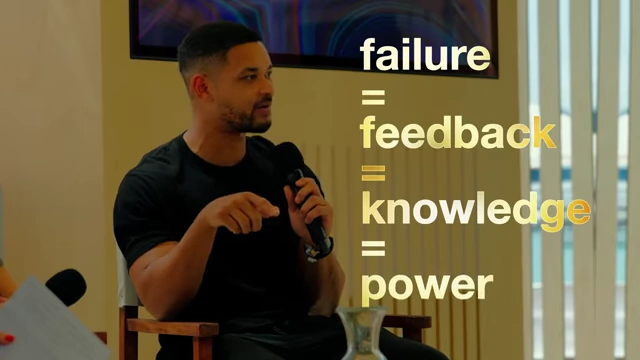
The equation illustrating how failure provides feedback, which leads to knowledge and ultimately power. [ 00:13:19 ]
- The goal is to fail quicker than competitors, as "failure equals feedback, feedback equals knowledge, and knowledge equals power."
Career Advice for Creators: From First Principles to Analytics [01:12:00]
- Reasoning from First Principles [00:13:23]
- Instead of starting with a conclusion (e.g., "I should start a podcast" because others suggest it), begin with fundamental questions:
- What do I have to say?
- Who is it for?
- Why does it matter?
- What's the best platform to communicate it?
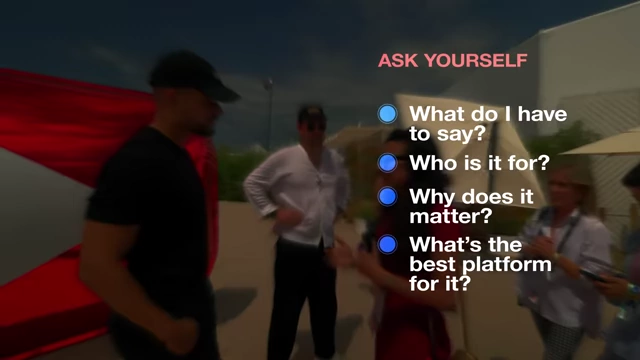
Key questions for creators to ask themselves based on first principles before starting a new venture. [ 00:13:47 ]
- Starting with the wrong answer, even with excellent execution, will lead to failure.
- Instead of starting with a conclusion (e.g., "I should start a podcast" because others suggest it), begin with fundamental questions:
- The Power of Analytics [00:15:23]
- YouTube's advanced analytics provide minute-by-minute retention data, showing exactly when and why viewers drop off.

YouTube's advanced analytics display audience retention minute-by-minute, revealing drop-off points and viewer engagement. [ 00:15:39 ] - This data allows creators to understand what their audience wants and to refine content.
- Steven spends 2.5 hours daily analyzing YouTube data.
- The team actively discusses YouTube analytics to understand viewer behavior and improve content.
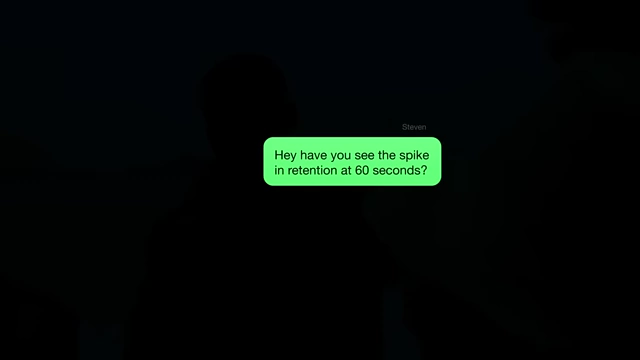
Team discussions in a WhatsApp group, analyzing YouTube analytics to refine content strategy. [ 00:17:37 ] - Audience consumption patterns show significant viewership on various devices.
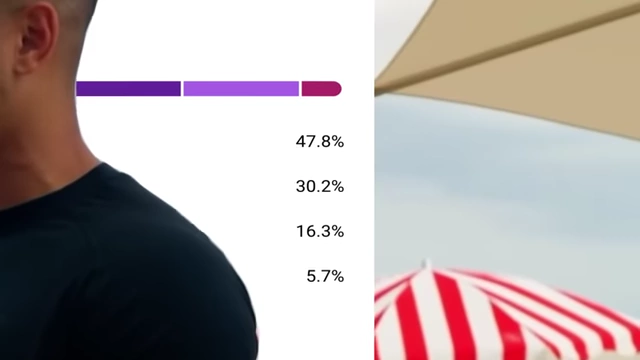
Breakdown of audience watch time by device (mobile, TV, computer, tablet) on YouTube, highlighting platform shifts. [ 00:18:53 ]
- YouTube's advanced analytics provide minute-by-minute retention data, showing exactly when and why viewers drop off.
- The Content Feedback Loop [00:17:26]
- The cycle for creators: Produce, Publish, and then Pay Attention to the data.
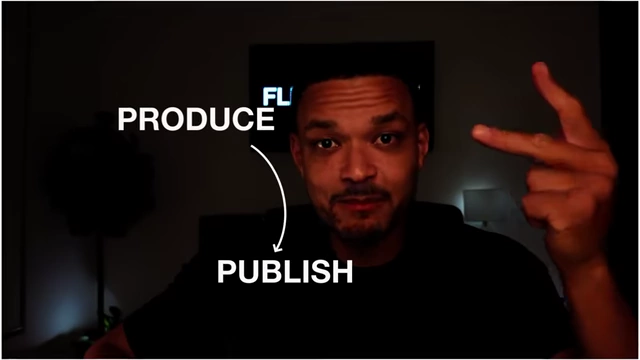
The 'Produce, Publish, Pay Attention' feedback loop for continuous content improvement. [ 00:17:29 ] - Every post is data, and understanding this feedback is crucial for improvement.
- The cycle for creators: Produce, Publish, and then Pay Attention to the data.
- "Value for Strangers" Framework [00:17:51]
- Content should always be created to provide value to the audience (strangers), not for personal validation or merely because a parent thinks it's good.
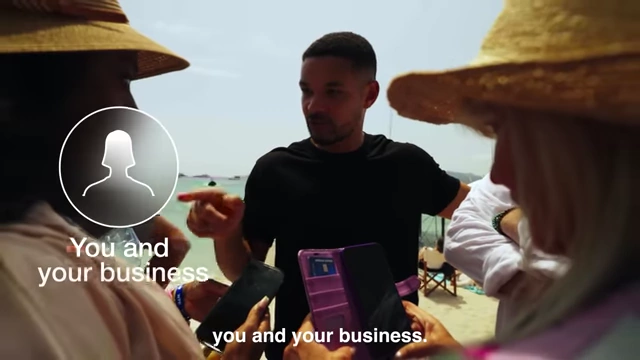
The 'Value for Strangers' framework, emphasizing content creation for the audience rather than personal validation. [ 00:17:52 ] - Identify target personas and ensure each piece of content serves them by asking, "Is this valuable to people?" before posting.
- Content should always be created to provide value to the audience (strangers), not for personal validation or merely because a parent thinks it's good.
Flight Story Expansion and Personal Reflections [01:34:00]
- Business Growth in America [00:08:35]
- Steven is relocating to Los Angeles to facilitate Flight Story's expansion into the US market.
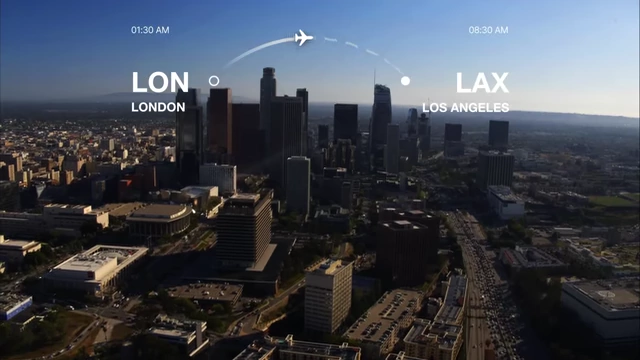
Steven Bartlett's flight route from London to Los Angeles, symbolizing Flight Story's expansion into the US market. [ 00:08:35 ] - New studios are planned in Boston (already active), Los Angeles, and a commercial office in New York City.
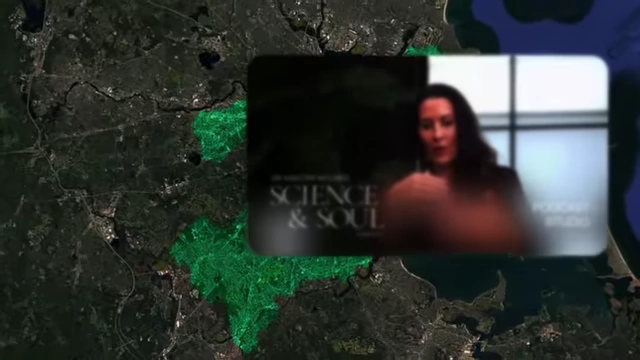
Flight Story's podcast studio in Boston, one of the company's US locations. [ 00:08:49 ] 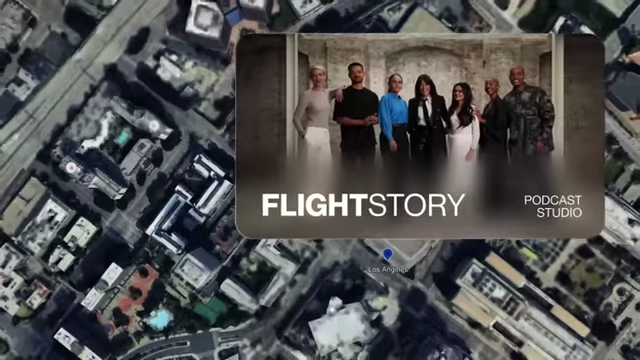
Flight Story's podcast studio in Los Angeles, part of the company's US expansion. [ 00:08:53 ] 
Flight Story's commercial office in New York City, demonstrating the company's growing US presence. [ 00:08:55 ] - Speaking engagements, like Cannes, generate significant revenue (e.g., £200,000 for Flight Story) which is reinvested into the business for long-term growth.
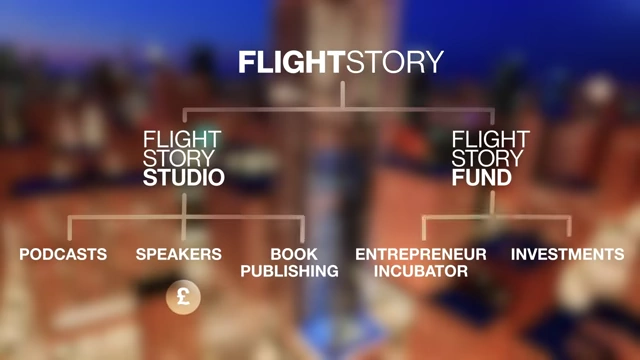
Flight Story's organizational chart, showing its studio, fund, and various entrepreneurial ventures. [ 00:11:02 ]
- Steven is relocating to Los Angeles to facilitate Flight Story's expansion into the US market.
- Personal Life Optimizations [00:09:00]
- Wearing the same outfit daily (all black) is a "path of least resistance" that saves significant decision-making time (estimated 2 years over a lifetime if 20 minutes daily are saved).
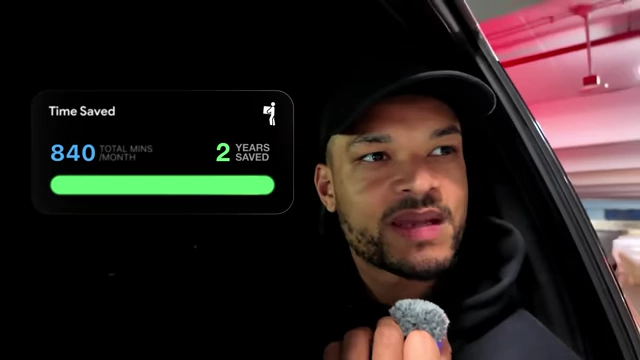
Infographic calculating 2 years saved over a lifetime by simplifying wardrobe and travel decisions. [ 00:09:40 ]
- Wearing the same outfit daily (all black) is a "path of least resistance" that saves significant decision-making time (estimated 2 years over a lifetime if 20 minutes daily are saved).
- Reflections on Pablo, His Dog [00:20:40]
- Pablo, Steven's dog of nearly 10 years, is severely ill, experiencing weight loss, inability to walk, and difficulty holding down food.

Steven Bartlett's dog, Pablo, looking unwell, leading to personal reflections on loss and appreciation. [ 00:20:39 ] - Pablo has been a constant companion through Steven's entrepreneurial journey, providing love and friendship during lonely times.
- Lessons Learned:
- Pablo helped Steven realize that many perceived problems were not "real problems."
- He taught the importance of finding joy in simple things (e.g., playing with a bottle, splashing in a bathtub).
- Confronting Pablo's impending loss has made Steven deeply appreciate the limited time and value in life, prompting him to express gratitude.
- Pablo, Steven's dog of nearly 10 years, is severely ill, experiencing weight loss, inability to walk, and difficulty holding down food.